Is My Hunting License Valid in Another State? Hunting License Reciprocity Explained
No. Unfortunately, a hunting license purchased in one state is valid only in that state, so you'll need a separate non-resident license for every state you hunt in. Hunting license reciprocity between states doesn't work quite the same way as a driver's license.
Hunter education certificates are different. An IHEA-approved certificate earned in one state is recognized in all 50 states and most Canadian provinces. Non-resident licenses are available nationwide, but can cost three to 10 times more than resident options. Waterfowl hunters also need a federal duck stamp, which works nationwide in addition to state licenses, stamps, and registrations.
Here's how to carry proper credentials and hunt lawfully while crossing state lines.
Why Your Hunting License Doesn't Cross State Lines
Each state manages its wildlife as a public trust resource. State wildlife agencies set their own seasons, bag limits, license structures, permit systems, and methods based on local wildlife populations and management goals.
License revenue also helps fund conservation and enforcement within the issuing state. For example, when you buy a hunting license in Pennsylvania, those funds support Pennsylvania's wildlife programs. That license doesn't permit you to hunt in Ohio, New York, or any other state.
No federal hunting license or general interstate license covers multiple states. If you plan to hunt in three states, you'll usually need separate state-issued licenses along with any required species permits, tags, stamps, or application approvals.
Non-resident hunters must purchase the appropriate license from each state before hunting there. Even if you hold a valid resident license in your home state, you'll need one for your destination state.
Expect non-resident licenses to cost more than resident licenses in nearly every state. Residents already help support their wildlife agencies through state taxes and in-state fees, while visiting hunters contribute primarily through non-resident license revenue.
The following table illustrates the general price difference among several states with high hunting participation. Because license packages aren't identical, verify current fees and included privileges with the destination state when planning.
Resident vs Non-Resident Hunting License Fees (10 States) | ||
| State | Resident Base License | Non-Resident License |
Texas | $25 | $315 |
Pennsylvania | $20.97 | $101.97 |
Tennessee | $33 Resident Combination Hunt/Fish Annual (ages 16-64) | $305 Annual (All Game) |
Wisconsin | $24 (Gun Deer) | $200 (Gun Deer) |
Michigan | $11 | ~$151 |
Georgia | $15 | ~$100 |
Missouri | $19.50 (Firearms Any-Deer) | $ 360 (Firearms Any-Deer) |
New York | $22 | $100 |
Ohio | ~$19 | $180.96 |
Alabama | $34.35 (All Game) | $399.50 (All Game) |
The exact multiplier matters less than remembering the overall pattern: Non-resident hunting costs more. When planning your hunt, compare the complete package you'll need since a base license rarely includes deer tags, habitat stamps, or other required permits.
What Actually Transfers Between States: Hunter Education, Not the License
Hunter education reciprocity is real, even though hunting license reciprocity between states isn't. An IHEA-approved certificate earned through one state is generally recognized throughout the United States and in most Canadian provinces.
You won't need to repeat hunter education because you moved or booked an out-of-state hunt. Your certificate shows you completed recognized safety training, but you still can't hunt without the destination state's license.
Hunter Education vs. Hunting License Reciprocity Between States
Reciprocity applies only to your hunter education course certificate. It doesn't apply to:
- Your hunting license
- Season dates
- Bag or possession limits
- Species permits and tags
- Legal weapon rules
- Reporting requirements
- State or local hunting regulations
A small number of states apply even narrower conditions. For example, Connecticut has restrictions involving some online-only certificates, while California may require additional in-person instruction under certain certification paths. These are exceptions, not the rule, so verify the current requirements in the state where you plan to hunt.
The table below shows how the most common hunting credentials work across state lines.
Hunting License vs Hunter Education Reciprocity | ||
| Document | State Specific? | Valid in Other States? |
Hunting License | Yes. One per state. | No |
Hunter Education Certificate | No. Issued once. | Yes. All 50 states + Canada. |
Federal Duck Stamp | No | Yes (nationwide) |
State Waterfowl Stamp | Yes | No |
Just making that mental distinction can avoid problems later. Your hunter education certificate demonstrates that you completed safety training. Your license lets you hunt only in your home state.
How to Hunt Legally Across State Lines
So, is my hunting license valid in another state? Well, no. But you can legally hunt if you have your hunter safety certification and use this checklist before leaving home.
- Buy a non-resident license for every state you plan to hunt. Confirm that you're purchasing the correct license for the species, season, weapon, and property.
- Verify your hunter education certificate. Make sure your certification meets IHEA-USA standards and is accepted by the destination. Replace lost cards or retrieve a digital record before your trip.
- Review the destination state's regulations. Check season dates, shooting hours, bag limits, legal equipment, blaze-orange requirements, tagging, and harvest-reporting rules.
- Prepare for additional waterfowl requirements. If you're hunting migratory waterfowl, make sure your federal duck stamp is valid. You might need a state stamp, HIP registration, and other permits.
- Carry every required credential in the field. Depending on the state, you may need printed papers, electronic licenses, physical tags, or a combination of those.
Most of these steps take only a few minutes and are available online. Skipping one can leave you out of compliance, so be sure to follow up.

The Federal Duck Stamp: One Exception That Works Nationwide
The Migratory Bird Hunting and Conservation Stamp, better known as the Federal Duck Stamp, is one credential that works nationwide. Waterfowl hunters age 16 and older generally need a current stamp when hunting ducks and geese anywhere in the United States.
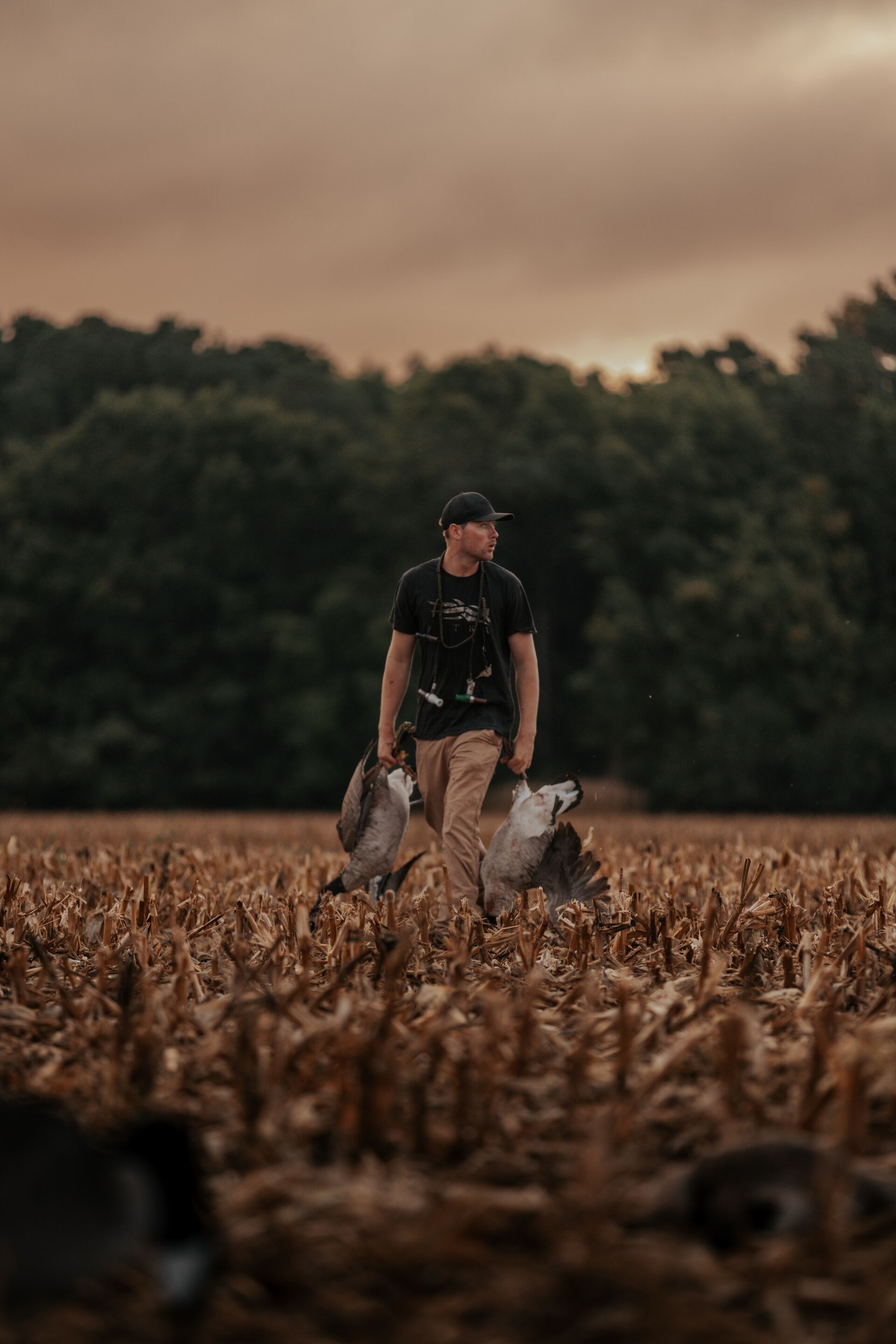
You don't need to purchase a separate federal stamp for each state. If you hunt ducks in Arkansas and then travel to Louisiana, the same current federal stamp applies in both places.
However, the federal duck stamp is only one layer of waterfowl compliance. It doesn't replace:
- The destination state's hunting license
- A state migratory bird or waterfowl stamp
- Harvest Information Program registration
- Required species permits
- State season, zone, or bag-limit rules
Federal duck stamp revenue supports wetland acquisition and conservation through the National Wildlife Refuge System. That nationwide conservation role explains why the stamp follows the hunter across state lines while state licenses do not.
There's also a less fun part of reciprocity: the Interstate Wildlife Violator Compact. All 50 states now participate in this enforcement agreement, which allows states to share information and recognize certain suspensions of hunting, fishing, and trapping privileges.
In practical terms, losing your hunting privileges in one state may also prevent you from hunting in another. The AFWA compact outlines restrictive reciprocity for violations, but doesn't change the need for a license in every state you hunt.
States With the Best Non-Resident Deer Hunting Value
The best value for a traveling deer hunter isn't always the state with the lowest advertised license price. Tag availability, public land, deer numbers, travel costs, season length, and the total required license package all affect what you receive for your money.
These states are worth considering when comparing non-resident deer opportunities.
- Missouri: A non-resident deer combination and strong public-land access can provide good value for hunters seeking a Midwestern whitetail trip.
- Mississippi: Its non-resident all-game options can be attractive when compared with the state's deer density and lengthy Southern hunting opportunities.
- Oklahoma: Competitive non-resident all-game pricing and varied terrain make Oklahoma worth considering for hunters traveling from nearby states.
- Georgia: The difference between resident and non-resident pricing can be lower than in some competing destinations, with deer opportunities spread across a long season.
- Wisconsin: Non-resident costs fall in the middle of the pack, but extensive public-land access can add value for hunters who don't want to pay for an outfitter or private lease.
"Best value" depends on what you're comparing. A low base-license price doesn't help much if deer permits, habitat stamps, or weapon-specific tags are above average.
Compare the complete deer-hunting package for the season you want to hunt. Then weigh that total against tag, stamp, and permit availability, plus access and travel.
Hunt Across State Lines With Hunter Education and the Right License
Your hunting license stays in the state that issued it, but your hunter education certificate generally travels with you. That's the key distinction in hunting license reciprocity between states.
Before an out-of-state hunt, buy the destination state's non-resident license, carry proof of hunter education (from any state where you've completed your hunter safety course), and review its current regulations. Waterfowl hunters should also carry a valid federal duck stamp while meeting every state-level license, stamp, and HIP requirement.
Once those pieces are in place, you can cross state lines confident that you have the correct credentials for the hunt.

Frequently Asked Questions (FAQs)
Q: Can I use my hunting license in a different state?
A: No. Each state issues a hunting license and generally authorizes hunting only under that state's laws. If you plan to hunt in another state, you'll need to purchase the appropriate non-resident license and any required tags, permits, or stamps for that state.
Q: Is hunting license reciprocal between states?
A: No. Hunting licenses generally aren't reciprocal between states. Each state sets its own licensing requirements, seasons, permits, and regulations, so you'll need to meet the requirements of every state where you hunt. Hunter education certificates are different and may be accepted across state lines.
Q: Is my hunter education certificate valid in another state?
A: Generally, yes. Hunter education certificates that meet IHEA-USA standards are accepted through interstate reciprocity. The Association of Fish & Wildlife Agencies encourages jurisdictions to continue accepting certificates from courses that meet IHEA-USA standards. You should still verify the destination state's current requirements before hunting.
Q: How much is a non-resident hunting license?
A: There isn't one nationwide fee. Each state sets its own non-resident license prices, and costs can vary by species, season, license type, and any additional permits or tags required. Check the destination state's current license fees and the total cost of the permits you'll need before your hunt.
Q: Do I need to retake hunter education if I move to a new state?
A: Usually not. If your existing hunter education certificate meets the destination state's requirements, you generally don't need to repeat the course simply because you moved. You will still need to obtain the new state's required hunting license and follow its licensing and documentation rules.
Q: Does the federal duck stamp work in every state?
A: Yes. A current Federal Duck Stamp or valid E-Stamp can be used for migratory waterfowl hunting in any state. However, it does not replace the state hunting license, state waterfowl stamps, HIP registration, or other requirements that may apply where you hunt. Waterfowl hunters age 16 and older generally must have a current federal stamp.
Q: What is the Interstate Wildlife Violator Compact?
A: The Interstate Wildlife Violator Compact is an agreement among participating states that allows them to share information and recognize certain suspensions of hunting, fishing, and trapping privileges resulting from wildlife-law violations. A suspension in one participating state can therefore affect your ability to obtain or use wildlife privileges in another participating state. It does not create a multi-state hunting license or eliminate the need to purchase the appropriate license in each state.