Do You Need a Hunting License? Requirements by State
Yes, if you hunt game animals, birds, or furbearers in the U.S., you generally need a valid hunting license issued by the state where you're hunting. There's no state where residents can hunt completely license-free.
Depending on the state, resident landowners, youths (usually ages 12-16) hunting with an adult, seniors, or qualifying disabled veterans may be eligible for free licenses, reduced-cost licenses, or limited exemptions. Even then, exempt hunters must still follow season dates, bag limits, species-specific rules, and federal requirements for migratory birds.
Most first-time hunters also need to complete hunter education before buying their first license, so it's smart to check those requirements before the season gets close.
Here's what you need to know to make sure you have the proper licensing before opening day!
What Is a Hunting License and Why Is It Required?
A hunting license is legal authorization from a state agency to hunt specific game during regulated seasons. It helps states manage wildlife, enforce hunting rules, and fund conservation efforts that keep hunting opportunities available.
Hunting without the required license is a wildlife violation and can result in fines, criminal charges, equipment seizure, and loss of future hunting privileges. Penalties vary by state and by the severity of the violation.
License fees also help fund state wildlife agencies. Along with federal wildlife restoration funding through the Pittman-Robertson Act, hunting license revenue supports habitat restoration, wildlife research, hunter education, shooting ranges, and public land access.
Most licenses are also specific to the species, season, or hunting activity. A base hunting license often doesn't include everything. Deer, turkey, elk, and waterfowl may require additional tags, permits, privileges, or stamps.
Who Needs a Hunting License?
Most residents and non-residents need a hunting license before pursuing game animals, birds, or furbearers in any of the 50 states. If you hunt across state lines, you'll need the proper license for each state where you hunt.
Non-residents usually pay higher license fees than residents. States use that fee structure to support conservation programs while managing access for resident and visiting hunters.
Waterfowl hunters have an additional federal requirement. Hunters age 16 and older must purchase a Federal Duck Stamp (currently $29) in addition to any state license, stamp, or waterfowl privilege required by the state.
Age requirements also vary. Some states extend licensing requirements to young hunters, while others allow youth hunters below a certain age to hunt for free, hunt under supervision, or use reduced-cost licenses.
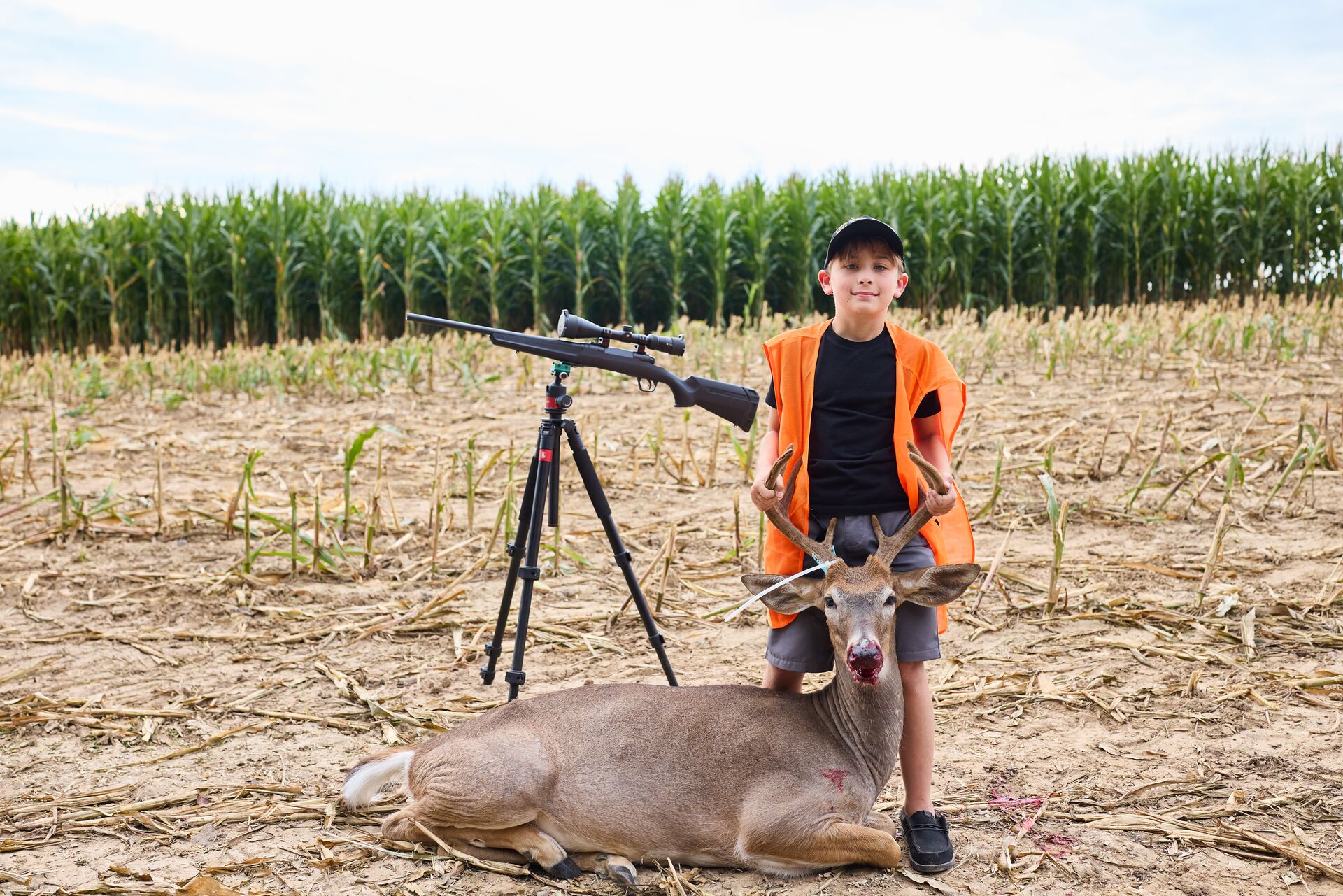
Common Hunting License Exemptions
Exemptions exist, but as part of answering the question, “Do you need a hunting license?”, verify it directly with your state wildlife agency before hunting.
- Landowner exemptions are among the most common. Several states allow resident landowners to hunt their own property without a standard hunting license, but conditions often apply. Acreage thresholds, species restrictions, residency rules, and bag limits may still apply.
- Youth exemptions also vary widely. Some youth hunters may qualify for free or reduced-cost licenses, while others must hunt under direct adult supervision. In many cases, youth hunters still need to meet hunter education requirements or follow apprentice hunting rules.
Veterans and Seniors: Do You Need a Hunting License?
Many states also offer free or discounted licenses for seniors, often beginning at ages 60 to 66. Disabled veteran programs are also common, but eligibility depends on service-connected disability status and the state's rules.
Even when a state exemption applies, federal regulations still matter. Migratory bird rules, including Federal Duck Stamp requirements, can apply regardless of state landowner or youth exemptions.
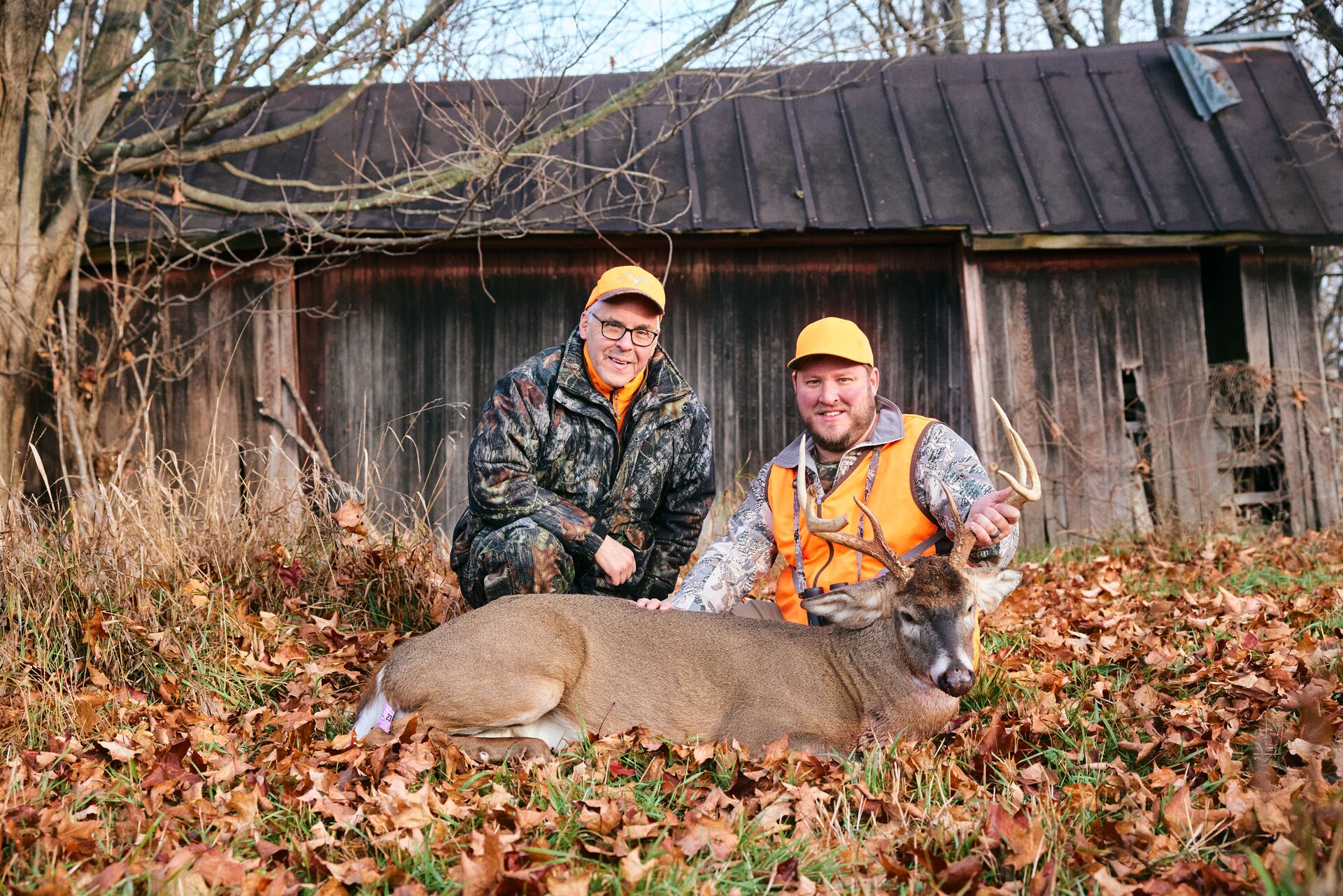
Hunting License Exemptions for Each State
Exemptions vary by state, and the details can change. Based on the latest research, the table below show how different states may handle exemptions for landowners, youth, and seniors, or reduced-cost options.
Hunting License Exemptions by State | |||
| State | Landowner Exempt? | Youth Free/Reduced Age | Senior Free/Reduced License |
| Alabama | Yes (resident landowners) | Under 16 free | 65+ free |
| Alaska | No | Youth permit required ages 10-17 | 60+ free (permanent card for life) |
| Arizona | No | 10+ (big game); 12+ (most licenses) | 70+ Pioneer License ($3) |
| Arkansas | Yes (resident, 10+ acres; small game only) | 16+ | 65+ discounted |
| California | No | 12-15 junior license; 16+ full license | 65+ discounted |
| Colorado | No (landowner preference tags available) | 12+ (big game); 16+ full license | 64+ discounted |
| Connecticut | Yes (resident, 10+ contiguous acres) | 12-15 junior license; 16+ full license | 65+ free |
| Delaware | Yes (resident landowners + immediate family) | 13-15 youth license; 16+ full license | 65+ discounted |
| Florida | Yes (landowner + immediate family, with conditions) | Under 16 free | 65+ free |
| Georgia | No | Under 16 free | 65+ discounted |
Hawaii | No | 16+ | 65+ discounted |
| Idaho | No (landowner preference tags available) | 10-17 youth license | 65+ discounted (5-year residency required) |
| Illinois | Yes (resident, 40+ acres) | Under 18 youth license | 65+ discounted |
| Indiana | Yes (resident landowners + immediate family) | Under 18 apprentice license | 65+ discounted |
| Iowa | Yes (resident landowners, some acreage conditions) | 16+ | 65+ reduced fee |
| Kansas | Yes (resident, 80+ acres) | 16+ | 65+ discounted |
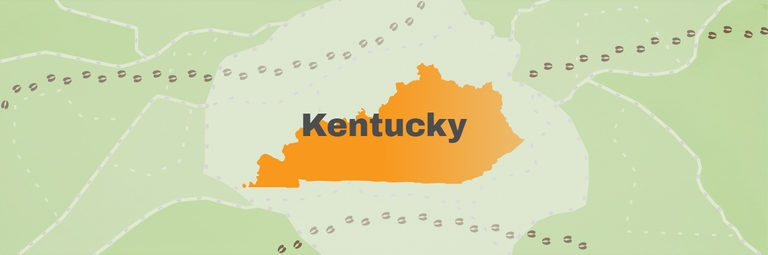
| Kentucky | Yes (resident landowners + immediate family) | 12-15 youth license; 16+ full license | 65+ discounted combo |
| Louisiana | Yes (resident landowners + immediate family) | Under 18 youth license (deer/turkey) | 60+ free basic license |
| Maine | Yes (resident, 10+ acres, agricultural use) | 10-15 junior license; 16+ full license | 70+ free |
| Maryland | No | Under 17 junior license | 65+ discounted |
| Massachusetts | No | 15-17 minor license; 15+ full license | 70+ free |
| Michigan | Yes (resident, small game only) | Under 10 mentored youth; 10+ youth license | 65+ discounted |
| Minnesota | Yes (resident, 80+ acres) | 10-17 youth license | 65+ discounted |
Mississippi | Yes (resident landowners, name on deed) | 16+ | 65+ free (full exemption) |
| Missouri | Yes (resident landowners) | 6-15 youth license; 16+ full license | 65+ discounted |
| Montana | No (landowner preference tags available) | 10-17 youth license | 62+ discounted |
| Nebraska | Yes (resident, 80+ acres) | 12-15 youth license; 16+ full license | 65+ discounted |
| Nevada | No | 12-17 youth license | 65+ discounted |
| New Hampshire | Yes (resident landowners) | 16+ | 68+ free |
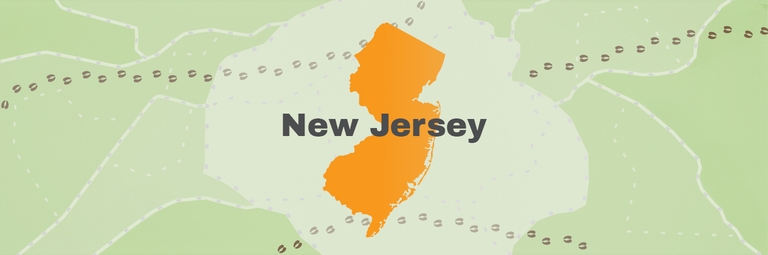
| New Jersey | Yes (resident, 5+ acres) | 10-15 youth license; 16+ full license | 70+ discounted |
| New Mexico | No | 9+ (minimum age); license required | 65+ discounted |
| New York | Yes (resident, 10+ acres) | 12-15 junior license; 16+ full license | 70+ reduced fee ($5) |
| North Carolina | Yes (resident landowners + immediate family) | 16+ | 65+ discounted |
| North Dakota | Yes (resident landowners + family, including non-residents) | 12-15 youth license; 16+ full license | 65+ discounted |
| Ohio | Yes (landowner, tenant, and family) | Under 18 free (with restrictions) | 66+ free |
Oklahoma | Yes (resident landowners + immediate family) | Under 18 youth license | 65+ discounted |
| Oregon | Yes (predatory/invasive animals only; big game requires license) | 12-17 youth license | 65+ discounted |
| Pennsylvania | No | Under 12 free | 65+ discounted |
| Rhode Island | No | 15-17 junior license; 15+ full license | 65+ discounted |
| South Carolina | Yes (resident landowners + immediate family) | 16+ | 65+ discounted |
| South Dakota | Yes (resident, 40+ acres) | 10-17 youth license | 65+ discounted |
| Tennessee | Yes (resident landowners) | Under 13 free | 65+ free |
| Texas | Yes (own land, resident) | Under 17 free | 65+ free |
| Utah | No (landowner preference tags available) | 12-17 youth license | 65+ discounted |
| Vermont | Yes (resident landowners) | 15+ full license | 66+ free |
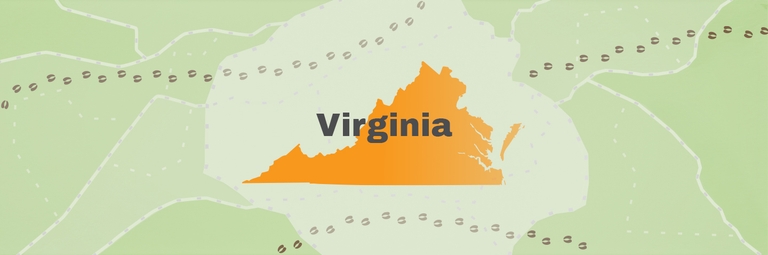
| Virginia | Yes (resident + non-resident landowners + family + tenants) | 12-15 apprentice license; 16+ full license | 65+ annual ($8-9) or lifetime ($10 basic) |
| Washington | No (landowner permits available) | 16+ full license | 65+ discounted |
| West Virginia | Yes (resident landowners) | 15+ full license | 65+ before Jan. 1, 2012: free lifetime; 65+ after: $25 Class XS |
| Wisconsin | Yes (nuisance/invasive animals only; game requires license) | 10-17 youth license | 65+ combination license ($9) |
| Wyoming | No (landowner preference tags available) | 12-17 youth license | 65+ half-price |
Remember: Exemptions vary significantly from state to state. Always verify current rules with your state wildlife agency before hunting without a license.
Season dates, bag limits, and federal regulations apply regardless of exemption status.
Can I Hunt My Own Property Without a License?
In some states, resident landowners can hunt their own property without buying a hunting license. Qualification depends on residency, property ownership, family relationships, species, and location.
States Where Resident Landowners Can Hunt Their Own Property Without a License
- Alabama (resident landowners)
- Florida (resident and non-resident landowners, plus immediate family, with conditions)
- Ohio (landowners, tenants, and qualifying family members)
- Tennessee (resident landowners)
- Texas (resident landowners on their own property)
- Arkansas, Mississippi, and Virginia may offer similar provisions. If you reside in any of them, confirm landowner hunting rules with your state agency.
Always verify landowner exemptions with your state wildlife agency before hunting. Even if you don't need to buy a license in a specific situation, you still need to follow season dates, bag limits, legal methods, tagging rules, and federal migratory bird regulations.
What are the Penalties for Hunting Without a License?
Hunting without a license can carry serious consequences. While each state sets its own penalties, violations can affect your wallet, your equipment, and your ability to hunt in the future.
- Minor first-offense violations may involve fines of $25-$500 (e.g., Class C misdemeanors in Texas). Moderate violations commonly fall in the $200-$2,000 range and may carry possible jail time, depending on the state and the circumstances.
- More serious violations can carry much steeper penalties. Some states, like Pennsylvania and Colorado, impose fines of $1,000 or more for certain first offenses. And aggravated violations involving trophy animals, repeat offenses, commercial poaching, or protected species can reach $10,000-$40,000 per animal in states like California.
- Additional consequences may include seizure of firearms or equipment, seizure of vehicles in serious cases, mandatory restitution for illegally taken game, and suspension of hunting privileges. A conviction can also affect license eligibility in Interstate Wildlife Violator Compact member states.
The simplest way to avoid these problems is to verify your license requirements before you hunt. If you're getting into hunting, build that habit early.
The examples below show why it's important to confirm your license status before hunting.
Penalties for Hunting Without a License |
|
You'll avoid steep penalties by completing hunter education and obtaining the correct hunting license before the season opens.
How to Get a Hunting License
Once you know whether you need a license, the next step is meeting your state's requirements for a hunting license. Use this list as a practical starting point before confirming details with your state wildlife agency.
- Step 1: Complete hunter education before purchasing a license.
- Step 2: Check whether your state offers exemptions or reduced-cost options.
- Step 3: Locate your state wildlife agency website to buy the appropriate license.
- Step 4: Understand that deer, turkey, waterfowl, elk, and other species may require separate tags, permits, stamps, or draw applications.
- Step 5: Carry your license while hunting. Many states now accept a digital license on a smartphone, but rules vary.
Why Hunter Education Is the First Step
Hunter education is often the first requirement for new hunters before purchasing a license. It covers firearm safety, hunting ethics, wildlife conservation, and state-specific regulations. Your hunter education certification doesn't expire.
Hunter-Ed offers state-approved online courses for all 50 states. Depending on your state, you may complete the course fully online or complete an additional field day or in-person skills verification. Look into both online and in-person hunter education courses so you understand the differences.

Complete Your Hunter Education Course Before the Season Starts
So, do you need a hunting license? In most hunting situations, yes. Hunting license requirements apply in all 50 states, but the right license for you depends on your residency, age, target species, and whether you qualify for any exemptions. No matter where you hunt, season dates, bag limits, and federal regulations still apply.
If you're a first-time hunter, completing hunter education is the first step before you can buy a license. It prepares you to hunt safely, understand regulations, and purchase your license with more confidence.
Take the Hunter-Ed course for your state to meet your hunter education requirement and get ready for the hunt.
Frequently Asked Questions (FAQs)
Q: Can you hunt on your own land without a license?
A: Sometimes. Some states allow resident landowners to hunt on their own property without purchasing a hunting license, but the rules vary. Eligibility may depend on residency, property ownership, the species you're hunting, and other state-specific requirements. Even if you're exempt from buying a license, you must still follow season dates, bag limits, tagging rules, and federal regulations where applicable.
Q: Do kids need a hunting license?
A: It depends on the state and the hunter's age. Many states allow younger hunters to hunt without a license, under adult supervision, or with a free or reduced-cost youth license. Some also require hunter education or participation in an apprentice hunting program. Check your state's wildlife agency for age-specific requirements.
Q: Do veterans need a hunting license?
A: Usually, yes. Many states offer free or discounted hunting licenses for qualifying disabled veterans, but eligibility rules differ by state and often require proof of a service-connected disability. If you don't qualify for a state exemption, you'll generally need to purchase a hunting license like any other hunter.
Q: What happens if you hunt without a license?
A: Hunting without the required license is a wildlife violation. Depending on the state and the circumstances, penalties may include fines, criminal charges, loss of hunting privileges, restitution for illegally taken game, and seizure of firearms, vehicles, or other equipment. Repeat or serious violations often carry much steeper penalties.
Q: Does a hunting license from one state work in another state?
A: No. Hunting licenses are issued by individual states and are generally valid only in the state where they were purchased. If you plan to hunt in another state, you'll need that state's hunting license and any required tags, permits, or stamps.
Q: Is a hunting license required for small game and birds, or only big game?
A: A hunting license is typically required for both small game and big game. Depending on the species, you may also need additional tags, permits, or stamps. For example, waterfowl hunters age 16 and older must also have a Federal Duck Stamp, along with any state-required licenses or waterfowl permits.
Q: Do I need a hunting license if I'm accompanied by a licensed adult?
A: Usually, yes. Hunting with a licensed adult doesn't automatically exempt you from licensing requirements. Some states allow certain youth hunters to hunt under adult supervision without purchasing a license, but those exemptions vary. Always check your state's regulations before hunting.
Q: How do I find out if my state requires hunter education before I can buy a license?