Hunter Education Course: Requirements, Format, Topics & How to Sign Up
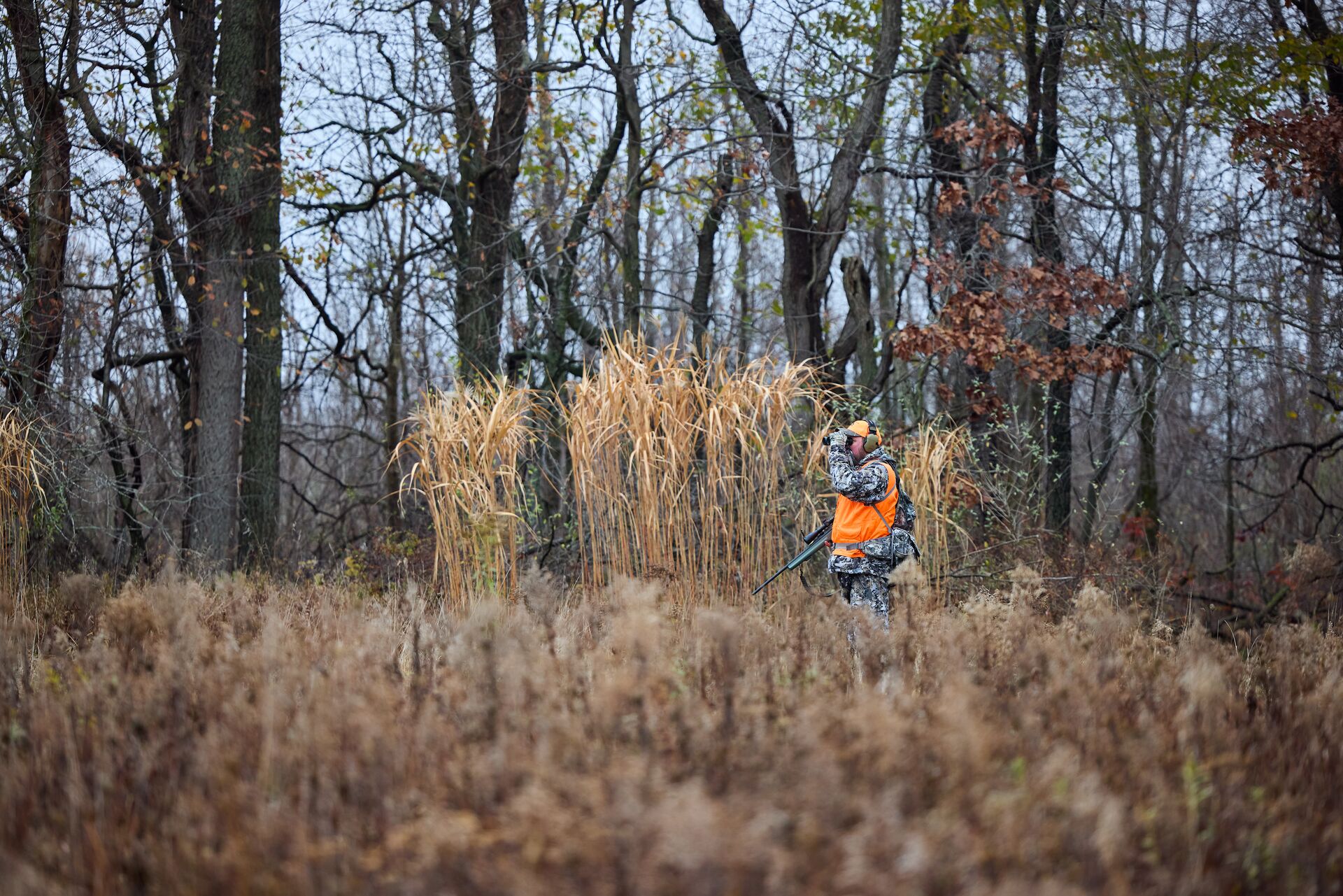
A hunter education course is usually the first required step before you can buy a hunting license for the first time. In all 50 U.S. states, most Canadian provinces, and many countries worldwide, new hunters must complete a course before they can legally purchase a hunting license.
A hunter education course is designed to help new hunters become safe, responsible, and knowledgeable in the field. Core topics include firearm safety, safe gun handling and transport, hunting ethics, fair chase, wildlife conservation, survival, first aid, and state hunting regulations.
Hunter-Ed's IHEA-approved online curriculum lets students complete the coursework at their own pace. Online study typically takes between four and eight hours, but some states also require a field day or skills verification at a local event before certification is complete.
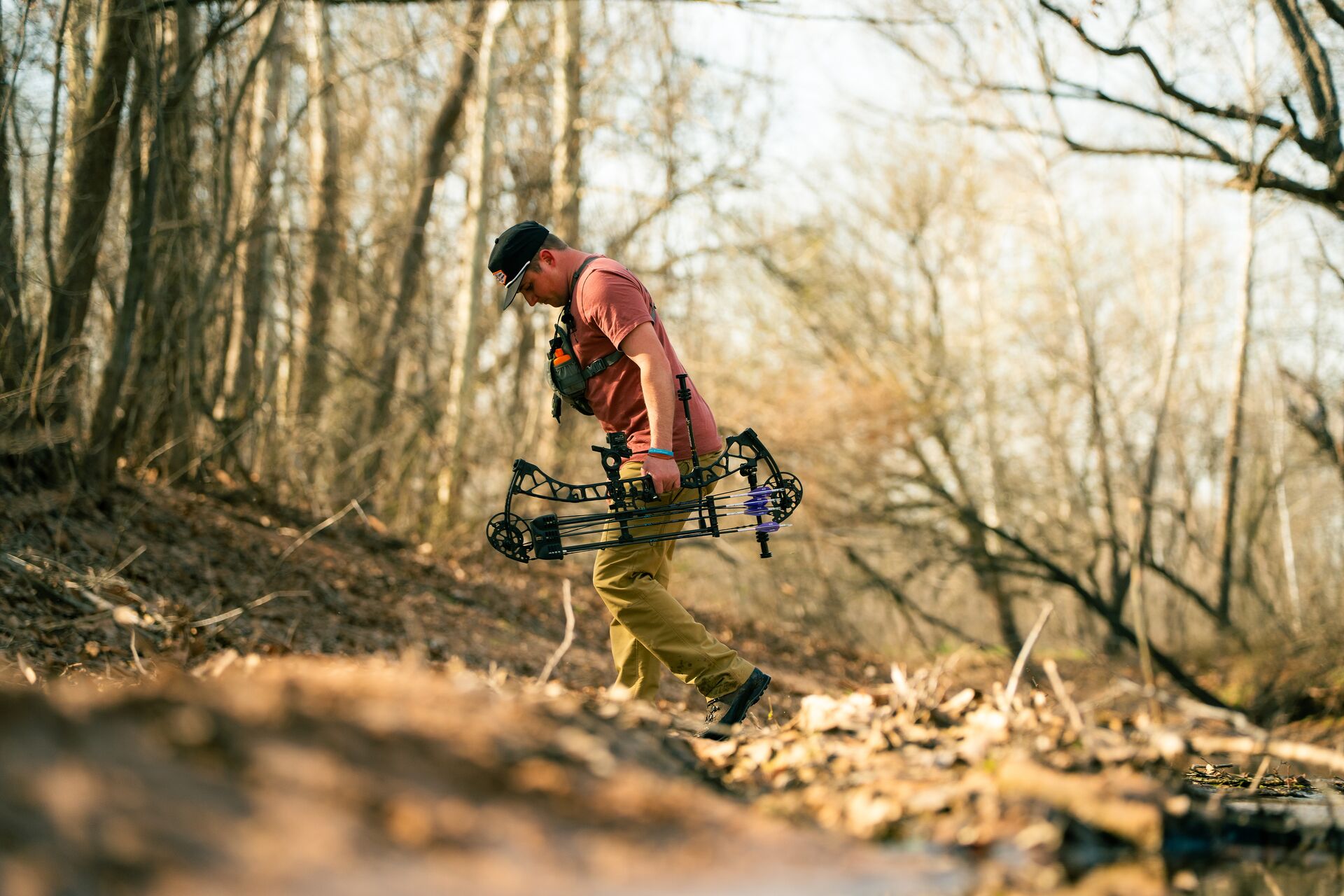
What Is a Hunter Education Course?
A hunter education course is the safety and skills course required before getting your first hunting license in nearly every U.S. state. It gives new hunters a foundation in firearm safety, responsible decision-making, conservation, and the laws to follow for a legal hunt.
The course exists to reduce hunting-related accidents and help new hunters build confidence and safe, ethical habits before they enter the field. That includes knowing how to carry and transport a firearm, identify wildlife, respect private property, understand season rules, and make ethical fair chase decisions when a shot opportunity appears.
Most hunter education courses combine classroom-style instruction with hands-on skills verification. In many states, you can complete the classroom portion online at your own pace. If your state requires a field day, you'll finish the certification process with an in-person skills check.
After completing the course, graduates receive a hunter education certificate or card. Your certification stays valid for life in most states and is required when purchasing a hunting license.
Hunter Education Requirements
Hunter education is required in all 50 states, but the exact rule varies. Most states use a birth-year cutoff, often applying the requirement to hunters born on or after a specific date in the 1960s-1980s.
Some states require certification for all first-time hunters, no matter their age. Others allow younger hunters to hunt under direct adult supervision before completing the course. Non-residents usually need to show valid certification from their home state.
Many states participate in reciprocity. That means they accept another state's or country's hunter certification. That said, hunters should always confirm the rules before relying on reciprocity for an out-of-state hunt.
Landowners hunting their own property may have limited exemptions in some states, but those exemptions vary and should be verified before the season. Hunter education will typically be valid across firearm, bow, and muzzleloader seasons, although some states may require separate bowhunter education for certain archery opportunities.
Hunter Education Course Topics
Hunter safety courses cover a consistent core curriculum nationwide on weapon safety, conservation, first aid, and more, with state-specific regulations added where needed. The goal is to prepare hunters for real hunting situations.
- Firearm safety: Students learn about safe handling, storage, and transport.
- Hunting ethics and fair chase principles: These lessons shape responsible decision-making in the field.
- Wildlife conservation: Students gain an understanding of hunting as a system, where license fees and excise taxes fund habitat and population management.
- Survival and first aid: These modules prepare hunters for times when they get lost, experience a weather emergency, and have to treat field injuries.
- Hunting technique: These modules cover the hunt itself and include practical skills like tree stand safety and field dressing.
Hunter Education Course Topics | |
| Module | Key Skills Taught |
Firearm Safety | 4 rules, safe handling, storage |
Hunting Ethics | Fair chase, trespass, shot selection |
Wildlife Conservation | Habitat, population management, licenses |
Survival & First Aid | Getting lost, weather, field emergencies |
Hunting Techniques | Stand safety, tree stand, field dressing |
Hunter Education Course Formats
Hunter education is offered in several formats, and the right option for you depends on your state's rules. Some hunters can complete the full course online, while others need an in-person field day before certification is complete.
- Online, self-paced courses are the most flexible option. Students can start and stop as needed, making it easier to fit the course around work, school, or family schedules. Most online courses work on a phone, tablet, or computer with an internet connection.
- Hybrid courses combine online study with a required in-person field day. This is common in states that want students to complete the classroom portion remotely but still demonstrate firearm handling, safety habits, or other skills in person.
- Traditional in-person courses are instructor-led classroom sessions. These may be preferred by students who want face-to-face instruction or by states that still require classroom-based training.
- A field day is a hands-on session that may include live-fire or simulated shooting, first aid basics, and a final skills check. Online study typically takes between four and eight hours, while field days may run from half a day to a full day. Some states do offer courses in multiple languages.

How to Sign Up for a Hunter Education Course
Signing up for hunter education is a simple process once you know your state's requirements. Field day availability can vary by season and location, so it's smart to start early instead of waiting until the season is close.
- Check the state's hunter education requirements in the Hunter-Ed state course directory.
- Create a free account and select your state's course.
- Complete the online course modules, which usually take 4-8 hours.
- Pass the final online exam with your state's required score.
- Register for a nearby field day if your state requires one.
- Attend the field day and complete the skills verification.
- Download or request the completed hunter education certificate.
You can usually complete steps three and four at your own pace over multiple sessions. Some states allow students to access their certificate digitally, while others may mail a physical card.
After certification, keep your certificate with your hunting documents. You'll need it to get a hunting license, apply for permits, or prove your completion to wildlife officers.
What You'll Need After Certification
Once you're certified, you'll need a few basic documents to buy your first hunting license. Having everything ready can help you avoid a wasted trip to a retailer or wildlife agency.
- Hunter education certificate or card, either physical or digital
- Valid government-issued photo ID, such as a driver's license or state ID
- Proof of residency, if you're applying for a resident license
- Payment method for your license, tags, permits, or stamps
- Social Security number, if required by your state for license purchase
Find Your State's Hunter Education Course and Get Certified Today
A hunter education course is the door you have to step through to get your first hunting license in nearly every state. Completing the course is the first step toward understanding the regulations you'll need to know and hunting with confidence.
The exact format you choose depends on your state, though. You might be able to complete everything online, or you may need self-paced online study followed by a single field day. In most cases, your certification stays valid for life and may transfer between states through reciprocity, but you should confirm the rules for the state where you plan to hunt.
Start by finding your state's approved Hunter-Ed course. Complete the required coursework, finish any field day if needed, save your certificate, and you'll be ready for the next step toward your first hunting license.

Frequently Asked Questions (FAQs)
Q: Is hunter education required in all states?
A: Yes, but the requirement does not apply to every hunter in every state. All 50 states use hunter education as a qualification for hunting or licensing, while exemptions can apply based on age, birth year, prior hunting experience, or other circumstances.
Q: How long does hunter education take?
A: Online hunter education typically takes about four to eight hours, depending on the course and how quickly you work through the material. A required field day can add another half-day to a full day.
Q: Is hunter ed valid in other states?
A: Usually, yes. Many states recognize hunter education certificates from other states, provinces, or countries through reciprocity. However, requirements differ, so check the regulations of the state where you plan to hunt before relying on an out-of-state certificate. The Association of Fish & Wildlife Agencies encourages reciprocal acceptance of certificates that meet IHEA-USA standards.
Q: How much does hunter education cost?
A: The cost varies by state and course format. Some state-run courses cost less than $10, while online courses may cost more. For example, Idaho currently lists its instructor-led course at $9.75 and its online course at $38, while Texas charges $15 for its in-person course.
Q: What happens if I fail the hunter education exam?
A: You generally need to retake the exam or complete the course requirements again before you can become certified. The exact process depends on the state and course. For example, Texas allows students who do not meet the passing score to arrange a retest, while Idaho requires students who fail a course to re-enroll in a later course.
Q: Do I still need to attend a field day if I take the course online?
A: It depends on your state and the specific online course. Some states require an in-person field day to demonstrate practical skills, while others offer online-only certification.
Q: Is there an age requirement to take hunter education?
A: There is no single age requirement nationwide. States set their own minimum ages and may offer different options for younger hunters. Some states allow students as young as 9 to take a hunter education course, while others require students to be at least 9 to take their exams.