In general, base resident hunting license costs range from about $11 in Michigan to $75 elsewhere. Costs vary by state, residency status, age, and species, with the national average for a resident hunting license being around $25-$35 per year.
Non-resident license costs can be much higher. They’re 3-10 times more to compensate residents who fund wildlife management through taxes and fees. Non-resident Alaska and Colorado hunting license costs, for example, can go well over $200.
When figuring just how much does a hunting license cost overall, remember that the base license is only the foundation of your hunt. Deer, elk, turkey, waterfowl, and other species often require additional tags, permits, stamps, or application fees. However, many states also offer free or discounted licenses for youth hunters, seniors, active-duty military, and disabled veterans.
Keep reading for an overview of hunting license costs by state and how to get yours before opening day.
How Much Does a Hunting License Cost?
Hunting license cost depends on three main factors: where you hunt, whether you're a resident or non-resident, and what species you plan to pursue.
Resident licenses are usually much cheaper because residents help fund wildlife management through state taxes and fees year-round.
Non-resident fees are typically 3-10 times higher than residential ones. These higher rates help states manage hunting pressure while supporting conservation programs, public land access, wildlife research, and habitat restoration.
Note: The table below only covers base annual hunting license fees. Species tags, draw applications, state stamps, federal stamps, and convenience fees aren't included. Fees are based on the latest research, but always confirm current pricing through your state wildlife agency before purchasing.
Hunting License Costs by State 2026 (Base License)
State
Resident Fee
Non-Resident Fee
Youth Fee
Alabama
~$34
~$399
Varies
Alaska
~$45
~$160
Varies
Arizona
~$37
~$160
Varies
Arkansas
~$35
$410
Free
California
~$64
~$225
Varies
Colorado
~$47 (whitetail)
~$481 (combo whitetail deer/fishing)
Varies
Connecticut
$38 (firearms)
$182 (firearms)
Varies
Delaware
~$39
~$199
Varies
Florida
~$17
~$151
Varies
Georgia
~$15
~$100
$15
Hawaii
~$20
~$105
Varies
Idaho
~$15
~$185
Varies
Illinois
~$12
~$57
$7.50
Indiana
~$20
~$90
Varies
Iowa
~$22
~$141 (hunting/habitat 18+)
Varies
Kansas
~$25 (1 year)
~$125 (1 year)
Varies
Kentucky
~$28
~$169
Varies
Louisiana
~$20
~$200
$5
Maine
~$26 (big game)
~$115 (big game)
Varies
Maryland
~$24 (big game 16+)
~$115 (big game 16+)
Varies
Massachusetts
~$40
~$112
Varies
Michigan
~$11
~$151
Varies
Minnesota
~$35 (deer firearm)
~$186 (deer firearm)
Varies
Mississippi
~$25 (all game hunting/freshwater fishing)
~$300 (all game)
Varies
Missouri
~$19 (firearms any-deer)
~$360 (firearms any-deer)
Varies
Montana
~$16 (general deer)
~$760 (general deer combo)
Varies
Nebraska
~$42 (unit buck)
~$372 (unit buck)
Varies
Nevada
~$75 (adult combo 18+)
~$155 (adult combo 18+)
$15
New Hampshire
~$32
~$113
Varies
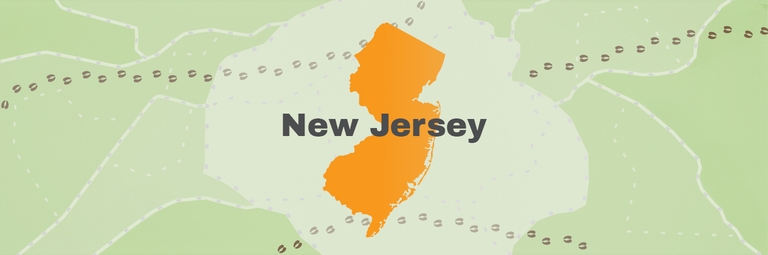
New Jersey
~$27 (firearm)
~$135 (firearm)
Varies
New Mexico
~$60 (standard deer)
~$398 (standard deer)
Varies
New York
~$22
~$100
Varies
North Carolina
~$32
~$124
Varies
North Dakota
~$35 (deer gun 1st lottery)
~$355 (deer gun 1st lottery)
Varies
Ohio
~$19 (1 year)
~$180 (1 year)
$10 (1 year)
Oklahoma
~$36
~$209
Varies
Oregon
~$39
~$193
Varies
Pennsylvania
~$20
~$107
Varies
Rhode Island
~$24
~$65
Varies
South Carolina
~$12
~$125
Varies
South Dakota
~$45 (deer archery)
~$375 (deer archery)
$5 (deer)
Tennessee
~$33 (combo hunt/fish annual)
~$305 (annual all game)
Varies
Texas
~$25
~$315
$7
Utah
~$40 (1 year)
~$144 (1 year)
Varies
Vermont
~$28
~$102
Varies
Virginia
~$23 (1 year)
~$111
Varies
Washington
~$61 (deer)
~$599 (deer)
Varies
West Virginia
~$19 (hunting and trapping Class A)
~$119 (statewide hunting/trapping)
Free (under age 15)
Wisconsin
~$24 (gun deer)
~$200 (gun deer)
Varies
Wyoming
~$42 (deer)
~$374 (deer)
Varies
What Does a Hunting License Actually Cover?
A base hunting license covers basic hunting privileges within a state for the season. It usually allows you to hunt certain small game, upland birds, or other species covered by that state's base license structure.
Remember, your base license won't automatically work for every type of hunt. Big game species like deer, elk, bear, and turkey often require separate tags, permits, or draw applications.
Waterfowl hunters usually need to get both a state permit and a Federal Duck Stamp. Fees help fund state wildlife agencies, conservation programs, habitat restoration, hunter education, and public land access.
Every state handles things differently. Some bundle many hunting privileges into a combo license, while others require buying each species tag or endorsement separately. Review what your license includes and what you'll need for the species you plan to pursue.
What's Not Included in Your Base License?
Depending on where and what you hunt, you may also need to budget for the following:
Species-specific tags for deer, elk, turkey, or waterfowl, which may range from $10-$175+ for residents and significantly more for non-residents.
A Federal Duck Stamp, required for waterfowl hunters age 16 and older in every state.
State habitat or conservation stamps, which commonly cost $5-$25.
Application fees for limited-entry draw hunts of elk, moose, pronghorn, and other high-demand species, which range from $5-$50 in most Western states.
Online transaction or convenience fees (typically $2-$5), which are often added during checkout.
Budget for the above to get a rough cost for planned trips and resident seasons.
Resident vs. Non-Resident: Why Is There Such a Big Price Gap?
Resident hunters usually pay less because they already support wildlife management through state taxes, license fees, and year-round funding. Non-resident fees let agencies make up that difference.
The gap can be significant. For example, a Wisconsin resident base license (covering firearm use in a deer hunt) is listed at $24, while a non-resident license sits around $200.
In Western big game states, the difference can be much larger once elk, deer, or combo licenses are included. Montana's non-resident big game combos, for example, can exceed $760.
As we explained above, the higher non-resident fees help states manage increasing hunting pressure. Popular big game states often have limited tags, limited public access, or systems, such as elk draws, designed to balance opportunity with conservation goals.
If you hunt the same state regularly, it may be worth researching whether that state offers lifetime licenses, multi-year licenses, or sportsman packages that make financial sense over time.
Who Qualifies for Discounted or Free Hunting Licenses?
Just how much does a hunting license cost seniors, youth hunters, active-duty military members, and qualifying veterans? Programs vary widely, and eligibility completely depends on residency, age, disability rating, military status, and documentation.
Most states offer some form of senior discount, often starting at age 65. Some offer free licenses, while others offer reduced-cost annual or lifetime options.
States offering free base hunting licenses to qualifying senior residents:
Alabama: Residents 65+ may be exempt from the hunting license, state duck stamp, and WMA license. A Federal Duck Stamp is still required for waterfowl.
Alaska: Residents 60+ may qualify for a free permanent hunting, fishing, and trapping card after meeting residency requirements.
Connecticut: Residents 65+ may qualify for free hunting and fishing licenses.
Florida: Residents 65+ are generally exempt from recreational hunting license requirements. Valid Florida ID is required, and a Federal Duck Stamp is still required for waterfowl.
Louisiana: Residents 60+ may qualify for a $5 or free hunting and fishing license if they were born before June 1, 1940.
Mississippi: Residents 65+ may qualify for a free resident hunting license.
New Hampshire: Residents born in or before 1947 may qualify for free permanent or annual hunting and fishing licenses.
Vermont: Residents 66+ may qualify for a free combination hunting and fishing license. Permanent lifetime licenses are available to seniors 66+ for a $60 one-time fee.
States offering deeply discounted licenses for seniors:
Arizona: Pioneer Licenses for qualifying residents ages 70+ are free but available as a physical card for $4.
Colorado: Discounted senior small game licenses are available for residents 64+, with reduced-price deer and elk tags available.
Georgia: Senior lifetime or discounted senior license options are available, depending on birth date and residency. Residents born before July 1, 1952, can get a free lifetime license. Those born after June 30, 1952, pay $35-$70 for a lifetime license.
Idaho: Qualifying residents 65+ with required state residency can get a hunting-fishing combo license for $11.75.
Iowa: Reduced-fee hunting licenses are available for residents 65+, with some free license options based on income eligibility.
Kansas: Discounted annual hunting and fishing licenses are available for residents 65+. Those born before July 1, 1927, may qualify for additional exemptions.
Kentucky: Discounted senior combination hunting and fishing licenses are available for residents 65+.
Michigan: Discounted base hunting licenses are available for residents 65+.
Minnesota: Discounted hunting licenses are available for residents 65+.
New York: $5 reduced-fee fishing, hunting, and trapping licenses are available for residents 70+.
Ohio: Free or reduced-fee options are available, depending on age and birth date.
Oregon: Discounted annual hunting licenses are available for residents 70+.
Pennsylvania: Annual and lifetime senior hunting licenses are available for residents 65+.
South Carolina: Discounted senior hunting licenses are available for residents 65+.
South Dakota: Discounted senior hunting licenses are available for residents 65+.
Tennessee: Discounted hunting licenses are available for residents 65+.
Texas: The Senior Super Combo package is available for $32 for residents 65+. It includes hunting and fishing privileges, and all five state endorsements (archery, freshwater, saltwater, upland bird, and migratory bird).
Virginia: Basic lifetime hunting license options are available for residents 65+ for a $9 one-time fee.
Washington: Discounted hunting and fishing licenses are available for residents 70+.
West Virginia: Discounted hunting licenses are available for residents 65+.
Wisconsin: Discounted annual hunting licenses are available for residents 65+.
Wyoming: Discounted hunting licenses are available for residents 65+.
States with no confirmed senior discount program, where standard rates may apply regardless of age:
Arkansas
California
Delaware
Hawaii
Illinois
Indiana
Maryland
Massachusetts
Missouri
Montana
Nebraska
Nevada
New Jersey
New Mexico
North Carolina
North Dakota
Rhode Island
Utah
Veterans and Military
More than 30 states offer free or reduced-fee hunting licenses for veterans, disabled veterans, or active-duty military members. Eligibility requirements and benefits vary, so hunters should always confirm current details with their state wildlife agency.
States with free or discounted licenses for military and veterans:
Texas: A free Super Combo package is available for veterans with qualifying VA-rated service-connected disability.
Alaska: Free permanent hunting, fishing, and trapping licenses are available for qualifying resident disabled veterans.
Oregon: Free combination licenses are available for qualifying resident disabled veterans.
Michigan: Free licenses are available for resident veterans with qualifying service-connected disability.
Pennsylvania: Reduced licenses are available for resident veterans with qualifying war-related service-connected disability for $2.97.
Wisconsin: Active-duty military may be able to purchase licenses at resident rates.
Georgia: One-time free licenses are available for qualifying resident military veterans who were honorably discharged after July 1, 2005.
West Virginia: Free hunting, trapping, and fishing licenses are available for qualifying resident veterans. Active-duty service members may also qualify for certain privileges while on leave.
Eligibility requirements, documentation needed, and benefit scope vary significantly by state. Check your state wildlife agency for current details before purchasing.
Youth Hunting Licenses
Most states offer free or steeply discounted youth hunting licenses for hunters under 16 or 17. Discounted youth licenses commonly cost $5-$10, and some states, like Arkansas, offer free youth hunting licenses.
Youth hunters may still need hunter education before purchasing a license or hunting independently. Some states also require direct adult supervision, especially for apprentice hunters or younger youth hunters.
Combo and Sportsman Packages: A Better Value?
Many states bundle hunting and fishing privileges into a sportsman, combination, or “super combo” package. These bundles can save hunters between 15% and 30% if they hunt and fish regularly or pursue multiple species in the same state.
For example, Texas hunting licenses include a $68 resident Super Combo license that covers hunting, fishing, and major state endorsements. Similar packages in other states may include small game, big game, fishing, trapping, or habitat privileges.
A combo license may make sense if you hunt multiple seasons, fish throughout the year, or want to avoid buying several separate endorsements.
How to Get a Hunting License
Once you know your hunting license cost, the next step is to purchase a hunting license for your hunt. Start with your residency status, then check your species, age, and any discount eligibility.
Step 1: Identify your residency status. Resident licenses are usually much cheaper than non-resident licenses.
Step 2: Complete hunter education if you haven't held a license before or your state requires it.
Step 3: Look up your state's base license fee and any required tags for your target species.
Step 4: Check for discounts or exemptions for youth hunters, seniors, military members, veterans, or disabled hunters.
Step 5: Purchase online through your state wildlife agency or at a licensed retailer.
Why Hunter Education Comes First
Hunter education is required for many first-time license buyers. State requirements vary by birth year, age, and license type, but completing the course early helps you avoid delays when it's time to purchase your license.
Hunter education covers firearm safety, hunting ethics, wildlife conservation, and state-specific regulations. It also helps new hunters understand how licenses, permits, tags, seasons, and bag limits work together.
Once completed, hunter education certification is generally recognized across all 50 states through IHEA-USA reciprocity. You only need to complete it once, though some states may still require additional field day or skills verification components.
Hunter-Ed offers state-approved online courses, making it easier to complete this step before opening day.
Make Sure You're Covered Before Opening Day
How much does a hunting license cost? The answer is only one part of hunting season preparation. The right license depends on where you hunt, what species you pursue, whether you're a resident, and whether you qualify for a discount.
Avoid surprises by reviewing your base license costs, tags, stamps, and hunter education requirements prior to your season or trip.
Q: What is the cheapest hunting license in the US?
A: Resident hunting license prices vary by state. Based on the latest research for license fees, some of the lowest base resident hunting licenses include Michigan (about $11), Illinois and South Carolina (about $12), and Georgia and Idaho (about $15). Keep in mind that additional tags or permits may be required depending on what you're hunting.
Q: What is the most expensive hunting license?
A: The most expensive hunting licenses are typically non-resident big game combination licenses in Western states. For example, Montana's non-resident general deer combination license can exceed $760, and some specialized big game hunts with required tags and permits may cost even more. Total costs vary depending on the species, license type, and state.
Q: Does a hunting license include deer tags?
A: Usually not. A hunting license gives you the legal privilege to hunt, but most states require a separate deer tag or permit to harvest a deer. Requirements vary by state, so check your state's wildlife agency before hunting.
Q: How much does a non-resident hunting license cost?
A: A non-resident hunting license typically costs much more than a resident license. Base annual non-resident licenses often range from around $60 to more than $200, while big game licenses or combination packages can cost several hundred dollars or more. The exact price depends on the state and the species you plan to hunt.
Q: Do you need a hunting license on private land?
A: In most states, yes. Hunting on private property usually still requires a valid hunting license and compliance with state hunting regulations. Some states provide limited exemptions for landowners, their immediate family members, or certain agricultural situations, so it's important to review your state's wildlife laws.
Q: Can I use my hunting license in another state?
A: No. Hunting licenses are issued by individual states and generally are not valid outside the state where they were purchased. If you hunt in another state, you'll usually need to buy that state's hunting license and any required tags or permits. Hunter education certificates are widely recognized across states, but hunting licenses are not.
Q: Do military members and veterans get discounts on hunting licenses?
A: Many states offer free or reduced-cost hunting licenses for active-duty military members, veterans, or disabled veterans. Eligibility and benefits vary by state and may depend on residency, military status, or disability rating. Check your state's wildlife agency to see what programs are available.
Q: Is there a national hunting license?
A: No. The United States does not have a national hunting license. Each state manages its own hunting licenses, seasons, and regulations. If you plan to hunt in multiple states, you'll generally need to purchase a license for each one.