Hunting License vs. Tags vs. Permits: What's the Difference and What Do You Need?
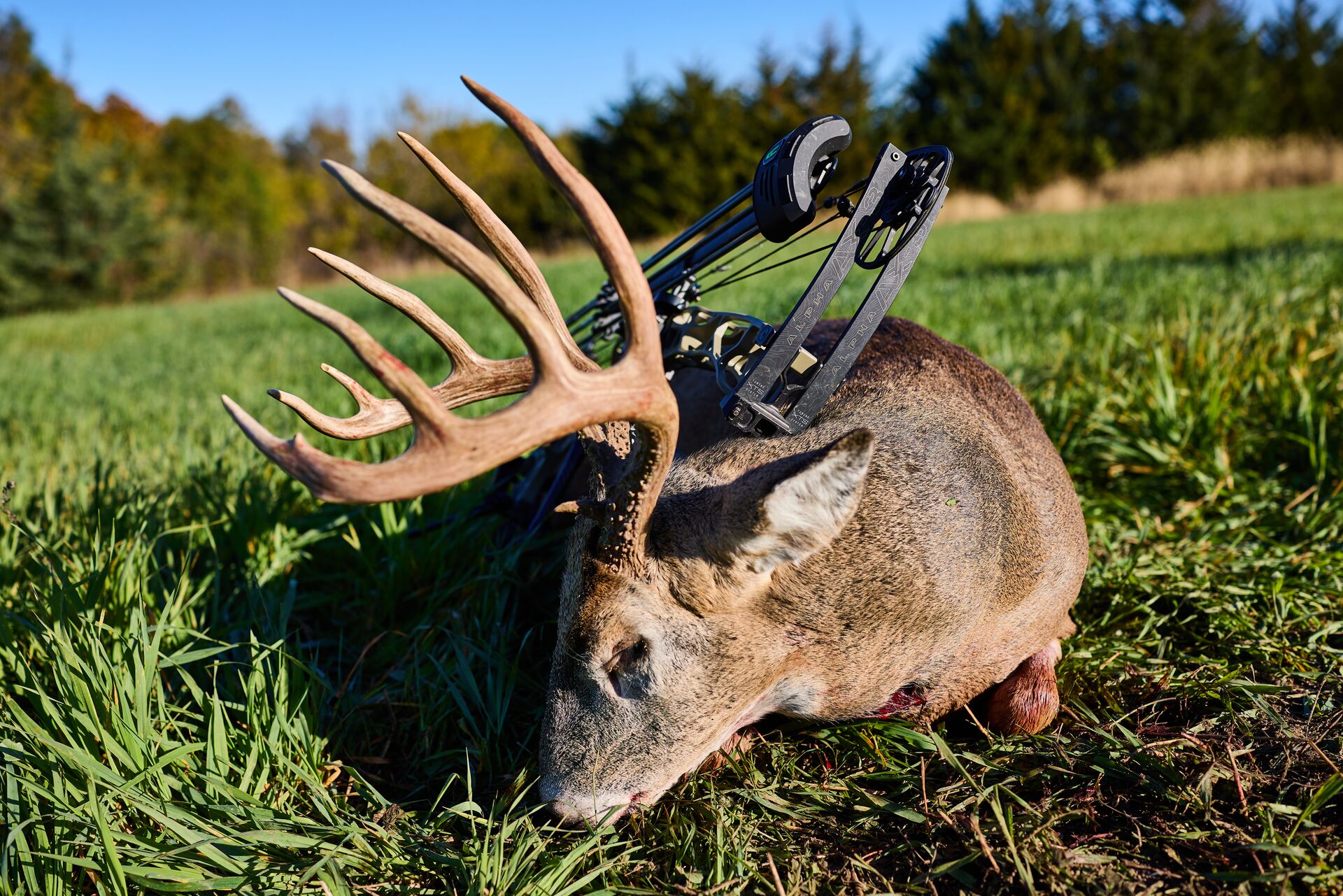
Many new hunters run into the same confusing question: what's the difference between a hunting license, a tag, and a permit? The short answer is that a hunting license is your base credential, a permit or stamp authorizes you for a specific species or season, and a tag is tied to an actual harvested animal.
For many hunts, you'll need more than one of these. A deer hunter, for example, may need a seasonal deer permit in addition to a hunting license and tags. A waterfowl hunter may need a base license, a state waterfowl permit or stamp, and a Federal Duck Stamp.
Understanding your hunting license and tags before you hunt makes it easier to buy the right permits, follow harvest reporting rules, and stay legal during your hunt.
What Is a Hunting License, Tag, and Permit?
A hunting license is the base authorization issued by your state wildlife agency. To get a license, first-time hunters will usually need to complete their hunter education. In most states, hunting licenses renew annually.
How Do Hunting Tags Work?
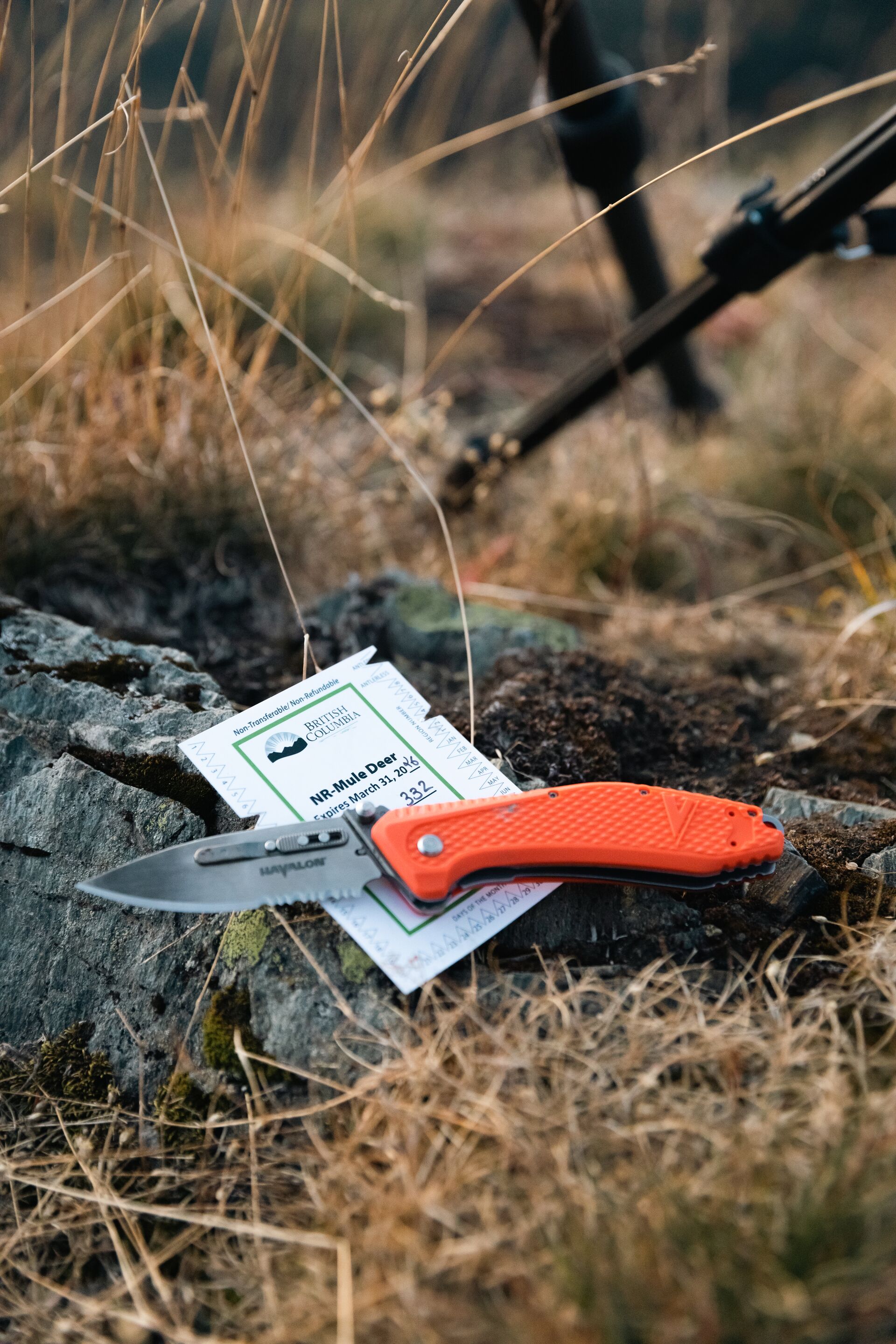
A hunting license and tags are different things. A tag is tied to the harvest of a specific animal. It may be physical or digital, and it often travels with the animal after harvest.
In many states, you must tag the animal immediately after killing it, before moving or transporting it.
When Are Hunting Permits Required?
A permit, stamp, or authorization allows the pursuit of a specific species, season, and hunt type. Permits may be sold over the counter or issued through a limited-entry draw. Common examples include deer permits, turkey permits, elk permits, waterfowl stamps, and the Federal Duck Stamp.
Hunting License vs. Permit vs. Tag: Quick Reference
Learning about hunting, especially the differences between a hunting license and tags, can confuse first-time hunters. This quick comparison shows how each one works and when you usually need it.
Hunting Tags vs License vs. Permit | |||
| Document | Purpose | Species | When to Purchase |
| Hunting License | Base authorization to hunt | All Game | Before any hunting |
| Permit or Stamp | Species-specific authorization | Deer, turkey, elk, etc. | Before species hunting season |
| Tag | Tracks individual animal harvest | Deer, elk, bear (varies) | With permit or separately |
| Duck Stamp | Federal waterfowl authorization | Ducks, geese | Before waterfowl season |
Always check if you'll need a permit with your hunting license and tags. A base license is just your foundation. The permit or stamp authorizes the species or season, and a tag records the harvest.
Species That Typically Require a Permit Beyond a Base License
A base hunting license doesn't cover every species in every state. Bigger game, limited-entry opportunities, and migratory bird hunting often require added permits, stamps, tags, or applications.
Common examples include:
- Deer, often bundled with a tag
- Elk, frequently handled through draw-only systems in western states
- Turkey, with spring and fall seasons sometimes requiring separate permits
- Bear, sometimes through limited entry draws
- Waterfowl, which may require a state waterfowl stamp plus the Federal Duck Stamp
- Wild turkey and upland game bird stamps in some states
- Furbearers, in states that require a separate trapping or fur-taker permit
Remember to check the hunting regulations for your state. Your state's agency will have species-specific rules for your target animal, season, and hunting area.
How to Get Your Hunting License, Tags, and Permits in Order
Having everything in the right order after you get your hunting license helps you avoid missing a required step.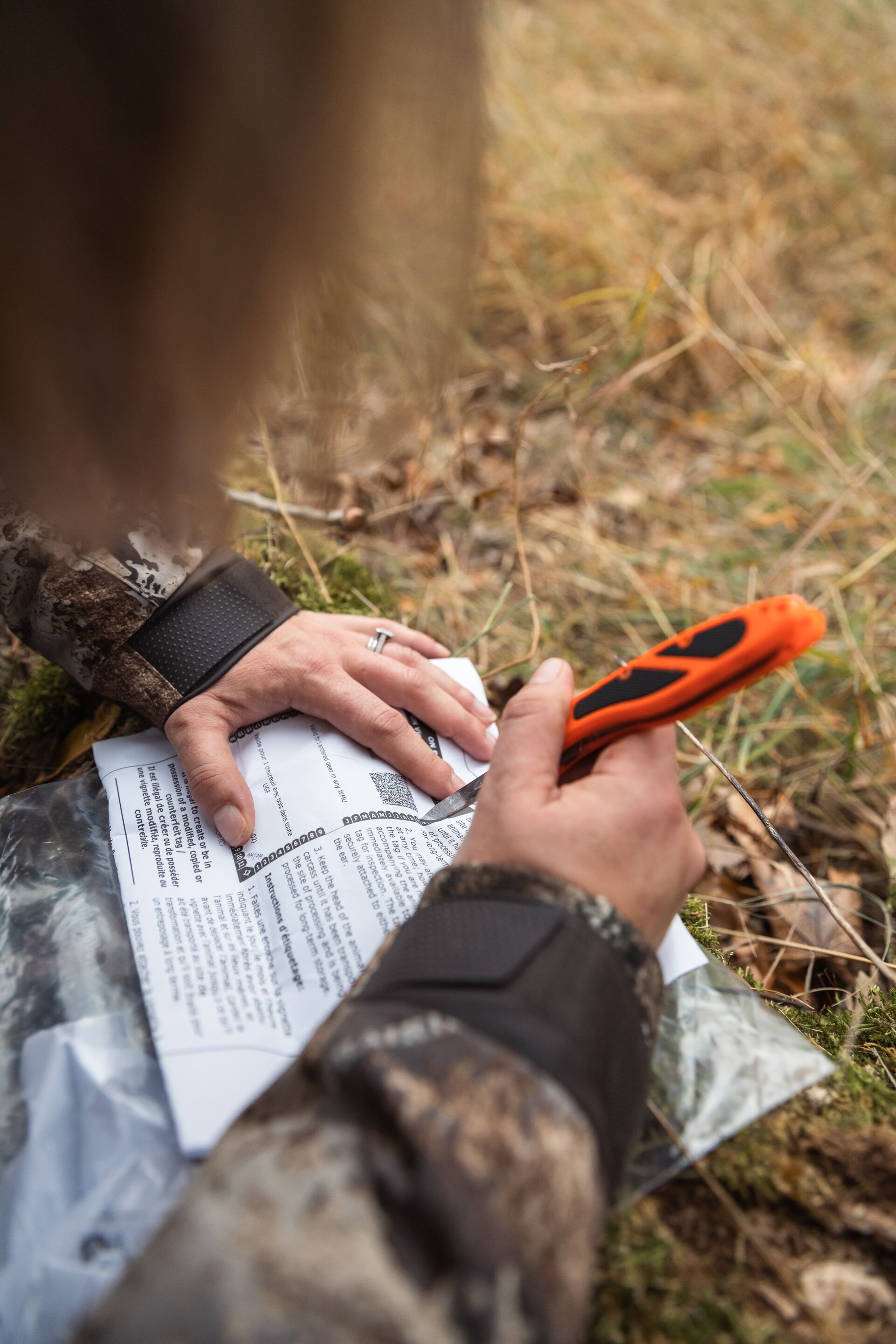
- Buy your base hunting license first, since it's required before most hunting in your state.
- Check whether your target species requires a separate permit, such as deer, elk, or turkey.
- Find out whether the permit is available over the counter or through a draw, and apply before the deadline if it's draw-only.
- After receiving your permit, confirm whether it includes a tag that must be attached to the animal.
- After harvest, tag the animal immediately and complete any required kill report.
- Submit harvest report data if your state requires it, often through an online portal or app.
Keeping these steps in their necessary order is generally the easiest way to plan and execute your hunt.
Harvest Reporting: What Happens After You Tag an Animal
After tagging an animal, hunters must report the harvest within a specific window in many states. Here are a few examples of how state requirements can vary by species, season, tag type, and reporting method.
State Harvest Reporting (Examples) | |
| When | States |
| Immediate or same-day electronic reporting |
|
| Within a 24-hour reporting window | Connecticut: Deer and turkey harvests must be reported within 24 hours |
| Within a 48-hour reporting window |
|
| Within a 72-hour reporting window | Michigan: Deer and turkey harvests must be reported within 72 hours or before the animal changes possession (e.g., to a processor) |
| Require a physical check station for at least part of the season |
|
Harvest reporting is one of the clearest examples of why reading current regulations matters. Two states may use the same words, like "tag" or "permit," but have very different reporting systems after the animal is recovered.
Take Your Hunter Education Course Before You Buy Your Hunting License and Tags
A license, a tag, and a permit each serve a different legal purpose. Most hunts require at least a base license, and many require additional permits, stamps, tags, or reporting steps depending on the species and state.
A hunter safety course will answer common questions like how hunting tags work in your state and why harvest reporting matters after the shot. In most states, you'll need to complete an approved course that covers firearm safety, hunting ethics, conservation, and state-specific regulations.
The easiest way to satisfy the requirement is to take a state-approved Hunter-Ed course before buying your first license, tag, or permit. Once you're certified, you'll be ready to fill your tags and have a successful season.

Frequently Asked Questions (FAQs)
Q: What is the difference between a hunting license and a tag?
A: A hunting license is the base authorization to hunt legally in a state. A tag is a separate document or physical marker that authorizes a hunter to harvest one specific animal, often tied to a species like deer or elk. Most states require both a valid license and the applicable tag before you can legally take an animal.
Q: Do all states require tags?
A: No, tag requirements vary by state and by species. Many states require tags for big game like deer, elk, and turkey, but tags are less common for small game or furbearers. Hunters should check their specific state's regulations before heading out, since requirements differ widely.
Q: What happens if you forget to tag your deer?
A: Failing to properly tag a harvested deer is treated as a hunting violation in most states. Consequences can include citations, fines, and confiscation of the animal or hunting equipment. Some states also allow license suspension for repeat or serious tagging violations.
Q: What is a draw permit?
A: A draw permit is a hunting authorization awarded through a random lottery system rather than sold on demand. States use draws to control hunter numbers for limited-entry hunts, often for species like elk, bighorn sheep, or antlerless deer. Hunters typically apply during a set window and are notified whether they were selected.
Q: Can you hunt with a license but no permit?
A: It depends on the species and hunt type. General season species usually only require a valid license, but limited-entry or high-demand hunts require both a license and a specific permit. Hunting a permit-required species without the permit is illegal, even with a valid license.
Q: Do tags expire if you don't use them?
A: Yes, tags are valid only for the season and year they were issued. Unused tags do not carry over to the next season and cannot be refunded or reused in most states. Hunters must reapply or repurchase tags each year they intend to hunt.
Q: Is a Federal Duck Stamp the same thing as a hunting license?
A: No, a Federal Duck Stamp is a separate requirement from a state hunting license. Waterfowl hunters age 16 and older must carry both a valid state hunting license and a current Federal Duck Stamp. The stamp specifically funds wetland conservation and is required in addition to, not instead of, state licensing.