How to Get Your Hunter Safety Certification: Online, Hybrid, In-Person Options
Hunter safety certification, also called hunter education, is a one-time requirement for first-time buyers of a hunting license in the United States. The fastest way to get certified is to complete an online hunter education course through Hunter-Ed, which offers an IHEA-approved course in all 50 states.
For those wondering how to get a hunter safety course completed quickly, online hunter education typically takes between four and eight hours. And you can work at your own pace.
Some states, like Texas and Arizona, allow fully online certification. But others require an in-person field day or skills evaluation after the online portion, which may take an additional four to eight hours at local outdoor centers, schools, or sporting goods stores.
So, your path may be online-only, hybrid, or fully in-person depending on your state and age. Once you're certified, your hunter education credential won't expire and is generally recognized across all 50 states through reciprocity.
How to Get a Hunter Safety Course Certification (Step-by-Step)
Hunter safety certification follows the same basic process in every state. In many cases, anyone looking to begin hunting can complete the online coursework in one or two sittings and schedule a field day only if their state requires it.
- Visit Hunter-Ed and select your state.
- Create your free account and begin the online hunter education course.
- Complete each module at your own pace.
- Pass the final online exam with your state's required minimum score.
- Find a nearby field day event if your state requires skills verification.
- Attend the field day and pass the required hands-on evaluation.
- Save or print your hunter education certificate after completion.
If your state doesn't require a field day, steps five and six don’t apply. Once you finish the required steps for your state, you're certified for life and ready to get your hunting license.
Online-Only vs. Hybrid vs. In-Person: What's the Difference?
How to get a hunter safety course varies by state. Some states offer online hunter safety courses, some require online coursework plus an in-person field day, and others still offer traditional classroom instruction through local instructors.
- An online-only course is completed entirely on a computer, tablet, or phone. There’s no in-person component, which makes this option convenient for eligible hunters who want to complete certification on their own schedule.
- A hybrid course combines online coursework with a field day. You complete the classroom portion remotely, then attend an in-person event where instructors verify skills such as safe firearm handling and practical field awareness.
- Traditional in-person courses are taught in a classroom, usually across one or more scheduled sessions. Volunteer instructors often lead these classes, and they'll include skills demonstrations, discussion, and testing.
Available formats depend on your state, and sometimes your age. Adults are more likely to qualify for online-only options. How to get a hunter safety course may look different for younger hunters, who may need to complete a hybrid course with a field day.

Which States Allow Fully Online Certification?
Online-only availability often depends on age, residency, and state rules. Even in states that require a field day, the coursework itself can usually be completed remotely through Hunter-Ed, with the field day serving as the only in-person requirement.
States That Allow Fully Online Hunter Education | |||
| State | Online-Only Allowed? | Field Day Required? | Notes |
| Alabama | Yes (16+) | No | |
| Alaska | No | Yes | Field day includes live-fire exercise |
Arizona | Yes (residents 9+) | No for residents. Yes for non-residents | Non-residents must complete hybrid course |
Arkansas | Yes | No | |
| California | No | Yes | State requires hybrid format for all first-time buyers |
| Colorado | No | Yes | In-person "Conclusion Class" required after online portion |
| Connecticut | No | Yes | |
| Delaware | No | Yes | |
| Florida | No | Yes | Online + in-person or virtual field day |
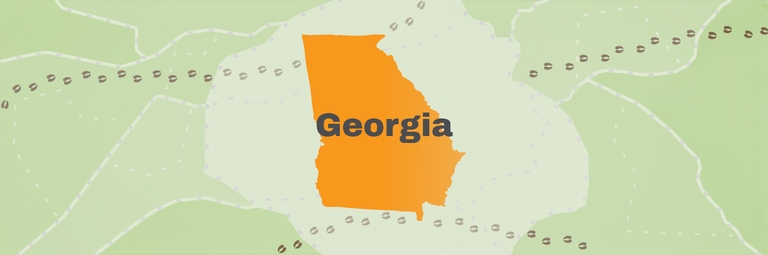
| Georgia | Yes | No | |
| Hawaii | Yes | No | |
| Idaho | No | Yes | |
| Illinois | Yes (18+) | Under 18: Yes | |
| Indiana | Yes | No | |
| Iowa | Yes (18+) | Ages 11-18: Yes | |
| Kansas | Yes | Yes | Online only for students over age 18 (no field day requirements). Students under 18 must take a traditional in-person or hybrid (online and in-person) course. |
| Kentucky | No | Yes | Online + required in-person "Range Day" |
| Louisiana | Yes (16+) | No | |
| Maine | Yes | No | Online only for students over 16. Traditional in-person course available. |
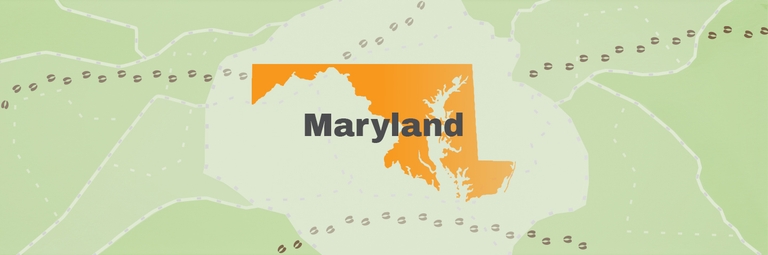
| Maryland | No | Yes | |
| Massachusetts | No | Yes | |
| Michigan | No | Yes | |
| Minnesota | No | Yes | Virtual field day option for 16+ In-person required under 16 |
| Mississippi | No | Yes | Online reduces but doesn't eliminate in-person portion |
| Missouri | Yes (16+) | No | |
| Montana | Yes (18+) | Under 18: Yes | Field day voluntary but encouraged for adults |
| Nebraska | Yes (residents 16-29) | Ages 11-16: Yes | |
| Nevada | Yes | Yes | Online only available for students over 18. Students under 18 must complete an at-home study and in-person instruction. |
| New Hampshire | No | Yes | Students must be at least 12 years old to complete hunter education, available in person with a field day or hybrid (online course with an in-person field day) |
| New Jersey | No | Yes | Required in-person Live Fire Range session |
| New Mexico | Yes | No | Students ages 9 and up can complete their education online. Students 10 and under must have a parent or guardian present for in-person education. |
| New York | Yes (12+) | No | Fully online at any qualifying age |
| North Carolina | Yes | No | |
| North Dakota | No | Yes | |
| Ohio | No | Yes | |
| Oklahoma | Yes | No | Students under 10 may complete the education course but cannot take the final test or receive a certification card |
| Oregon | No | Yes | |
| Pennsylvania | No | Yes | |
| Rhode Island | Yes | No | |
| South Carolina | Yes | No | Online listed as a standalone option by SCDNR |
| South Dakota | Yes (16+) | Under 16: Yes | |
| Tennessee | Yes | No | |
| Texas | Yes (17+) | Under 17: Yes | |
| Utah | No | Yes | |
| Vermont | Yes | Yes | Online-only available for students 18+. Students under 18 attend in-person lessons where they must display maturity with firearms. |
| Virginia | Yes (residents 12+) | No for residents | Non-residents not eligible for online-only |
| Washington | No | Yes | Classroom courses recommended for students under 12. Hybrid (online course with in-person field evaluation) also available. |
| West Virginia | No | No | Students who opt for an online-only course must sit the final exam in person |
| Wisconsin | Yes (18+) | Under 18: Yes | Field day encouraged but not required for adults |
| Wyoming | No | Yes | |

What Documents Do You Need for a Field Day?
Field days move quickly, and most events operate with assigned rosters. Showing up without the right paperwork or required gear can mean rescheduling, so double-check everything before you go.
Requirements vary by state, but most field days ask students to bring the same basic items:
- Government-issued photo ID or driver's license
- Proof that you completed the online coursework, such as a printed or digital voucher or certificate
- Field day registration confirmation
- Payment method, if your state or event charges a field day fee
- Parent or guardian consent form for minors
- Eye and ear protection if the event includes a live-fire component
- A firearm if your state doesn't provide loaners
Bring everything with you so you don't risk being turned away. Some field days may have additional state-specific requirements, so double-check your event listing before the scheduled date.
Hunter-Ed vs. In-Person Classes: How Do They Compare?
And where can I take the hunter safety course?
Choosing between Hunter-Ed's online coursework and a traditional in-person class usually comes down to your schedule, learning preference, and state license requirements. The table below compares the most common differences.
Hunter-Ed Online Course vs. Traditional In-Person Class | ||
| Feature | Hunter-Ed Online Course | Traditional In-Person Class |
Format | 100% online, self-paced | Classroom, instructor-led |
Time commitment | 4-8 hours on your own schedule | Multiple sessions, fixed schedule |
Location | Anywhere with internet access | Local classroom or range |
Field day required | Depends on state | Included in course |
Retakes on quizzes or exam | Unlimited attempts | Varies by instructor |
Cost | Paid course fee | Often free, volunteer-led |
Availability | All 50 states | Limited by local class schedule |
How Long Does Certification Take?
How long hunter safety certification takes depends on whether a field day is required. In an online hunter safety course, eligible students might complete everything in a single day.
Online coursework typically takes between four and eight hours and is self-paced. You can complete it in one sitting or break it into shorter sessions.
If your state requires a field day, expect another four to eight hours for the in-person skills evaluation. Scheduling may add extra time if field days are limited in your area or fill up near the start of hunting season.
In online-only states, certification may take as little as one day. In hybrid states, the process may take one to two weeks depending on field day availability. Once issued, your certification is valid for life.
What Happens After You're Certified?
After you complete your course and any required field day, your certificate is usually emailed to you and can be printed or saved digitally. Keep a copy with your important hunting documents, so you can access it when buying a license.
Hunter education certification is required before purchasing a hunting license in nearly every state, especially for first-time buyers. Some states use birth-year cutoffs, age rules, or apprentice license exceptions, so always confirm your state's requirements.
Most states recognize IHEA-approved hunter education certificates from other states through reciprocity. Your certification generally remains valid if you move or plan a hunt outside your home state.
Once you're certified, you can purchase the correct hunting license, add any required tags or permits, review current regulations, and prepare for the season.

Get Certified Once, Hunt for Life
Hunter education certification doesn’t expire, and it generally travels with you through reciprocity across the country. Completing the course once can help you meet licensing requirements for future hunts, even if you take trips far from home.
We all start by asking the same thing: "Where can I take the hunter safety course?" Taking the course through Hunter-Ed helps you complete the online portion on your schedule while learning firearm safety, hunting ethics, wildlife conservation, and state-specific regulations.
Start your certification by selecting your state's course and confirming which certification path applies to you. If your state requires a field day, you'll already have the coursework finished before attending the in-person component.
Frequently Asked Questions (FAQs)
Q: Can I take hunter safety completely online?
A: It depends on your state. Some states allow eligible students to complete hunter safety entirely online, while others require an in-person field day or skills evaluation after the online coursework. Age and residency can also affect eligibility, so check your state's requirements before enrolling.
Q: How old do you have to be for hunter safety?
A: Minimum age requirements vary by state. Some states allow children as young as 9 or 10 to begin hunter education, while others require students to be older or complete an in-person field day if they're under a certain age. Check your state's rules to see what applies.
Q: How much does hunter safety cost?
A: The cost depends on your state and the course format. Some instructor-led classes are offered at no cost, while online courses and field days may have fees set by the state or course provider. Check your state's course information for current pricing.
Q: How long is hunter safety certification valid?
A: Hunter safety certification is generally valid for life. Once you complete all required coursework and any required field day, you typically won't need to earn the certification again.
Q: Do I need to retake hunter safety if I move to a new state?
A: In most cases, no. Hunter education certificates are generally recognized across all 50 states through reciprocity, so you can usually use your existing certification after moving. Be sure to review your new state's hunting license requirements, since additional regulations may apply.
Q: What happens if I fail the hunter safety exam?
A: Most online hunter education courses let you review the material and retake the final exam if you don't pass on your first attempt. The number of attempts and any waiting periods depend on your state's rules, so check your course requirements for details.
Q: Can I hunt while I wait for my field day appointment?
A: Usually not. If your state requires a field day, you must complete both the online coursework and the in-person portion before earning your hunter education certificate. Until you're certified, you'll need to follow your state's licensing rules, which may include apprentice or mentored hunting options for eligible hunters.