How to Get a Hunting License: A Step-by-Step Guide for Every State
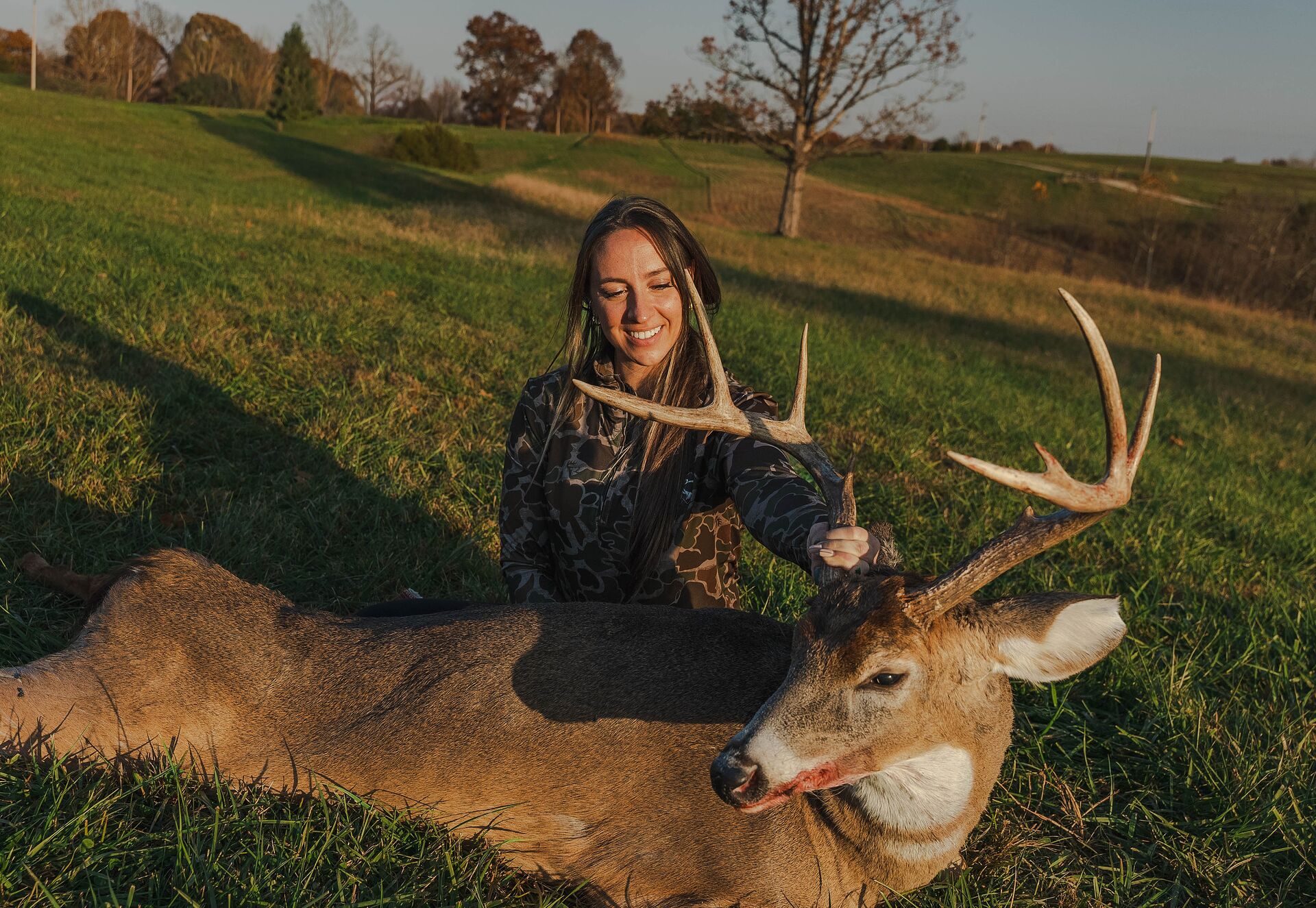
In the US, getting a hunting license involves a few steps, the first of which is completing hunter education. First-time hunters typically need to complete a state-approved course that covers firearm safety, hunting ethics, conservation, and state regulations. After that, you can buy the correct license from your state wildlife agency online, by phone, or through a licensed agent.
How to get a hunting license is simple if you break hunting into steps:
- Complete your hunter education.
- Choose the right license.
- Add required species tags or permits.
- Review your state's current regulations.
Hunter education courses can take between one and three days to finish, depending on your state's requirements. Buying the license itself usually takes less than 10 minutes. License costs vary widely, from about $10.50 in Arkansas to more than $160 in some non-resident scenarios.
This guide walks through how to get a hunting license and what you'll need to get it!
How to Get a Hunting License (Step-by-Step)
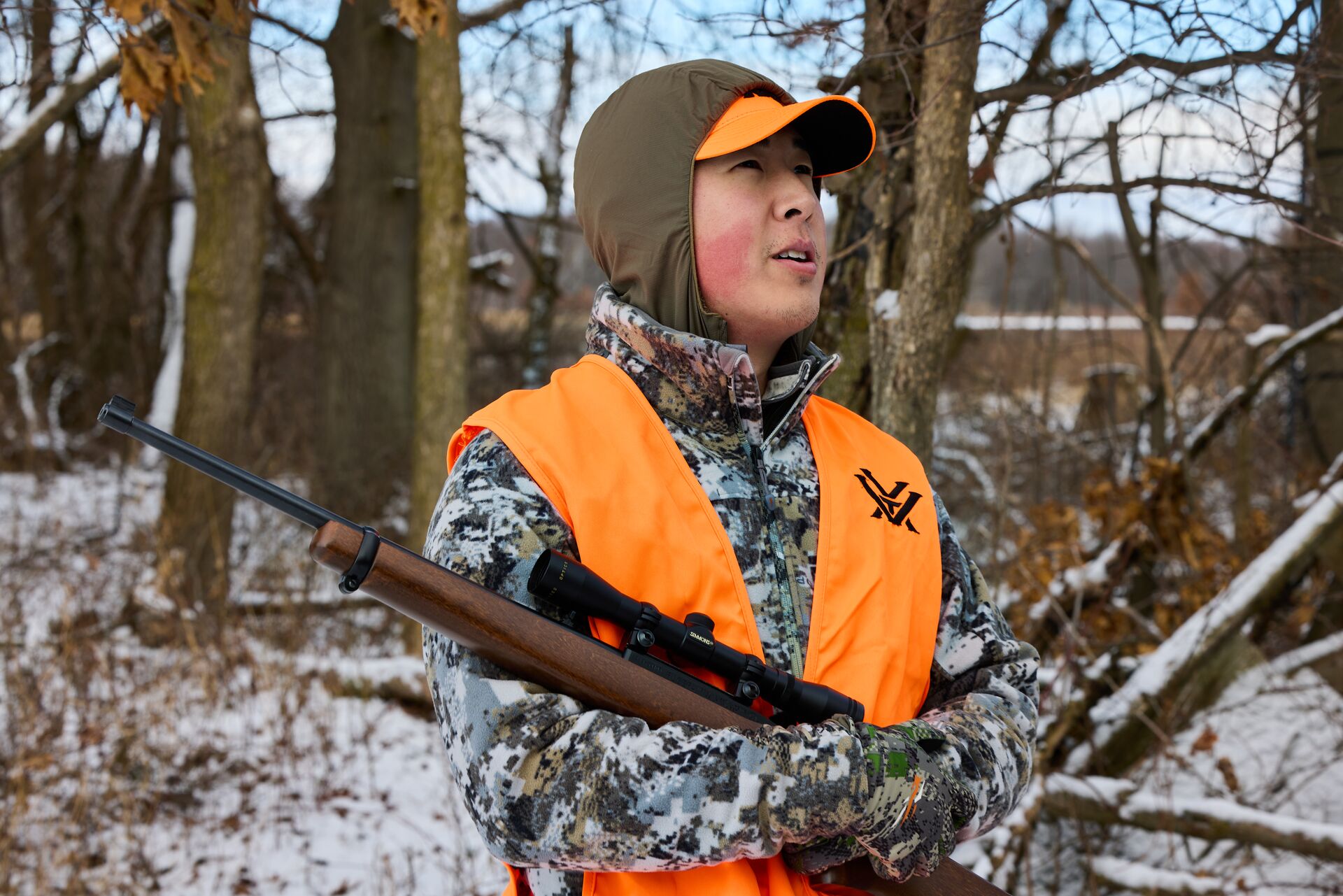
Most states roughly follow the same basic licensing system. The process starts with hunter education online or in person, and ends with carrying the right license, tags, and documentation while hunting.
- For most first-time hunters, hunter education is the required first step (and your first answer to the question “How do I get a hunting license”?). This one-time certification covers firearm safety, hunting ethics, wildlife conservation, and state-specific laws. Once you earn your certification, it doesn't expire.
- After you complete your hunter education, go to your state wildlife agency's website and choose the correct license. Categories typically include resident, non-resident, youth, senior, and apprentice licenses. You'll also need to consider your target species. Deer, elk, turkey, waterfowl, and other game often require tags or permits in addition to the base license.
- Once you've purchased your license, carry it in the field. Most states offer digital licenses, but know whether your state requires printed documentation, physical tags, or proof of hunter education. Double-check the tagging rules when traveling.
- Before you hunt, review current regulations. Season dates, bag limits, zones, legal methods, and permits can change from year to year.
Hunter-Ed offers state-approved online courses in most states, and you can do the classroom portion at your own pace. Some states also require a field day or skills verification component. Check your state's requirements well before the season starts.
Getting Your Hunting License (at a Glance)
While each state handles licensing a little differently, the overall process is similar nationwide. Use this table as a quick overview before checking your state's specific requirements.
How to Get a Hunting License | ||
| Step | Action | Time Required |
| 1 | Complete a state-approved hunter education course | 1–2 days (online) |
| 2 | Attend field day or skills verification (if required by your state) | 4–8 hours |
| 3 | Purchase the correct license type from your state wildlife agency | Under 10 minutes |
| 4 | Add species-specific tags or permits (deer, turkey, elk, waterfowl) | 5 minutes |
| 5 | Review current hunting regulations for your target species | 30 minutes |
A hunting license is your legal authorization to hunt regulated game in a specific state. It tells officers that you're approved to hunt under that state's rules, seasons, and species requirements.
Hunting without a valid license is illegal in all 50 states and can result in fines, equipment seizure, or loss of hunting privileges. Most licenses are valid for one year or one hunting season, but some states offer lifetime licenses.
Your hunting license is different from your hunter education course certification. A license usually expires and must be renewed, while hunter education is a one-time certification that stays valid for life and transfers across all 50 states.
License fees fund conservation, wildlife research, habitat restoration, public land access, and other programs that make hunting possible.
Who Needs a Hunting License?
Most people who hunt legal game in the U.S. need a valid hunting license for the state where they're hunting. That includes both residents and non-residents pursuing big game, small game, upland birds, or waterfowl.
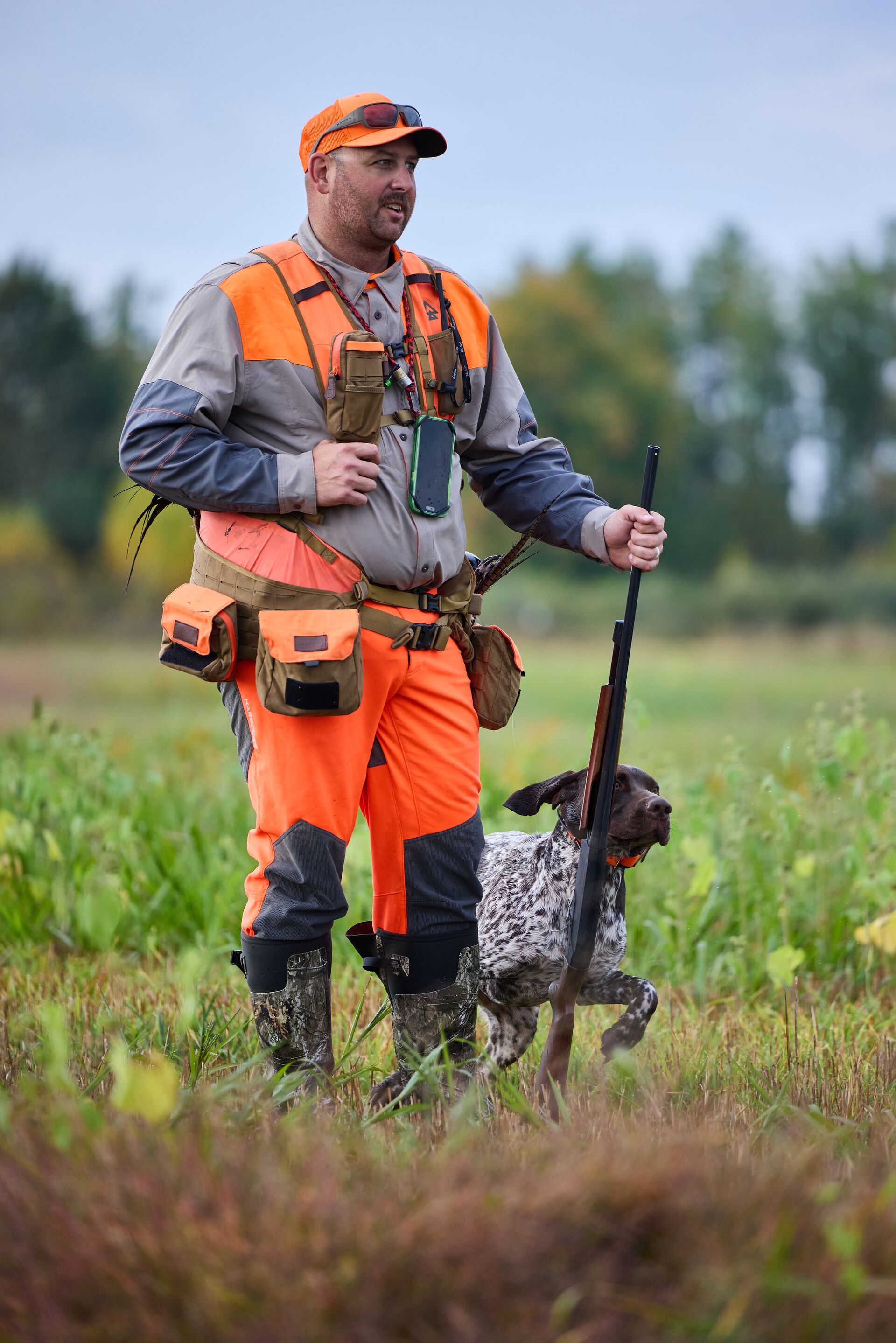
Youth hunters often qualify for reduced-cost licenses, but age thresholds vary by state. Some states also offer senior, military, disabled veteran, or apprentice license options.
Some landowners are exempted from licensing requirements when hunting on their own property. The exemptions are all state-specific, so check your wildlife agency's rules before assuming you're good.
Apprentice or mentor licenses are another option in some states. Some new hunters who haven't completed hunter education can hunt under the supervision of licensed adults. This doesn't replace the knowledge or ability to travel after completing hunter education.
What Is the Hunter Education Requirement?
Hunter education teaches new hunters how to hunt safely, legally, and responsibly. It's required for first-time hunters in all 50 states, but many states use birth-date cutoffs to determine who must complete the course before buying a license.
A hunter education course covers:
- Firearm and bow safety
- Hunting ethics
- Wildlife conservation
- First aid
- Tree stand safety
- State-specific regulation
The course helps make you safer by preparing you for real-world situations.
Hunter-Ed offers state-approved online hunter education courses for most states. You can complete the coursework on your computer, tablet, or smartphone. In some states, you can move directly from the online course to certification. Others require a field day or in-person skills verification.
Hunter education certifications are recognized in all 50 states through reciprocity coordinated by the International Hunter Education Association (IHEA-USA). That means once you're certified, you generally won't need to repeat hunter education if you hunt in another state.
Complete your hunter education well before the season. That gives you time to finish any other requirements, buy your license, add tags or permits, and review regulations before opening day.

Hunting License Cost by State (Resident vs. Non-Resident)
Hunting license costs vary by state, residency status, age, and license type.
- Resident base licenses generally range between $10 and $65.
- Non-resident base licenses commonly range between $50 and $400 or more before species tags are added.
These are base license fees only. Depending on your hunt, you may also need species-specific tags, habitat stamps, draw permits, or other endorsements. Waterfowl hunters age 16 and older have to buy a Federal Duck Stamp in addition to their state license.
Some states offer sportsman or combo licenses that bundle several privileges into one purchase. These can be useful if you plan to hunt multiple species or fish during the same license year. Youth, senior, military, and disabled veteran discounts are also available in many states.
Non-resident fees are usually much higher than resident fees. That price difference helps states manage access while funding wildlife conservation and public land programs for the hunters who use them.
The table below provides approximate base hunting license costs by state. Always verify current fees through your official state wildlife agency before purchasing.
Base Hunting License Costs by State | ||
| State | Resident Base License | Non-Resident Base License |
| Alabama | ~$34 | ~$399 |
| Alaska | ~$45 | ~$160 |
Arizona | ~$37 | ~$160 |
Arkansas | ~$35 | $410 |
| California | ~$64 | ~$225 |
| Colorado | ~$47 (white-tail deer) | ~$481 (white-tail deer/fishing combo) |
| Connecticut | $38 (firearms hunting) | $182 (firearms hunting) |
| Delaware | ~$39 | ~$199 |
| Florida | ~$17 | ~$151 |
| Georgia | ~$15 | ~$100 |
| Hawaii | ~$20 | ~$105 |
| Idaho | ~$15 | ~$185 |
| Illinois | ~$12 | ~$57 |
| Indiana | ~$20 | ~$90 |
| Iowa | ~$22 | ~$144 (hunting/habitat 18+) |
| Kansas | ~$25 (1 year) | ~$125 (1 year) |
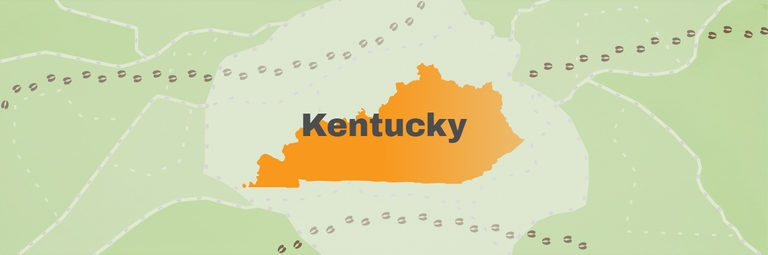
| Kentucky | ~$28 | ~$169 |
| Louisiana | ~$20 | ~$200 |
| Maine | ~$26 (big game hunting) | ~$115 (big game hunting) |
| Maryland | ~$24 (big game 16+) | ~$115 (big game 16+) |
| Massachusetts | ~$40 | ~$112 (big game hunting 15+) |
| Michigan | ~$11 | ~$151 |
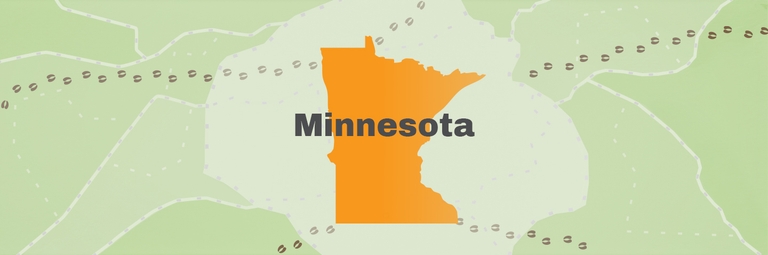
| Minnesota | ~$35 (deer firearm) | ~$186 (deer firearm) |
| Mississippi | ~$25 (all game hunting/freshwater fishing) | ~$300 (all game hunting) |
| Missouri | ~$19 (firearms any-deer hunting) | ~$360 (firearms any-deer hunting) |
| Montana | ~$16 (general deer) | ~$760 (general deer combination) |
| Nebraska | ~$42 (unit buck) | ~$372 (unit buck) |
| Nevada | ~$75 (adult combination 18+) | ~$155 (adult combination 18+) |
| New Hampshire | ~$32 | ~$113 |
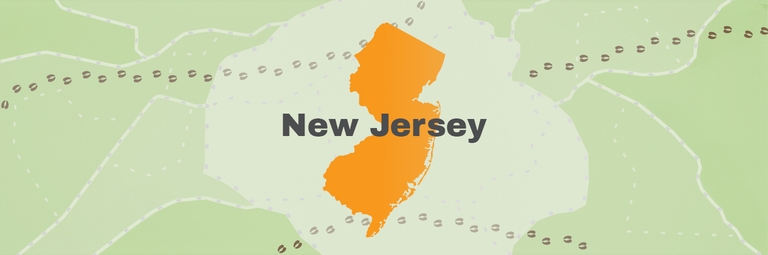
| New Jersey | ~$27 (firearm) | ~$135 (firearm) |
| New Mexico | ~$60 (standard deer) | ~$398 (standard deer) |
| New York | ~$22 | ~$100 |
| North Carolina | ~$32 | ~$124 |
| North Dakota | ~$35 (deer gun 1st lottery) | ~$355 (deer gun 1st lottery) |
| Ohio | ~$19 (1 year) | ~$180 (1 year) |
| Oklahoma | ~$36 | ~$209 |
| Oregon | ~$39 | ~$193 |
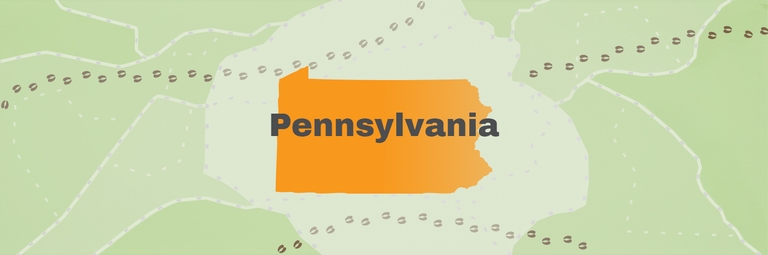
| Pennsylvania | ~$20 | ~$107 |
| Rhode Island | ~$24 | ~$65 |
| South Carolina | ~$12 | ~$125 |
| South Dakota | ~$45 (deer archery) | ~$375 (deer archery) |
| Tennessee | ~$33 (combination hunt/fish annual) | ~$305 (annual all game) |
| Texas | ~$25 | ~$315 |
| Utah | ~$40 (1 year) | ~$144 (1 year) |
| Vermont | ~$28 | ~$102 |
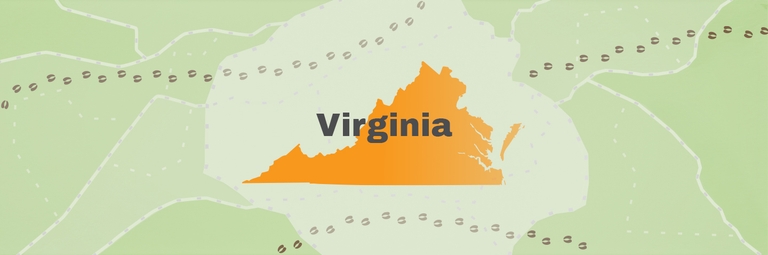
| Virginia | ~$23 (1 year) | ~$111 |
| Washington | ~$61 (deer) | ~$599 (deer) |
| West Virginia | ~$19 (hunting and trapping Class A) | ~$119 (statewide hunting/trapping) |
| Wisconsin | ~$24 (gun deer) | ~$200 (gun deer) |
| Wyoming | ~$42 (deer) | ~$374 (deer) |
Where to Buy a Hunting License in Every State
Get a hunting license from your official state wildlife agency. These agencies provide current license options, regulations, season dates, and online purchasing tools.
Where to Buy a Hunting License Online | |||
| Alabama | Montana | ||
| Alaska | Nebraska | ||
Arizona | Nevada | ||
Arkansas | New Hampshire | ||
| California | New Jersey | ||
| Colorado | New Mexico | ||
| Connecticut | New York | ||
| Delaware | North Carolina | ||
| Florida | North Dakota | ||
| Georgia | Ohio | ||
| Hawaii | Oklahoma | ||
| Idaho | Oregon | ||
| Illinois | Pennsylvania | ||
| Indiana | Rhode Island | ||
| Iowa | South Carolina | ||
| Kansas | South Dakota | ||
| Kentucky | Tennessee | ||
| Louisiana | Texas | ||
| Maine | Utah | ||
| Maryland | Vermont | ||
| Massachusetts | Virginia | ||
| Michigan | Washington | ||
| Minnesota | West Virginia | ||
| Mississippi | Wisconsin | ||
| Missouri | Wyoming | ||
Why Your Hunting License Matters
Buying a hunting license is one of the main ways hunters support wildlife conservation, habitat work, and public access.
Additionally, hunting without a valid license results in fines, equipment confiscation, and loss of future hunting privileges. Buying the correct license each season is the only way to stay legal and help keep hunting available in the future.
License fees fund conservation through both state wildlife agencies and programs tied to the Pittman-Robertson Act excise tax system. The money collected supports habitat restoration, wildlife research, shooting ranges, hunter education, and public land access.
Even in a season when you only hunt once or twice, your license still contributes to conservation. Licensed hunters are the financial backbone of wildlife management in the U.S.
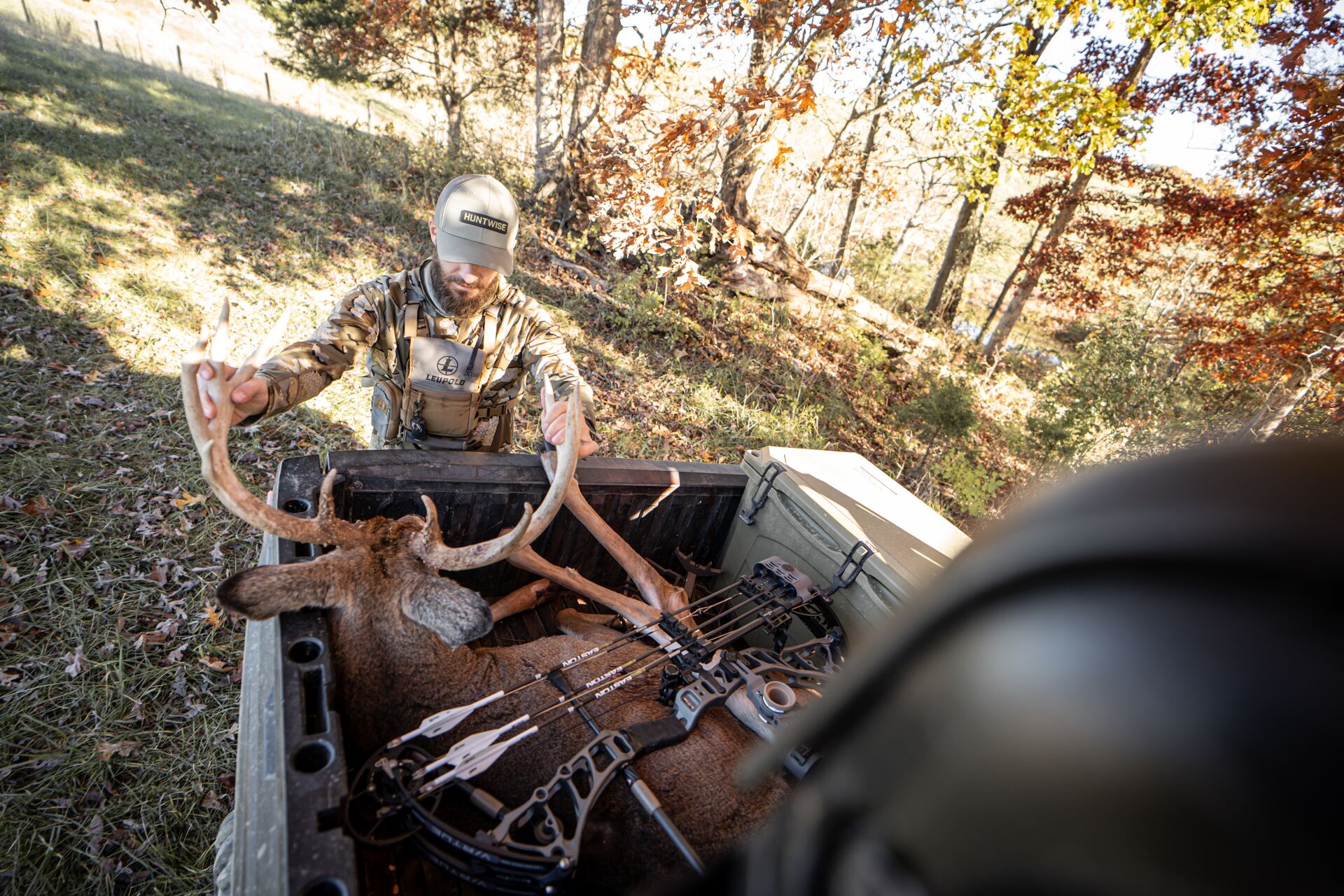
Take a Hunter Education Course to Get Your Hunting License Before the Season Begins
If you're asking “How do I get a hunting license for the first time?,” remember that you need hunter education to start.
Hunter-Ed offers state-approved online hunter education courses for most U.S. states, giving you a flexible way to complete the coursework on your smartphone, tablet, or computer.
After passing the final exam, most students receive their certification within 48 hours. And your certification is valid for life and recognized in all 50 states.
Start by selecting your state through Hunter-Ed so you can find the approved course for your region, complete any required field day or skills verification, and get ready to purchase your hunting license.

Frequently Asked Questions (FAQs)
Q: Do I need hunter education to get a hunting license?
A: Usually, yes. Most first-time hunters must complete a state-approved hunter education course before buying a hunting license, although many states use birth-date cutoffs or offer apprentice licenses with supervision. Check your state's wildlife agency for the exact requirements.
Q: How much does a hunting license cost?
A: The cost depends on your state, residency, and the type of license you need. Resident base licenses generally range from about $10 to $65, while non-resident licenses often range from about $50 to $400 or more before any required species tags or permits are added.
Q: How long does it take to get a hunting license?
A: Buying a hunting license usually takes less than 10 minutes once you've met your state's requirements. If you need hunter education first, completing the course can take one to three days, depending on your state's format and whether a field day is required.
Q: Can I buy a hunting license online?
A: Yes. Most state wildlife agencies let you purchase hunting licenses online. Many states also sell licenses by phone or through authorized license agents.
Q: Does a hunting license expire?
A: Yes. Most hunting licenses are valid for a single hunting season or one license year and must be renewed. Some states also offer lifetime hunting licenses.
Q: Is my hunter education certification valid in every state?
A: In most cases, yes. Hunter education certifications are recognized across all 50 states through reciprocity coordinated by the International Hunter Education Association (IHEA-USA), though you'll still need to buy the appropriate hunting license for each state where you hunt.
Q: What is the difference between a resident and non-resident hunting license?
A: A resident hunting license is available to people who meet a state's residency requirements and is typically less expensive. A non-resident license is for hunters visiting from another state and usually costs more. Both allow hunting under that state's regulations, but eligibility and fees differ.