Hunter Safety Course: What to Expect, How Long It Takes, How to Get Certified
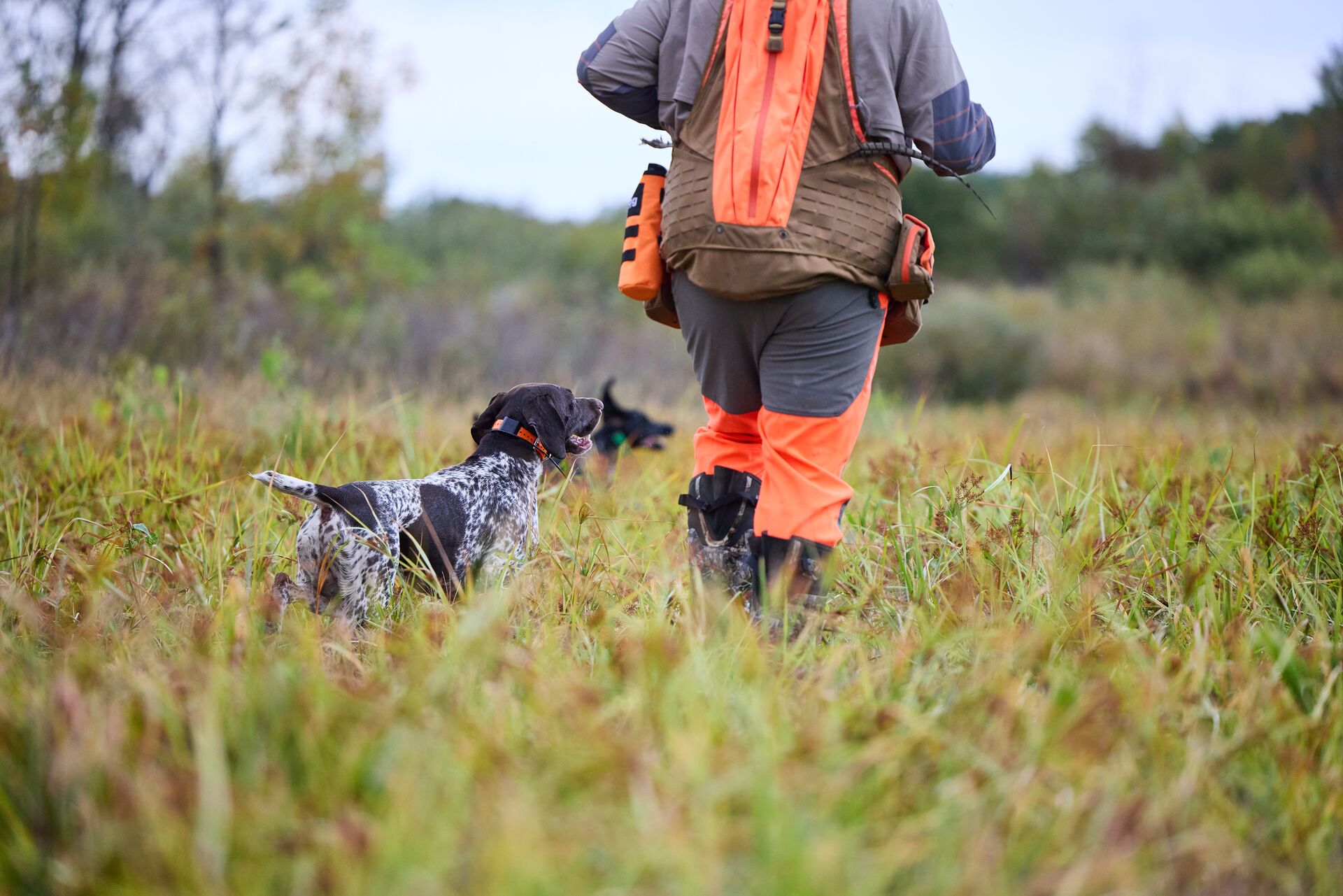
A hunter safety course, also called hunter education, teaches first-time hunters how to hunt safely, legally, and responsibly. In all 50 U.S. states and most Canadian provinces, first-time hunters need their certification to buy a hunting license.
An accredited hunter safety course covers firearm safety, hunting ethics, wildlife conservation, survival skills, and state-specific regulations. Hunter-Ed offers IHEA-approved online courses that satisfy requirements in most states, making it easy to complete that step before buying a license.
Online-only courses usually take between four and eight hours and can be completed at your own pace. Hybrid courses include a four- to eight-hour in-person field day during which students demonstrate safe firearm handling and complete a skills verification.
Your certification is permanent in most states and valid across state lines. Keep reading to learn more about what you expect when you take a hunter education course.
What Is a Hunter Safety Course?
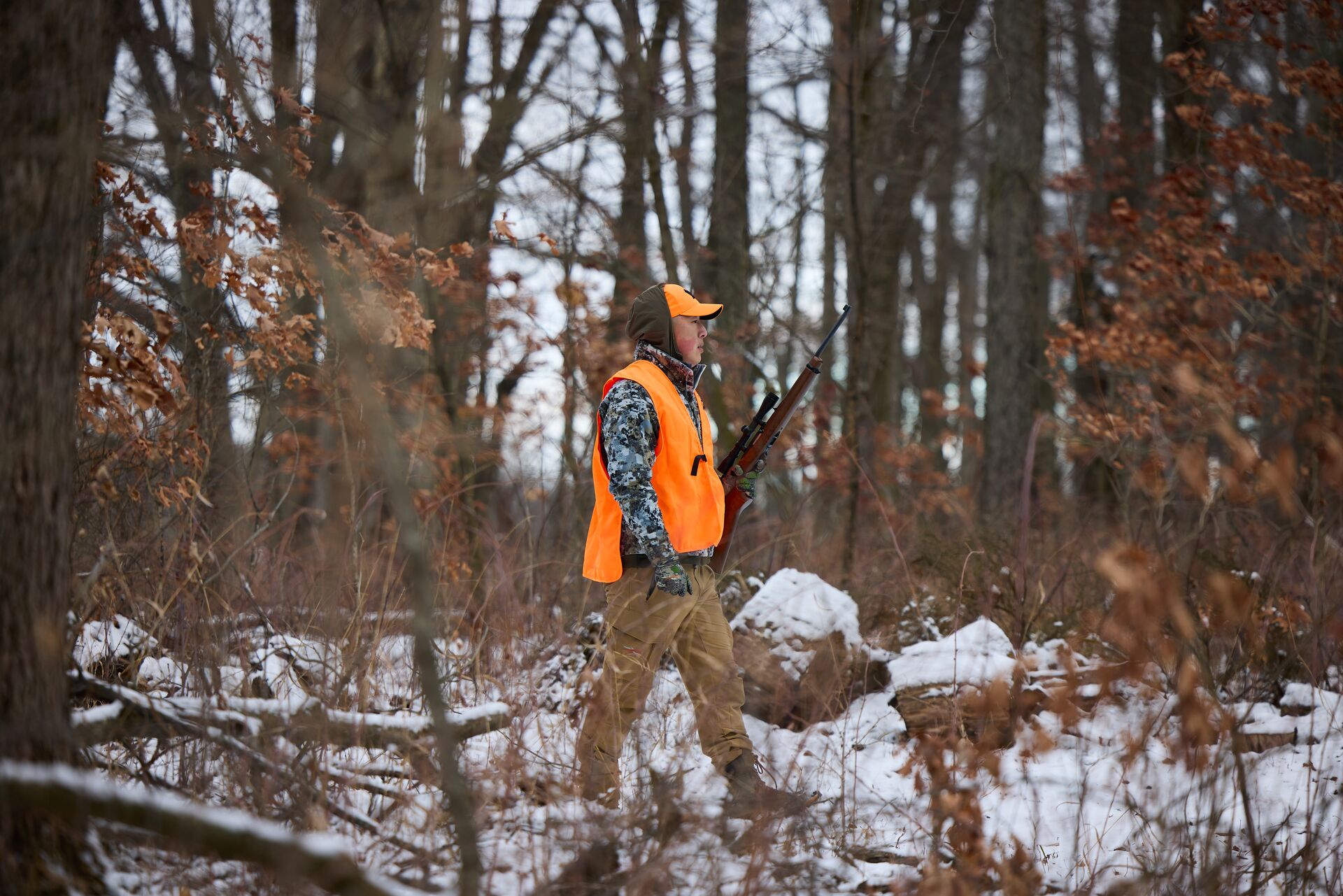
A hunter safety course is state-mandated training for new hunters. It's designed to help first-time license buyers understand firearm safety, hunting laws, ethical decision-making, conservation, and the responsibilities that come with hunting.
Teaching hunter education helps reduce hunting incidents and builds safer, more responsible hunters who understand how their choices affect wildlife, landowners, other hunters, and the future of hunting access.
Most hunter education programs follow IHEA-USA standards. That means the course content is built around a shared national framework while still covering state-specific rules where needed.
Who Needs a Hunter Safety Course? (State Requirements at a Glance)
Hunter education requirements vary by state. In many states, requirements depend on your birth date or age rather than applying equally to every hunter.
Who Needs Hunter Education (by State) | |
| State | Who Must Complete Hunter Education |
| Alabama | Born on or after 8/1/1977 |
| Alaska | Born on or after 1/1/1986. Bowhunter education also required for bowhunters. |
Arizona | Ages 9-14 hunting big game |
Arkansas | Born on or after 12/31/1968 |
| California | First-time license buyers |
| Colorado | Born on or after 1/1/1949 |
| Connecticut | First-time license buyers. Bowhunter education also required for bowhunters. |
| Delaware | Born on or after 1/1/1967 |
| Florida | Born on or after 6/1/1975, hunting on public land |
| Georgia | Born on or after 1/1/1961 |
| Hawaii | First-time license buyers or born on or after 12/31/1971 |
| Idaho | Born on or after 1/1/1975. Bowhunter education also required for bowhunters. |
| Illinois | Born on or after 1/1/1980 |
| Indiana | Born on or after 12/31/1986 |
| Iowa | Born on or after 1/1/1972 |
| Kansas | Born on or after 7/1/1957. Bowhunter education also required for bowhunters. |
| Kentucky | Born on or after 1/1/1975. Bowhunter education also required for bowhunters. |
| Louisiana | Born on or after 9/1/1969. Bowhunter education also required for bowhunters. |
| Maine | Born on or after 1/1/1976. Bowhunter education also required for bowhunters. |
| Maryland | All hunters except those who hunted before 7/1/1977 |
| Massachusetts | All first-time hunters ages 18+. Bowhunter education also required for bowhunters. |
| Michigan | Born on or after 1/1/1960 |
| Minnesota | Born on or after 12/31/1979 |
| Mississippi | Born on or after 1/1/1972 |
| Missouri | Born on or after 1/1/1967 |
| Montana | Born after 1/1/1985. Bowhunter education also required for bowhunters. |
| Nebraska | Ages 12-29. Bowhunter education also required for bowhunters. |
| Nevada | Born on or after 1/1/1960 |
| New Hampshire | Ages 12 and older |
| New Jersey | Ages 10 and older. Bowhunter education also required for bowhunters. |
| New Mexico | Under 18 years old |
| New York | First-time license buyers. Bowhunter education also required for bowhunters. |
| North Carolina | First-time license buyers |
| North Dakota | Born on or after 12/31/1961 |
| Ohio | First-time license buyers |
| Oklahoma | Ages 30 and younger |
| Oregon | Ages 18 and younger |
| Pennsylvania | All hunters without a prior license or existing certification |
| Rhode Island | First-time license buyers. Bowhunter education also required for bowhunters. |
| South Carolina | Born on or after 6/30/1979 |
| South Dakota | Under 16 years old. Bowhunter education also required for bowhunters. |
| Tennessee | Born on or after 1/1/1969 |
| Texas | Born on or after 9/2/1971, and at least 9 years old |
| Utah | Born on or after 12/31/1965 |
| Vermont | First-time license buyers born on or after 1/1/1975 |
| Virginia | First-time license buyers and ages 12-15 |
| Washington | Born on or after 1/1/1972. Bowhunter education also required for bowhunters. |
| West Virginia | Born on or after 1/1/1975 |
| Wisconsin | Born on or after 1/1/1973 |
| Wyoming | Born on or after 1/1/1966 |
Exemptions commonly apply to hunters born before a state's cutoff date, landowners hunting their own property, or hunters using an apprentice license. However, exemptions are state-specific. Always confirm the requirements before assuming an exemption applies.
Bowhunter education can also be a separate requirement. Some states require bowhunter education in addition to basic firearm hunter education, especially for archery-only seasons or bowhunting licenses.
Before you register, check your state wildlife agency page or your Hunter-Ed state course page to know exactly which course format applies to you.

Hunter Safety Course Formats Compared
Most hunters can choose from a few course formats, but your options depend on your state's rules. The right hunter safety course format (online, in-person, or hybrid) is usually based on whether your state allows online-only certification or requires hands-on skills verification.
Types of Hunter Safety Courses | |||
| Format | Time Commitment | Best For | Field Day Required? |
Online Only | 4-8 hrs | States that accept online-only certification | No |
Hybrid (Online + Field Day) | 8-16 hrs total | Most States | Yes |
Traditional | Classroom 8-16 hrs | Students who prefer in-person instruction | Yes |
Home Study | 4-6 hrs | Remote areas with limited field day availability | Yes |
Online-only vs in-person courses work if you hunt in states that don't require hands-on skills verification. Students complete the full course and exam remotely, then receive certification after meeting the state's passing requirements.
Nationwide, the hybrid courses are the most common way to get certified. They combine self-paced online study with a required field day during which students demonstrate safe firearm handling and complete a skills evaluation.
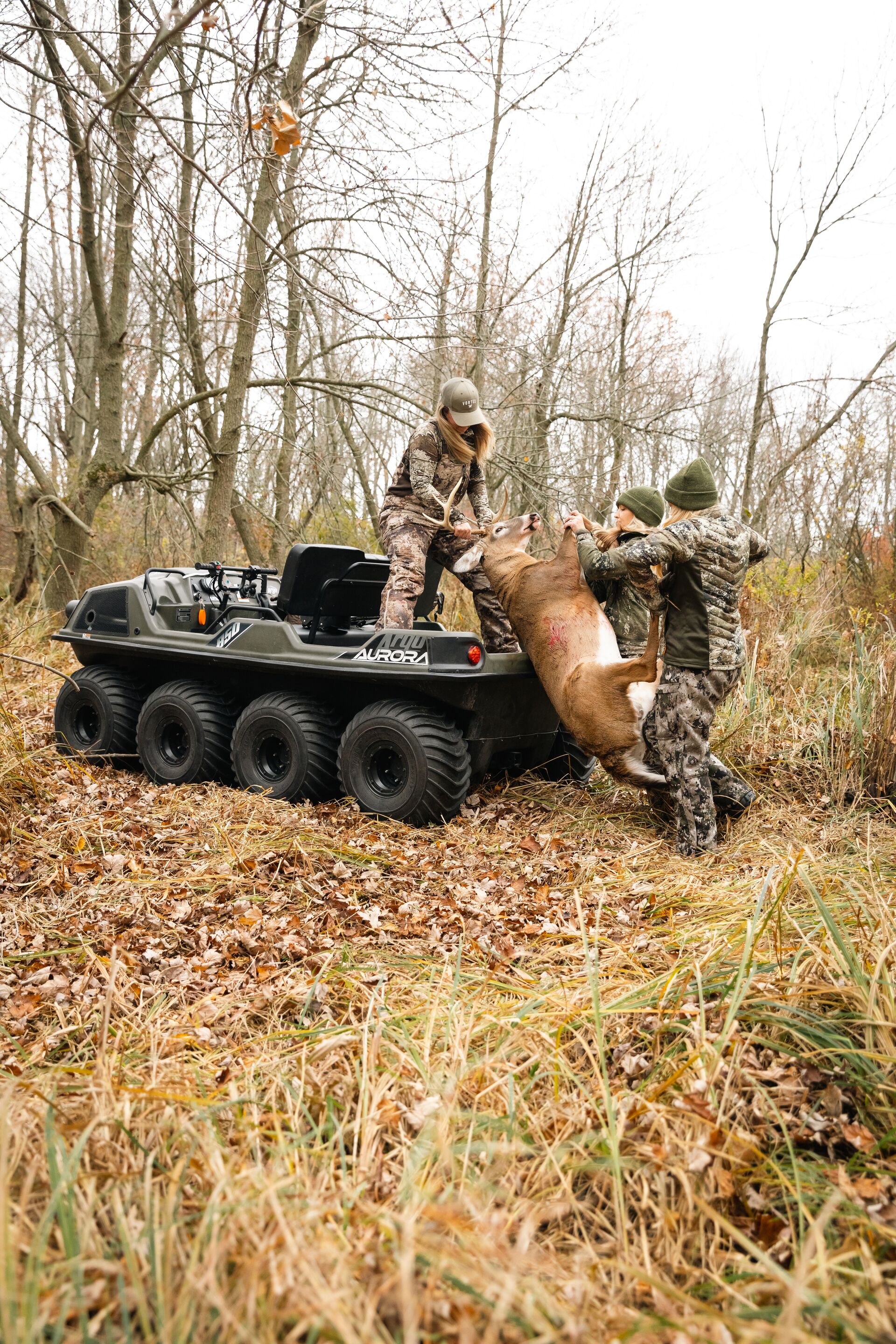
Traditional classroom courses work well for students who prefer an instructor-led setting or don't have reliable internet access. Those are usually scheduled through state agencies or local volunteer instructors.
Home study can be a middle ground for rural students, though it typically still requires an in-person component before certification is complete. Exact hours and requirements vary by state, so treat the time ranges above as general guidelines.
What Topics Are Covered in Hunter Education?
Hunter education covers the skills and judgment new hunters need before buying a license and entering the field. The exact curriculum varies by state, but most courses include the same core subjects.
You'll learn about:
- Firearm safety and how to handle them
- Hunting laws, regulations, and ethics
- Wildlife identification and environmental impact
- Survival skills with basic first aid
- Tree stand and elevated hunting safety
- Bowhunting and archery equipment basics, in states requiring bowhunter education
- Landowner relations and how to request hunting access
- Fair chase principles and responsible hunting behavior

How to Get Certified as a Hunter (How-To Section)
Getting certified is a step-by-step process that most first-time hunters can complete in as little as one to two weeks. The exact order depends on your state's rules, especially if a field day or skills verification is required.
Online coursework can usually be paused and resumed, so you don't have to finish everything in one sitting. That makes it easier to fit hunter education around work, school, or family schedules.
- Check your state's hunter education requirements for your age and license type.
- Choose an approved online, in-person, or hybrid course.
- Complete the online study modules, which usually take 4-8 hours.
- Pass the online exam with your state's required score, often 70%-80%.
- Register for a field day or skills verification event if your state requires one.
- Attend the field day and demonstrate safe firearm handling.
- Receive your hunter education certificate and keep a digital copy.
After you pass the exam, you'll understand hunting gear and firearms, as well as how to respect wildlife, private property, and regulations.
Is Your Certification Good for Life?
In nearly every state, hunter education certification is permanent once earned. You complete the requirement once, keep your certificate, and use it for future hunting license purchases.
Most states also honor hunter education cards from other states through reciprocity. That means if you earned your certificate in one state, you can usually use it when buying a non-resident license elsewhere.
Still, a state-specific course can be useful if you're moving or planning an out-of-state hunt. Local rules, terrain, access issues, and species regulations vary, so reviewing state-specific information is always a smart step.
Keep a physical or digital copy of your certificate with your important hunting documents. You'll need it when buying a license, applying for permits, or proving completion in the field.
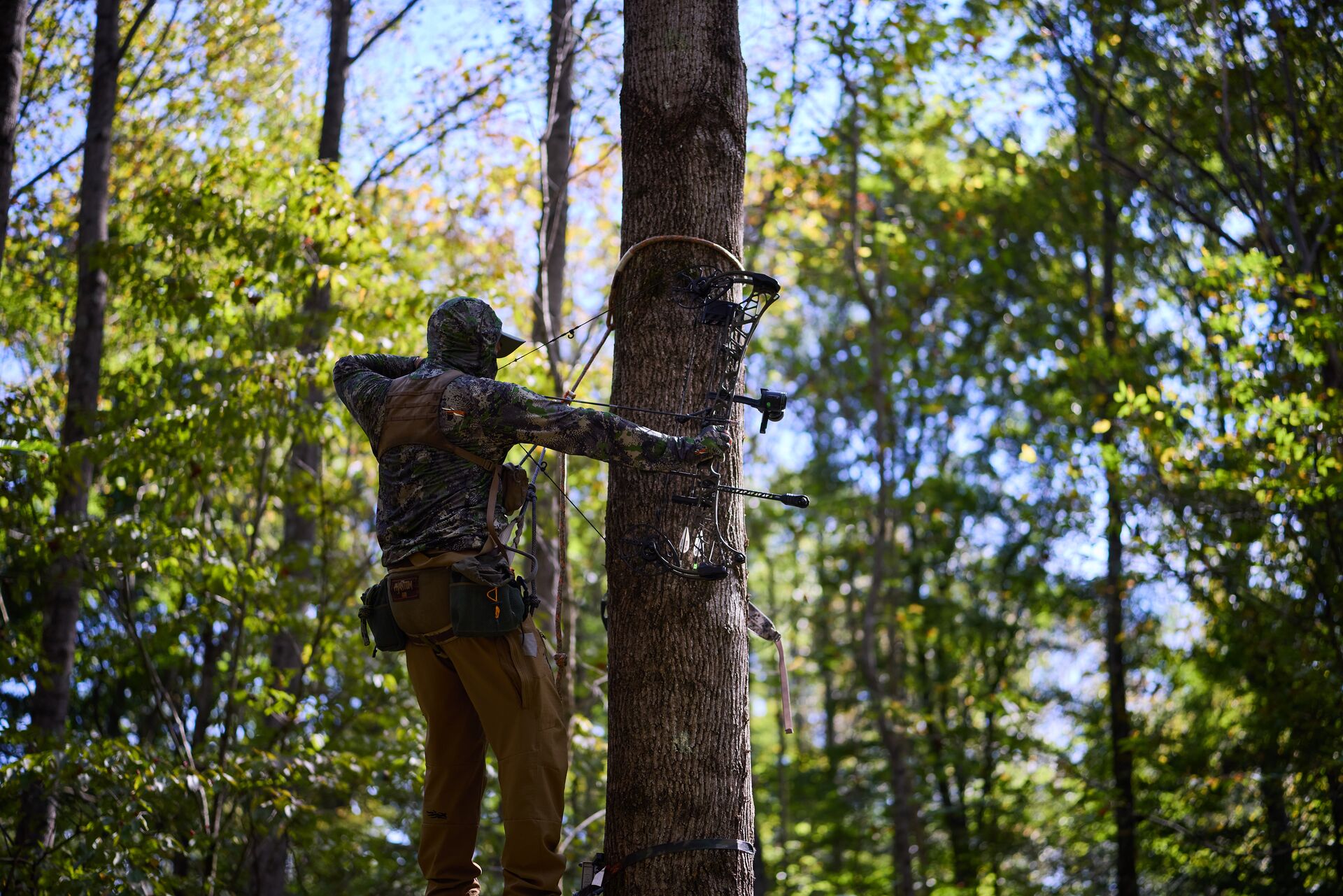
Start Your Hunter Education Course Today and Get Certified
Completing hunter safety is a one-time step that can open the door to future hunting seasons. Once you're certified, that credential is valid for life in nearly every state and generally travels with you through reciprocity.
The right hunter safety course format depends on your state's rules. Some hunters can complete everything online, while others need a hybrid course with a field day or a traditional in-person class.
Hunter-Ed helps you with state-approved online coursework, learn at your own pace, and understand what your state requires next. Complete the course for your state early, save your certificate, and you'll be ready to purchase your hunting license for this season.

Frequently Asked Questions (FAQs)
Q: Is hunter safety required for adults?
A: It depends on your state. Many states require hunter education based on your birth year or whether you're a first-time hunter, not simply because you're an adult. Some adults are exempt if they were born before a state's cutoff date, while others must complete hunter safety before buying a hunting license.
Q: How long does hunter safety take?
A: Most online hunter safety courses take about four to eight hours to complete, and you can usually work through the material at your own pace. If your state requires a field day, plan for an additional four to eight hours to complete the hands-on portion.
Q: Is hunter-ed.com accredited?
A: Yes. Hunter-Ed courses are approved by the state agencies that regulate hunter education where they're offered and follow IHEA-USA standards used by hunter education programs across North America. Always choose the course for the state where you need certification to ensure you meet that state's requirements.
Q: Does hunter safety certification expire?
A: In most states, hunter education certification does not expire. Once you've earned your certificate, it's valid for life, although some hunting activities (such as bowhunting in certain states) may require additional education or endorsements.
Q: Can I take a hunter safety course without a field day?
A: That depends on your state's requirements. Some states allow eligible students to complete the entire course online, while others require a field day or skills evaluation before certification is issued. Check your state's requirements before enrolling.
Q: What happens if I fail the hunter safety exam?
A: Policies vary by state and course provider, but failing the final exam doesn't usually mean you have to start over. In most cases, you'll have additional opportunities to review the material and retake the exam before completing the course.
Q: Do I need a new hunter safety certificate to hunt in a different state?
A: Usually not. Most states recognize hunter education certificates issued by other states through reciprocity, so you can often use your existing certificate when buying a non-resident hunting license. You'll still need to follow the hunting laws, license requirements, and season regulations of the state where you plan to hunt.