10 Things Every First-Time Hunter Should Know Before Taking a Course

Hunter education is required in nearly every U.S. state before you can get your first hunting license. But you don't need any hunting, shooting, or outdoor experience to enroll. A state-approved course starts with the basics and prepares you to make safe, responsible hunting decisions.
Most online courses take about three to six hours and cover firearm safety, wildlife identification, conservation, hunting laws, ethics, and outdoor survival. Passing scores commonly range from 70% to 80%, depending on the state. Some states also require an in-person field day before issuing your certificate.
You don't need to own a firearm or buy specialized gear to get started. The following first time hunter tips explain what the course covers, how certification works, and what to expect when you're looking to become a certified hunter.
What a Hunter Education Course Covers
Hunter education gives you the foundation needed to hunt safely and legally. You'll learn much more than how to handle a firearm.
What Hunter Education Covers | |
| Topic | What You'll Learn |
Firearm safety | Four rules, safe carries, loading/unloading |
Wildlife ID | Legal game species and identification |
Conservation | Wildlife management principles |
Laws & ethics | Fair chase, bag limits, legal hours |
Survival | First aid, hypothermia prevention |
The course assumes you're getting started without hunting experience. You can learn the essential concepts online before deciding what firearm, clothing, or other equipment you may eventually need.
How to Get Started as a First-Time Hunter
Hunter education requirements vary by state, but the basic process is similar nationwide. Step one is checking the rules where you live or plan to hunt.
- Check your state's hunter education requirements. Review the age rules, course options, testing requirements, and possible field-day component before registering.
- Create a Hunter-Ed account. You can sign up and register without owning a firearm, purchasing gear, or having any previous outdoor experience.
- Complete the online coursework. Most students spend approximately three to six hours on the online portion. You can usually save your progress and return when your schedule allows.
- Pass the final exam. Required scores vary by state but commonly range from 70% to 80%. Courses provide the exact score and testing rules that apply to you.
- Register for a field day if required. Some states require students to complete an in-person component after finishing online material.
- Complete any hands-on requirements. A field day may include firearm-handling demonstrations, practical safety exercises, a skills trail, or live-fire training. Check on what equipment is provided and what you should bring.
- Receive your hunter education certificate. You might get temporary proof while the state processes your permanent certification.
- Purchase the required hunting license. Once you meet your state's certification requirements, use the provided proof to obtain the license, permits, stamps, and endorsements you need for your planned hunt.
Hunter education is generally a one-time requirement, and certification commonly remains valid for life. Certificates are recognized across all 50 states, although you'll still need to meet the licensing and proof requirements of the state where you hunt.

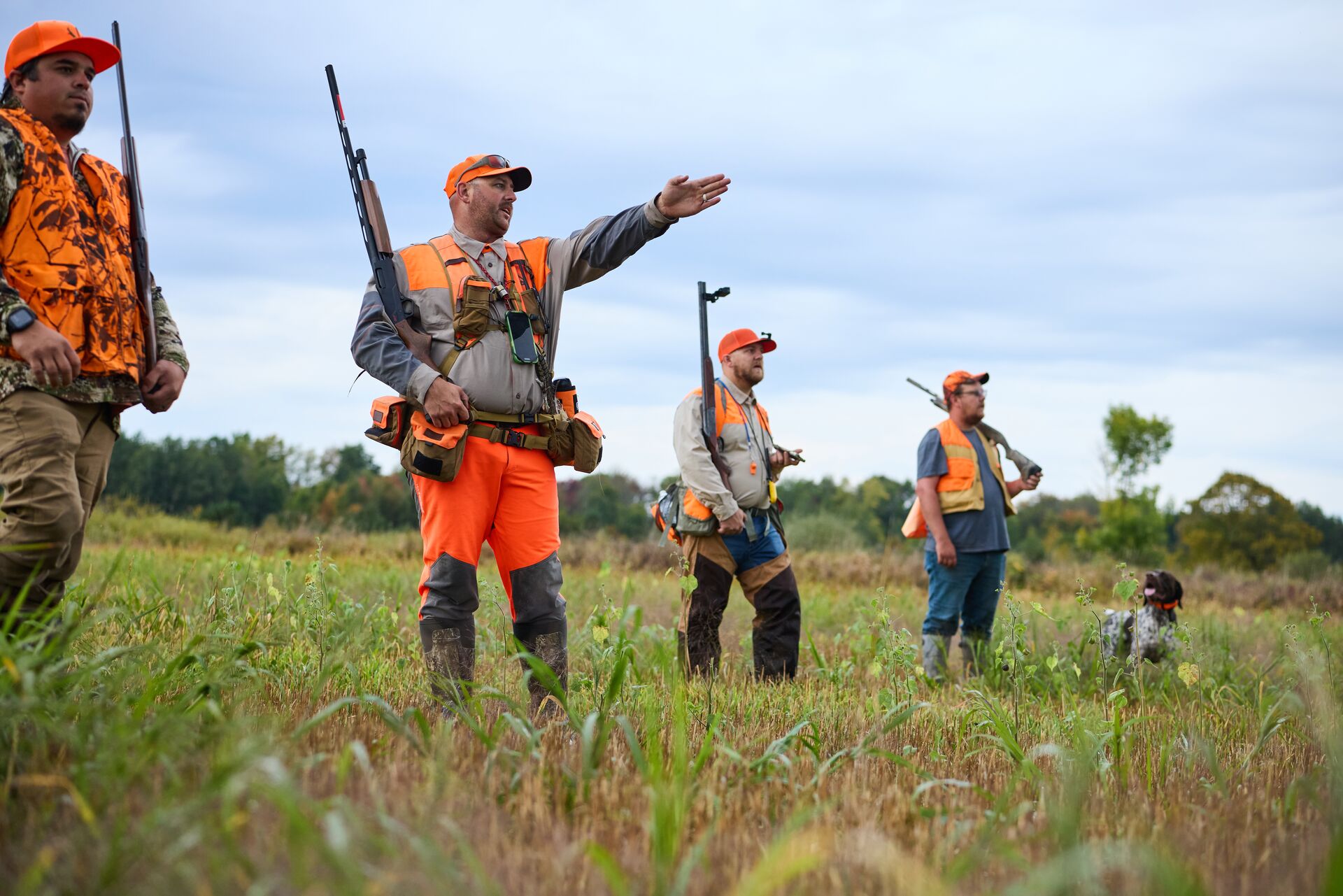
First Time Hunter Tips Before You Enroll: What to Expect
You don't need to study hunting for weeks before taking a course. Still, knowing what to expect can make the process feel less intimidating.
Here are 10 practical things to know before enrolling in a hunter safety course.
- You don't need prior experience. Hunter education is designed for beginners. Instructors and online lessons explain the terminology, equipment, and safety concepts instead of assuming you already know them.
- You can work at your own pace. Online courses generally let you stop between lessons and continue later. Your progress saves automatically, so you can review unfamiliar material before moving forward.
- Passing-score requirements vary by state. Passing is often between 70% and 80%, but the exact standard depends on the state and course. Online courses typically provide lesson reviews and explain what happens if you don't pass on your first attempt.
- Your state may require a field day. Completing the online portion doesn't always complete the certification process. If your state requires a field day, register as early as possible. Available classes can fill quickly before major hunting seasons.
- Certification usually doesn't expire. In most states, hunter education is a lifetime certification. You'll still need to renew your hunting license for each season.
- Your certificate can generally travel with you. Hunter education certificates are recognized across all 50 states. However, certification reciprocity doesn't make hunting licenses transferable. You must purchase a license and follow the laws of the state where you'll hunt.
- You can take the online course on a compatible device. Hunter-Ed courses are available online, on phones, tablets, and computers. You can study at home or work through lessons whenever you have a stable Internet connection and time.
- The course covers more than firearm handling. Safe firearm practices are only part of the curriculum. You'll also learn about ethical hunting, wildlife conservation, species identification, survival, legal shooting hours, and responsible decision-making.
- Apprentice or mentored licenses may be available. Some states allow new hunters to hunt under the direct supervision of an experienced adult before completing hunter education. These programs may be called apprentice, mentored, deferral, or provisional licenses. Check your state's rules before relying on one of these options.
- Certification generally comes before your first license. Nearly every state requires new hunters to complete an approved hunter education course before they can purchase their first hunting license. However, the exact rule may depend on factors such as age, birth date, previous licenses, or an approved mentored-hunting option.
These first time hunter tips should take some of the uncertainty out of enrolling. The course is built for beginners, so it's designed for new hunters without hunting experience.
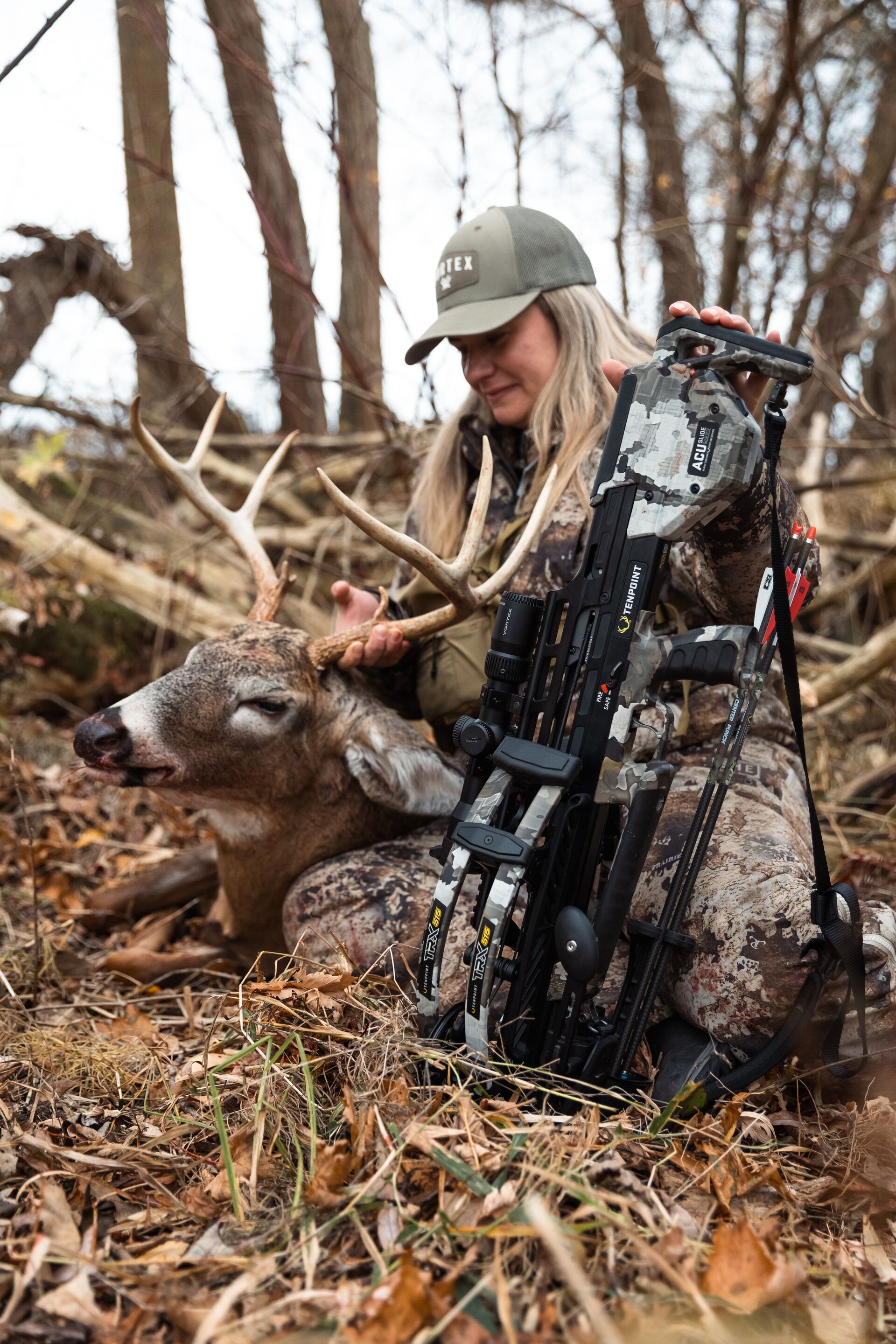
What You Don't Need Before Starting
Many new hunters delay certification because they think they need all the gear or already know how to shoot. The good news is you can start the educational process before you get to those steps.
You don't need:
- A firearm. You can complete the online lessons without owning or handling one. If your state requires hands-on training, review the field-day instructions to learn what equipment will be supplied.
- Previous hunting or shooting experience. The course begins with foundational safety principles and explains each concept for beginners.
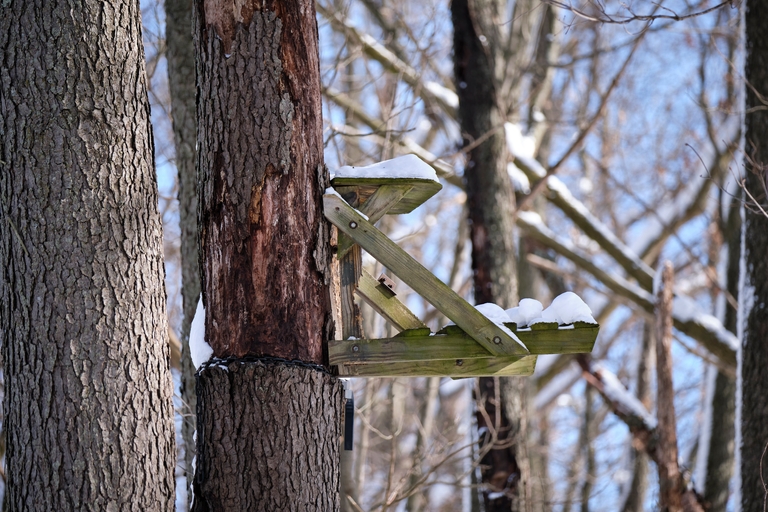
- Specialized outdoor gear. You won't need camouflage, boots, a tree stand, optics, or a hunting pack to begin the online course.
Buying hunting gear comes after you know what type of hunting you want to do. For now, you only need an Internet connection and a willingness to learn.
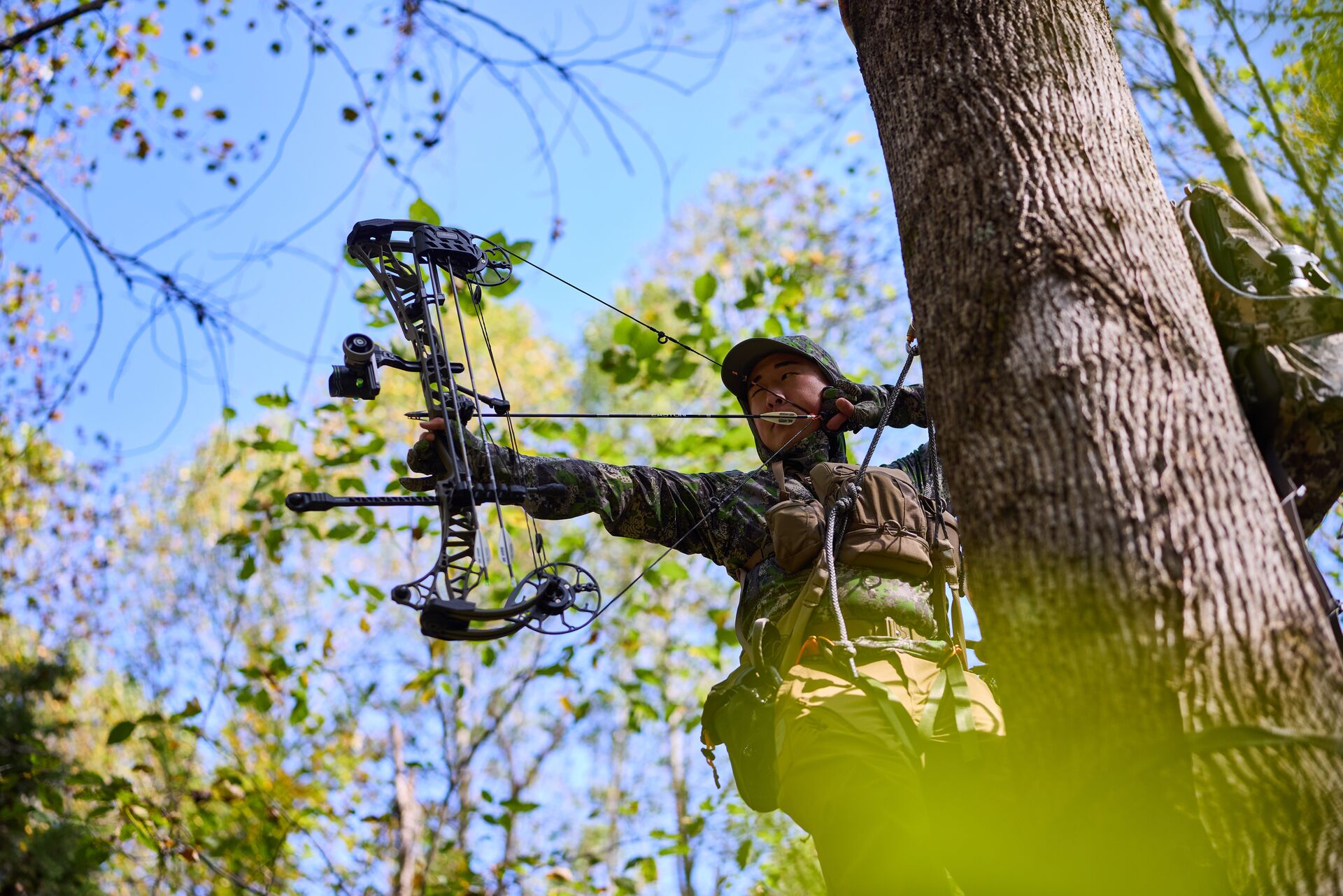
Ready to Start Hunting? Hunter Education is Your First Move
These first time hunter tips are the things to know before hunter safety course enrollment. Remember, hunter education isn't a test of what you already know. It's how new hunters learn the safety, ethics, conservation, and legal principles they need to enter the field responsibly. We've all done it.
You don't need a firearm, specialized gear, or previous experience to enroll. Start by checking your state's requirements, create your account, and complete the course at your own pace. Once you've completed your state's education requirements, you can purchase the appropriate license and begin preparing for your first hunt.

Frequently Asked Questions (FAQs)
Q: Do I need experience to take a hunter education course?
A: No. Hunter education courses are designed for beginners and cover the basic safety rules, hunting laws, wildlife identification, and ethical practices you need to know. You don't need previous hunting, shooting, or outdoor experience to enroll.
Q: Do I need to own a firearm to get certified?
A: No. You can complete the online coursework without owning or handling a firearm. If your state requires an in-person field day, check its requirements to see whether it provides firearms or other equipment for practical exercises.
Q: What score do I need to pass the final exam?
A: Passing scores vary by state and course, but many hunter education programs require a score between 70% and 80%. Check your course requirements for the exact passing score and any rules for retaking the exam.
Q: Does a hunter education certificate expire?
A: Hunter education certificates generally remain valid for life, so you usually don't need to repeat the course. However, you must keep your hunting license current and follow any licensing requirements in the state where you hunt.
Q: What topics does hunter education cover besides shooting?
A: Hunter education covers firearm safety, hunting laws, ethical decision-making, wildlife identification, conservation, and outdoor safety. Depending on the course, you may also learn about survival skills, first aid, and responsible wildlife management.
Q: What happens if I don't pass the final exam on the first try?
A: Retake policies vary by state and course. You may be able to review the material and retake it, but some programs have limits or additional requirements. Check your course's testing rules to find out what steps to take if you don't pass on your first attempt.
Q: Is a hunter education certificate valid in other states?
A: Yes. Hunter education certificates issued by state wildlife agencies are generally recognized by other states that require hunter education. However, you must still meet the destination state's requirements for hunting licenses, permits, and documentation. Carry proof of certification when hunting, and check local regulations before your trip.