How to Prepare for Your Hunter Education Field Day: Tips & Checklist
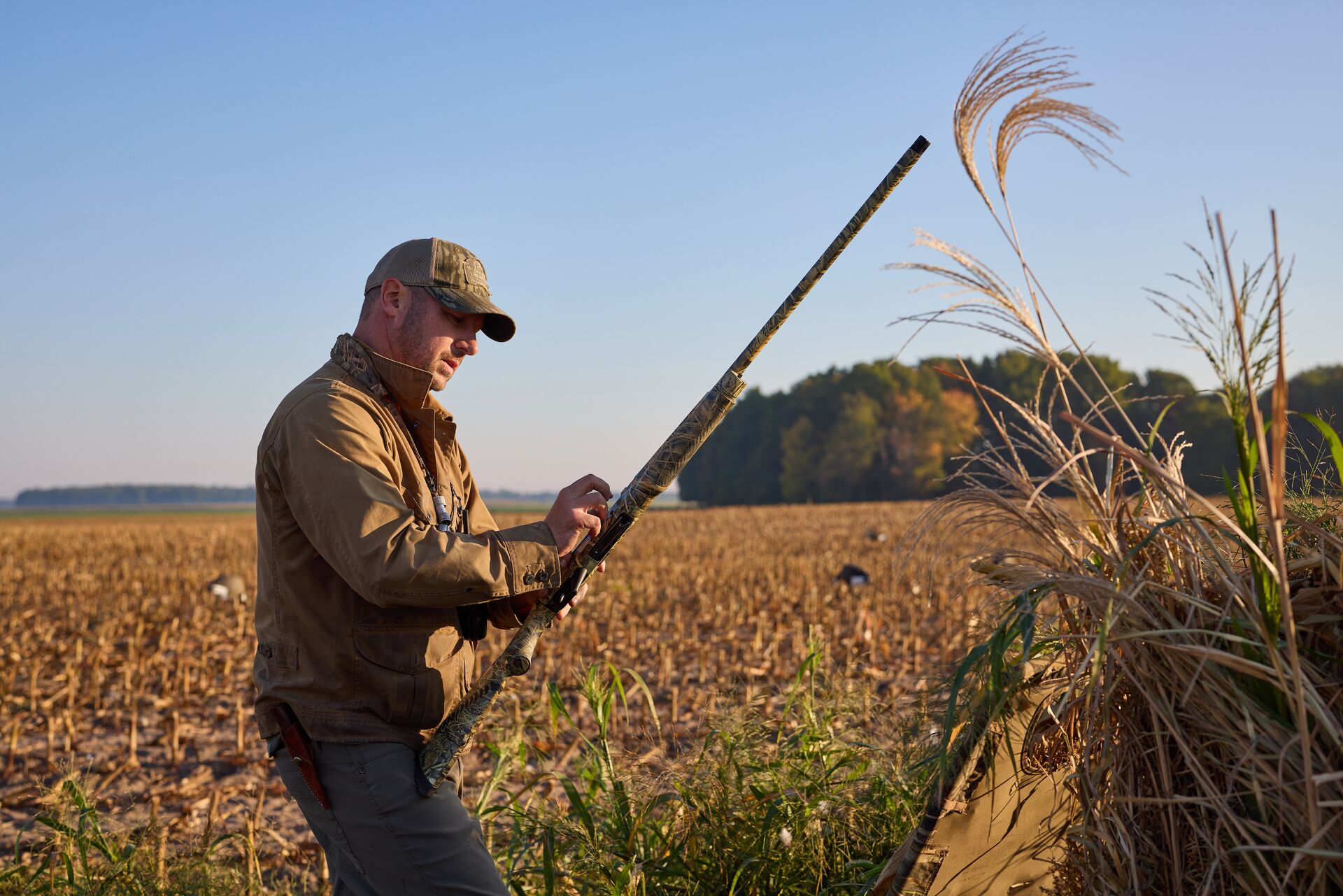
A hunter education field day is a hands-on session that many states require after the online course and before you can begin hunting. During several hours of instruction, you'll demonstrate safe firearm handling, complete a supervised live-fire exercise, identify wildlife, and work through hunting scenarios. The focus is safety, not marksmanship.
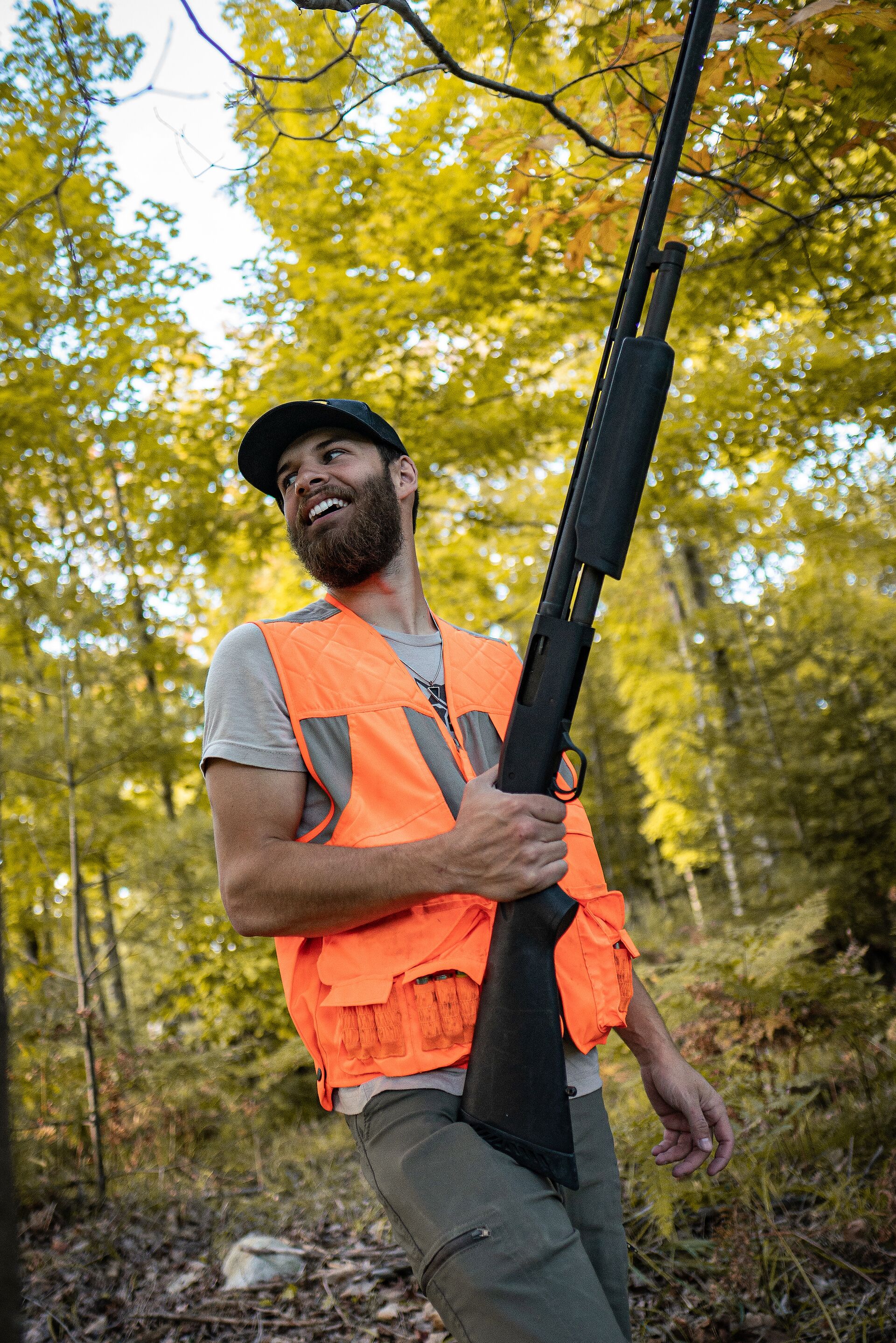
After finishing your Hunter-Ed coursework, check your course page for nearby field days. Review the four firearm safety rules, dress for the weather, and bring your course-completion document and photo ID. Pass rates are high among prepared students, so here’s what you can expect.
What to Expect at Your Hunter Education Field Day
A field day isn't a test of shooting accuracy. Instructors want to see you practice practical skills and safety. They'll make sure you follow directions, handle a firearm responsibly, and make safe decisions in situations you could encounter while hunting.
The exact schedule and length depend on your state's hunter education requirements. Most field days move students through a similar series of stations covering firearm handling, range behavior, wildlife identification, and hunting safety scenarios.
Hunter Education Field Day: What to Expect | ||
| Station | What it Tests | Typical Time |
| Firearm handling | Safe carries, loading/unloading | 30–60 min |
| Live-fire exercise | Muzzle control, range commands | 30–60 min |
| Wildlife identification | Species ID, habitat basics | 20–30 min |
| Safety scenarios | Judgment, decision-making | 20–30 min |
Some programs combine stations or cover them in a different order. Listen to the opening instructions, stay with your assigned group, and ask questions if you're unsure what the instructor said.
Why Some States Require Field Days
Online hunter education teaches essential information about firearms, wildlife, conservation, ethics, survival, and hunting laws. But everyone still wants to be sure you'll keep a muzzle pointed in a safe direction and follow commands correctly on a firing range.
A field day allows instructors to observe those habits in person. They may watch how you carry, load, unload, and pass a firearm. They can also help you respond when asked to identify an unsafe shot or make a quick decision in a hunting scenario.
Hunter education has contributed to a decades-long decline in hunting-related injuries. Hands-on instruction supports that progress by helping students turn what they learned online into safe behavior in the field.
States set requirements, so age thresholds and exemptions vary. Just remember that the field day isn't designed to trip you up. Think of it as the final check between completing your coursework and earning your certification.
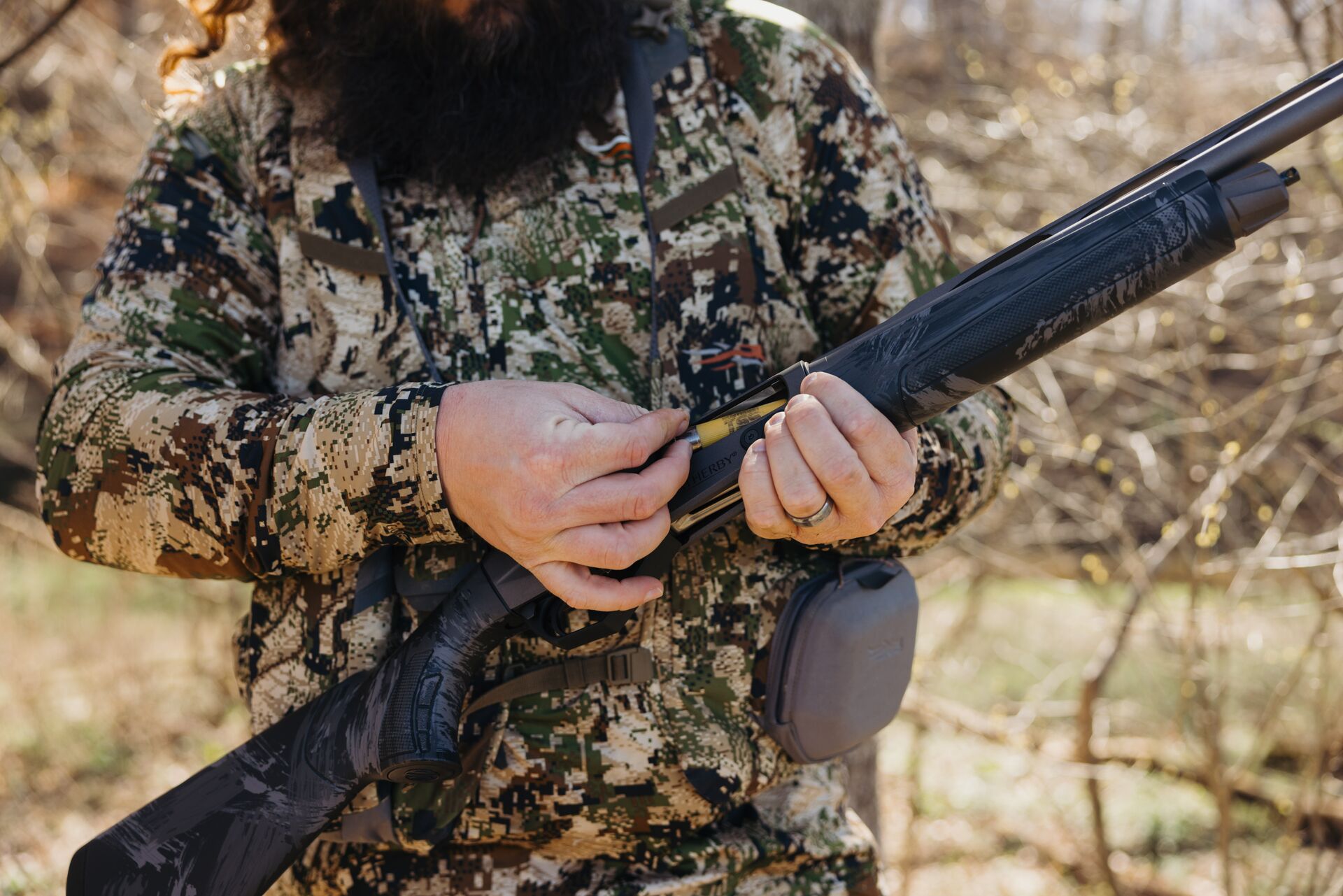
How to Prepare for Hunter Education Field Day
Most of the work required to pass happens before you arrive. Use the following steps to get ready:
- Complete the Hunter-Ed online course for your state. Finish required modules and pass the final exam before booking an available field day.
- Register for a field day near you. Follow the directions on your course page and choose a session that gives you enough time to prepare.
- Review firearm safety and carrying methods. Go over the four primary safety rules and practice identifying safe carry positions the night before.
- Pack the required documents and supplies. Bring proof that you completed the online course, a photo ID, suitable clothing, closed-toe shoes, water, snacks, and any paperwork required by your state.
- Arrive early and follow every range command. Give yourself time to check in, find your group, and listen to the opening instructions. Follow commands carefully and be deliberate during the live-fire exercise.
- Complete the identification and scenario stations. Apply what you learned online when identifying wildlife and making decisions about safe or ethical shots.
- Finish the certification process. Depending on your state, you may receive your certificate at the field day or shortly afterward.
Completing these steps ahead of time reduces uncertainty on field day. Instead of worrying, you'll be ready to focus on the instructor and demonstrate what you learned.

What to Pack for Your Field Day
Missing documentation is one of the most preventable reasons a student may be unable to participate. Pack the night before, and keep important paperwork somewhere dry and easy to reach.
Your field day checklist should include:
- Proof of online course completion, either printed or digital
- A government-issued photo ID or another accepted form of identification
- Weather-appropriate clothing, including layers for changing conditions
- Closed-toe shoes suitable for walking and standing outdoors
- Water and snacks
- Any state-required forms, including permission paperwork for minors
Your confirmation email or state field-day page may list additional items. Check it before leaving home, even if you've already attended a field day in another state.
Don't bring a personal firearm or ammunition unless the registration instructions specifically tell you to do so. Programs that include live fire often supply the firearm and ammunition to ensure students use the appropriate equipment.
Reviewing the Four Rules of Firearm Safety
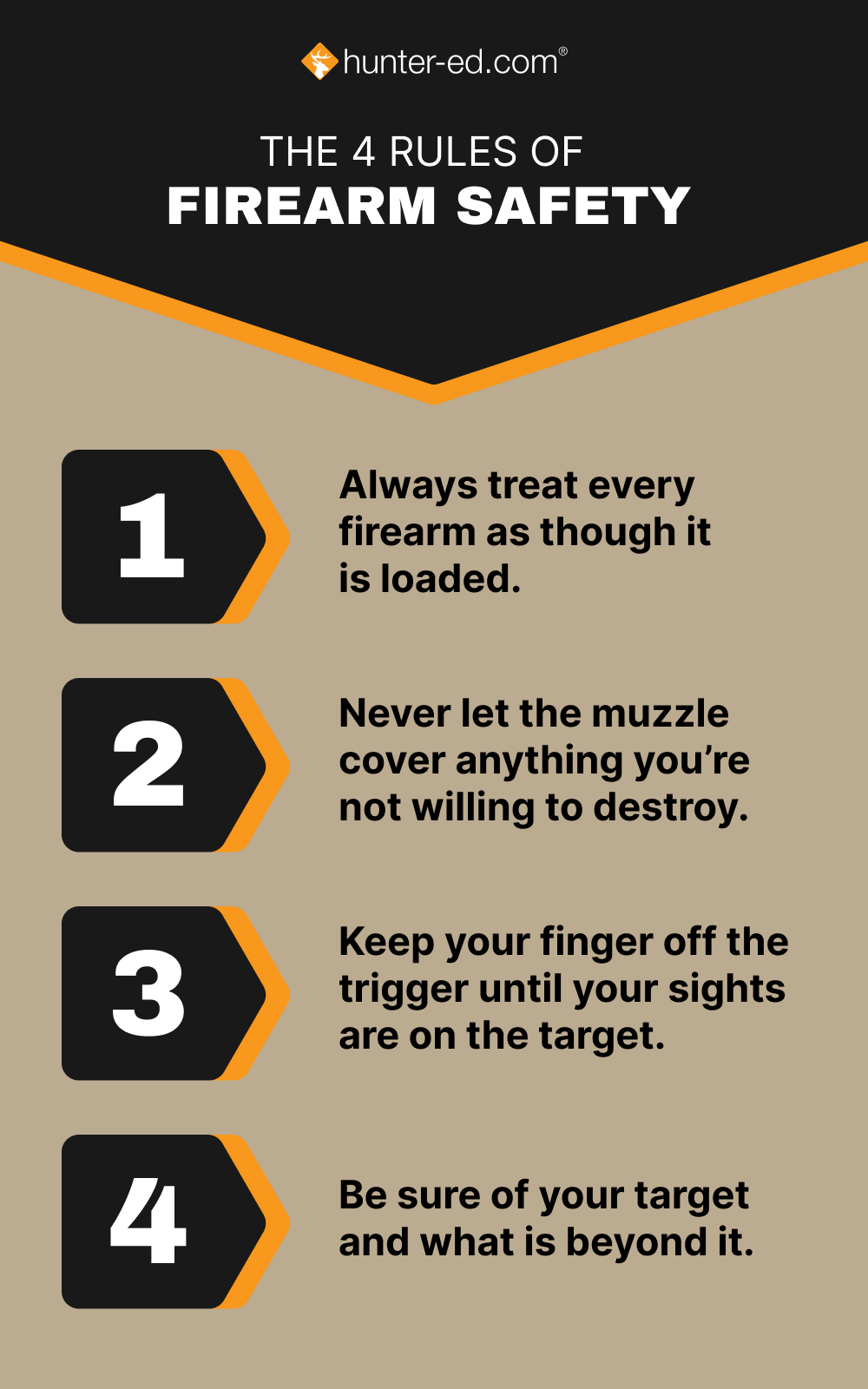
The four primary rules of gun safety guide nearly everything you'll do during the firearm-handling and live-fire portions of your hunter education field day. Instructors will expect you to apply them consistently, not just recite them.
- Keep every firearm pointed in a safe direction. Control the muzzle at all times, including when carrying, loading, unloading, or passing the firearm.
- Handle every firearm as though it's loaded. Never assume a firearm is unloaded because someone else said it was. Check its condition safely whenever appropriate.
- Keep your finger outside the trigger guard until you're ready to shoot. Your trigger finger should remain indexed along the frame until you're on target and have made the decision to fire.
- Know your target and what lies beyond it. Identify the target positively and make sure the entire path of the shot is safe before touching the trigger.
These rules apply during both the live-fire exercise and the safety scenarios. Following the rules is the only way to show instructors that you understand safe firearm handling.
Tips for Live-Fire Sessions
Preparing for the live-fire section is part of how to prepare for hunter education field day, but remember, it's not a marksmanship competition. When shooting is included, instructors are primarily evaluating whether you can handle the firearm safely and follow commands. Accuracy, while something you'll work on before hunting, is secondary to safety.
The program often supplies firearms and ammunition. Don't bring your hunting equipment unless the registration materials specifically allow it.
Eye and ear protection are required in live-fire areas. Some ranges provide both, but bringing personal protection is a sensible backup if your field-day instructions allow it. Soft range earplugs are cheap and can also make the experience more comfortable.
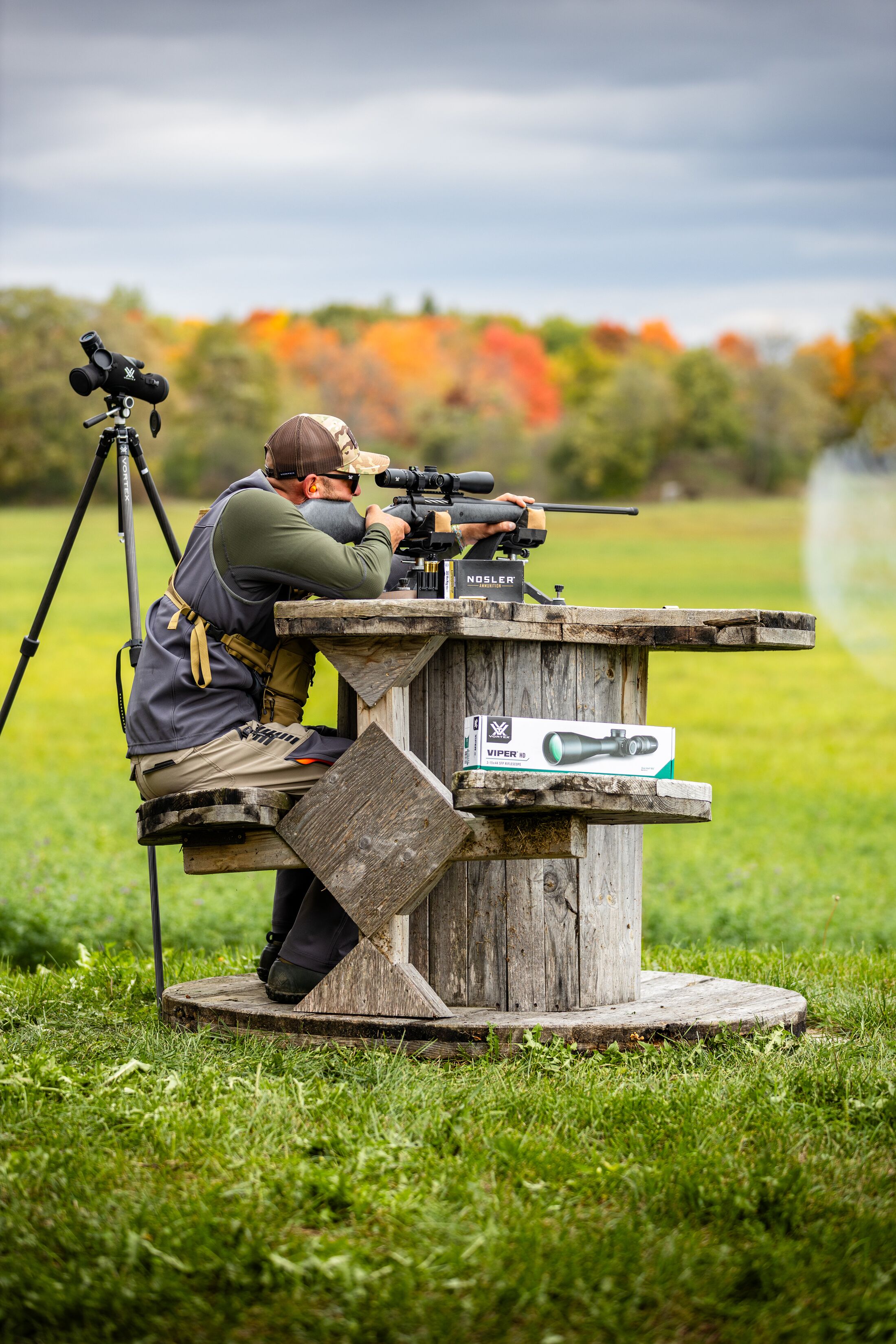
Although procedures vary, you'll generally follow a sequence like this:
- Wait until the instructor tells you to approach or retrieve the firearm.
- Keep the muzzle pointed in the designated safe direction.
- Leave the action open until you're on the firing line and instructed to close it.
- Load, aim, and fire only when directed.
- Stop immediately if the instructor gives a cease-fire command.
- Open the action while pointing downrange to show that the firearm is clear when ordered.
- Return behind the waiting line after the instructor releases you.
Move slowly enough to think through each action. Instructors would rather see a careful student follow every command than watch someone rush. Range officers want safe gun handling, so be thoughtful.
What Happens if I Fail My Field Day?
Failing a field day is uncommon for students who complete the online course, review the safety rules, and listen carefully. But the live-fire safety check can present the greatest challenge. Repeatedly pointing the muzzle in an unsafe direction, placing a finger on the trigger too early, or ignoring range commands may prevent a student from passing.
State policies determine what happens next. Some programs allow a student to repeat a station on the same day. Others require the student to register for another field day. A verbal or same-day retest may be available.
Check for any expiration date on your online course-completion document or field-day voucher. If it's too late, check your state course page to learn whether you can request an extension or must repeat part of the process.
You'll be fine if you know the four firearm safety rules, become familiar with range etiquette, follow instructor commands, and take your time. You aren't expected to arrive as an experienced shooter. You're expected to arrive ready to listen carefully and act safely.
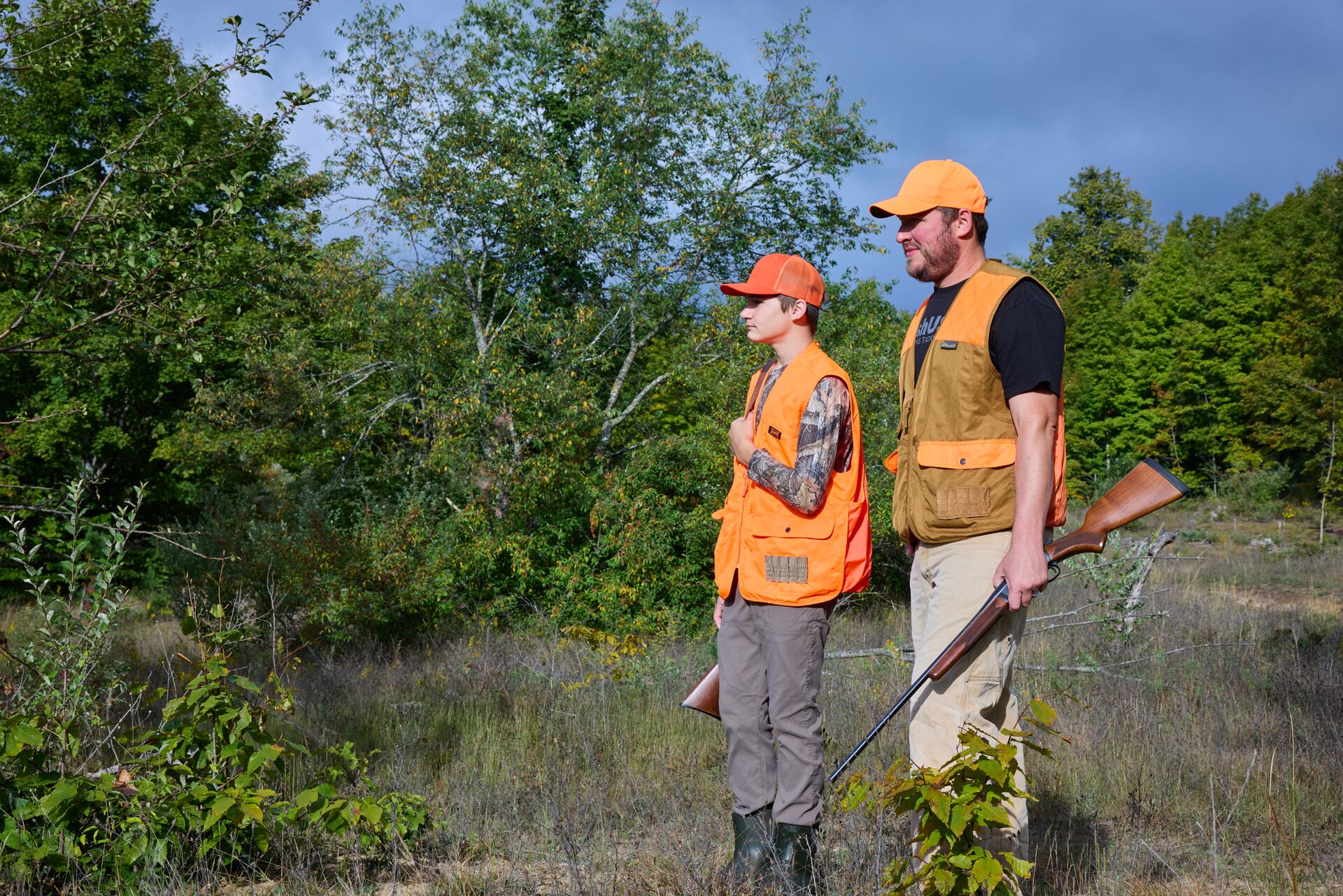
Walk Into Your Field Day With Confidence
Your field day is the final checkpoint in the hunter education process, not a hurdle meant to keep you from hunting. The online hunter safety course gives you the knowledge you need, while the in-person session lets you demonstrate safe habits under an instructor's supervision.
Complete the coursework, pack everything on the checklist, and repeatedly review firearm safety before you arrive. Prepared students have high pass rates because they already know what instructors need to see.
Once you've completed the field day, you'll receive your hunter education certification. Then you can go home, purchase your hunting license, and call yourself a hunter.

Frequently Asked Questions (FAQs)
Q: What happens at a hunter education field day?
A: A field day gives you hands-on practice with the skills covered in your hunter education course. Depending on the program, you may demonstrate safe firearm handling, participate in a live-fire exercise, identify wildlife, and work through hunting safety or shoot/don’t-shoot scenarios. Instructors evaluate how safely and responsibly you apply what you learned.
Q: How long does a hunter education field day take?
A: The length varies by state and course format. Some programs require about four to eight hours, while others may use a shorter or longer schedule. Check your field-day registration information for the exact time you need to allow.
Q: What should I wear or bring to a field day?
A: Wear weather-appropriate clothing and closed-toe shoes suitable for outdoor activities. Bring your proof of online course completion, photo ID, water, snacks, and any forms listed in your registration information. Some programs also recommend bringing personal eye and hearing protection if permitted.
Q: Do I need to bring my own firearm to a field day?
A: Usually, no. Many field-day programs provide the firearms, ammunition, and safety equipment needed for instruction. Do not bring a personal firearm unless your specific field-day instructions tell you to.
Q: What is the pass rate for hunter education field days?
A: There isn't a single nationwide pass rate for hunter education field days because states and programs use different requirements and track their results differently. Your preparation and ability to consistently follow firearm-safety rules are more useful indicators than a nationwide pass-rate figure.
Q: What happens if I fail part of the field day?
A: The next step depends on the program. Some states may allow you to repeat a failed station or retest after additional instruction, while others require you to attend another field day or repeat more of the course. If you don't pass, ask the instructor what you need to correct and follow the state's retesting requirements.
Q: Can I retake a hunter education field day?
A: In many programs, yes, but the retake process varies by state. You may be able to retest the skills you missed, attend another scheduled field day, or repeat the course. For example, some programs specifically allow students who fail a field-day assessment to retake another field day after reviewing the areas that need improvement.