Nevada Hunting License: Types, Costs, Draw Tags, How to Apply (2026)
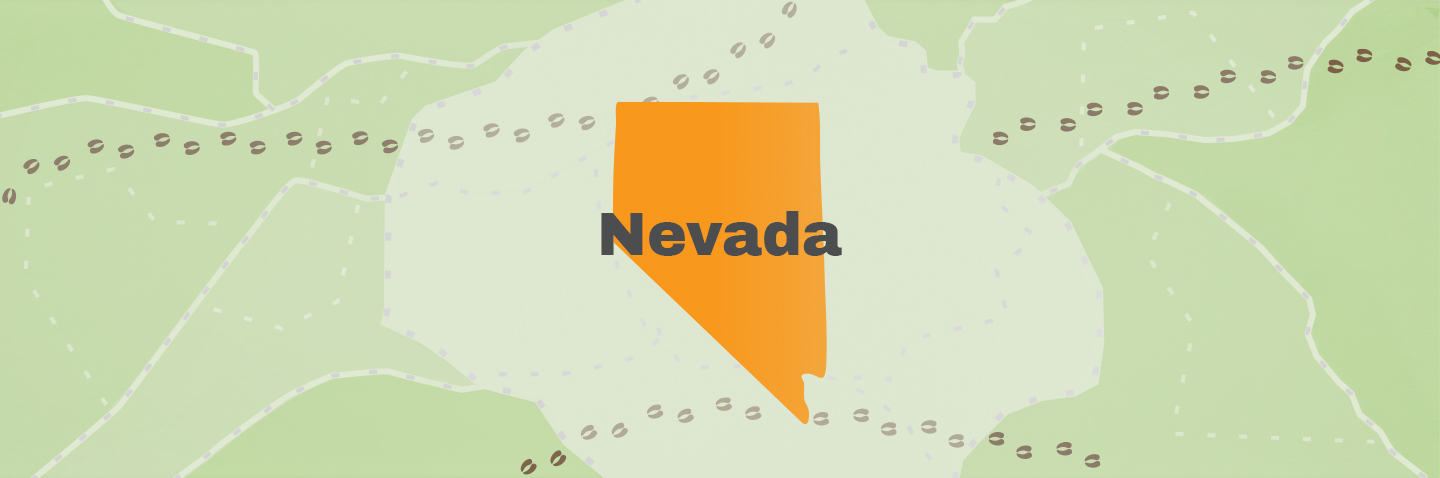
A Nevada hunting license is required for hunters aged 12 and older who want to pursue resident game birds, game animals, or protected game animals in the state. Nevada resident annual hunting licenses cost $38, while non-residents pay $155. Big game species management, including mule deer, pronghorn, bighorn sheep, and elk, is funded by the Nevada Department of Wildlife (NDOW) through limited annual tag drawings.
If you're buying a Nevada hunting license for the first time, hunter education is the first step. Nevada also offers an apprentice hunting license that helps eligible first-time hunters get into hunting by hunting with a licensed mentor before completing hunter education.
Keep reading to learn more about getting your Nevada hunting license this season!
How Much Does a Nevada Hunting License Cost?
Hunters should plan for both Nevada hunting license costs and tag fees. A base hunting license covers some hunting, but many big game hunts also require a species-specific tag, and nearly all tags are only available through the draw.
Nevada licenses run for 365 days from the date of purchase rather than on a fixed calendar year. A $1 processing fee applies to online purchases.
Nevada Hunting License and Tag Fees 2026 | ||
| License Type | Resident | Non-Resident |
Adult Annual Hunting License | $38 | $155 (combo) |
Apprentice License | $15 | $15 |
Mule Deer Tag (draw) | $30 | $240 |
Elk Tag (draw, antlered) | $120 | $1,200 |
Pronghorn Tag (draw) | $60 | $300 |
How Does the Nevada Draw Tag System Work?
Nevada uses a draw tag system for many of its most sought-after big game species. Deer, elk, pronghorn, bighorn sheep, mountain goat, and moose are all draw-only species, and you'll need to apply and be selected before receiving a tag.
The draw is computerized and random, but Nevada doesn't use a straight preference point system where the hunter with the most points automatically goes first. Nevada uses a bonus point system instead. If you apply and don't draw, you'll earn a bonus point that could improve your odds in future drawings.
Draw results are typically posted by late May, which gives successful applicants time to plan their hunts. If you are not drawn, you may still have options. Nevada's second draw offers remaining tags after the main draw, and some tags may later become available on a first-come, first-served basis.
Mountain lion is the main big game species available over the counter rather than through the draw. For hunters who want to hunt without waiting on a limited-entry tag, OTC opportunities may be a better starting point.
What Nevada Game Species Don't Require a Draw?
Not every Nevada hunt depends on drawing a premium big game tag. Several species are available over the counter with the proper license, tags, or stamps, making them good entry points for newer hunters.
- Mountain lion has a year-round season, and tags are available online or through license agents
- Upland game birds, including chukar, quail, and sage grouse, where seasons are open
- Rabbits are a good starting point for any hunter
- Predators and unprotected species, such as coyote and jackrabbit, with no license required for some unprotected species
- Waterfowl, with a required Federal Duck Stamp for hunters age 16 and older
Always confirm current Nevada rules before hunting. Season dates, bag limits, license requirements, and species classifications can vary, especially for migratory birds and unprotected species.
Nevada Draw Tag Application Timeline
The Nevada draw rewards hunters who plan for the hunts they want. If you miss the application window for a draw-only species, you'll usually need to wait until the next annual cycle.
The main draw period generally opens in spring, but exact dates shift slightly each year. Check current NDOW deadlines before applying.
- The main draw application window usually runs from mid-March through mid-May.
- Draw results are typically released in late May.
- The second draw for remaining tags opens shortly after main draw results, with online applications usually due by mid-June.
- First-come, first-served tags are released after the second draw closes if tags remain available.
Because draw opportunities are tied to annual deadlines, first-time hunters should complete hunter education and buy their base license long before the application window closes.

How to Get Your First Nevada Hunting License
Completing hunter education facilitates your license purchase and draw application, especially if you're a first-time hunter who wants to apply for a draw tag.
- Complete Nevada hunter education through Hunter-Ed if you're a first-time hunter.
- Purchase your base hunting license through NDOW.
- Review NDOW's species management information to see which species require draw tags.
- Submit draw tag applications before the annual deadline, usually during the March-May window.
- If drawn, receive your tag and plan your hunt.
- If not drawn, consider purchasing an over-the-counter tag for eligible species.
This order matters because draw applications, license purchases, and tag issuance are connected. If you need hunter education, waiting too long to complete it can leave you rushing when application deadlines arrive.
Does Nevada Offer an Apprentice Hunting License?
Similar to how other states license, Nevada offers an apprentice hunting license for first-time hunters age 12 and older. This license allows Nevada hunters to hunt once under the direct supervision of a licensed mentor before completing hunter education.
The apprentice license costs $15 for both residents and non-residents. It is available only at NDOW offices and cannot be purchased online.
It's mainly useful for someone who wants to try hunting before committing to the full hunter education process. However, it's not a long-term replacement for certification. If you plan to keep hunting in Nevada, completing hunter education is the required next step.
New hunters must remember that the mentor requirement is non-negotiable. You must hunt under direct supervision, follow all Nevada hunting laws, and make sure you have any required tags, stamps, or permits for the species you pursue.
Complete Your Hunter Education Course to Start Hunting in Nevada
Whether you want to hunt OTC species or apply for one of the nationally coveted elk, deer, pronghorn, or bighorn sheep tags, the first step for most new hunters is hunter education. Certification gives you the foundation you need to buy your Nevada hunting license.
Completing hunter education early is essential in Nevada because big game draw windows are tied to annual deadlines. If you finish certification early, you'll be ready to purchase your license and apply as soon as the draw opens.
Take the Nevada hunter education course through Hunter-Ed to meet state requirements and get started. Once certified, you can buy your license, apply for draw tags, and prepare for your Nevada hunting season within the right timeframe.

Frequently Asked Questions (FAQs)
Q: How much is a Nevada hunting license?
A: A Nevada adult hunting license costs $38 for residents and $155 for non-residents. Youth combination licenses for ages 12–17 cost $15. Big game hunts require additional species-specific tag fees.
Q: What animals require a draw tag in Nevada?
A: Nevada uses a draw for many big game species, including mule deer, pronghorn antelope, elk, bighorn sheep, mountain goat, and moose. Mountain lion tags are available over the counter instead.
Q: When are Nevada draw tag applications due?
A: For 2026, the main big game draw application deadline was May 13 at 11 p.m. Pacific Time. Nevada's second draw opened June 8 and closed June 15.
Q: Does Nevada have an apprentice hunting license?
A: Yes. Nevada offers a $15 apprentice hunting license to eligible first-time hunters age 12 and older. An apprentice must hunt under the direct supervision of a licensed mentor, and the apprentice license does not allow the hunter to pursue animals that require a tag.
Q: Do I need hunter education to hunt in Nevada?
A: Generally, yes. Anyone born after January 1, 1960, must provide proof of hunter education to purchase a Nevada hunting license and to apply for a big game tag. The apprentice license is an exception because Nevada law allows eligible apprentices to obtain one without first completing hunter education.
Q: Can non-residents apply for Nevada draw tags?
A: Yes. Non-residents can apply for Nevada's big game draws and can earn bonus points from unsuccessful applications. Nevada also has a separate restricted non-resident guided mule deer draw.