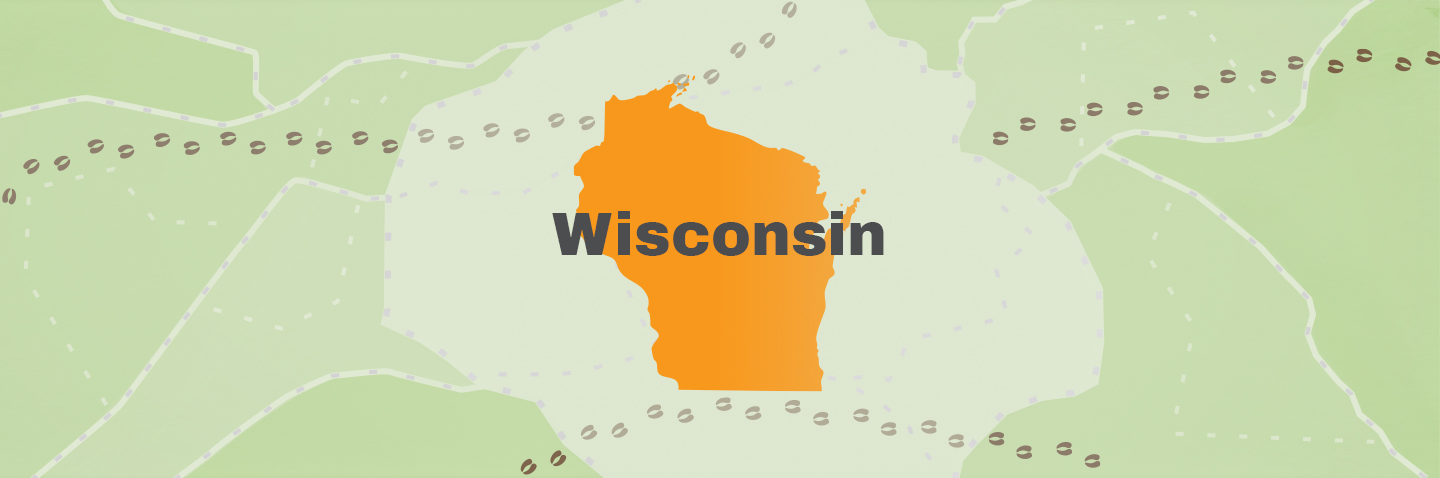
Wisconsin Hunting License: How to Get One, Fees & Deer Tags Explained (2026)
If you’re ages 12 or older, you must have a Wisconsin hunting license before pursuing any game bird or animal. Adult Wisconsin residents pay $24 each for a gun deer, archer, or crossbow license. Junior licenses are available at reduced rates: $20 per license for hunters ages 12-17 and $7 per license for hunters under 12.
Wisconsin is one of the country's major deer hunting states, and deer hunting requires more than a base license. Hunters need the correct deer license and may also need an antlerless harvest authorization tied to a specific Deer Management Unit (DMU).
You can buy a Wisconsin hunting license through the Department of Natural Resources’ (DNR) GoWild system or at authorized sporting goods stores and license agents. First-time hunters must complete a Wisconsin DNR-approved hunter education course, available through Hunter-Ed, before purchasing a license if the hunter education requirement applies to them.
Keep reading for an overview how to get your Wisconsin hunting license and tags!
How Much Does a Wisconsin Hunting License Cost in 2026?
Wisconsin prices many hunting licenses by species and residency rather than using one flat license that covers everything. Deer hunters, small game hunters, turkey hunters, and combination license buyers may all need different license types.
Resident gun deer, archer, or crossbow licenses cost $24 each, while the non-resident licenses cost $200 each. Resident small game licenses cost $18, and non-resident small game licenses cost $90. First-time buyers of any age may qualify for reduced non-resident rates if they haven't purchased a license in the last 10 years.
Bundled options are also available. The Conservation Patron license, for example, combines hunting, fishing, and deer privileges for hunters who pursue multiple activities throughout the year.
Wisconsin Hunting License Fees 2026 | ||
| License Type | Resident | Non-Resident |
Gun Deer/Archer/Crossbow | $24 | $200 |
Junior Gun Deer/Archer/Crossbow (12–17) | $20 | $20 |
Small Game | $18 | $90 |
Antlerless Deer Carcass Harvest Authorization | $12 | $20 |
Spring Turkey | $15 | $65 |
Conservation Patron (combo) | $165 | $620 |
Fees are current as of the 2026 license year, which runs April 1, 2026, to March 31, 2027, and are subject to change. Before purchasing, confirm current pricing with GoWild.
How Does the Wisconsin Deer Permit System Work?
Similar to licensing in other states, Wisconsin deer hunters need the correct base deer license, such as gun deer, archer, or crossbow, plus the appropriate harvest authorization for the deer they plan to take.
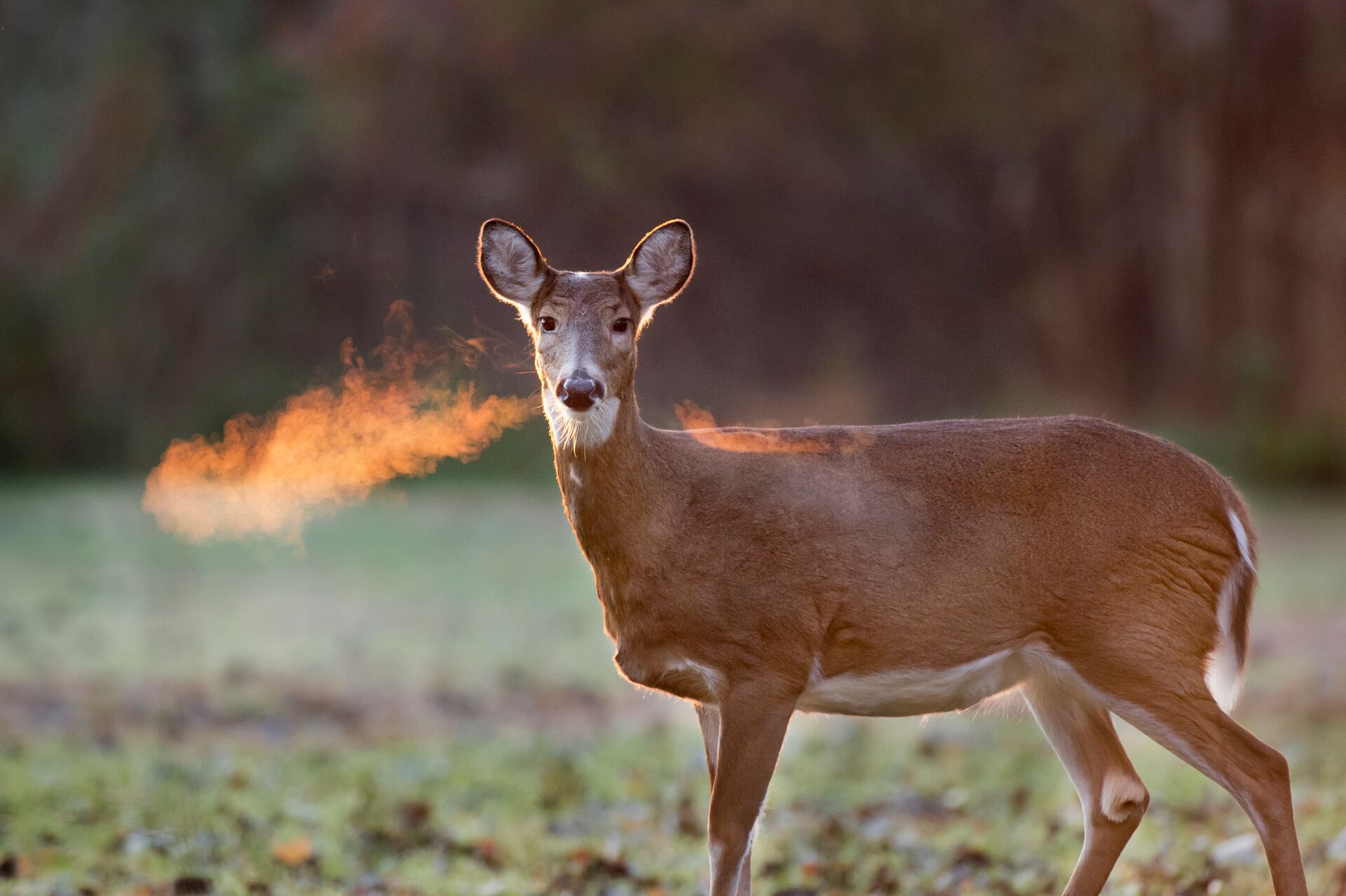
Antlerless deer hunting uses a permit system tied to local Deer Management Units and population goals. Antlerless authorizations are also unit-specific. Availability depends on local deer herd conditions, quota decisions, and hunter demand. In high-demand units, hunters may need to apply through GoWild and track preference or bonus point opportunities.
Farmer and landowner antlerless authorizations may be available at no cost for qualifying agricultural landowners. These authorizations are separate from standard public antlerless permit availability and should be checked carefully before the season.
Hunters can hold both a gun deer license and an archer or crossbow license in the same season. Each license comes with its own rules and tag structure, so when you buy your license online, make sure the license and authorization match your season, method, and unit.
What Are Wisconsin's Hunter Education Requirements?
Wisconsin requires hunter education for anyone born on or after January 1, 1973. To get their Wisconsin hunting license, all first-time hunters must first learn firearm and bow handling, hunting ethics, tree stand safety, wildlife conservation, and Wisconsin-specific hunting laws.
Hunters age 18 and older can complete the course fully online with no field day required. Hunters younger than 18 must complete an in-person field day in addition to the online coursework. Hunter-Ed is an approved online provider for Wisconsin hunter education.
Hunter education is especially important for deer hunters because Wisconsin's system involves licenses, authorizations, Deer Management Units, weapon-specific seasons, and changing permit availability.

How to Get a Wisconsin Hunting License
Getting into hunting follows the same general path whether you're hunting deer, turkey, or small game. First-time hunters should complete hunter education before purchasing, then choose licenses and permits through the same GoWild session.
- Complete Wisconsin hunter education if it's required for your age and license history.
- Buy your license through GoWild or from an authorized license agent.
- Choose your license type based on residency, species, and current fee information.
- Apply for deer permits or antlerless authorizations through the GoWild system.
- Check current season dates through Wisconsin DNR. Gun deer season traditionally opens the Saturday before Thanksgiving and runs for nine days.
- Carry your license and permits in the field. A digital license through GoWild is accepted.
The key is matching your purchase to your hunt. A small game license, gun deer license, archer license, and turkey license all serve different purposes, and antlerless deer authorizations are tied to specific units.
What Are Wisconsin Deer Hunting Zones?
Wisconsin uses Deer Management Units rather than only a few broad statewide regions. Antlerless permit availability and quota decisions are set at the DMU level, based on local herd health, habitat, and management goals.
Before applying for antlerless authorizations, confirm which DMU your hunting land falls into. Boundaries and quotas can change from year to year, so use the current season's map rather than relying on past seasons.
Wisconsin Deer Hunting Zones | |
| Zone | Details |
| Northern Forest Zone | Covers the heavily wooded northern third of the state. DMUs here are habitat-based rather than tied to county lines. Deer densities typically run lower than farmland zones. |
| Central Forest Zone | A smaller forested pocket in central Wisconsin (including parts of Wood, Adams, Juneau, and Monroe counties). The DNR reduced this zone's footprint under the 2025 boundary update. |
| Central Farmland Zone | A transition zone blending woodlots, marshes, and working farmland. Deer density is moderate. Antlerless tags are generally available but limited by unit. |
| Southern Farmland Zone | The state's highest deer-density zone, driven by row-crop agriculture. Aantlerless tags are the most liberally allocated here, though this zone also carries the highest concentration of Chronic Wasting Disease detections in the state. |
Step-by-Step: How to Apply for Wisconsin Antlerless Deer Permits via GoWild
Antlerless authorizations require an active base deer license before you can apply. The process happens through GoWild, and availability varies by unit, so these steps are a good starting point for new hunters.
- Log in to GoWild or create an account.
- Confirm that you have a valid base deer license, such as gun deer, archer, or crossbow.
- Find your Deer Management Unit and review available antlerless authorization quotas.
- Choose the antlerless authorization type and unit, then complete payment.
- Print or save your digital authorization with your base license before heading afield.
- Watch for additional bonus authorizations on GoWild released later in the season if unit quotas remain open.
Don't wait until the last minute to check permit availability. Remember that Wisconsin's deer system is unit-based, and you'll need time to confirm DMUs, compare authorizations, and make sure their license matches the hunt they want to take.
Take Your Wisconsin Hunter Education Course and Get Licensed for the 2026 Season
Wisconsin's license and permit system rewards hunters who plan ahead, and this is doubly true when antlerless deer authorizations are tied to unit quotas. That said, buying the correct Wisconsin hunting license is only one part of the process. You also need to understand your season, method, Deer Management Unit, and permit requirements.
First-time hunters should complete hunter education well before the license purchase window opens. Hunter education gives you the safety foundation and certification needed to move forward with buying a license and planning your season.
Take the Hunter-Ed course for Wisconsin to meet the state's hunter education requirement. Once you're certified, you can choose your license, apply for the right permits, and have an exciting 2026 Wisconsin hunting season.

Frequently Asked Questions (FAQs)
Q: How much is a Wisconsin hunting license?
A: For the 2026 license year, Wisconsin resident gun deer, archer, or crossbow licenses cost $24 each. Non-resident licenses cost $200 each. Junior resident licenses for hunters ages 12–17 cost $20 each. Wisconsin also offers reduced first-time buyer rates for eligible hunters.
Q: Do you need hunter education in Wisconsin?
A: Generally, yes. Anyone born on or after January 1, 1973, must have a hunter education certificate or another qualifying credential to purchase a Wisconsin hunting license. Exceptions include hunters participating in the state's Hunting Mentorship Program and people with qualifying military training.
Q: How do Wisconsin deer tags work?
A: Wisconsin uses harvest authorizations rather than a single deer tag that covers every deer. A gun deer license comes with a statewide buck harvest authorization, while archery and crossbow licenses provide a weapon-specific buck authorization. Antlerless authorizations are generally tied to a specific Deer Management Unit, zone, and land type, although some junior authorizations are valid statewide.
Q: When does Wisconsin gun deer season open?
A: The 2026 statewide gun deer season opens November 21 and runs through November 29. Wisconsin's nine-day gun deer season traditionally begins the Saturday before Thanksgiving, but hunters should check the current season dates each year.
Q: Can you buy a Wisconsin hunting license online?
A: For the most part, yes. Wisconsin resident hunting licenses are available online through the DNR's GoWild system. Licenses and eligible deer harvest authorizations can also be purchased from authorized license sales locations. Some non-resident licenses aren’t available for online purchase.
Q: What is the difference between a Wisconsin gun deer and archer license?
A: The main difference is the hunting method and the harvest authorization that comes with the license. A gun deer license provides a buck authorization that can be used with any legal weapon during an open firearm deer season, while an archer license provides a bow-specific buck authorization for the archery season. Each costs $24 for Wisconsin residents and $200 for non-residents in 2026.
Q: Do non-residents need a separate deer permit in Wisconsin?
A: Non-residents need the appropriate deer hunting license, such as a $200 gun deer or archer license. They may also need an antlerless harvest authorization for an antlerless deer, depending on the unit and authorization available. In 2026, non-resident bonus antlerless authorizations cost $20 and are sold separately when available.