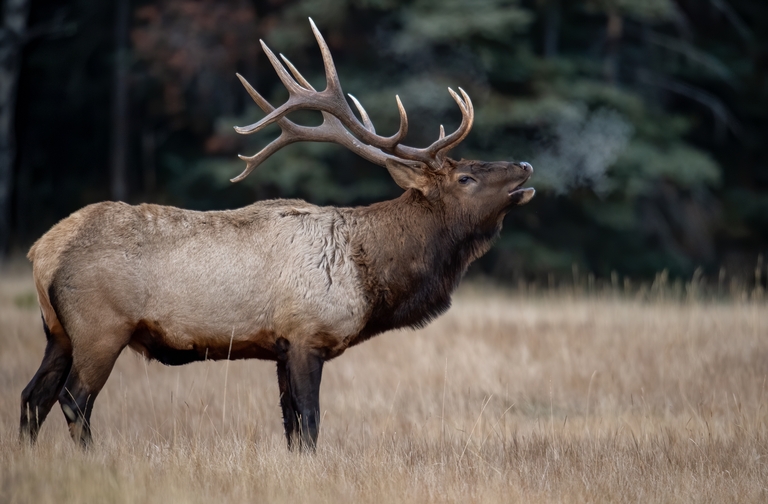
Venison vs. Beef: Nutrition Facts, Taste, and Which Is Healthier
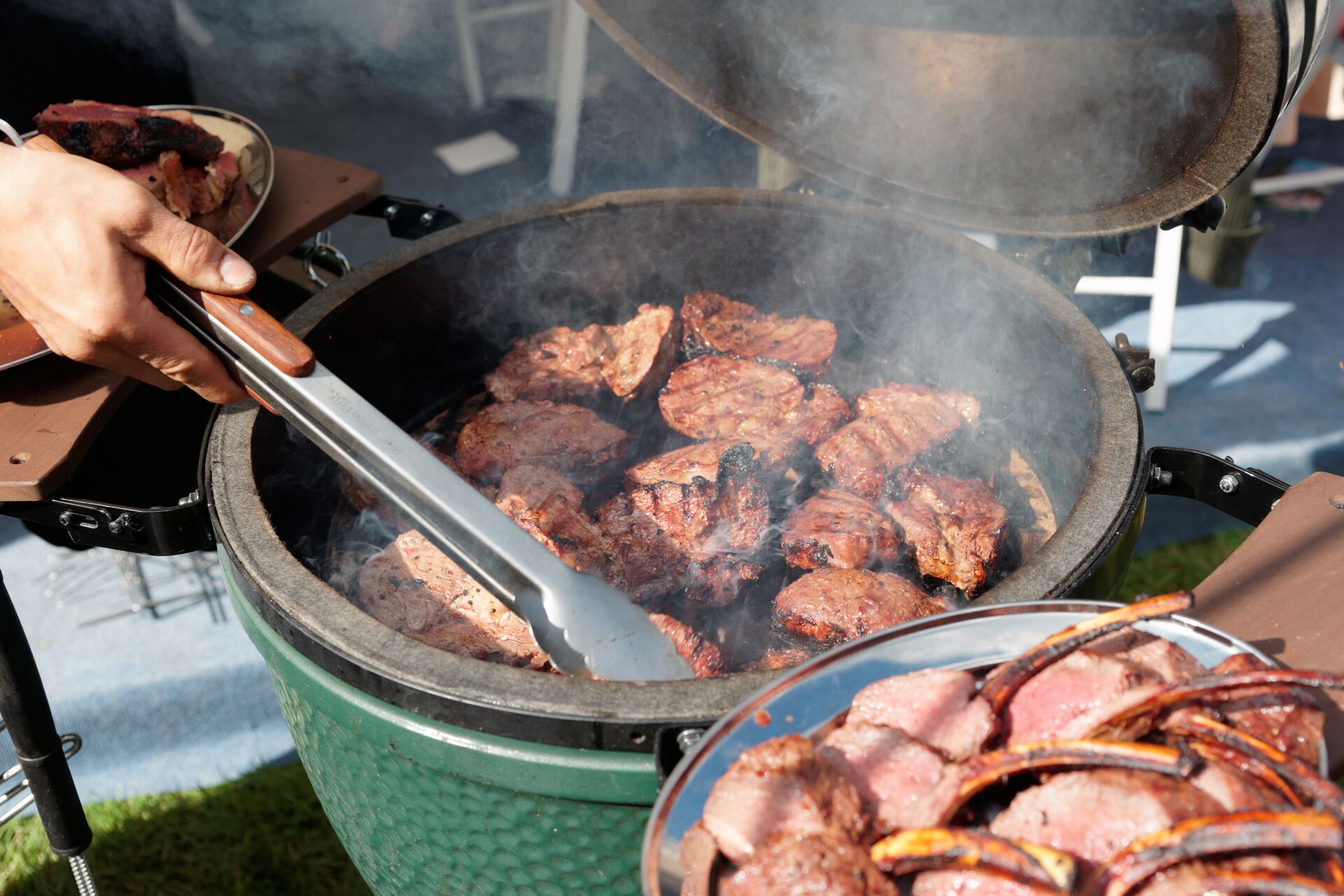
Venison is leaner than beef and higher in certain nutrients, making it an excellent alternative for health-conscious hunters. A 3-oz serving of cooked venison contains about 134 calories, 26g of protein, and only 3g of fat. Compare that to 80/20 ground beef, which is about 218 calories and 13g of fat for the same serving size.
Venison is also richer in iron, B vitamins, and zinc per gram of fat, and it is free from added hormones or antibiotics since it comes from wild animals.
Other than that, the taste difference is real: venison has a deeper, earthier flavor that varies by the deer's diet, age, and how quickly the animal was field dressed after harvest.
Keep reading to learn more about why venison is not your average red meat.
Updated September 1, 2026
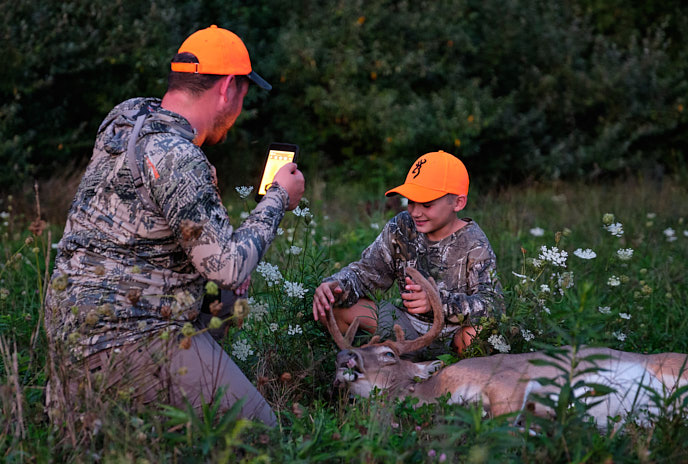
Venison vs Beef: A Nutritional Comparison
They share some similarities, but here are some main differences between beef and venison.
Venison is leaner than beef, with less saturated fat. It's tailor-made for people to watch their calories and manage cholesterol. With a higher protein content, venison is filling and nutritious, which helps people keep their weight under control.
Venison's lower fat content and higher protein means it's good for people on a high-protein diet. Eating more deer meat helps people who need higher protein intake to keep up their energy and muscle mass.
Vitamins and Minerals
Venison is very rich in iron, which is essential for energy and preventing anemia, making it a superb choice for those needing to increase their iron intake.
Both venison and beef are packed with B vitamins like B2, B3, B6, and B12. Venison offers almost twice the amount of B vitamins, supporting nerve function and hormone regulation more effectively.
Fatty Acids and Calories
Venison has a more favorable omega-3 to omega-6 ratio than grain-fed beef, helping reduce general inflammation and supporting heart health.
Despite its higher cholesterol, venison's comparatively light fat ratio keeps calories lower. It also minimizes saturated fats, so it's great for anyone managing their cholesterol levels and sticking to a heart-healthy diet.
Venison vs Beef: Nutrition per 3 oz Cooked Service | |||
| Nutrient | Venison | 80/20 Ground Beef | Lean Ground Beef (93/7) |
| Calories | 134 | 218 | 164 |
| Protein (g) | 26 | 22 | 22 |
| Total Fat (g) | 3 | 13 | 7 |
| Iron (mg) | 3.8 | 2.6 | 2.7 |
| Cholesterol (mg) | 95 | 77 | 70 |
Sourcing and Sustainability
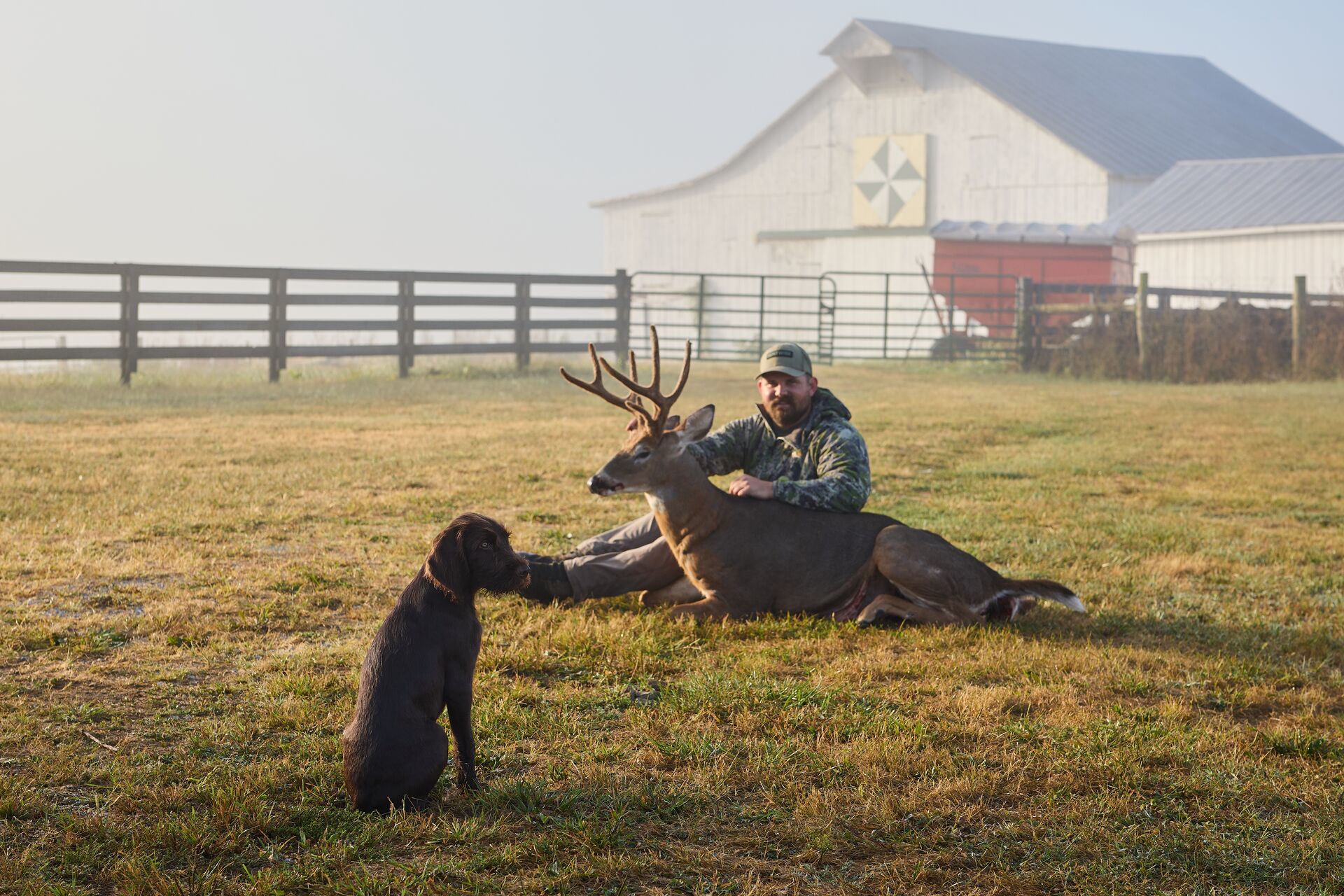
When considering different ways to put meat on your table, farming animals has a more significant impact on a local environment than sitting down and waiting for a wild animal to walk past you.
Additionally, wild venison doesn't have the hormones and antibiotics found in farmed beef. Wild game like venison comes directly from nature, so it's a more organic and natural meat source. Venison is a healthier and more sustainable option for anyone reconsidering their exposure to modern factory farming.
Hunting for venison also helps maintain healthy animal populations. State agencies manage deer populations carefully to prevent overpopulation. Hunting helps control population numbers and prevent environmental damage.
Proper management makes venison a sustainable meat source. Industrial beef production is more resource-heavy, so it has more environmental impact.
Flavor Profile
Venison is a very useful meat with a different flavor in each cut. Depending on your tastes and different recipes, you can find the best way to use each cut, but there are constants.
Venison is usually described as having a richer, more "gamey" flavor than beef, so it might take some getting used to for your friends more familiar with beef.
However, venison is a real treat for anyone who enjoys distinct and savory flavors. It's popular in dishes like stews, roasts, and sausages, where the meat's robust flavor enhances the taste.
I've found venison works great in chili, where the gamey taste complements the spices. Cutting the hams into nuggets and eating them breaded and fried is also easy and fun.
You can also use venison in many of the same dishes as beef, but it requires a different approach. It's leaner than beef, so careful cooking is needed to avoid drying out. Slow-cooking methods, marinades, and adding fats like bacon or pork fat to your ground venison can help keep it juicy and flavorful.
Cost and Availability
Hunting isn't always cheap, but it can be less expensive than buying high-end beef if you process the meat yourself.
Venison from specialty stores or processors can cost more. That's why learning to hunt and process your own can help.
Beef is generally less expensive and accessible in grocery stores nationwide. However, venison is less accessible to the general population and more of a specialty item, but it's worth it.
Health Considerations
Venison is typically less prone to carrying the diseases sometimes found in industrially produced beef. This makes it a safer way to avoid foodborne illnesses like E. Coli and mad cow disease.
Unlike much commercially available meat, wild venison doesn't contain additives or preservatives, appealing to those who prefer a more natural diet. Its low-fat content and high protein levels make it the perfect option for dietary plans like keto and paleo.
It's also a good fit for people who want to avoid processed or factory-farmed foods.
How to Prepare Venison for the Best Flavor and Texture
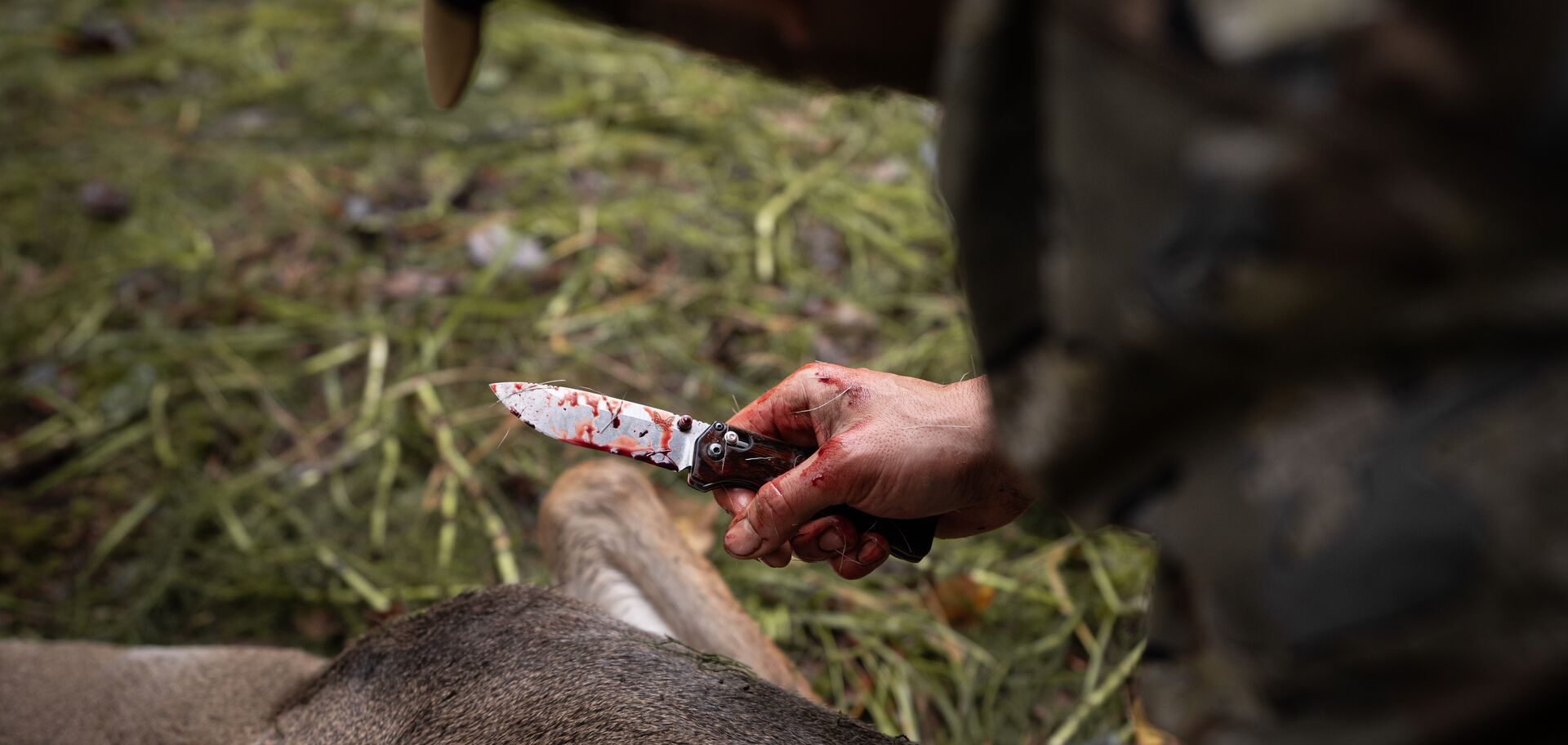
Getting the most out of your venison starts long before it hits the pan. A few key steps between the field and the kitchen make the difference between a tough, gamey cut and a tender, flavorful meal.
Here's how to handle your venison the right way, from harvest to cooking.
- Field dress the deer immediately after harvest to preserve meat quality.
- Age the meat 7–14 days at 34–38°F to improve the tenderness.
- Remove the silver skin and fat before cooking to reduce any gamey flavor.
- Use low-and-slow cooking for tougher cuts (i.e., the shoulder and shank).
- Cook ground venison to 160°F internal temperature for safety.
- Add fat (olive oil or bacon) when cooking lean cuts to prevent it from drying out.
Remember: Good field care and a little patience during aging go a long way toward tender, great-tasting venison. Pair that with the right cooking method for each cut, and venison earns its place as a healthy, sustainable staple on your table.
Tips to Reduce the Gamey Flavor in Venison
That "gamey" flavor is one of the biggest reasons new hunters hesitate to cook venison at home. The good news is that most of that flavor comes down to handling and prep, not the meat itself.
These tips will help you serve venison that tastes clean and mild every time.
- Field dress the deer quickly to prevent bacteria from affecting the meat.
- Trim all visible fat (venison fat carries most of the gamey taste).
- Remove the silver skin from each cut before cooking.
- Soak the meat in milk, buttermilk, or a vinegar-based marinade for a few hours.
- Avoid overcooking, which concentrates the strong flavor in leaner cuts.
- Rest the meat for a few minutes after cooking to let the juices redistribute.
With a little extra care during field dressing, trimming, and cooking, gamey flavor becomes easy to manage. Most hunters find that once they dial in these habits, venison tastes clean, mild, and far closer to beef than they expected.
How to Cook Different Venison Cuts
Different cuts of venison require different cooking methods to get the best flavor. Here's an overview of cooking methods based on the cut (and why each method works best).
Best Cooking Methods by Venison Cut | ||
| Cut | Best Cooking Methods | Why it Works |
| Backstrap/Loin | Sear on high heat, medium-rare | Most tender cut with minimal connective tissue (overcooking dries it out fast) |
| Tenderloin | Grill or pan-sear, high heat | Extremely tender and lean. Needs only a quick, hot cook. |
| Shoulder | Braise or slow cook | High connective tissue content breaks down with long, moist heat |
| Shank | Braise or slow cook | Tough and sinewy. Needs extended cooking to soften the collagen. |
| Neck | Stew or braise | Dense, tough cut that becomes tender only through slow, moist cooking |
| Ribs | Slow roast or braise | Similar to shank and neck. Benefits from low temperatures over time. |
| Hindquarter/Round | Slow roast or braise | Lean cut that dries out with dry heat (moist cooking keeps it tender) |
| Ground venison | Pan-fry with added fat | Very lean on its own. Added fat prevents dryness during quick cooking. |
| Sausage | Grind with added fat, then smoke or pan-cook | Blending in fat during processing solves the leanness issue before cooking even starts |
| Jerky | Slice thin, marinate, then dehydrate or smoke at low heat | Low, steady heat removes moisture while preserving flavor without drying out the texture |
Hunt Safely to Enjoy More Venison
The advantages of venison compared to beef are clear. Venison's lower fat content and higher nutritional value means it's better for your family. From its nutritional benefits and culinary versatility to its lower environmental impact, venison is an excellent option for health-conscious hunters.
Are you hungry yet? Before heading out for a deer hunt, make sure you know how to stay safe when hunting. We encourage you to take a hunter safety course through Hunter-Ed to learn more about hunting safety essentials. Our online courses not only help hunters stay safe in the field, but they also meet your state's requirements for hunter education.
We hope you enjoy plenty of wild game meat this season! Find the course for your state, start learning, and then enjoy a safe hunt.

Content most recently reviewed and updated September 1, 2026.
Frequently Asked Questions (FAQs)
Q: Is venison healthier than beef?
A: In general, yes, venison is healthier than beef. Venison is generally leaner than beef, with less fat and fewer calories per serving. It also has a higher protein content and a better ratio of omega-3 to omega-6 fatty acids. Because it comes from wild game, venison doesn't contain the added hormones or antibiotics sometimes found in farmed beef.
Q: Why does venison taste gamey?
A: The gamey flavor of venison comes from the deer's wild diet, activity level, and age at harvest. Fat and connective tissue, including silver skin, can intensify this flavor if left on the meat. Proper field dressing, aging, and trimming all help reduce the gamey taste.
Q: Can you eat venison rare?
A: Whole-muscle venison cuts (like steaks and roasts) can be cooked to a lower internal temperature, similar to beef, as long as they reach at least 145°F with a three-minute rest. However, ground venison is different and should always reach 160°F internal temperature to kill harmful bacteria. Using a meat thermometer is the most reliable way to check for safe doneness.
Q: How many deer does the average hunter need for a year's supply of meat?
A: Most hunters find that one to two deer provide enough meat to last a family through the year, depending on household size and how much venison they eat. A single deer typically yields somewhere between 40 and 70 pounds of boneless meat after processing. Hunters who rely heavily on venison as a primary protein source often plan for two or more deer per season.
Q: How long does it take to process a deer into meat?
A: Field dressing a deer takes about 15 to 30 minutes if done promptly after the harvest. Full processing, including skinning, butchering, and packaging, can take several hours whether done at home or by a professional processor. Aging the meat beforehand adds several more days to the overall timeline but it's the best way to improve tenderness.
Q: Is venison safe to eat if the deer looks healthy?
A: A deer with a healthy appearance is a good first sign, but hunters should still check for abnormal organs, unusual odors, or signs of disease during field dressing. Any deer showing signs of illness should not be processed for consumption. When in doubt, hunters can contact their state wildlife agency for guidance on testing or disposal.
Q: What's the best way to store venison in the freezer?
A: Wrap venison tightly in freezer paper, vacuum-sealed bags, or heavy-duty plastic to prevent freezer burn. Label each package with the cut and date so older meat gets used first. Properly stored venison keeps well in the freezer for up to a year without a significant drop in quality.