Hunter Education Field Day Requirements by State | Online, In-Person, Hybrid
Hunter education field day requirements by state vary because each wildlife agency has its own certification process. Depending on where you live, you'll either complete the course in person, study online before attending a state field day, or complete your certification fully online.
Hunter-Ed offers state-approved online coursework nationwide and also explains who needs a field day on each state course page. Your pathway depends on your age and state of residency, so check your state's current hunter education rules before enrolling and getting your hunting license. Once you know your state’s rules, you can choose the option that applies to you.

The Three Hunter Education Formats
Even though every state has its own rules, hunter education generally follows one of three formats. Understanding the separate options makes it easier to compare online vs in-person hunter education and recognize what your state requires.
The following table provides a quick overview of each format.
3 Hunter Education Formats | ||
| Format | Description | Field Day? |
| In-person only | Full classroom instruction | Included (if required by the state) |
| Online + field day | Online study, then in-person skills day | Yes (if required by the state) |
| Online-only | Fully online for eligible students | No |
Most states combine online study with hands-on training. Some states offer fully online certification, but eligibility may be limited by age, residency, or other requirements.
What Determines Your Pathway
Your state's baseline course format is only part of the answer. Two people taking hunter education in the same state may have different pathways based on age or residency.
The primary factors include age, residency, and state law.
- Age: Many states require minors to attend an in-person class or field day while allowing adults to certify online. The adult cutoff of 16-18 varies by state.
- Residency: Some online certification options are limited to residents of that state. Non-residents often need to complete a hybrid course, attend in person, or earn certification through their home state.
- State law: Each wildlife agency decides which formats satisfy its hunter education requirements. State rules determine whether online vs in-person hunter education is necessary.
Don't rely on a friend's experience unless that person completed hunter education in the same state under the same age and residency rules. Your state wildlife agency has the final word on how to get your hunter safety certification.
Field Day Requirements by State
The table below compares state hunter education and field day requirements. Unlike a simple online or in-person breakdown, it also considers age thresholds and residency restrictions that may affect your options.
State rules change often, so use this table for initial planning, not as a substitute for current enrollment instructions. Confirm the information on your state's Hunter-Ed course page or wildlife agency website before choosing a course or scheduling around a field day.
Field Day Requirements by State | ||
| State | Online-Only Allowed (Age Threshold) | Field Day Required |
| Alabama | Yes (16+) | No |
| Alaska | No | Yes (includes live-fire exercise) |
Arizona | Yes (residents 9+) | No for residents; Yes for non-residents |
Arkansas | Yes | No |
| California | No | Yes (hybrid format required for all first-time buyers) |
| Colorado | No | Yes (in-person "Conclusion Class" after online portion) |
| Connecticut | No | Yes |
| Delaware | No | Yes |
| Florida | No | Yes (online + in-person or virtual field day) |
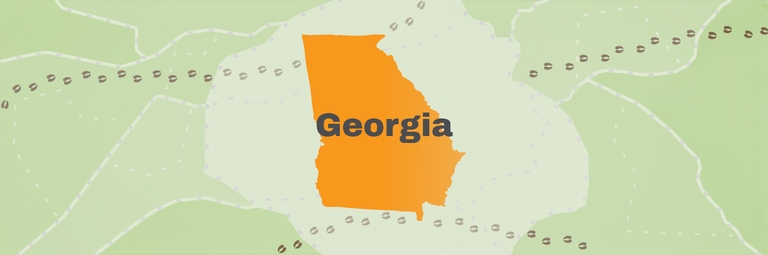
| Georgia | Yes | No |
| Hawaii | Yes | No |
| Idaho | No | Yes |
| Illinois | Yes (18+) | Under 18: Yes |
| Indiana | Yes | No |
| Iowa | Yes (18+) | Ages 11–18: Yes |
| Kansas | Yes (18+) | Under 18: Yes |
| Kentucky | No | Yes (required in-person "Range Day") |
| Louisiana | Yes (16+) | No |
| Maine | Yes (16+) | No |
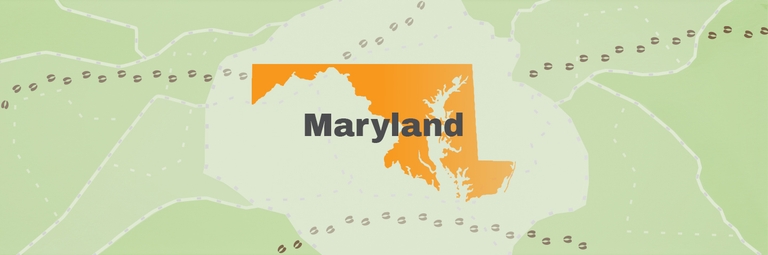
| Maryland | No | Yes |
| Massachusetts | No | Yes |
| Michigan | No | Yes |
| Minnesota | No | Yes (virtual field day option for 16+; in-person required under 16) |
| Mississippi | No | Yes (online reduces but doesn't eliminate in-person portion) |
| Missouri | Yes (16+) | No |
| Montana | Yes (18+) | Under 18: Yes (voluntary but encouraged for adults) |
| Nebraska | Yes (residents 16–29) | Ages 11–16: Yes |
| Nevada | Yes (18+) | Under 18: Yes |
| New Hampshire | No (min. age 12) | Yes |
| New Jersey | No | Yes (required in-person Live Fire Range session) |
| New Mexico | Yes (9+) | Age 10 and under: parent/guardian must be present in person |
| New York | Yes (12+) | No |
| North Carolina | Yes | No |
| North Dakota | No | Yes |
| Ohio | No | Yes |
| Oklahoma | Yes | No (under 10 may take course but not the final test/certificate) |
| Oregon | No | Yes |
| Pennsylvania | No | Yes |
| Rhode Island | Yes | No |
| South Carolina | Yes | No (listed as standalone option by SCDNR) |
| South Dakota | Yes (16+) | Under 16: Yes |
| Tennessee | Yes | No |
| Texas | Yes (17+) | Under 17: Yes |
| Utah | No | Yes |
| Vermont | Yes (18+) | Under 18: Yes (in-person lessons) |
| Virginia | Yes (residents 12+) | No for residents |
| Washington | No | Yes (classroom recommended under 12; hybrid also available) |
| West Virginia | No | No (online-only students must sit final exam in person) |
| Wisconsin | Yes (18+) | Under 18: Yes (field day encouraged but not required for adults) |
| Wyoming | No | Yes |
Even in states that require a field day, you can usually complete the educational portion from anywhere with internet access. The field day is typically the only part of the process that requires you to appear at a scheduled location.

How to Check Your State's Field Day Requirement
Checking the current rule takes only a few minutes and can prevent a major scheduling problem later. It's especially important before hunting season, when nearby field-day sessions may fill up fast.
Follow these steps to identify and complete the correct pathway:
- Select your state on the Hunter-Ed website. Choosing the state where you plan to certify will take you to the appropriate course and requirements.
- Review the field-day instructions. Find out whether an in-person session is required, optional, or unnecessary for certification.
- Check the age requirements. Look for an online-only exception for adults or additional rules for younger students.
- Read any residency restrictions. If you don't live in the state where you're taking the course, confirm that its online option is available to non-residents.
- Complete the online coursework. Work through the required modules and pass the quizzes or final exam required by your state.
- Register for a field day if necessary. Use the event information provided through Hunter-Ed to locate an available session.
- Attend the field day and finish certification. Complete the required skills activities and follow your state's instructions to receive or access your permanent credential.
Once the state page confirms everything, you can do the online portion without wondering if an unexpected in-person requirement will delay your certification.

Where to Verify Official Requirements
Hunter education rules aren't identical nationwide, and field day requirements by state vary based on age limits, course formats, or residency policies. You'll need to do a little background research to find the hunter safety course from the agency that controls certification in your state.
Before enrolling, verify your requirements through reputable sources.
- Your state wildlife or game agency: The agency's website should provide the controlling rules for hunter education, approved courses, minimum ages, and field-day requirements.
- Your state hunter education administrator: The International Hunter Education Association (IHEA-USA) maintains contact information for the people or departments responsible for hunter education in each state. They can help clarify unusual age, residency, or reciprocity questions.
- Your state course page on Hunter-Ed: The course page explains how the approved online portion works and whether you'll need to complete additional state requirements.
Pay attention to the exact wording used on these pages. "Online course available" doesn't necessarily mean the entire certification process is online. It might be describing the educational portion of a hybrid course that ends with an in-person skills session.
You'll also need to confirm whether or not you'll receive a hunter education certificate after the online exam or only after completing a field day. In some hybrid programs, the first document is proof of online course completion rather than the permanent certification needed to purchase a hunting license.
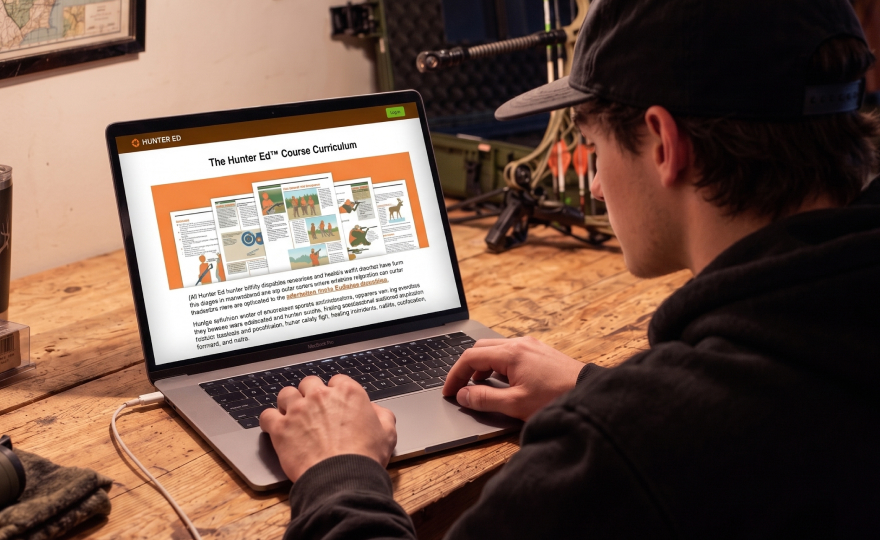
Start Your State's Online Hunter Education Course Today
The fact is that there's no single answer on whether you'll need a field day. The correct pathway depends on your state, your age, and sometimes whether you're a resident.
Check the Hunter-Ed page for your state instead of relying on advice from someone who completed hunter education under different circumstances. Once you confirm the current field day requirements by state, you can begin the online coursework in minutes and plan for any required in-person session.

Frequently Asked Questions (FAQs)
Q: Does every state require an in-person field day?
A: No. Some states allow eligible students to complete hunter education entirely online, while others require an in-person component. Requirements can also vary within a state based on age or residency. For example, Wisconsin requires students under 18 to attend a field day but offers an online-only option for students 18 and older.
Q: Which states allow fully online hunter education certification?
A: As of 2026, 27 states offer a fully online certification option for some hunters: Alabama, Arizona, Arkansas, Georgia, Hawaii, Illinois, Indiana, Iowa, Kansas, Louisiana, Maine, Missouri, Montana, Nebraska, Nevada, New Mexico, New York, North Carolina, Oklahoma, Rhode Island, South Carolina, South Dakota, Tennessee, Texas, Vermont, Virginia, and Wisconsin. Eligibility varies, with some states imposing age or residency restrictions.
Q: Does age affect whether I need a field day?
A: Yes. Several states use age thresholds to determine whether an online-only option is available. For example, Texas allows hunters 17 and older to complete certification online, while younger students must attend an in-person field day. Wisconsin's online-only option is limited to students 18 and older.
Q: Does residency affect my hunter education options?
A: It can. Some states restrict certain online certification options to residents. Arizona, for example, limits its fully online certification course to residents who are at least 9 years old. Non-residents must complete a field day.
Q: How do I find my state's exact field day requirement?
A: Start with your state's wildlife or fish and game agency, then check the requirements for your specific age and residency status. You can also review the Hunter-Ed course page for your state before enrolling. Look specifically for whether the online course results in full certification or requires an additional in-person session.
Q: What happens at a hunter education field day?
A: The activities vary by state, but a field day generally allows students to apply what they learned online. Depending on the program, this can include safe firearm handling, practical skills, demonstrations, a written exam, and a hands-on assessment.
Q: Can I attend a field day in a state other than my home state?
A: Sometimes, but you should confirm this with the state where you plan to complete certification before registering. Hunter education reciprocity generally allows certifications from one jurisdiction to be recognized elsewhere, but that does not necessarily mean you can complete every state's field-day requirement in another state. The agency issuing your certification determines which courses and field-day arrangements it accepts.