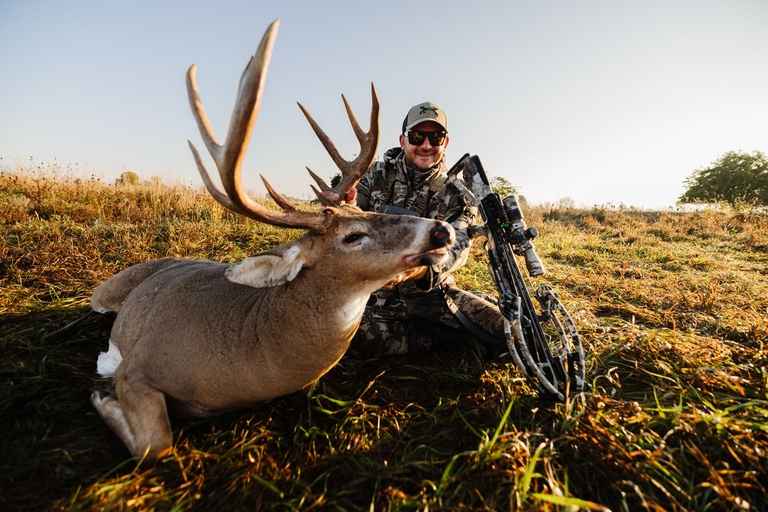
Staying safe when hunting is the ultimate priority, even more so than coming home with a harvested animal at the end of your hunt.
Sure, bringing home some wild game meat is important, too. But safe hunters are successful hunters! What do you need to know about hunting safety? You’re in the right place to learn!
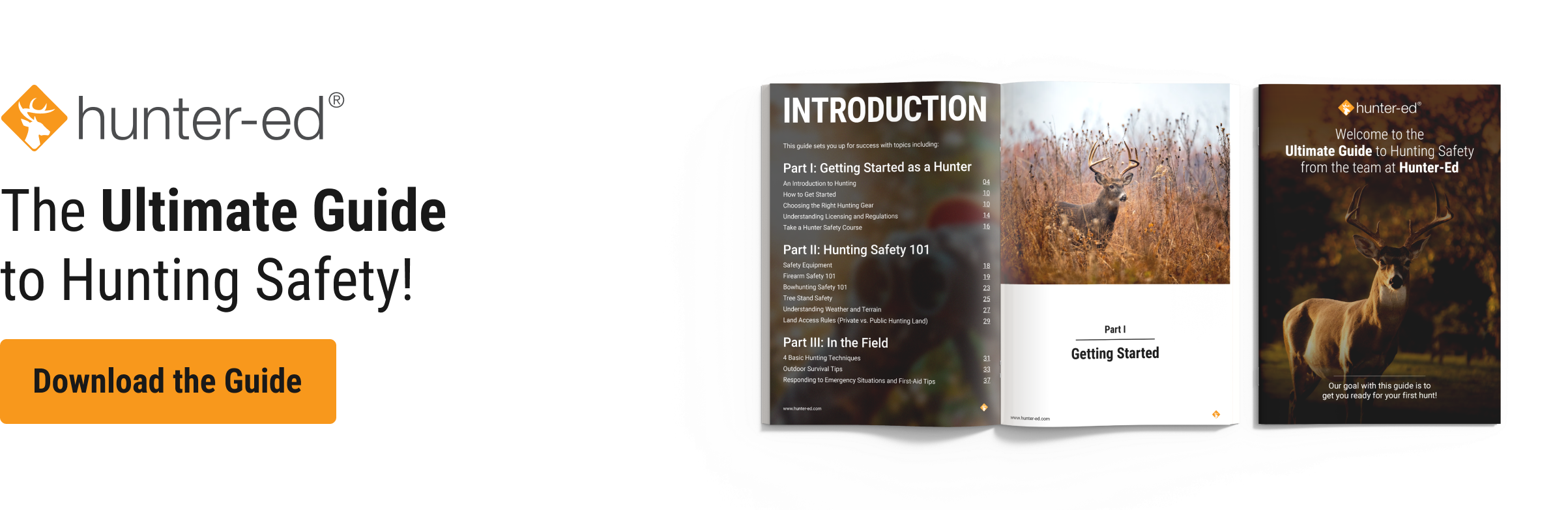
Keep reading to learn about hunting for beginners and how to stay safe in the field! Make sure you read to the end and download a copy of our free resource, The Ultimate Guide to Hunting Safety!
Part I: An Introduction to Hunting for Beginners
So, what is hunting? You may know it as taking a bow or rifle out into the woods to bring home an animal (and you’re not wrong).
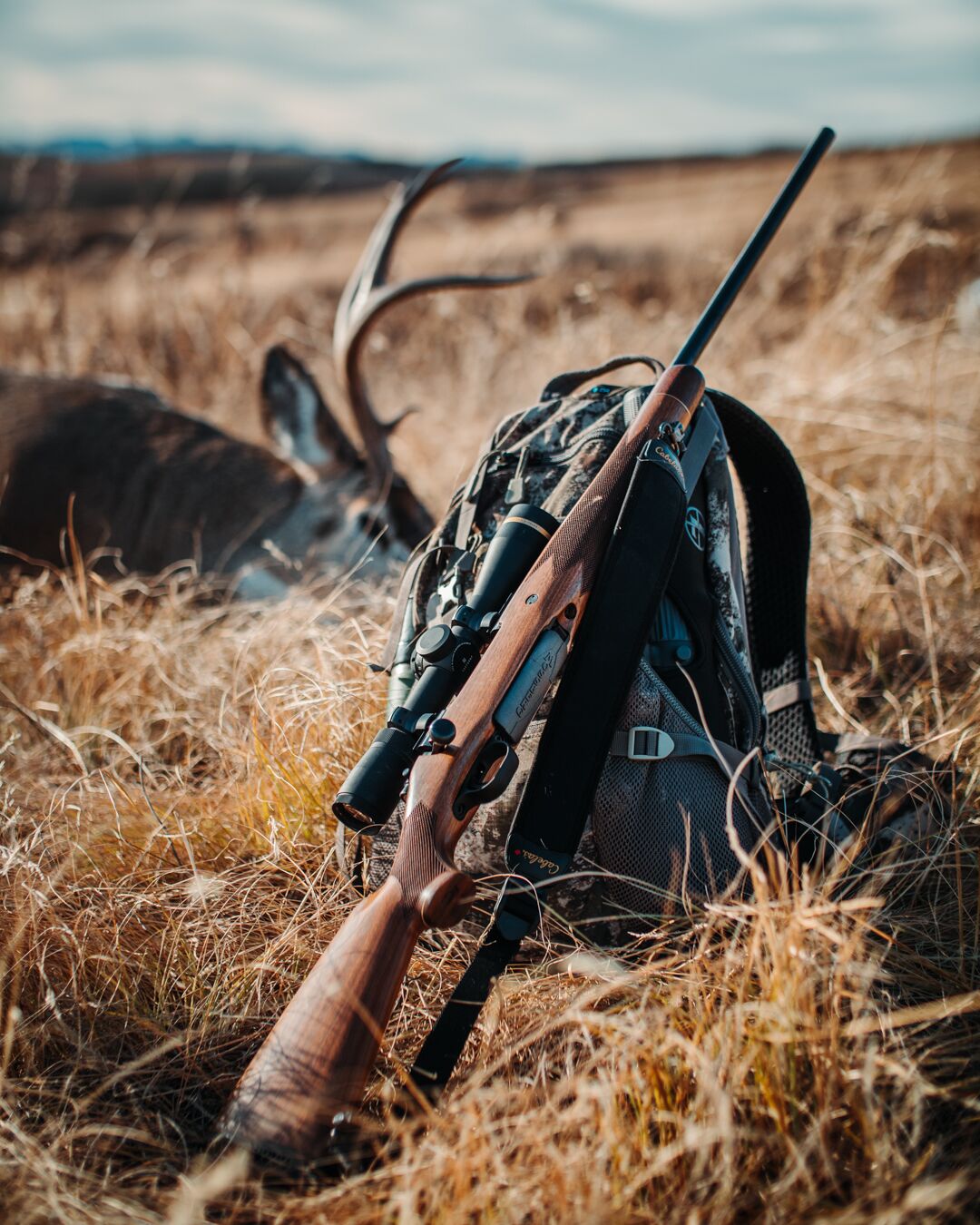
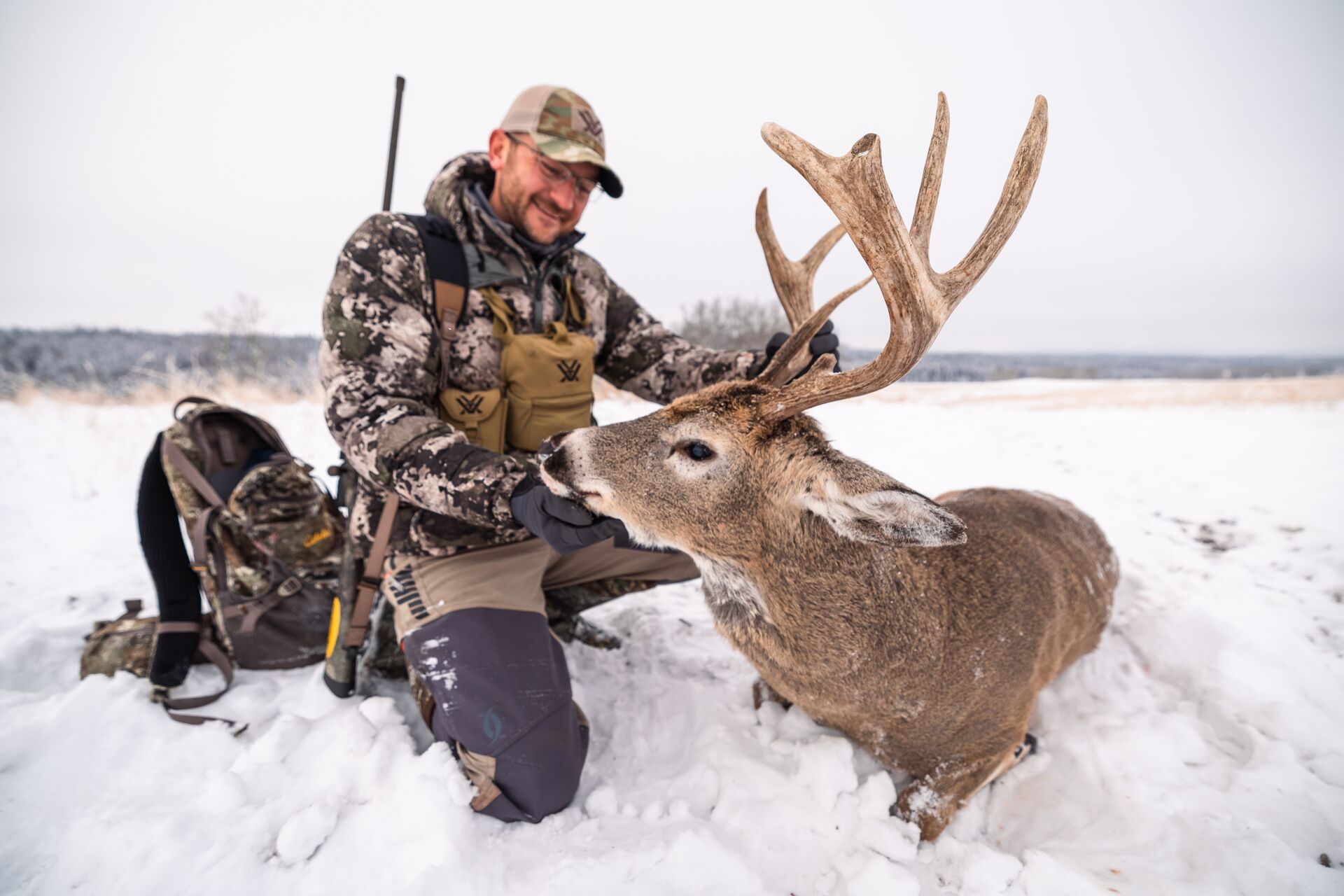
Hunting is the traditional practice of pursuing and harvesting wild animals for a variety of reasons, including food, sport, population control, or conservation. While the end result (hopefully) is to have meat for your table or freezer at the end of a successful hunt, hunting is also an important part of managing wildlife and preserving crops and lands.
While it may be new to you, hunting is a centuries-old tradition steeped in a respect for nature. Being a responsible and successful hunter requires knowledge, skill, and an understanding of regulations.
Why Do People Hunt?
The primary reason people hunt is for food. Hunting is the most ethical and sustainable way to put meat on the table and in your freezer.
Many hunters also hunt because it’s a long-standing family tradition.You’ll also hear hunters talk about their love of being outdoors and connecting with nature. To really hunt well, you’ll spend a lot of time outside, understanding wildlife, trees, wind, weather, and more aspects of nature.
Not the least of the good reasons people hunt arepopulation control, protecting crops, and conservation. While you may hear from some that hunting is cruel, if you follow a fair and ethical approach, hunting is necessary to keep wildlife populations in check and to protect crops, livestock, and land.
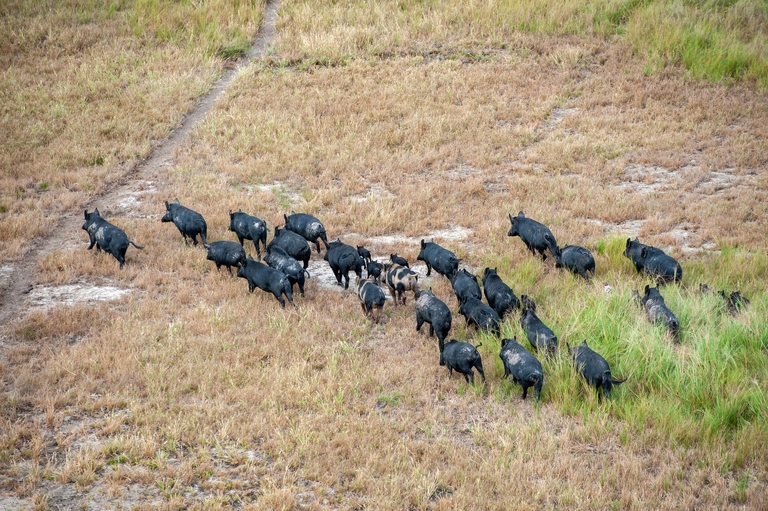
Invasive species — left unchecked — can decimate the deer population in an area, which eventually disrupts the ecosystem and balance for other animals or vegetation to thrive.
So, while hunting is most commonly thought of as a way to bring home fresh meat, it’s also a vital aspect of protecting livelihoods and the world around us.
What Are the Types of Hunting?
Depending on where you live or hunt, you have opportunities to hunt many different species of wild game, including:
Big Game: deer, elk, bear, bighorn sheep, moose, and more
Small Game: squirrels, rabbits, and upland birds (like pheasants, quail, and snipe)
Waterfowl: a wide variety of ducks and geese
Hunting can also be classified by the type of weapon you choose for your hunt:
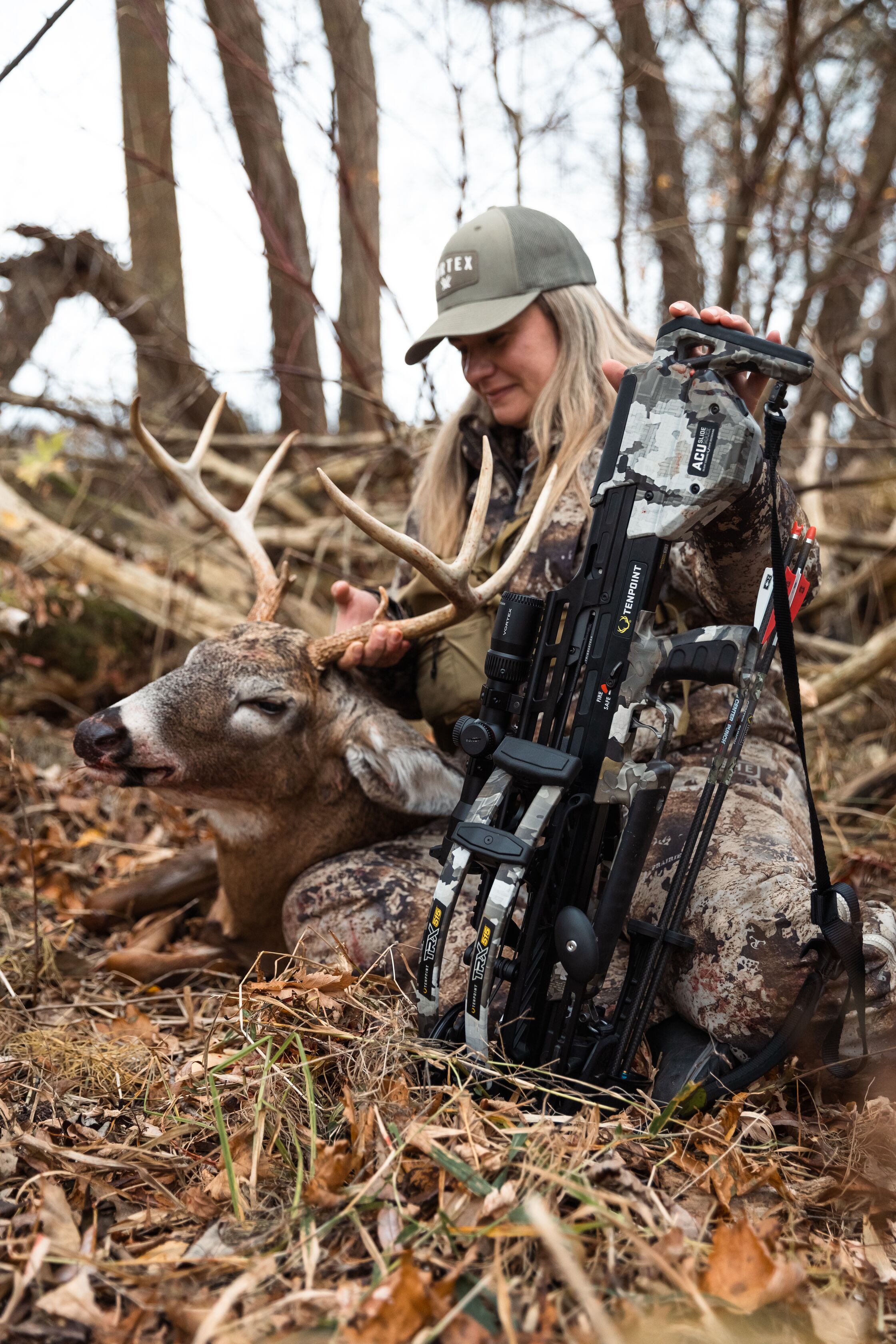
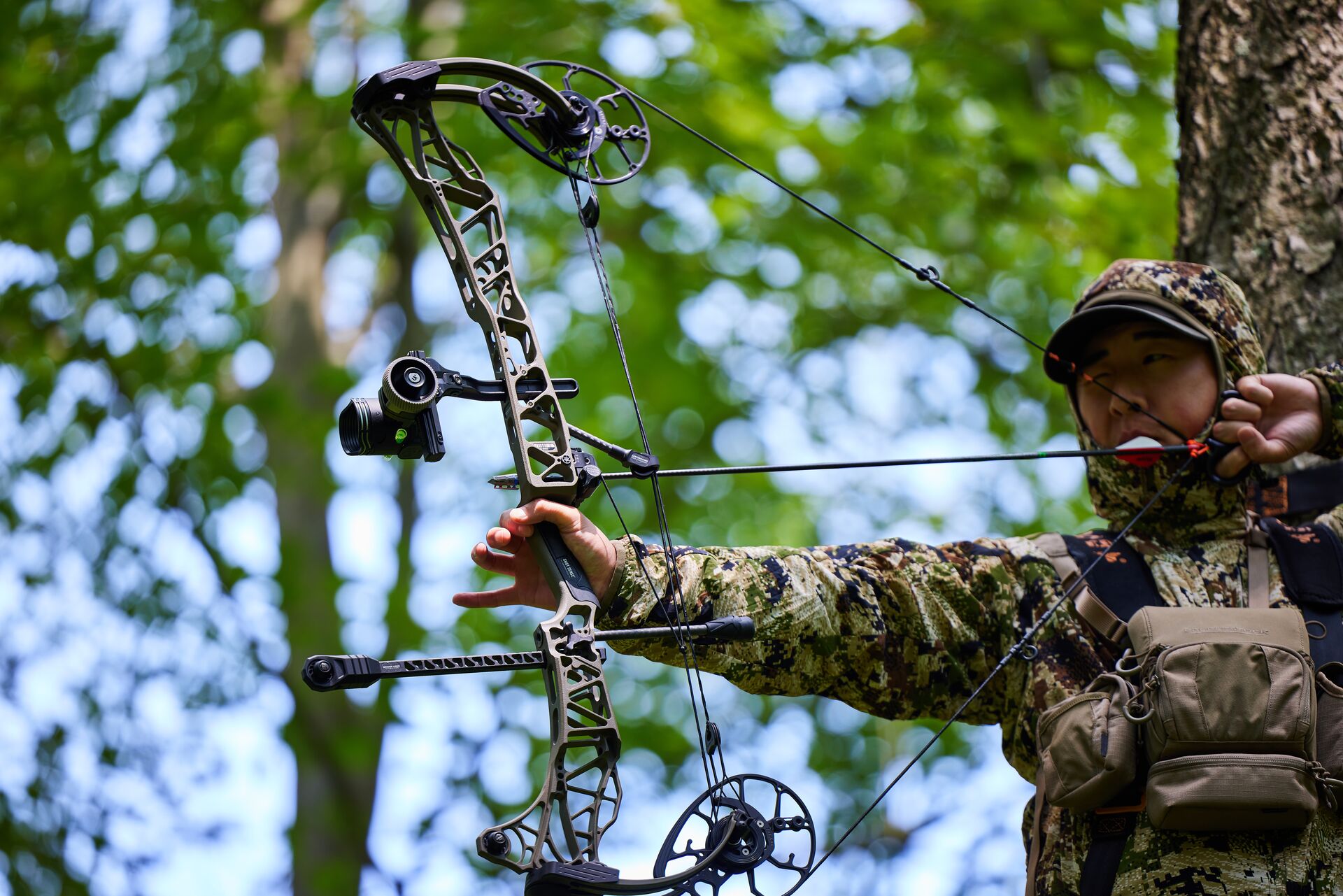
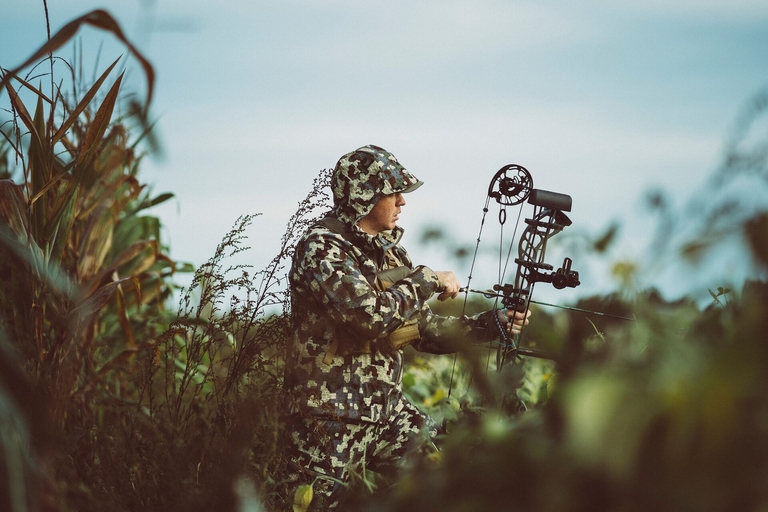
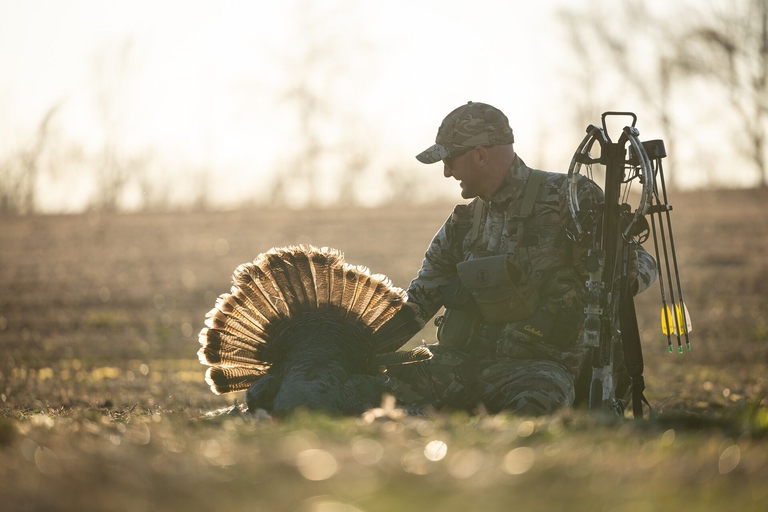
Bowhunting: Hunters use a compound, recurve, or traditional bow to hunt game
Firearms: Hunters use rifles, shotguns, or muzzleloaders to harvest their prey
Knowing what type of hunt you’re planning for your first (or next hunt) is important! What you hunt (i.e., the animal) and how you plan to hunt it (bow or firearm) helps you determine the open season dates, regulations, and bag limits for your hunt.
An Intro to Hunting Terminology
Do you know what “bag limits” are? Understanding some basic hunting terminology will help you plan a successful hunt!
Here are some essential terms to understand as a hunter.
Game Animals: Wild animals you can hunt legally (i.e., deer, turkey, elk, ducks, etc.). Note that animals you cannot hunt (dogs, cats, horses, your neighbor’s goats or chickens, etc.) are not game animals.
Bag Limit: The number of a specific game species a hunter can legally harvest in a season or day. 
Season (or Open Season): The designated times of year when a certain species can be hunted legally in an area. Open season dates for a specific game animal will vary from state to state.These dates are determined by each state’s wildlife management organization.
Tag:You’ve probably heard a hunter talk about “tagging out.” A tag is a permit issued to hunt specific game. After shooting the animal, hunters must typically attach the tag to the animal to report the harvest.
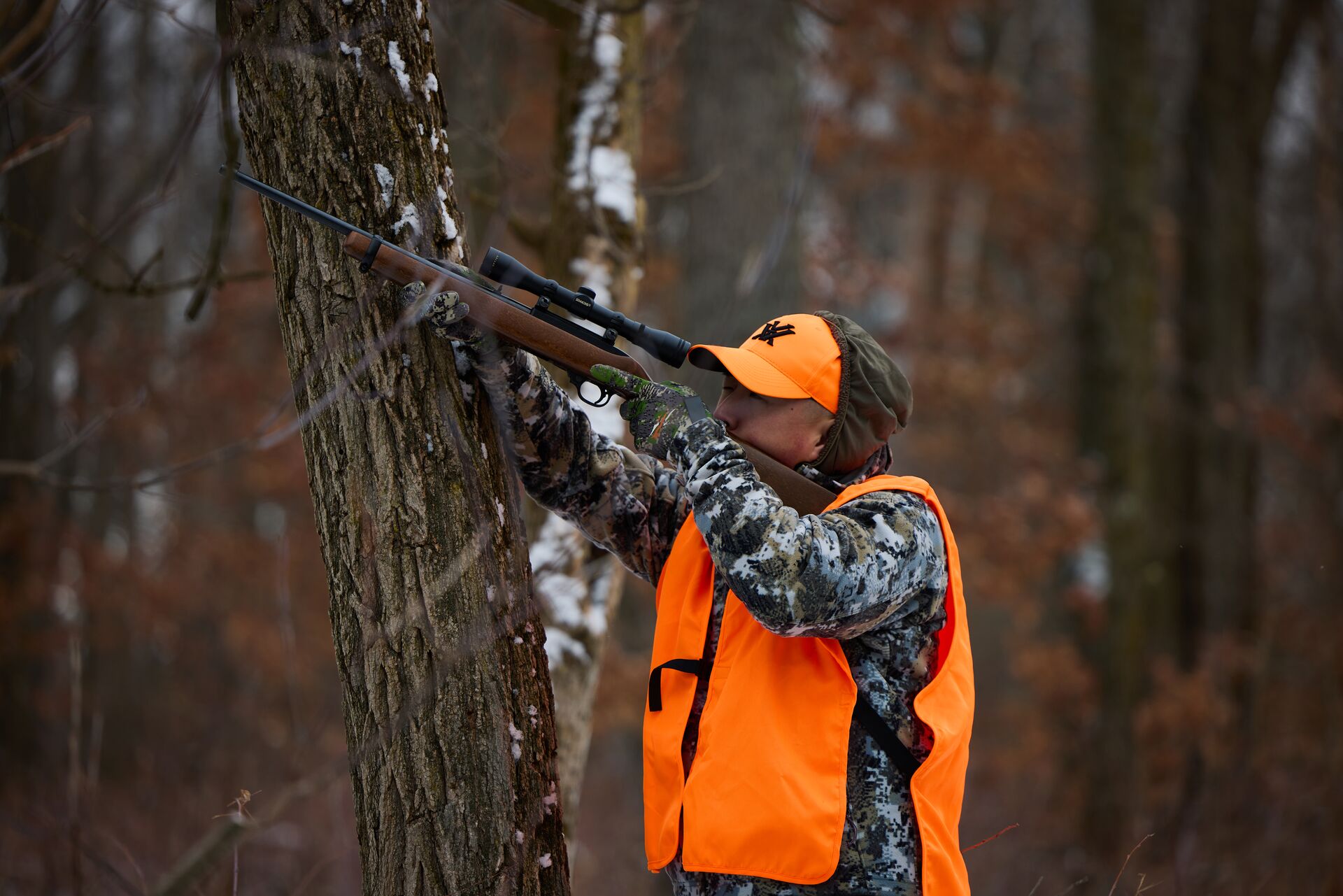
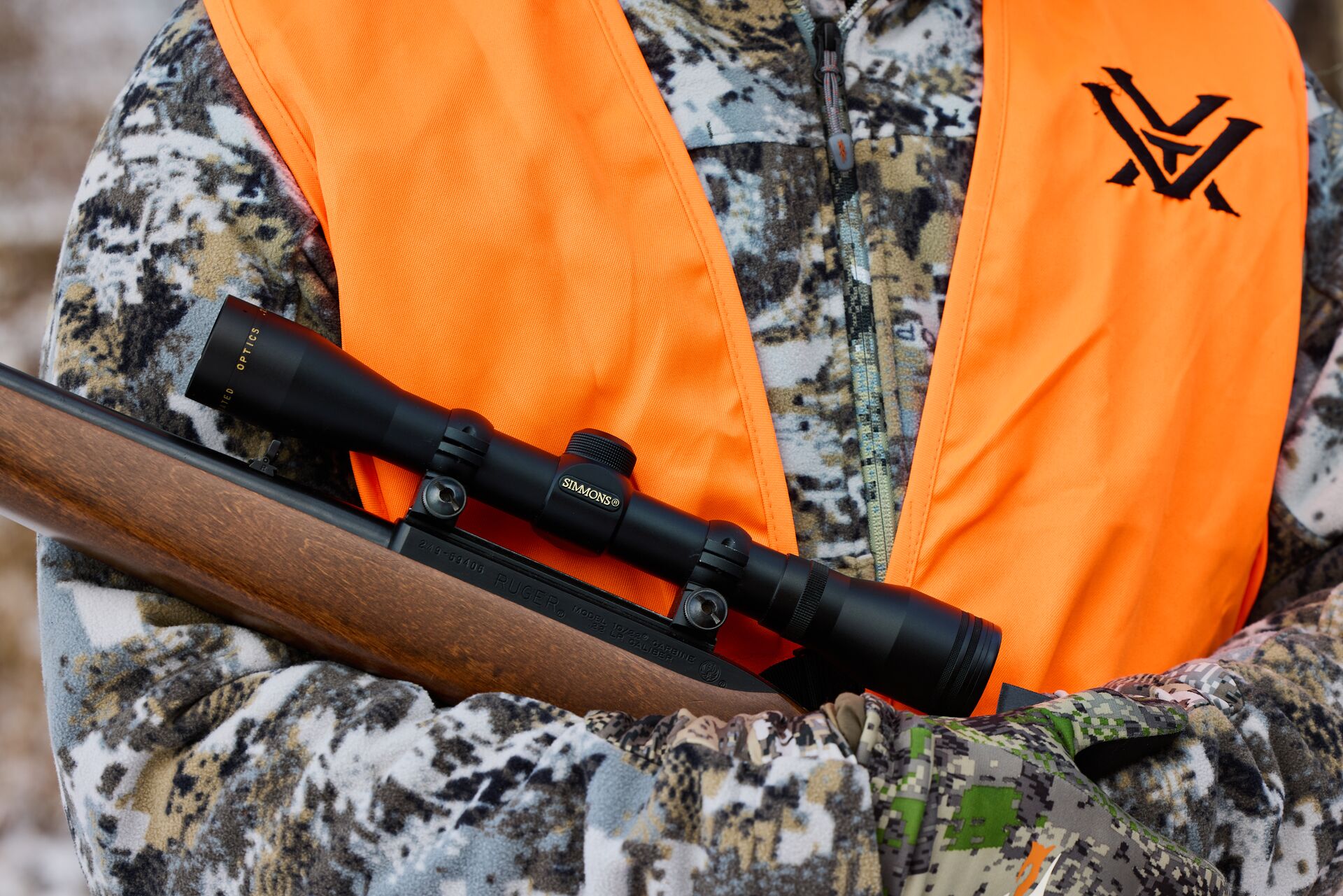
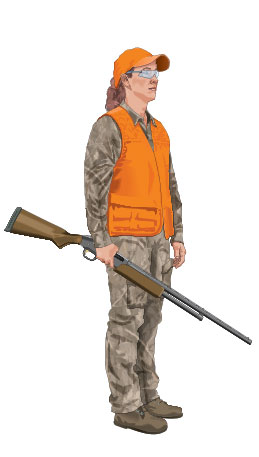
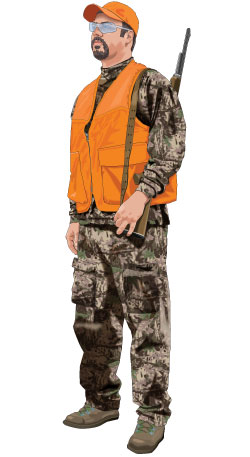
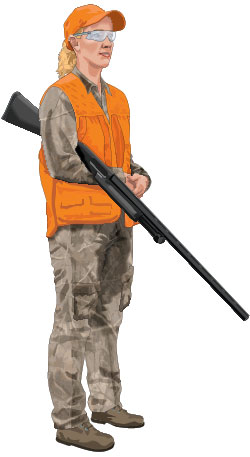
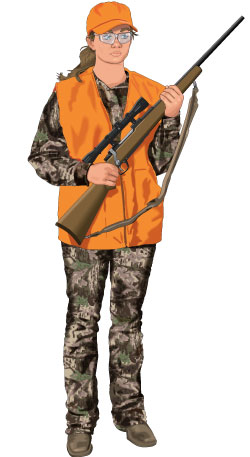
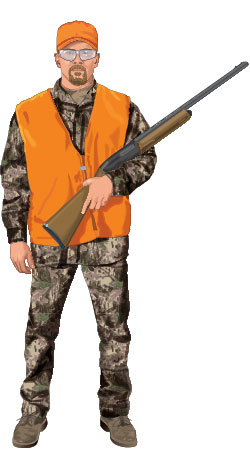
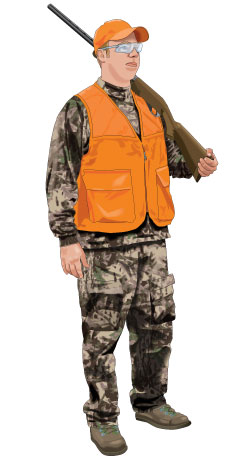
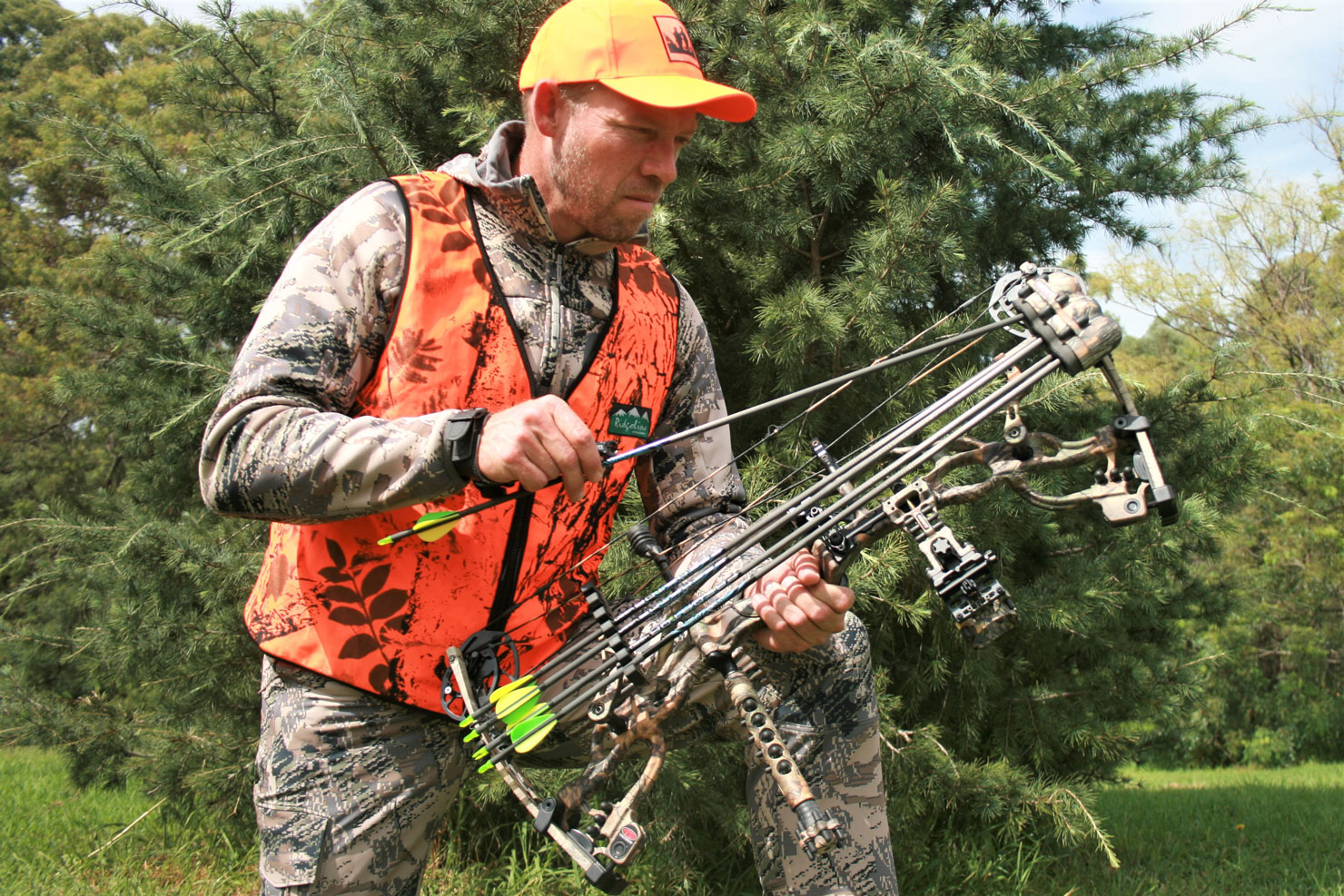
Hunter (or Blaze) Orange: Most states require hunters to wear bright orange clothing during some seasons to increase visibility and prevent hunting accidents.
Ethical Shot: A shot that ensures a quick, humane kill. This is critical for responsible hunting.
Fair Chase: A guiding principle that promotes respect for animals and avoids an unfair advantage when hunting.
This short list is a good “starter” list for some of the most important terms you’ll hear when learning about hunting and speaking with other hunters. However, be ready to learn more terms as you grow your knowledge of the sport.
How Do I Start Hunting?
Even with some background on what hunting is, why people hunt, and a few hunting terms so you can navigate your first hunt, you may still be asking, "How do I start hunting?" Let's talk next about how to get started and what you’ll need to be a hunter.
These next sections cover the gear you’ll need, licensing and regulations, safety, techniques, and more!
Choose the Right Hunting Gear
Heading out for a hunt without the right gear can lead you to an unsuccessful adventure. While avid hunters have lots of equipment (much of it potentially high-end and costly), new hunters can gather a basic kit to get out in the field and experience a first hunt.
Here’s a primary rule of hunting gear: Don’t let not having something or the budget to spend on a top-of-the-line item keep you from getting out in the field.
Start with some basics, practice, and see what works for you (and what doesn’t), then build your gear cache as you hunt more often and become a better hunter!
What to Look for in Good Hunting Gear
When considering the right gear for new hunters, look for:
Durability: Again, you want something that will make it through several seasons (or at least through several hunts as you start building your skills). Rugged gear can handle brush, rain, and repeated use in the field.
A Good Fit: Hand-me-downs from your uncle may work in a pinch, but you’ll be better off with gear that fits you. From clothing to your bow or rifle set-up, choose gear that’s your size.
Comfort: Especially for boots, clothing, and backpacks, makesure your gear is comfortable. You’ll be hiking, sitting, and possibly hauling gear or game.
Tools for the Situation or Hunt: Depending on what and when you hunt, you’ll want game calls, scent control spray, rangefinders, and binoculars to enhance your success.
Start With Some Basics
You don’t need all the bells and whistles to get started as a hunter. Plus, trying to get everything your long-time hunting friends have in their kit can be overwhelming. So, start with the basics.
Method of Take (Bow or Firearm): Choose a rifle, shotgun, bow, or muzzleloader based on the species and legal hunting methods in your area. Or, you may have a preference to hunt only with a firearm or a bow — just make sure you plan your hunt during the open season for your take method.
Ammunition or Arrows: Match the right caliber, gauge, or arrow setup to the gameyou're pursuing. Don’t forget your broadheads if you’re bowhunting.
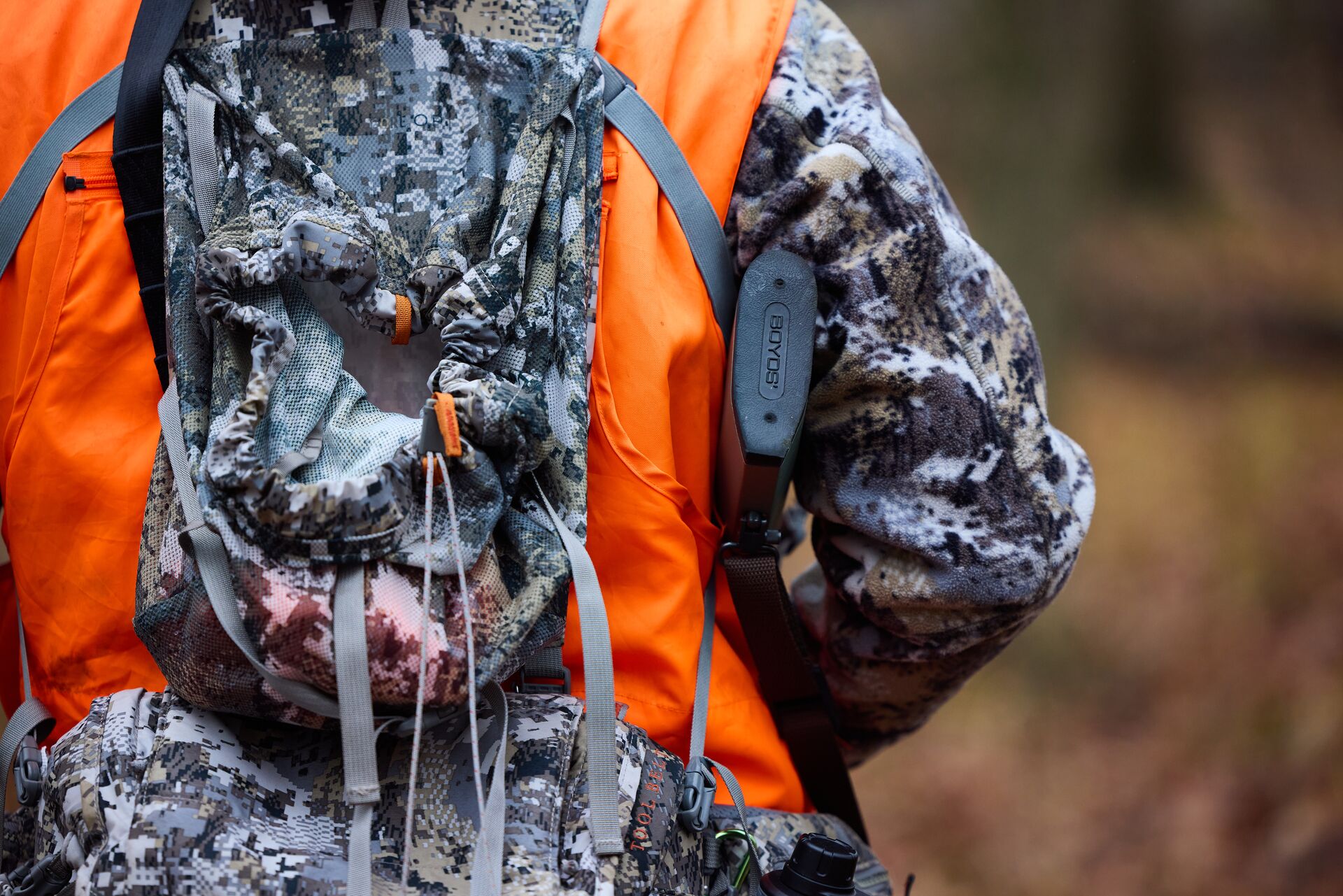
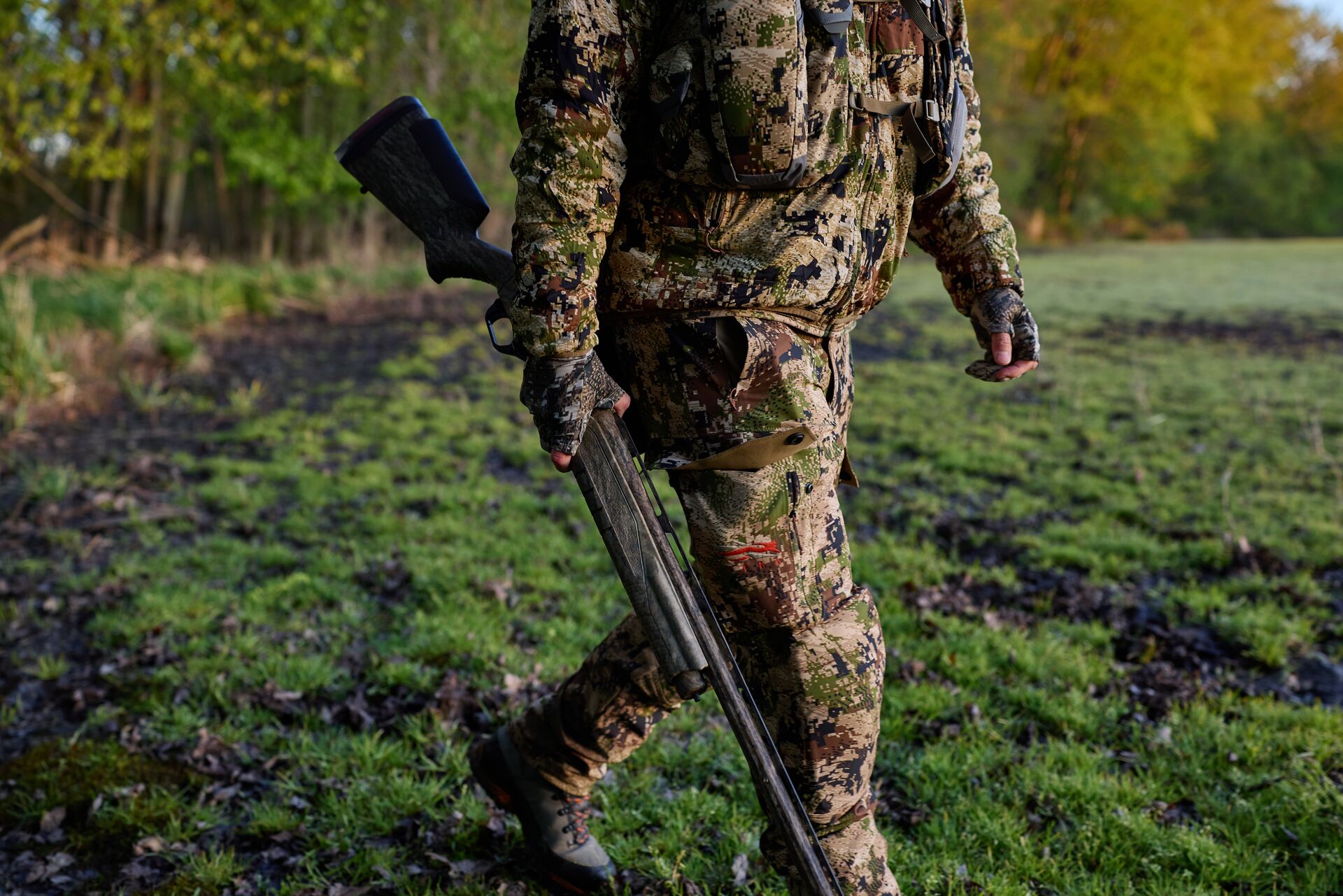
Clothing: Dress for the weather and terrain. Use camouflage to blend in and blaze orange (based on state requirements) to stay visible and safe.
Boots: Waterproof, insulated boots are essential for cold, wet, or rugged terrain. Choose lighter, non-insulated boots for summer or warm-weather hunts. Comfort and durability matter, so protect your feet with good boots!
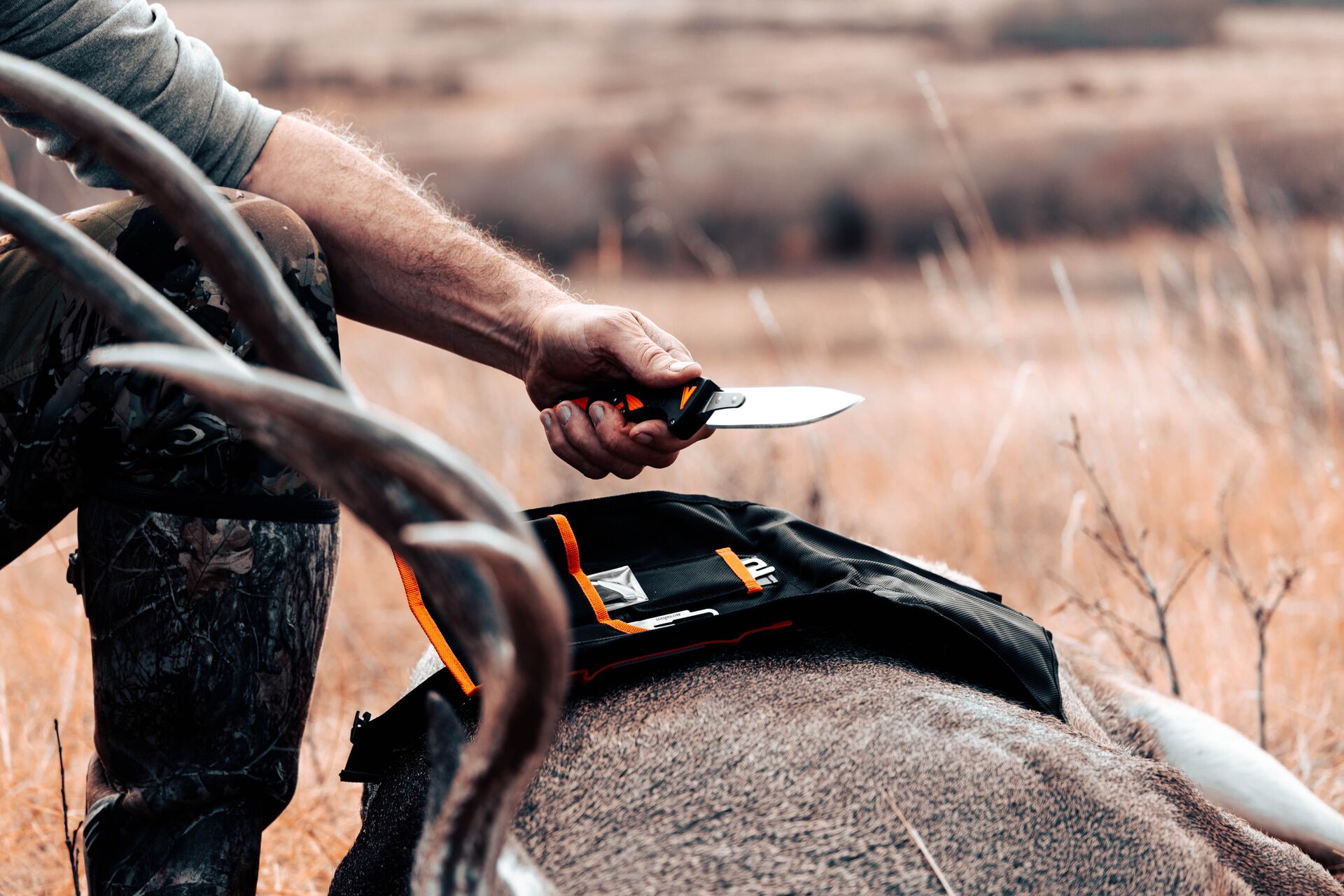
Knife: Every hunter needs a good hunting knife to help clear brush and field dress game after a clean kill shot.
Field Dressing Kit: Your goal every time you go out is to bring home the gameyou’re after. Bring a field dressing kit with you for safe meat handling.
Remember: hunting is a long-term (or even life-long) pursuit for many. You’ll build your gear collection over time, so don’t worry if you don’t have everything you want for your first hunt.
Understanding Licensing and Regulations
You’ve got your gear, but you’re not ready to chase down a buck just yet.
You need a hunting license. And you need to understand the rules before stepping outdoors. Doing this kind of research is crucial for planning a successful (and legal) hunt.
Why Hunting Laws Matter
Hunting is highly regulated to protect animals and keep people safe.Hunting regulations exist to keep animal populations healthy and sustainable. The reason you have deer to hunt season after season is because your state puts rules in place on how many deer hunters can take and when they can take them each season. Without these rules, game populations would suffer.
Laws for hunting also help keep people safe (hunters and non-hunters alike). Shooting hours, hunting zones, hunting open and closed dates, and rules about wearing blaze orange help protect hunters and others who may be in the area (but aren’t hunting).
Where to Start with the Rules
When you go to your state wildlife agency’s website and find the hunting regulations, you’ll likely find a lot of rules to dig through. All of them work together to protect the sport and the wildlife in your area.
However, there’s no need to become overwhelmed by all of the rules. Start with the basics as you plan your hunt:
Know the Season Dates: Every species has its own hunting season. These dates typically change each year and can include geographic zones and weapon type.
Understand Bag Limits: Remember the terminology we covered earlier, and make sure you know how many animals you’re allowed to harvest per day or season.
Check Legal Take Methods: States may limit the types of weapons, calibers, or hunting aids (like bait or electronic calls) you can use to hunt animals.
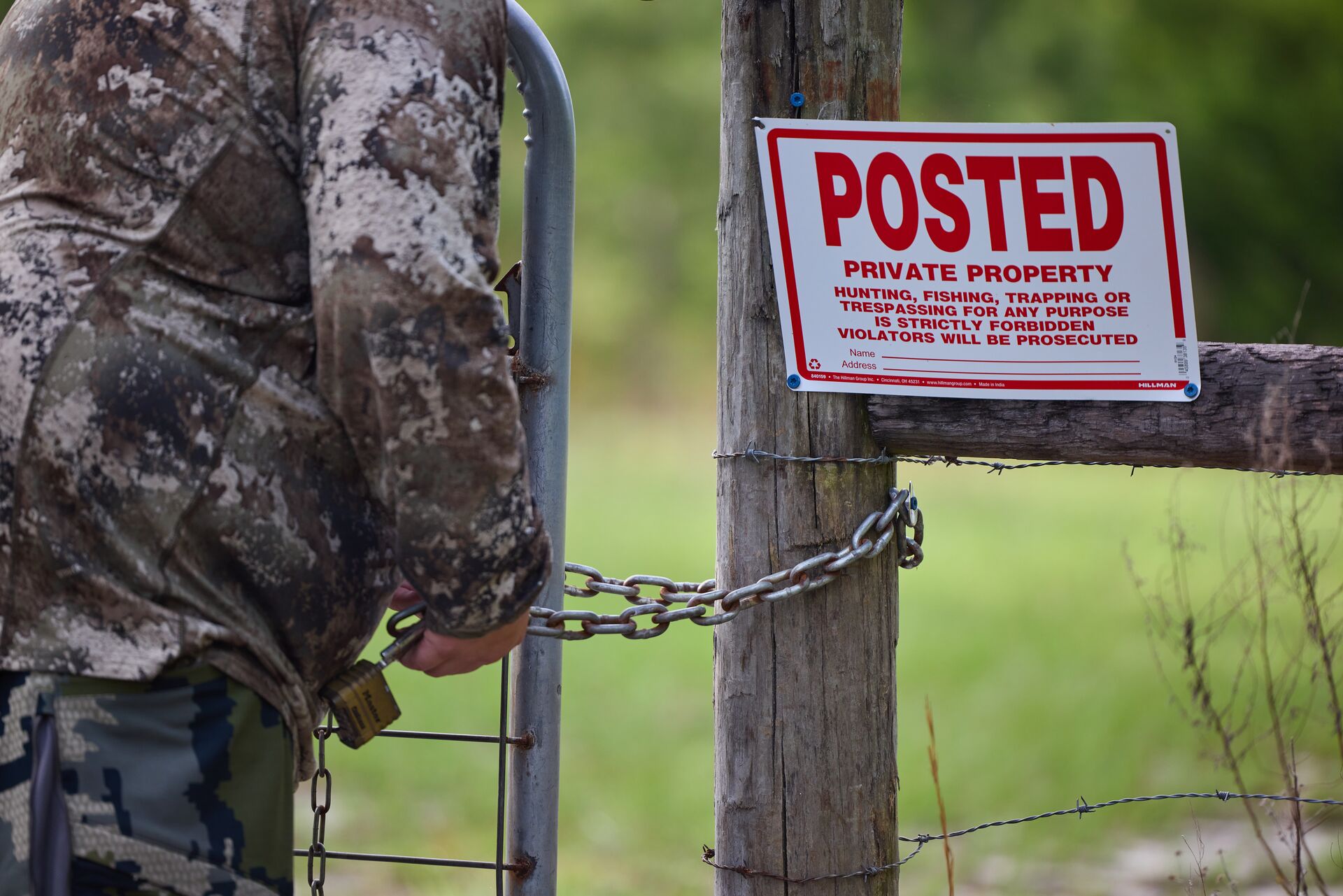
Land Use Laws: Learn the difference between public and private land rules, and always get permission when hunting on private property.
Get a Hunting License: Pay close attention to the license you need to hunt for the game you plan to hunt. You may also need a different license to hunt a different species or additional permits or stamps. In most states, you’ll need a new license each season.
With this information, you’re pretty well prepared for a hunt!
Take a Hunter Safety Course
There’s one more thing your state probably requires before getting your hunting license and heading out for your hunt.
Not only is it probably required by your state, but it’s also the best way to learn how to stay safe when hunting.
A hunter education course will teach you:
Hunting Fundamentals: An approved course covers how to handle firearms and bows safely, hunting laws, ethics, shot placement, survival skills, and animal identification (to name a few fundamentals).
Safety Essentials:You’ll learn about the safe zone of fire, how to hunt from a tree stand safely, how to load a firearm correctly, how to avoid accidents and injuries, and more.
Responsible Hunting Practices: You’ll have a deeper understanding of Fair Chase principles, how hunting helps conservation and habitat management, and the importance of humane, ethical hunting.
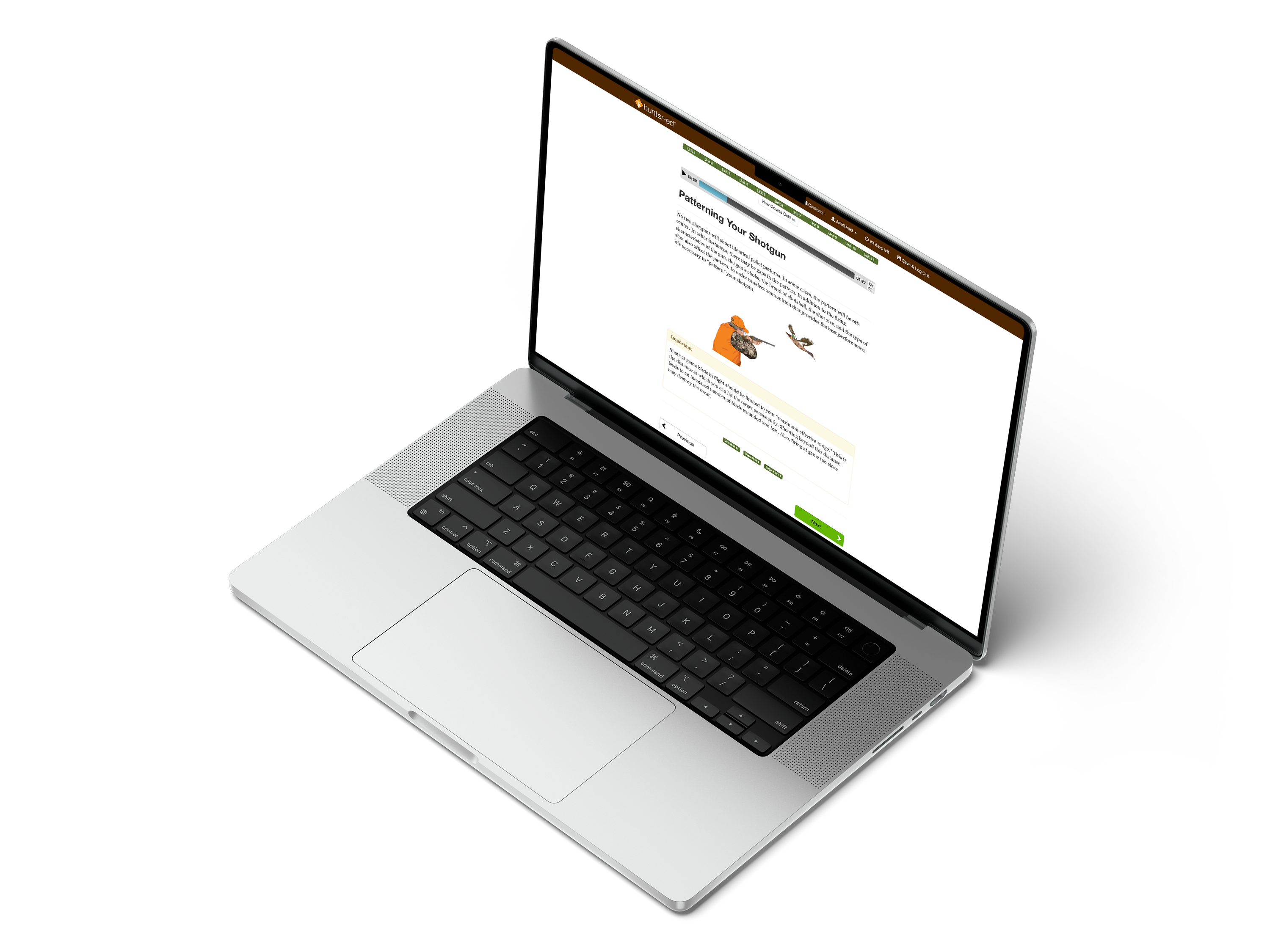
The good news is that most states allow online-only courses (like Hunter-Ed)to meet the hunter education requirements. However, be sure to check your state’s rules. Some states also require an in-person field day to complete the requirements and certification.
Part II: Hunting Safety 101
You know the rules, you’ve taken your hunter education course, and you’re ready to hunt! Let’s cover a bit more about hunting safety (because every hunt should be injury-free).
What Safety Equipment Do You Need for Hunting?
Along with the basic gear we covered in Part I, hunters should carry someessential safety equipment into the field.
Hunter Orange (Blaze Orange): In most areas, wearing hunter orange is required during firearm seasons. However, the amount of orange required will vary by state.
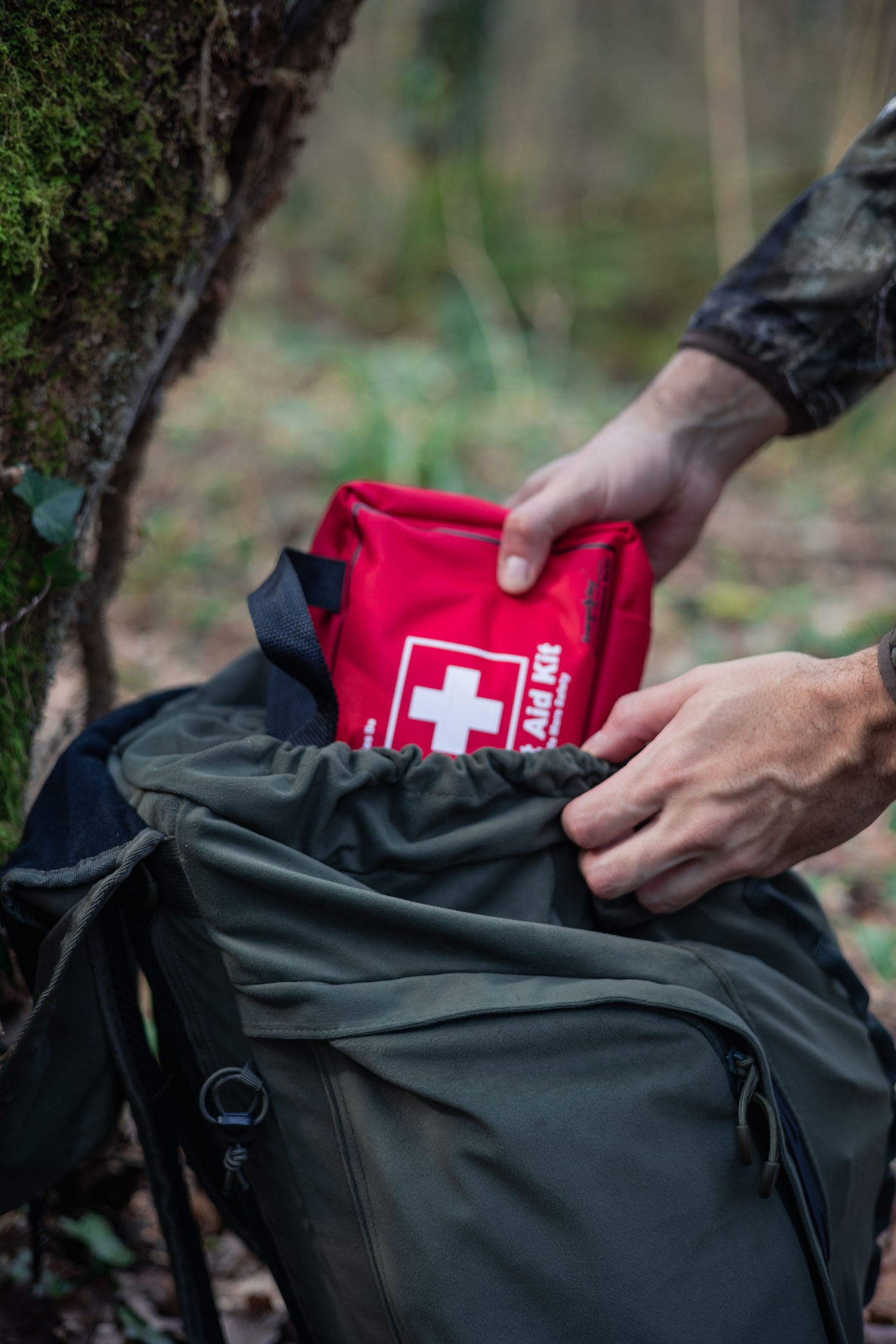
A First Aid Kit: When hiking through the woods with a rifle or bow, accidents can happen. Hunters should carry a compact first aid kit with bandages, antiseptic wipes, tweezers, and blister pads.
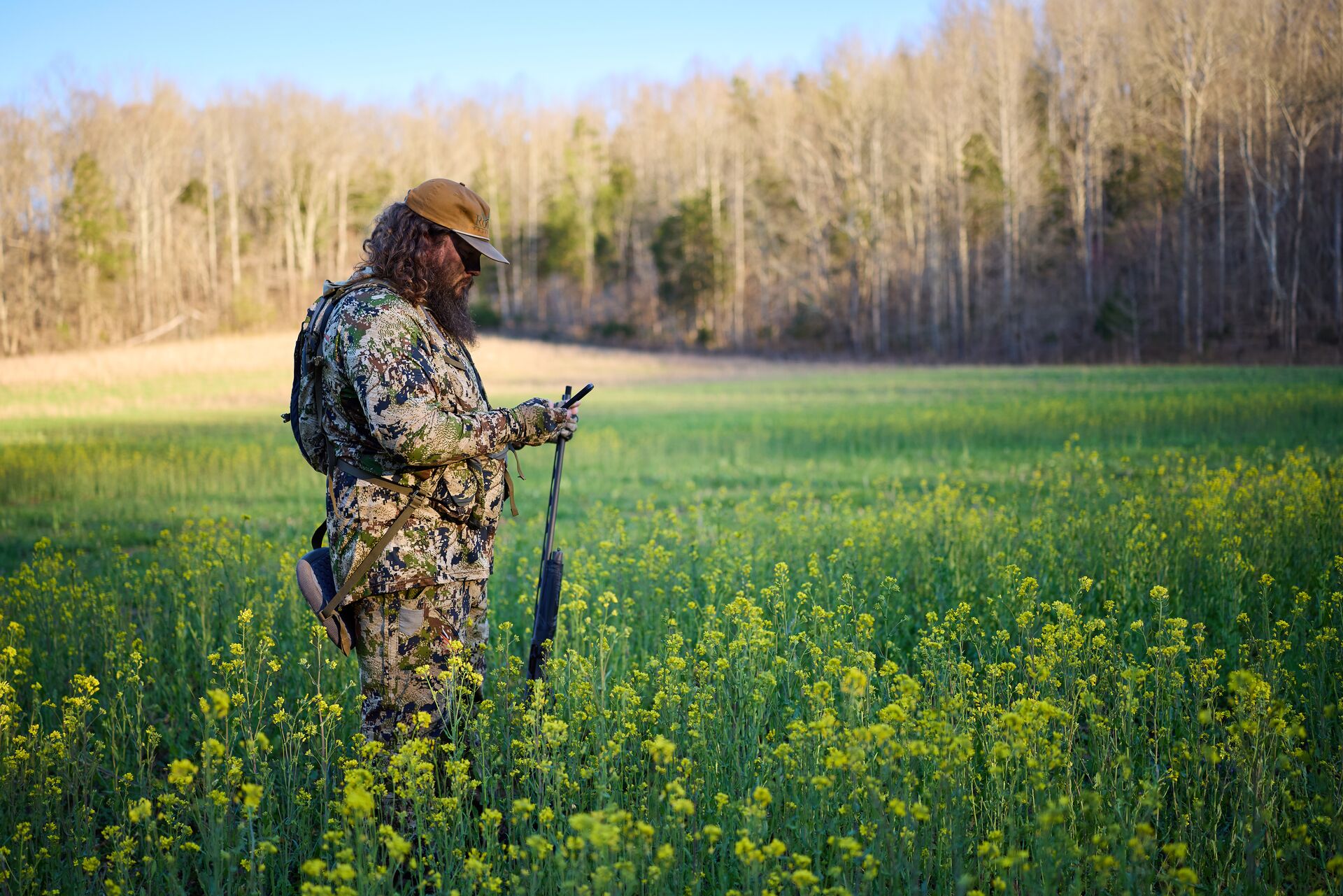
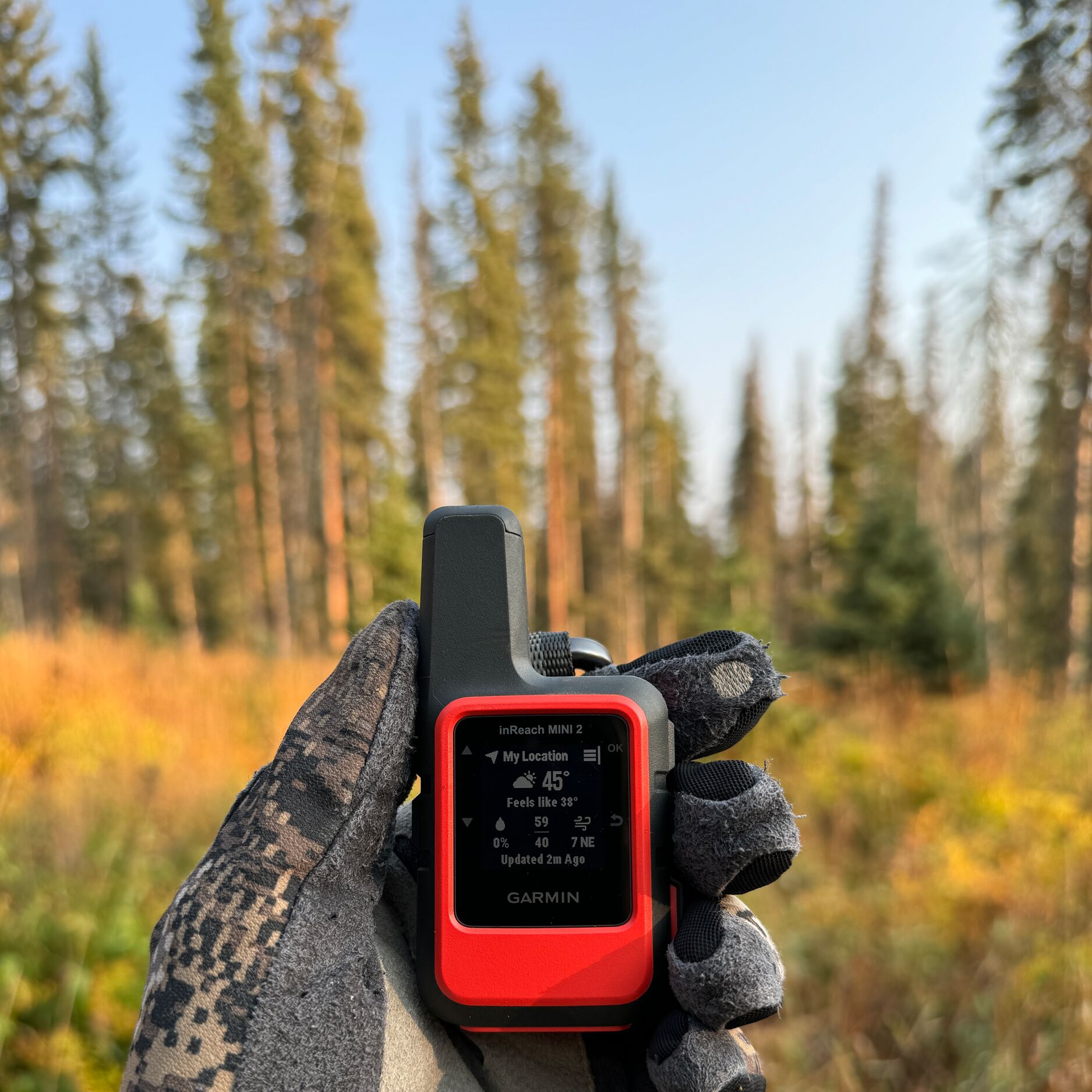
Map, Compass, or GPS: Never rely solely on cell service. Use a GPS device or hunting app (like HuntWise), but always bring a physical map and compass as a backup to avoid getting lost in the woods.
Flashlight or Headlamp: Heading out to get into your stand or blind is best done in the early hours of the morning. You’ll need a flashlight or headlamp to get into it safely or track game after dark.
Emergency Essentials: Bring water, snacks, fire-starting tools, and an emergency blanket, especially for remote hunts or unpredictable weather.
A Communication Device: Make sure you have your cell phone. It’s also smart to carry a radio for emergencies.
Also, let someone know your hunting plan and location before heading out. If you don’t return by the time you’ve let them know you’ll be back, they’ll know where and when to start looking for you.
Treat every firearm with the respect of a loaded gun.
Always point the muzzle in a safe direction.
Be sure of the target and what is in front of it and beyond it.
Keep your finger outside the trigger guard until you’re ready to shoot.
The more you handle your firearm (either at the range to practice or in the field to hunt), these habits will become second nature.
Understanding safe carries is also crucial to protect yourself and others when hunting. Depending on how many buddies you’re hunting with and the terrain, you have options on how to carry your shotgun or rifle safely.
Proper field carries include:
The Trail Carry This carry leaves a hand free for balance, but don’t use it when you’re walking or standing behind someone.You’ll also want to avoid this carry when walking through snow or brush, as debris can get into the barrel.
The Sling Carry Ideal for long treks through open fields, but it’s not recommended for walking through thick brush as the sling (or strap) can get caught and knock the gun from your shoulder.
The Elbow or Side Carry This carry is comfortable, but it also has the least muzzle control (especially when walking) and isn’t ideal for brushy terrain. Only use this carry when no one is walking or standing in front of you.
The Two-Handed (or “Ready) Carry This carry gives hunters the most control over a firearm, especially in thick brush. It also keeps your firearm ready to fire quickly. However, avoid this carry when walking beside other hunters, and make sure the muzzle is on the side away from people.
The Cradle Carry As another comfortable way to safely carry your firearm, this carry can also work right-handed or left-handed.Again, be careful using this one when walking side-by-side with others, and make sure to carry the muzzle on the side away from others.
The Shoulder Carry Convenient and ideal for walking behind others. Make sure no one is behind you when using this field carry.
Always be aware of where other hunters are in the field (even if they aren’t in your hunting group) and where your muzzle points when walking or standing.
What Is the Safe Zone of Fire?
With an animal in your sights, it’s easy to get excited about taking the shot. You’re ready to bring home your first deer or elk, but it’s important to keep safety in mind when it’s time to fire your shotgun or rifle.
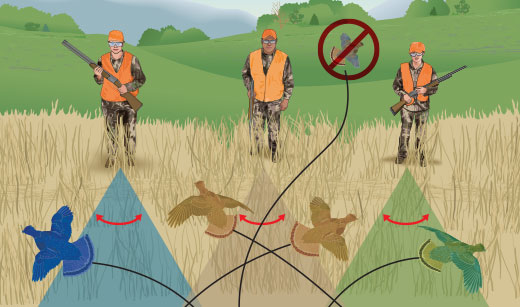
That’s where the Safe Zone of Fire comes into play. This is an area in which a hunter can safely shoot with minimal risk of hitting other humans, buildings, or targets that are not the intended game animal.
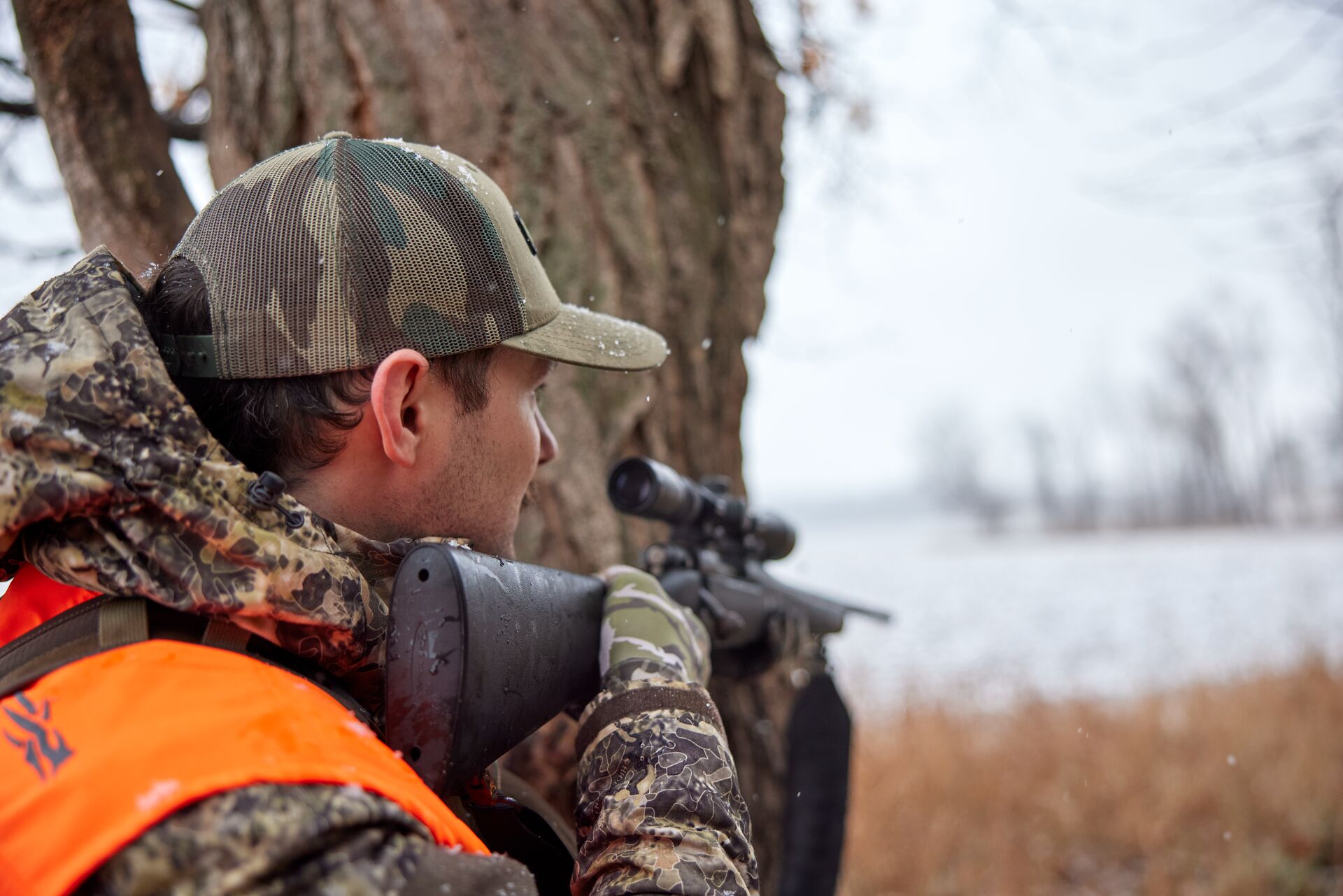
Your safe firing zone is typically an area directly in front of you spanning about 45 degreesand where the animal is within your sights and range. You must also factor in your comfortable shooting distance and knowwhat’s behind your target to stay within your safe zone.
Only take a shot if you are sure of it, and only shoot at an animal that is in front of you.
Additional Firearm Safety Tips
What else should hunters keep in mind when using firearms? Good preparation and safe habits help keep you and others safe!
Know How Your Firearm Operates: Know the parts of your firearm. Then, understand how to load, unload, and safely operate your specific rifle, shotgun, or muzzleloader.
Use the Right Ammunition: Using the wrong caliber or type of ammunition is very dangerous and can lead to a firearm malfunction or injury. Match your ammunition to your firearm’s specifications.
Unload Firearms When Not in Use: It may seem like a hassle to unload and reload your firearm when trekking, climbing a tree, crossing a fence, or getting in and out of your vehicle, but it’s the safest thing to do to prevent an accidental discharge.
Even when you’re sure you’ve unloaded your firearm, treat it as though it is loaded and keep the muzzle pointed in a safe direction away from others.
Bowhunting Safety 101
As with a firearm, hunting with a bow comes with the risk of injury if not handled properly. Many of the same general rules apply to using a bow or a firearm, but let’s get specific about bowhunting safety.
General Safety Practices
As with a shotgun or rifle, only point a bow and arrow in a safe direction. Be sure of your target and what is in front of it, immediately behind it, and beyond it (i.e., the Safe Zone of Fire applies to bowhunting, too).
Also, only nock an arrow when it’s safe to shoot, and you are planning to shoot an animal in your sights. Doing this makes it safe to walk with your bow while reducing the risk of damaging the bow or arrow (or anyone around you) with the sharp arrow tip.
It’s also crucial to know your equipment well before heading into the field. Familiarize yourself with your bow, arrows, and accessories, and practice shooting at a range. You’ll also need to regularly inspect your bow and string for wear, cracks, or damage.
Practice Good Safety During the Hunt
Again, always be sure of your target and what's beyond it. Only shoot when you have a clear, ethical shot.
Never assume your arrows are ready to nock and shoot. Before a hunt, always check your arrows for cracks or splinters, as damaged arrows can shatter upon release.
Keep sharp broadheads sheathed until you’re ready to hunt. And, when transporting arrows to your hunting location, use a quiver that fully encloses arrow points.
As with hunting with a firearm, practice is crucial before a hunt. Practice nocking an arrow, taking shots, and hiking through various terrains with your bow. If you hunt from a tree stand, practice handling your gear (including pulling it up into the tree) and different shooting positions so you know how your bow works in different scenarios.
Tree Stand Safety
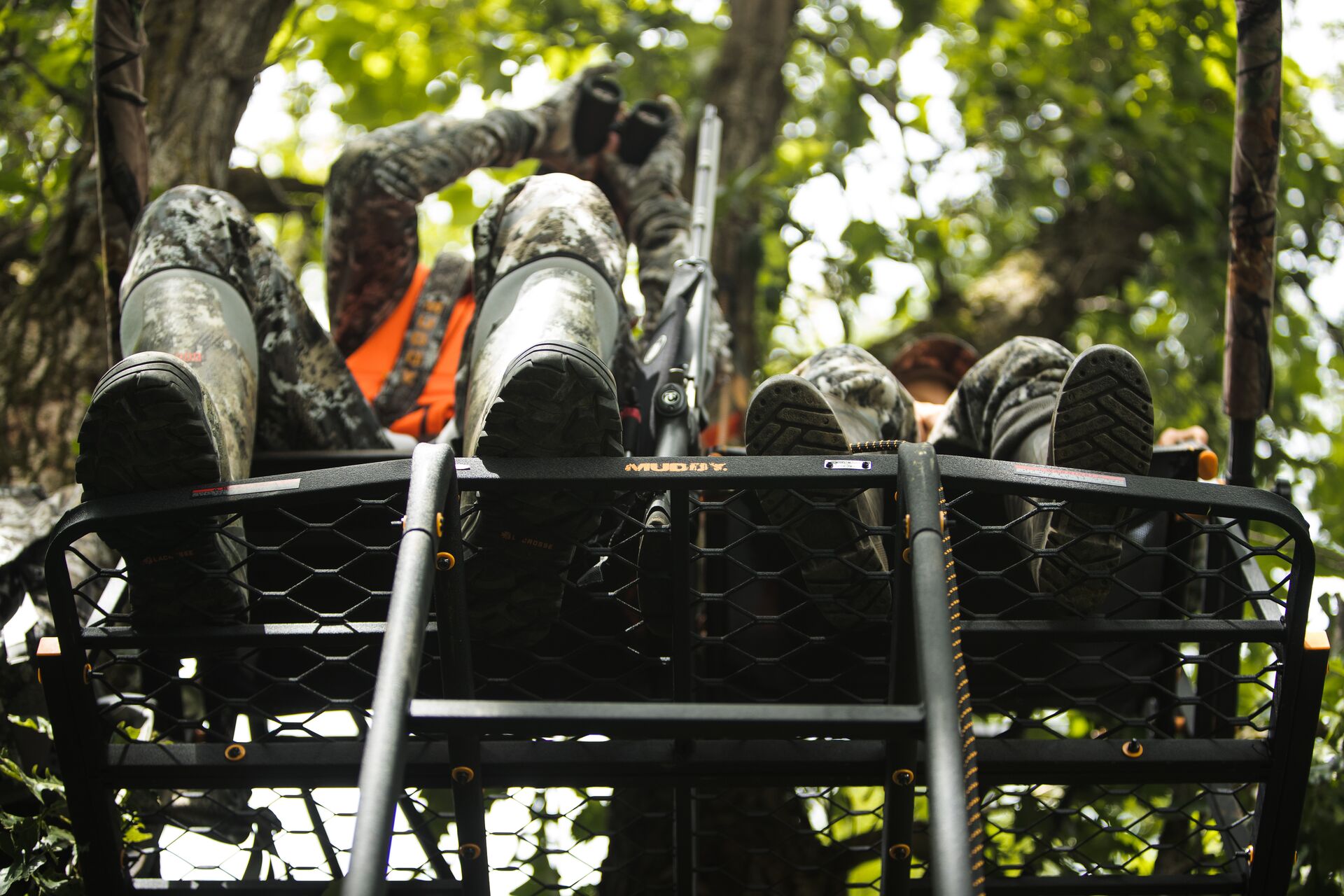
Whether you hunt with a bow or a firearm, you can hunt on the ground or above ground. However, remember that tree standfalls account for a significant number of hunting-related accidents.
So, if you choose a tree stand or saddle, be sure you understand how to stay safe when hunting from an elevated position.
Pick a Safe Tree
Not just any tree is a good tree for a stand or saddle. After you’ve scouted the area and know where you want to set up, choose a straight, healthy tree without dead branches or loose bark.
The tree must be able to hold your weight while climbing into the stand and sitting there for the day. Avoid trees that lean or show signs of fungus, rot, or insect damage.
Use Safety Gear
Never set up in a tree to hunt without the right safety equipment.
Always use a full-body harness called a Fall Arrest System (FAS). This system connects you to the tree and keeps you from hitting the ground if you lose your footing or balance and start falling from the tree.
You’ll also want a ladder or climbing stand or some climbing sticks to help you get off the ground and into your stand safely and quickly.
Inspect Your Gear Before Each Use
Especially before the first tree climb of the season, inspect all of your tree stand and climbing gear. Look for signs of wear and tear, rust, rips, or other defects that could prevent the equipment from breaking a fall and keeping you safe in the tree.
Then, before your first hunt, pick a tree in your yard or nearby and set up the stand. Practice getting in and out and hauling up your gear to make sure everything works well before going into the field.
Finding Where to Hunt: Understanding Weather and Terrain
Now that you know how to use your firearm or bow safely, let’s talk about where to use it and how to safely navigate weather and terrain. You can be well-prepared with your weapon, but sometimes navigating weather and the elements is an even bigger challenge to having a successful hunt.
Preparation and Research Come First
A successful hunt must always start with planning and research.
While you can grab your rifle and head out when you have a free morning (and your hunting license), you’ll increase your chances of bringing home the gameyou’re after if you take time to learn about the weather and terrain where you hunt.
Always check the weather before you head out. We recommend using an app like HuntWise to plan ahead based on weather forecasts. Depending on the time of year that you hunt, you’ll need to work around hot or cold temperatures, rain, snow, and wind — all of which can impact where you set up to hunt and your success.
With the weather forecast in mind, you’ll also plan what to wear, including layers that keep you warm or peel away as the day heats up.
Learn About the Terrain and How to Navigate It
Along with your research of potential weather conditions, you’ll want to investigate the terrain of your planned hunt area and how to navigate it. This is where scouting becomes a valuable activity to help you learn about the land and how the animals you’re after use it.
Depending on where and what you hunt, you could find yourself in thick brush, open plains, mountains, wooded areas, or marshes and wetlands. Take time to use topographic maps or a hunting app to e-scout the area, learn about elevations, and target potential bedding and feeding areas for the game you plan to hunt.
Look for entry and exit points so you know how to approach the best spots to set up for your hunt.
If you hunt near where you live, take what you learn through maps and apps and scout the area on foot. Make notes about what you see to help you plan your day when it’s time to hunt. Pay close attention to potential hazards, like deep water, rough terrain, unstable ground, or steep trails, and make sureyou’re prepared for an alternate route or to tackle tricky terrain with the right gear.
Land Access Rules (Private vs. Public Hunting Land)
When scouting and planning your hunt, make sure you also know ifyou’re looking at private or public hunting lands. Hunting on private land without permission can lead to a dangerous situation and a quick end to your hunt.
What is Public Land?
Public land is owned and managed by government agencies (such as state, federal, or local organizations). These lands can include:
National Forests
State Wildlife Management Areas (WMAs)
Bureau of Land Management (BLM) lands
In most states, public land is usually open to licensed hunters when hunting seasons are open, but these areas may have special rules, weapon restrictions, seasonal closures, and species limits.
While public lands offer plenty of opportunities to get out and hunt, hunting pressure can be higher due to more hunters taking advantage of the same opportunities.
What is Private Land?
Private hunting land is owned by individuals, families, or organizations.
This means before you can hunt or scout on these lands, you’ll need to ask and get written or verbal permission from the owners.
Landowners can allow hunting on their property, or they can decline. Either way, it’s important to honor their decisions and plan accordingly for your hunting days.
In some cases, landowners may have rules to follow or require a lease payment for use during specific hunting days and times. They might also request help from hunters to clear land, control predators, or simply share some of the harvest in exchange for hunting the land.
While it can take work to build a relationship for access to a private hunting area, there are plenty of benefits!Private land tends to be less crowded, as landowners are more selective about who they allow on their properties. You may also have more access to boots-on-the-ground scouting to study the area and animal behavior during the off season.
Part III: In the Field
Now that you have some safety insights under your belt, let’s talk about how to hunt!
Building your skills will take time, but the following tips and techniques should help you get started (and stay safe) after you’ve passed your hunter education course and have a hunting license in hand.
3 Essential Hunting Techniques
There are many nuances to becoming a skilled hunter, but here are three basic techniques every hunter needs to understand and master.
1. Tracking
How do you find animals? Typically, a big buck deer or a turkey won’t just wander in front of your sights as soon as you get into your blind. You have to take notice of what they leave behind and learn their behavior to be in the right place at the right time for an ethical shot.
Tracking is recognizing animal signs, like tracks, scat, rubs, or trails.These signs help hunters understand wildlife movement patterns and recent activity.
When tracking, look for:
Tracks: Look for footprints in soft soil, mud, or snow. Learn to identify different species by hoof size, shape, and stride.
Scat: Animal droppings can indicate the presence, size, and even diet of the gameyou’re after (or predators in the area).
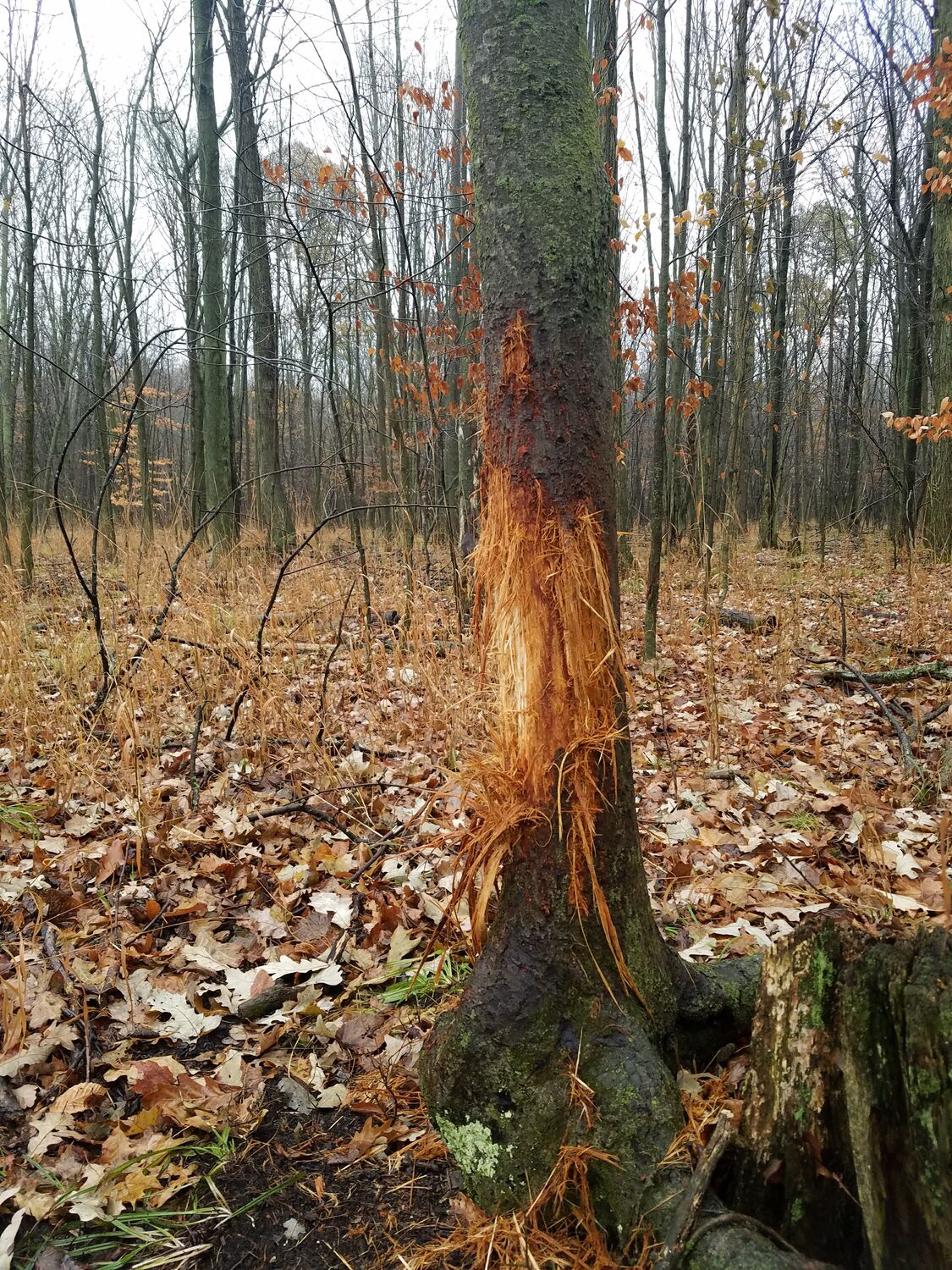
Rubs and Scrapes: Bucks rub their antlers on trees and scrape the ground to mark territory during the rut.
Trails and Bedding Areas: Well-worn paths (or travel corridors) and flattened grass or leaves can show where animals travel or rest.
Food Plots and Feeding Areas: Look for areas where deer feed and take note of these areasin relation to bedding areas and travel corridors to get an idea of how animals move through an area.
Practice tracking in the off-season to learn the behavior of different animals throughout the year.
Then, after shooting an animal, you may need to track again, based on broken branches or trampled ground cover, blood droplets, and other signs a wounded animal traveled through an area before ultimately lying down.
2. Scouting
We hit on this a bit earlier, but scouting goes hand-in-hand with tracking.
Pre-season or early-season scouting trips to hunting areas help you learn animal patterns and habitats. Scouting is an ideal time to practice tracking, set up trail cams, and generally get the lay of the land.
Scouting also helps you plan your hunt based on what you’ve seen in your hunting app and how that plays out in the field. Try scouting at different times of day and in various weather conditions to notice changes in animal behavior and the conditions you’ll deal with when it’s time to hunt.
3. Field Dressing
Your goal for every hunt is to harvest an animal, but the hunt isn’t complete until you’ve field-dressed your kill and brought it home safely.
Field dressing is the process of safely removing internal organs from the harvested animal. Doing this preserves the quality of the meat by cooling the body and reducing potential bacteria growth.The process also reduces the animal’s weight, soit’s easier to get it home.
You’ll need the right gear to safely field dress an animal, including a sharp knife, gloves, a tarp or game bag, and wipes to clean your hands and tools after completing the process.
Safe meat handling is crucial to understand before your first hunt, so you reduce the risk of bringing home contaminated meat from your harvest.
If you’ve never field-dressed an animal before, talk with an experienced hunter, watch them go through the process as a mentor, or find videos online that walk through the process.
Outdoor Survival Tips
Even if you plan to only be out in the field for a few hours, you can face unexpected situations in the wild, like getting lost, injured, or caught in a sudden weather change. The best preparations are no match for the unexpected.
Having some basic outdoor survival skills can keep you safe and calm until help arrives or you're able to return to safety.
Understand Navigation and Orientation
You’ve already scouted the land, so you should have a basic understanding of where you are. Even with scouting, though, it’s easy to get turned around if bad weather rolls in.
Using the GPS or hunting app that helped you scout can help, but if you don’t have cellular service in the field, you won’t be able to access them. Make sure you have a compass and paper map to help you navigate out of the area and get to safety.
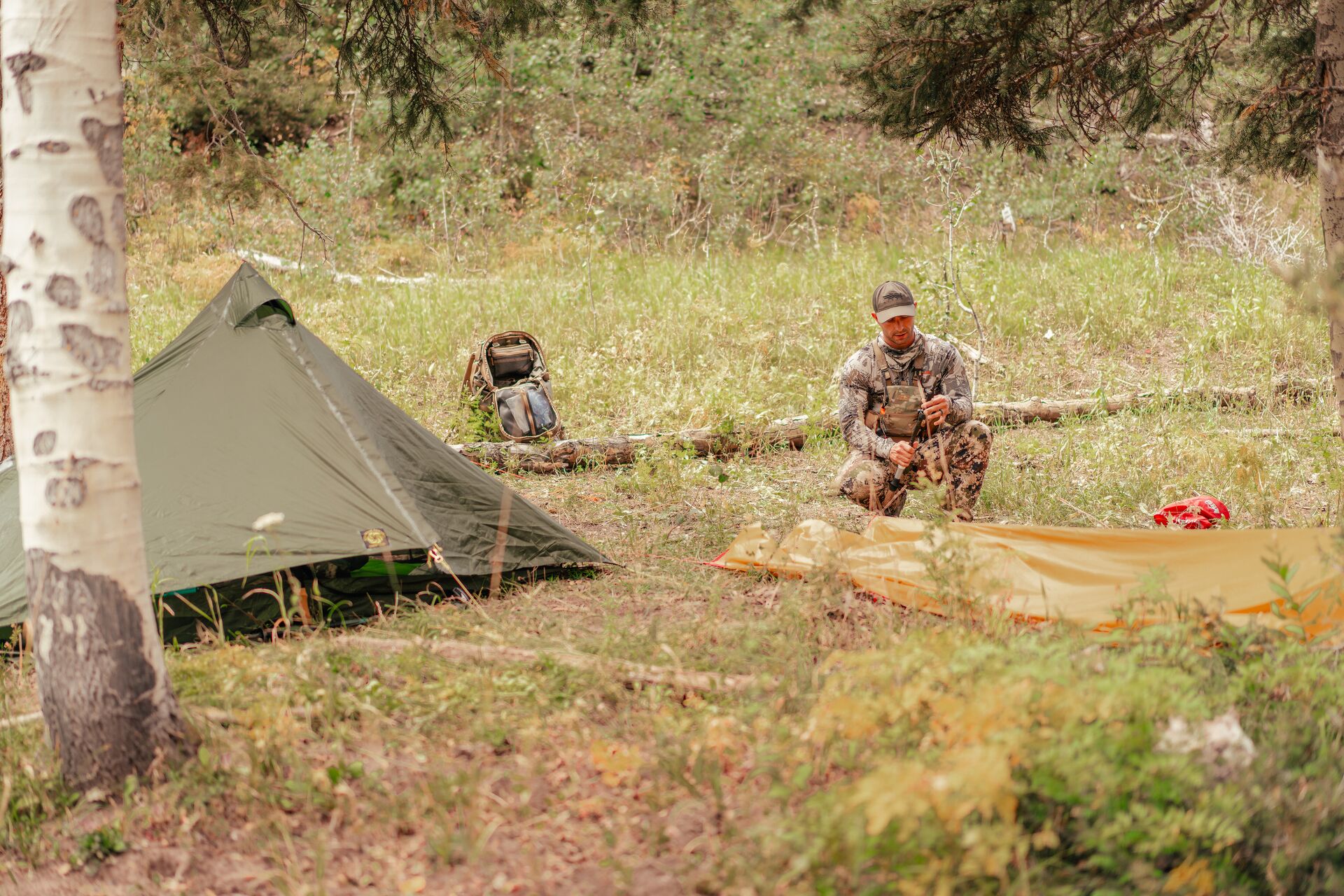
Know where you parked, where you entered the area (like a trailhead), where you set up camp, and some of the natural landmarks in the area. Even if you can’t get back to those areas, if you’re able to reach someone on a cell phone or radio, you can let them know this information so they can find you.
Know How to Start a Fire
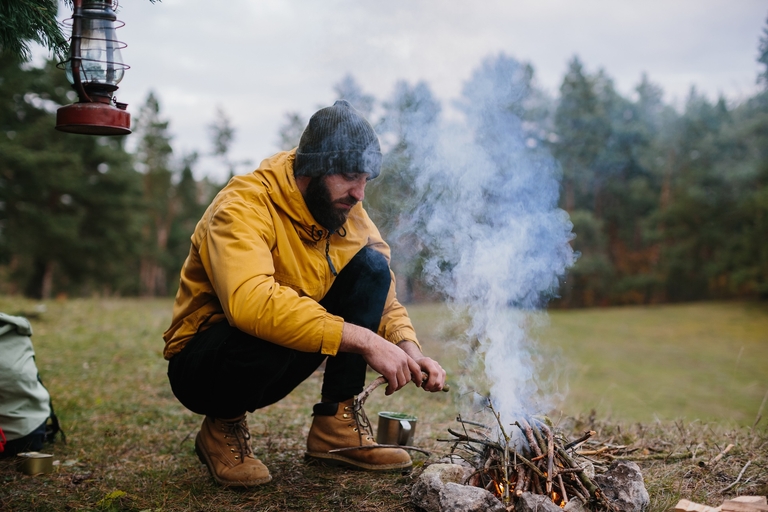
A fire can help you keep warm, cook the meat you harvest, and also signal your location to rescuers.
When packing your hunting gear, make sure you include multiple fire-starting methods in your pack, like a lighter, waterproof matches, and a Ferro rod.
Then, make sure you know how to start a fire using any of those tools or methods. Practice starting fires (in a safe place) before heading into the field to hunt.
Be Water Ready
Your gear pack should include a way to stay hydrated, whether it’s a hydration bladder of water in your pack, a water bottle (or two), a water purification system, or a combination of all of these, so you’re prepared. You never want to get caught in the woods without drinking water to stay hydrated.
Never drink water from a natural source (like a pond or stream) without using a water purification tablet, filters, or boiling it first.
Pack a Basic Survival Kit
You might be surprised at how a few basic items can help you get out of a jam in the woods or brush.
Make sure your gear kit includes some basic survival items, including:
A first-aid kit
Fire-starting tools
An emergency blanket
A signal mirror or whistle
High-energy snacks
A flashlight or headlamp
A sharp knife or multitool
Paracord or rope
Hopefully, you won’t need these items during most hunts, but it’s better to have them and be prepared in case something goes wrong.
Responding to Emergency Situations and First-Aid Tips
Again, knowing how to respond in an emergency or if something doesn’t go according to plan is part of being a safe and successful hunter. When you’re in the field, often in a remote area, with wild animals and weapons, there is an increased risk of something going wrong.
The first thing is to stay calm and assess the situation. Whether it’s an injury or you find yourself lost, don’t panic.
Then, take action (quickly). If someone is injured, apply first aid as needed. If it’s a serious injury, do the best you can with what you have, then start finding a way to get the person back to your truck or call for help.
You should also have a mirror or flashlight to signal for help as rescuers look for you.
What Should You Carry in a Hunting First Aid Kit?
Your kit should help you be prepared for small injuries (cuts or scrapes) and more significant issues (deep cuts or trauma from a bullet or arrow wound).
Basic supplies should include:
Hand sanitizer or alcohol wipes
Adhesive bandages (various sizes)
Gauze pads and medical tape
Antiseptic wipes or spray
Antibiotic ointment
Tweezers (for splinters or ticks)
Scissors
Blister treatment (moleskin or gel pads)
You should also carry some emergency (trauma) items, including:
We also recommend bringing your prescription meds (if needed) so you don’t miss a dose.
Get "The Ultimate Guide to Hunting Safety" from Hunter-Ed
We hope every hunt (including your first hunt) is successful! Meaning, we hope you bring back the wild gameyou’re after and return home safely.
We also hope the information we’ve shared here helps you get started. But, you can also go deeper (and carry crucial information with you) by downloading our free resource, The Ultimate Guide to Hunting Safety!
In it, we give you in-depth insights into hunting safety, so you’re prepared for your first (and every) hunt. It’s also something you can share with other new hunters, friends, and family.