An Overview of Hunting Regulations: What They Are and Why
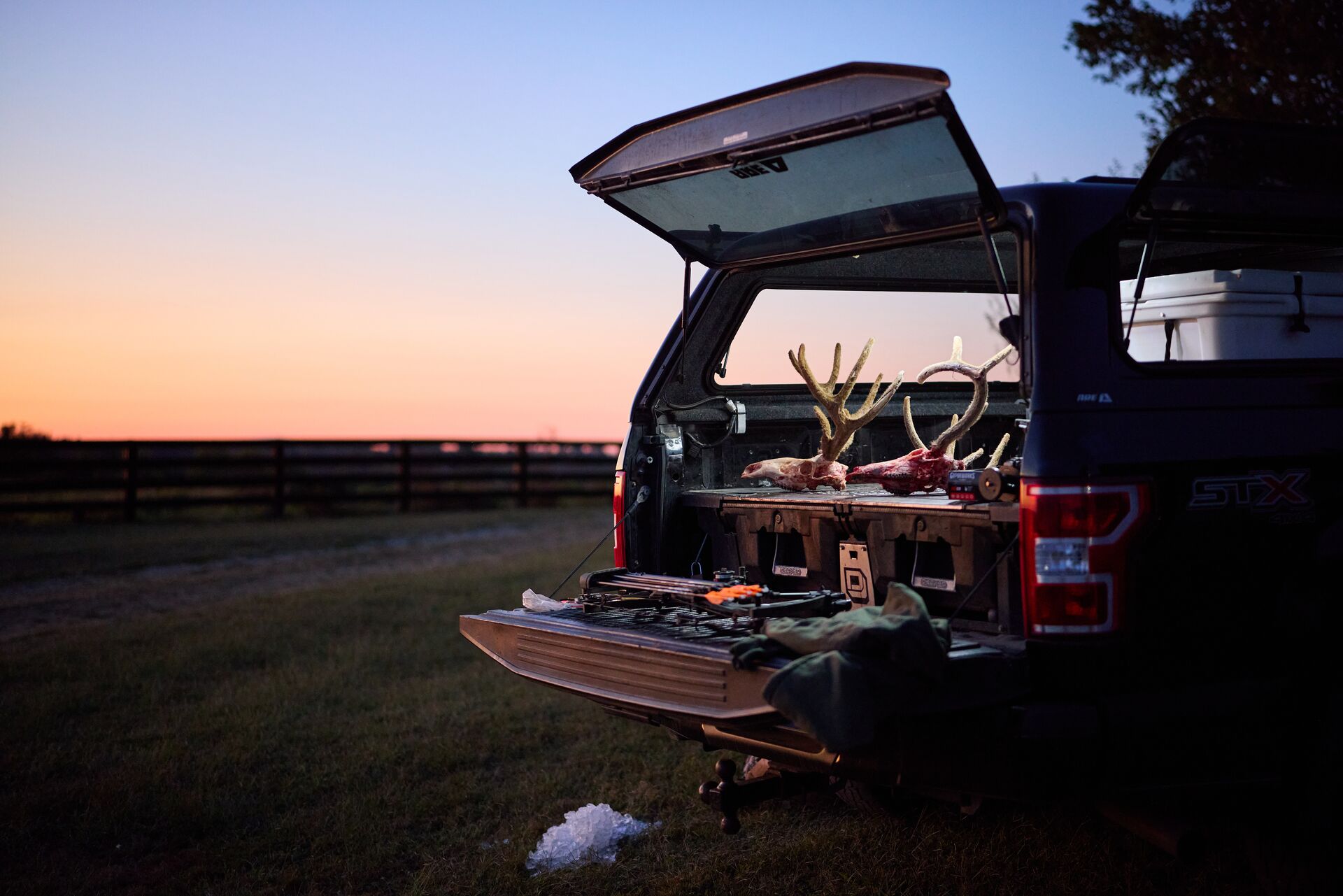
You probably already know that hunting regulations shape how most hunts unfold. They determine when we can hunt, what gear we can use, and how wildlife is protected.
What are the rules of hunting? How are they set, and why are they so important? By the end of this article, you'll understand how they support wildlife conservation, keep hunters safe, and help you prepare for your next trip.
What Is the Purpose of Hunting Regulations?
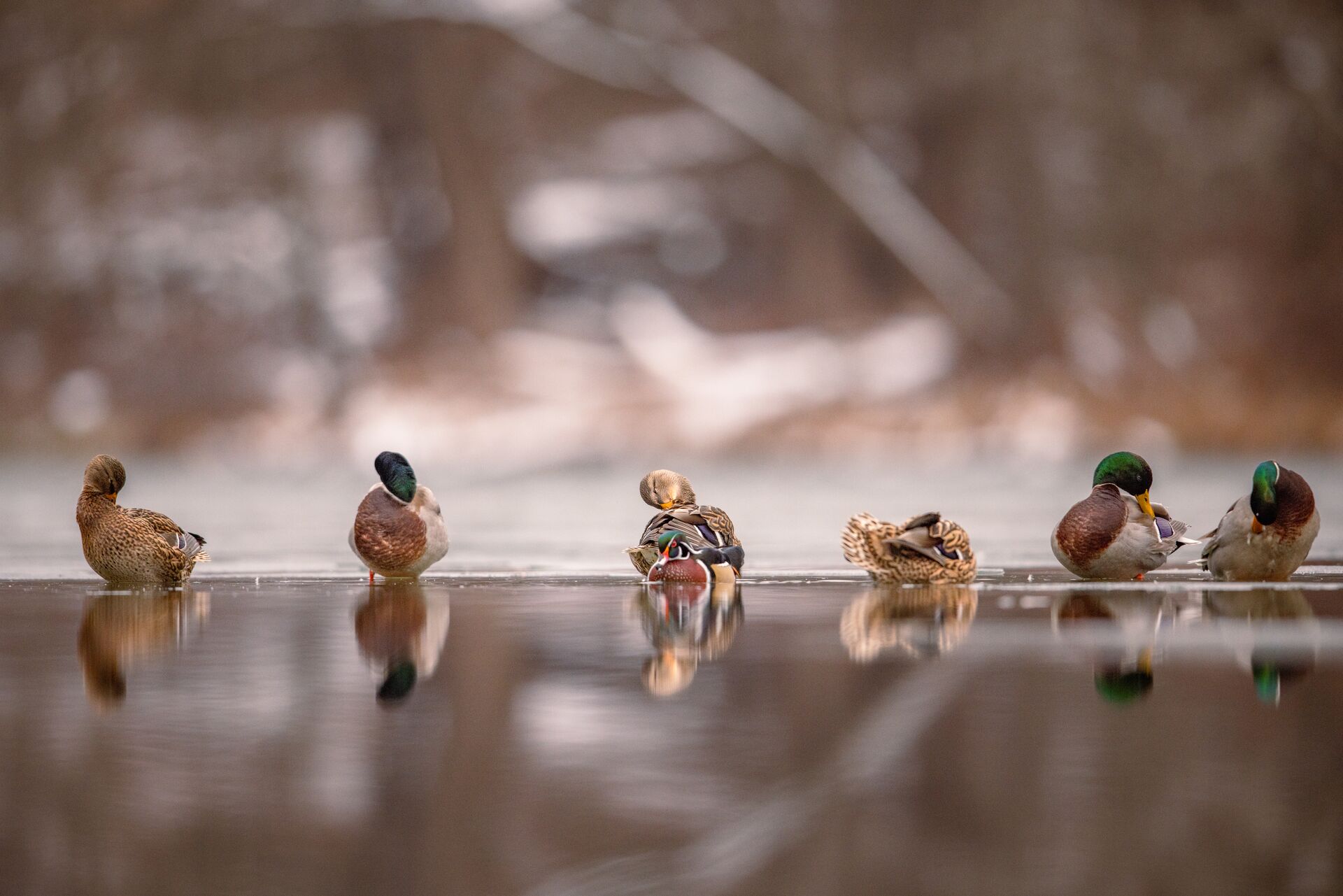
Hunting regulations serve as a roadmap for sustainable wildlife management. They ensure that species have enough time and habitat to reproduce, migrate, and thrive year after year. These rules also help maintain balance by preventing overharvesting, especially in areas where particular species are more vulnerable.
Regulations also encourage ethical behavior by setting clear expectations around fair chase, safe firearm handling, and respectful hunting practices. They also ensure that every hunter has fair access to wildlife resources, whether you're hunting public land or a small private lease.
Following hunting regulations also supports long-term conservation efforts. License sales and permits fund much of the country's wildlife management.
How Hunting Regulations Work
Rules and regulations rely on biological data, hunter input, and population management goals. Wildlife agencies set specific seasons to match breeding cycles and migration patterns, preventing harvest during critical times of the year. Bag limits and possession limits also keep harvest levels steady from one season to the next.
Agencies use hunting regulations to outline which methods are legal. For instance, some states allow rifles for particular species but restrict baiting or specific traps. Licenses, permits, and tags create accountability and generate essential funding.
Age requirements and hunter education rules reinforce safe, ethical behavior, and conservation officers take enforcement seriously. They patrol public lands, respond to complaints, and explain regulations to hunters in the field. Their work helps maintain order and protect wildlife resources for the future.

What Are State Hunting Regulations?
Every state manages wildlife differently, so regulations vary widely across the country.
Local wildlife populations, resident sentiment, habitat types, and conservation priorities all influence hunting rules. That means season dates, legal equipment, and licensing requirements in one state may look very different from those in the next.
Because these rules change every year, it's essential to review your state's official hunting guide before each season opens. Wildlife agencies publish annual handbooks with online updates so hunters can stay informed of changes or new restrictions.
What Are the Main Hunting Regulations?
Many states use the following types of regulations for hunters to follow. While the details will vary, the primary regulations are typically consistent across states.
These main hunting regulations include:
- Licensing requirements include permits, tags, and hunter education.
- Species-specific rules define which species are protected and which are game animals.
- Seasonal restrictions outline when hunting is legal.
- Bag and possession limits help maintain sustainable harvest levels.
- Legal hunting methods clarify weapon types, calibers, ammunition, and baiting restrictions.
- Location restrictions set rules for private, state, and federal lands.
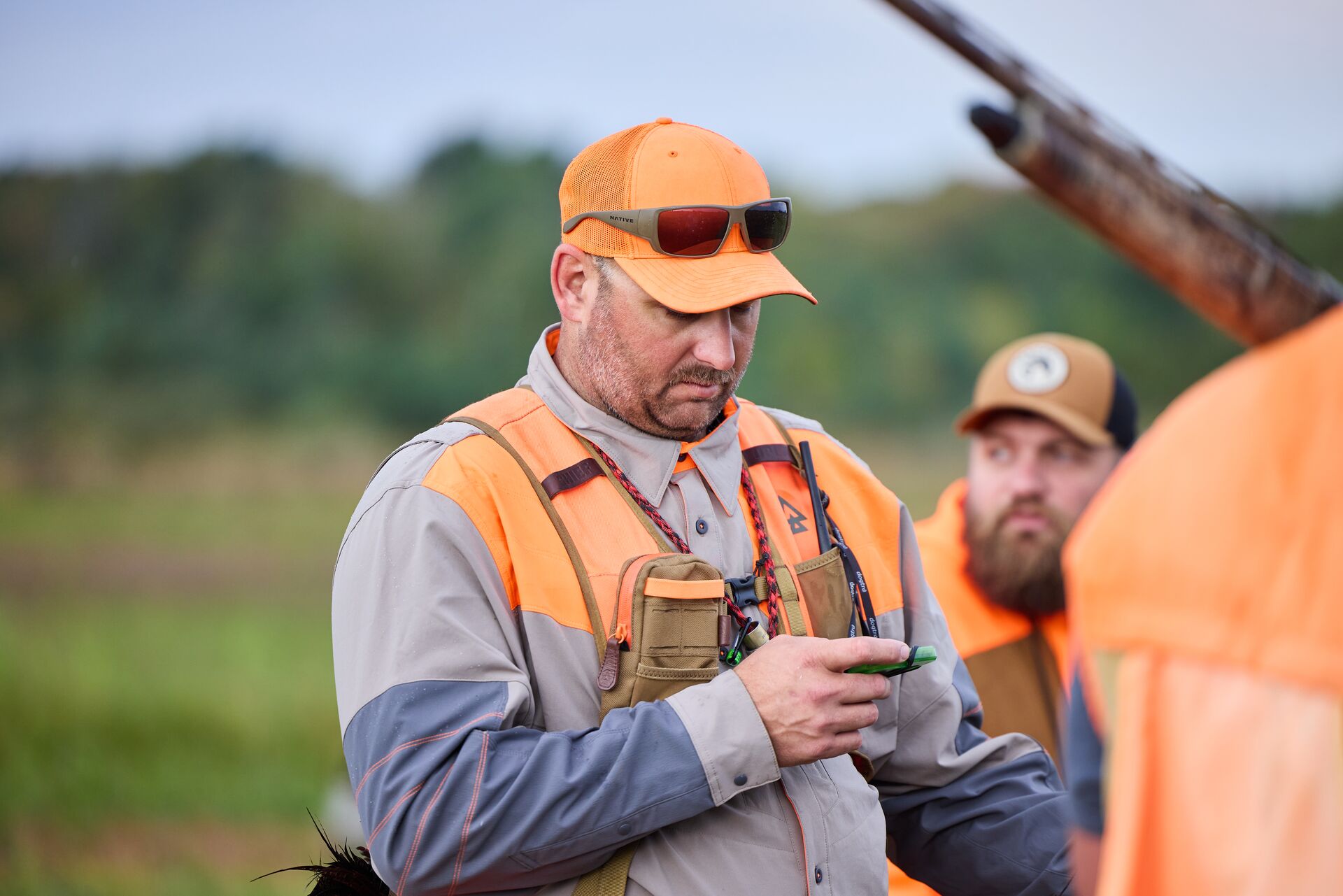
- Safety regulations may include blaze orange requirements and restricted shooting hours.
These hunting rules may feel like a burden at times, but they help keep hunting ethical, safe, and sustainable. They exist to help ensure the land can support robust wildlife populations and that we all have a safe hunt.
Why Are Hunting Laws So Important?
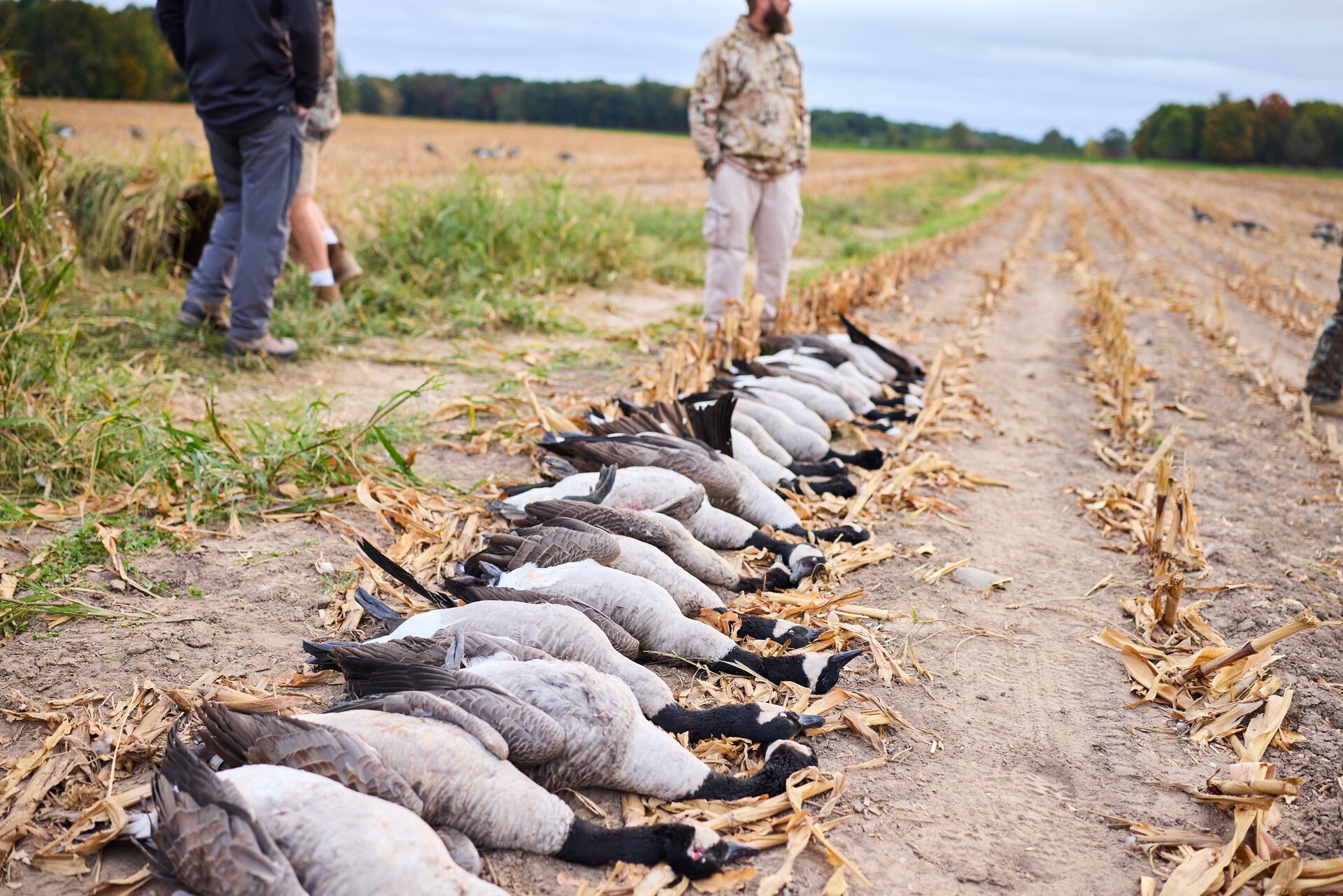
Hunting laws are essential for maintaining wildlife populations and balancing ecosystems. Without them, some species would quickly become overharvested, putting long-term conservation at risk.
These laws also create structure and fairness by ensuring that all hunters have equal access to game animals and safe hunting areas.
Rules related to shooting hours, target identification, and the proper use of safety gear help reduce accidents in the field. And because license and tag sales fund habitat restoration and research, following these laws directly contributes to healthier wildlife across the country.
Why Are Hunting Regulations Passed?
Public trust in hunting depends on this regulatory framework. When hunters follow the laws, they demonstrate to others that hunters are responsible and that hunting is a sustainable tradition worth preserving.
How Can I Learn About the Hunting Regulations I Need to Follow?
If you're wondering "why are hunting regulations passed?" and which ones apply to you, here are several ways to learn more about the rules in your area.
State Wildlife Agency Website
Printed Hunting Regulations Booklet
Most sporting goods stores, license vendors, and county offices provide printed booklets. They're helpful to keep in your pack when cell service is unreliable.
Hunter Education Courses
Many states require hunter safety courses for new hunters, like the state-specific ones we offer here at Hunter-Ed. These courses teach firearm safety, ethics, species identification, and the regulations you'll need to follow in your state.
Mobile Apps and Online Tools
Some states offer official mobile apps featuring maps, real-time updates, electronic tagging, and season reminders. Hunting apps are handy when you're already in the woods.
Local Game Wardens or Conservation Officers
Contact local officers with questions. They can help you interpret rules, explain local restrictions, and give guidance when a regulation seems unclear.
Hunting Organizations and Clubs
Turkey, waterfowl, deer conservation organizations, and similar groups often share rule updates and host workshops where you can learn about changing regulations. Find a local hunting club where you can learn more about hunting in your area and find mentors or buddies to help you improve your skills and enjoy the outdoors.
Federal Agencies (If Applicable)
If you're hunting migratory birds or using federal lands, check U.S. Fish & Wildlife Service rules. Abide by these guidelines in addition to state regulations.
Hunter Education Helps You Learn Hunting Rules
Understanding hunting regulations is the most essential part of being a responsible hunter. These rules protect wildlife, promote safety, and ensure that we all continue to enjoy quality hunting opportunities.
By staying informed and prepared each season, you'll hunt more confidently and contribute to the long-term health of our wildlife resources.
Whether you are a new hunter or a seasoned pro, an online safety course from Hunter-Ed helps you brush up on your local regulations before you hunt. Plus, most states require hunters to carry a hunter education certification. So, if you've never taken a course before, we're here to help!

Frequently Asked Questions (FAQs)
We have answers to common questions about hunting regulations!
Q: What are the main hunting regulations?
A: Hunting regulations typically cover who can hunt (licenses/permits), what can be hunted (species, seasons, limits), where hunting is allowed, and how it can be done (approved methods and equipment).
Q: Why are hunting laws so important?
A: Hunting laws protect wildlife populations, ensure public safety, and promote fair, ethical hunting so resources remain available for future generations.
Q: What is the purpose of hunting regulations?
A: The purpose of hunting regulations is to manage wildlife sustainably, prevent overharvesting, protect habitats, and balance conservation with recreational and subsistence hunting.
Q: Why are hunting laws and regulations initially enacted?
A: Hunting laws were created to respond to declining wildlife populations, habitat loss, safety concerns, and the need for coordinated wildlife management.