Hunter Education for Kids: A Parent's Complete Guide (Ages, Prep, & Tips)
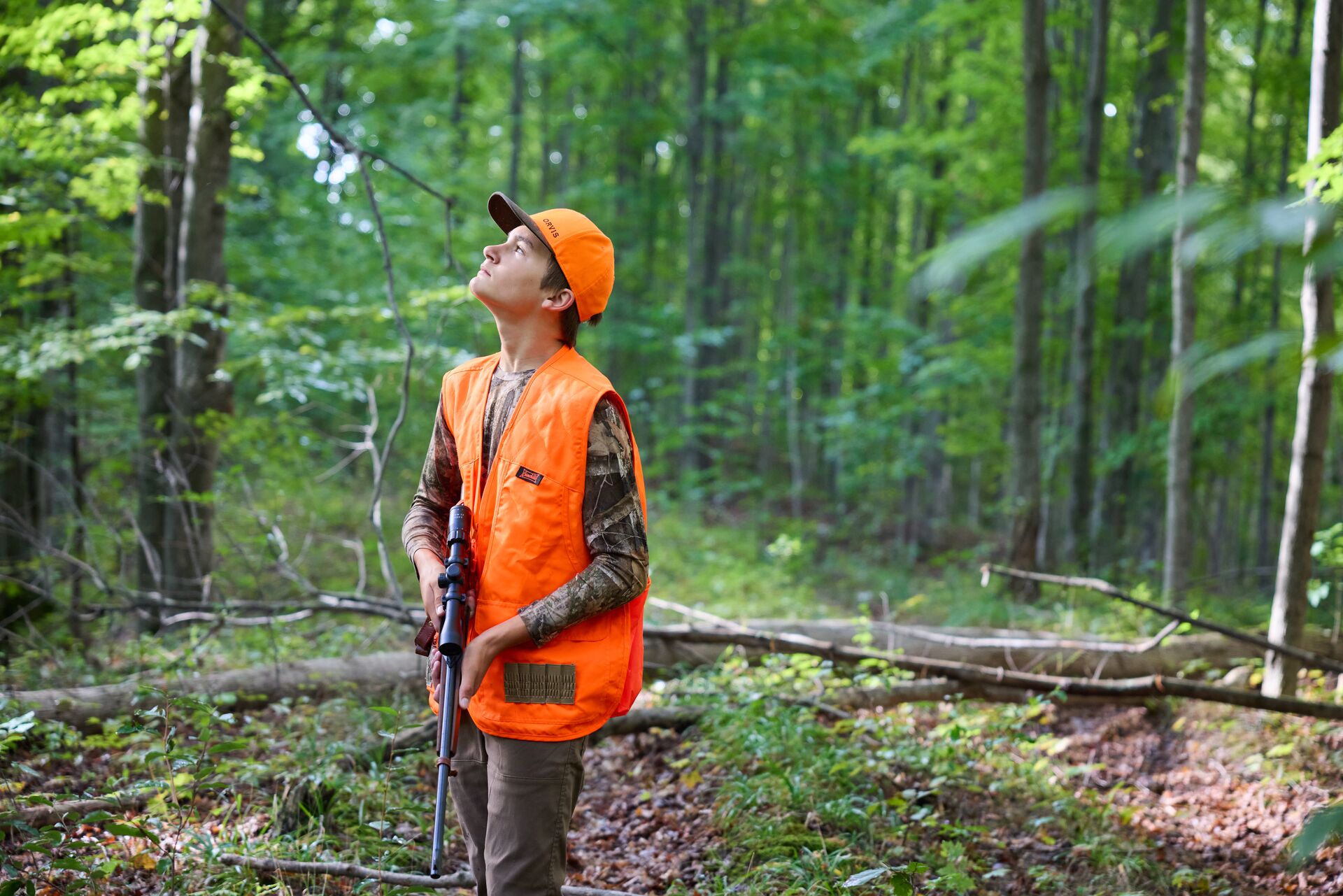
There's no universal minimum age regarding hunter education for kids. Some states have no minimum age, while others set their course or certification ages between 9 and 12. Many states also require younger hunters to remain with a qualified adult, even after certification, although the age cutoff varies.
Hunter-Ed offers state-approved online courses in participating states, and parents can work through the material alongside their children. However, readiness depends on focus, reading comprehension, and the ability to handle hunting equipment safely—not just age.
Many states also require minors to finish their field day after the online course. Here's how to check the requirements for kids, determine whether your child is ready, and prepare for each step.
How Old Does My Child Need to Be for Hunter Education?
Hunter safety age requirements are state-specific. Some states let children start at any age, while others establish minimum ages for taking the online certificate or hunting independently.
Those aren't always the same thing. A child may be old enough to complete hunter education but still need adult supervision in the field. In other states, certification may allow a young hunter to hunt independently once they reach a specified age.
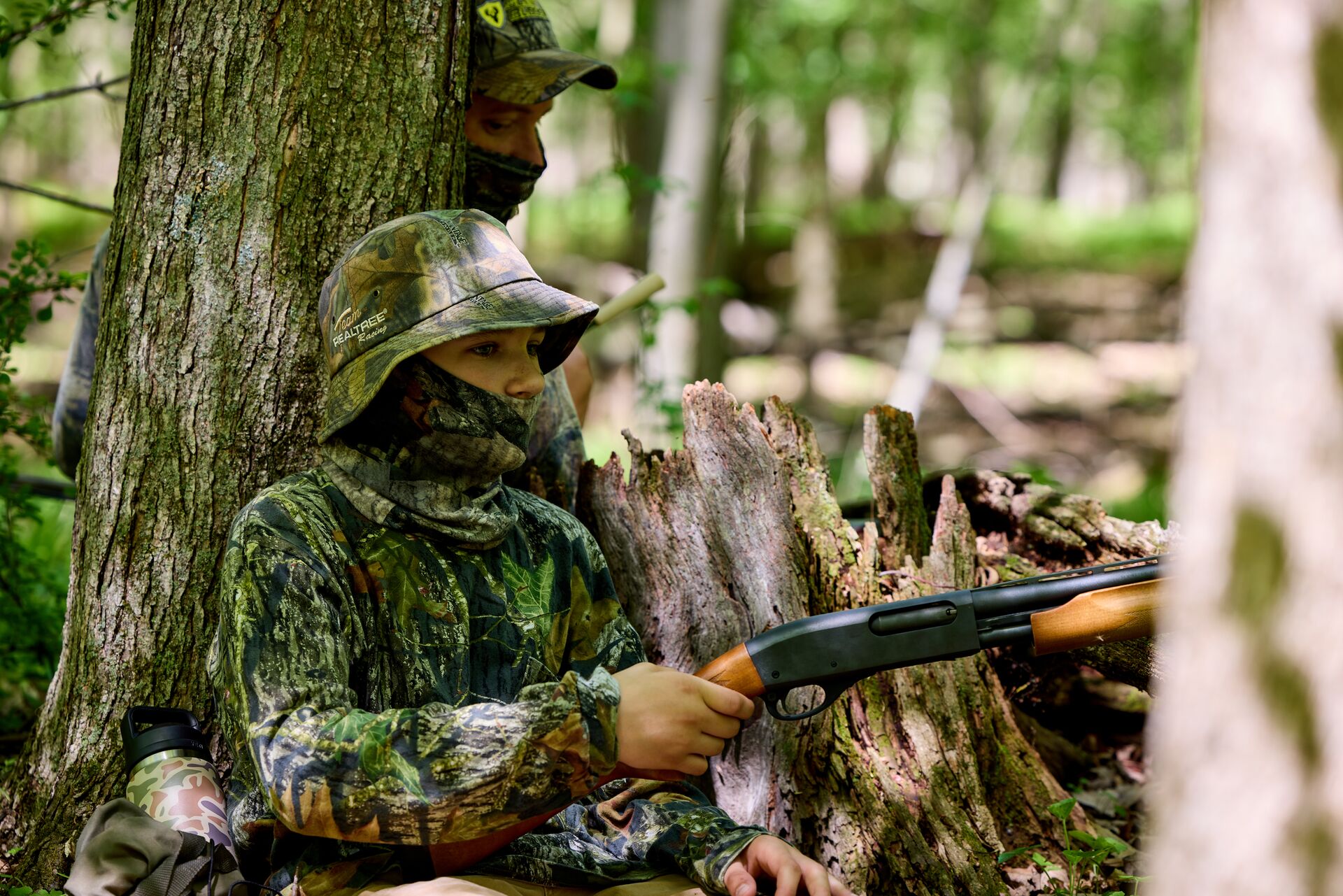
Many states require young hunters to stay within eyesight, hearing, or immediate control of a qualified adult. The exact rules depend on the child's age, certification, license type, hunt, and property involved. Before enrolling, check your state wildlife agency's current rules and the requirements listed on your state's Hunter-Ed course page.
Youth Hunter Education: What Parents Should Know | |
| Question | General Answer |
Minimum age to take the course | Varies by state (some have none, most range 9–12) |
Supervision after certification | Usually required for hunters under 16 |
Can parents take the course alongside their child | Yes, in most states |
Is a field day required for minors | Yes, in most states, in addition to the online course |
Where to confirm exact state rules | State wildlife agency or hunter-ed.com |
Although the details vary, the process generally includes coursework, any required field day or skills session, and certification.
How Do I Know If My Child Is Ready for Hunter Education?
Age doesn't tell you whether a child is ready for the responsibility that comes with hunting. Consider whether your child can remain focused, understand written instructions, and complete several steps without constant reminders. Online modules often involve independent reading, videos, quizzes, and safety scenarios.
Physical and emotional readiness are the biggest parts. A young hunter needs to safely control the firearm or bow they'll use. They should also understand that hunting involves conservation, responsibility, and harvesting an animal, not just shooting things.
Signs Your Child Is Ready for Hunter Education
Here's a rough guide to gauge the child's readiness for online coursework.
- They can focus for 20–30 minutes. Your child can complete a short lesson without repeatedly leaving the activity or losing track of the material.
- They read near their current grade level. Much of the online coursework requires students to read and understand instructions independently.
- They can follow several directions in order. Hunter education involves multi-step procedures that must be completed correctly and consistently.
- They're interested in wildlife and conservation. Readiness usually includes curiosity about animals, habitat, hunting ethics, and responsible wildlife management.
- They can control their equipment. Your child should be able to support the weight of the firearm or bow they're expected to handle without losing muzzle or directional control.
- They behave safely in other activities. Responsible habits around bicycles, tools, sporting equipment, and outdoor activities can indicate whether a child is ready for greater responsibility.
If you want extra prep, consider visiting a supervised range or youth shooting program. A quick, low-pressure session with a range officer can reveal a readiness gap.
What Does Hunter Education For Kids Actually Cover?
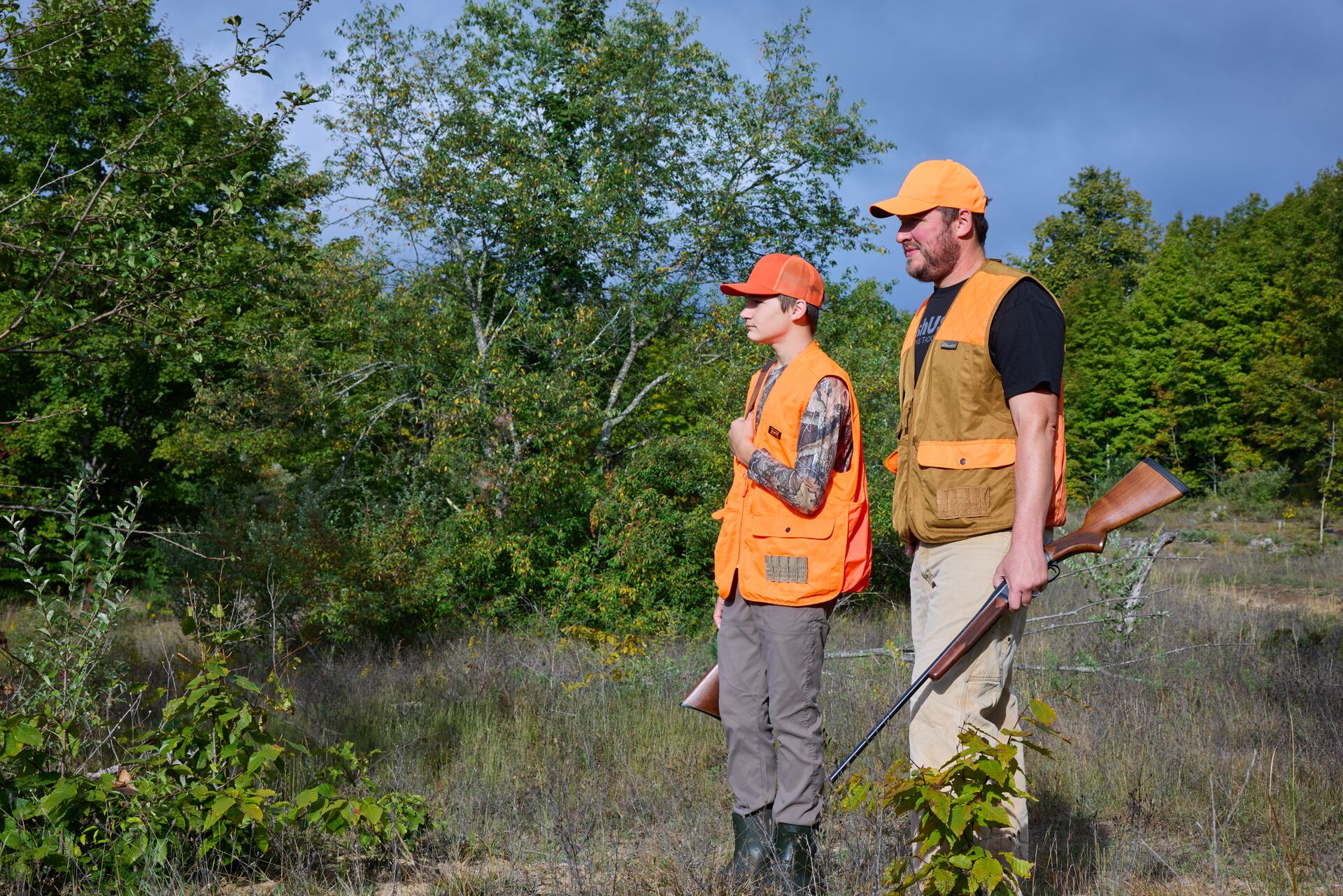
Hunter education teaches a lot more than firearm usage. It gives young hunters a foundation for making safe, responsible decisions at home, at the range, and in the field.
Course subjects generally include:
- The basic rules of firearm safety
- Safe firearm handling and transportation
- Hunting laws and regulations
- Wildlife identification
- Conservation and wildlife management
- Ethical shooting
- Outdoor survival and preparedness
- Hunting responsibility and landowner relations
The material is commonly divided into shorter modules, making it easier for younger students to focus on one subject at a time. Your child may complete several modules in one session or spread the course across multiple days.
Parents can sit alongside their children, discuss the lessons, and help explain unfamiliar terms. However, the child should personally complete required quizzes, exams, and skills evaluations.
Working through the hunter safety course together also gives you opportunities to connect the lessons to situations your family may encounter while hunting.
How to Prepare Your Child for Hunter Education
Preparation begins before the first online module and continues through any required skills session and the first hunt.
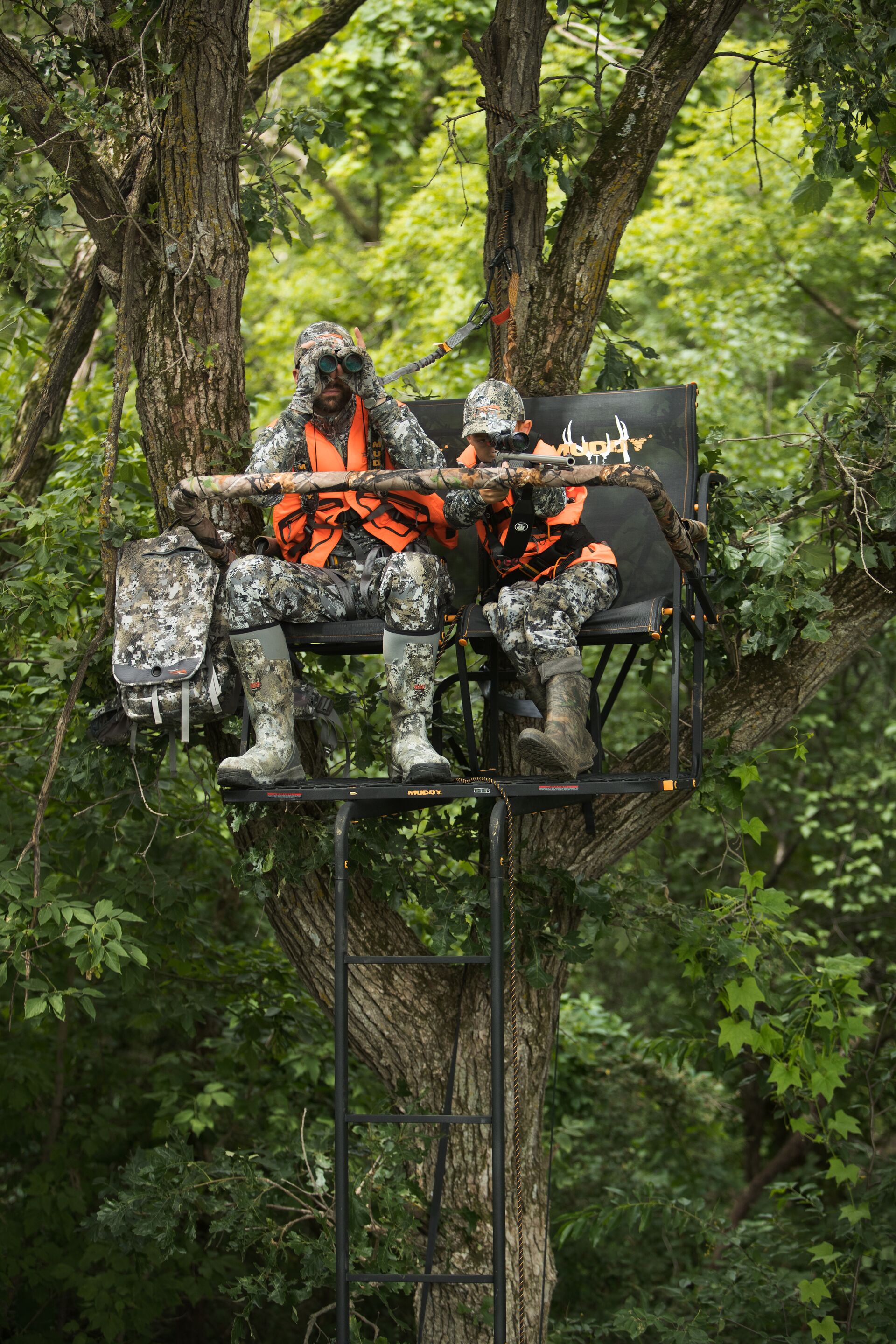
Use the following steps as a suggested sequence:
- Check your state's age and course requirements. Confirm the minimum age, supervision rules, online eligibility, and whether your child must attend a field day.
- Create a Hunter-Ed account for your child. Decide whether your child will study independently or complete the modules with you nearby. Remember not to set up the account in your own name (it must be in your child's name).
- Work through the online lessons at a comfortable pace. Review firearm safety rules and be available to explain as needed.
- Introduce firearm handling in a controlled environment. Consider a supervised range visit or instruction from a qualified adult before field day.
- Use practice quizzes to build confidence. Review missed questions to help your child actually understand the material, not just memorize it.
- Register for any required field day or skills session. Some events fill quickly before hunting season, so reserve a place early.
- Plan a low-pressure first hunt. Mentor kids with hunts that emphasize safety, observation, and time together rather than harvesting an animal.
Younger students may need breaks or additional review. Let your child's readiness determine their pace.

What Happens at a Field Day, and How Should My Child Prepare?
A hunter education field day is an instructor-supervised session that evaluates practical safety skills after online coursework. Many states require one for minors, but the requirement, length, and format depend on the student's age and state.
A field day may include firearm-handling demonstrations, simulated shooting, live fire, written testing, and a practical skills evaluation. Some sessions take a few hours, while others last most of the day. A state may also authorize an alternative format for certain students.
Children often feel nervous. Familiarity with basic safety procedures and range commands can make the experience less intimidating.
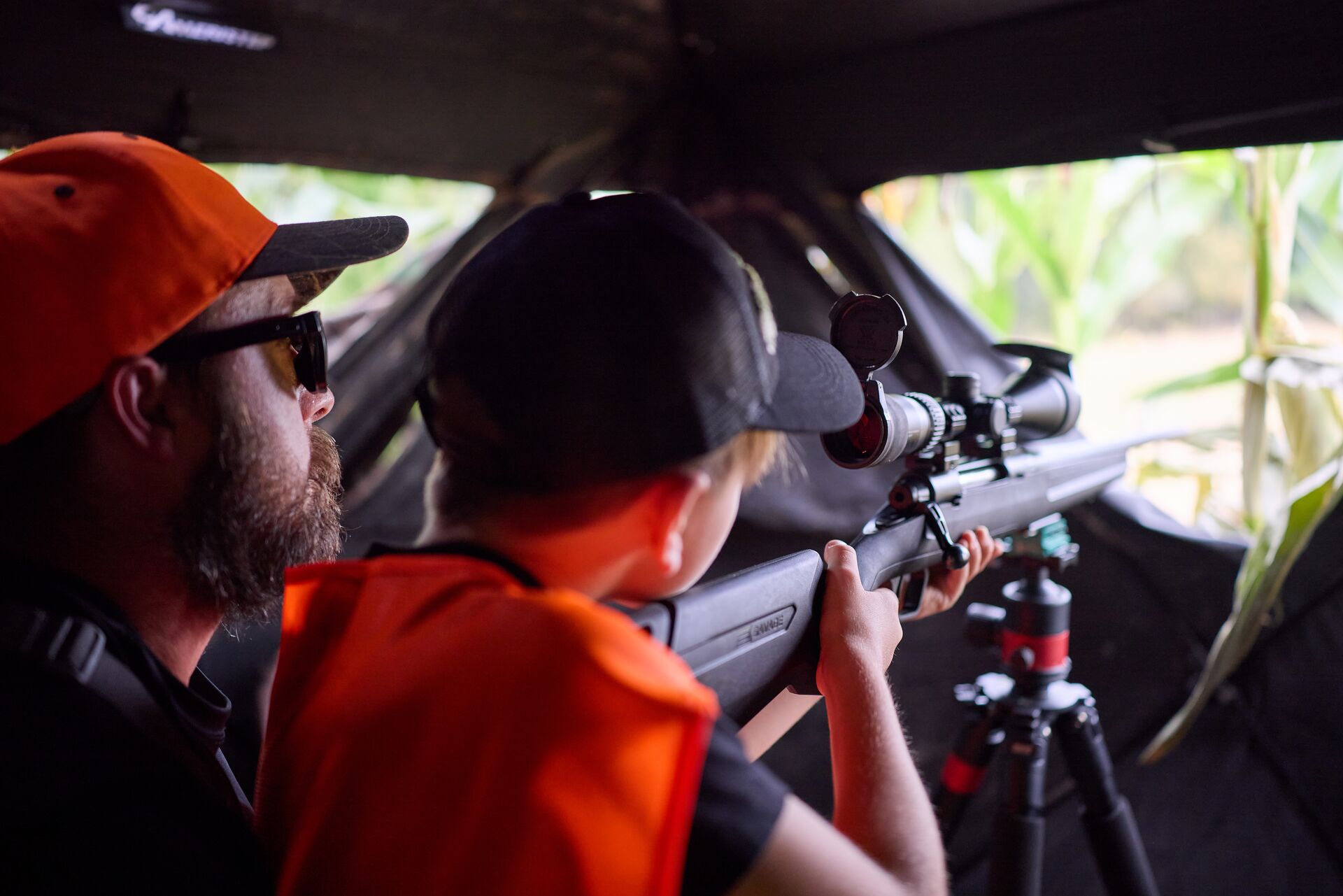
Preparing Your Child for a Live-Fire Field Day Station
There are six things you can do to help your child be ready for field day.
- Practice safe handling under direct adult supervision. Use a verifiably unloaded firearm or inert ammo in a controlled setting, with live ammunition secured separately.
- Review stance, grip, and sight alignment. Your child should know the basics before receiving instructions at the firing line.
- Repeat the firearm safety rules out loud. The goal is for safe behavior to become automatic.
- Practice following common commands. Review instructions such as "muzzle downrange," "action open," "finger off the trigger," and "cease fire."
- Bring properly fitting protective equipment. Child-sized eye and ear protection will usually be more comfortable and effective than oversized adult equipment.
- Explain what the instructors expect. Let your child know that instructors aren't there to intimidate. They love to help teach, correct mistakes, and confirm safe behavior.
Field day instructors always work with nervous first-time students. Your child doesn't need to arrive as an experienced shooter. The only goal is to demonstrate controlled behavior and a willingness to follow instructions.
What Changes After Certification (and What Doesn't)
Hunter education certification is generally permanent, but earning it doesn't automatically allow a young hunter to hunt alone.
State supervision requirements can still apply based on the hunter's age, license, location, or type of hunt. Confirm the rules before every trip, especially when hunting in another state.
Apprentice and mentored hunting programs are offered where available. These programs let new hunters get experience under direct supervision before registering for hunter education. Eligibility, license limits, and supervision requirements vary by state.
Certification doesn't replace continued mentoring. Parents and experienced adults still play an important role in reinforcing safe handling, ethical decisions, shot selection, and respect for wildlife.
Keep the first hunt simple. Choose familiar property, comfortable weather, and a setup that doesn't require a long walk or complicated equipment. Treat it as a practice session where they may see an animal, not a test to pass.
Like almost all hunts, a first hunt almost always means observing wildlife, practicing muzzle control, and going home without taking a shot. Remember that pressure can turn kids off hunting, so keep things positive when kids start hunting.
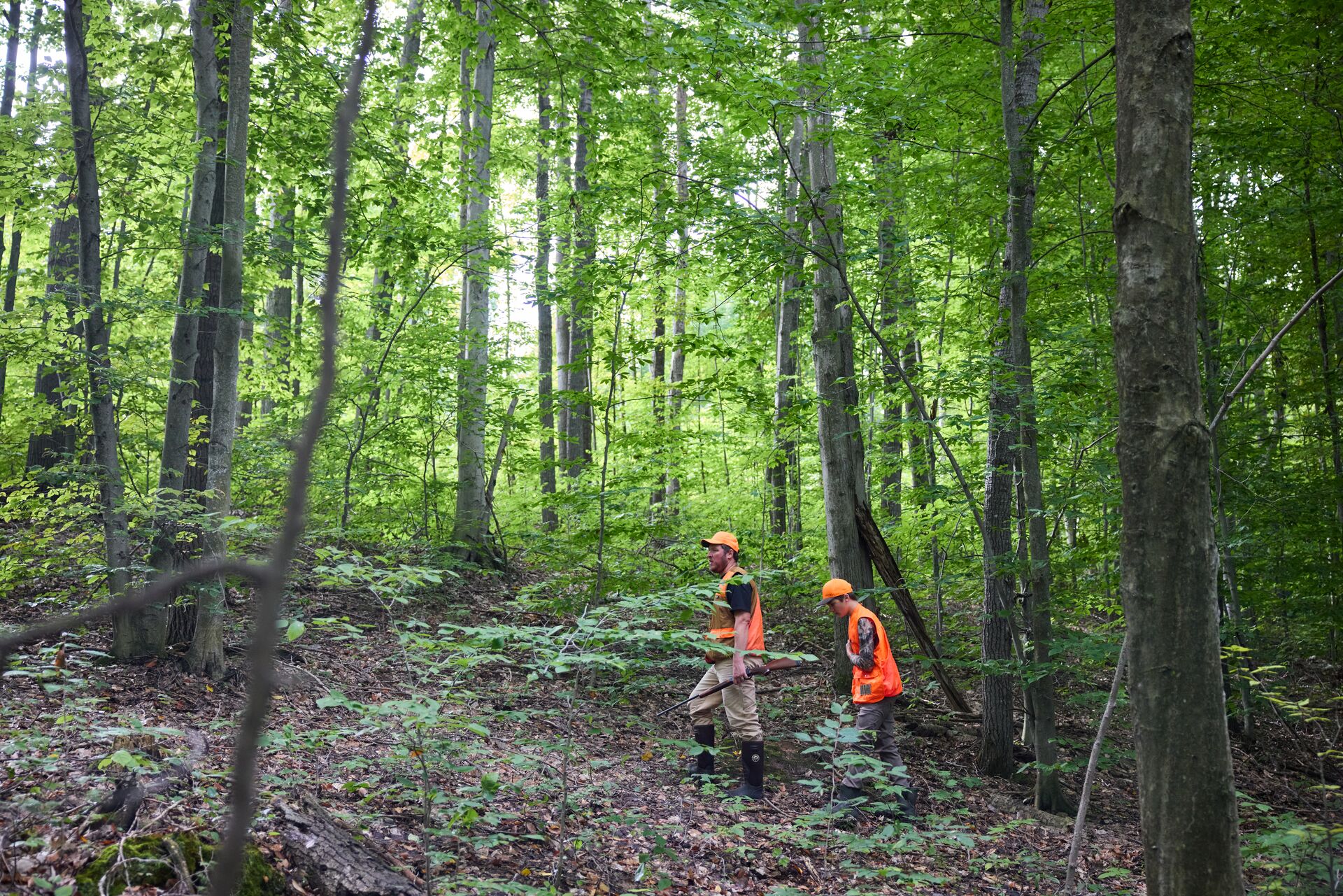
Start Your Child's Hunter Education Journey Today
Your child's age will determine when they can begin hunter education for kids, but readiness and preparation determine how much they'll get from the experience.
You need to be part of the process by reviewing lessons, practicing safety rules, preparing for any required field day, and continuing to mentor your child after certification.
Start by checking your state's current hunter safety age requirements. Then, if your child is eligible and ready, begin your state's Hunter-Ed course together so they'll learn the skills needed for a safe first hunt.

Frequently Asked Questions (FAQs)
Q: What age can kids take hunter education?
A: There isn't a universal minimum age for hunter education. Some states allow children of any age to take the course, while others set a minimum age, often between 9 and 12. Certification and independent-hunting requirements may also differ. Check your state wildlife agency's rules before enrolling your child.
Q: How do I know if my child is ready for hunter education?
A: Consider your child's ability to focus, understand written instructions, follow safety procedures, and handle the firearm or bow they'll use. They should also understand that hunting involves responsibility, wildlife conservation, and ethical decisions. Age alone isn't a reliable measure of readiness.
Q: Can parents take the online course with their child?
A: Yes. Parents can sit with their children, review lessons, explain unfamiliar concepts, and discuss safety scenarios. However, children should complete their own quizzes, exams, and required skills evaluations. Working through the material together can also help parents identify areas where their child needs more practice.
Q: Do kids have to attend a field day after the online course?
A: It depends on the state's hunter education requirements and the child's age. Some states require minors to attend an in-person field day or skills session after completing the online coursework. Others offer fully online certification or different options based on age. Check your state's wildlife agency website to confirm whether your child needs an additional evaluation.
Q: What should I do to prepare my child for the field day?
A: Help your child review firearm safety rules, range commands, and basic handling procedures before attending. If live-fire exercises are required, consider arranging supervised practice with a qualified instructor. Make sure your child has properly fitting eye and ear protection, understands instructor expectations, and knows to follow directions carefully. Check the field day's instructions for any required equipment or paperwork.
Q: Can my child hunt before completing hunter education?
A: Some states allow children to hunt before completing hunter education through apprentice, mentored, or temporary hunter programs. These options generally require the child to hunt under the direct supervision of a qualified adult and may limit the number of seasons or types of hunting they can participate in. Eligibility and age requirements vary by state. Check with your state wildlife agency before taking your child hunting.
Q: What is an apprentice or mentored youth hunting program?
A: An apprentice or mentored youth hunting program allows new hunters to gain supervised field experience before completing a traditional hunter education course. A participating child typically receives a special license, permit, or authorization and must hunt alongside a qualified adult mentor.