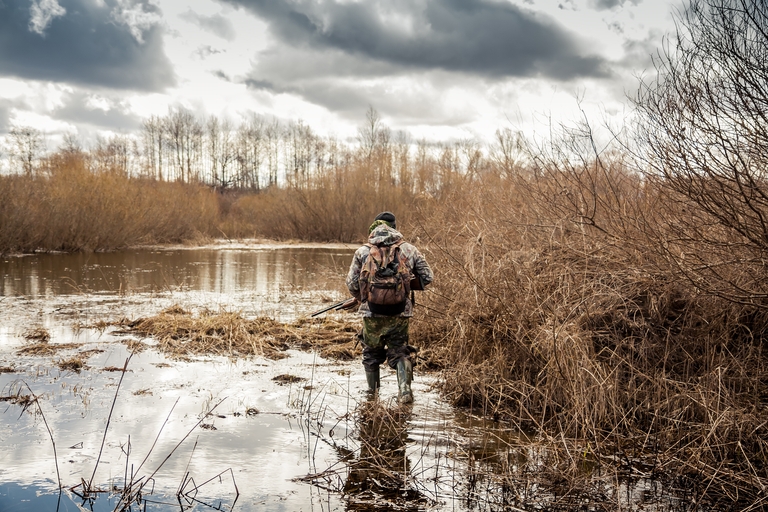
Learning how to get into hunting is exciting and rewarding, but it can also be a bit intimidating to know what to do next after you pass your hunter education exam and have your safety certification.
If you’re ramping up for your first hunt or you’re just kicking the tires of the idea of hunting, we’re here to help you learn some fundamentals for safer and successful hunts!
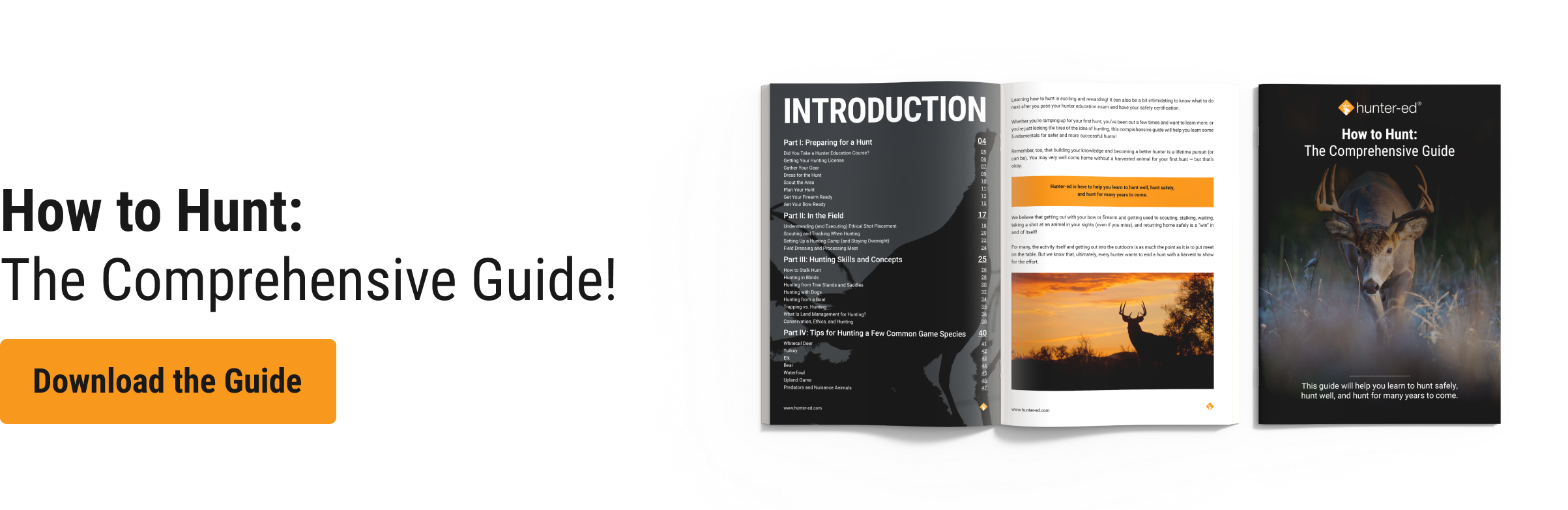
So, keep reading to get ready for your first hunt! You’ll also want to read to the end to get a free copy of our free resource “How to Hunt: The Comprehensive Guide.”
Part I: Preparing for a Hunt
You may be so excited to go hunting for the first time that you’ve already got your shotgun by the door and your camo clothes laid out on the bed.
While those are crucial items, there’s a lot more that goes into making sure you’re ready for a hunt.
Did You Take a Hunter Education Course?
Let’s start with the most important thing: hunter education
Most states require hunters to carry a hunter education certification before they can get a hunting license or head out for a hunt.
Through these courses, state agencies help promote safe and ethical practices for hunting, ensuring that everyone who hunts understands the same safety essentials and rules.
Most states offer an online course (like Hunter-Ed) to meet the requirements. However, some states also require an in-person “field day” to complete the certification. Be sure to confirm the requirements with your state wildlife agency. You can typically find those details on their website.
Next, after you take the course and pass the final exam, you’ll get a certification card. Carry it with you when you hunt. You never know when a wildlife agency officer will ask you for it while in the field.
How to Get a Hunting License
With your hunter education certification in hand, you’re ready to get your hunting license!
Most states require specific licenses for specific game and seasons, so be sure to read the rules carefully to get the right license for your hunt. You may also have license options for:
Resident vs. Non-resident
Youth
Apprentice
Military or veteran
Seniors
Permits, Stamps, and Tags
For some species, you may also need additional permits or stamps for waterfowl, big game, or other game animals. If your state requires these, you’ll also need to carry them with your hunting license when you hunt.
Tags are another state-required item, depending on the game you hunt. For example, deer usually need to be “tagged” after a hunt to comply with harvest reporting.
When tags are required, you’ll receive the number of tags based on the number of animals you can legally take during the season. When you use all your tags, you’ve “tagged out!”
Gathering Your Gear
What gear do you need for a safe and successful hunt?
First, double-check that the firearm or bow you use meets your state’s regulations for legal hunting methods of take. You’ll also need to make sure it is the right weapon for the season.
For example, if it's deer archery season, you can’t hunt with a firearm. Wait for firearm season.
You’ll also want to bring:
The right ammunition or arrows
GPS (or a hunting app like HuntWise) and a compass
A first-aid kit
Headlamp or flashlight
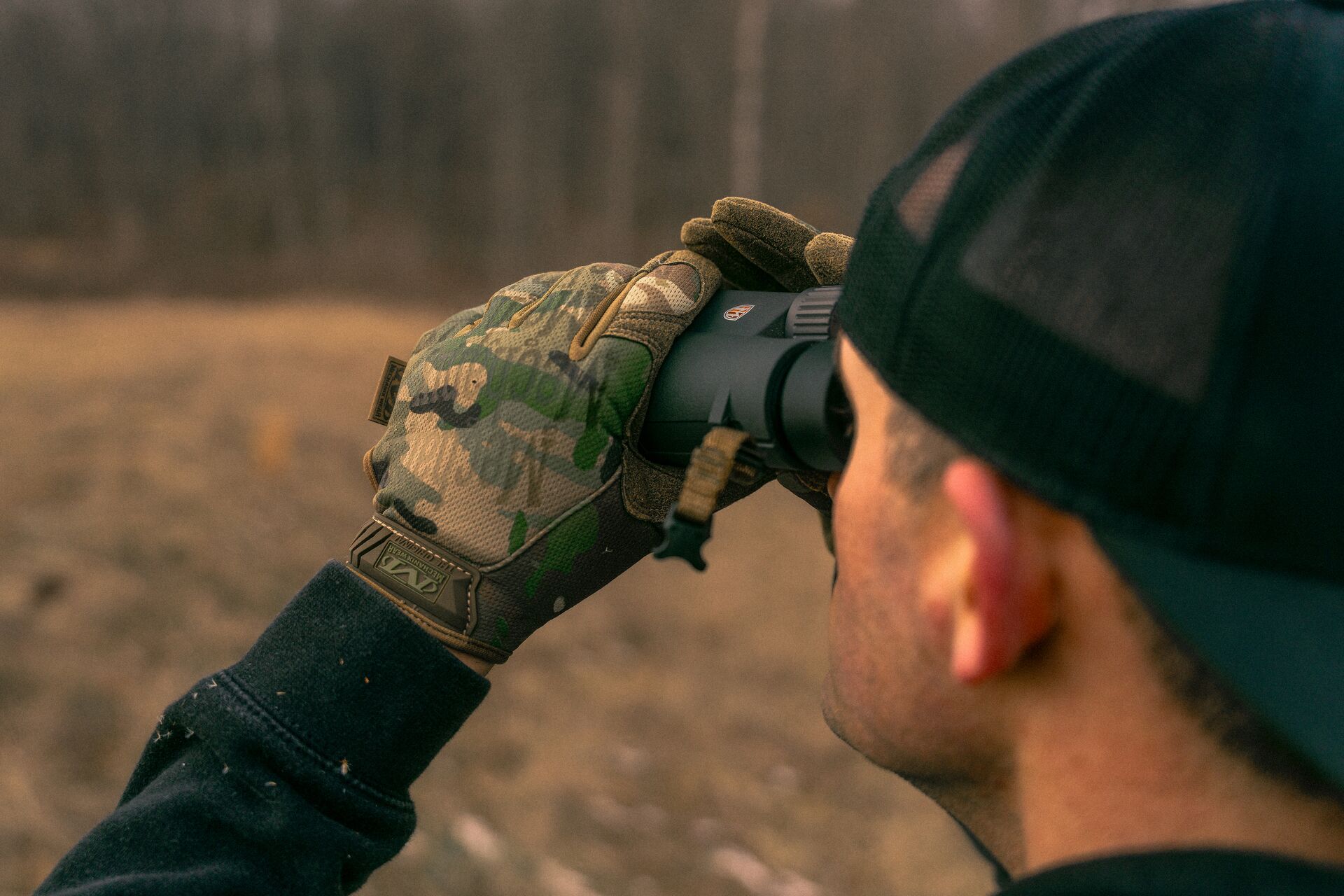
Binoculars or a rangefinder (or both)
Water and snacks
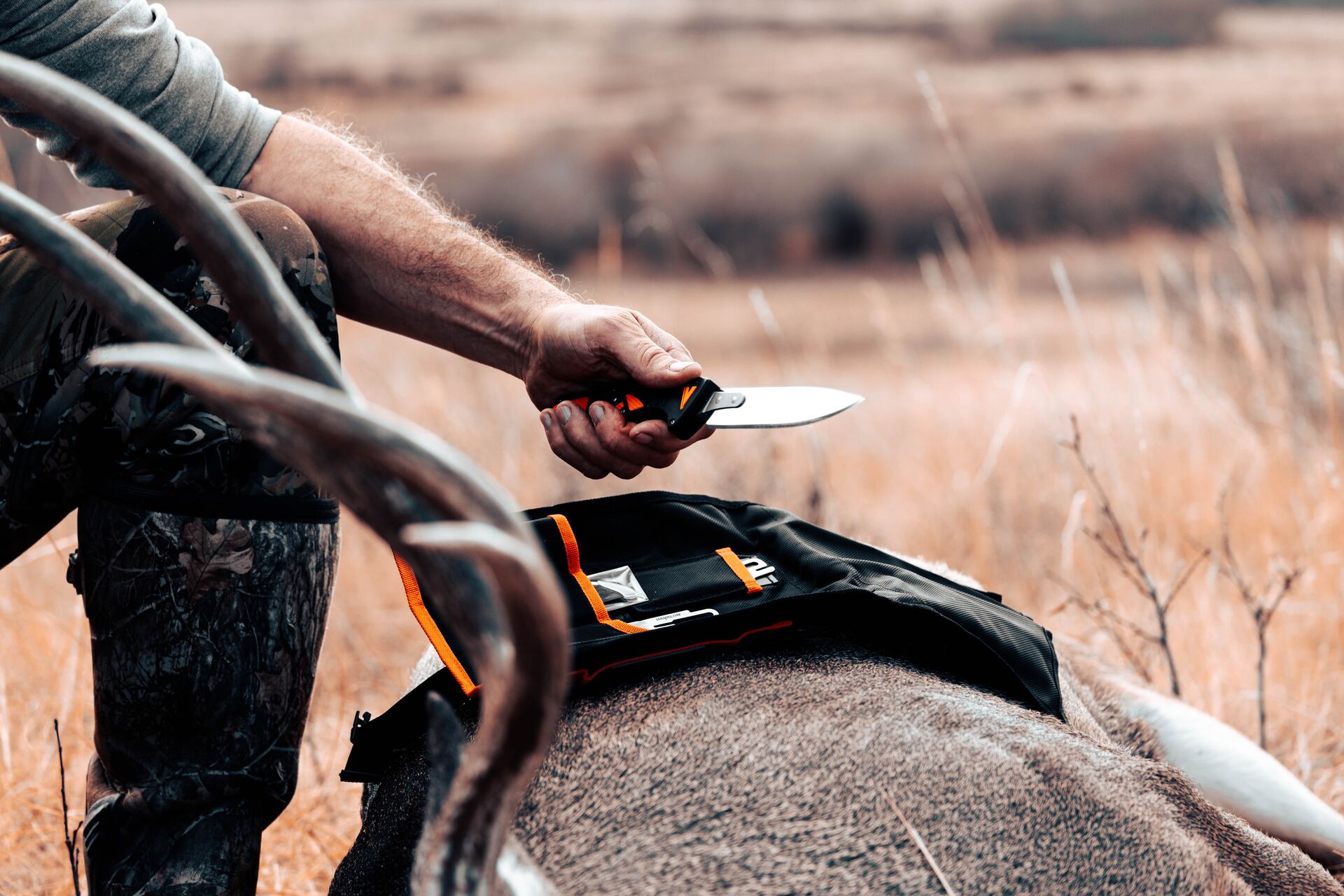
A hunting knife
A field dressing kit and game bags
Whistle (for emergencies)
Rain gear
A good pack to carry everything
New Hunter Tip: Don’t feel like you have to buy all of these items or start with top-of-the-line items as you get started as a hunter.
Borrow what you can from other hunters, buy a few items to start your own gear kit, and start with basic, mid-range items that don’t blow your budget.
Even if you don’t have everything on the list above, don’t let that stop you from getting into the field!
You can always add more equipment and replace lower-cost items with higher-end items as you learn more about gear and what works best for you.
How to Dress for a Hunt
Depending on what you hunt and the time of year, your hunting clothes will vary.
For example:
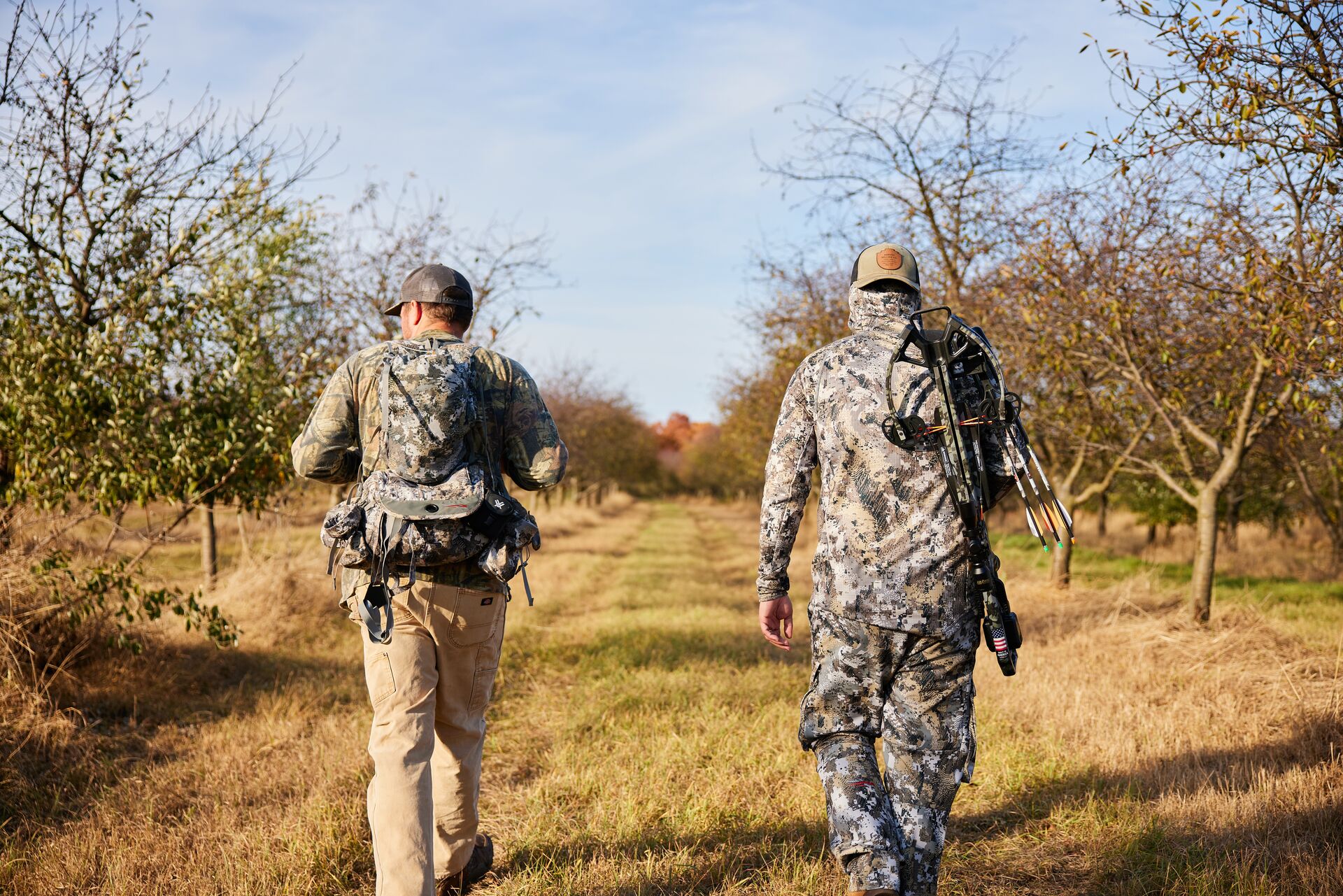
You’ll need lightweight layers and different camo patterns for a warm spring or early fall hunt.
Later in the season, you’ll need different layers and camo patterns for concealment and warmth in cold temps with fewer leaves on the trees.
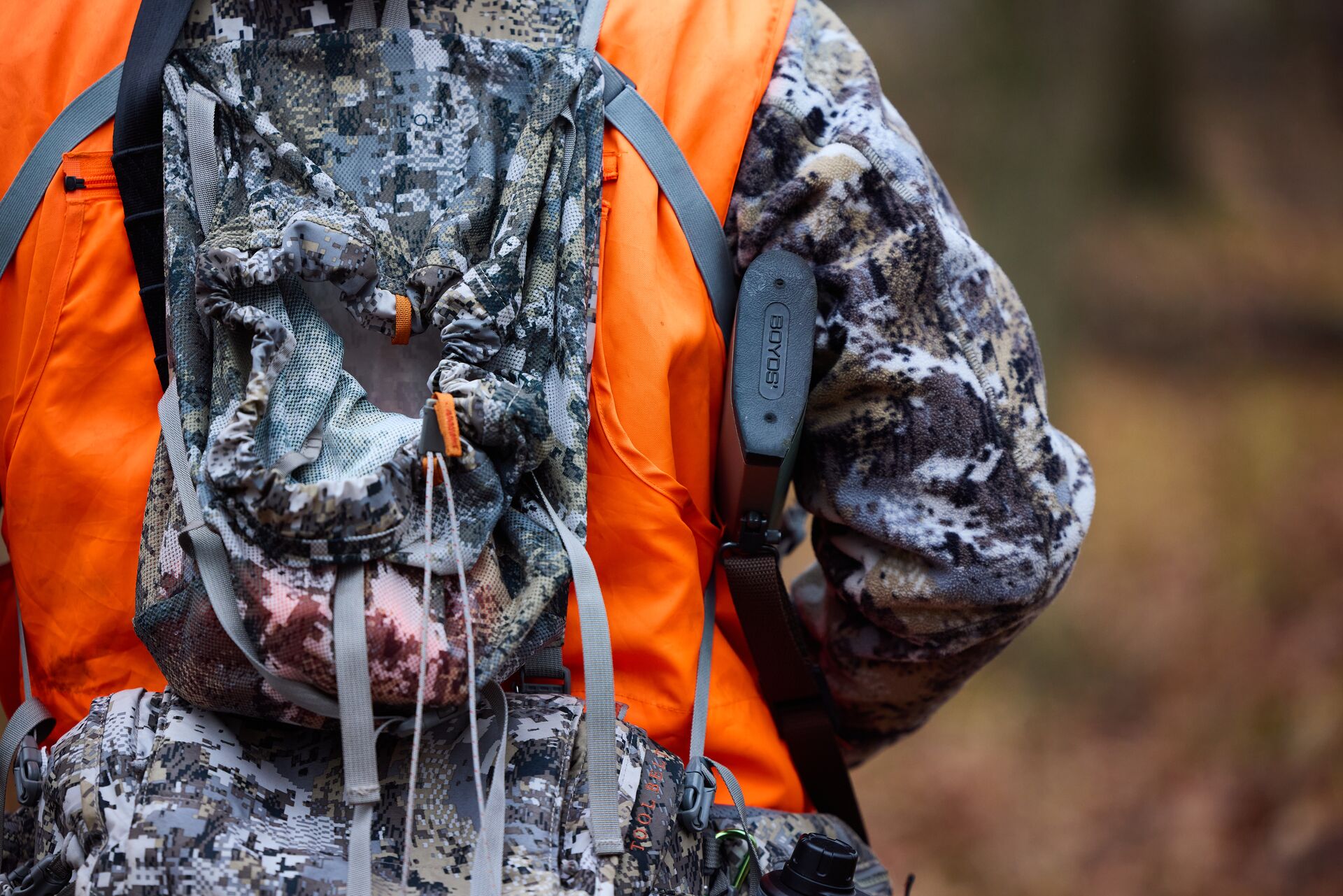
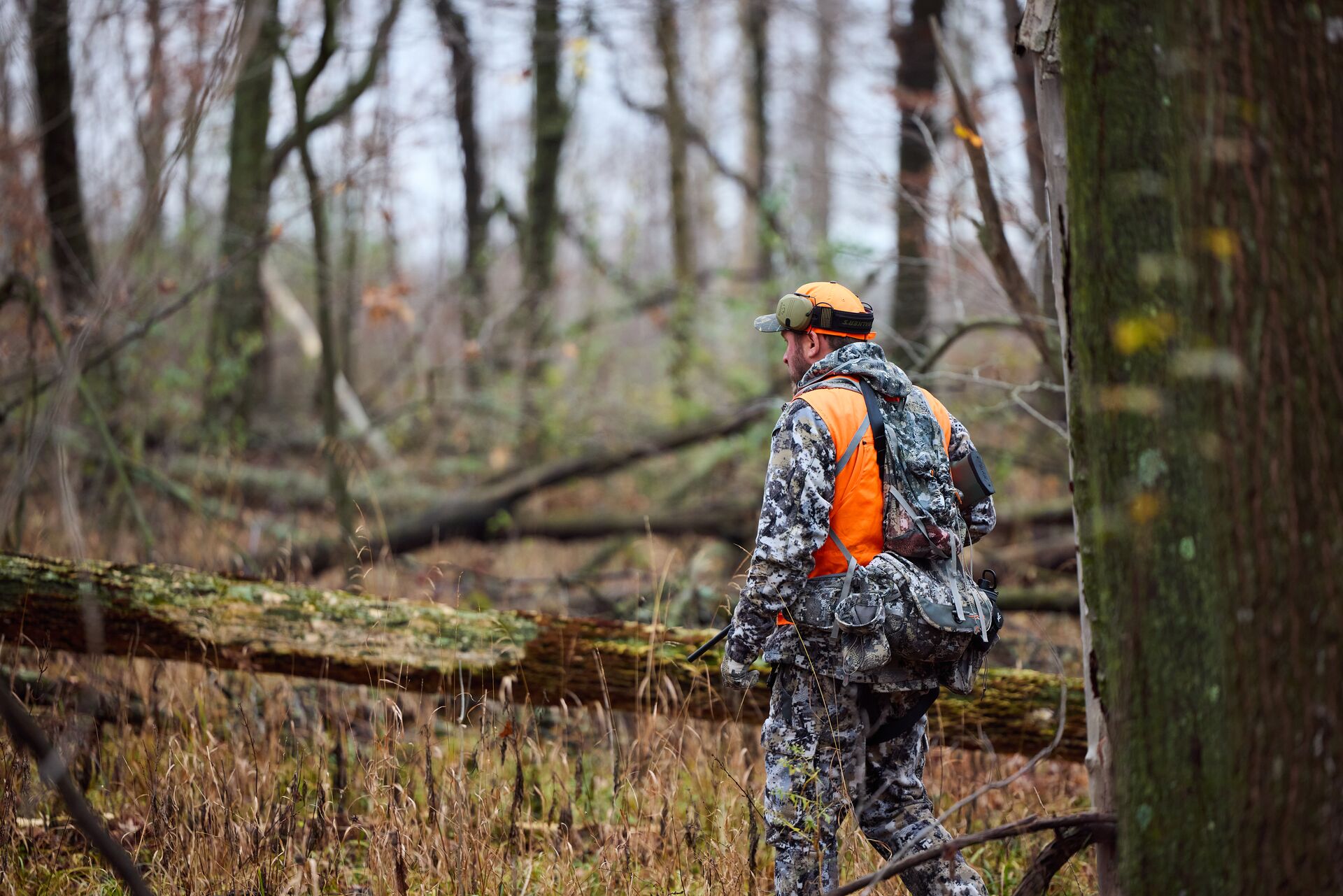
You’ll also need to check your state’s regulations for wearing blaze orange. Hunter (blaze) orange is required for safety during some seasons. However, the amount and type of orange you must wear can vary based on your state’s rules.
Then, of course, don’t forget a good pair of boots! Check the weather and terrain where you’ll be hiking during your hunt. Your boots should be comfortable, waterproof, and keep you warm, depending on the time of year and terrain.
Scouting the Area
Pre-season scouting is some of the best prep and planning you can do for a hunt. It is your opportunity to learn about the hunt area, including the terrain and how animals move through.
Start by scouting with a hunting map app to learn as much as you can. Then, do some boots-on-the-ground scouting and walk the area you targeted digitally. Make notes about travel corridors, potential bedding or feeding areas, ridges, water sources, and more.
Also look for “sign” left behind by animals. This gives you deeper insights into how animals move through the area and their behavior.
Deer rubs and scrapes can indicate the size and maturity of bucks in the area.
Look for turkey roosting areas and corridors to see where they roost and find food or water sources.
Use Trail Cameras
Trail cameras can also help you scout when you’re not able to get out in the woods yourself. Set them up in the right spots to catch animals coming and going year-round.
Just make sure you have permission to set up cameras in the area you plan to hunt, whether it’s private or public land.
Beginner Hunting 101: Plan Your Hunt
With your gear mapped out, your clothing chosen, and scouting complete, it’s time to plan for the day you’ll actually go out and hunt! This next section covers beginner hunting tips to get you in the field.
Check the Weather
Start by checking the weather.
With a hunting app like HuntWise, you can see weather forecasts and probabilities for the best days and times to hunt. These insights help you plan a more targeted and efficient hunt, improving your odds of success.
Check Season Dates
You’ll also want to check season dates, legal shooting hours, firearm or bow details, and bag limits.
Hunt only when the season is open and with a bow or firearm that meets the state’s legal requirements for hunting the wild game you’re after.
To find the open season dates, check your state’s wildlife agency website. Season dates typically change every year, so don’t assume last year’s dates will be the same this year.
Understand the Rules and Bag Limits
When you figure out where you want to hunt, match the location to the legal hunting areas, rules, and season dates for that spot.
It is also crucial to strictly follow bag limits (i.e., the number of animals you can harvest in a day or season). These limits are in place to keep the playing field fair (for other hunters and the animals) and ensure animal populations remain year after year.
Make sure you’ve also left your plans for the day behind with someone back at your hunting camp or at home. Document where you’ll be, when you’re heading out, who you’re with, and when you’ll be home.
With this information, someone can send help to where you are if you don’t return home on time.
Get Your Firearm Ready
When was the last time you touched your firearm? Depending on the last time you took it to the range or hunted with it last season, it probably needs a once-over to make sure it’s ready for a safe and accurate hunt.
Make sure it’s clean, everything works, and it shoots straight!
Patterning a Shotgun
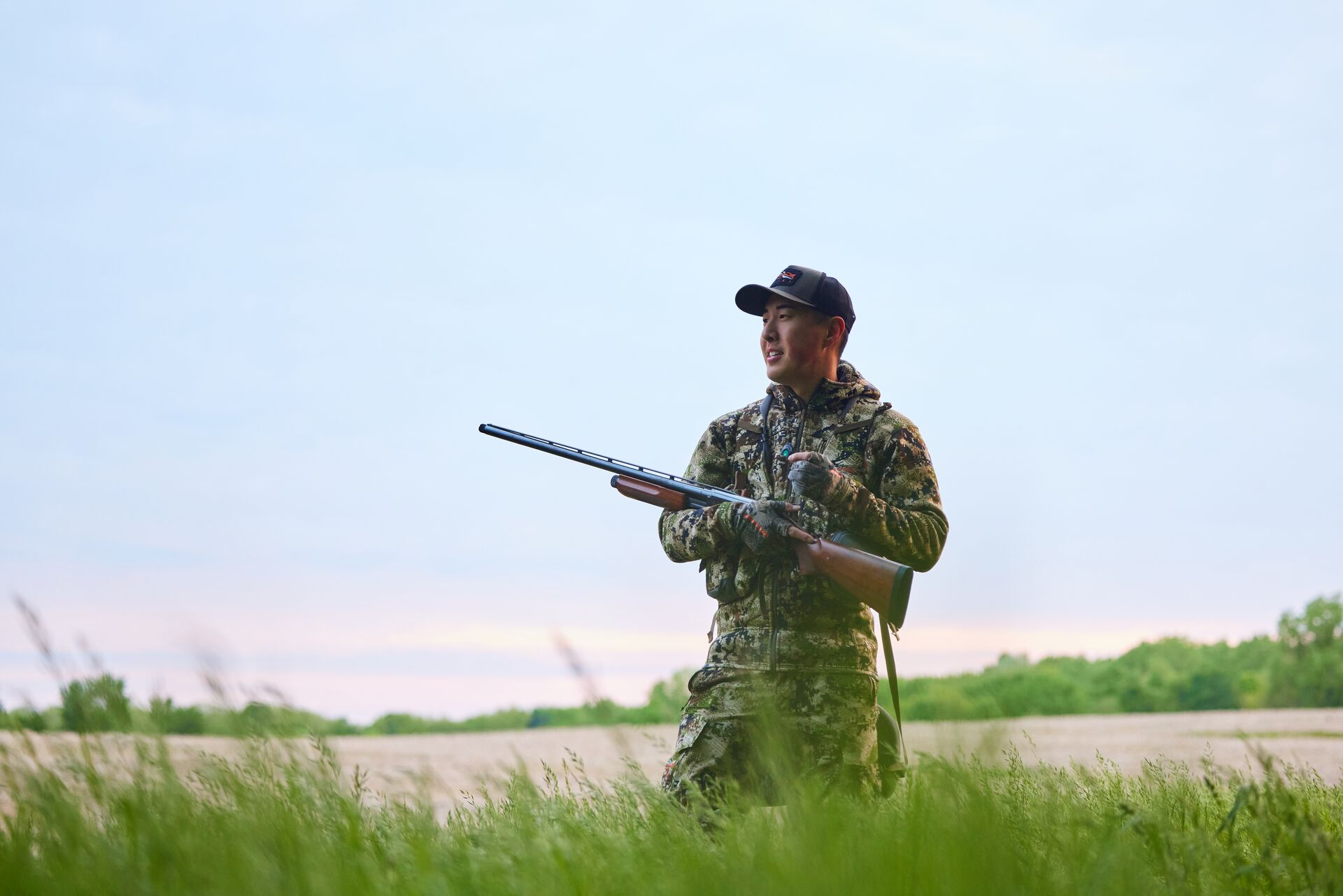
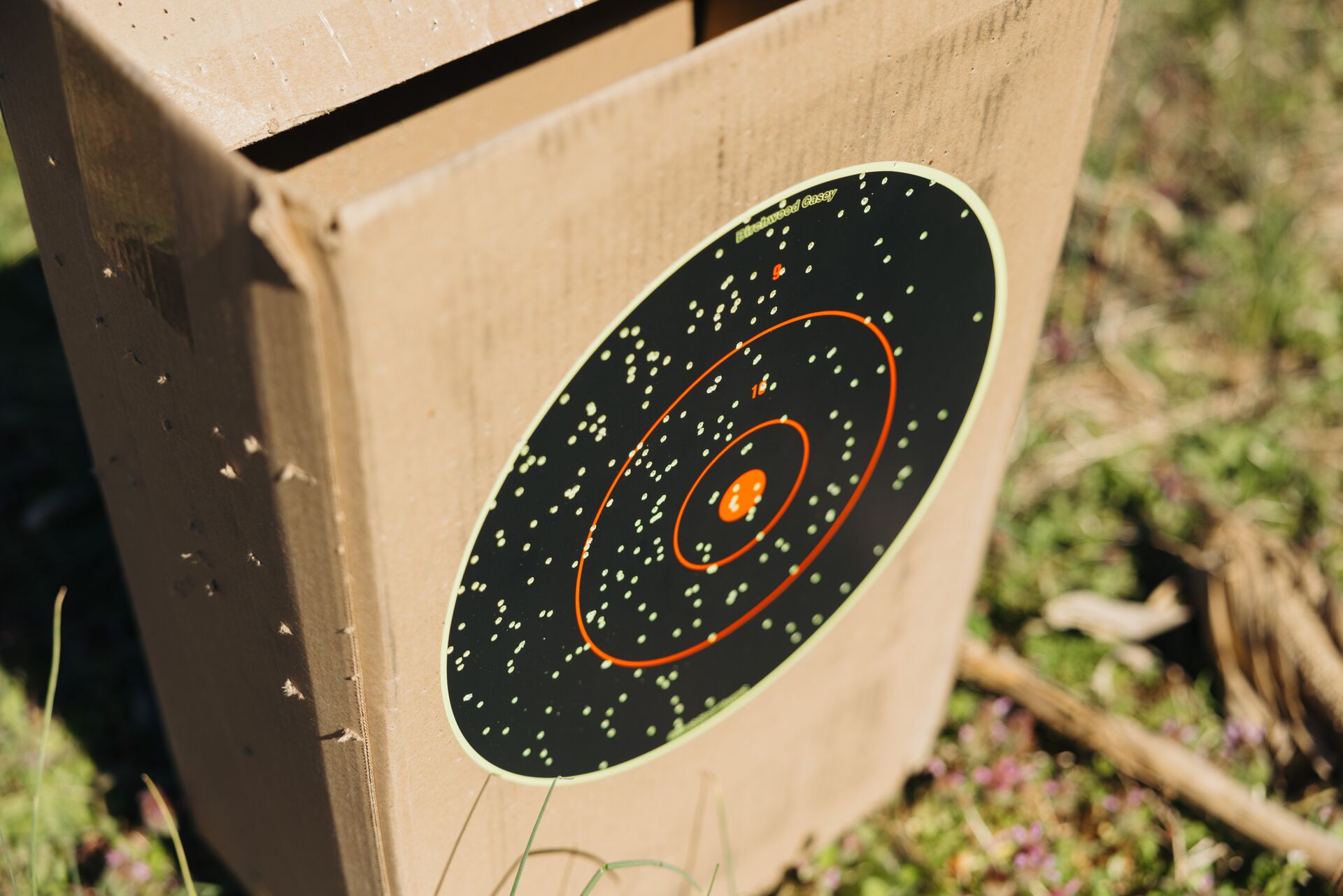
Hunters typically use shotguns for waterfowl, upland birds, and turkey hunts. To help you hit what you’re aiming for, pattern your shotgun before it’s time to hunt.
Patterning helps improve accuracy and consistency, so you are more likely to hit the bird in your sights in fewer attempts. You’re also less likely to hit something (or someone) you don’t want to hit if you know how your shotgun shoots and have dialed in the accuracy.
To pattern your shotgun:
Shoot a still target from different distances while using different chokes
Test different shotgun shells to find the ideal shotgun-choke-shell combination to hit your targets
Depending on the birds you plan to hunt, pay attention to the shot pattern on the target and adjust or choose a different choke to adjust the pattern (narrower or broader).
You’ll also know your ideal shooting distance for a clean, ethical shot. Knowing this helps you set up in a better position and range.
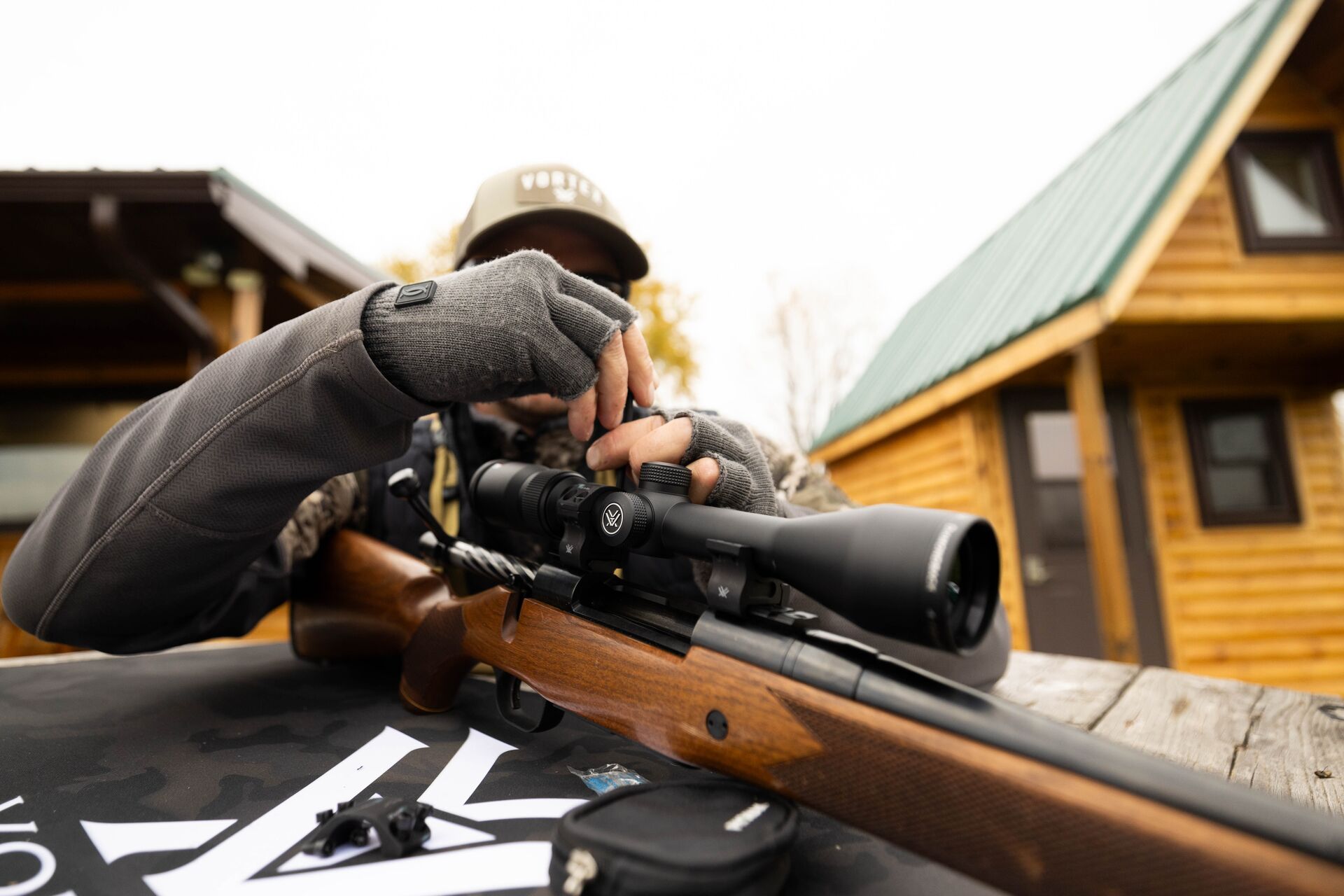
Sighting in a Rifle
As with shotgun patterning, to sight in your rifle you’ll fire different cartridges at a target to get a feel for the rifle’s accuracy and the best ammunition for the game you plan to hunt. You’ll also shoot from different distances to narrow down your most accurate range.
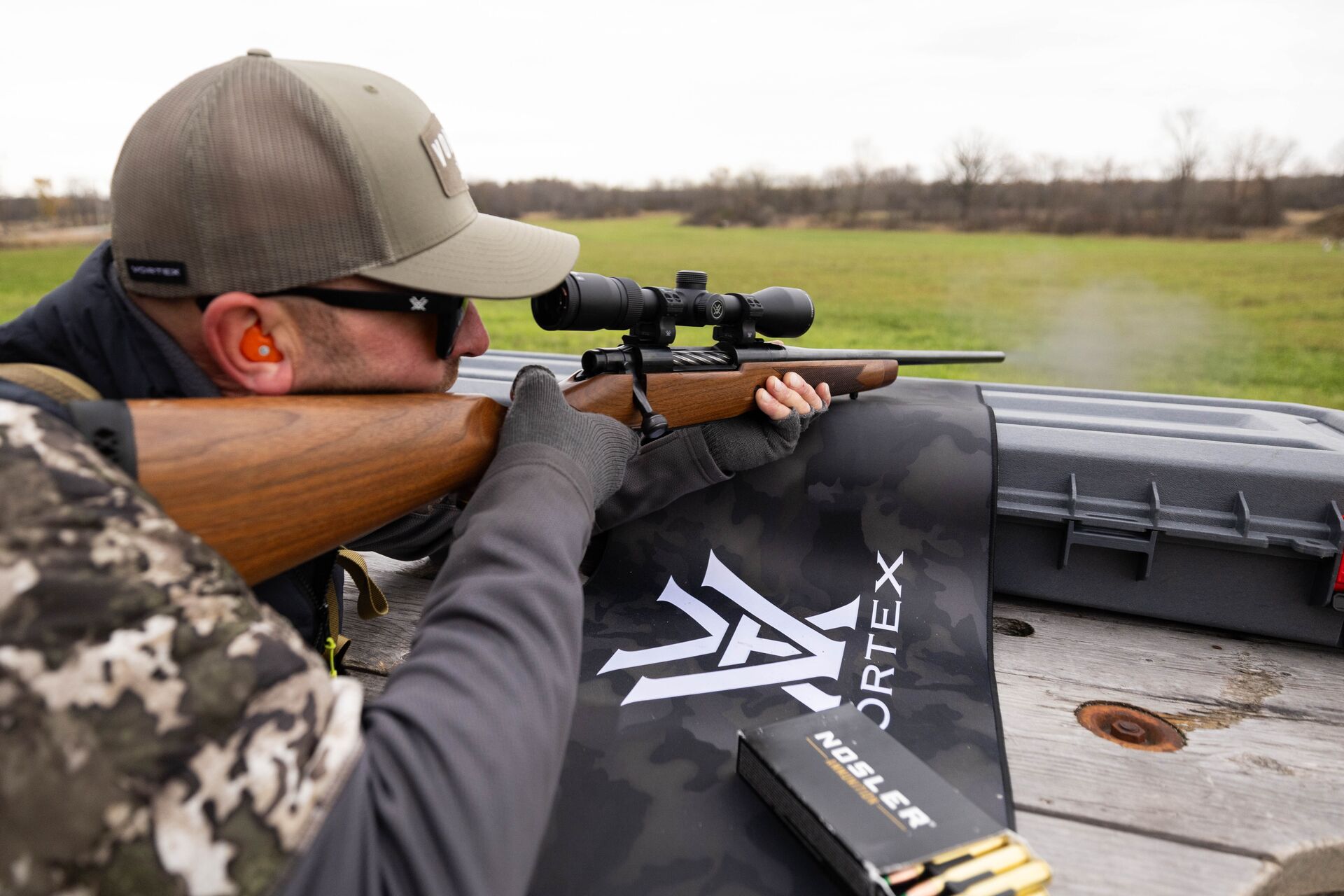
Check where your shots hit the target, then adjust the sights or the rifle’s scope to dial in the accuracy. Test your aim and consistency in different conditions, including various shooting positions and windy vs. non-windy conditions. This will help you know your capabilities and how the rifle responds in different situations.
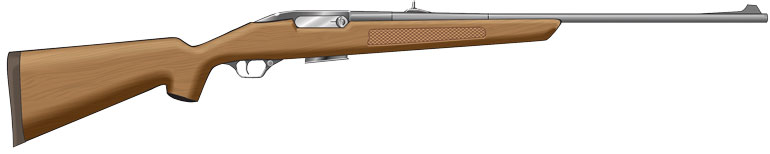
Understand Different Firearm Actions
As you practice with your firearm, the patterning or sighting-in process should also help you get comfortable with the firearm’s action.
Different firearm actions include:
Bolt Action You'll manually operate a bolt handle to load and eject the cartridges. Known for reliability and precision, these firearms are ideal for big game hunts.
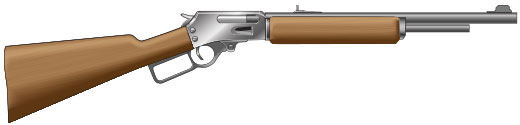
Lever Action These firearms function with a lever near the trigger to manually load and reload rounds. Ideal for medium-sized game, with quick recycling and easy handling.
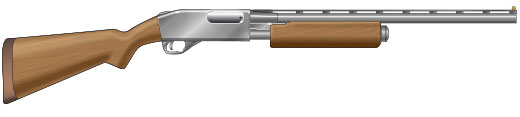
Pump Action To load and unload the firearm, hunters slide a pump back and forth to cycle rounds. Commonly used for hunting birds and turkeys because it’s great for fast follow-up shots.
Semi-Automatic This firearm automatically ejects spent rounds and loads new ones each time you pull the trigger. Ideal for predators (coyotes), waterfowl, and some big game due to fast follow-up shots and its minimal recoil.
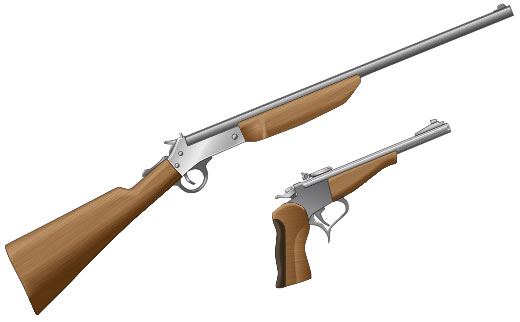
Break-Action A firearm (typically a shotgun) that opens a hinge to load and unload ammunition. Excellent for turkey and small game hunts, as well as training new hunters.
No matter which type of firearm you use for your hunt, practice and get familiar with it, including how to load and unload rounds.
Get Your Bow Ready
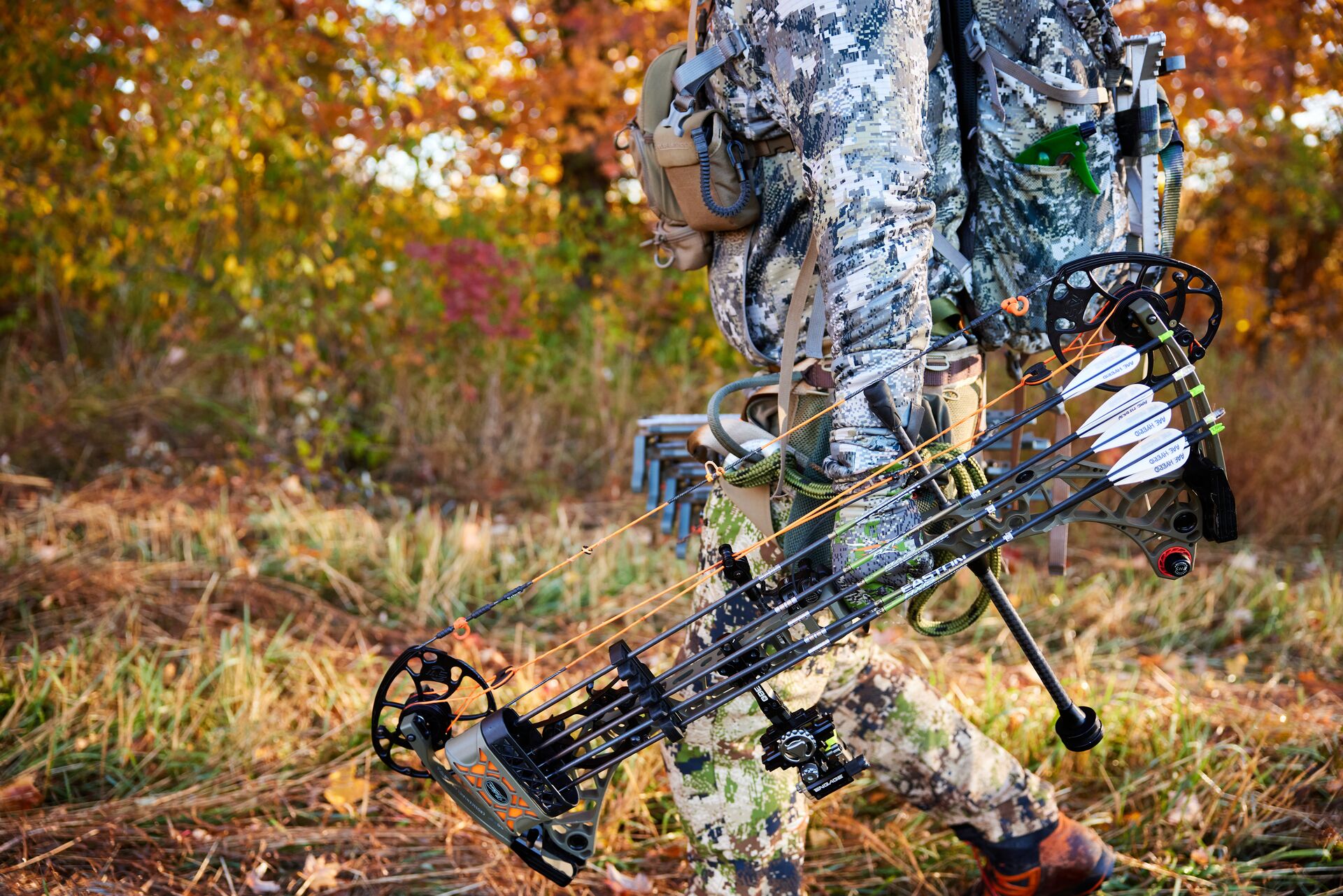
If you prefer to hunt with a bow, the same idea applies: get it ready for your hunt before hunting day.
Inspect Your Equipment
Inspect your bow and arrows before every hunt. Check the limbs, cams, and strings, looking for wear and tear, cracks, or fraying. Tighten any loose screws or bolts, including the rest attachments and sights.
If the bowstring is more than a couple of years old (or shows significant signs of wear), it’s time to replace it. After your bow inspection, gather and check any other gear you’ll bring with you, like arrows, broadheads, and a release aid (and a spare one).
Tune the Bow, Sight It In, and Practice
Test some shots, then tune the bow to improve accuracy. If you’re not sure how to do this, an experienced bowhunter or a bow shop can help. They can also help you adjust the rest, nocking point, and cam timing with a bow press.
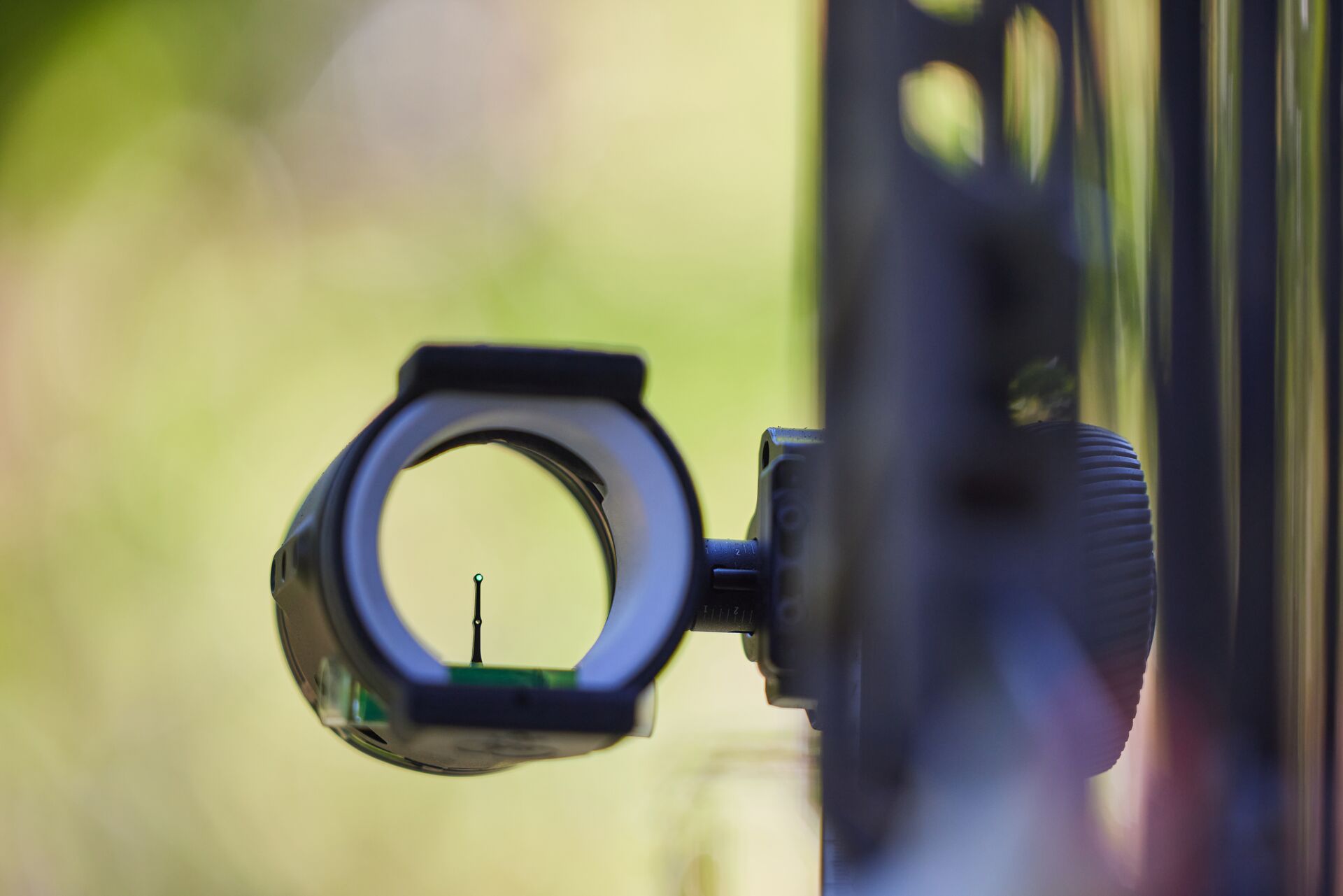
Then, take time to sight in your bow. Test that your bow sight is zeroed in at different distances so you can react and be accurate at those distances in the field.
As with patterning a shotgun or sighting-in a rifle, practice with your bow to get used to how it shoots and how accurate you are. Use the broadheads you’ll use in the field to prepare for the “real” action in the field.
Part II: In the Field
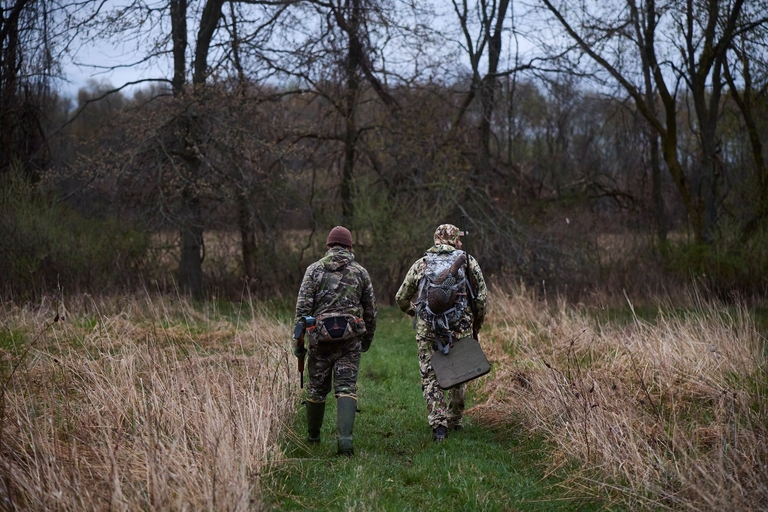
It’s hunting day!
The next of our beginner hunting tips is all about how to put your preparation to the test and apply field strategies and skills for a safe and successful hunt.
Understanding Ethical Shot Placement
In the field, your goal is to shoot fewer shots and shoot accurately. You’re no longer at the practice range.
Firing off shot after shot not only wastes ammo (which becomes costly), it’s dangerous.
As a responsible and ethical hunter, your goal is to “shoot to kill.”
Responsible hunters work to put an animal down with minimal-to-no suffering. Wounded animals are in pain and wander until they eventually fall down, meaning you also have to track it until it gives out
Hitting an animal in a bad spot can also damage or ruin the meat you’re trying to bring home for your family.
So, shot placement is crucial to understand as a hunter. Knowing precisely where to aim and hit wild game helps you take it down quickly, without suffering, while preserving the most healthy, delicious meat for your harvest.
Where You Should Aim (and What to Avoid)
Knowing where to aim makes your hunt more fun and efficient. It’s also safer.
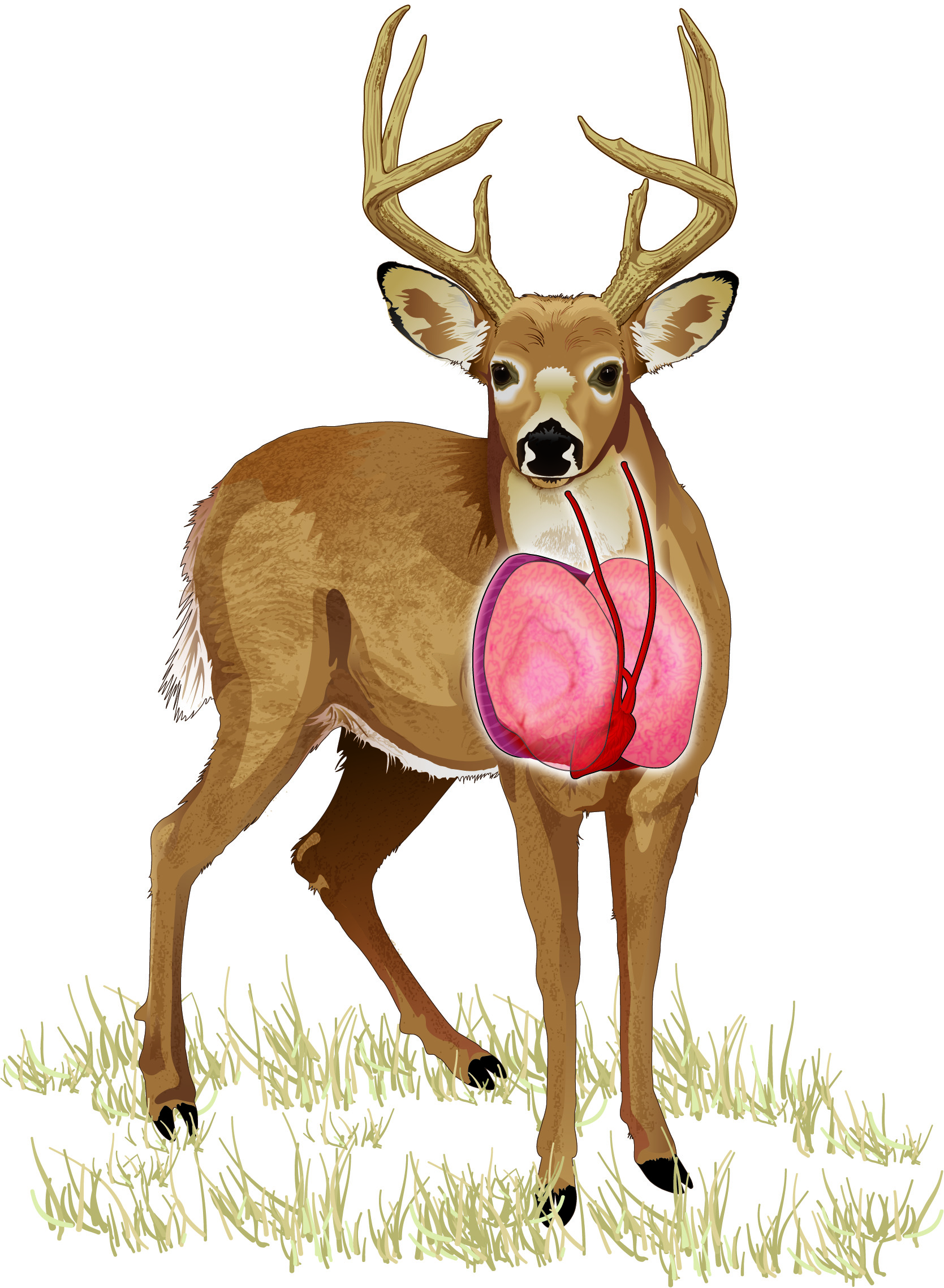
Always aim for the heart-lung area, as it’s the largest vital zone that will deliver a quick, humane kill. With most animals, the broadside or quartering-away shots are ideal for hitting this vital zone.
While it might feel exciting to aim for the head, it’s a shot you should avoid. The head and neck are small and can be hard to hit, especially if an animal is moving or small (like a turkey).
Also, avoid taking shots that you aren’t sure of.
Only fire or release an arrow when an animal is within your comfortable shooting distance and at an angle you’re confident you can hit cleanly.
Waiting for the right moment takes patience and practice, but if the shot’s not there, don’t pull the trigger. Wait until it gets closer or shift your position for a better angle.
Scouting and Tracking When Hunting
Scouting and tracking are a crucial part of your time in the field.
You save yourself a lot of time and work to scout early, but you’ll still need your hunting app, notes, and vigilance when you’re out in the field if you hope to find the bucks or turkeys you hope are there.
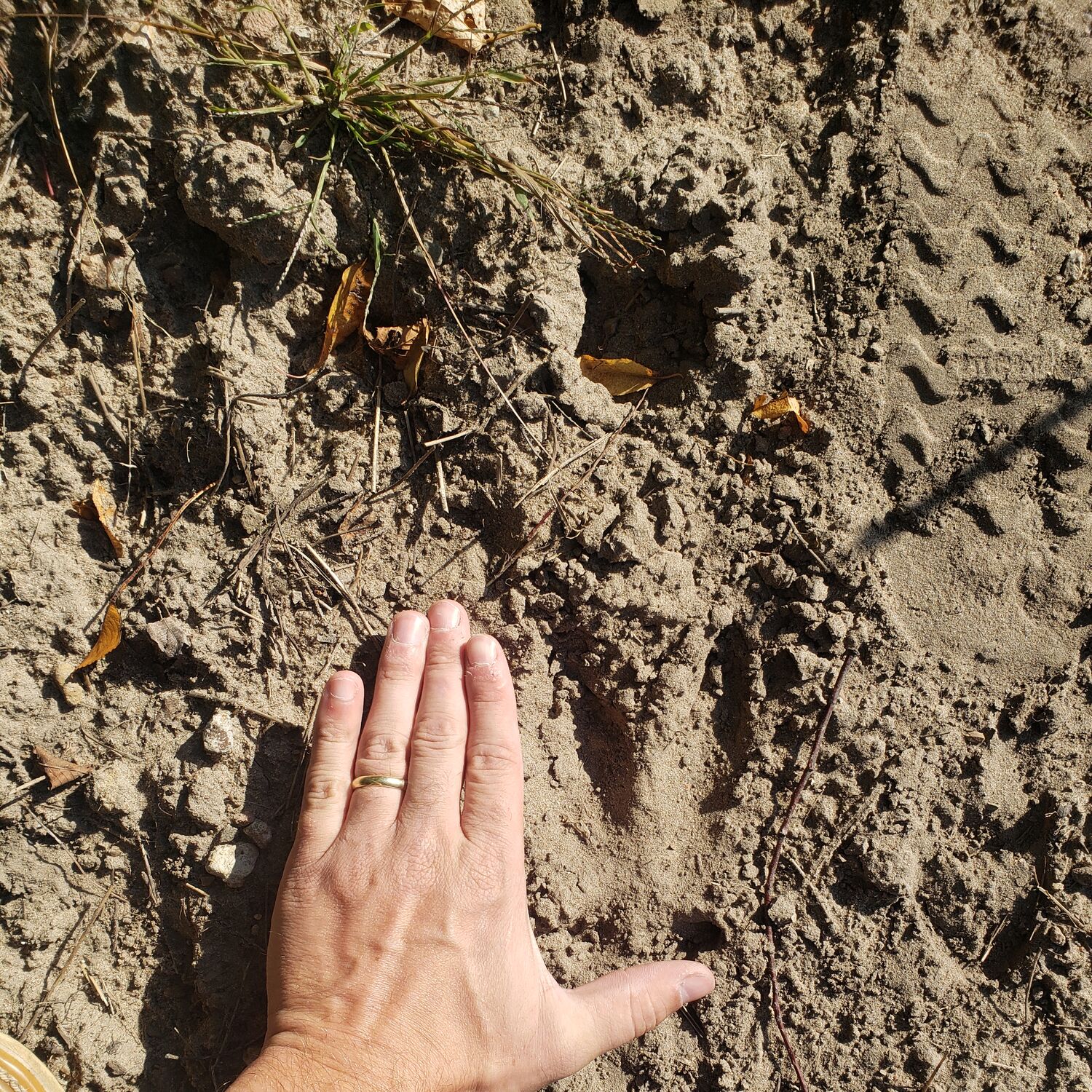
Learn How to Read Tracks
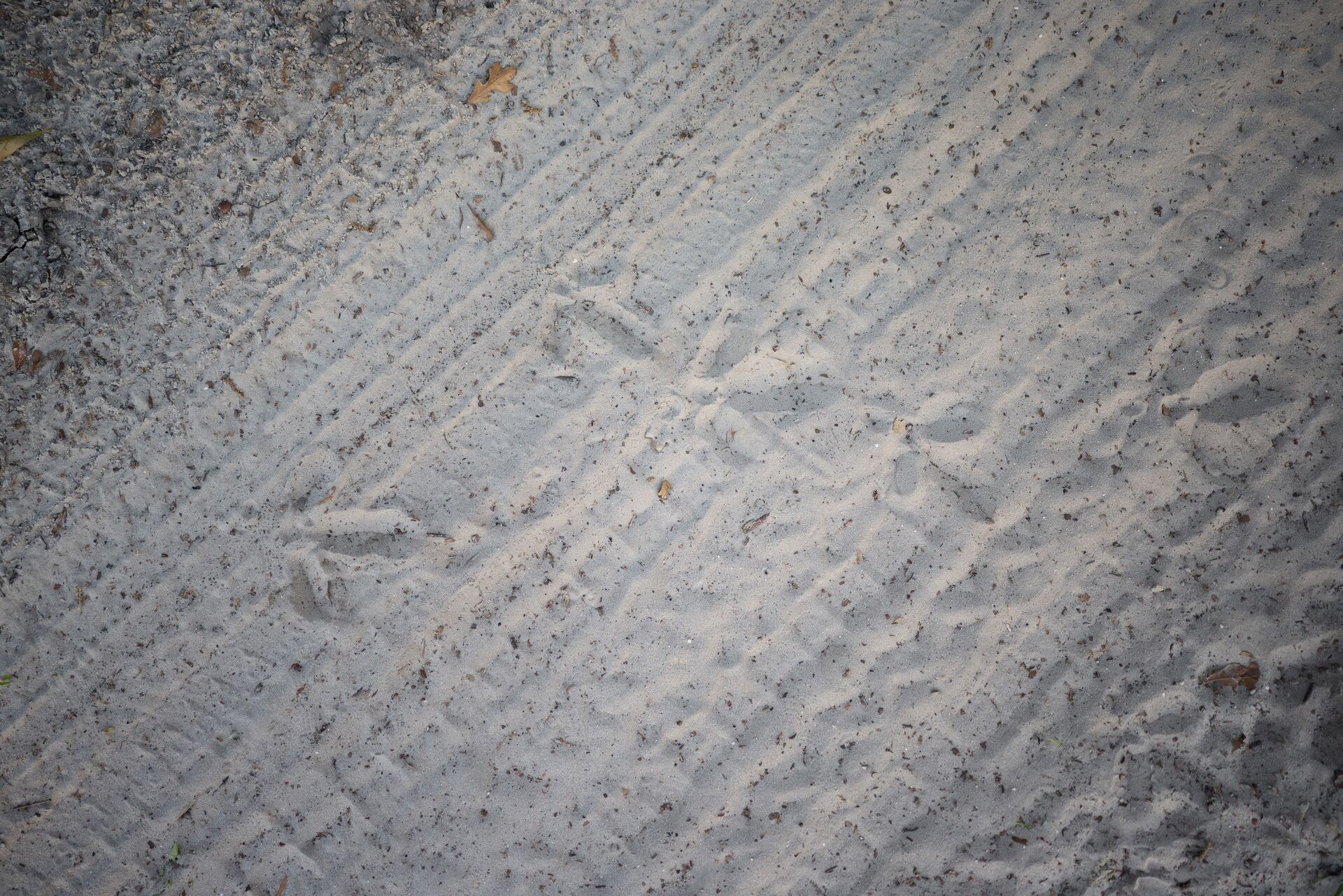
Depending on the wild game you’re hunting, know how to identify tracks and what they mean based on distance, direction, size, and how fresh they are. These insights can tell you how recently a deer has been in the area, which direction it went, how fast it was going, and if it was alone or with other deer.
You may also be able to tell what was going on when the animal was there. You may not be able to interpret all of this information during your first hunt, but over time, you’ll recognize what tracks are telling you to help you track down an animal when you’re in the field.
Tracking After the Shot
Even if you hit a deer in the perfect spot from a broadside shot, it may still take off after it’s hit. Likewise, if you wound a deer with a shot in a bad spot, that deer could wander for hours before it stops.
It’s generally safest to wait 20-30 minutes after you hit an animal before trying to track it. This helps you to avoid spooking it or getting attacked by it when running after it too quickly.
Find the animal’s trail by looking for animal hair, blood drops, disturbed vegetation or broken branches, and other signs of a wounded animal’s path. As you track, stay quiet, move slowly, and stay alert.
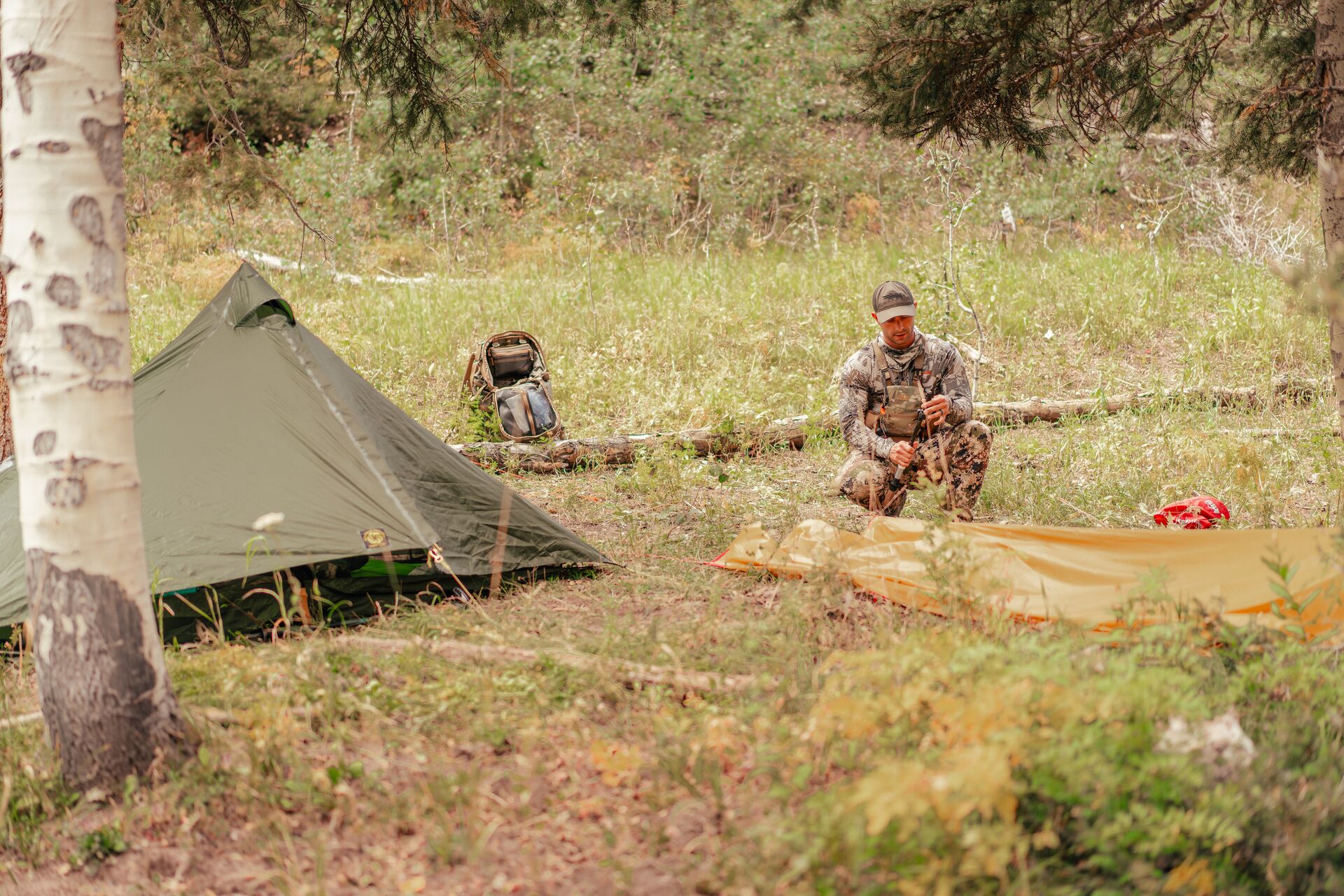
Setting Up a Hunting Camp (and Staying Overnight)
There’s often an opportunity for a quick afternoon or day in the field. However, sometimes a hunt can last overnight or even several days, if you’re traveling for a backcountry Western hunt.
When learning how to get into hunting, make sure you know how to set up an overnight hunting camp and prepare for a night or two under the stars.
Pick a Good Spot Under the Stars
When choosing where to set up camp, find some distance from your hunting area (but don’t go too far). You don’t want to sleep where you’ve scouted to hunt, but you also don’t want to add a long hike to the end of your day or the beginning of your next hunting day.
Additionally, make sure you’re far enough away from bedding and feeding areas so you don’t spook animals.
Choose a flat but elevated spot and be mindful of the wind direction. If your scent drifts to where animals bed for the night, you’ll ruin your hunt for the next day.
Bring the Right Gear
Keep it light! Bring only what you need for a safe, warm night under the stars, with plenty of food and water to keep your energy up and stay hydrated. Make sure you can carry everything you need on your back.
In addition to your hunting gear, bring camping essentials, including:
A tent and ground tarp (lightweight and easy to set up and take down)
Sleeping bag (cold-rated) and sleeping pad
Camp stove or fire-starting kit
Headlamp or flashlight (and extra batteries)
Backup power (battery bank for phone or GPS)
Trash bags
Dry bags or totes for gear organization
Again, you’ll need to pack everything out with you (leave no trace)!
Cooking and Food Storage
Keep your meals simple. Dehydrated meal packs, instant oats, and pre-cooked vacuum-sealed food are ideal for low-mess meals.
Cooking should take place away from your tent or where you sleep to avoid attracting animals to your camp.
Hang food and scented items (like your toiletries) in a tree in bear-proof containers, also away from where you sleep.
Field Dressing and Processing Meat
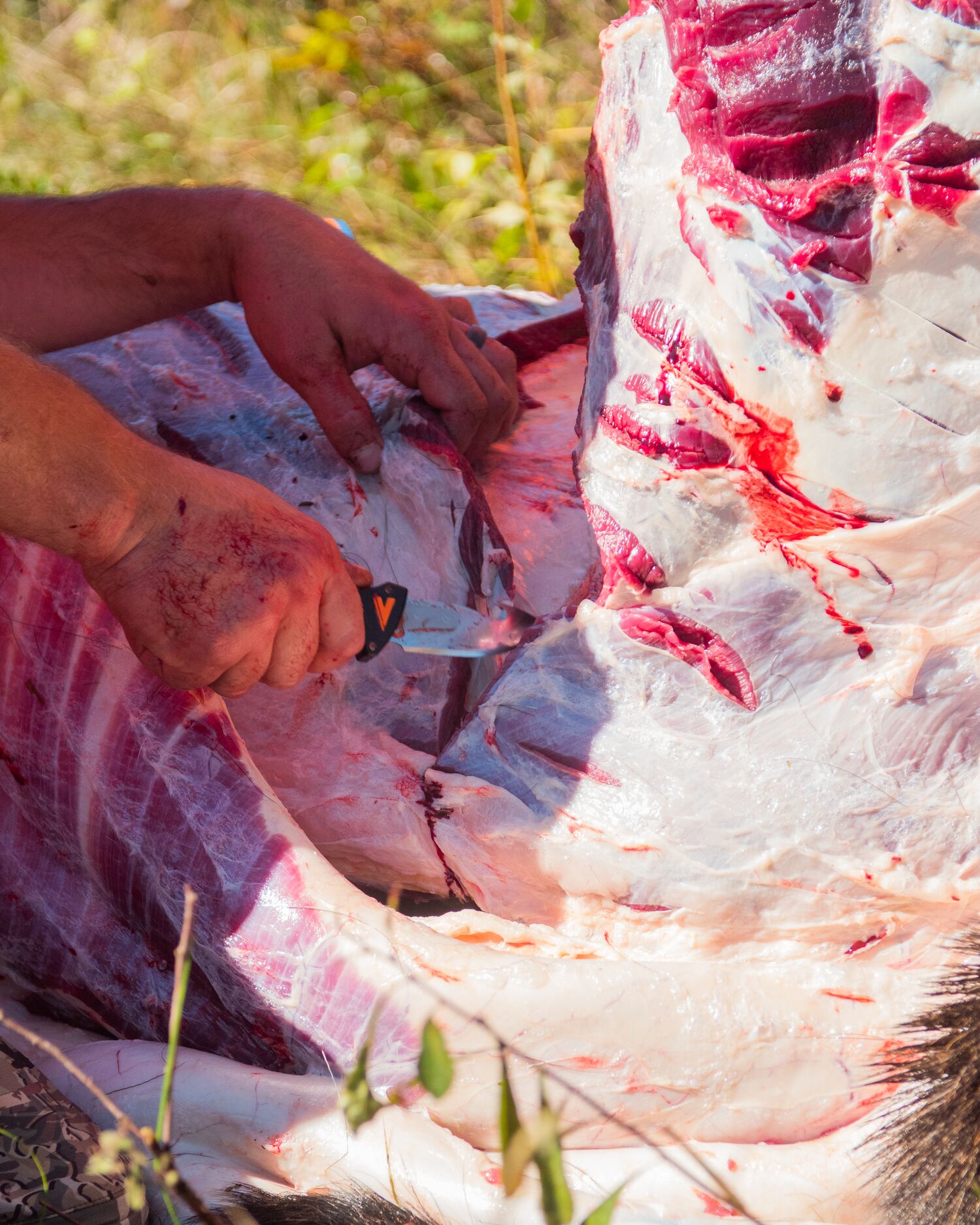
One of the most important skills you’ll need to know is how to field dress an animal after bringing it down. Your harvest won’t do you any good if you can’t bring it home safely after a hunt.
Field Dressing Basics
After you’ve taken down an animal, it’s time to act quickly. Begin the field dressing process as soon as possible after killing the animal. It’s crucial to cool the meat quickly to prevent spoilage.
Start by tagging the animal so you don’t forget to do it later. Follow your state’s reporting regulations to complete the tagging process.
Then, use your field dressing kit with sharp, clean knives, gloves, and game bags to pack your meat. You’ll carefully open the abdominal cavity and avoid puncturing the intestines or stomach. Remove the organs to allow the heat to escape.
Then, use the game bags to protect the meat for the next steps.
Next, you’ll hang or prop up the carcass to allow air to circulate. If you’ve brought ice, pack the carcass or move it to the shade to cool the meat and prevent it from spoiling.
It can help to quarter the animal (split it into shoulder, hindquarter, and backstrap sections) to carry it out more easily over a long distance.
Process the Meat
You can process the meat yourself when you get it back home. Or, as you’re learning how to get into hunting, taking it to a professional butcher is a good option. Either way, make sure you use everything you can to harvest the animal ethically.
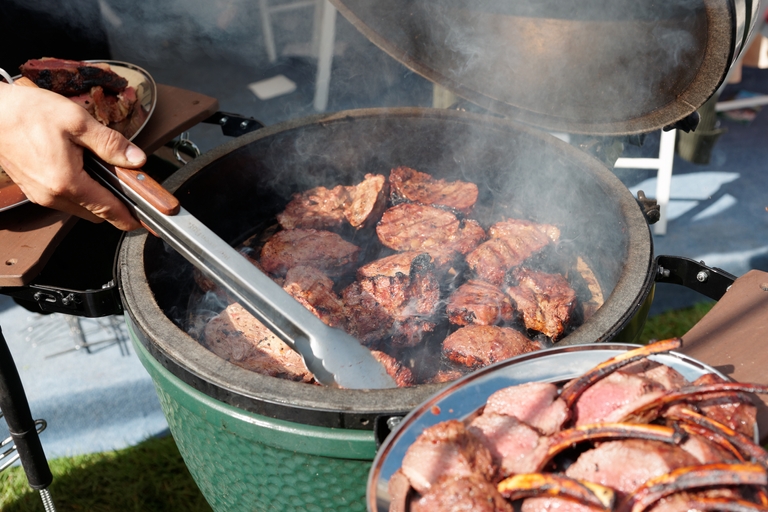
Trim carefully to remove the skin, fat, and any bruised or damaged meat so you’re left with the best quality and tasty meat. Then, package the meat by vacuum sealing or wrapping it tightly in butcher paper. Label the cuts with the date and store them in your freezer.
Part III: Hunting Skills and Concepts
Before you can process any meat from an animal you’ve hunted, you need the skills to hunt it! Next, we’ll cover some beginner hunting skills for success.
How to Stalk Hunt
Not all hunts are ideal for sitting in a hunting blind or tree stand. Hunters must also understand stalking and when to use this technique.
What is Stalk Hunting (and When Should You Stalk)?
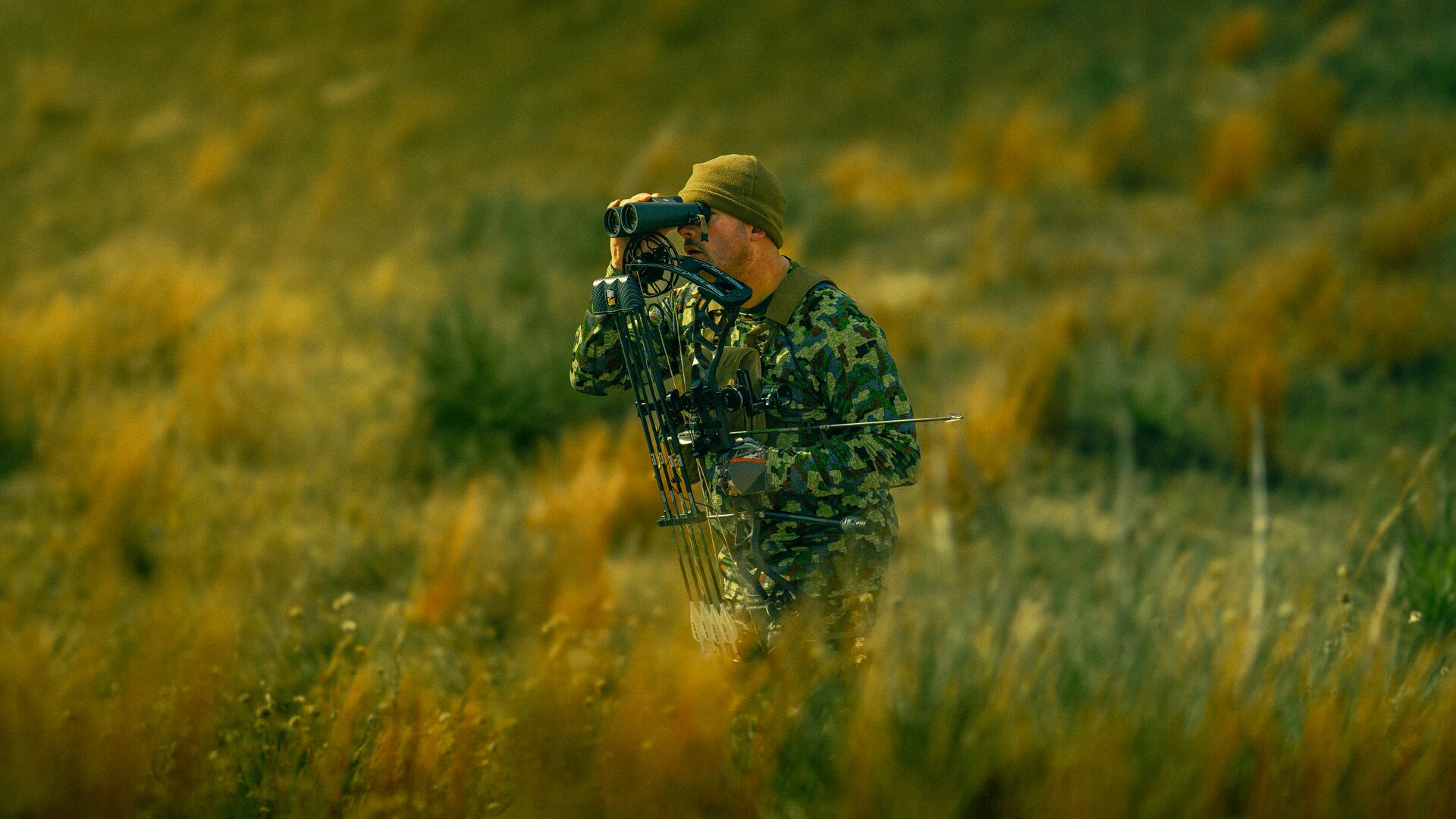
You’ll also hear it called “spot and stalk” hunting. It’s a method of spotting game in the distance, then closing the gap on foot until you’re in shooting range for a confident shot at an ideal angle.
To stalk effectively, you need stealth, patience, and sharp eyes to observe even the smallest movements. You may need to adjust your path and pace based on wind direction so the animal won’t smell you coming. The terrain and how the animal behaves or continues to move can also force you to change your stalking path.
Stalking often begins by glassing or using a spotting scope to look for animals from a distance. You’ll see the animal on a hillside or an open field, then start your approach.
In many cases, stalking is best early in the day or in the evening when animals are moving toward feeding or bedding areas. The weather can also encourage animals to move.
How to Stalk Successfully
To successfully creep up on your prey:
Use the Wind to Your Advantage: Pay attention to the wind direction and adjust your approach to remain downwind.
Move Slowly and Steadily: Use rocks, trees, and dips in the terrain to stay concealed, and take your time.
Blend In: Make sure you’re suited up in the right camo blend, use face paint, and stay quiet so you don’t spook an animal.
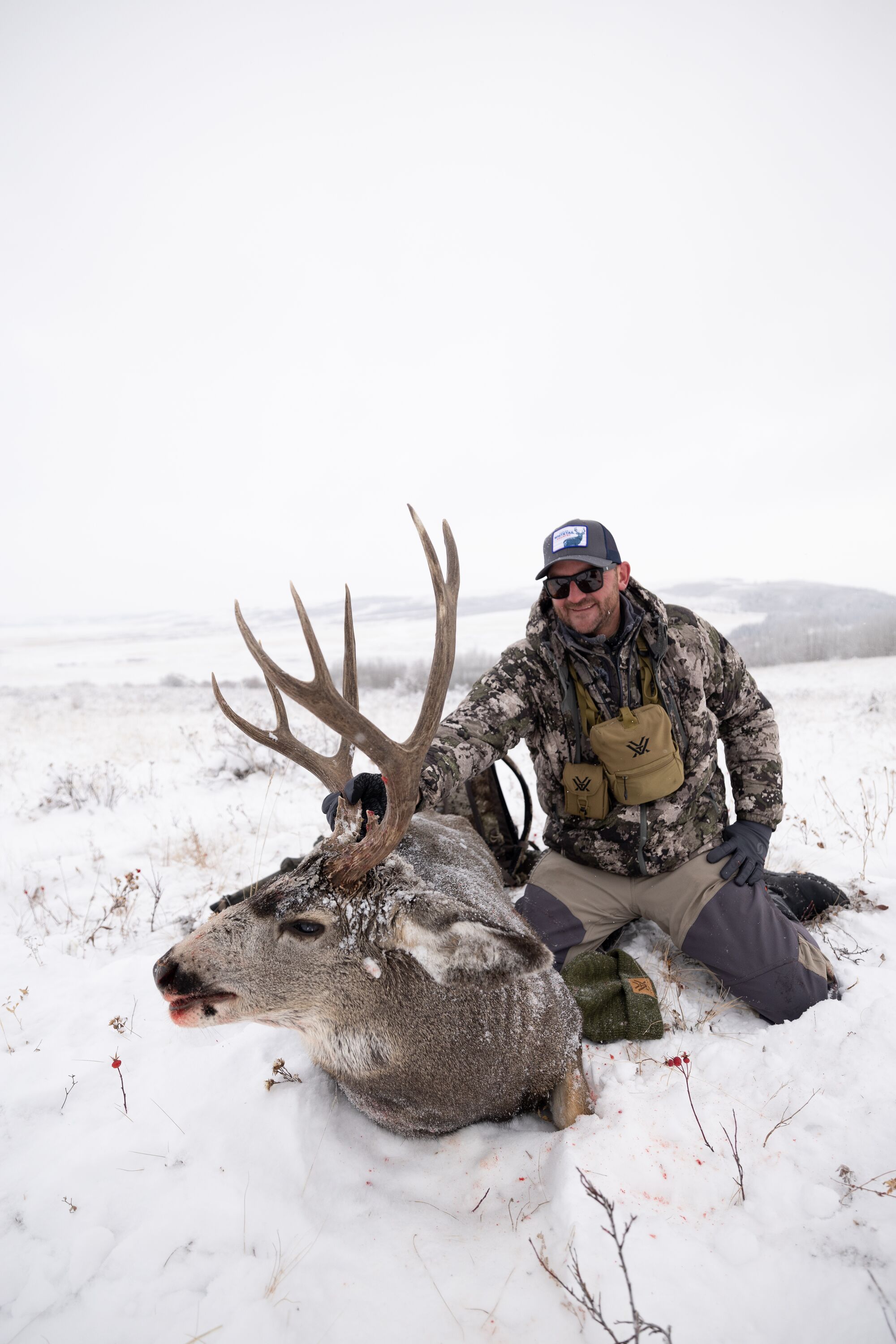
Know When to Wait: Just because a mule deer moves doesn’t mean you have to move right away. Get a feel for where it’s going while watching and waiting patiently for your next move.
Take deep (quiet) breaths and be patient!
Hunting in Hunting Blinds
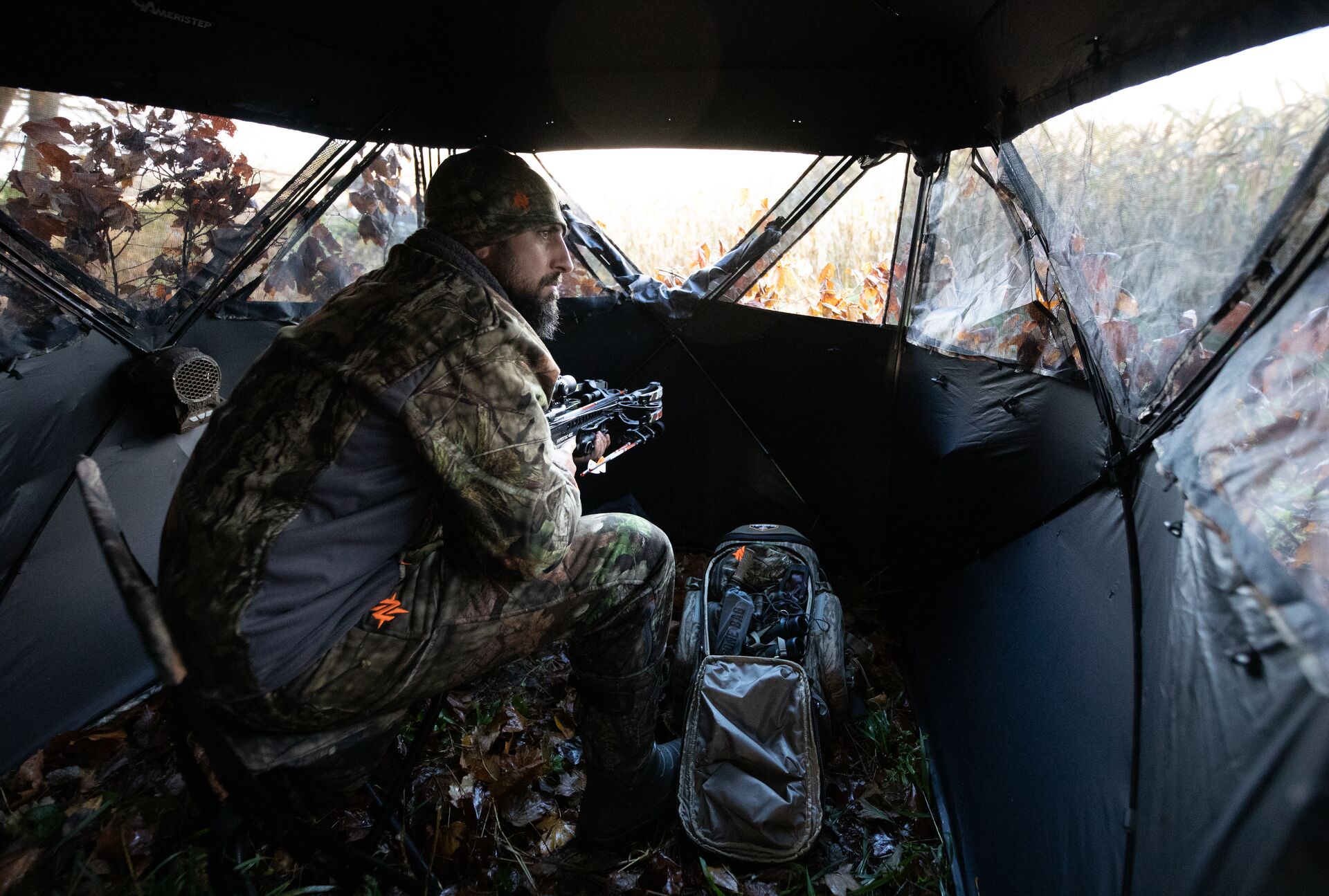
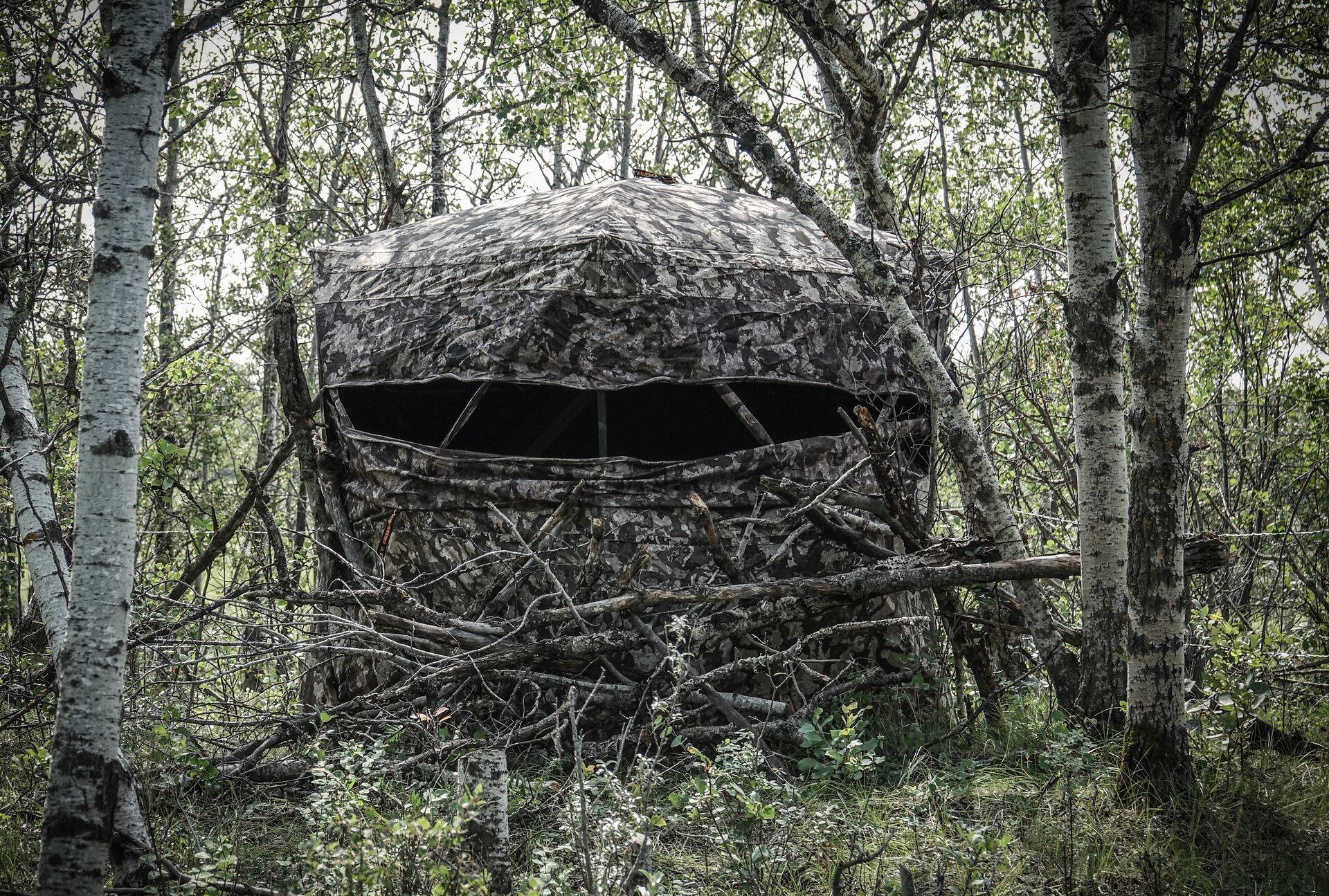
What is a hunting blind? It’s a structure used to conceal hunters from game animals, allowing them to observe the hunting area and shoot without being detected.
There’s a wide range of structures you can use as a hunting blind, from a high-end, elevated structure that sits a few feet off of the ground to lower-end portable blinds you can purchase online or in a store.
Many hunters also prefer a DIY method to creating blinds using wood or metal and concealing them with native brush found in the hunting area.
No matter what type of blind you use, make sure it keeps you concealed, matches the terrain, and is allowed on the land you hunt. If you hunt private land, check with the landowner and follow their rules for bringing in structure or building a blind on their land.
Make sure it’s also legal to put a blind on public hunting land, follow the rules, and use good etiquette for blind hunting with other hunters in the area.
When is a Hunting Blind Ideal?
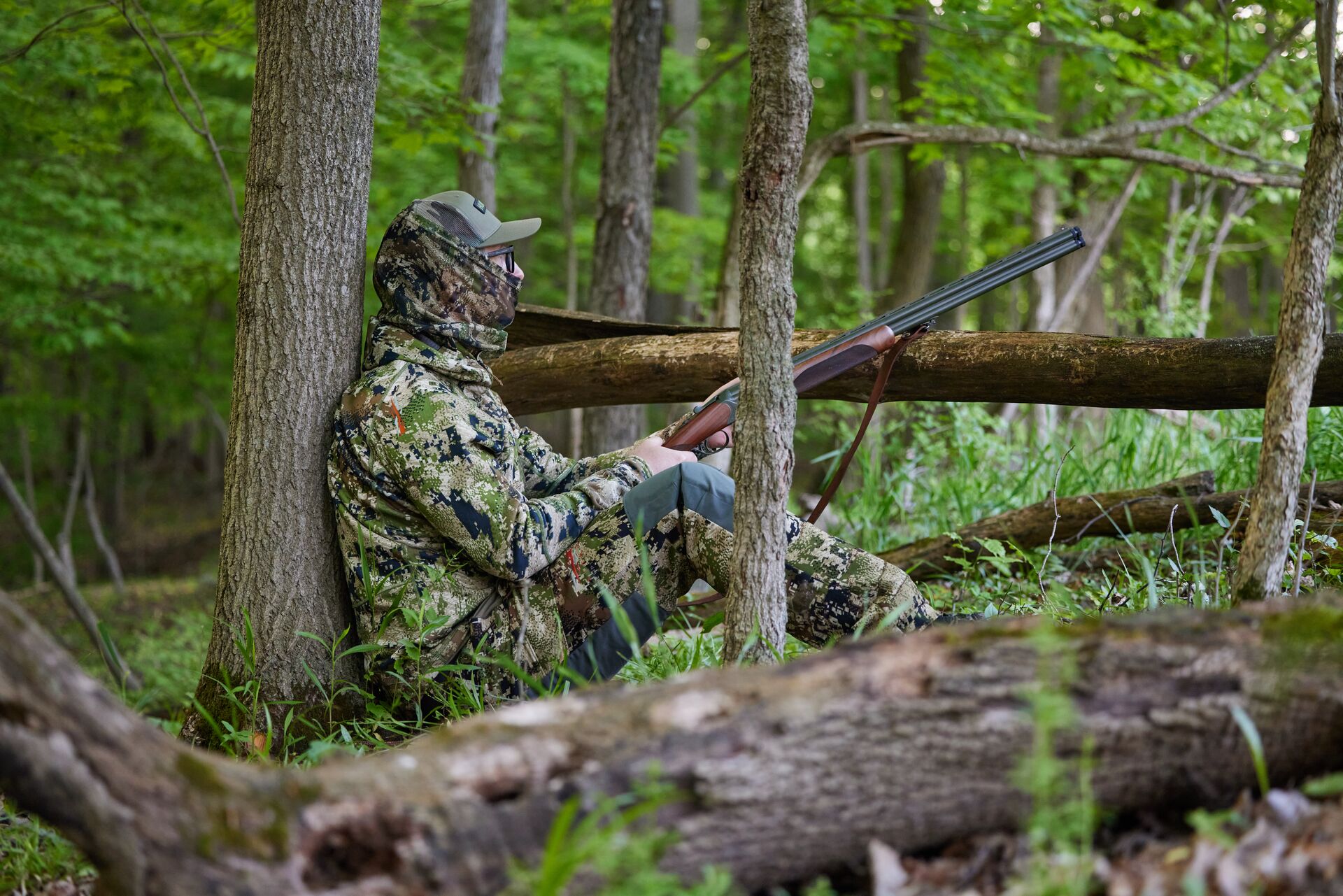
Turkey hunting is an excellent situation for using hunting blinds, especially with decoys. Sitting in a blind lets you move to use your calls and draw your bow or shotgun undetected.
Blinds are also ideal for deer hunts when hunting field edges or near food plots and waterholes.
How to Choose the Right Spot for a Hunting Blind
The right location can make all the difference in a successful hunt vs. sitting out in the field all day and coming home empty-handed.
Start by scouting the area. Depending on where you’ve found travel corridors, bedding or feeding areas, scrapes, rubs, or water, set up your blind near fresh sign. However, avoid setting up in a feeding or bedding area. Let those spots remain “safe” areas for deer, but set up nearby to catch them coming and going.
Also, position your blind so your scent blows away from expected animal paths.
Then, make sure it blends in, and set it up early in the day (or even days or weeks ahead of time). This helps animals get used to it.
Hunting from Tree Stands and Saddles
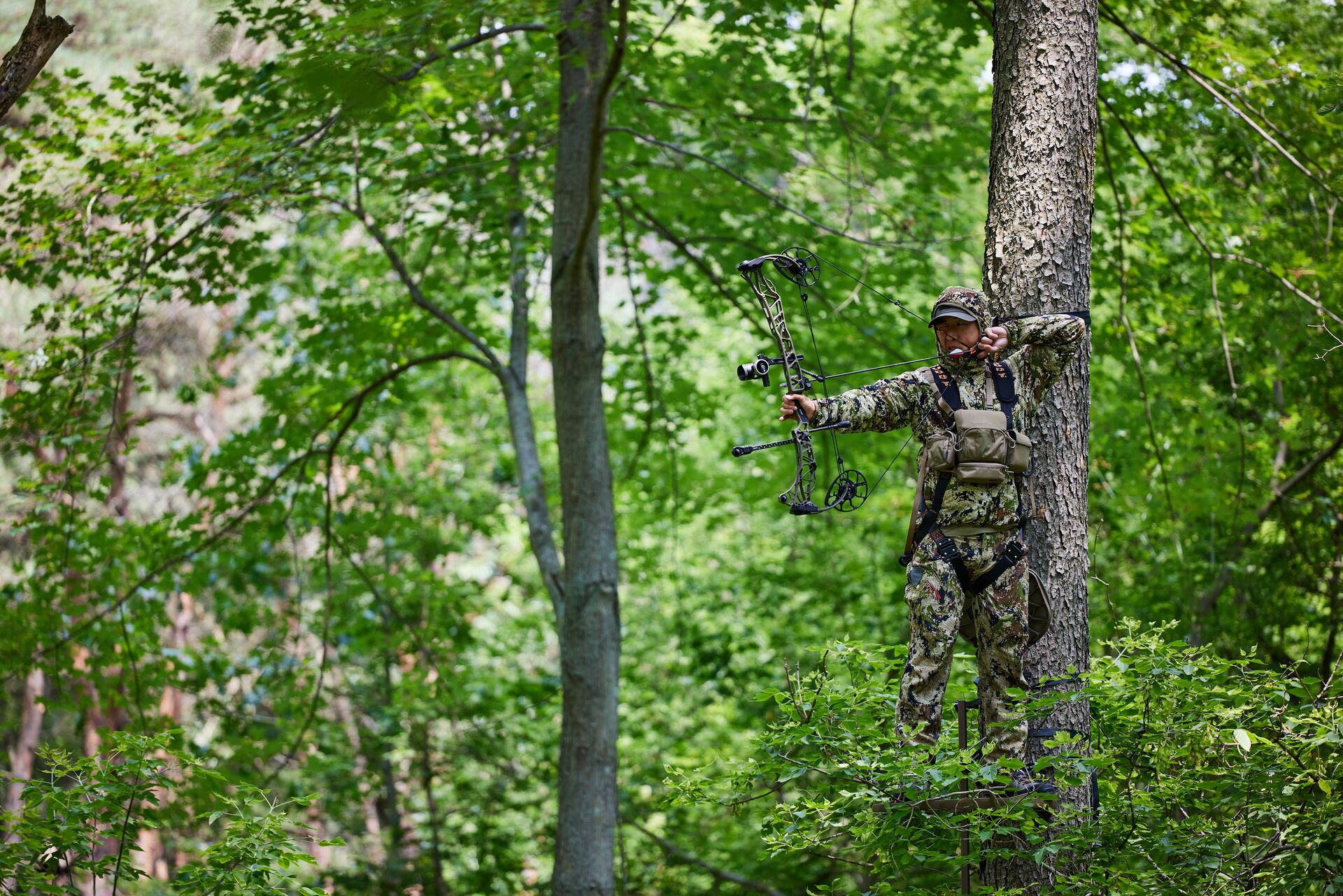
Elevated hunting using a tree stand or saddle can offer a different vantage point (and even an advantage) over a ground-level view. It’s also a good way to keep your scent above an animal’s nose when hunting.
Tree stands and saddles can offer a higher level of concealment, high above ground and hidden among branches and leaves. You can observe from above, then take your shot before an animal realizes you’ve been there all along.
What Are the Types of Tree Stands?
As you explore elevated hunting to determine if it’s right for you, you can experiment with the different types of tree stands.
These include:
Ladder Stands: These larger and more stable platforms typically have a built-in ladder. They’re ideal for long-term setups on private land where the stand can stay there year-round.
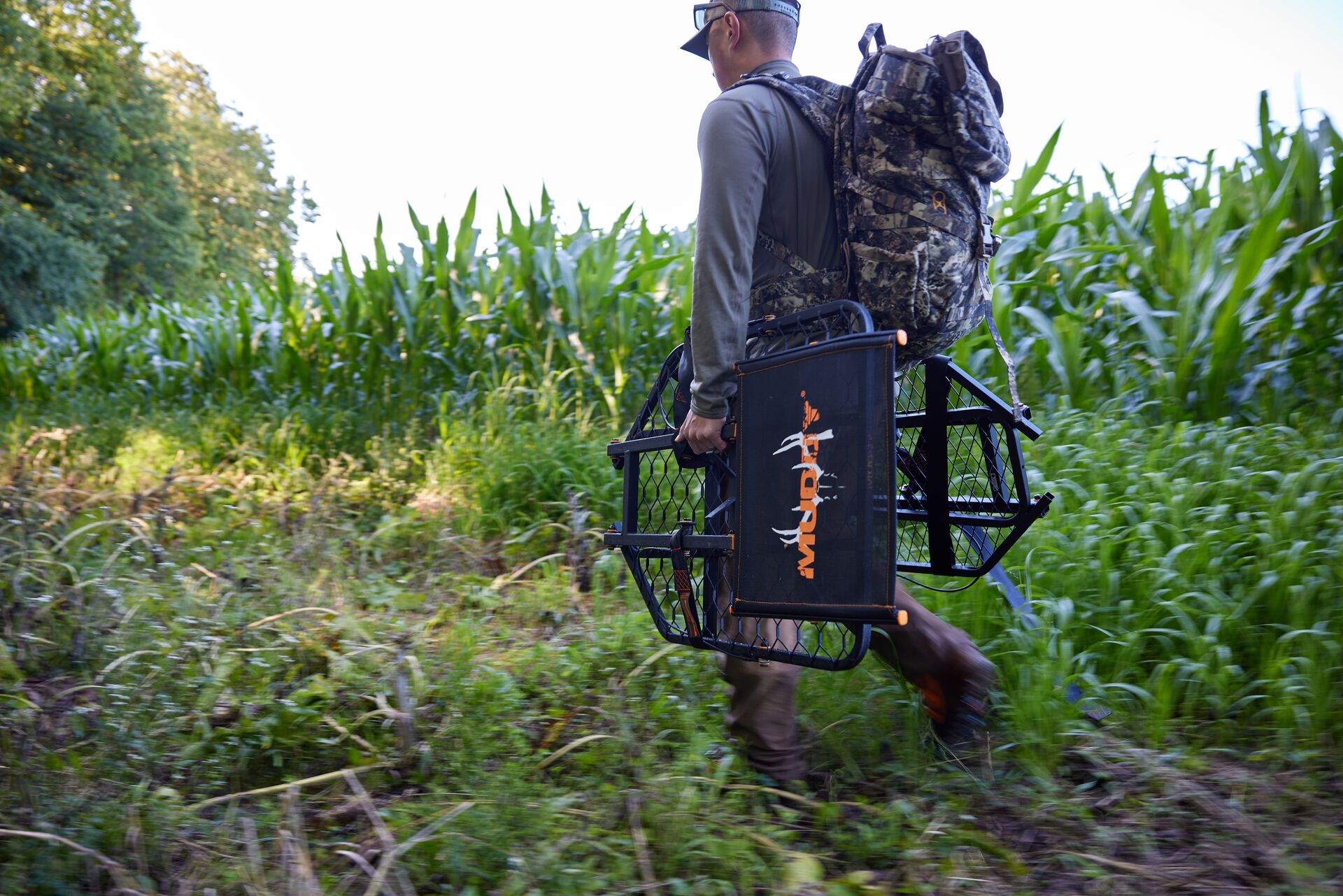
Hang-On Tree Stands: These are lightweight platforms secured to the tree with belts or chains. Ideal for mobile setups to move to different trees during a hunt.
Climbing Stands: These stands let you climb the tree and carry the stand up to where you’ll attach it to the tree. These are ideal for straight trees with no lower limbs.
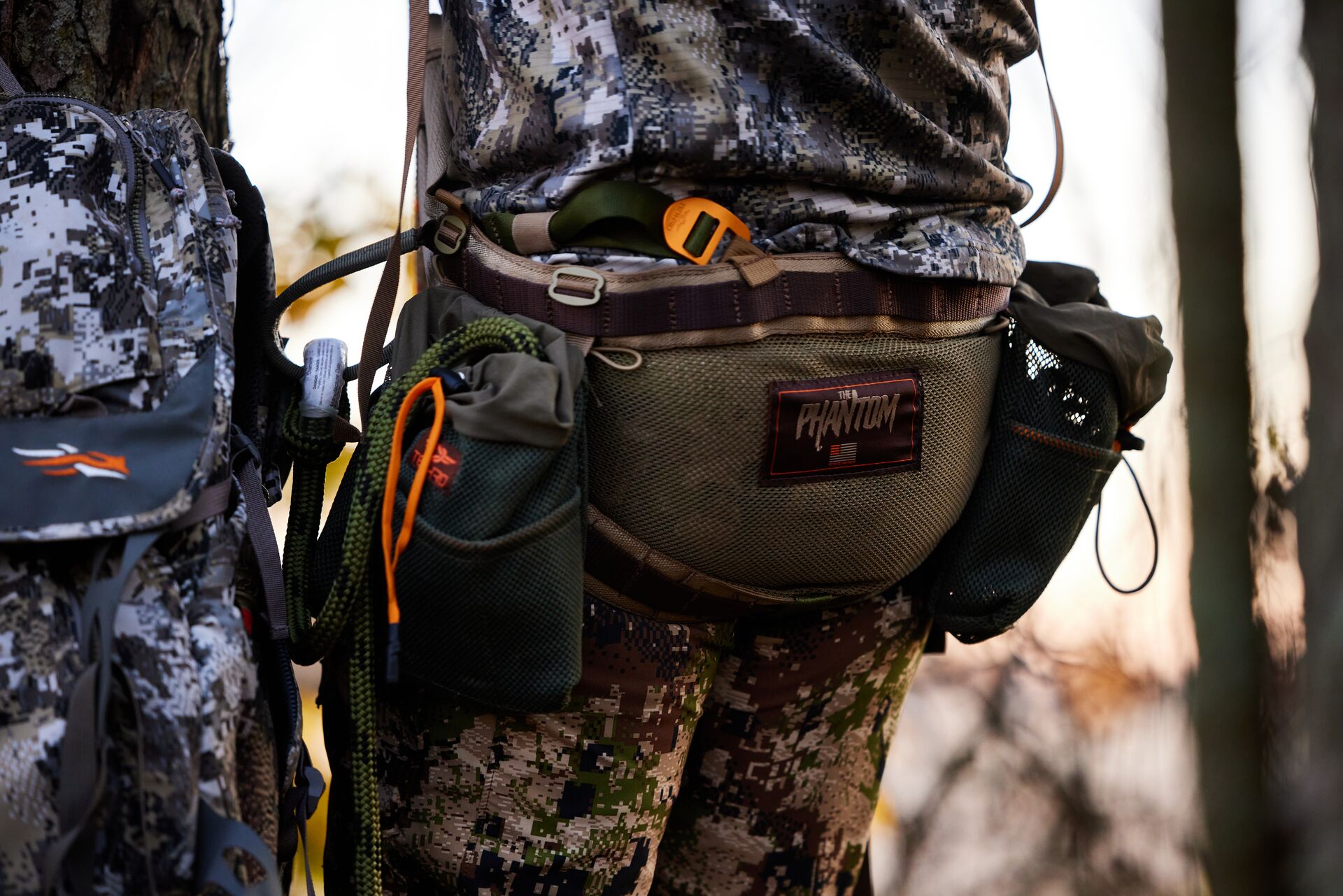
Tree Saddles: This is a lightweight harness-style system that lets you hang from the tree like a rock climber. Great for mobile bowhunters and deep public land hunts where you might move to different trees in pursuit of your game.
Try different setups to find what works best for you.
Beginner Hunting Tips for Tree Stand Success
As you experiment with tree stands and hunting above ground, put safety first and be smart about where you set up your stand.
Always use a safety harness as soon as your feet leave the ground (and keep it on until your feet touch the ground again).
Inspect the gear thoroughly before your first hunt to make sure straps, ropes, buckles, and platforms are in good condition before getting up in a tree.
Choose a strong, healthy tree. Even if it takes some time to find a good tree, don’t rush the process for a tree that may not hold your weight and cause a fall.
Scout to find the best location and be mindful of the wind direction. Place a tree stand where game animals travel and where you’re downwind.
Lastly, practice putting up your stand and climbing in and out before it’s time to use it in the field. Make sure you also practice shooting from different angles so you’re ready when that big buck gets closer to your hideout in the tree.
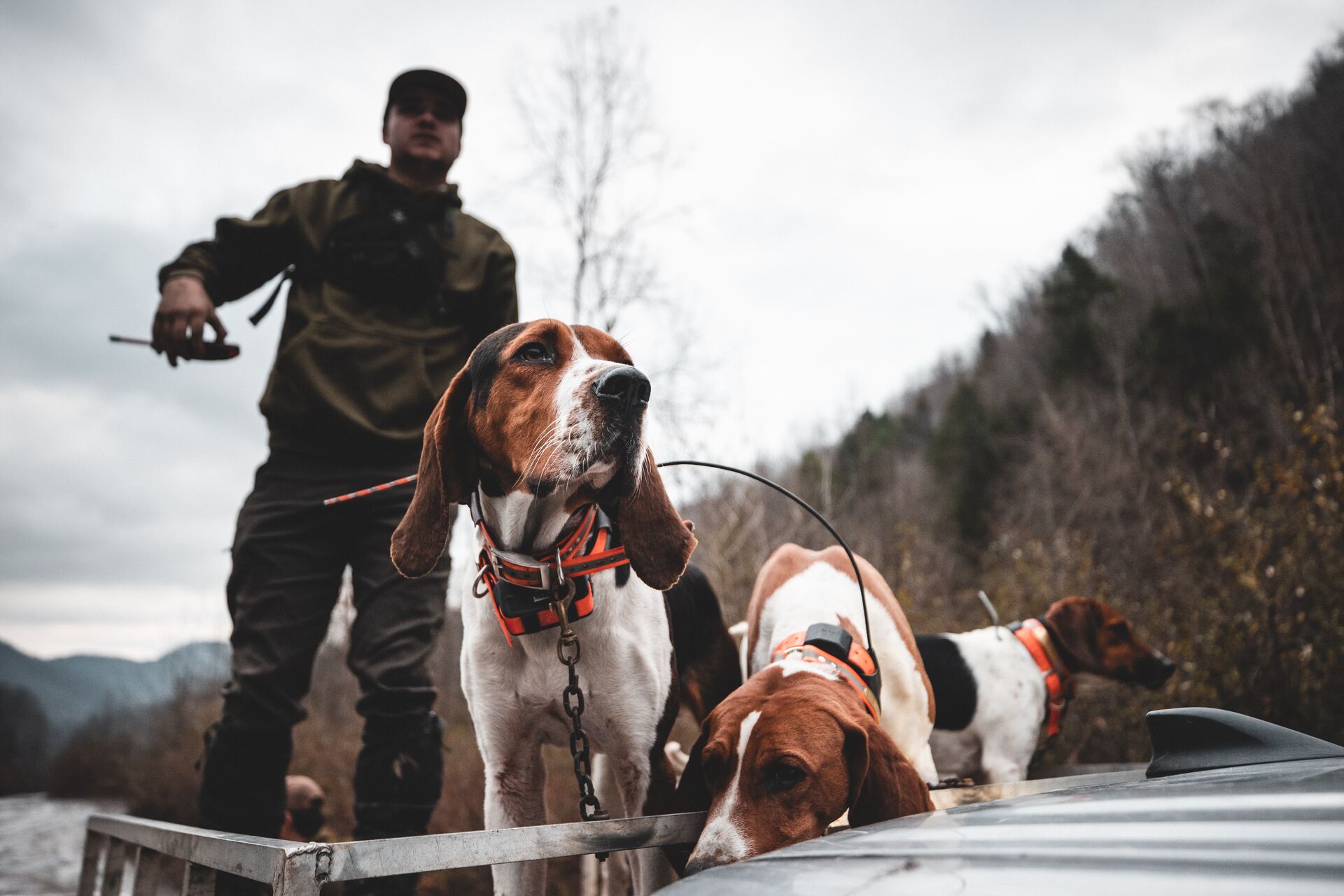
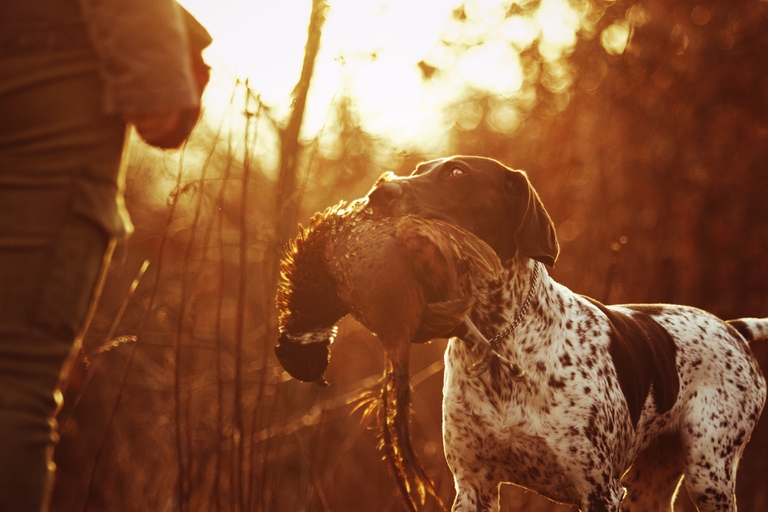
Hunting with Dogs
If you’ve ever been on a dove or pheasant hunt with friends or family, you may already be familiar with hunting dogs. However, before you grab your family pet, there are a few important things to know about hunting with dogs.
They Need Thorough Training
Even if you have a beagle (one of the best breeds of hunting dogs), getting it ready for hunting safely and successfully requires significant training.
Start with basic obedience training so your dog knows how to sit, stay, and come on command. Then, introduce “wild game” gradually to begin the foundations of flushing and retrieving. You can start with training dummies and scents to simulate a real hunt.
Then, get them out in a field to get them familiar with responding to you in actual hunting terrain. Work on consistency. You’ll also want to get them used to gunfire, so they respond appropriately and stay calm during a hunt.
Keep Your Dog Safe in the Field
One of the primary reasons dogs must be well-trained and ideal for hunting is to keep them safe. If your dog doesn’t respond to your commands or reacts poorly to gunfire, they can get hurt or cause other hunters to get hurt.
As you get ready to take your dog hunting, make sure they have the right gear.
Dogs should wear a blaze-orange vest (depending on your state’s requirements)
Bring a first-aid kit with dog-specific items to take care of cuts or scrapes from the brush
You should also outfit your dog with a GPS tracker or collar
Be sure you also bring plenty of water for your dog to keep them hydrated throughout the hunt.
What Animals Can You Hunt with Dogs?
Check your state’s regulations, but in general, you can typically hunt several species with your pup, including:
Upland Birds: Hunt quail, pheasant, or grouse with pointing or flushing breeds.
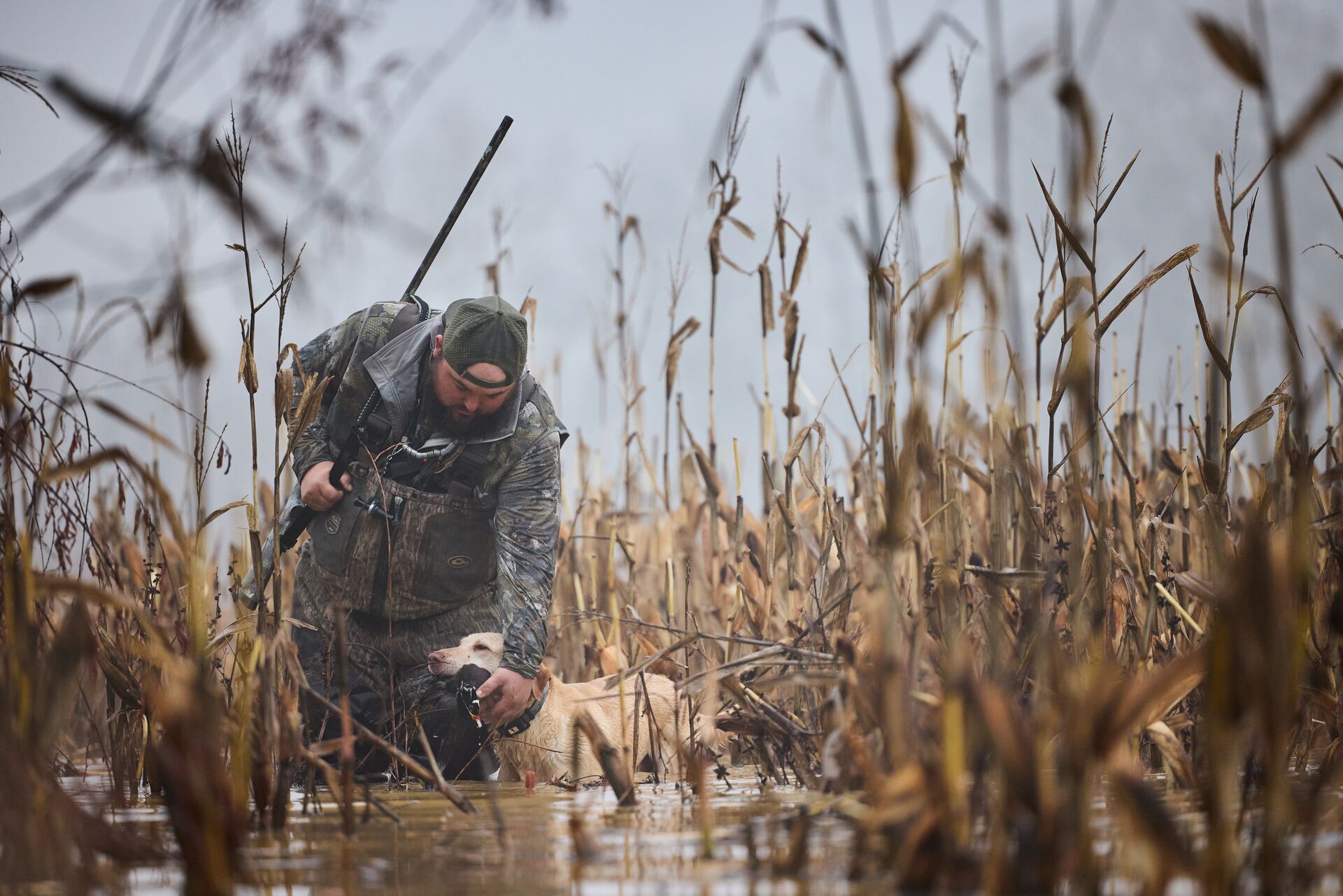
Waterfowl: Retriever breeds are great for hunting ducks and geese.
Rabbits and Hares: Your beagle (a scent hound) is a great fit for tracking and chasing rabbits and hares.
Some states also allow hound-assisted deer hunts and wild hog hunts to track and keep them at bay.
Hunting from a Boat
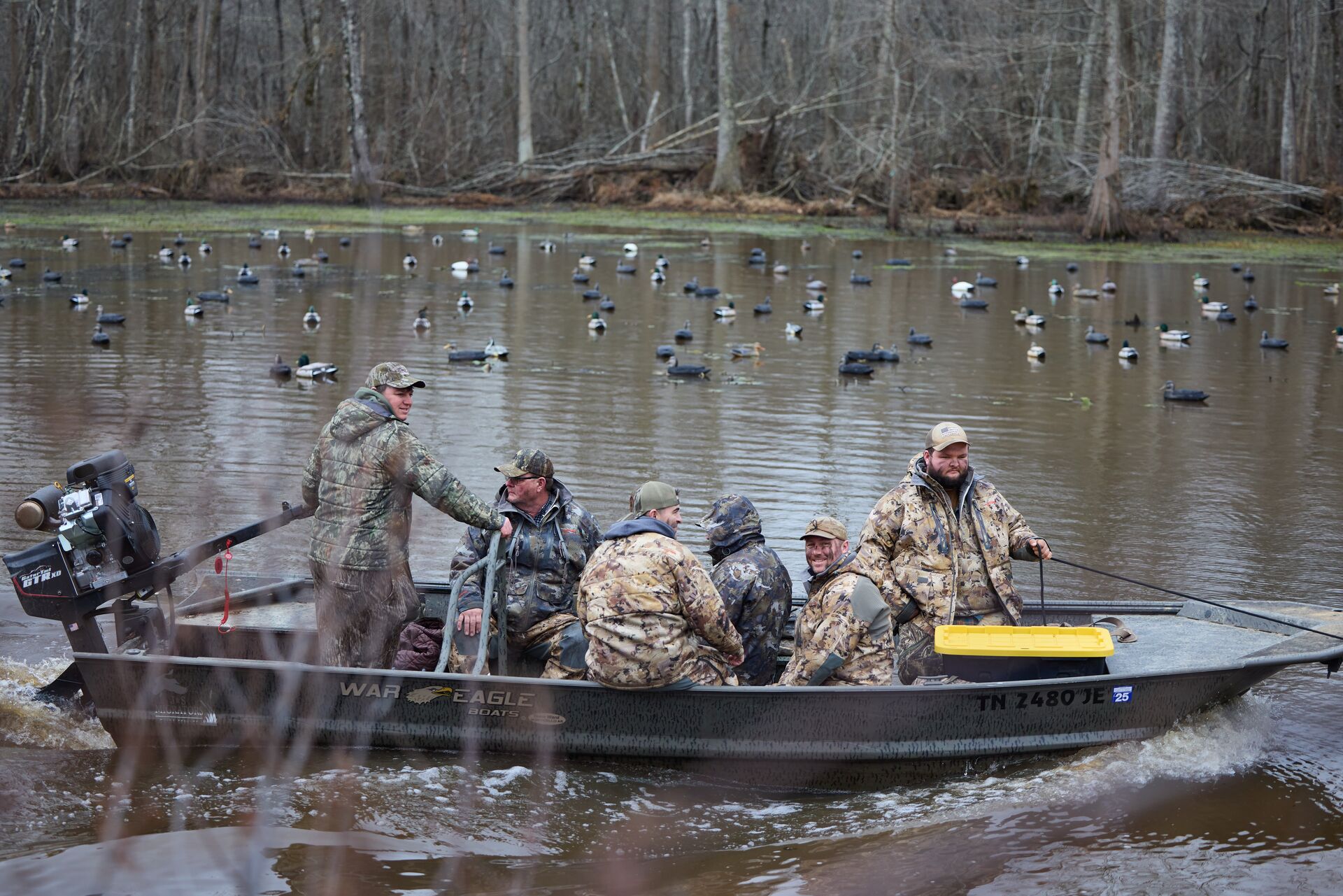
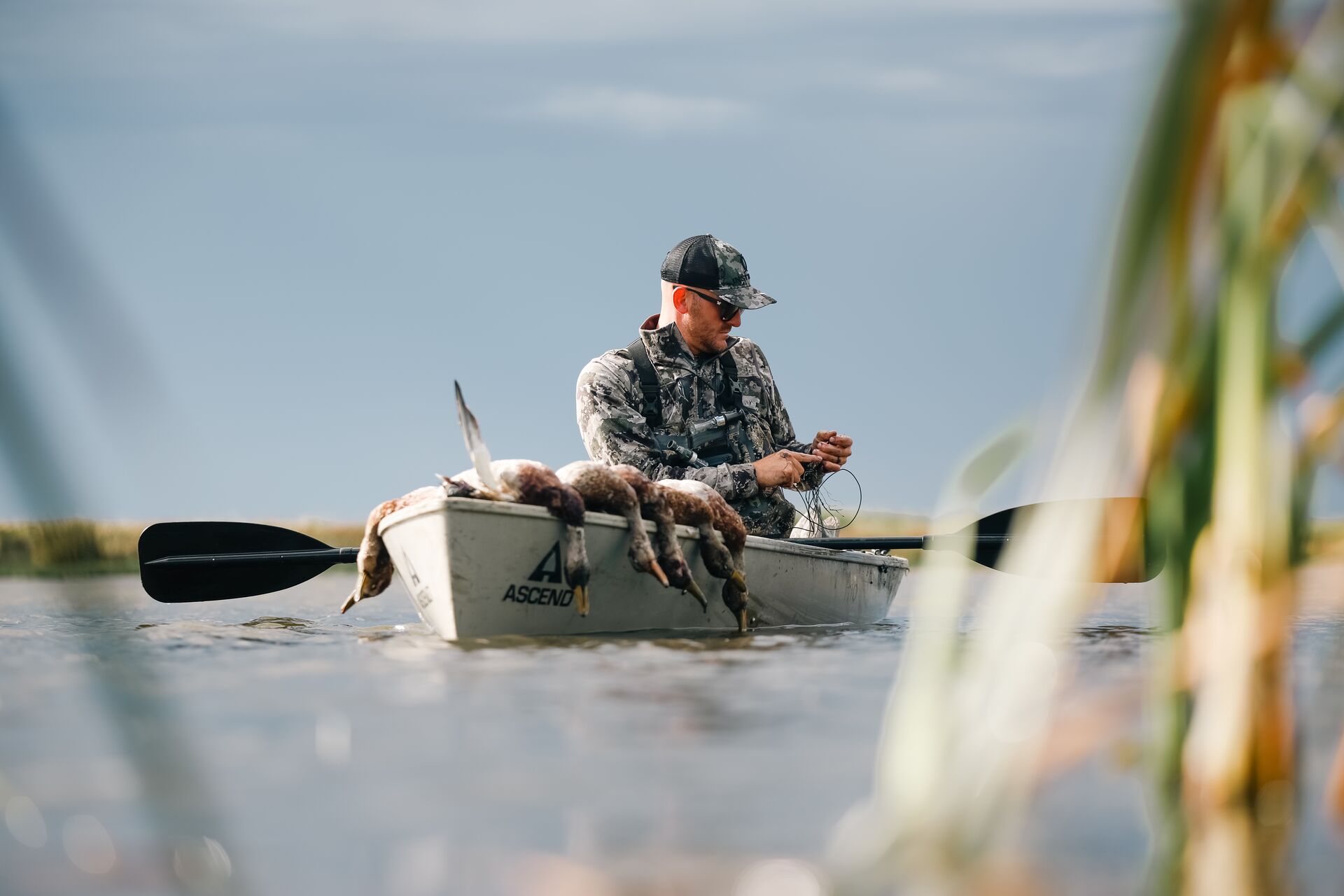
As you build your hunting skills, you can also expand where and how you hunt. For example, waterfowl hunting from a boat is an entirely different experience than hunting from a duck blind on land.
Why Hunt from a Boat?
Accessing a hunting area by boat can give you an advantage over other hunters on land, especially during waterfowl season. There could be ideal hunting areas that are too difficult to get to by hiking over land, so a boat is your best option to get there.
In other cases, it’s just simply the way some hunters prefer to hunt birds. You can quickly change your location and be in the middle of the action when positioned on a still, quiet boat on the water.
Put Safety First
In addition to hunting safely, you must also understand how to stay safe on a boat.
Wear a lifejacket and don’t overload the boat with hunting buddies, decoys, ammo, or too many birds after a successful hunt. Also, unload firearms when the boat is in motion.
In many states, boat operators are required to pass a boater education course like Boat-Ed (in addition to your hunter education course). So, if you’re driving the boat for your hunt, make sure you bring your boater education card with you (along with your hunter education card).
Then, as with any hunt, check the rules and regulations for your state for using a boat for hunts. Make sure you know the species you're allowed to hunt from the water.
Choose the right kind of boat (like Jon boats, layout boats, canoes, or kayaks) based on what you plan to hunt and how many people are hunting with you. You’ll also need to conceal the boat (as you would a hunting blind) with native vegetation so you blend into the surroundings.
Trapping vs. Hunting
What’s the difference between trapping and hunting?
Hunting is actively pursuing and harvesting wild game with a firearm, bow, or other legal means.
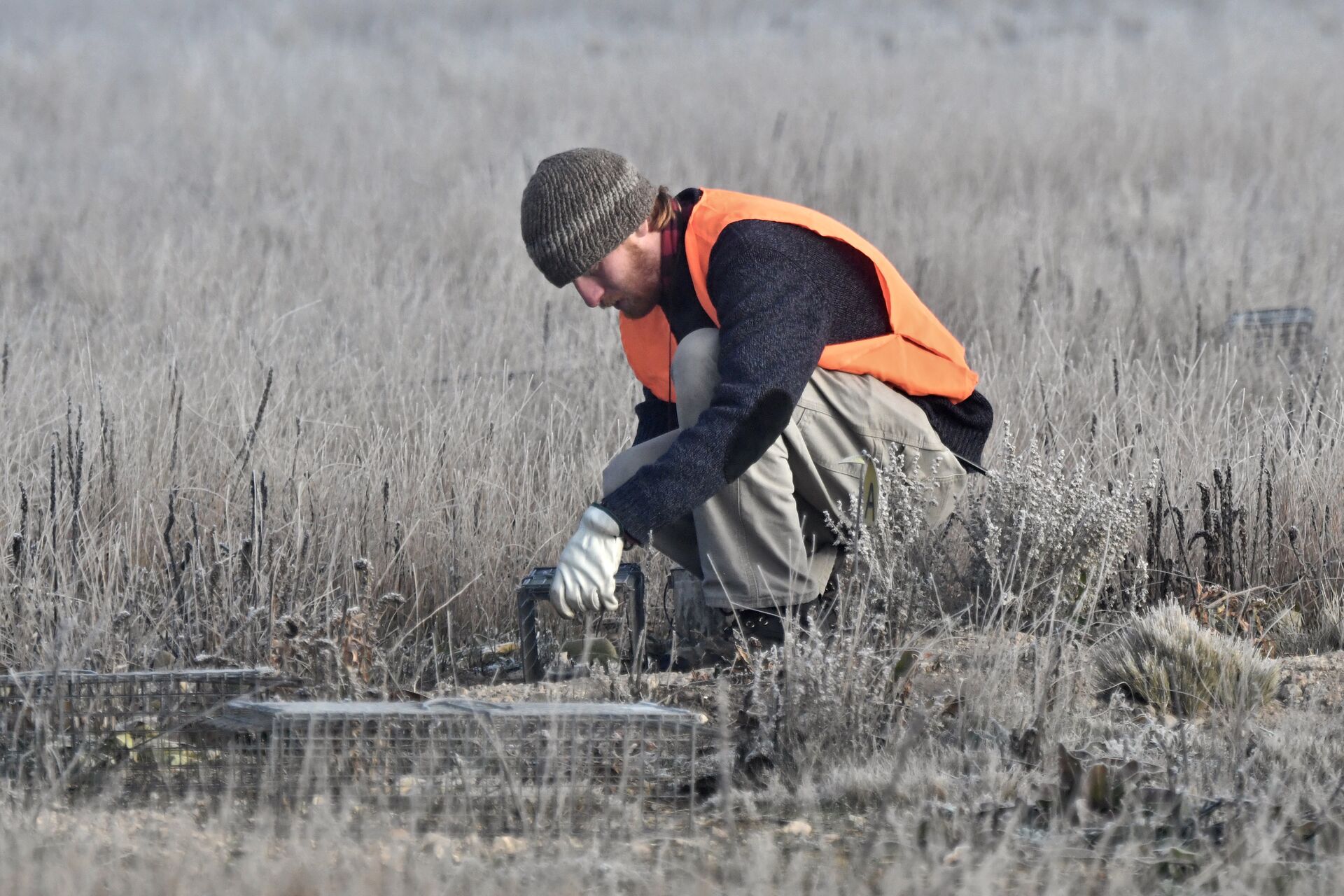
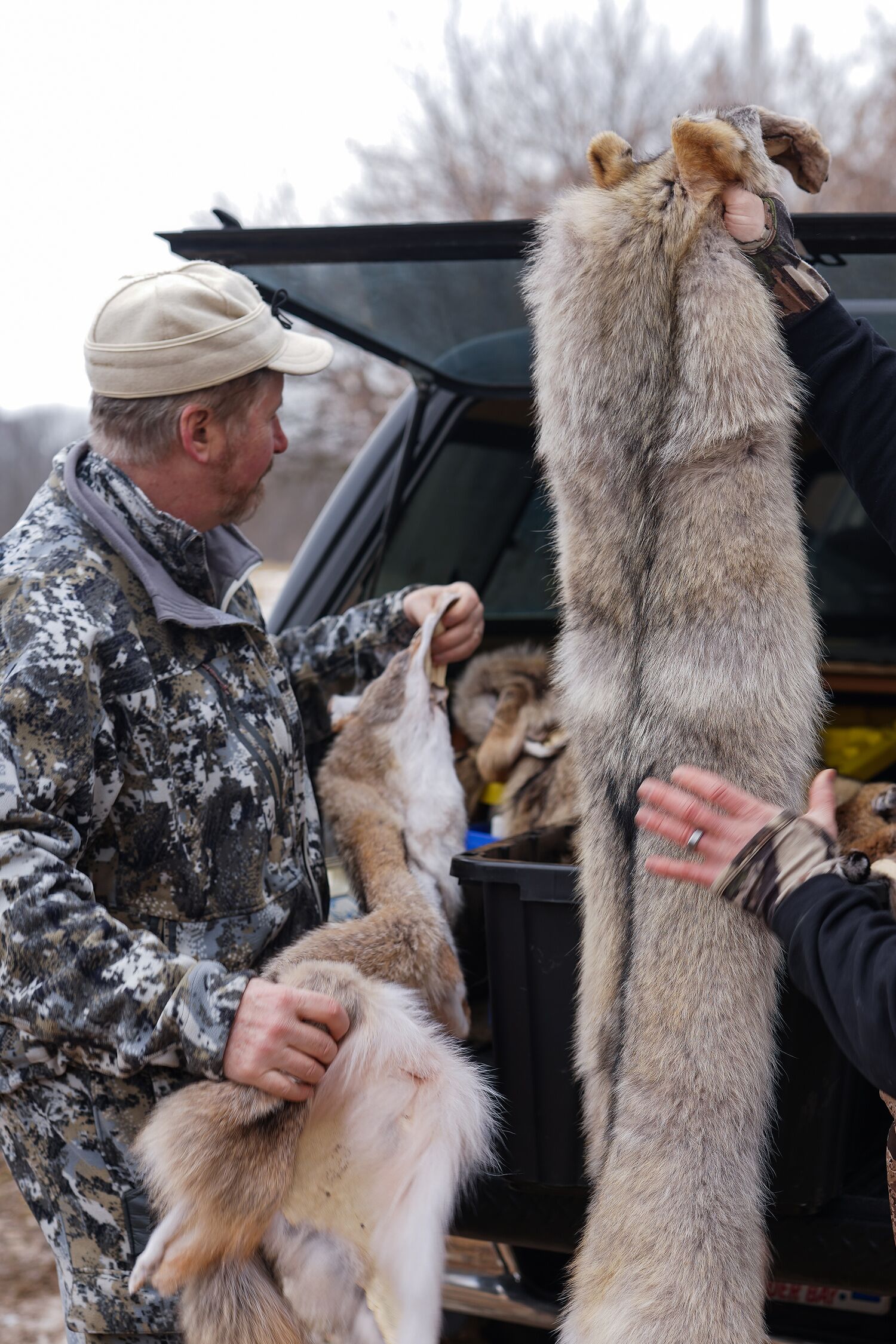
Trapping involves setting up devices (typically traps or snares) to capture furbearers or small game animals passively over time.
While the two can go hand in hand if you harvest animals year-round, the rules and strategies are different.
What Can You Trap?
Depending on your state’s regulations, trapping typically involves furbearers.
These animals can include:
Coyote
Muskrat
Beaver
Fox
Raccoon
Bobcat
Otter
Skunk
Opossum
Mink
For animals that can be trapped and hunted (like coyotes), make sure you check the rules and season dates. States typically have different regulations and season dates for trapping season vs. hunting season.
You may also need a different license to trap vs. hunt.
Types of Traps
Being a successful trapper takes time to learn the skills you need to lure animals into traps. You also need the right kinds of traps based on what’s legal for your area and the type of animal you plan to trap.
Types of traps include:
Cage or live traps
Foothold traps
Body-grip traps (Conibear)
Snares (where legal)
Colony traps for aquatic furbearers
Check your traps daily or as often as required by your state. Make sure you also follow ethical trapping practices, like using the right size trap for the game you’re after, releasing animals you didn’t intend to trap, and getting permission when trapping on private land.
What Is Land Management for Hunting?
How does land management come into play for hunting?
A good portion of protecting wildlife and land for them to live and thrive is managed by your state’s wildlife agency. On the private land side of things, and on a much smaller scale, landowners and hunters help support animal populations through land management, like providing and maintaining habitats for food, water, shelter, and spaces where wildlife can thrive.
Why Create Habitats (and What Does it Involve)?
Helping feed and protect the game in your area means there are healthy game animals to hunt every season. These habitats also help balance ecosystems and support ethical hunting practices and respect for animals.
As you’re learning how to get into hunting, you may not have your own hunting land or any interest in owning acres that you would maintain as a habitat for wild game. However, many hunters do this as part of their hunting tradition.
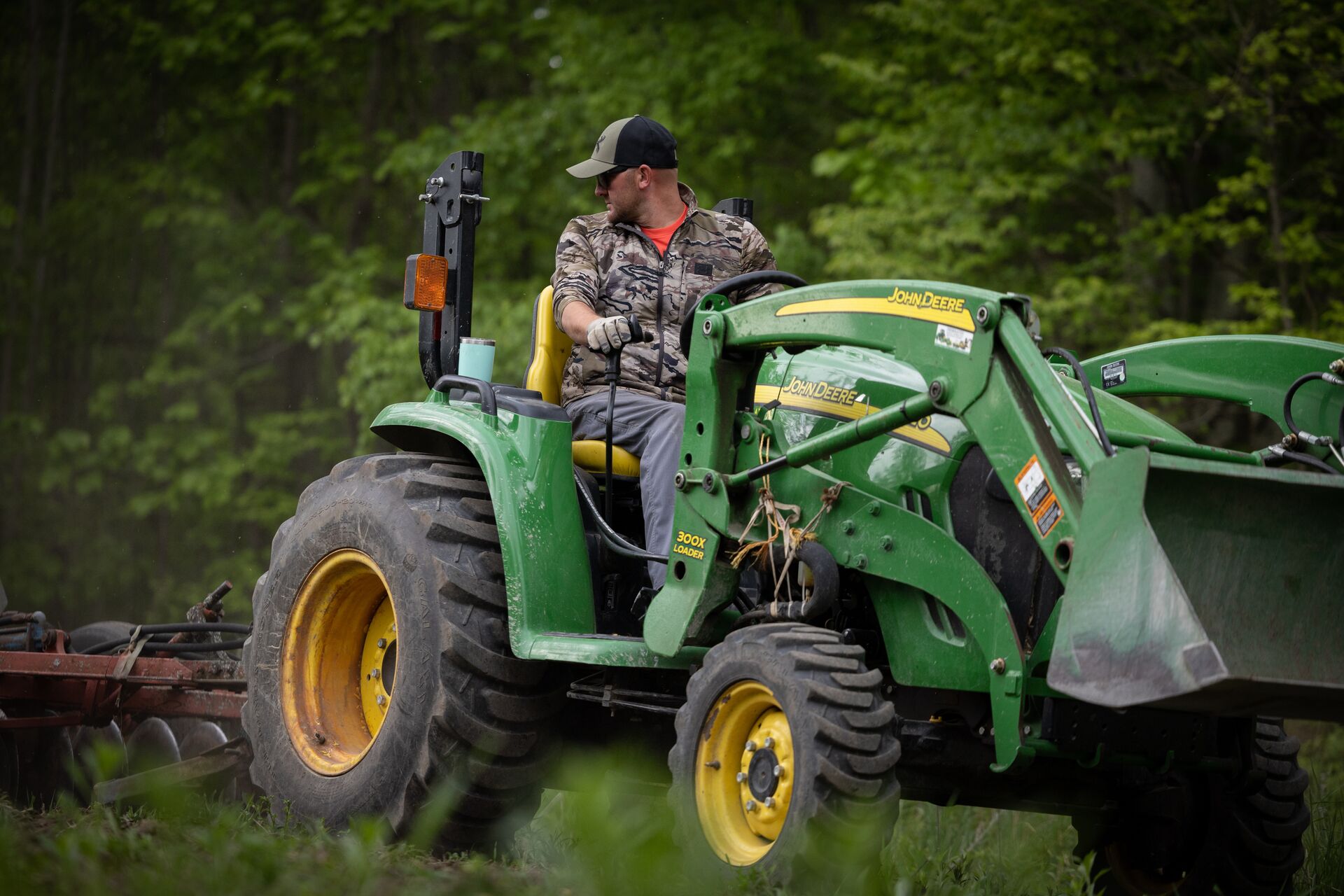
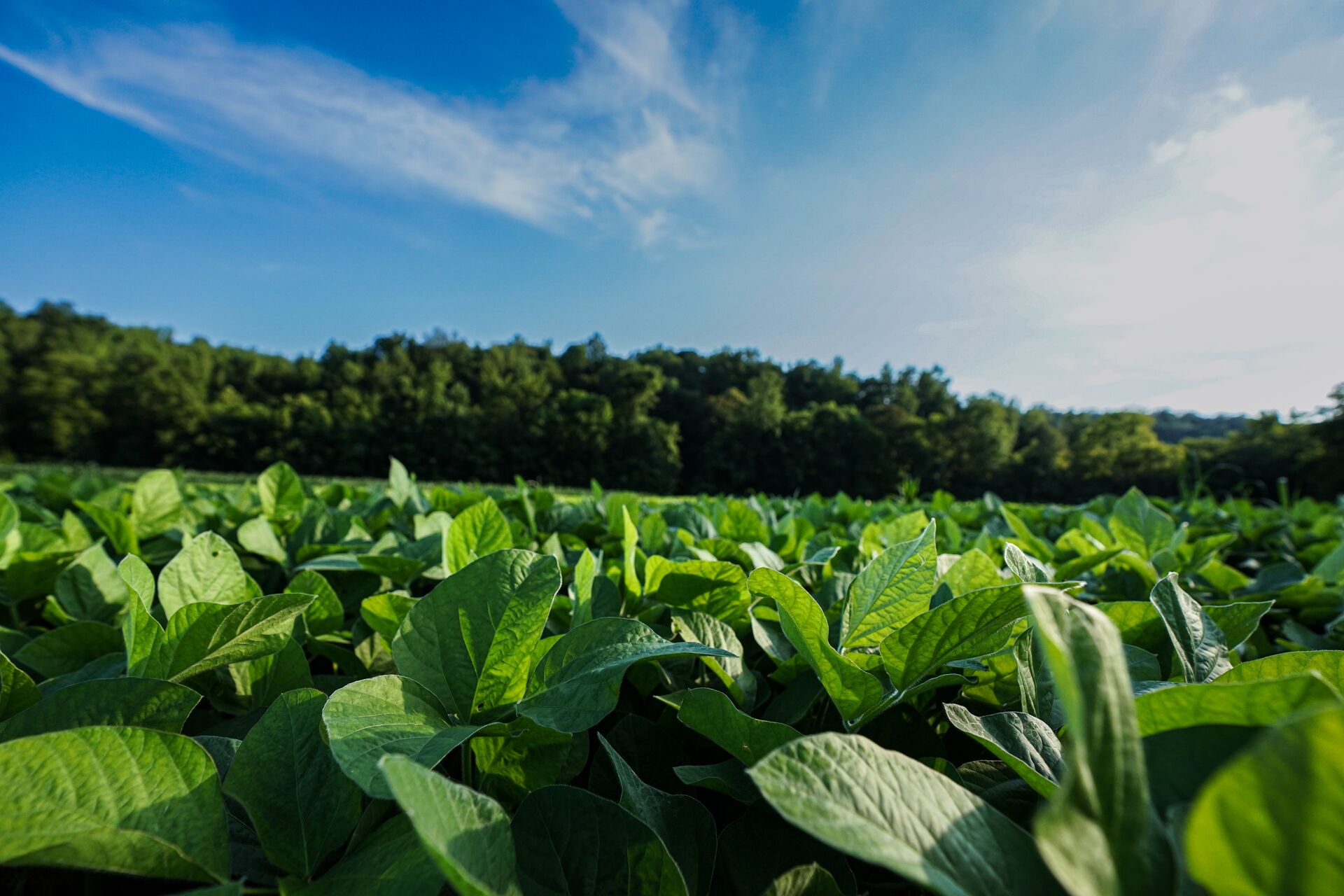
Land management includes creating and maintaining food plots, water sources, cover for bedding, and timber stand improvement — all things that encourage wildlife to stick around and stay healthy.
Depending on the species of game, land management looks different. For example, creating a habitat for waterfowl will be a different process and involve different food elements than building a habitat for deer.
Simply going out and killing animals is not an ethical rationale for hunting. By hunting with other seasoned hunters and through what you’ll learn in a hunter education course, you’ll build a foundation of understanding about the role hunting plays in conservation and your role as an ethical hunter.
What Are the Core Ethics of Being a Hunter?
Knowing why you hunt and how to do it responsibly makes you a better hunter! So, keep these core ethics in mind every time you hunt.
1. The Rules of Fair Chase
This rule emphasizes sportsmanlike conduct when hunting. To follow the Rules of Fair Chase, don’t take advantage of animals in ways that remove their ability to escape — like chasing with cars or using anything that gives you an unfair advantage. You must also avoid using illegal baiting, spotlighting at night, or over-reliance on tech that removes the natural challenge.
Bottom line: Respect the skill and patience involved in the hunt.
2. Maintain a Respect for Wildlife
Responsible hunters take only legal game. You must also make clean, humane shots and recover every animal you shoot. Additionally, never waste meat. In other words, never shoot an animal just because you can.
Appreciate the life taken and use everything you harvest when possible.
3. Have a Respect for Land and People
Always get permission to hunt on private land and leave it better than you found it (that goes for public land, too). Follow all posted regulations and boundaries.
Pack out your trash, pick up your brass, and don’t damage fences, gates, or trails.
4. Always Obey the Law
Hunting is better when everyone follows all local, state, and federal regulations. This includes season dates, weapon types, bag limits, and required tags or permits.
Hunters must understand the purpose of these laws. They are there to help protect wildlife and the hunting opportunity.
5. Be a Positive Example
Even as a new hunter, you must represent the hunting community well. Teach others, especially young hunters, to value conservation and ethical behavior.
Also, treat other outdoor users (hikers, birdwatchers, anglers, etc.) with courtesy. We’re all sharing the outdoor space, so treat everyone with respect.
How Does Hunting Help Conservation Efforts?
Hunting regulations help manage populations of game species to prevent overpopulation, disease, and habitat destruction. It also prevents conflicts between wildlife and humans, like crop damage, predators harming livestock populations, and vehicle collisions.
Hunters also help fund conservation efforts through the fees associated with hunting licenses and tags, taxes on firearms and ammunition, and fees for habitat stamps (like waterfowl stamps).
Part IV: Beginner Hunting Tips for Common Game Species
How do you hunt deer vs. turkey? The strategies and techniques for hunting one species aren’t always the same as another. That’s part of what makes hunting a year-round and lifetime challenge. There are always new things to learn!
To help you get started, we’ve pulled together some specific hunting tips based on a few of the most common animals you may want to hunt.
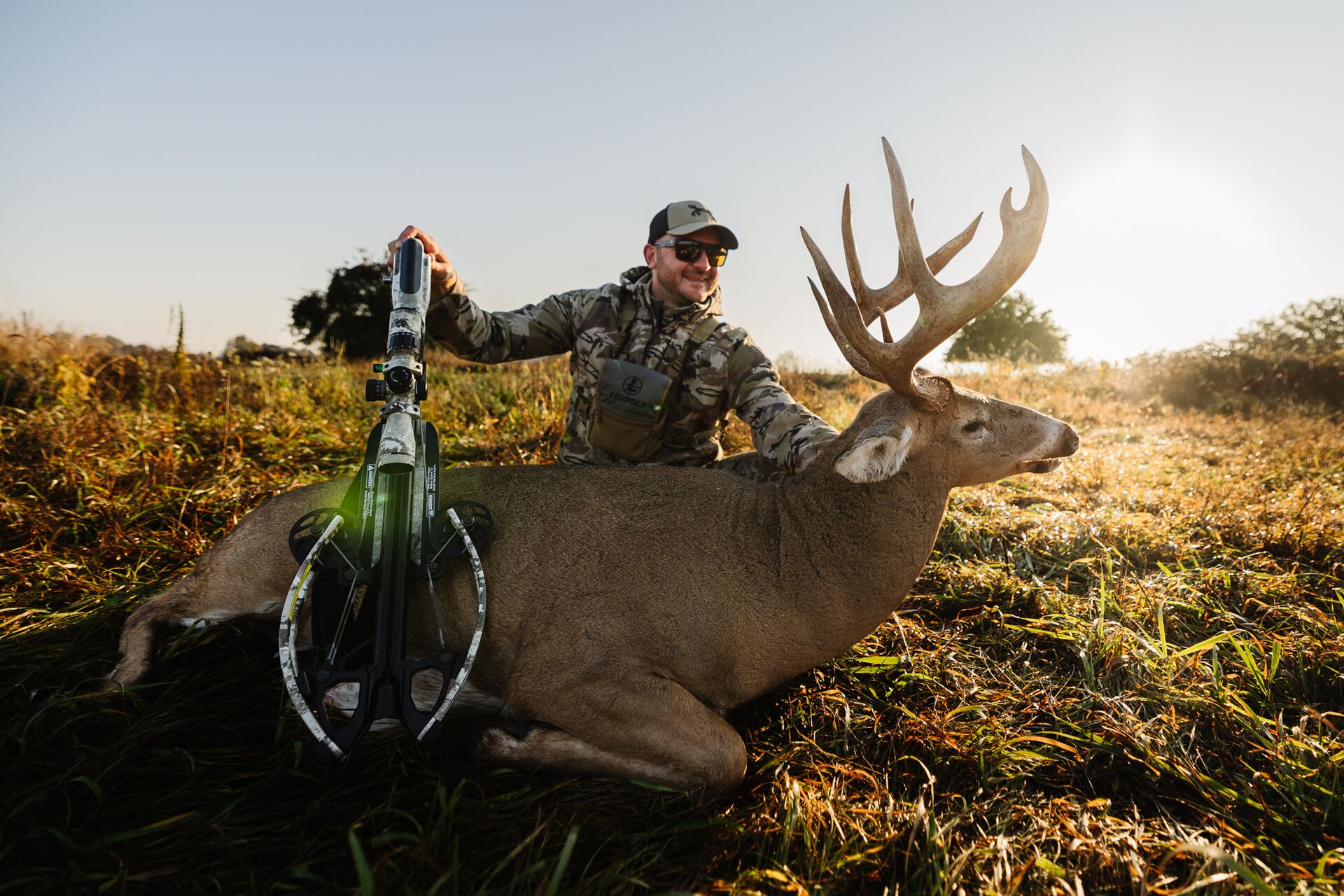
Whitetail Deer
A whitetail hunt is a great way to get into hunting.
Keep these tips in mind for a successful hunt!
Scouting is Key: We can’t stress enough how important it is to scout as much as you can before your hunt. Look for travel corridors, rubs, scrapes, bedding, and feeding areas.
Hunt the Wind: Deer have an excellent sense of smell and can smell you coming before you know they’re in the area. Always keep the wind in your face to avoid being scented.
Target Peak Times: Early morning and late evening are prime times to catch deer moving around, especially during the rut (breeding season). Target your time in the field for mornings and evenings.
Use Calls and Scents: Grunt tubes, rattling antlers, and doe-in-estrus scent can draw bucks during the rut. Practice using calls before you go out into the field, and don’t call too much (or it won’t sound natural).
Use Tree Stands and Blinds: Stay hidden! Set up near travel corridors or food sources, then stay still and quiet.
Enjoy the hunt as much as the harvest, and you’re on your way to success as a deer hunter.
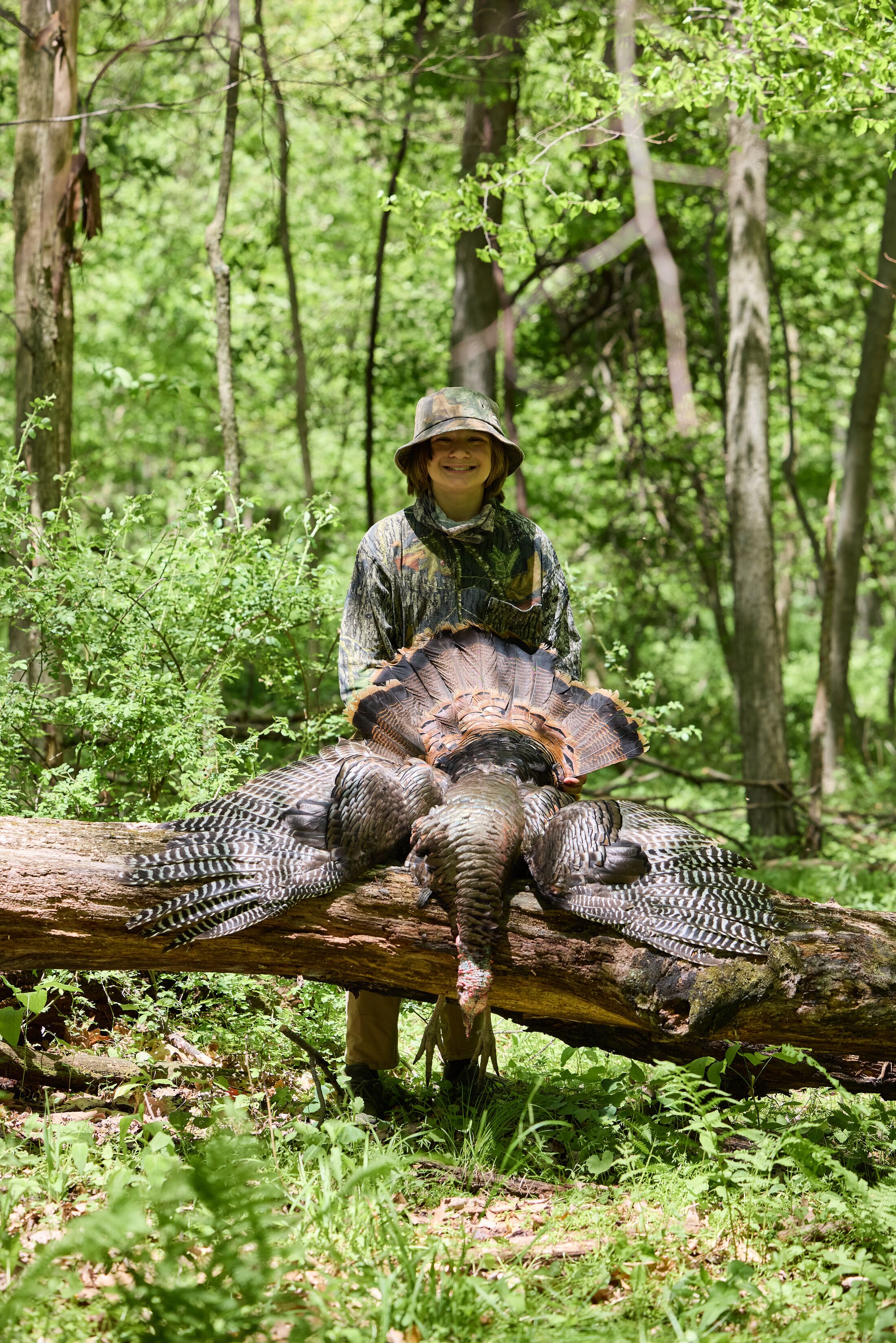
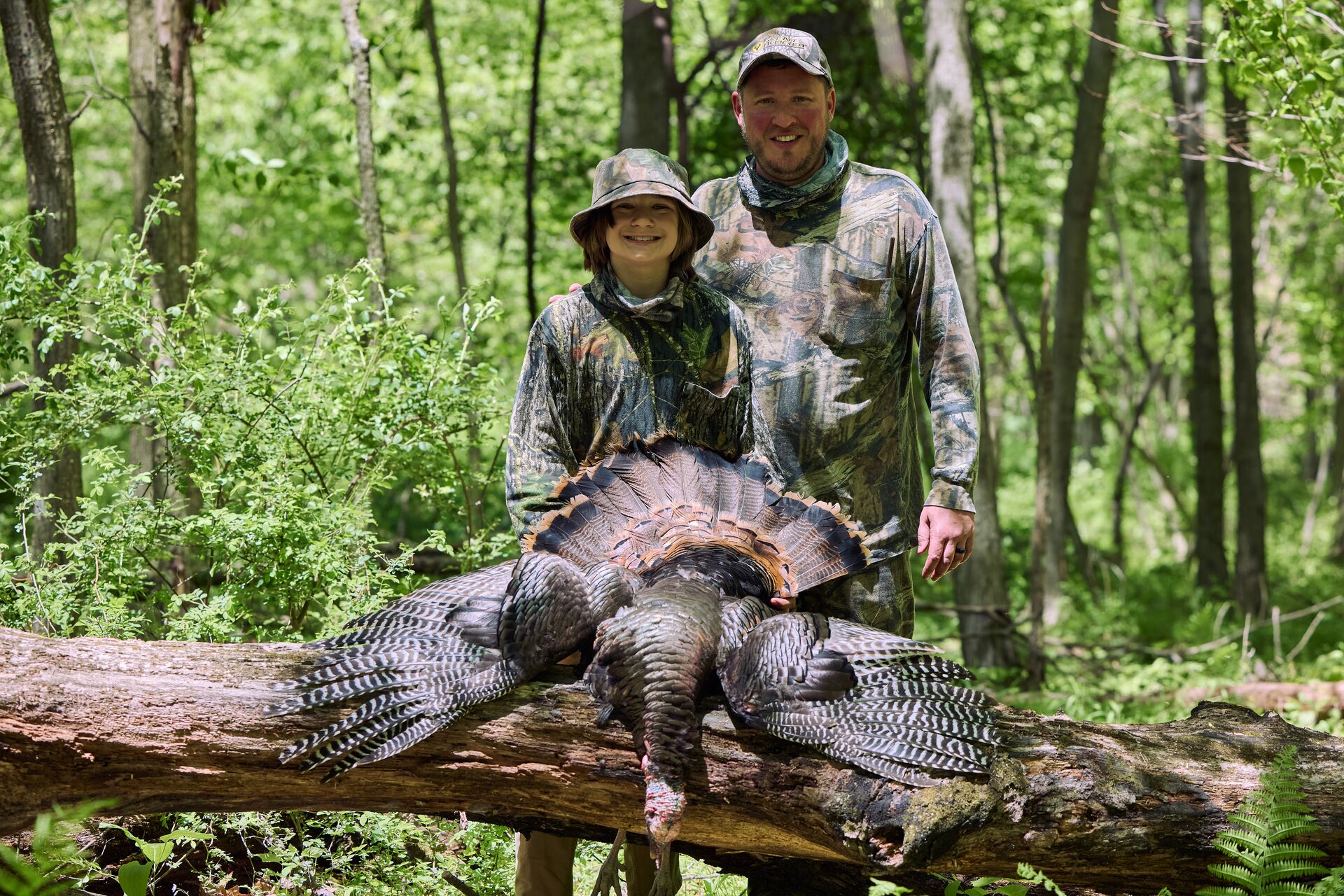
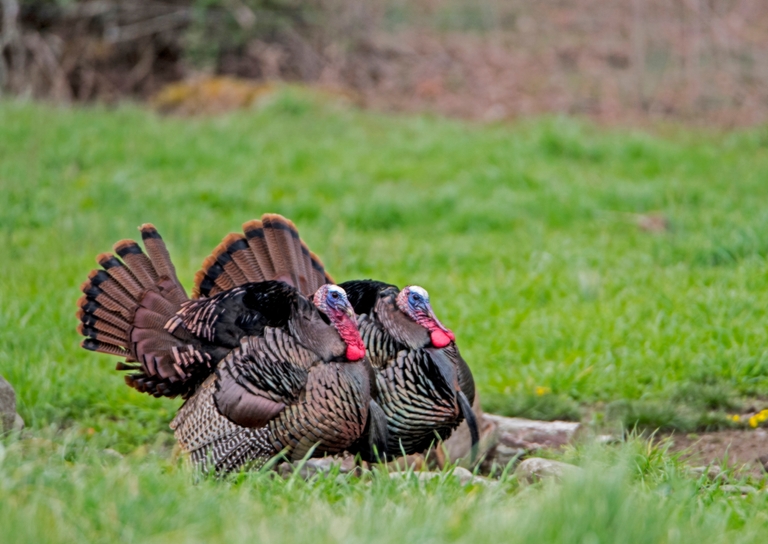
Turkey
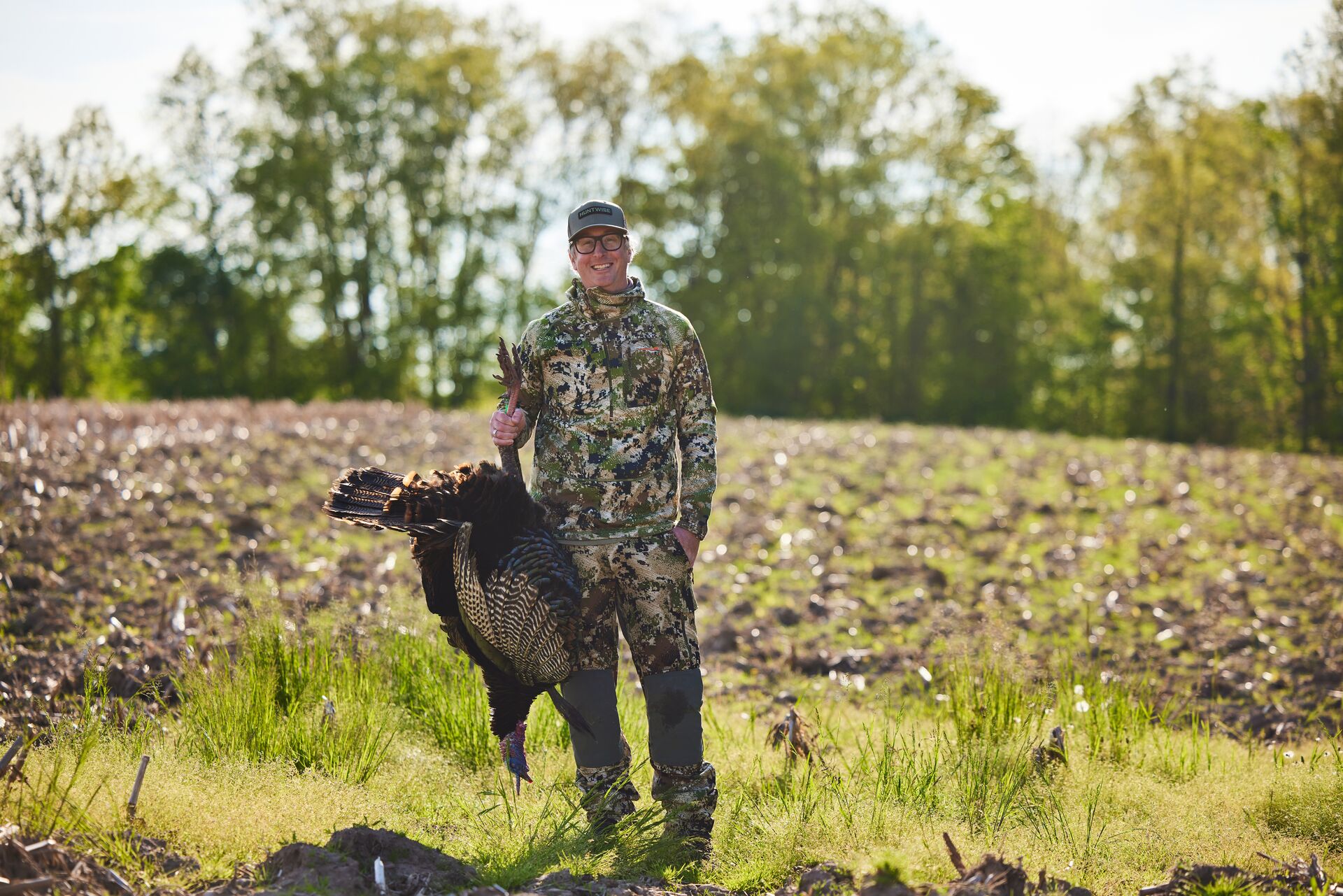
Going after gobblers takes your hunting skills up a notch. Turkeys are fun to hunt because they’re smart and a smaller target than deer.
Here are a few tips for a successful turkey hunt:
Locate Roosting Areas: Scout where turkeys roost at night and where they fly down in the morning. Set your blind nearby and catch turkeys moving from where they roost to where they eat.
Use Decoys: Decoy hunting takes patience and skill to learn the right setups to fool toms into thinking they see real turkeys. Place hen or jake decoys in open areas to attract toms (male turkeys).
Master Turkey Calling: Practice yelps, clucks, and purrs with diaphragm or box calls before your hunt. Then, as with deer calls, don’t over-call when in the field.
Camouflage Matters: Turkeys have excellent eyesight, so it’s crucial to blend into the surroundings. You’ll need full-body camo (even gloves and face mask), especially if you opt not to use a blind for your hunt.
Sit Still: Movement spooks birds fast. Set up and let them come to you. Then, move slowly when using turkey calls and raising your shotgun for a shot.
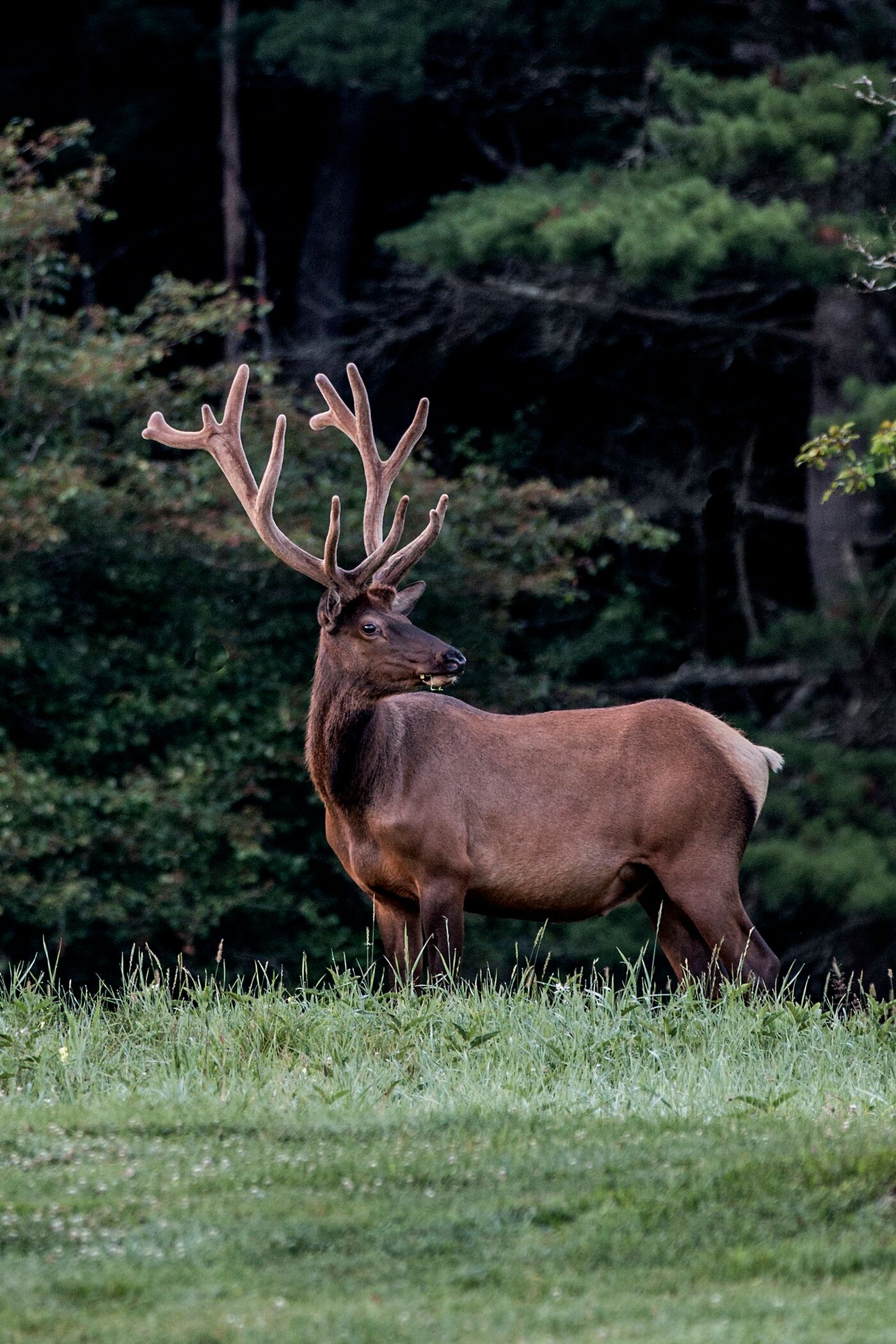
Elk
An elk hunt requires a lot of planning, but it’s well worth it when you bring home some elk meat or a trophy elk rack for your home.
When you draw an elk tag, make sure you’re ready for a successful hunt with these tips:
Pre-Season Scouting Is a Must: Use optics and glass from a distance to locate herds and learn their daily movements.
Bugle Strategically: Use bugle calls to challenge bulls during the rut, but don’t overcall. Again, as with other game calls, you want to sound like a real elk. Practice before your hunt.
Get in Shape: Elk hunting involves rugged terrain, high elevation, and long stalks. As soon as you know the date of your hunt, start rucking with a weighted pack and build your strength and cardio so you’re ready for the trek.
Hunt Thermals: In the mountains, wind moves uphill in the morning and downhill in the evening. Monitor elk behavior depending on the wind and plan your stalks accordingly.
Glass Often: Use binoculars and spotting scopes to locate elk before moving in. Then, plan your approach and stay quiet as you go after them.
If you’ve never hunted elk before, plan your hunt with a guide who knows the area or an experienced elk hunter, especially if you’re traveling for your hunt.
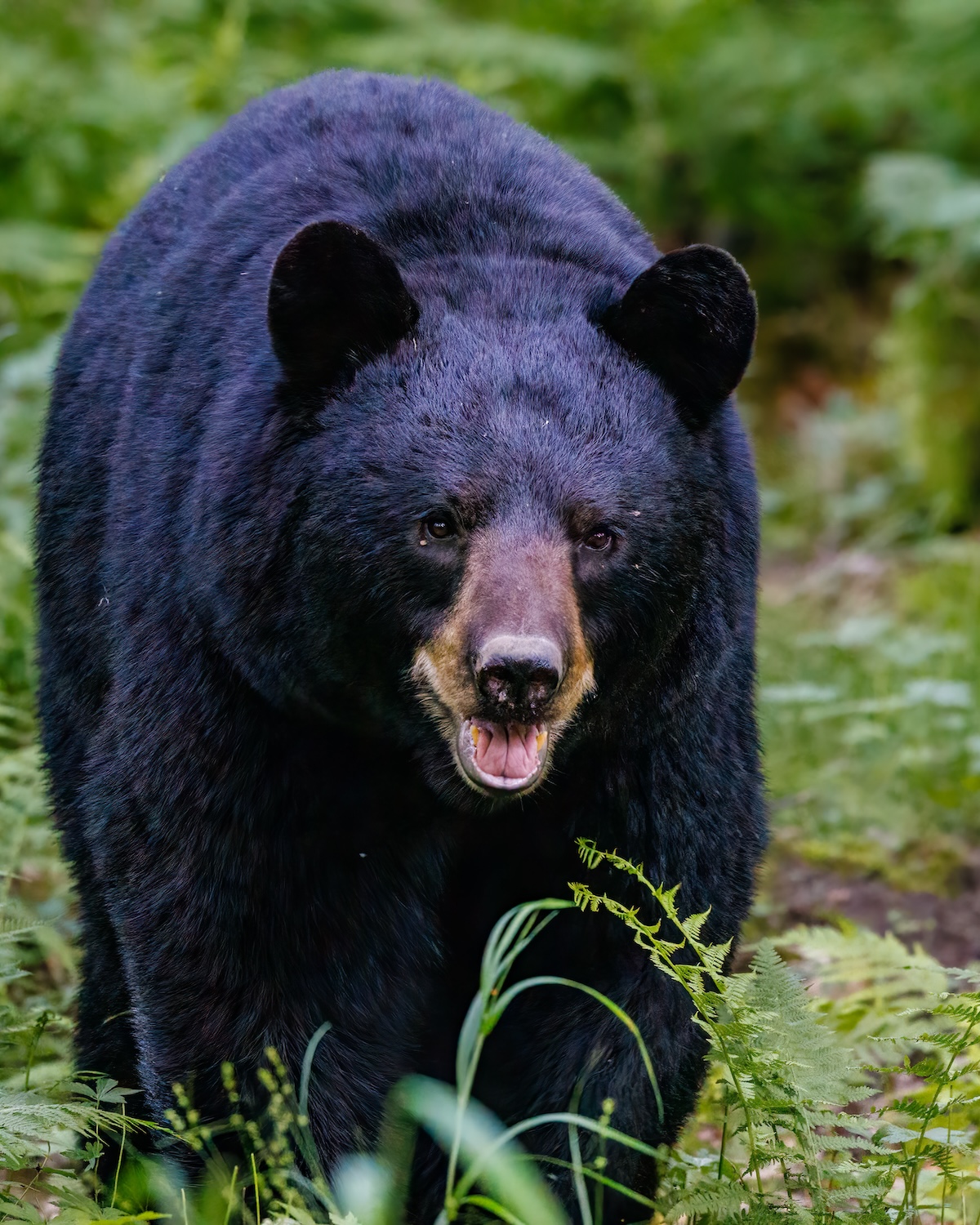
Bear
Many states offer black bear hunting, and some states offer grizzly hunting. Make sure you know the rules for bear hunts depending on your hunt.
Here are a few bear hunting tips to get you started:
Baiting or Spot-and-Stalk: Depending on the region and regulations, baiting may be allowed. Otherwise, glass and stalk hunting will be your best bet.
Hunt in Early Morning or Late Evening: Bears are most active when temperatures are cooler. Get up early or plan a hunt late in the day.
Be Bear-Aware: Know how to identify species (black bear vs. grizzly), and always carry bear spray when in bear country. You’ll also want to study bear behavior so you know what to expect when a bear comes into your sights.
Shot Placement Is Critical: Bears have thick fat and long hair, so aim for the vital zone behind the front shoulder.
Check for Scat and Tracks: Active areas often have lots of fresh bear sign. You know you’re close when you see bear tracks and scat.
When you take down a bear, make sure you know the rules for tagging and have a plan for getting it out of the hunting area to harvest the meat and fur.
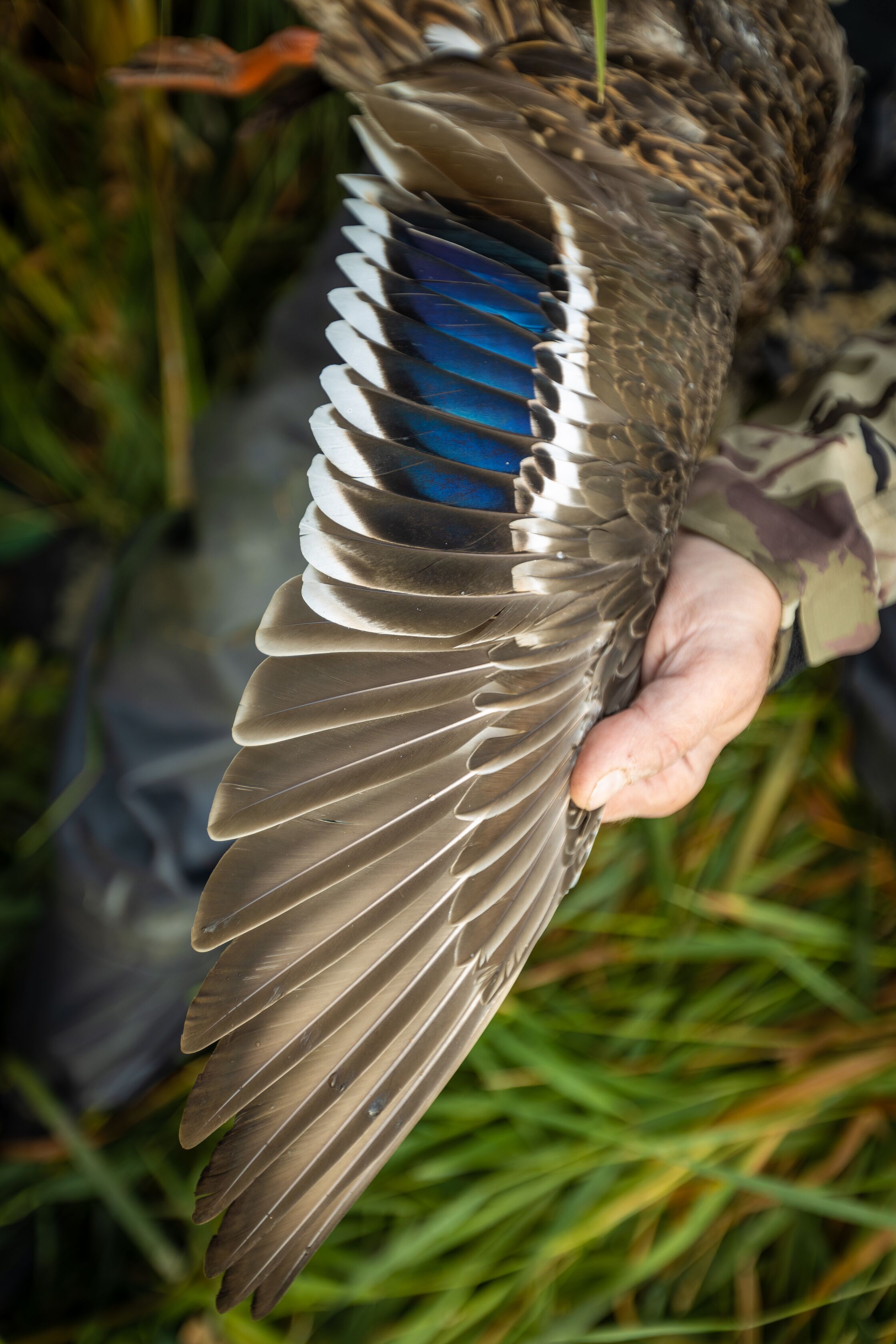
Waterfowl
Hunting ducks and geese is exciting and challenging. You’ll need to think differently than hunting deer or even turkeys.
Scout Feeding and Flight Patterns: Watch and take note of where birds feed and land, then set up where they want to be. Get out early so you’re set up before they start moving around.
Choose the Right Decoy Spread: Different decoy spreads work better for different types of waterfowl and locations, so experiment until you find the configuration that works best. Use realistic decoys, set them up in a natural formation, and leave a landing zone.
Stay Concealed: We can’t stress enough how important it is that ducks and geese don’t see you. A well-camouflaged blind or layout setup is essential to keep them from spotting you as they approach your decoy spread.
Calling is Crucial: Practice calling to simulate natural flock behavior. Calling less is often more effective.
Watch the Weather: Cold fronts and windy days bring new birds and better flight patterns. Use a hunting app like HuntWise to track the weather in real-time so you can adjust on the fly.
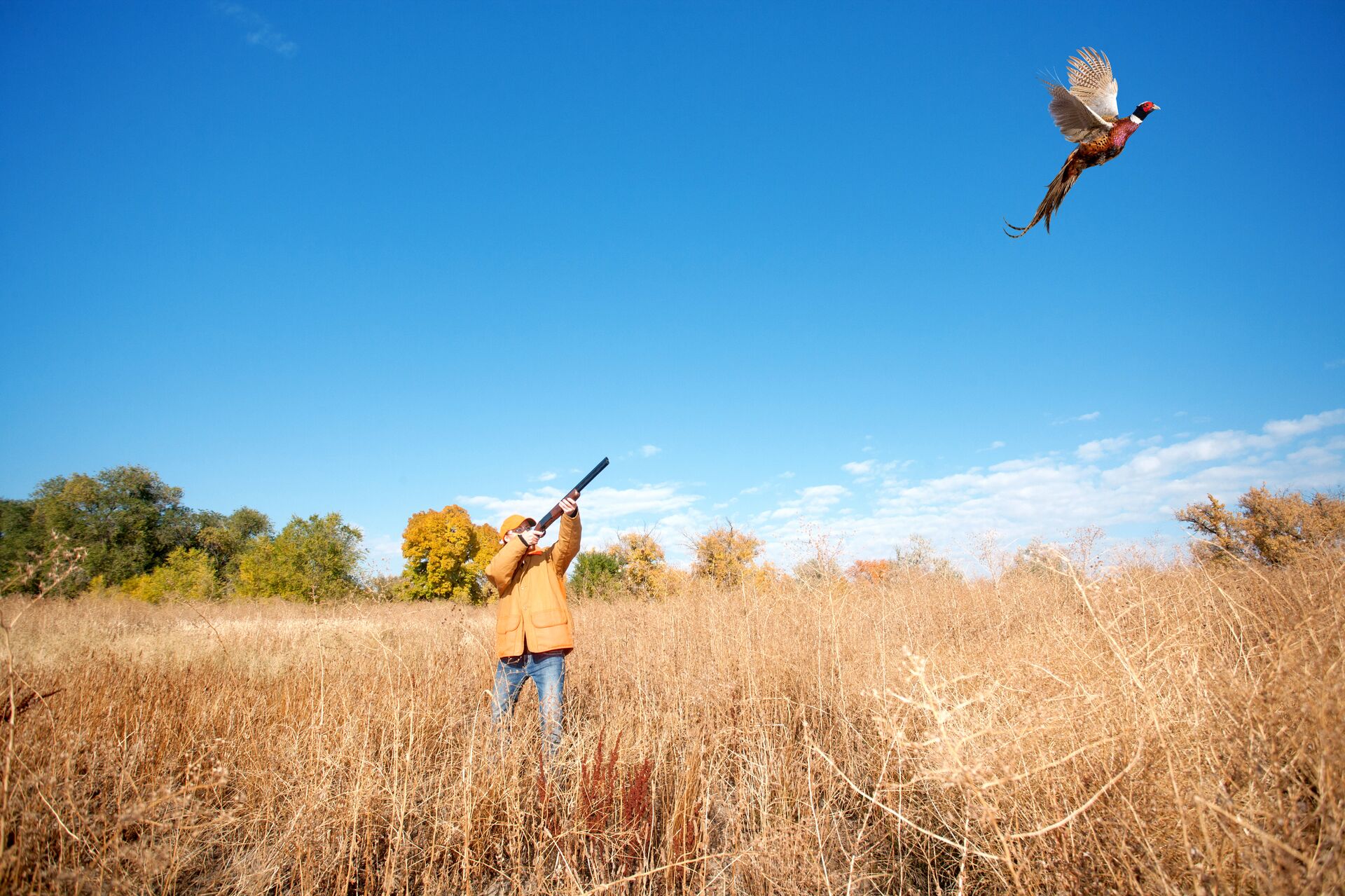
Upland Game
Upland game includes birds like quail, pheasants, and grouse. These hunts are fun and challenging, and a great way to stay sharp when you’re waiting for deer season to roll around again.
For successful upland game hunts:
Use a Dog: Well-trained pointers or flushers are invaluable for locating birds. Keep your dog safe with a GPS collar and blaze orange vest.
Walk Quietly and Steadily: Birds often hold tight until flushed, but you don’t want to spook them too soon. Keep your pace steady and your eyes up.
Focus on Edge Cover: Birds like cover transitions. Look for them to hang out where fields meet woods or thickets meet grass.
Wear Blaze Orange: Visibility is key in the thick brush or with groups of hunters, so don’t forget your blaze orange.
Be Ready to Shoot Fast: Put safety first when carrying your firearm through the brush, but be ready to shoot quickly.
Check your state’s regulations and don’t go over the bag limits for each species of upland game.
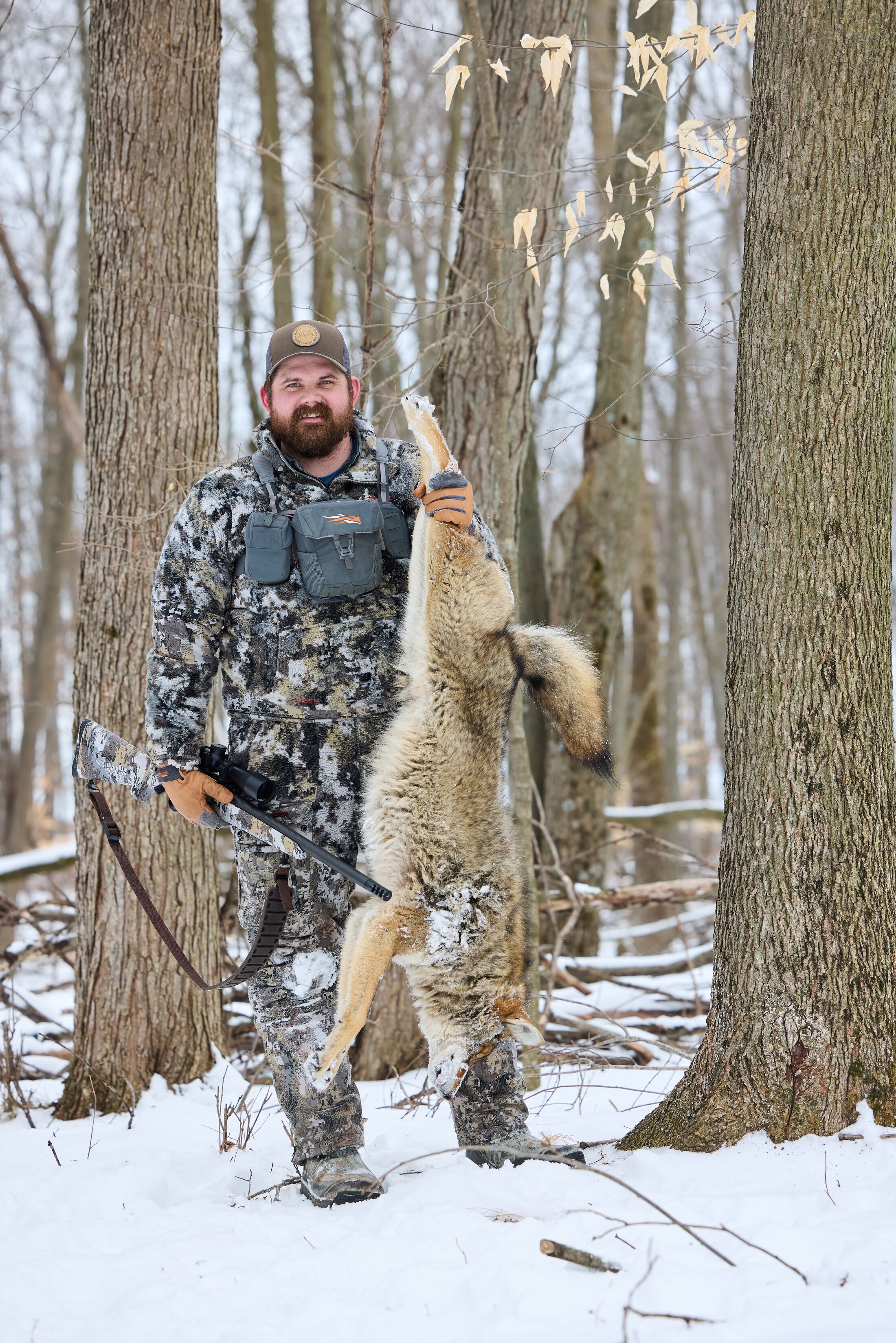
Predators and Nuisance Animals
Another way to stay sharp is to hunt predators and nuisance animals, like coyotes and wild hogs. These animals destroy game animal populations, agricultural fields, and farmers’ lands and livestock.
Coyote Hunting
For a successful coyote hunt:
Scout with Sounds: Howling at night can help locate territories.
Use E-Callers: Electronic callers mimic prey sounds and coyote vocals effectively. However, check your state’s regulations about the use of electronic callers.
Play the Wind: Coyotes will circle downwind to sniff danger, so plan your setup accordingly. Use camouflage based on the season, whether hunting in the winter after deer season or during the summer to get ready for fall.
Take the High Ground Advantage: The high ground gives you better visibility and reduces scent detection.
Using decoys (like something that mimics a wounded animal that’s on a coyote’s diet) can also help you lure coyotes into where you’re set up.
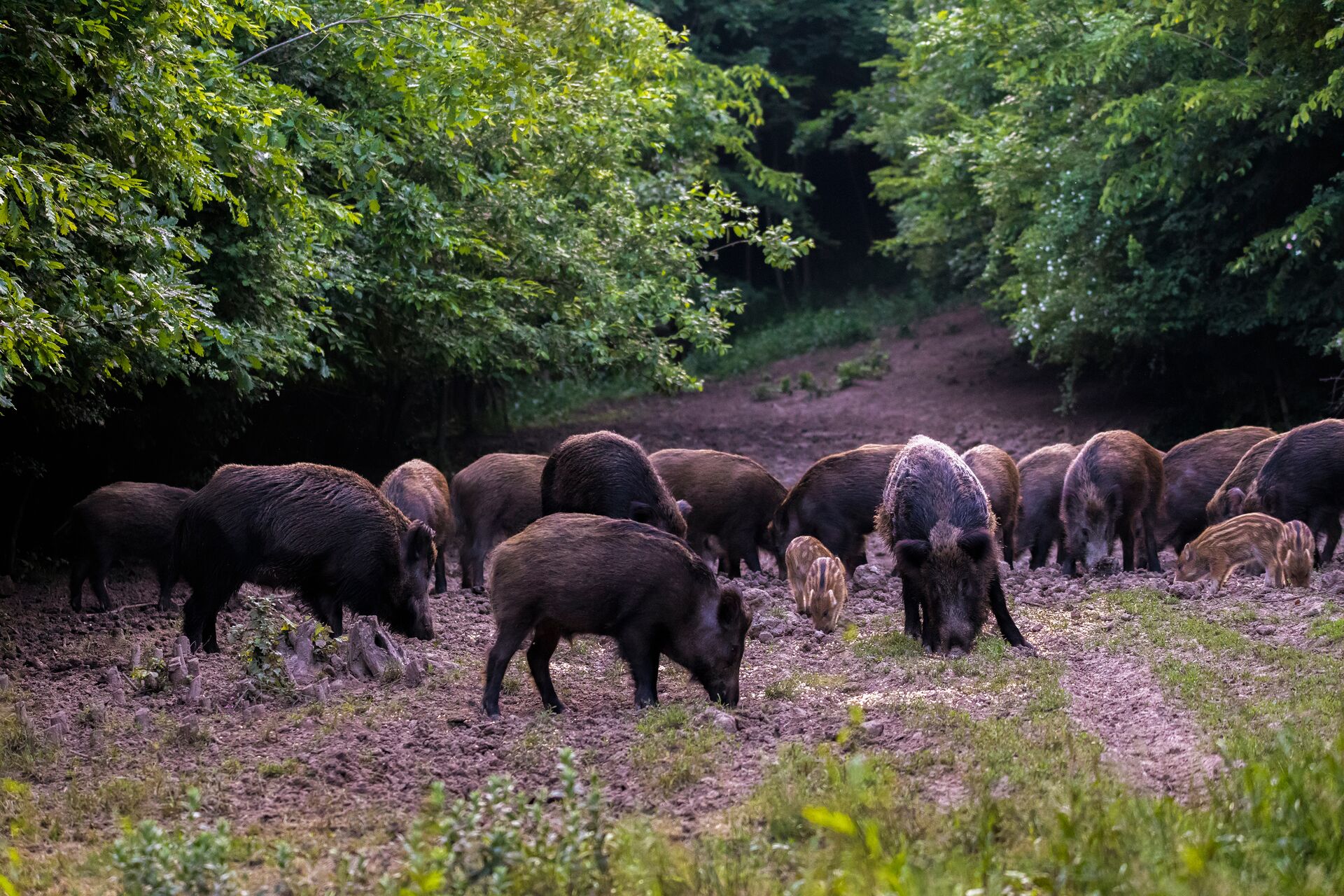
Hunting Wild Hogs
Not only are hogs destructive, they can be dangerous when hunted. Always be aware when chasing hogs and be ready to get out of the way.
For a successful hog hunt:
Take Advantage of Their Nocturnal Behavior: Hogs are often most active at night, so hunt early or late. Check your state’s regulations and use night optics for night hunting where it’s legal.
Use Baiting Where Legal: Corn or attractants like sour mash can concentrate hog activity. Again, just make sure baiting is legal in your area.
They’re Fast, Tough Targets: Hogs can move faster than you think! They’re also tough to take down. Use the right caliber of firearms and be ready for follow-up shots.
Aim Low and Forward: Hogs have thick shoulder plates, so aim low behind the front leg for the most ethical kill shot.
Hunt Where You See Sign: You’ll know where hogs are based on their destructive behavior. Rooted ground, wallows, and fresh droppings indicate recent hog activity and are the ideal place to hunt.
A hog hunt is more fun (and successful) with friends to help you track and corner a few hogs. Hunting with experienced hog hunters is also a great way to learn!
Get Your Free Copy of "How to Hunt: The Comprehensive Guide"
After reading the beginner hunting tips we’ve provided today, we hope you’re excited and feel ready to get out in the field for your first hunt!
Remember that becoming a successful hunter takes time, patience, and getting plenty of hunts under your belt. There’s no better season to get started than the next open season in your state!
Before you head out, get more insights into how to hunt by downloading our free guide, “How to Hunt: The Comprehensive Guide.”We go into more detail about the topics we covered today to help you feel confident in the field. Plus, it’s a resource you can keep readily available and share with friends and family!
Stay safe and enjoy a lifetime of successful hunts.