What Does AR Stand For? AR-15 Meaning, History, Hunting Use Explained
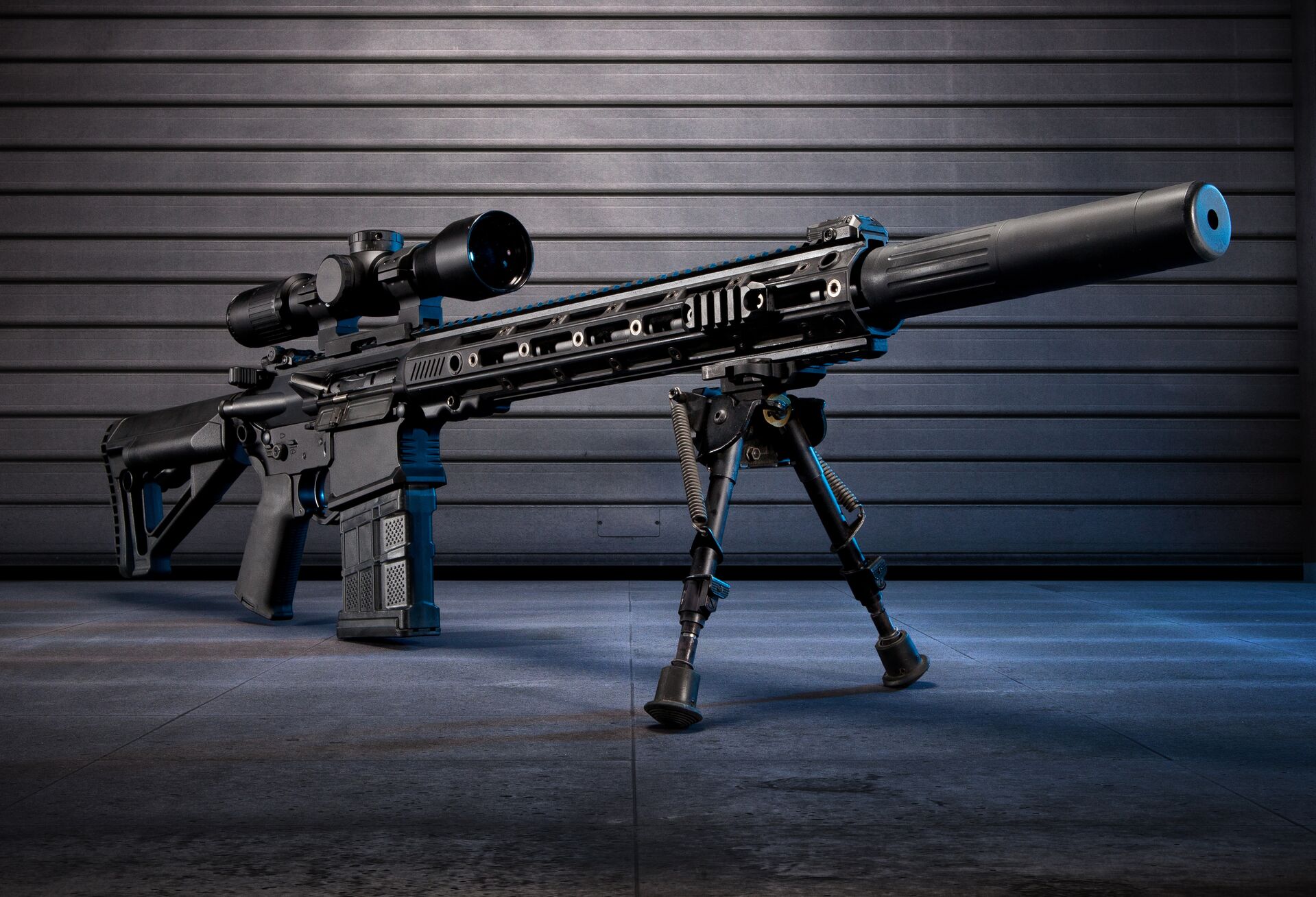
What does AR stand for? AR does not stand for "assault rifle." The letters "AR" come from ArmaLite Rifle, the company that originally designed the platform in the 1950s.
An AR-15 is a semi-automatic, magazine-fed rifle chambered most commonly in .223 Remington or 5.56×45mm NATO. Because it fires only one round per trigger pull, it is legally classified as a semi-automatic firearm (not an automatic or assault weapon under federal law). Hunters use AR-platform rifles for hog hunting, varmint control, and predator hunting due to their accuracy, modularity, and availability of hunting-legal calibers such as .243 Win, 6.5 Grendel, and .300 Blackout.
For hunters, a comprehensive understanding of firearms is not just a matter of choice but a crucial aspect of ethical hunting. It involves selecting the right caliber, adhering to state and federal gun laws, and ensuring firearm safety.
Keep reading as we demystify the confusion surrounding this term, dive into a little bit of history, and helping you better understand the role of an AR in the contemporary hunting landscape.
Updated July 22, 2026
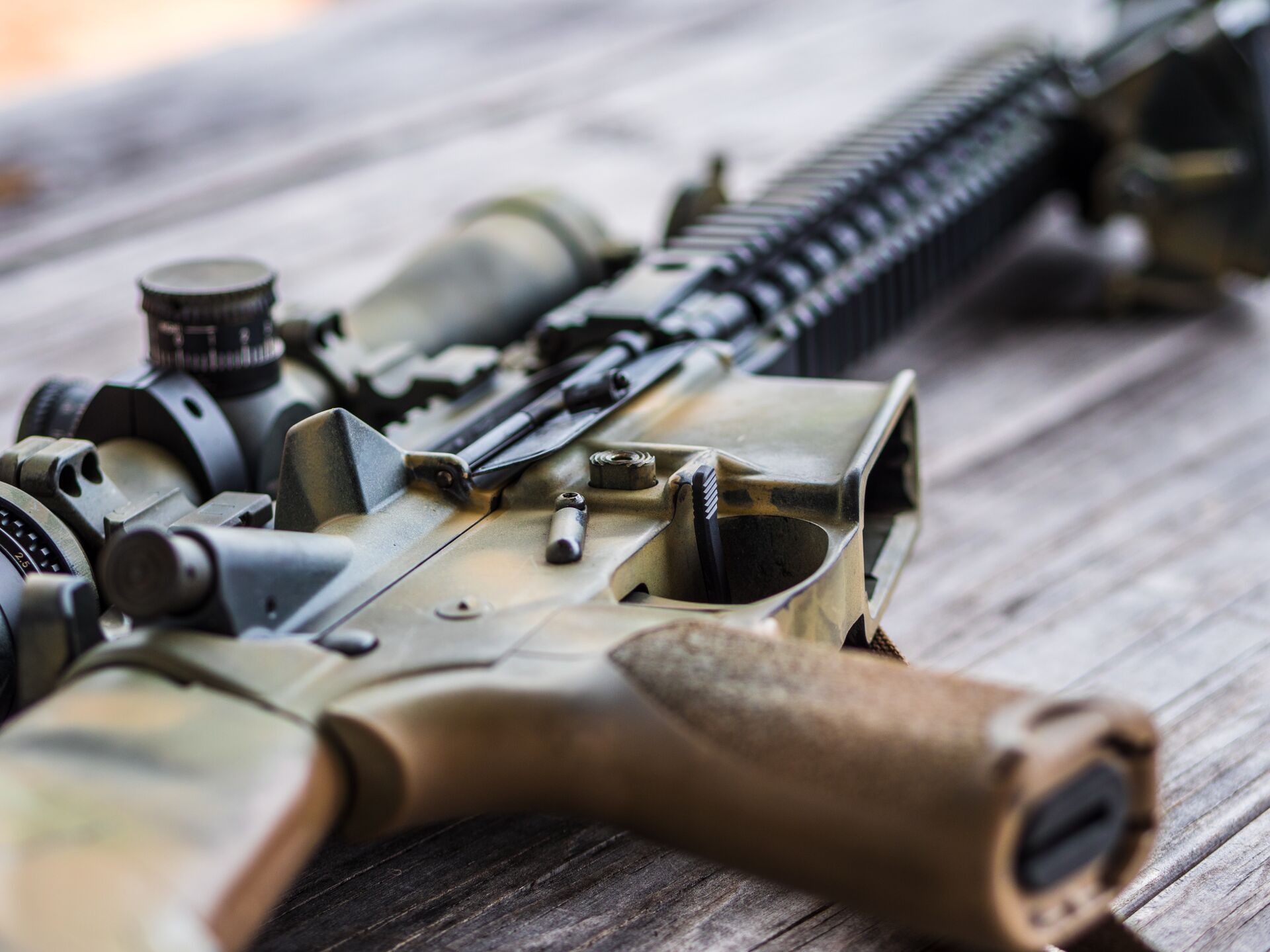
What Does AR Stand For When Talking Firearms?
There's a common misconception based on a false understanding of the acronym AR. Contrary to popular belief, AR does not stand for "Assault Rifle" or "Automatic Rifle."
The actual meaning of the acronym AR is ArmaLite Rifle, which was named after the company that developed the original AR-10 and AR-15 models in the 1950s.
AR is frequently used as a catch-all term for any automatic firearm; however, this is a false understanding of the term and further adds confusion regarding the various types of firearms, manufacturers, and models.
The Historical Background of the AR
ArmaLite is a small arms manufacturer incorporated in 1954. The AR-10, designed in 1955, and the AR-15, created in 1959, were significant innovations paving the way for the invention of modern firearms used by U.S. forces.
These firearm types, particularly the AR-15, were significant in that they incorporated high-impact polymers and aluminum upper and lower receivers, moving away from the traditional wood-stocked steel rifles that were popular at the time.
Transition to Military Use and Popularization
Success didn't happen overnight, and it wasn't until ArmaLite sold the design to Colt in 1959 that things started to take off. Colt was selected to manufacture the standard issue AR-15, which became the M-16, perhaps most commonly known as the rifle for soldiers in the Vietnam War.
Colt, not wanting to limit or derail the success, also introduced civilian variations, which were popular for their versatility and customization options.
What Are the Top Features of the AR Rifle?
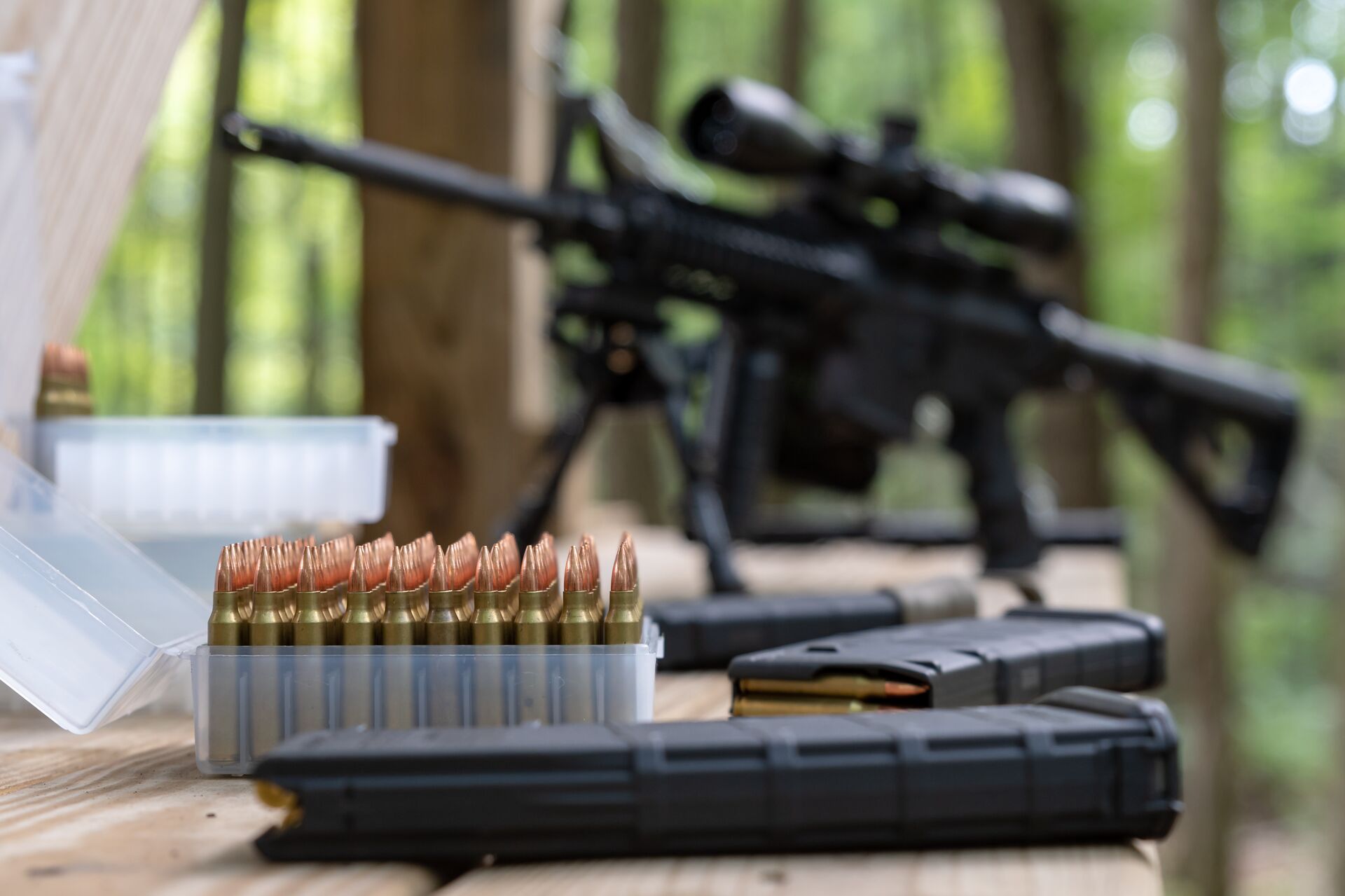
The AR is one of the most versatile and adaptable rifles in modern firearms invention. It has global recognition and, yes, can be used ethically for hunting.
- Modularity: AR rifles are not one-size-fits-all, and the ability to adapt your firearm to your hunting environment or target species is one of the leading benefits of an AR rifle. You can even build your own AR piece by piece if desired.
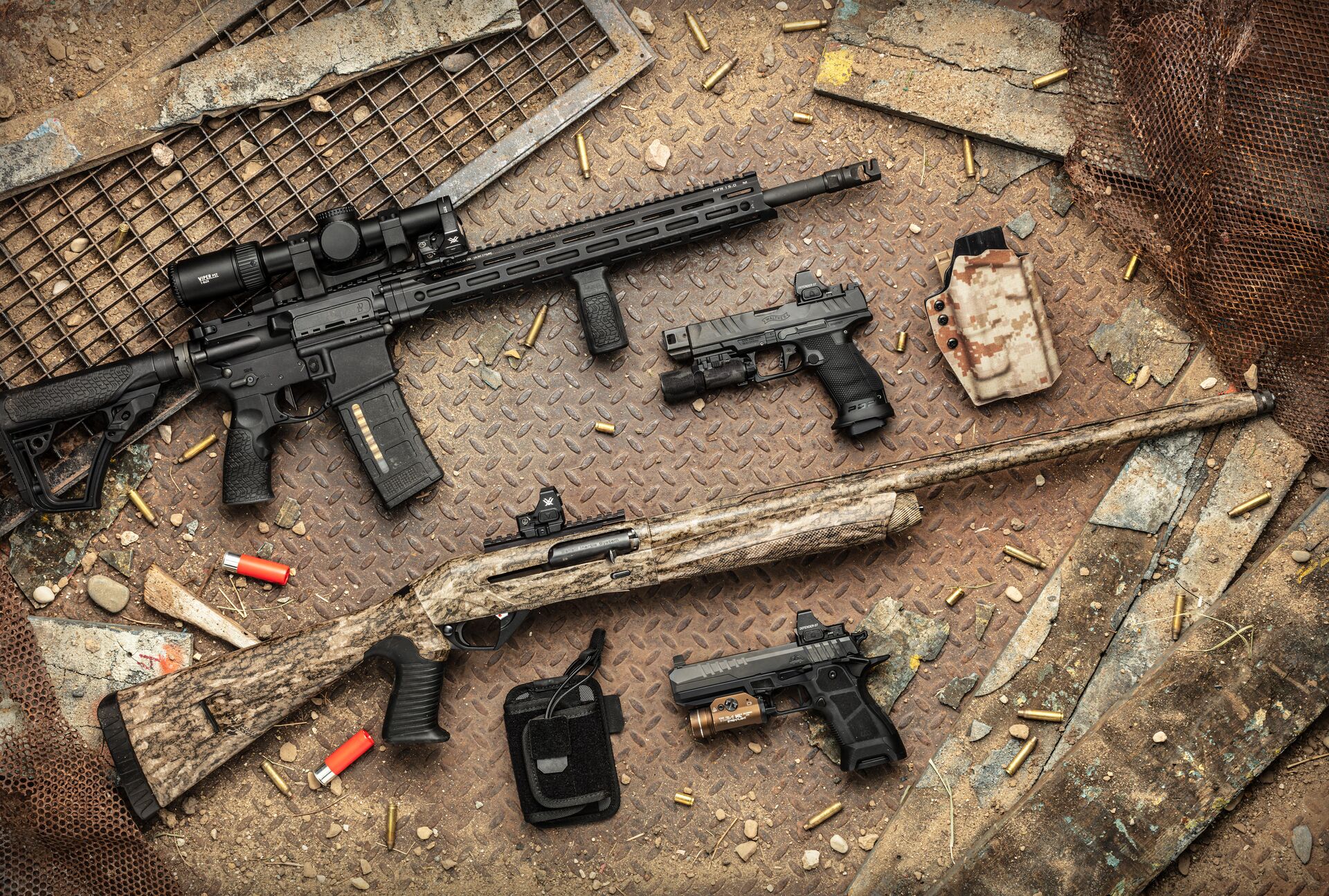
- Customization: The modern AR rifle can be customized in several different ways. A spectrum of attachments and accessories, including sights, optics, grips, buttstocks, bipods, and more, is on the market, making it more accessible to a broader range of hunters.
- Versatility: Whether you're hunting deer or other minor game, an AR rifle's configuration allows it to be adapted to your target species. Add appropriate scopes and dial in the sighting for an ethical shot.
- Caliber Options: The AR-15 has a wide range of caliber options. However, the most popular options are .223 Remington/5.56mm NATO, .300 Blackout, and 6.5 Grendel. You can change the caliber of your AR-15 by changing the barrel, bolt, and magazine.
- Ergonomics and Accuracy: Designed for ease of use and precise shooting, a major drawcard for this firearm is customization, meaning ARs can be adapted to the hunter rather than the hunter having to adapt to the rifle. Make your AR work for you!
Can You Use an AR for Hunting?
Yes, if it's legal in your state. Due to its customization and effectiveness, the AR rifle is a popular hunting choice for vermin, predators, and even big game when adapted to the right caliber.
Its lightweight design and adaptability make it a strong option for both spot-and-stalk and stand-hunting. However, before taking your AR-15 out into the field, we recommend taking a hunting course and putting in some serious hours at the range to ensure safety and ethical hunting.

How to Check if Your AR Is Hunting-Ready
Not every AR-15 is ready to go straight from the safe to the field. Before you head out, take a few minutes to confirm your platform, your caliber, and your state's rules all line up.
Here's how to check:
- Understand the origin. ArmaLite designed the AR platform in 1956.
- Confirm the action type. AR-15s are semi-automatic, meaning one shot fires per trigger pull.
- Check your state's hunting regulations for AR-platform legality.
- Select a hunting-legal caliber, such as .243 Win or 6.5 Grendel.
- Complete hunter education before purchasing, if you're a first-time hunter.
Once you've confirmed your AR meets these basics, the next step is understanding the legal landscape in more detail, since rules vary widely by state.
AR Legal Considerations
AR rifles are subject to legal regulations varying from complete bans to complete legality and everything in between.
These variations shift depending on the state, and hunters must be aware of and comply with local laws regarding hunting with AR rifles. Some states may require an age verification or background check, while others may limit the types of accessories.
Like regular firearms and hunting, you'll need a license and permits to hunt with an AR rifle, and a hunter safety course is commonly required before a permit is granted.
AR-15 Caliber Comparisons
What AR-15 caliber should you consider for your hunt? The chart below is a general overview of the ideal caliber based on the game you plan to hunt.
AR Caliber Comparison for Hunting | |||
| Caliber | Best For | Effective Range | Legal for Deer in Most States |
| .223 Rem | Varmints, predators | 300 yds | No (too small in many states) |
| .300 Blackout | Hogs, deer | 200 yds | Yes |
| 6.5 Grendel | Deer, antelope | 400 yds | Yes |
| .450 Bushmaster | Big Game | 140 yds | Yes |
Remember: Caliber legality for big game varies by state, so always check your state's regulations before heading out to hunt with your AR. Some states set minimum caliber or energy requirements rather than banning specific rounds outright.
Is Hunting with an AR-15 Legal in My State?
The legality of hunting with an AR-15 is something you'll want to check each season, depending on where you plan to hunt.
Here's a quick list of some state regulations regarding AR-15s and hunting. But again, check the latest regulations before you hunt!
States With Magazine Capacity Restrictions for Hunting with an AR-15
Based on current research, the following states have capacity restrictions that apply to hunting with an AR-15:
- Florida: Limited to a 5-round magazine
- California: Limited to a 5-round magazine, plus soft-nose or expanding ammo required
- Colorado: Limited to a 5-round magazine
States with Minimum Caliber or Energy Requirements
Before hunting, confirm the information below for the following states:
- Colorado: Minimum .240 caliber, plus minimum energy thresholds by species
- Hawaii: Minimum 1,200 ft-lbs of muzzle energy, which rules out some lighter .223/5.56 and subsonic loads
- Iowa: Minimum caliber requirement for big game
- Virginia: Minimum caliber requirement for big game
- Washington: Minimum caliber requirement for big game
States with Straight-Wall Cartridge Requirements in Specific Zones
Regulations for AR-15 hunting can also include cartridge requirements, including:
- Ohio: Limited firearm zones require straight-wall cartridges such as .350 Legend or .450 Bushmaster
- Michigan: Same straight-wall requirement in designated zones
- Indiana: Same straight-wall requirement in designated zones
States with Configuration Restrictions
The configuration of your AR can also be impacted by state restrictions. For example, in Illinois, an AR-15 must be used as a single-shot firearm, meaning the detachable magazine must be removed and each round hand-loaded.
Learn About Firearm Safety Before You Hunt with Hunter Education
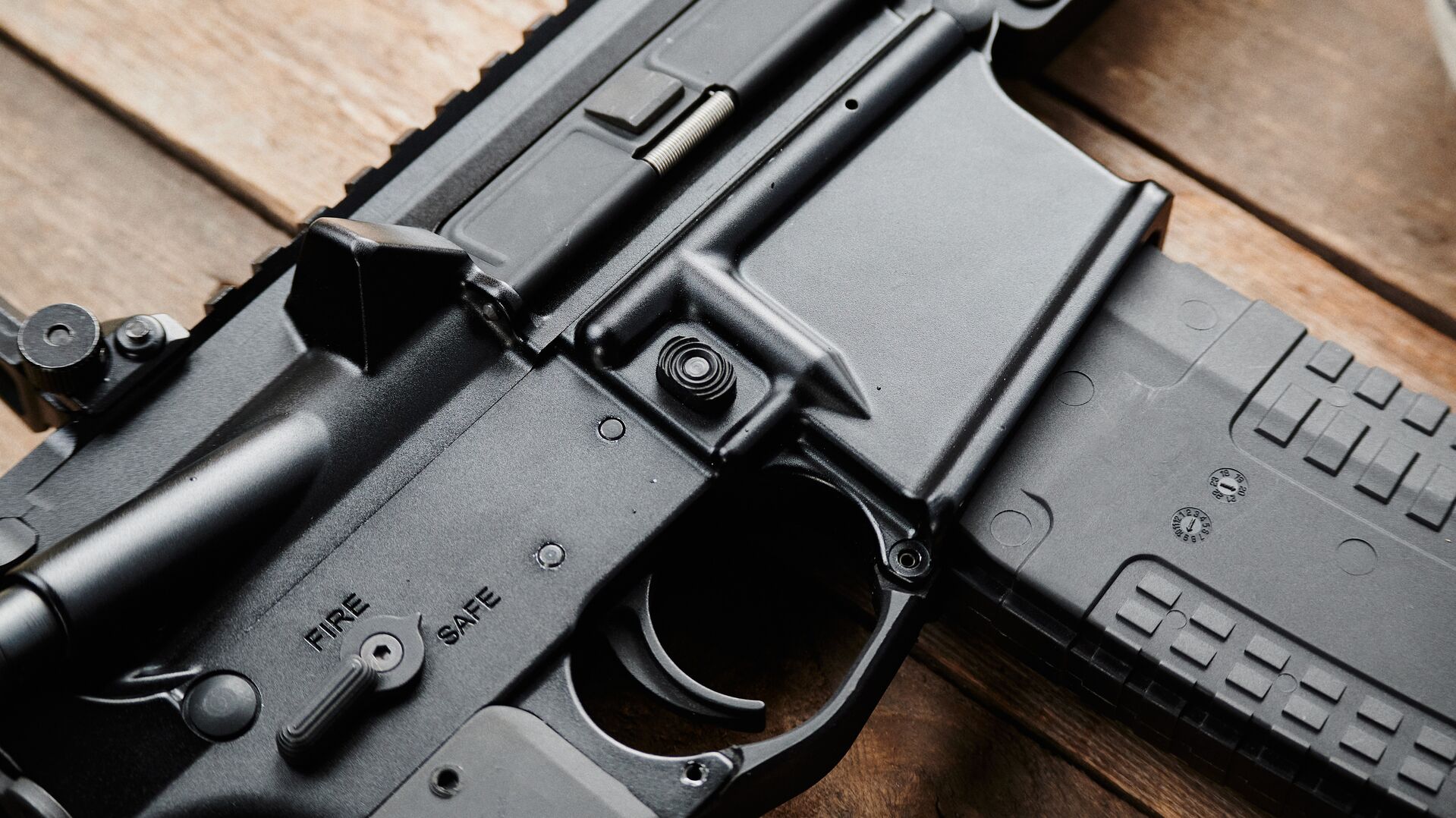
Whether hunting with an AR, bolt-action rifle, or a bow, what matters most is a safe hunt and getting home to those you love. Firearm handling carries a high level of personal responsibility and an understanding that you're liable for your own safety and the security of yourself and those around you.
While ARs are not legal in every state, we recommend a hunting education course, whether you prefer a firearm or a bow for hunting, to stay on top of best practices and safety procedures. Hunter-Ed makes it easy to learn crucial firearm safety practices and other hunting safety essentials with our online courses.
Plus, our courses are state-approved, so you can meet the requirements for hunter education no matter where you hunt in the U.S.
Protect yourself and others every time you hunt. Find the hunter safety course for your state and start learning with our free online study guide.

Content most recently reviewed and updated July 22, 2026.
Frequently Asked Questions (FAQs)
Q: Does AR stand for assault rifle?
A: No, AR does not stand for assault rifle or automatic rifle. AR stands for ArmaLite Rifle, named after the company that developed the original AR-10 and AR-15 models. The term is often misunderstood, but it refers to the manufacturer, not the rifle's function.
Q: Is an AR-15 automatic?
A: No, the AR-15 is semi-automatic, not automatic. This means the rifle fires one round per trigger pull, unlike a fully automatic firearm that fires continuously while the trigger is held. The AR-15's semi-automatic design is one of the most common points of confusion about the platform.
Q: Can you hunt with an AR-15?
A: Yes, an AR-15 can be used ethically for hunting when paired with a legal caliber and used according to state regulations. Its modularity allows hunters to adapt the rifle to different game and environments. Always check your state's specific rules before hunting with an AR-15.
Q: What calibers are AR-platform rifles available in?
A: AR-platform rifles are available in a wide range of calibers, including .223 Remington, .300 Blackout, 6.5 Grendel, and .450 Bushmaster. You can change an AR-15's caliber by swapping the barrel, bolt, and magazine. The right caliber choice depends on the game you're hunting and your state's legal requirements.
Q: Do I need a hunting license to use an AR-15?
A: Yes, hunting with an AR-15 requires the same license and permits as any other legal firearm. Most states also require a hunter education course before a license is issued. Requirements vary by state, so new hunters should confirm the rules where they plan to hunt.
Q: What is the difference between an AR-15 and an AR-10?
A: The main difference between the AR-15 and AR-10 is size and caliber capacity. The AR-10 is a larger-frame rifle designed for bigger cartridges, while the AR-15 is smaller and chambered for lighter rounds. Both were originally developed by ArmaLite before Colt took over manufacturing.
Q: Are AR-platform rifles legal to hunt with in every state?
A: No, AR-platform rifles are not legal for hunting in every state. Some states fully allow them, some restrict certain features or calibers, and a few ban them outright for hunting purposes. New hunters should always verify their state's current regulations before hunting with an AR.