Turkey Hunting Safety Tips for a Safe Season
We want you to stay safe this turkey hunting season! Read a few of our best tips for hunters as you plan your hunt.
Updated April 14, 2026
What Are the Top Turkey Hunting Safety Tips?
Hunters must always prioritize safety throughout every aspect of a hunt. This means safety starts as you plan and prepare, is crucial while in the field, and must follow you as you pack up your harvest and head back home.
Follow these essential tips to keep yourself and others safe while you bag a bird:
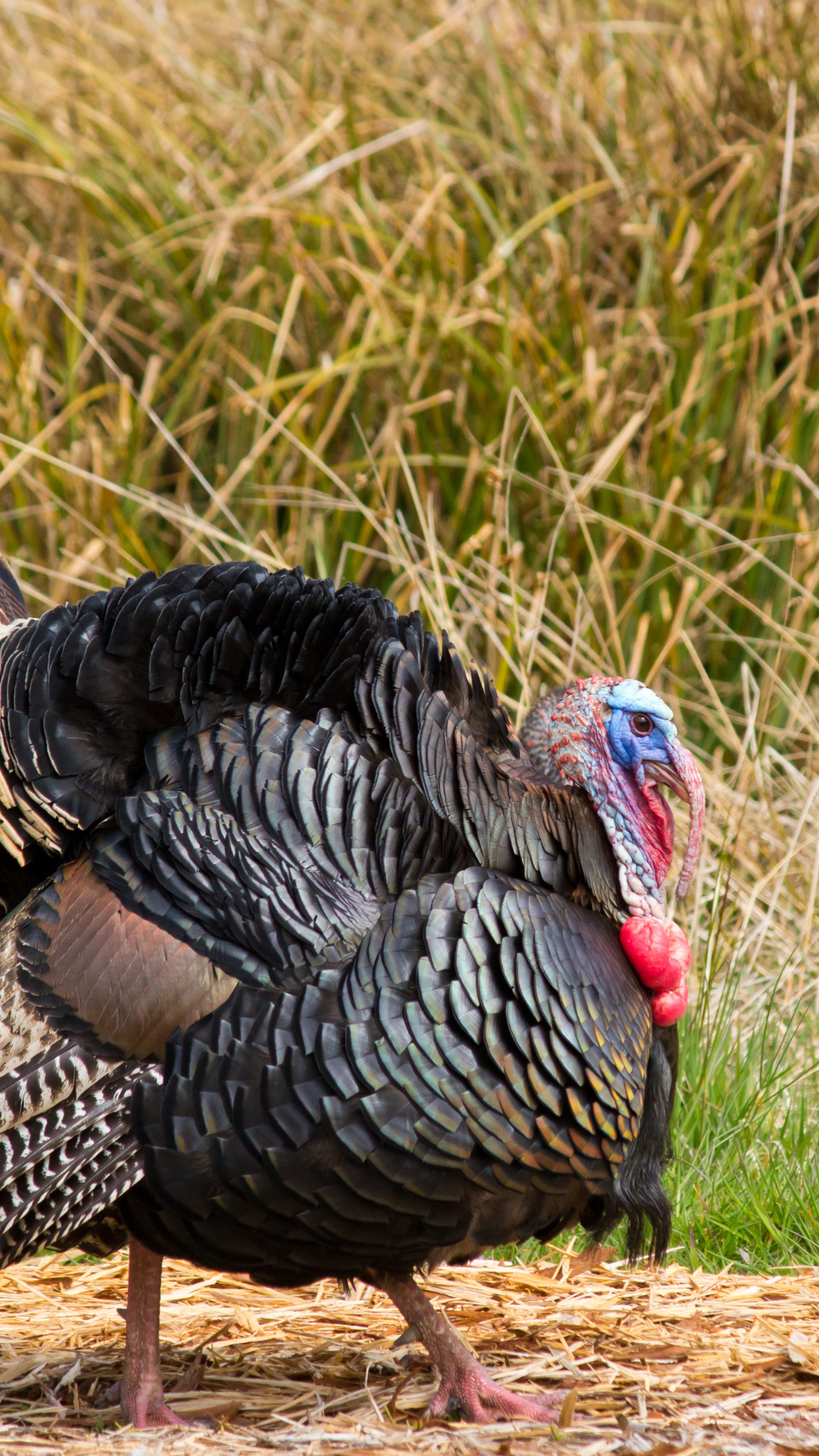
- Don't wear any red, white, blue, or black. These are turkey colors, and another hunter may mistake you for a bird.
- Be absolutely sure of your target. That extra second of verification could save a life!
- If you see another hunter in the area, don't move. Call out to alert them that you are there.
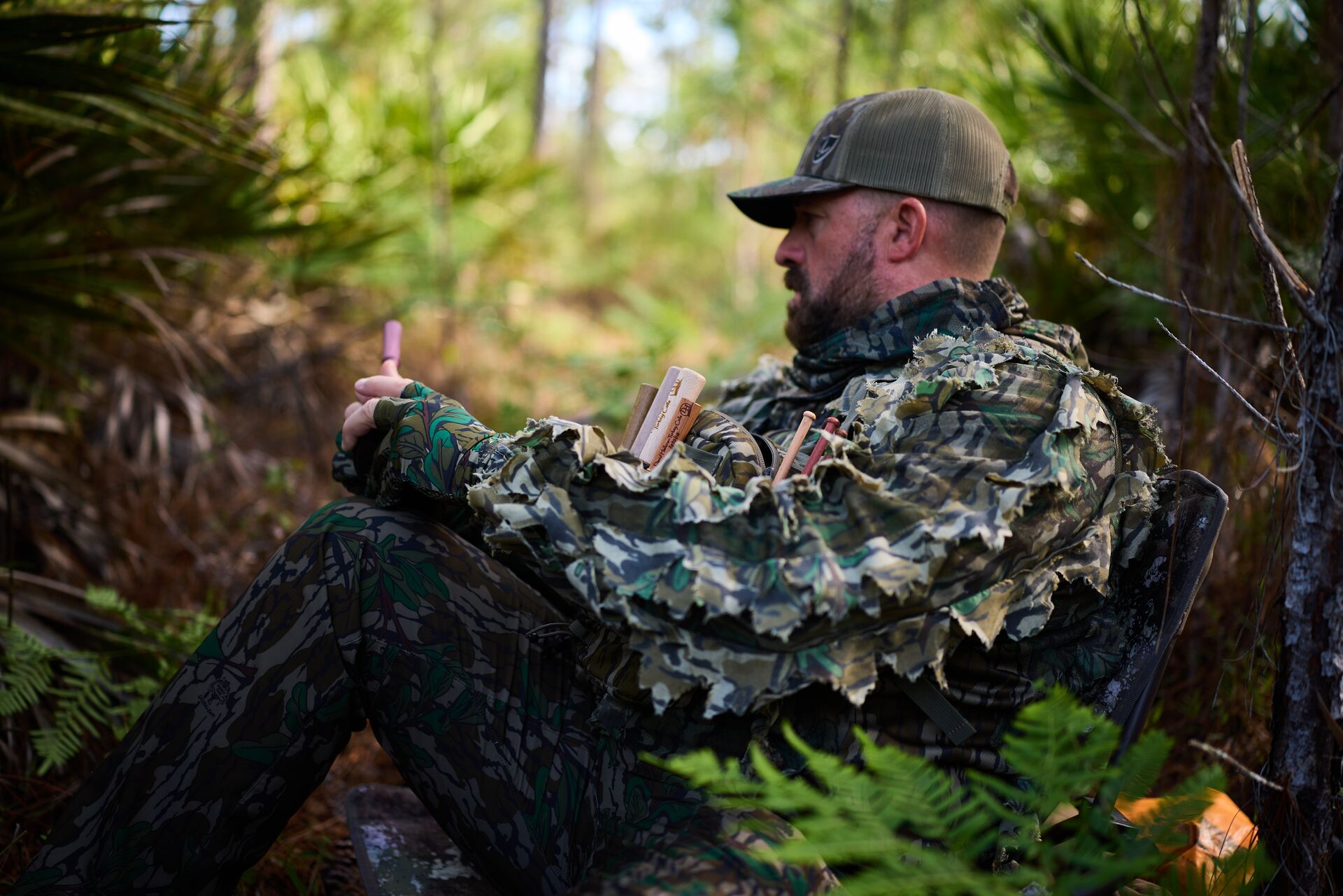
- Don't stalk turkey sounds; it could be another hunter. Call the birds to you.
- When selecting your spot, protect your back with a large tree, rock, or other natural barrier. The same approach should be used for choosing where to place your blind.
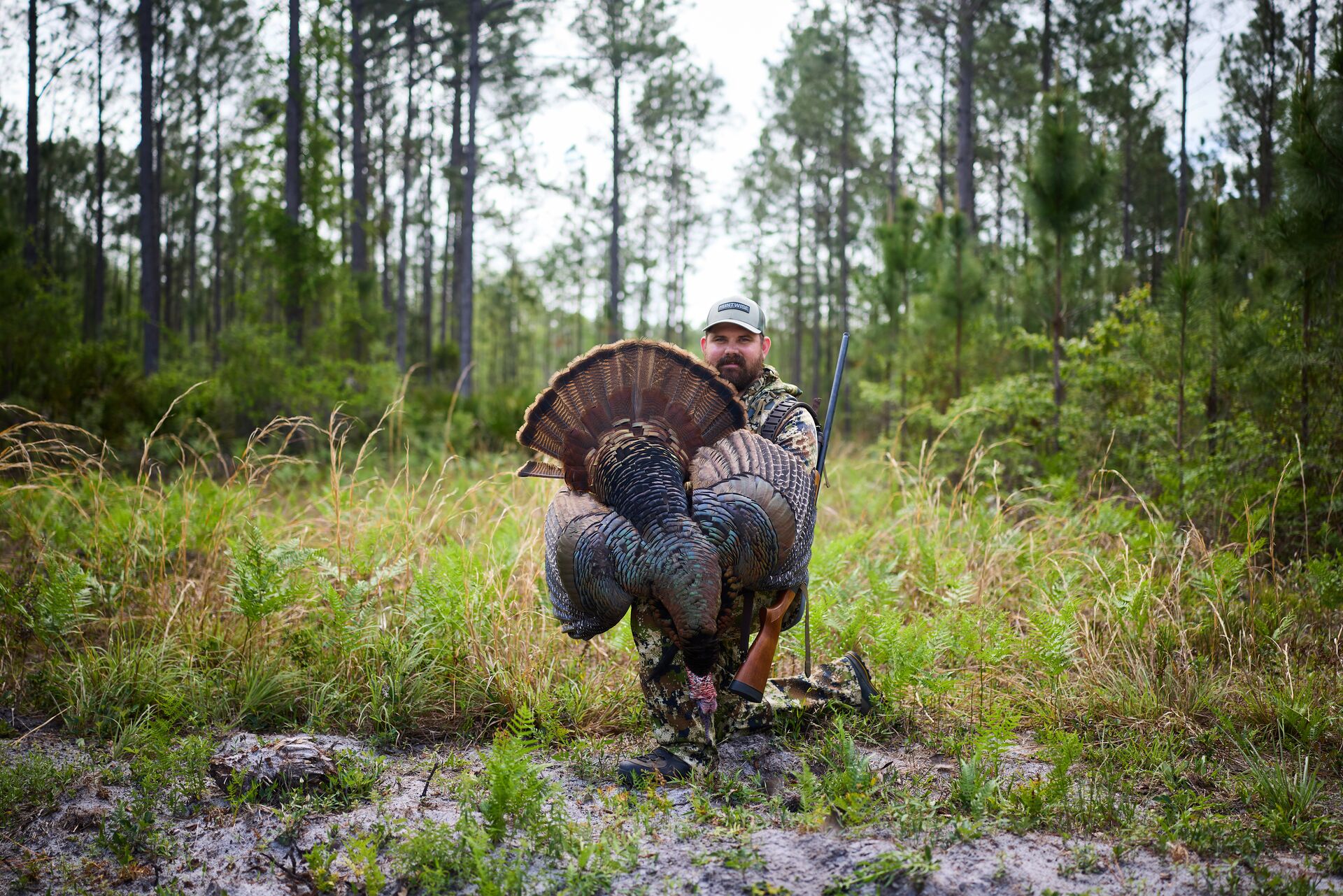
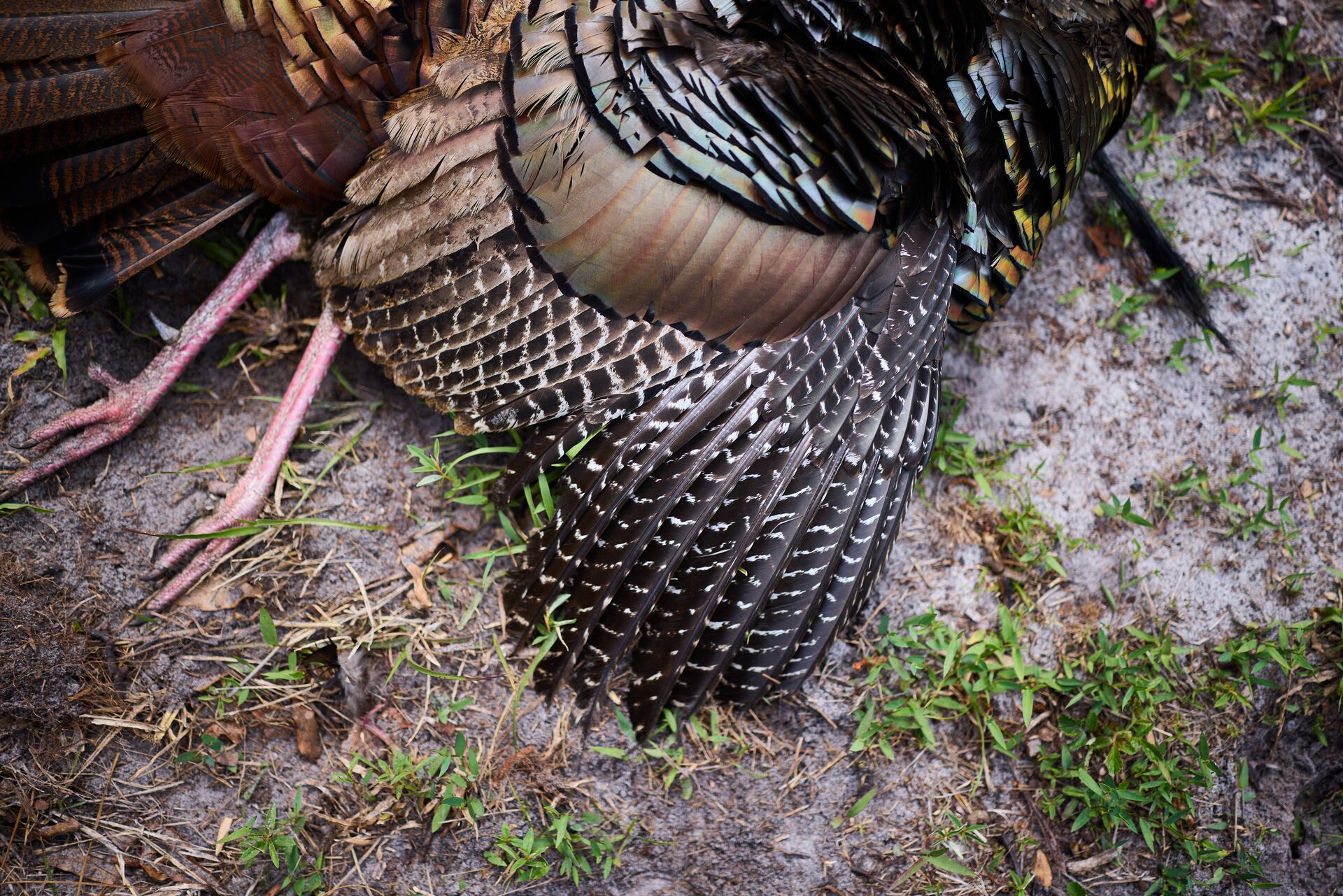
- After bagging your bird, wrap it in either a camouflage or a blaze orange bag for the haul out. A decoy should be handled the same way.
- Always leave a hunt plan telling someone where you will be and when you expect to return. This way, if there is an emergency, help can arrive more quickly.
Following these tips every time you hunt can be the difference between a safe, successful hunt and an unexpected injury that ends it.
Should I Wear Hunter Orange?
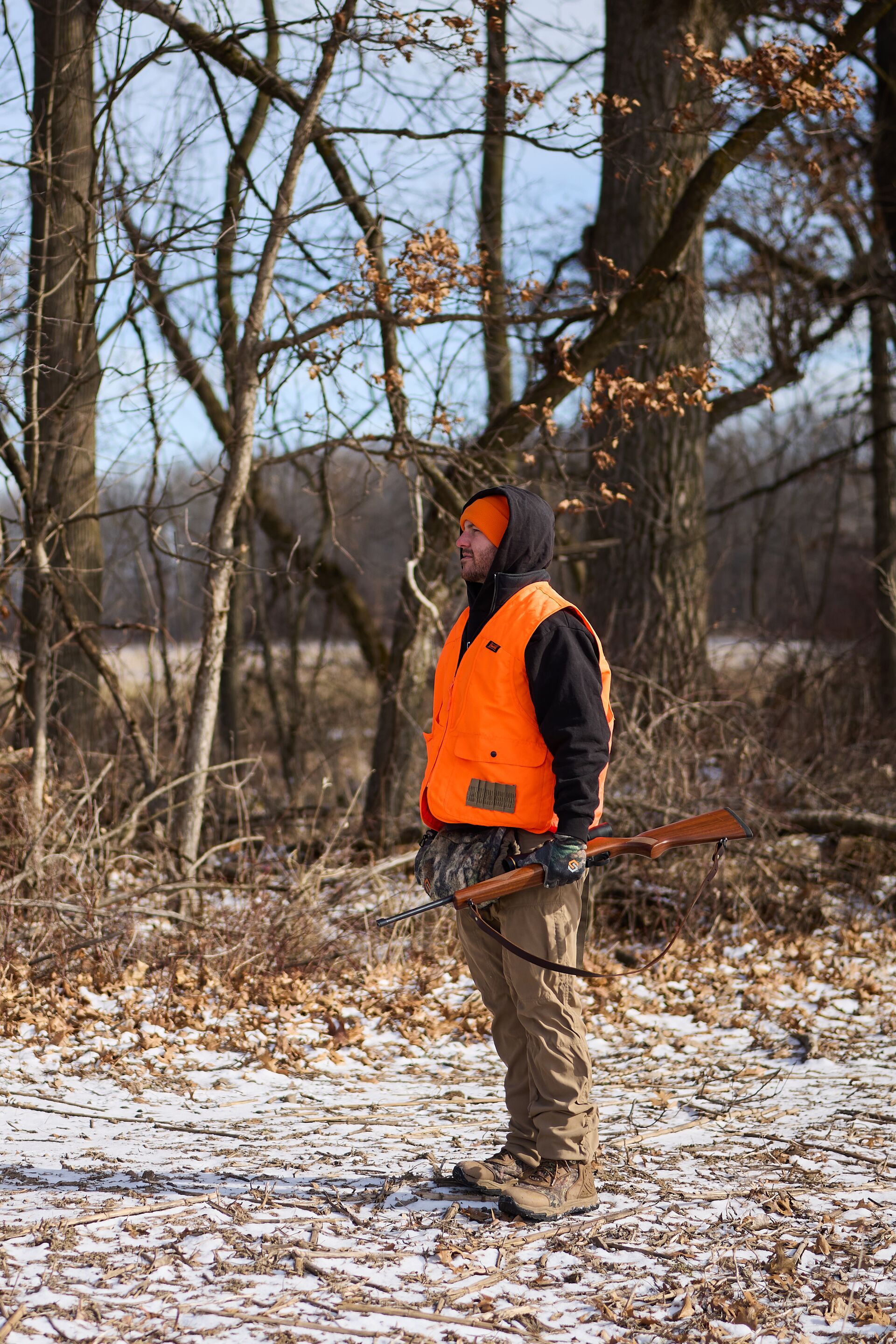
Yes, wearing hunter orange is strongly recommended, especially when moving to and from your hunting location or changing setups.
While some hunters avoid it out of concern that turkeys will see it, safety should always come first. Turkeys can see color well, but a brief flash of orange is far less risky than being mistaken for game by another hunter.
Many hunters compromise by wearing a blaze orange vest or hat while walking, then removing or covering it once they are set up in a safe, stationary position. Using hunter orange strategically helps maintain both safety and effectiveness in the field.
Set Up Your Blind With Safety in Mind
New (and even seasoned) hunters can struggle to find the ideal spot to set up a hunting blind. Even if you've e-scouted the hunting land before arriving or you've hunted the area before, always evaluate the area as you set up for each hunt and choose a spot that keeps you and other hunters safe – while maximizing your opportunity to shoot a tom.
Check out this video below to visualize what to consider when placing your blind for a hunt.
What is One of the Most Common Mistakes Beginner Turkey Hunters Make?
One of the most common mistakes new turkey hunters make is moving too much.
Staying still is crucial! Turkeys have incredibly sharp eyesight and can detect even the slightest motion from long distances. Beginners often get impatient when a bird doesn’t respond immediately and shift positions, adjust their gear, or try to get a better view—only to spook the turkey.
Another frequent mistake is overcalling. While calling turkeys is essential, excessive or unnatural calling can make a gobbler wary and less likely to approach. Successful turkey hunting often requires patience, stillness, and letting the bird come to you (rather than forcing the situation).
What Should You Not Do While Hunting Turkeys?
There are several things to avoid while turkey hunting, primarily centered around safety and awareness.
- Don't wear full camouflage without also incorporating some form of visibility when moving through the woods.
- Never assume your target is safe to shoot without clearly identifying it and what lies beyond it.
- Avoid setting up in areas where other hunters are likely to approach, such as near decoys or frequently used paths, without being highly visible and alert.
Turkey hunting safety requires prioritizing caution over opportunity at all times.

Remember the Four Cs of Hunting
When hunting turkeys (or any time you're in the field), remember the Four C’s of Hunting.
The Four Cs are: Careful, Considerate, Capable, and Courteous. This serves as a foundation for safe, ethical, and responsible behavior in the field.
Be Careful
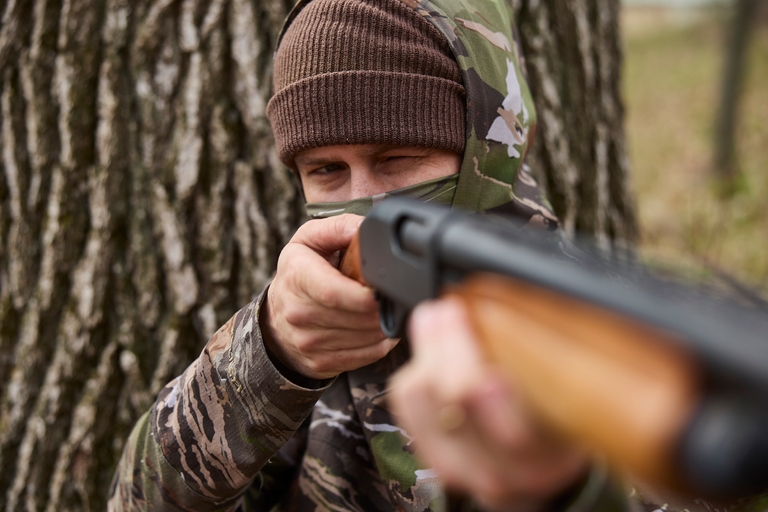
Being careful means always prioritizing safety: handling firearms properly, positively identifying your target, and staying aware of your surroundings at all times. It also includes thinking ahead and avoiding risky situations before they develop.
Be Considerate
Being considerate means respecting others, including fellow hunters, landowners, and non-hunters.
This means giving others space (whether they are other hunters or others simply enjoying the outdoors in the area), avoiding interference with someone else’s hunt, and being mindful of how your actions affect the overall hunting experience. Ethical hunters also show consideration for wildlife by taking only responsible shots and minimizing suffering.
Be Capable
Being capable refers to preparation and skill.
A capable hunter understands their equipment, practices shooting regularly, and knows the terrain and conditions they’re hunting in. Responsible hunters also know the hunting laws and regulations. They have the knowledge to track, recover, and properly handle game.
Be Courteous
Being courteous is about demonstrating respect and good sportsmanship. This can be as simple as communicating clearly with other hunters, asking permission before entering private land, and offering help when needed.
Together, the four C’s help ensure that hunting remains safe, respectful, and sustainable for everyone involved.
Learn More About Turkey Hunting Safety With Hunter-Ed
Turkey hunting is a challenging and rewarding sport, but remember, no bird is worth your health. It's better to pass up a shot than to put yourself, your hunting partners, or other hunters in the area in danger by shooting outside of your safe zone of fire.
Follow the turkey hunting safety tips we mentioned today, and be sure you've taken a state-approved hunter education course. A safety course can help you avoid serious accidents so you can have many more hunts in the future! Plus, having your hunter safety certification helps you meet your state's requirements for hunter education so you can hunt legally.
If you still need to take your course, make sure you do it before turkey season starts! Our courses are 100% online, so you can learn at your own pace and pass your exam anywhere you can connect online with a mobile device or computer.

Content most recently reviewed and updated April 14, 2026.
Frequently Asked Questions (FAQs)
We have answers to some of the top questions about turkey hunting safety!
Q: What are the four C’s of hunting?
A: The four C’s of hunting are Careful, Considerate, Capable, and Courteous. These are guidelines that promote safe, ethical, and respectful hunting behavior.
Q: What is a common mistake made by beginner turkey hunters?
A: A common mistake made by beginner turkey hunters is moving too much or too soon. Turkeys have excellent eyesight, and unnecessary movement often spooks them before a shot opportunity.
Q: Where should you aim when shooting a turkey?
A: When shooting a turkey, aim at the head and neck area. This is the most effective and ethical shot zone for a quick, clean kill.
Q: What colors should you not wear turkey hunting?
A: When turkey hunting, avoid wearing red, white, and blue, as these match a gobbler’s head colors and could be mistaken for another turkey by hunters.
Q: What should you not do while turkey hunting?
A: When turkey hunting, do not stalk turkey sounds, wear full camouflage without visibility precautions, or assume movement is a turkey without proper identification.
Q: Can turkeys see hunter orange?
A: Yes, turkeys can see hunter orange. While it’s highly visible to them, wearing it when moving or for safety is still recommended to prevent accidents with other hunters.