Spring Turkey Hunting Tips and Safety Strategies
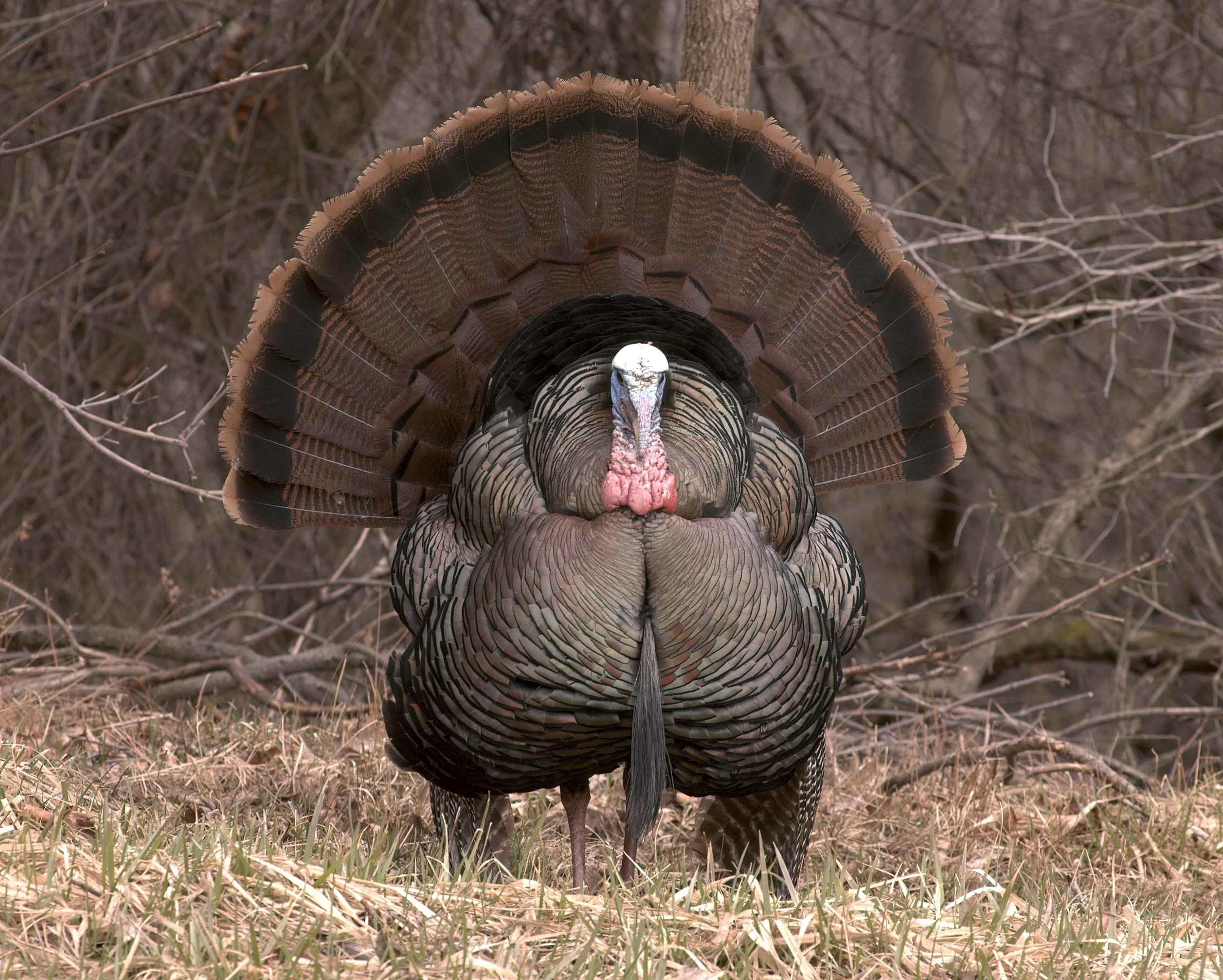
Spring turkey hunting success depends on understanding gobbler behavior, using effective calling techniques, and practicing proper safety. Hunters should scout early, set up near roosting areas, and remain patient while using realistic calls to attract birds.
One of the true delights of spring is slow-smoking brined and seasoned wild turkey breast on your barbecue pit — maybe right next to a wild hog ham. Everybody has their recipes and processes for cooking wild turkey, but everybody also knows the first trick is to scout and acquire the turkey in the first place!
Today, we wanted to share some of the more unique tips for spring turkey hunting success when turkeys don't behave like normal. Being "normal" is something wild turkeys are known to avoid! Plus, as an education and safety organization, we also want to share the most important ways to stay safe in the spring woods.

Updated April 24, 2026
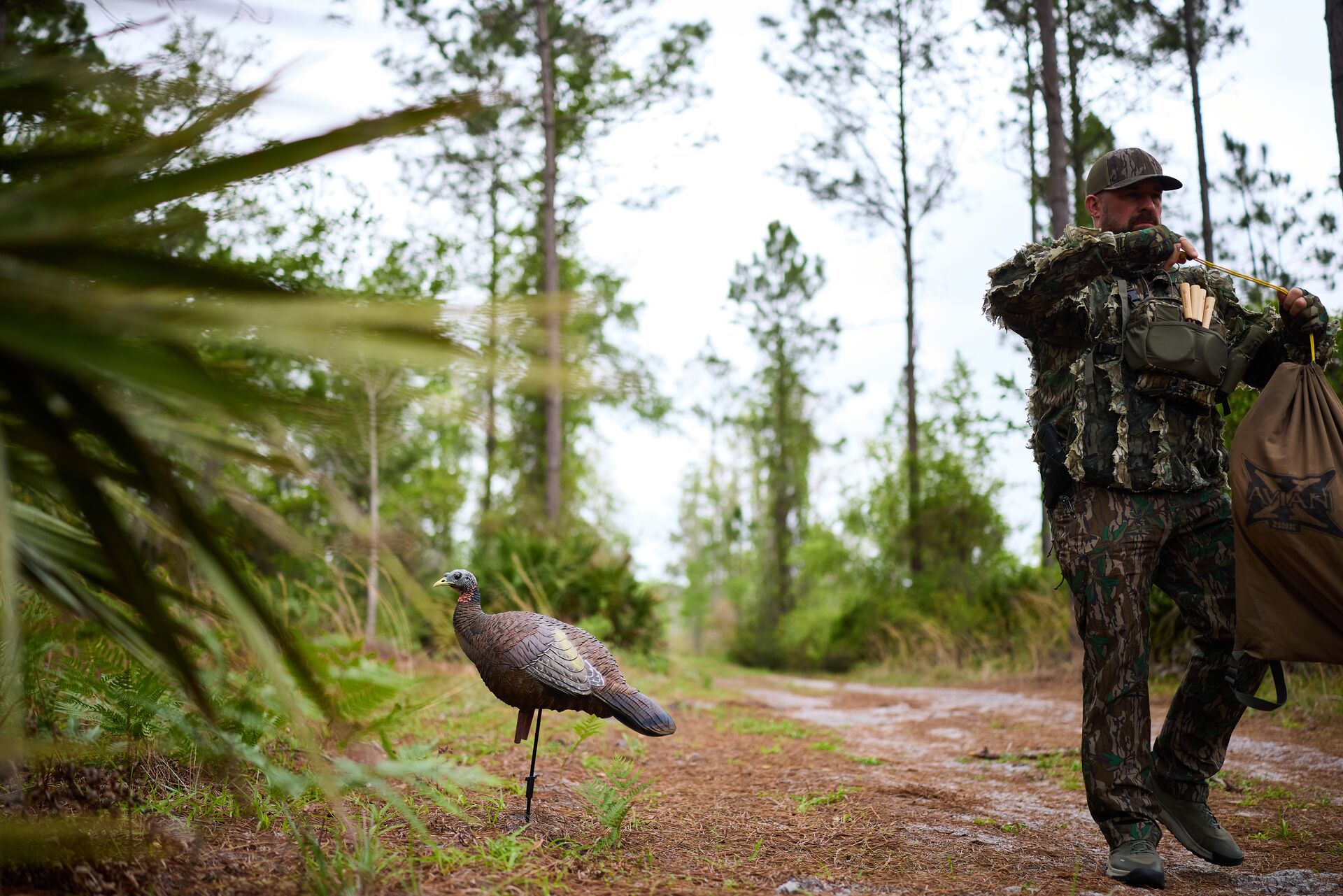
Tip #1: Make Your Decoy Move
Many hunters carry turkey decoys in the field. Over the decades, the use of hen decoys, strutting gobbler decoys, and jake decoys to draw in gobblers has been perfected.
But, the one thing necessary for any decoy to work is that it must be seen.
Duck hunters know that motion attracts ducks to decoys from much farther away, so before there were even spinning-wing dekes, hunters would put a jerk string on their decoys or throw rocks to cause waves that made the dekes move.
Turkeys have amazing eyesight, but even they could miss a motionless decoy in tall grass – or up against a wooded background where turkey feathers are camouflaged. Therefore, some manufacturers make decoys that move a little.
A simple jerk string can also work with turkey decoys. However, don't make it move too much; make sure your movements are tiny and undetectable.
Use a Safe Setup for Decoys and Blinds
Where should you put your decoy when hunting from a blind? It's crucial to consider your safety and the safety of other hunters when setting up your blind and decoys.
Watch this video for valuable tips for blind and decoy setups!
Tip #2: Hunt Turkeys Like You Hunt Deer
Turkeys are big, messy birds. They poop. They shed feathers.
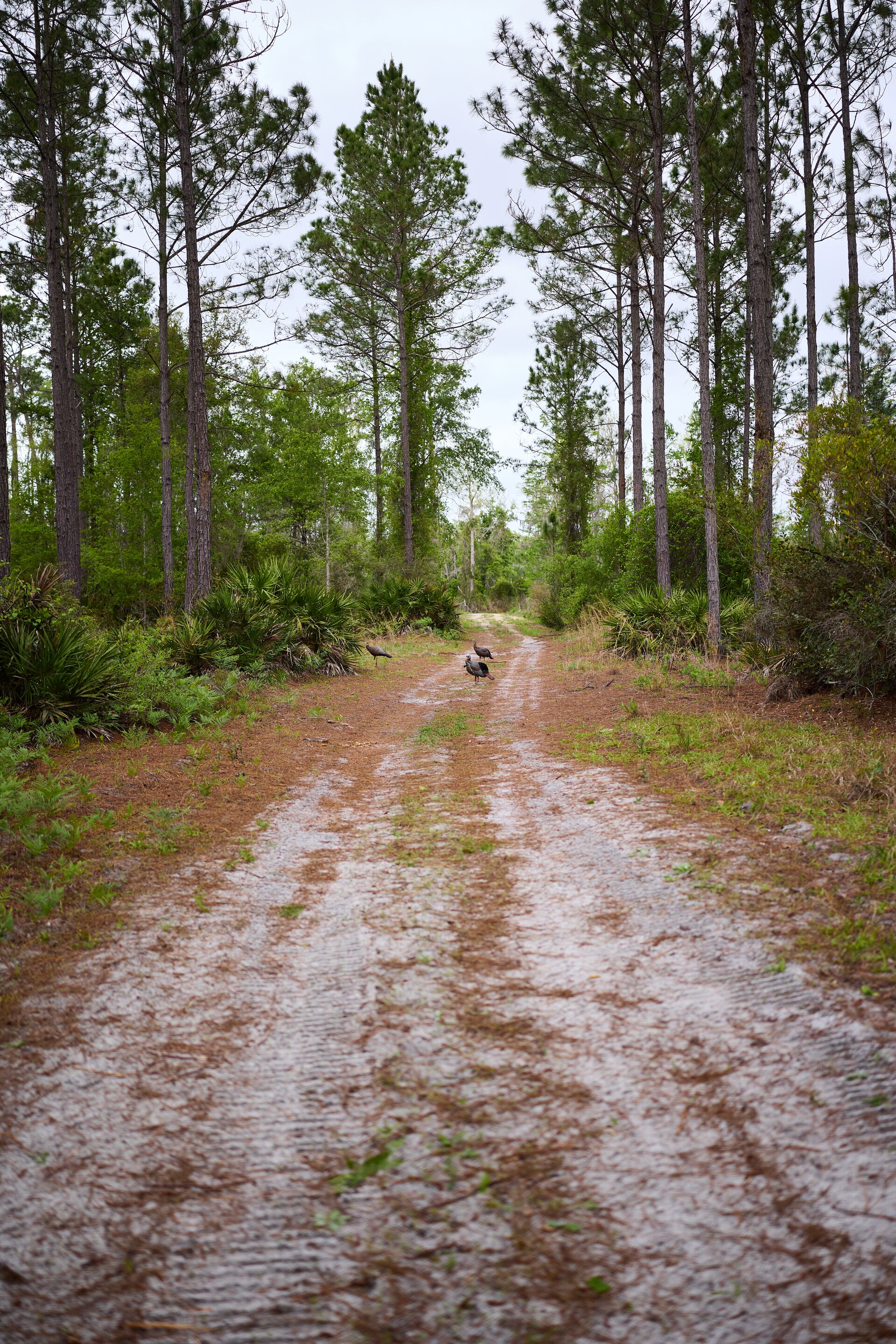
Plus, turkeys have habits. If undisturbed, they will roost in the same trees from season to season. They follow trails to food and water. So, if you've tried calling and just can't get the hang of it, you can be successful during a spring turkey hunt by patterning birds and setting up to ambush them.
If you watched turkeys do something during deer season, do a little scouting to see if the pattern is holding this spring before the season opens. With the raging hormones of the breeding season, though, it might not be easy.
With careful turkey scouting, you may be able to determine new patterns for hens, and toms will follow the hens. If they visit a watering hole at about the same time each day, find a good tree or bush you can back into. Because turkeys have no real sense of smell, you don't have to worry about the prevailing breeze.
Or, find a turkey roost and sit out a couple of evenings and mornings to see how they approach and leave the trees. You could be in the right spot early or late on opening day.
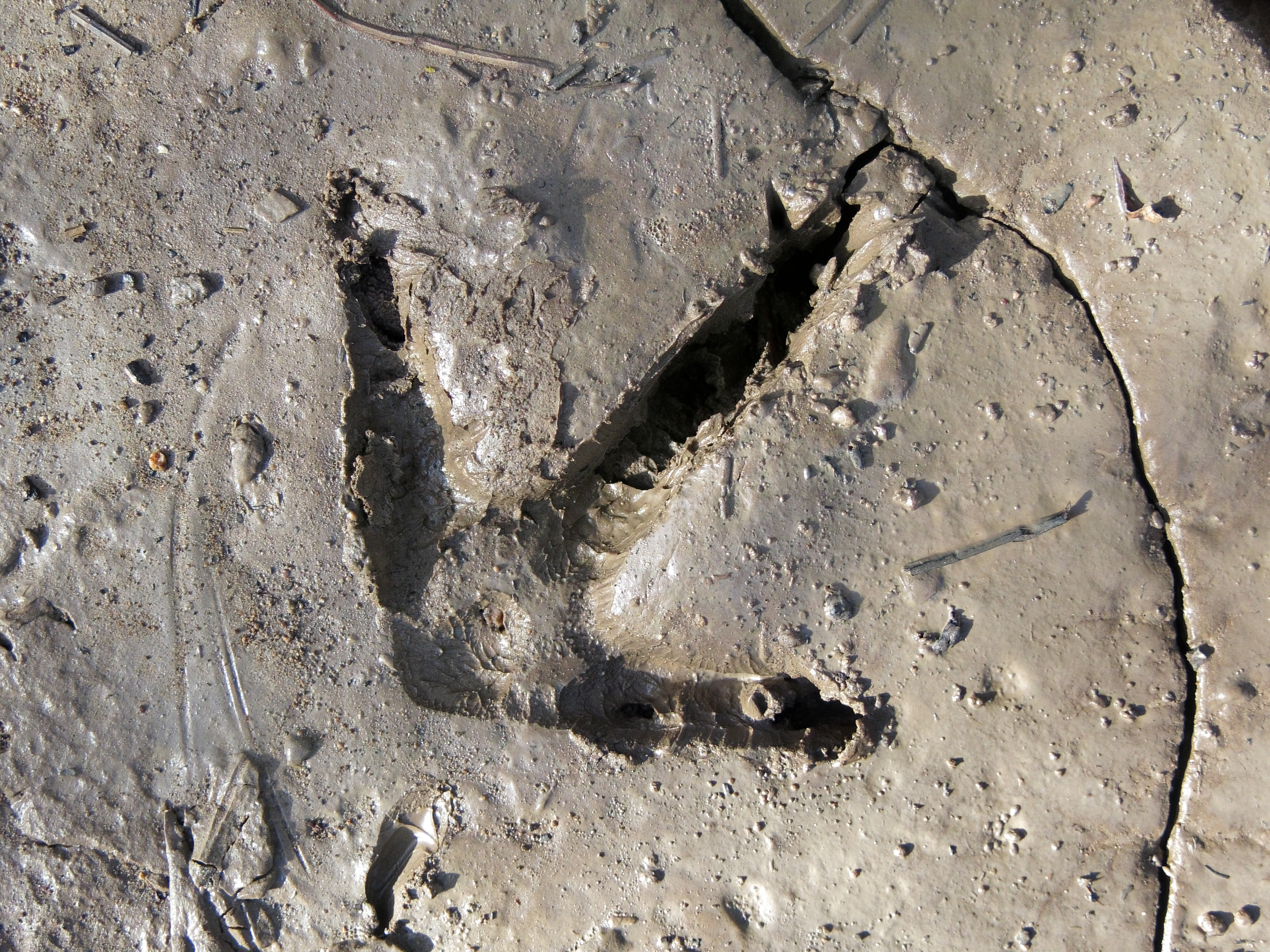
Follow the Signs
Follow the feathers and droppings along turkey trails — be careful not to bump birds — and see if you can find a dust bath or feeding area.
Turkey patterns may not be as predictable as those of some deer, but if you know food, rest, and water sources and spend enough time in the woods, you'll have a reasonable chance of success without being a champion caller.
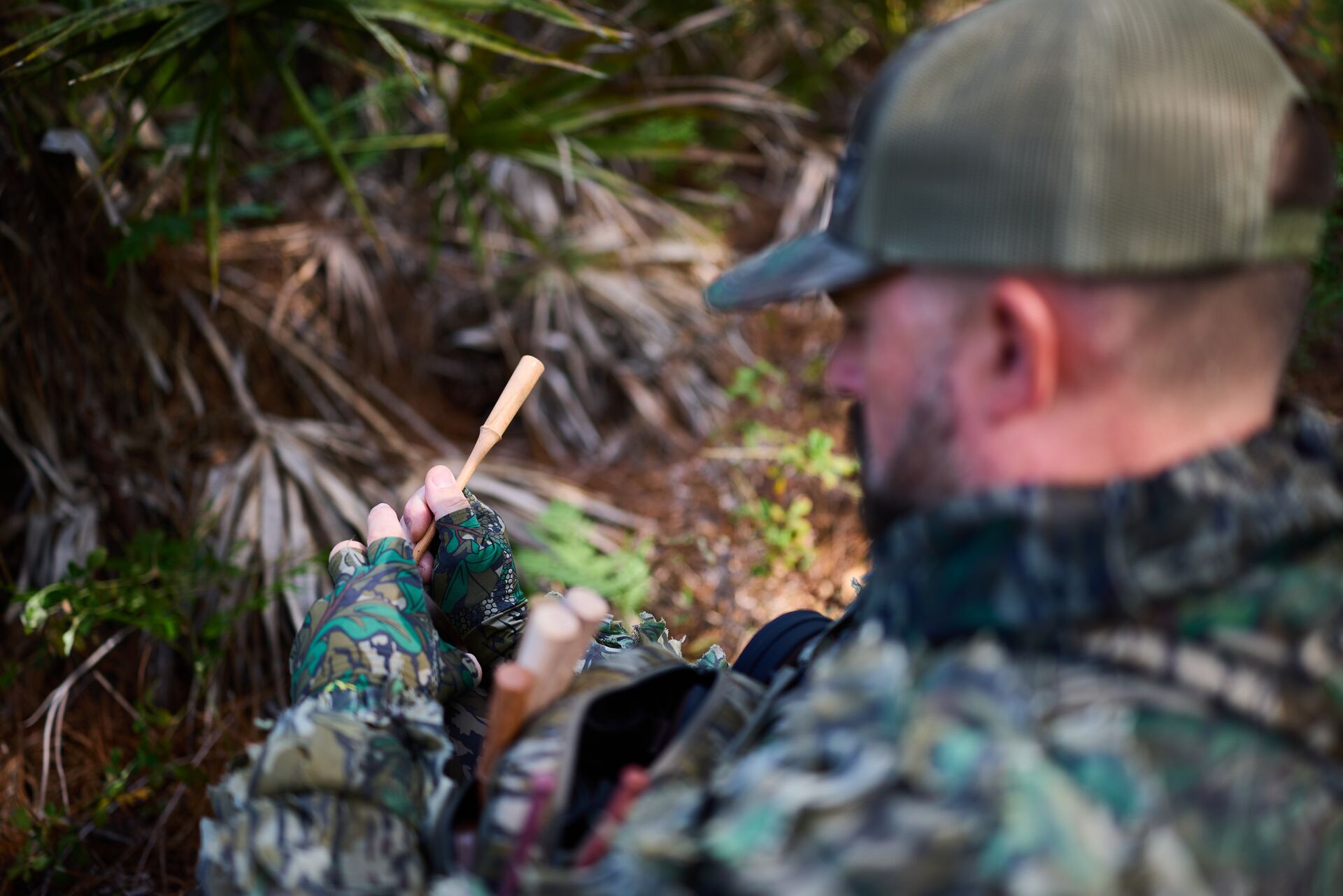
Tip #3: Add a Dose of Reality to Morning Calls
Have you ever heard a turkey come down off a roost? Let's just say . . . it will wake you up pretty quickly when you've dozed off in a deer blind!
Big turkeys have big, noisy wings when they beat against their sides and knock against branches and vines as they come down from a tree. If you've tried fly-down calls without coaxing a bird in, the next morning, take off your cap or hat and slap it against your thigh and nearby branches while you call. Follow that up with some cuts and purrs, like hens trying to find each other in the morning, and you should be in business.
Give the three tactics we've mentioned today a try this spring and see if you want to keep them in your repertoire for the coming years. There are plenty of other spring turkey decoy tactics and different tactical variations that might help out during your hunt.

Spring Turkey Hunting Safety Strategies
At first glance, turkey hunting would seem pretty safe because shotguns are short-range firearms. However, to the contrary, accidents happen all too frequently.
We've compiled two safety lists to help you stay safe this turkey season: one for every hunting situation and one specifically for public land.
Apply Turkey Hunting Safety Essentials Everywhere You Hunt
No matter where you hunt (on private or public land, including land you own), apply these safety tips.
- Be careful when hunting with decoys. If they look real to turkeys, they will look real to humans and other predators.
- Make sure you can see clearly for 50-70 yards to see where you will shoot.
- You need to see past where you will shoot, and you need to see behind you where a predator or another hunter might think you're a turkey.
- Cover your back with a tree or barrier to break up your outline so a turkey is less likely to see you. If a predator or hunter mistakes your call for a turkey and is moving in, you'll have a better vantage point.
- Wait to chamber a shell until you're set up and ready to call or wait.
- Practice good firearm safety. Keep your muzzle pointed in a safe direction in front of you, and keep your finger off the trigger.
- If you have a partner calling for you, keep them behind you (it's safer and better to keep the birds from focusing on you).
- Never spot and stalk a gobbler. It might be another hunter calling.
- Never shoot at sound or movement. Wait until you can identify the particular bird you want to shoot.
- Never drink alcohol while hunting.
Turkey Hunting Safety on Public Land
What else should hunters consider when hunting on public land? You're more likely to run into other hunters on public land, so keep these additional safety tips in mind.
- Make human noises, and use a flashlight while moving.
- Assume that there are other hunters in the area.
- Call out to any hunter you see so that they know you're there. It's better to mess up their hunting (or miss the opportunity to shoot a tom) than to have an accident.
- Realize that other hunters may come to your gobble but are less likely to come to sounds like clucks, cuts, and purrs.
- Carry out any turkey you harvest in a turkey bag.
- Avoid sudden movements that might cause another hunter to aim or even fire in your direction. Keep your Safe Zone of Fire in mind!
We hope you find these tips helpful! However, these tips are only a small part of staying safe when hunting turkeys in the spring.
Take a Hunter Education Course to Stay Safe During a Spring Turkey Hunt
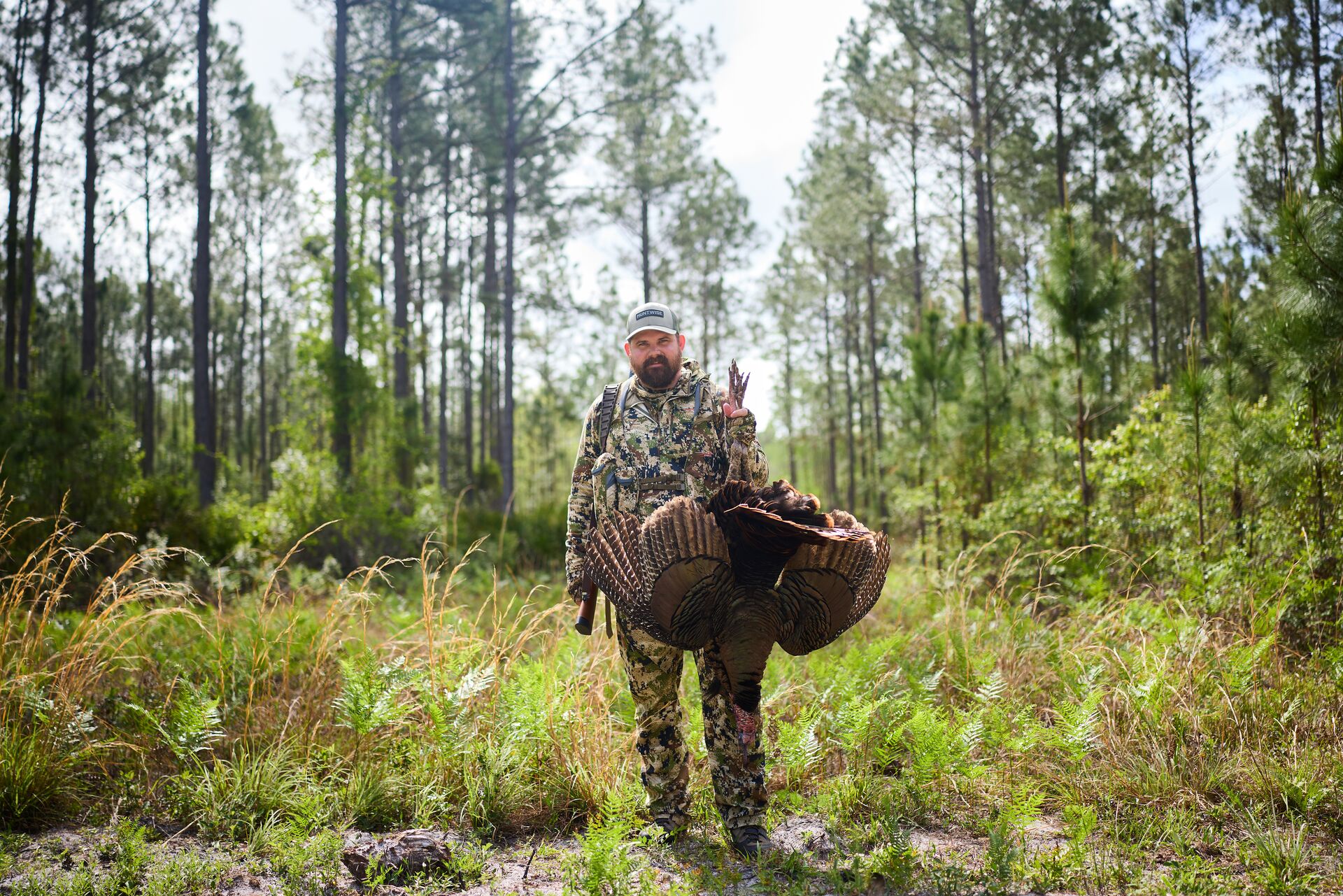
We want everyone to have a safe and successful spring turkey hunt! The best way to do that is to be prepared with thorough safety knowledge before planning your hunt. Plus, most states require hunters to pass a safety certification before buying a hunting license.
A hunter education course through Hunter-Ed prepares new and seasoned hunters to harvest turkeys safely every season. Our courses take place entirely online, and you can also take and pass your exam online from anywhere convenient for you. Hunter-Ed helps you stay safe in the field and meet your state's hunter education requirements!
Before turkey season begins, we encourage you and your hunting partners (especially kids and new hunters) to find the state-approved course for your area and get certified! Then you're ready for safe and legal spring turkey hunting.

Content most recently reviewed and updated April 24, 2026.
Frequently Asked Questions (FAQs)
We have answers about some of the most common spring turkey hunting tips!
Q: What not to do when turkey hunting?
A: A few things not to do when turkey hunting include not moving when a turkey is in sight, not calling too aggressively or too often, don't wear clothing with white, red, or blue on it, don't set up in open areas without cover, and never move toward a gobbling turkey — let him come to you.
Q: What is the best time of day to hunt turkeys in the spring?
A: Early morning, right around sunrise, is prime time for turkey hunting in the spring. Toms are fired up and gobbling as they fly down from roost. The first two hours of daylight are generally the most productive.
Q: What smells do turkeys hate?
A: Turkeys have a limited sense of smell, so scent is not a major concern. However, many hunters still avoid strong odors like human scent, smoke, and synthetic fragrances as a general precaution.
Q: Is spring turkey hunting hard?
A: Yes, spring turkey hunting can be hard. Turkeys have sharp eyesight and hearing, and gobblers can be unpredictable. However, spring is considered the best season to hunt them since toms are actively responding to calls, giving hunters a real advantage.
Q: What colors to avoid turkey hunting?
A: When turkey hunting, avoid wearing red, white, blue, and black. Red, white, and blue are the colors displayed on a wild turkey's head and can cause other hunters to mistake you for a bird. Black is also a color commonly associated with turkey toms.
Q: What is a common mistake made by beginner turkey hunters?
A: When turkey hunting, over-calling is one of the most frequent beginner mistakes. New hunters often call too loudly or too frequently, which can spook wary birds. Less is usually more — patience and subtle calling tend to produce better results.