8 Pheasant Hunting Tips to Bring Home More Birds
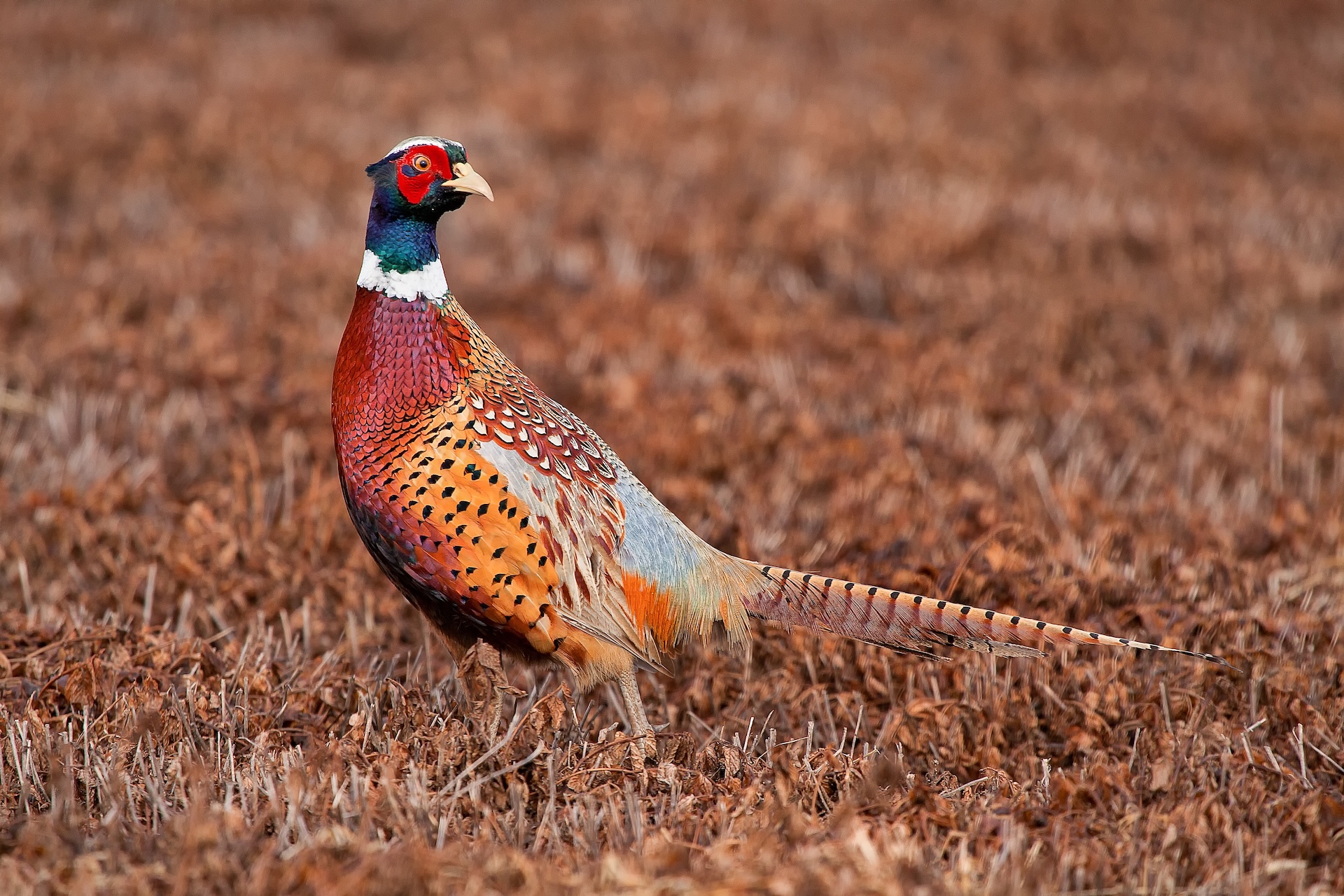
Pheasant hunting offers the kind of challenge that upland hunters love. It's active, cerebral, and fast-paced.
If you've ever spent time in tall grass watching a bird flush, you already know how much goes into a successful hunt. That's why hunters are always looking for new pheasant hunting tips to sharpen their skills and boost their chances.
Follow along as we break down what works in the field, how to scout smarter, and how to succeed, with or without a dog.
Why Pheasant Hunting Is Worth the Effort
Hunting pheasants can be unpredictable, but that's part of what keeps it fun.
Unlike most game, pheasants don't sit still for long. You'll cover ground, think on your feet, and react quickly when a bird flushes. It's a hunting style that rewards awareness, adaptability, and patience.
Many hunts involve walking several miles through thick grass or brushy edges. It's both physical and mental, and the training and preparation you put in will directly impact your results. That includes everything from fitness to how well you approach cover and handle your shotgun.
Know Your Terrain
If you're new to pheasant hunting or want better results this season, you'll need to understand where birds hold.
Pheasants are edge birds. They favor transition zones where thick cover meets open ground for easy access to food and quick escape routes.
Focus your efforts on fence lines and irrigation ditches bordering crop fields. Birds love corn stubble and soybean residue after harvest, or Conservation Reserve Program (CRP) fields, grassy draws, and overgrown pastures.
Plan your hunt around the birds' movement. Mid-morning often heats up after frost, while late afternoons can be productive as birds return to roost. Avoid the midday lull unless the weather is cold and breezy.
Gear and Shotgun Setup Tips
The right hunting gear doesn't need to be the most popular brand, but it does need to be practical.
- Pick the right shot: Use #4 or #5 early on. Later, when birds flush farther, consider switching to #6.
- Use the right choke: Improved cylinder and modified chokes have a reliable balance of power and spread.
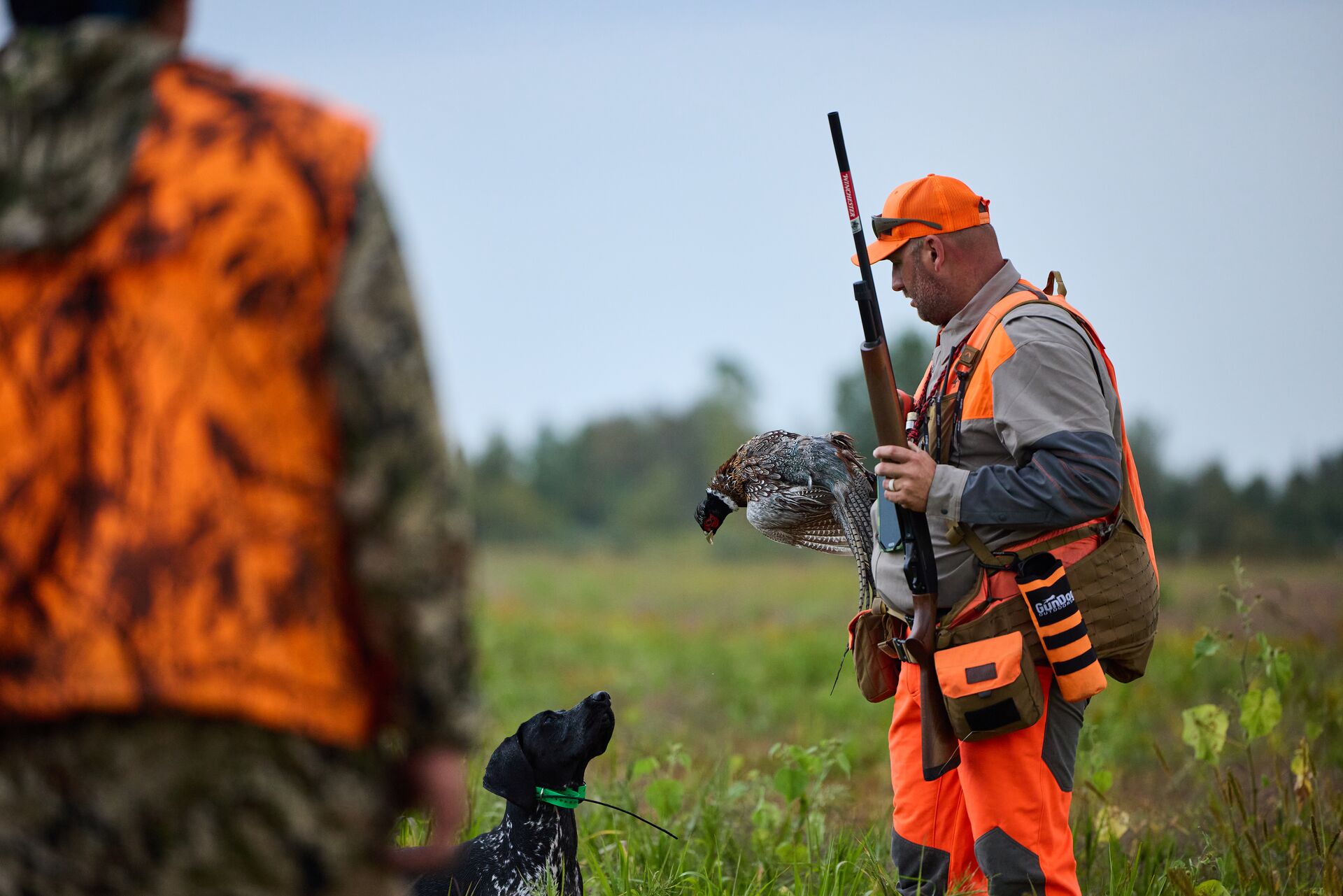
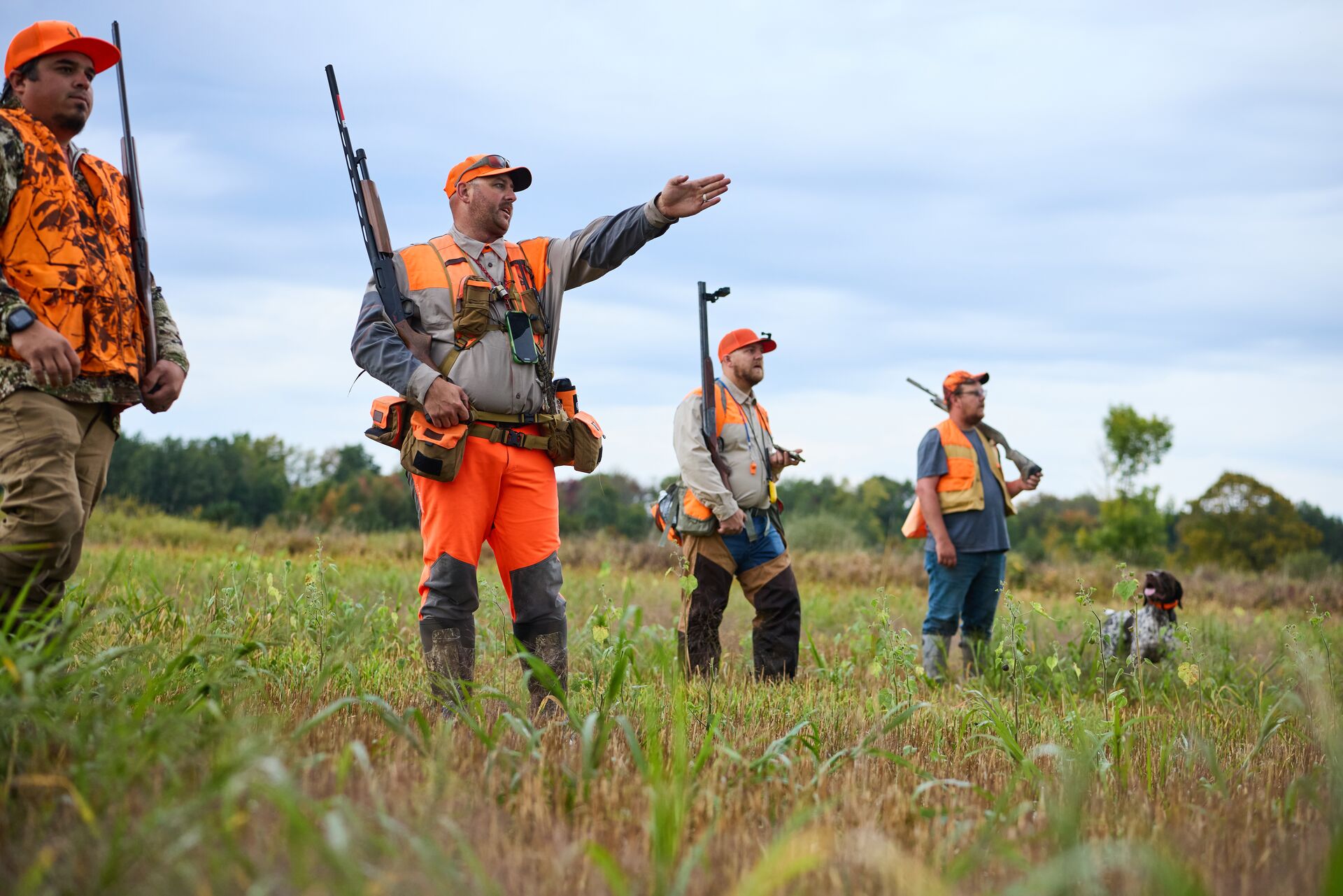
- Wear blaze orange: Remain visible to other hunters.
- Dress for comfort: Brush-resistant pants, sturdy boots, and moisture-wicking layers help you stay on the go.
- Bring the essentials: Water, snacks, a license, and a sharp knife should always be with you.
Gear choices influence safety, success, and comfort, so don't compromise on solid gear.
8 Pheasant Hunting Tips That Actually Work
Finding the best habitat and having the right gear won't matter if your approach isn't right. These eight pheasant hunting tips can help you flush more birds and take better shots.
1. Hunt Into the Wind
Approaching from downwind limits a pheasant's ability to hear or smell you. In thicker cover, birds are more likely to hold tight, giving you a closer, more manageable shot as they flush away.
2. Stroll Slowly and Pause Often
One common mistake is rushing.
Pheasants often wait until the last moment to flush. Strolling and pausing every few steps disrupts their instincts and usually triggers a flush. We've had roosters explode from cover seconds after stopping to rest.
3. Use a Blocker if You Have a Partner
If you're hunting with a friend, have them stand at the far end of a strip of cover.
Pheasants often run ahead instead of flying. A blocker forces them to flush, giving both hunters a better chance at a clean shot.
4. Work Corners and Edges
Pheasants rarely fly straight when pressured. They may double back, sneak through corners, or circle.
Always check the last 50 yards of a strip and give extra attention to brushy corners where birds might escape.
Pheasant Hunting Without a Dog
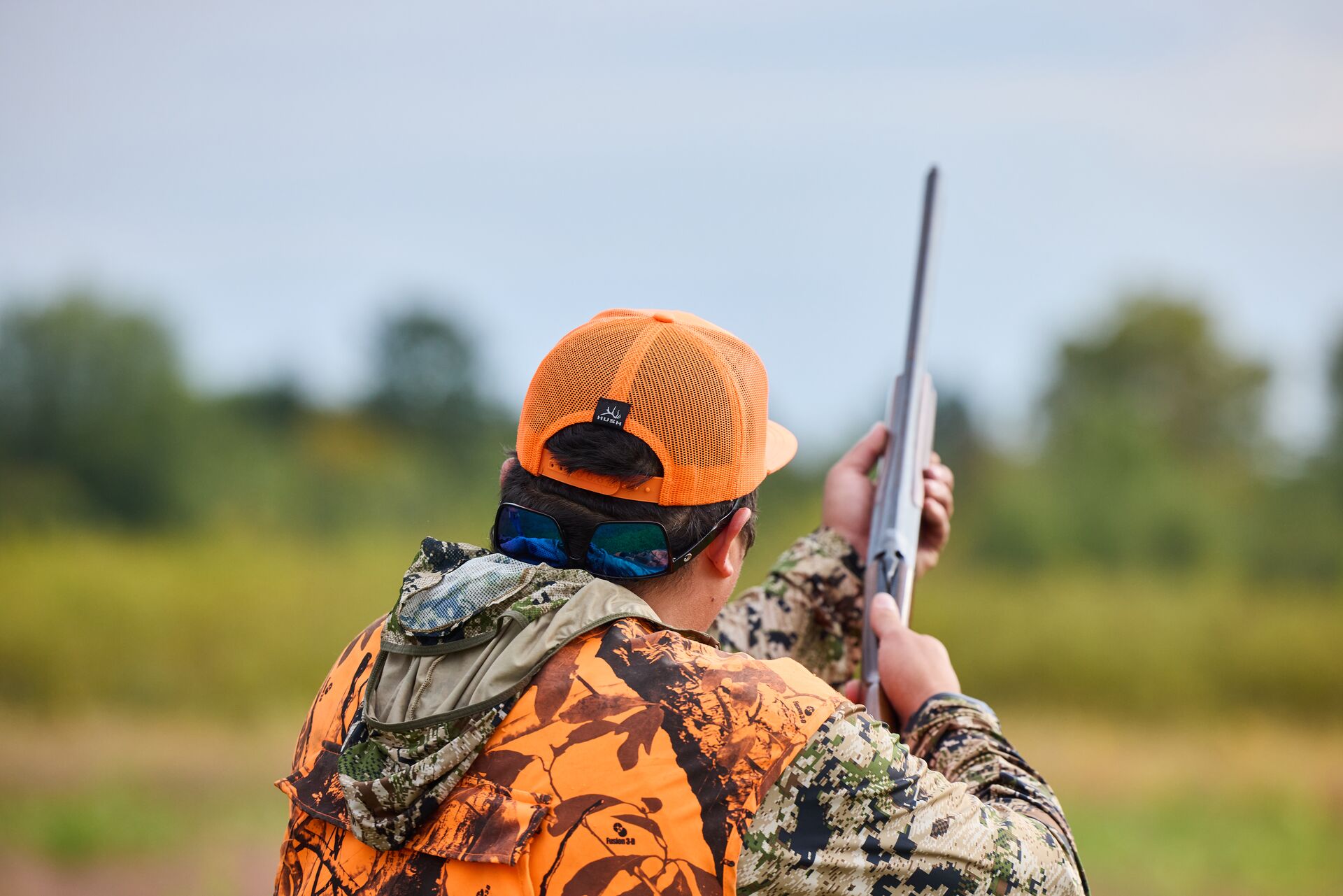
Dogs make upland hunting more efficient, but many of us started without one. With the right strategy (and these next tips), pheasant hunting without a dog is still effective and rewarding.
5. Hunt Smaller Parcels or Narrow Strips
Smaller areas give birds fewer escape routes. Tight cover makes it easier for solo hunters to flush birds into shooting range.
6. Watch for Movement
Without a dog to point or flush, your eyes and ears become your best tools. Watch for grass swaying, tail feathers sticking out, or the rustle of a bird sneaking away ahead of you.
7. Push and Pause
In thicker cover, the "push and pause" method works well.
Take a few steps, pause, and wait. The sudden stop may cause a nervous bird to flush. Walking in a zigzag pattern also helps you cover more ground and surprise birds hiding just out of sight.
8. Focus on Late-Season Hunts
Colder weather and increased hunting pressure cause pheasants to hold tighter and rely more on deep cover. That makes late-season outings ideal for solo hunters walking birds up on foot.
Scout Smart to Hunt Smarter
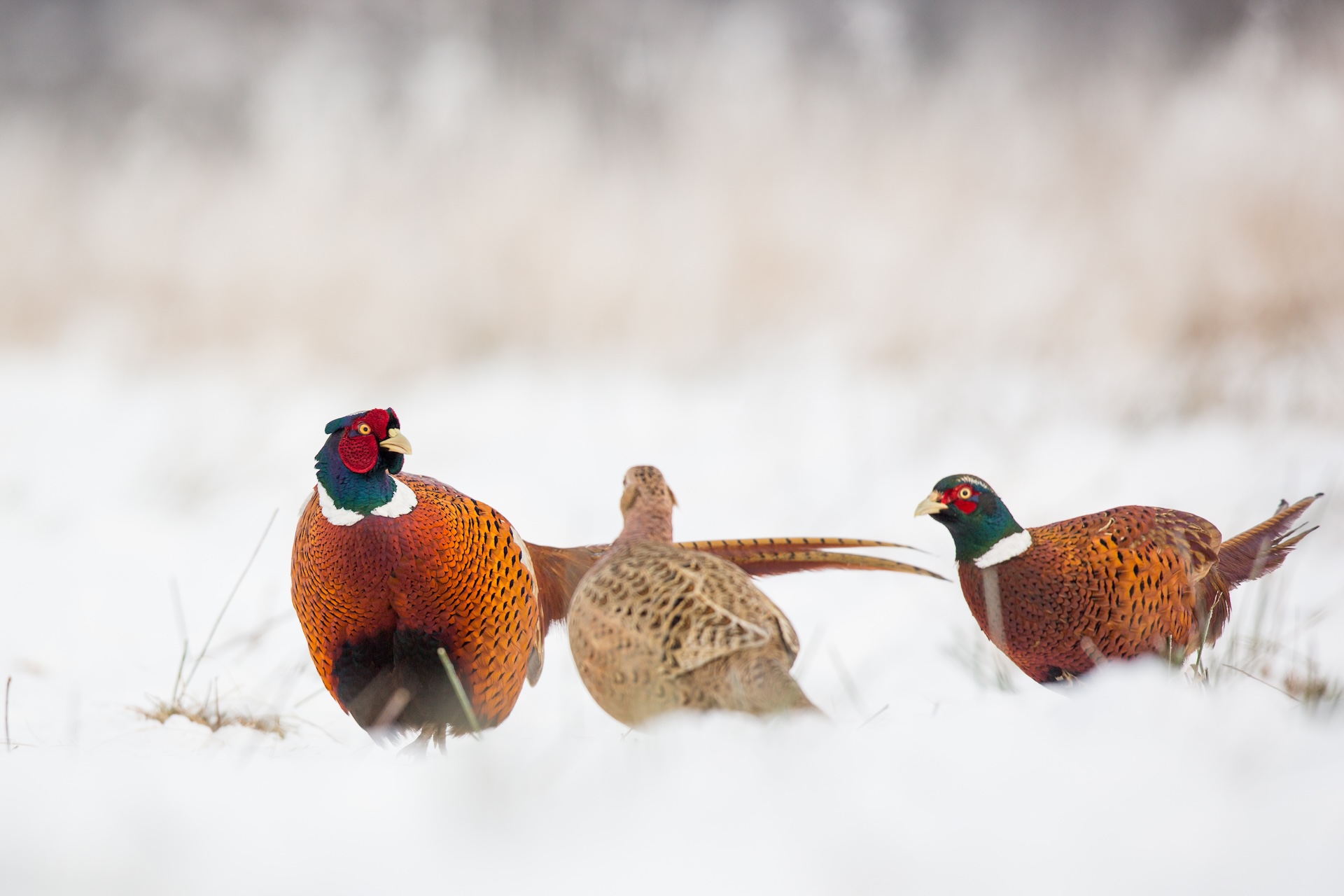
Scouting doesn't have to be complicated. Look for fresh sign, such as tracks, droppings, or disturbed grass, in areas with good cover and nearby food sources. You might also spot feathers near roosting sites or see evidence of feeding in grain fields.
Talking with area landowners or wildlife officers can provide local pheasant hunting tips, especially for recent bird movements.
You can also use a hunting app like HuntWise to target the best areas based on wind, weather, and terrain.
Remember: If your first spot turns up empty after 30-45 minutes, move on. Covering more ground is often better than waiting for birds that aren't there.
Use These Pheasant Hunting Tips to Bag More Birds
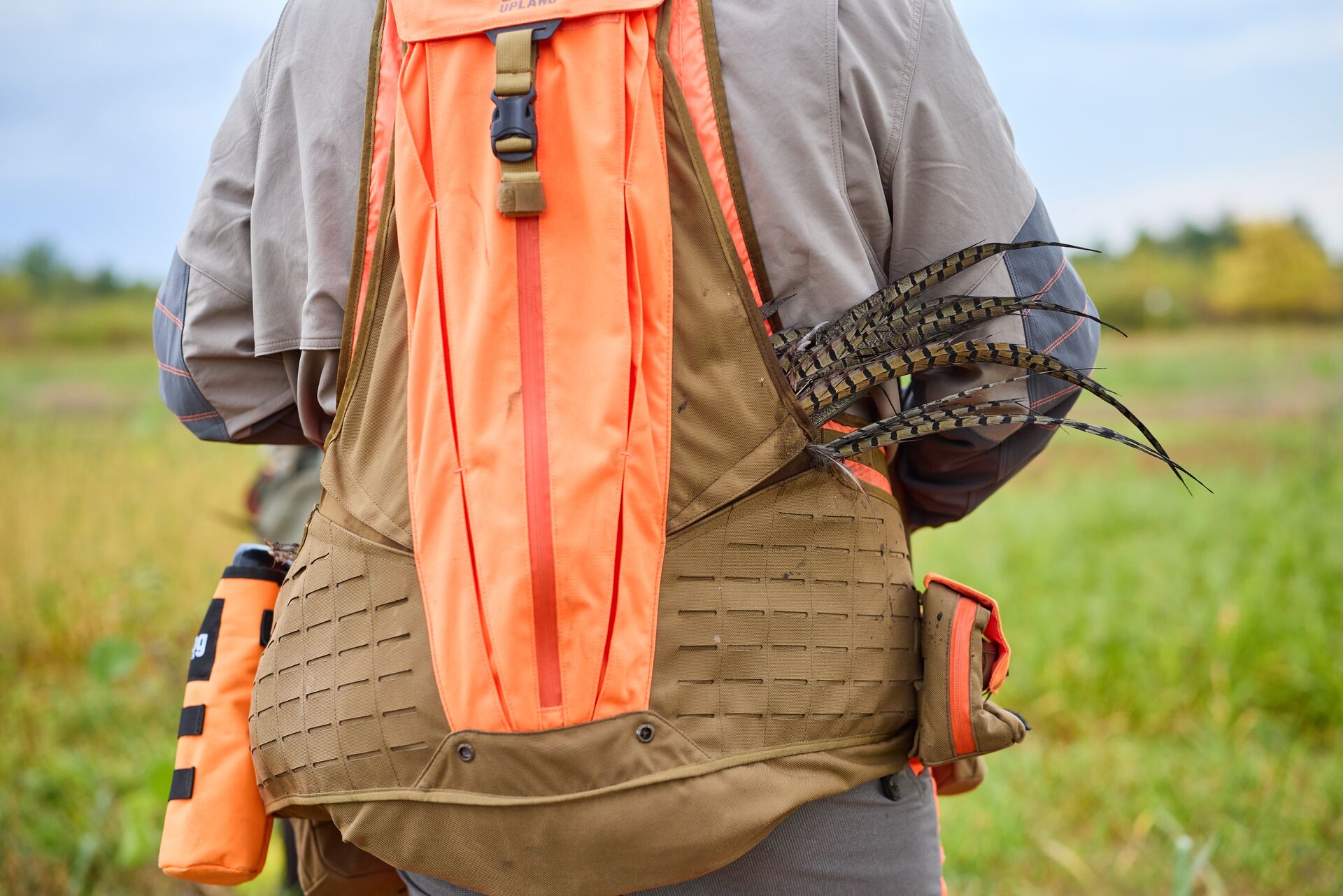
Patience goes a long way when hunting wild pheasants. Rushing your approach or forcing shots often works against you. Instead, focus on taking clean, ethical shots that increase your chances of recovery.
Most importantly, you'll need to be persistent. Every hunt gives you more experience reading cover, interpreting bird behavior, and making sound decisions in the field.
Make sure you also know how to stay safe when carrying your firearm and flushing birds in fields with your hunting buddies. Taking an online hunter safety course through Hunter-Ed is not only smart, it could be required by your state before you can hunt. You'll learn about firearm safety, why hunters wear blaze orange, and other crucial skills to help you hunt better and safer.
Make sure you're ready for your pheasant hunt! Take the Hunter-Ed course for your state before the season begins.
Frequently Asked Questions (FAQs)
We have answers to your questions about pheasant hunting!
Q: What is the best way to hunt pheasants?
A: Walking fields with a good hunting dog to flush birds is the most effective method. Focus on cover like grass edges, fencerows, and crop fields.
Q: What time of day is best to hunt pheasants?
A: Prime times are early morning after sunrise and late afternoon before sunset when birds are feeding or moving.
Q: How difficult is pheasant hunting?
A: It’s moderately challenging. Pheasants are wary, fast flyers. These hunts require quick shooting skills, but they’re beginner-friendly with the right preparation.
Q: Do pheasants move when it's cold?
A: Yes, but less often. In cold or snowy weather, they conserve energy by staying in heavy cover and moving mainly to feed.
Q: What is the golden hour for pheasant hunting?
A: The "golden" hour is the last hour before sunset, when pheasants leave cover to feed.
Take the Hunter-Ed course for your state before the season begins.