Top 9 Late Season Deer Hunting Tips
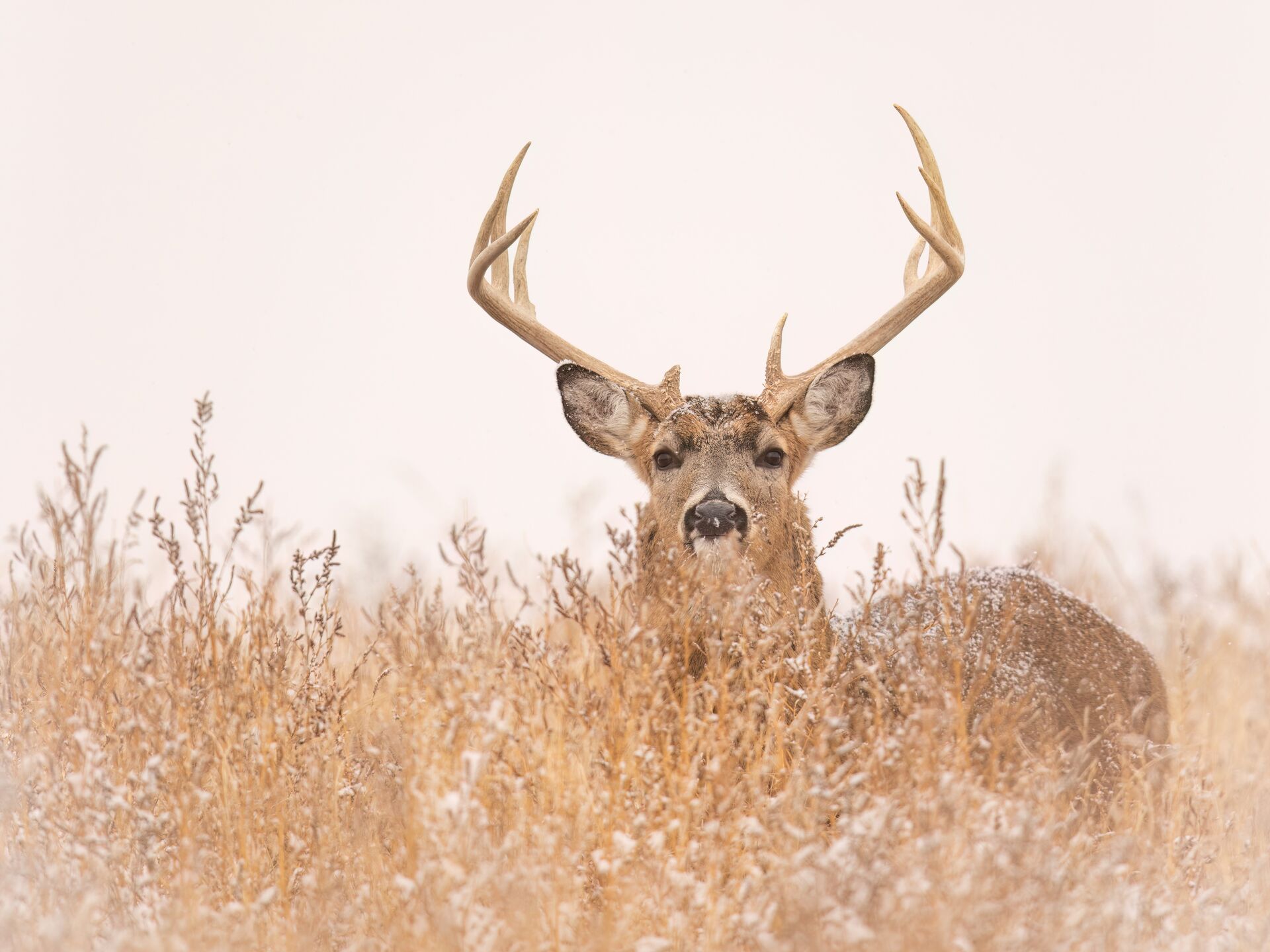
When temperatures drop and the woods grow quiet, most hunters hang it up for the year. But for those willing to push through the cold weather, late season deer hunting offers a great chance to tag out.
The post-rut period can challenge any hunter, demanding patience, adaptability, and the proper setup. With a safe, sound hunting strategy and a little determination, you'll still be able to put yourself in a great position for a shot even on closing day.
I once killed a Georgia deer on the final day of the season, just as the sun set. I can't promise you that — but these late season deer hunting tips will help you locate pressured bucks and finish your season strong.
9 Late Season Deer Hunting Tips
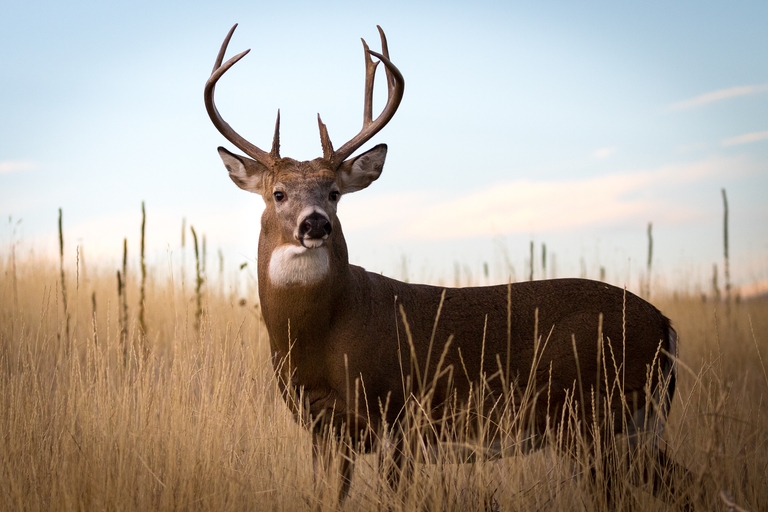
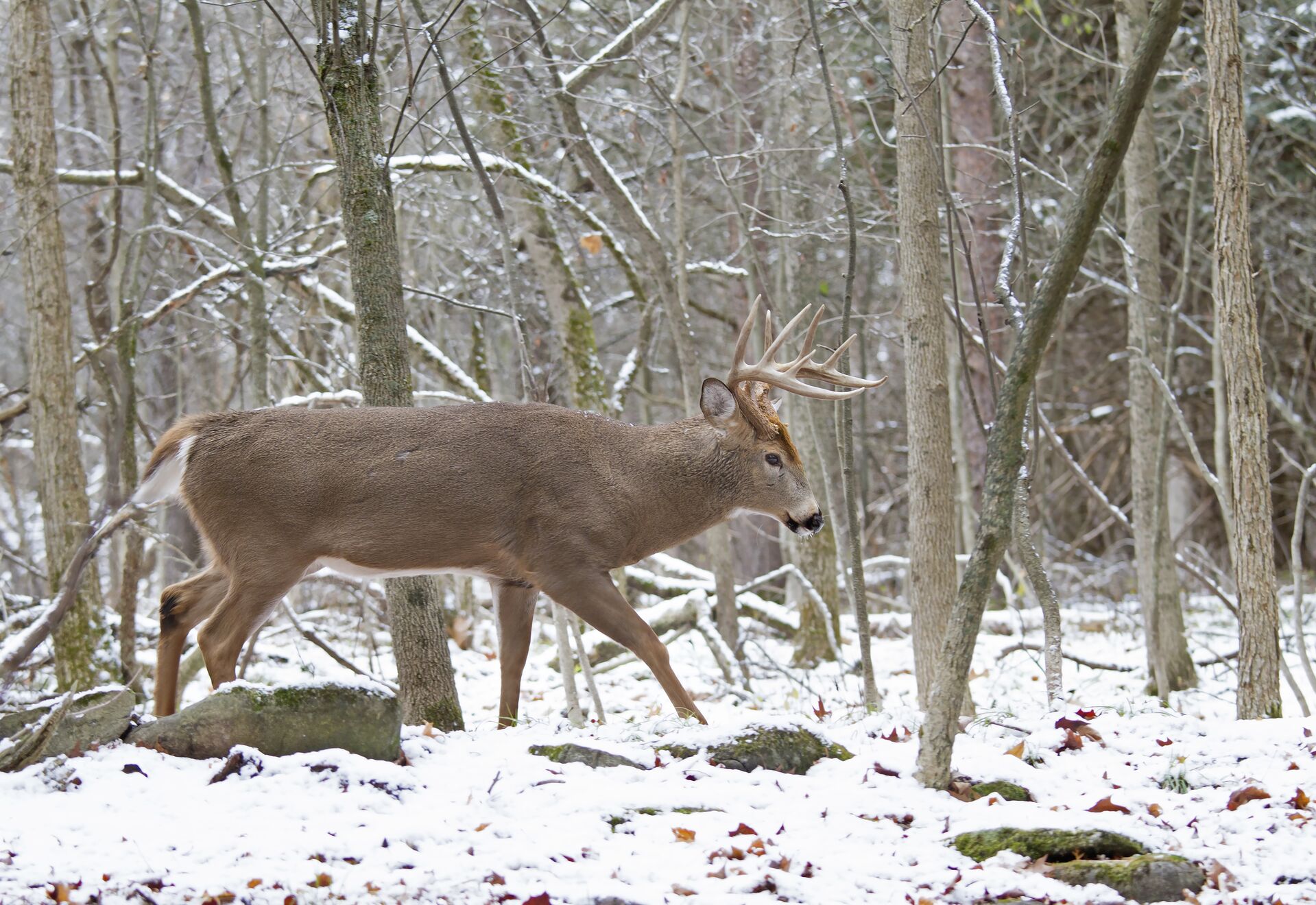
As the deer season winds to a close, deer behavior changes. After weeks of pressure from hunters, bucks become cautious as food drives all movement.
However, adapting your tactics to match these conditions can make all the difference between a cold, empty morning and a full freezer. Check out these nine tips for late-season success!
1. Know the States That Offer Late Season Deer Hunting
Deer season doesn't end everywhere at the same time. Several states extend opportunities into January, giving you extra time to hunt.
Parts of the South and several states, including Ohio and Kansas, often offer special late-season muzzleloader or archery hunts. At these times, fewer hunters are in the field, creating ideal conditions for late season deer hunting.
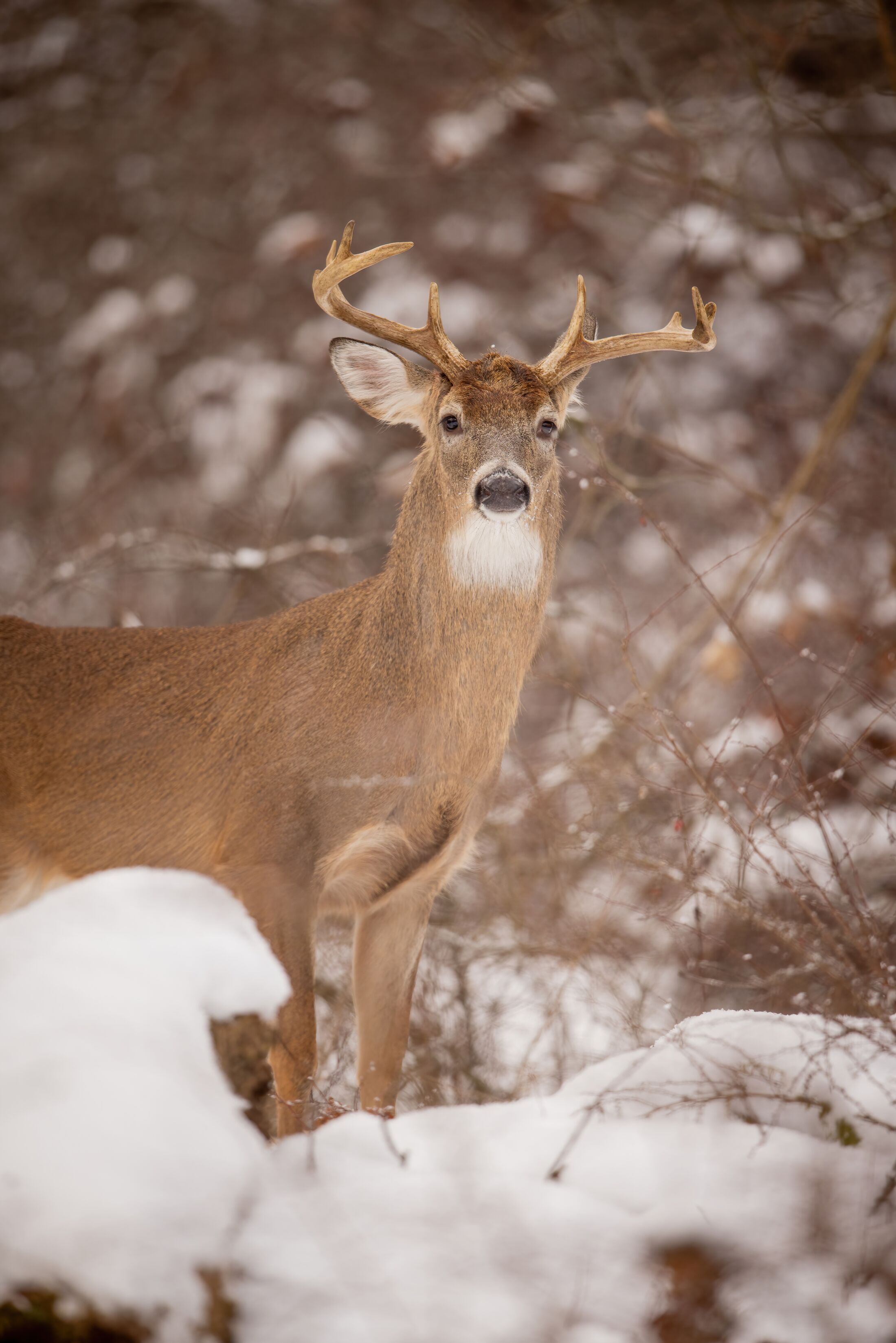
2. Attract Deer in Late Season
Deer movement slows after the rut, and survival becomes their top priority. Bucks become wary, exhausted, and focused on regaining weight.
The late season is a good time to use attractants, food-based scents, or mineral licks (where legal). Use natural cover scents, like pine or earth, to mask human odor. Hunt with the wind in your favor and approach quietly.
Rattling, heavy calling, and other aggressive tactics that work in the rut often backfire at this time of the season. Think like an ambush hunter: patience, stealth, and realistic scent placement are a must.
3. Know How to Call Bucks in Late Season
Calling can still work this time of year, but your approach should be careful and deliberate. Repeated, loud calls may push bucks farther away.
During late season buck hunting, stick with light grunts and gently rattle to mimic natural deer interaction. Try to sound calm and non-threatening rather than dominant.
4. Focus on Food Sources
When temperatures drop, food becomes the most reliable predictor of deer movement. Deer spend the late season rebuilding fat reserves. If you find their food, you'll find deer.
Common late season food sources include:
- Crops, such as standing corn, soybeans, and winter wheat
- Natural browse, including acorns, honeysuckle, and greenbrier
- Food plots of brassicas, turnips, clover, and rye plots
- Supplemental feed in the form of corn piles or mineral blocks (where legal)
Glassing fields or plots from a distance can help you locate deer without adding pressure. To intercept deer before dark, focus on travel routes between bedding and feeding areas.
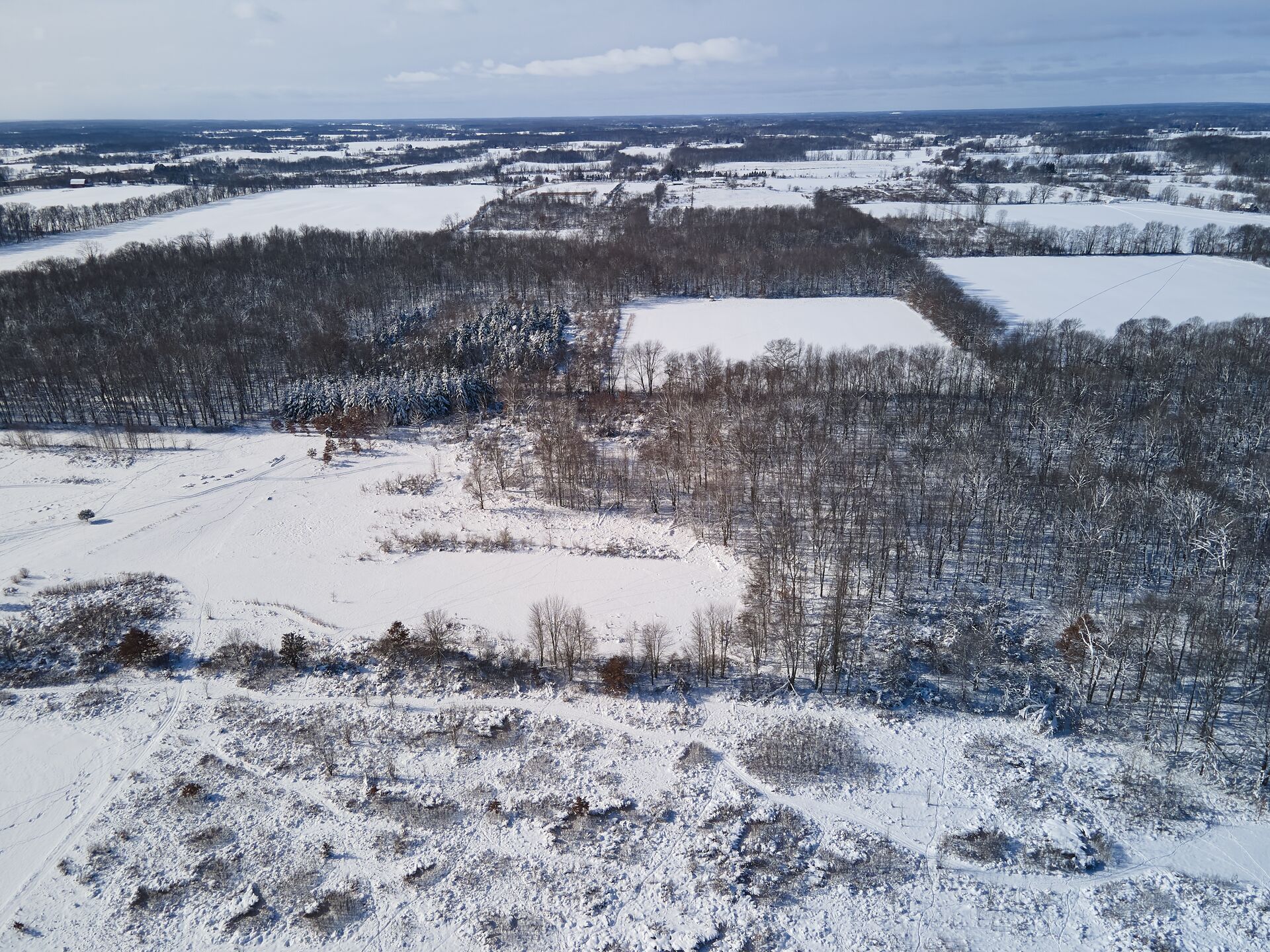
5. Locate Thick Cover
Late-season deer spend most of their time in dense, sheltered areas that block wind and provide warmth. Targeting these spots increases your odds of success in late season buck hunting.
Productive cover includes pines and regrowth timber, which offer browse and security. Bucks prize brushy ridges for their elevation and feeding access, and deer seek out swamp edges for quiet and protection. Look to these areas during late season deer hunting.
When hunting in thick cover, stay on the edges to avoid jumping a bedded buck. Deer feel safe there, and overpressuring bedding zones can push them off your property for good.
6. Adapt to Deer Behavior
Success in the late season comes down to reading deer movement and adjusting daily. As daylight hours shrink, deer move shorter distances and rely heavily on established routes between bedding and food.
If deer are avoiding a stand you've used all fall, move closer to feeding areas or access points. Learn to read topo maps and know travel routes. Flexibility in changing conditions is just part of late season deer hunting.
7. Minimize Hunting Pressure
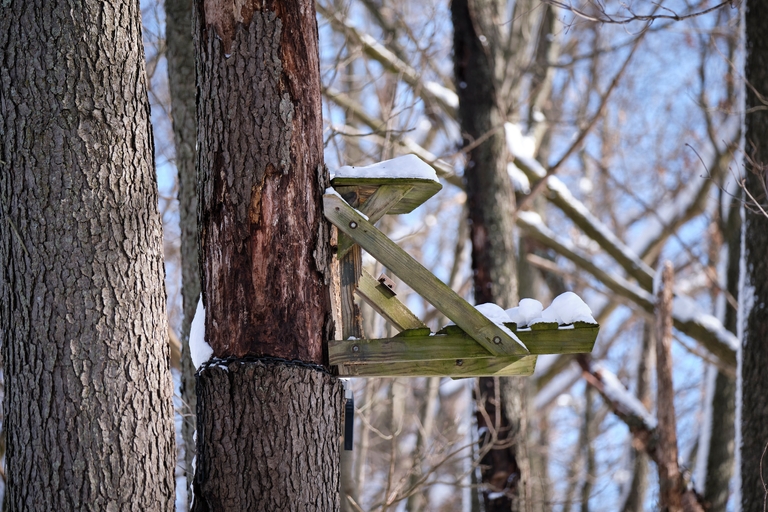
By December, deer have experienced months of human activity. They recognize patterns, climbing stands, and the sounds of truck doors and foot traffic. Minimizing pressure helps restore a sense of security.
Limit how often you enter key areas. Rotate stand locations and only hunt in ideal wind conditions. Avoid walking through food sources on your way out, and give areas rest days so deer can return.
The quieter you stay, the better your odds.
8. Adjust Scouting
Scouting in winter looks different from scouting deer in early fall. Instead of walking through bedding areas, use glassing or trail cameras to identify fresh tracks, droppings, and feeding signs.
Look for patterns in how deer move between thick cover and late-season food. Limit unnecessary intrusion to avoid pressuring late season bucks.
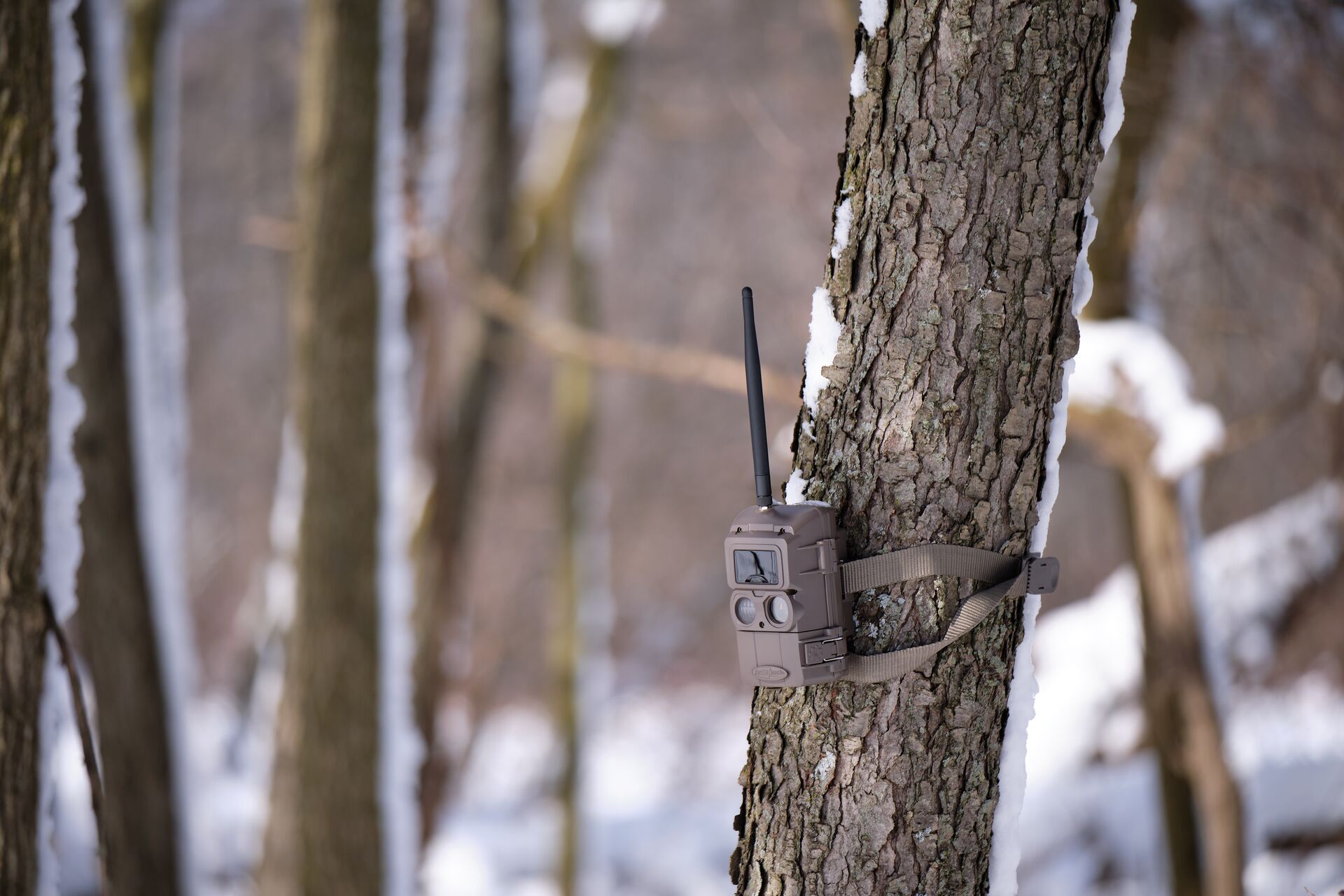
9. Use Trail Cameras
Trail cameras are invaluable tools for cold-weather scouting, almost as useful as decent boots. As temperatures cool, move cameras from summer feeding areas to winter food plots, travel corridors, and cover edges.
Check cameras sparingly to avoid pressure, and focus on evening movement. Phone cameras may offer better scouting options, and video mode helps reveal deer interactions and their direction of movement.
Bonus Tip: Take a Hunter Education Course
If you're planning a late season deer hunt as your first hunt, make sure you've taken a hunter education course, such as Hunter-Ed, earlier in the season to be ready.
If it's been a while since you took a course, consider a refresher to brush up on safety essentials.
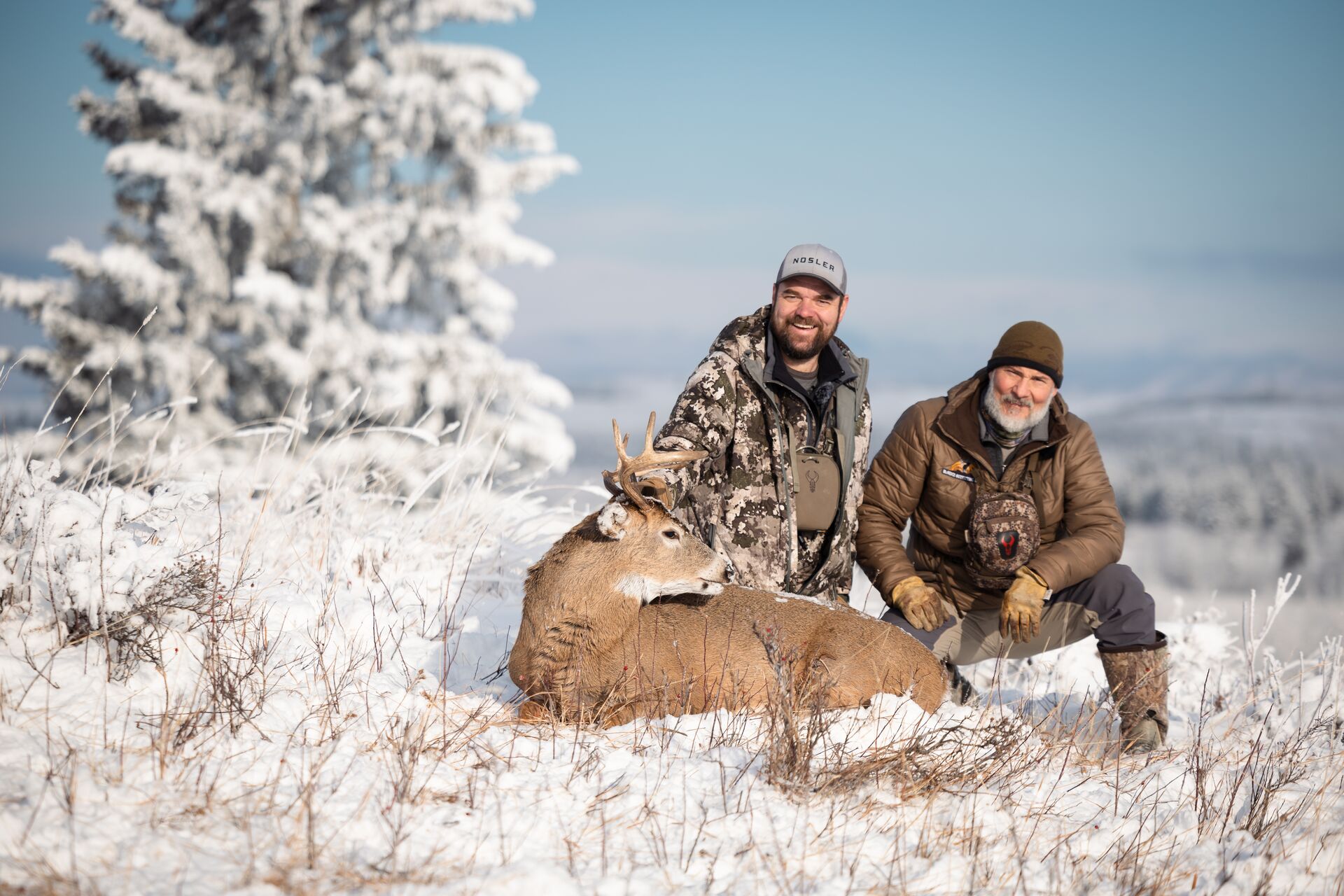
Hunter Education Helps You Stay Safe When Late Season Deer Hunting
Late-season hunts demand patience, and you'll need to be ready to make quick adjustments. By applying these late season deer hunting tips, you'll stay one step ahead of pressured deer while making the most of the few days left.
With a strategic approach to food, cover, and scent management, you can improve your odds. Late-season success is about learning from every hunt, remaining persistent, and staying safe.
If you haven't taken your hunter education course and you're planning a late-season hunt, there's still time to get your certification! Hunter-Ed online courses make it easy to meet your state's hunter education requirements. Our courses help you improve your safety and readiness, all season long.
Get the most out of a safe hunting season by taking the Hunter-Ed course for your state.
Frequently Asked Questions (FAQs)
We have answers to common questions about late season deer hunting!
Q: Is late-season deer hunting good?
A: Yes, late season deer hunting is good! Cold weather, reduced food, and post-rut recovery make deer more predictable around food sources.
Q: How do you attract deer in the late season?
A: To attract deer during the late season, focus on high-calorie food (corn, soybeans, brassicas), minimize pressure, and hunt near thermal cover such as conifers or south-facing slopes.
Q: What states have late-season deer hunting?
A: Many states offer late firearm or archery deer seasons, including Iowa, Ohio, Illinois, Kentucky, Missouri, Wisconsin, and parts of the Northeast and South. Dates vary by state and zone.
Q: How do you call bucks in the late season?
A: When calling bucks in the late season, use subtle calling: soft grunts or light rattling. Bucks are cautious now, so avoid aggressive sequences.
Q: What is the behavior of a late-season buck?
A: Late-season bucks conserve energy, focus on food, favor secure bedding cover, move less in daylight, and are highly wary from earlier season hunting pressure.
Be safe during a late season hunt!
Take the Hunter-Ed course for your state.