How to Choose the Right Big Game Hunting Cartridges
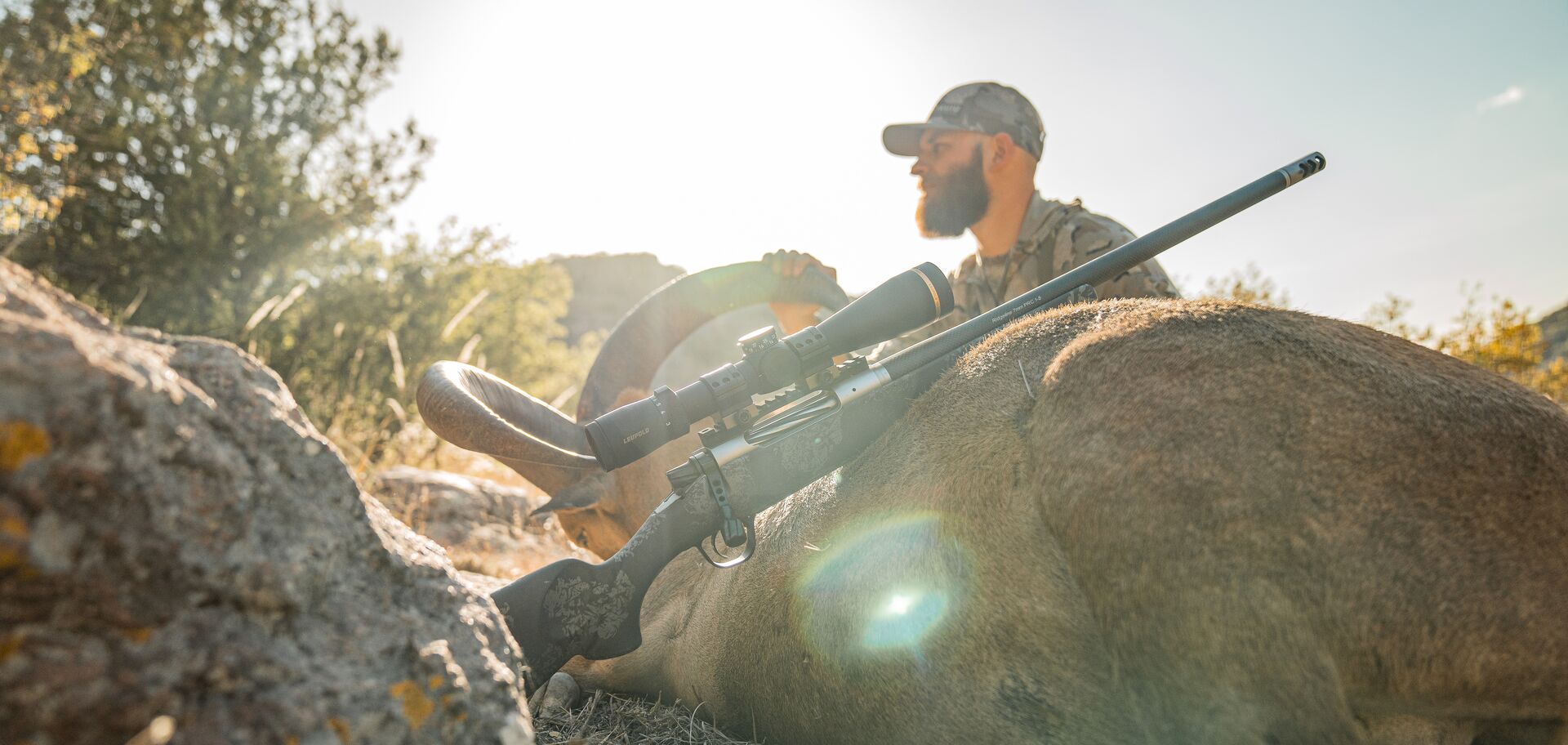
Choosing your big game hunting cartridges can make or break the hunt. However, once you know the terrain you're hunting in and the anatomy of the animal you want to hunt, choosing the right round is simple.
This is an important one, so stay with us as we explain the key factors that go into selecting a cartridge for big game. We'll also give a few practical tips for each species to help you make the right choice this season.
Why Your Cartridge Choice Matters
Not every cartridge is right for every hunt. The wrong one often means missed shots, or worse, an unethical shot that wounds the game instead of delivering an ethical kill shot.
Here are a few reasons cartridge selection is so important:
- Ethical Harvesting: A cartridge with enough energy ensures humane kills, especially on large animals with thick hides.
- Legal Requirements: States often set minimum caliber or energy thresholds for hunting big game.
- Personal Performance: A cartridge you can shoot accurately and confidently is always going to outperform something you haven't trained with.
- Hunting Environment: In thick woods, you don't need a long-range magnum. But if you're glassing open prairie, you'll want a cartridge that stays flat and powerful over distance.
Understanding your goals, environment, and limitations is the first step when choosing big game hunting cartridges. The next step is knowing the differences and when they matter.
Key Factors in Choosing a Big Game Cartridge
There's no one true rifle round for big game, but the right one depends on a few variables.
Game Size and Species
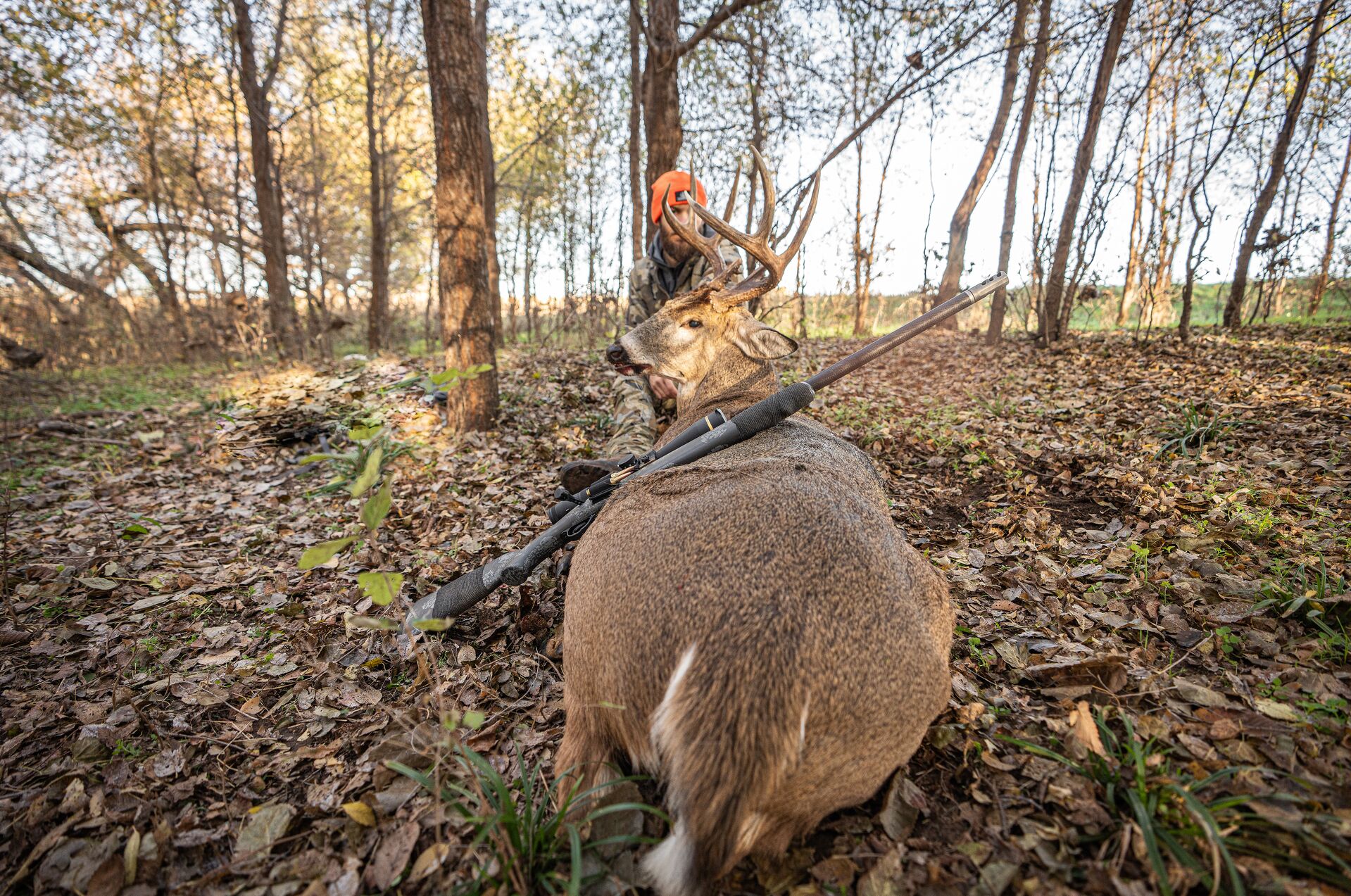
The bigger the game, the more energy your cartridge needs to deliver. Whitetails, for instance, have thinner hides and less muscle than elk or moose.
Smaller rounds like the .243 Winchester can cleanly take deer, but you'll want something like a .30-06 for elk, and .338 Win Mag for moose or grizzly bear.
Shooting Distance
If you're hunting wide-open spaces or mountainous terrain, a flat-shooting cartridge with strong downrange energy matters. Cartridges like the 7mm Remington or .300 Winchester Magnum shine here.
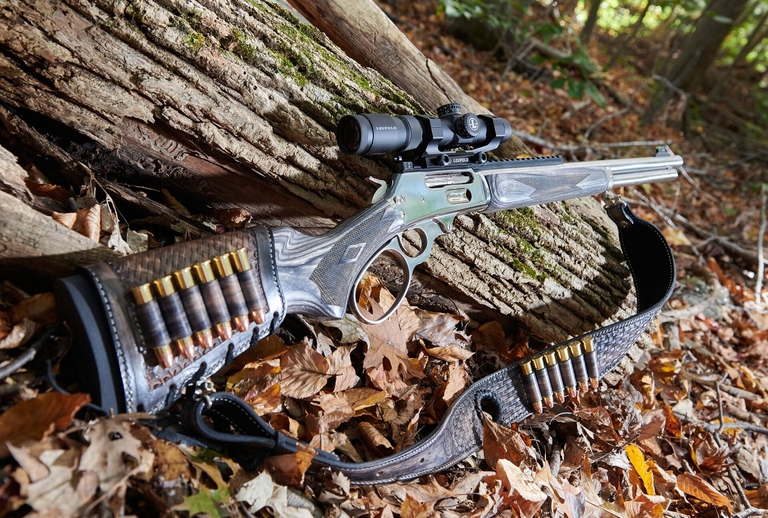
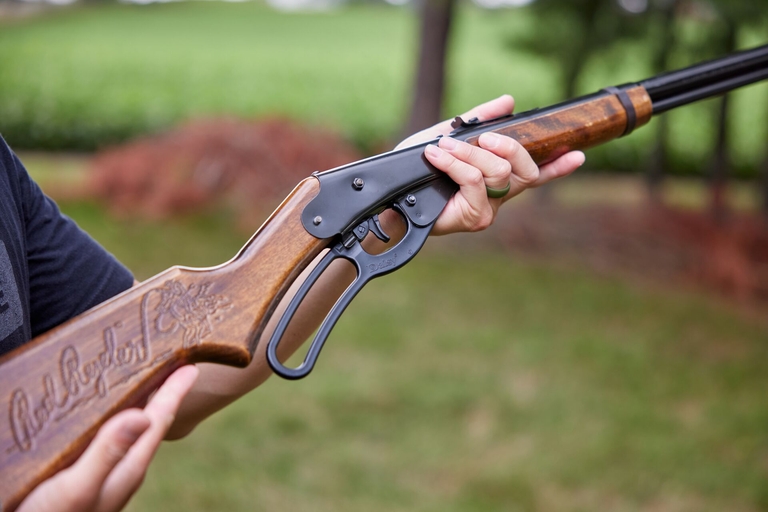
However, in thick cover on shots under 100 yards, a lever-action .30-30 Winchester might be a better fit.
Terrain
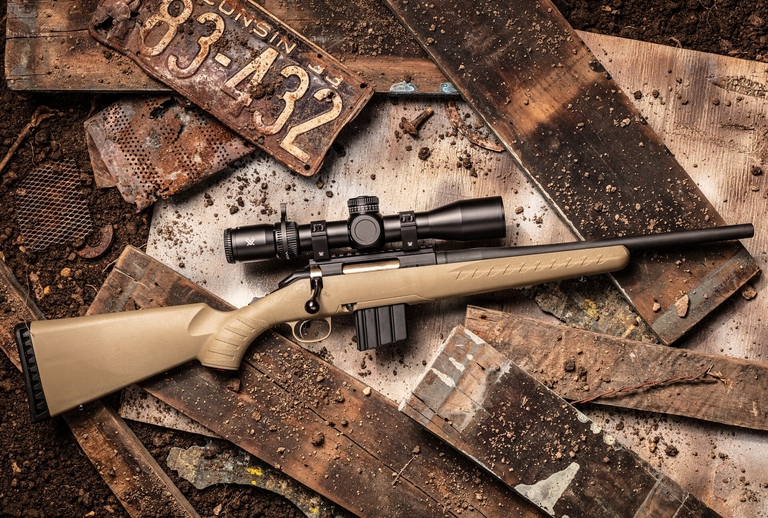
If you're hiking steep ground or covering long distances, weight matters. Lightweight rifles chambered in mid-range cartridges like 6.5 Creedmoor can help you move more easily without sacrificing much power.
Recoil Tolerance
Some big game hunting cartridges have strong recoil. If you're sensitive to recoil, stick to something like .243 or 6.5 Creedmoor.
Confidence in your shot is more important than max FPS.
Ammo Availability
High-performance cartridges can be hard to find and expensive. It's a good idea to choose a caliber that's stocked at most local sporting goods stores.
Rounds like .270, .308, and .30-06 are easy to locate almost anywhere.
Bullet Calibers Explained
Before discussing cartridge options, it helps to have several terms surrounding bullet calibers explained.
Caliber
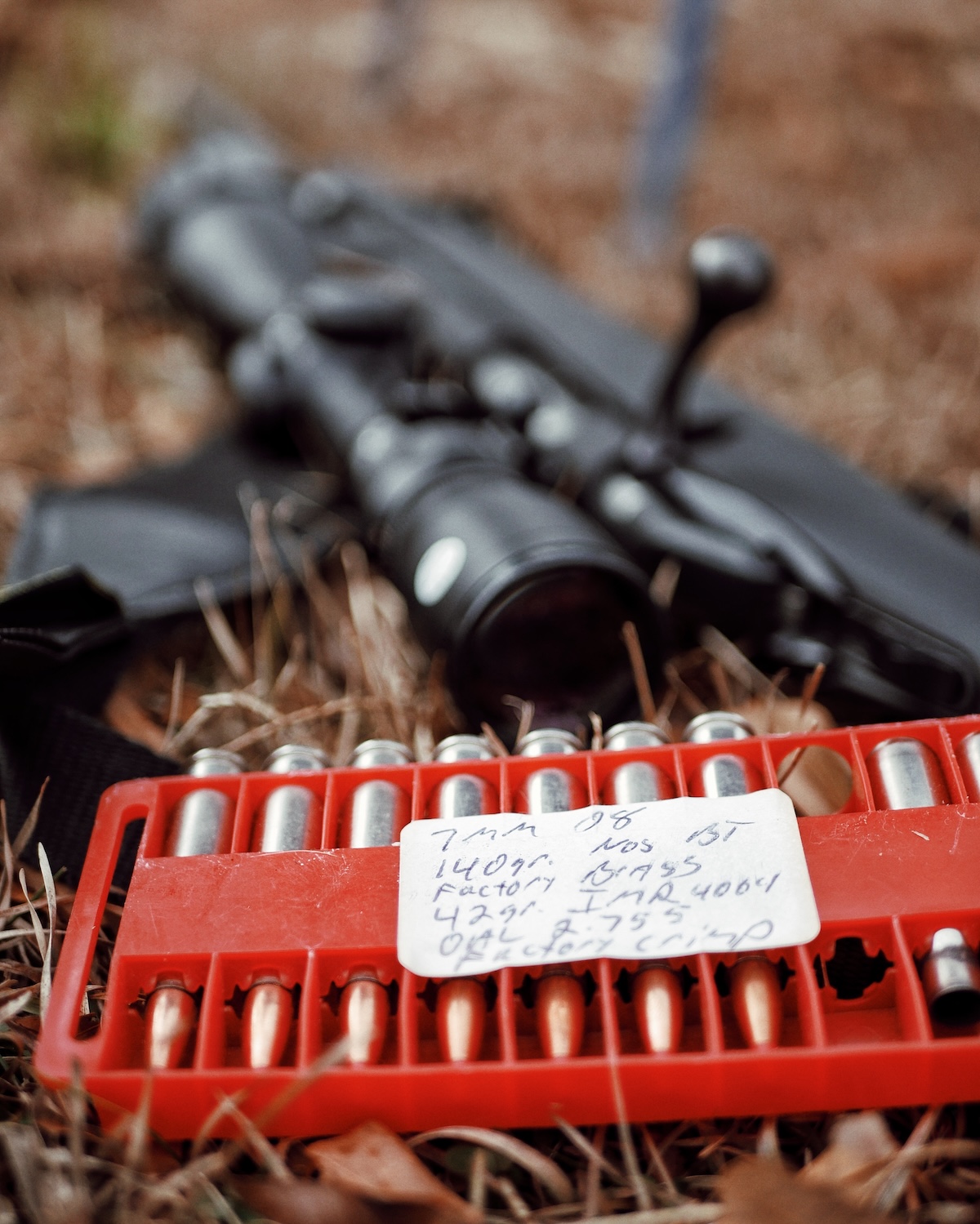
"Caliber" refers to the diameter in inches or millimeters.
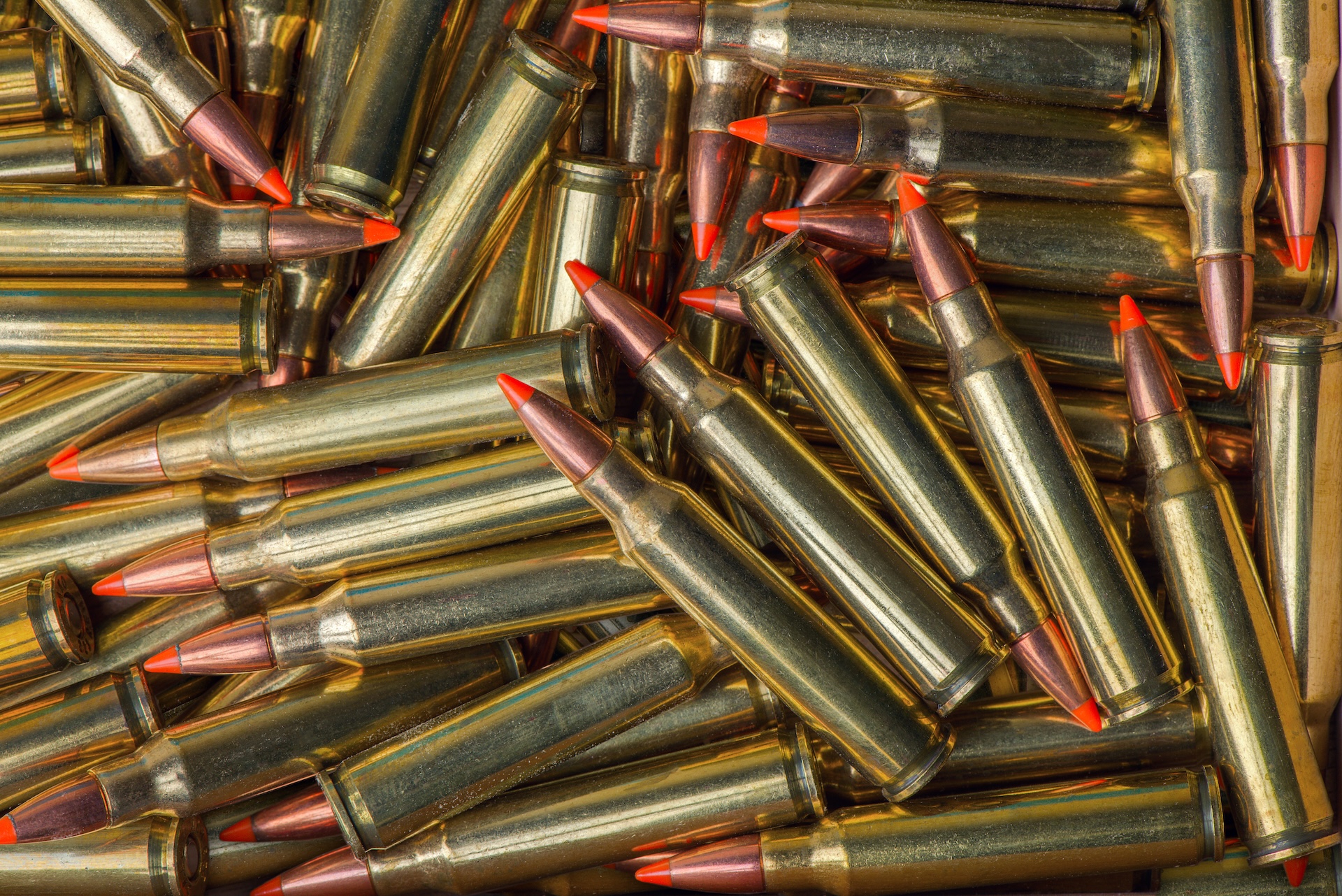
For example, a .243 Winchester uses a 0.243" diameter bullet, while .30-06 Springfield and .308 Winchester both shoot 0.308" bullets, and 7mm bullets are 0.284" (7mm). Knowing the caliber gives you a general idea of bullet size, but not weight.
Grains
"Grains" refer to bullet weight.
Heavier bullets generally deliver more energy on impact, though they may also drop more over distance. For big game, bullet weights commonly range from 100 to 300+ grains.
Velocity and Energy
Measured in feet per second (fps) and foot-pounds (ft-lbs), velocity and energy tell you how fast and how forcefully a bullet strikes. Higher velocity means flatter trajectories, while more energy causes the deep penetration needed for ethical big game kills.
Sectional Density
This lesser-known spec combines bullet weight and diameter to estimate penetration potential. Bullets with higher sectional density penetrate deeper into larger animals with thick hides and bones.
What Are the Most Popular Big Game Cartridges by Game Type?
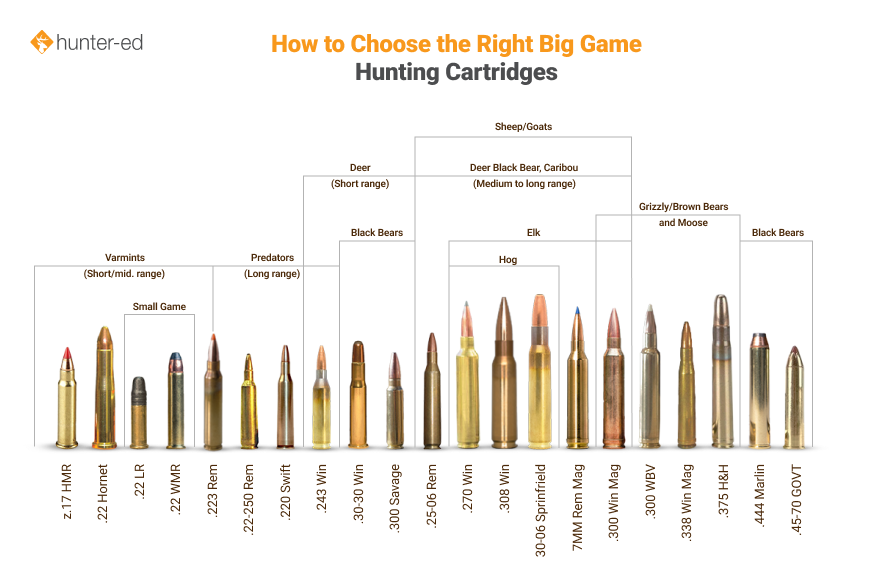
Here's a big game cartridge comparison showing how they stack up.
Medium Game (Whitetail Deer, Antelope, and Hogs)
Medium game requires more accuracy than power.
- .243 Winchester: Ideal for new hunters and youth, with low recoil and enough power for whitetails.
- 6.5 Creedmoor: A modern round that has strong advocates — and equally strong detractors.
- .270 Winchester: The best medium game round, in my opinion. Flat-shooting and reliable for deer, hogs, and western bighorn sheep.
- .308 Winchester: A classic round that balances recoil and stopping power well.
- .30-30 Winchester: Typically used with lever actions in thick cover, this is a favorite of guys in swampy states like mine.
Large Game (Elk, Black Bear, and Mule Deer)
These animals are larger, so go for deeper penetration.
- .30-06 Springfield: Proven for over a century, with versatile bullet weight options (150–180 grain).
- 7mm Remington Magnum: Excellent long-range round with strong downrange energy.
- .300 Winchester Magnum: A step up for bigger animals and longer shots.
- .338 Winchester Magnum: Powerful enough for elk, moose, and large black bear.
Very Large or Tough Game (Moose, Grizzly Bear, African Plains Game)
These hunts demand serious stopping power, heavy bullets, and excellent penetration.
- .338 Win Mag: Capable of handling anything in North America.
- .375 H&H Magnum: A classic for dangerous game, including African safaris.
- .45-70 Government: Slower but devastating at close range, especially in thick brush.
- .300 PRC: A modern, long-range option for elk and moose in open country.
Tips for Matching Rifle and Cartridge
Picking the correct cartridge is only half the equation. Use these tips to pick the best big game cartridge for your hunt.
- Fit Your Rifle to Your Body: Make sure it's comfortable to shoulder, aim, and shoot.
- Practice Makes Perfect: Train with your chosen round at various ranges and understand how it performs.
- Know Local Laws: Some states have minimum caliber or energy requirements for big game hunting. Always know before you go.
Finding the ideal cartridge and firearm combination that works best for you can take some time and a few hunts. Take note of how the cartridges you choose perform during your hunt. Then, make adjustments (if necessary) for your next hunt.
Choose Big Game Hunting Cartridges That Work and Stay Safe in the Field
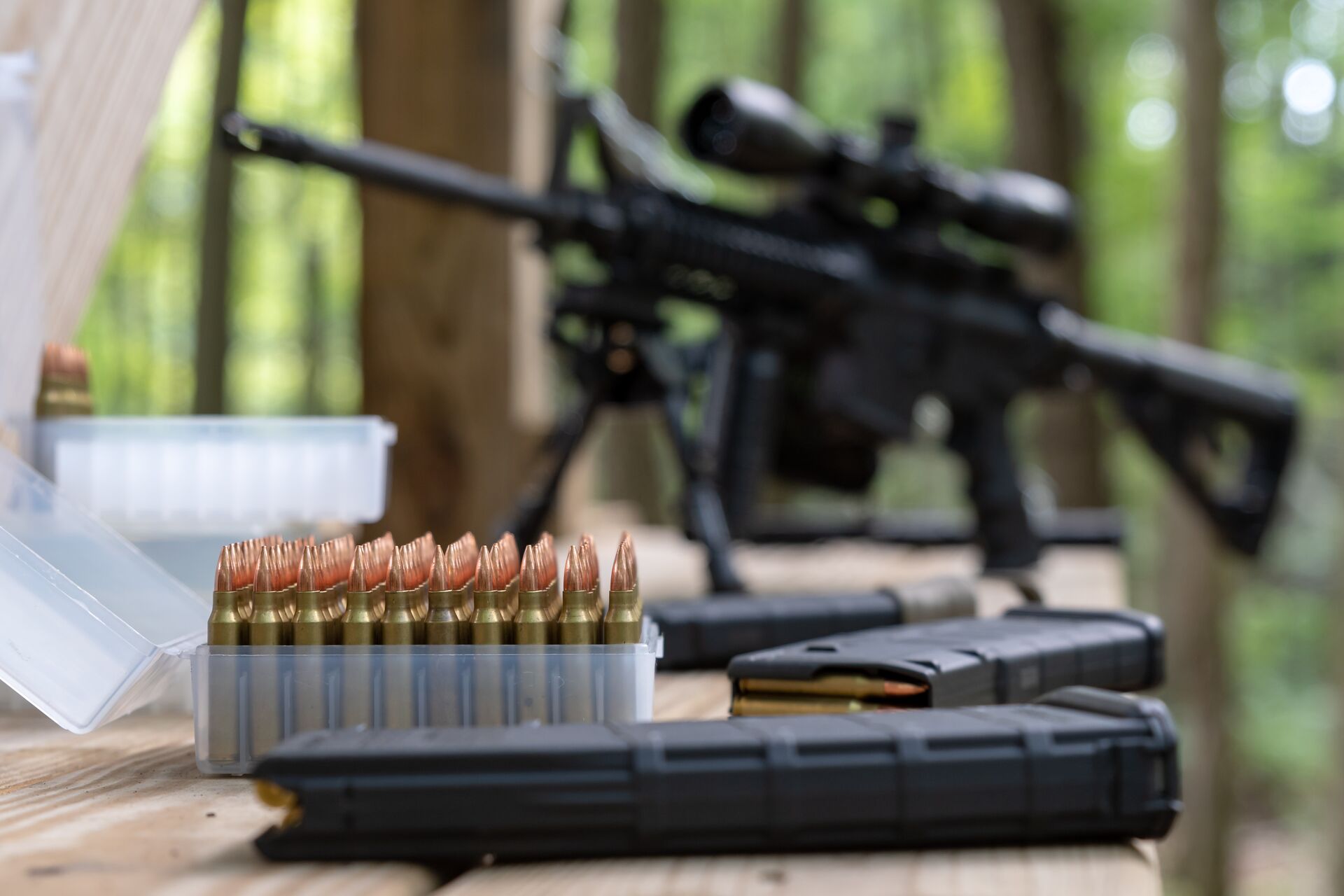
Using the correct big game hunting cartridges is the only way to make clean, ethical shots, period. While it's tempting to chase the newest round, reliable classics like .30-06 and .308 still get the job done season after season.
Try out different options if you can. Talk to other hunters, visit a range, or borrow rifles from your friends. Ultimately, the best cartridge will be the one you can legally shoot with accuracy and comfort at a target species.
Make sure you also know how to use your firearm safely in the field! The best way to do this is to make sure you've taken a state-approved hunter education course, like the ones we offer here at Hunter-Ed. Plus, most states require hunters to pass an approved course to meet the hunter education requirements before getting a hunting license.
With big game hunting season right around the corner, now is the time to take the Hunter-Ed course for your state!
Frequently Asked Questions (FAQs)
We have answers to your questions about choosing big game hunting cartridges!
Q: What is the best hunting caliber for big game?
A: Popular all-around choices include .30-06, .308 Win, and .300 Win Mag. However, the best cartridge typically depends on the animal and conditions for your hunt.
Q: Is a .30/30 or .308 better for deer?
A: The .30/30 is excellent for close-range hunting in the woods, while the .308 offers more power, a flatter trajectory, and longer-range capability.
Q: What caliber do most elk hunters use?
A: Many elk hunters prefer either the .30-06, .300 Win Mag, or the 7mm Rem Mag for their range and balance of power.
Q: Is 6.5 Creedmoor more accurate than .308?
A: Both are accurate. However, the 6.5 Creedmoor typically has higher ballistic efficiency, less recoil, and better long-range performance than the .308.
To make sure you're ready for a big game hunt, now is the time to take the Hunter-Ed course for your state!