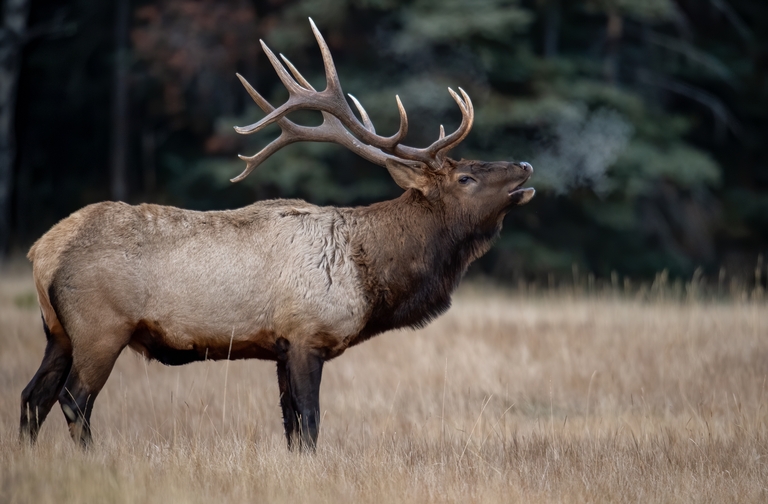
Deer Anatomy for Hunters: Where to Shoot a Deer for a Clean, Ethical Kill
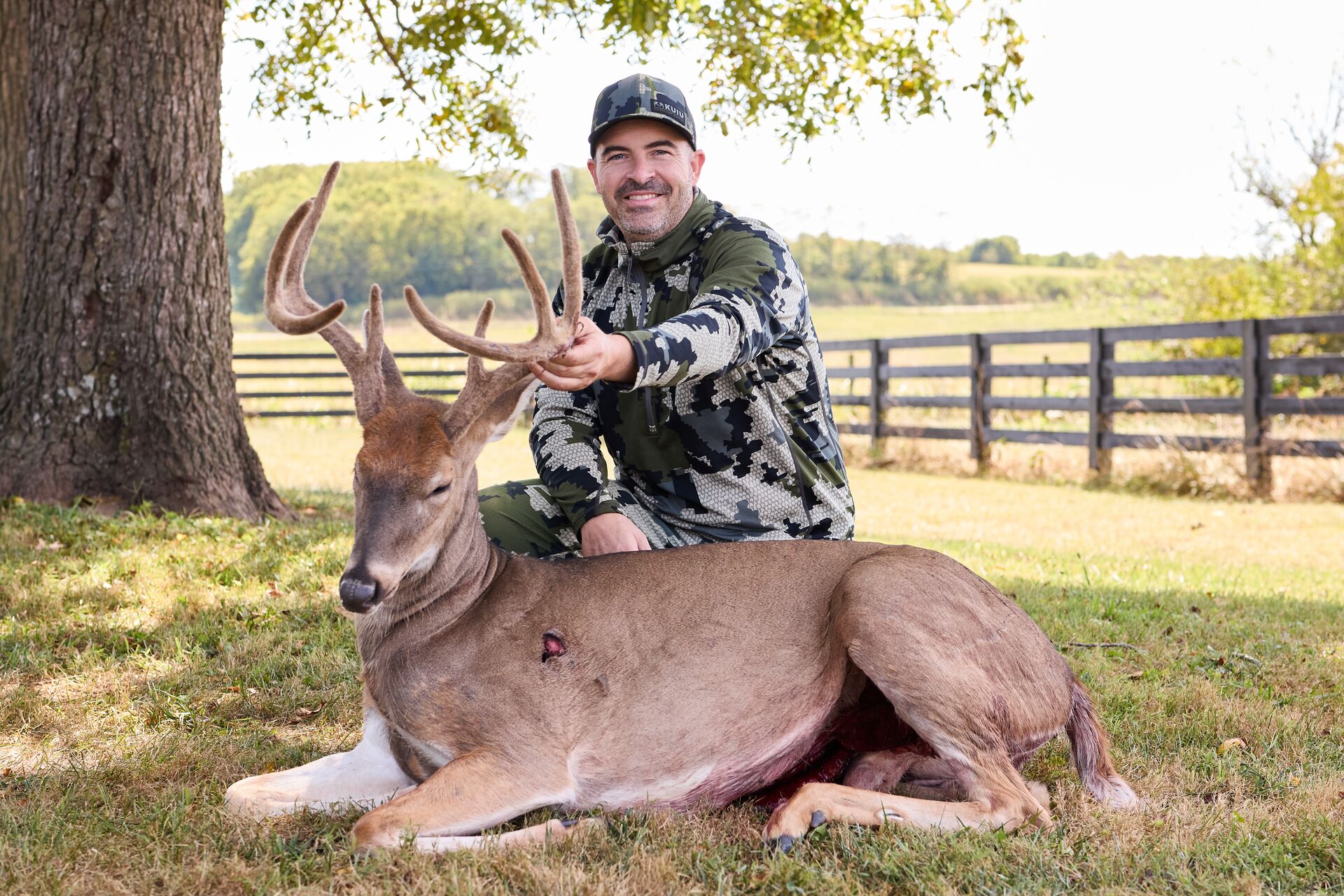
Shot placement is the single most important factor in a clean, ethical deer harvest. The heart and lungs (i.e., the vital zone) are located in the chest cavity, just behind the front shoulder. This is roughly one-third up from the bottom of the deer's chest.
A well-placed broadside shot through both lungs causes rapid unconsciousness and death within seconds. The double-lung shot is preferred over heart shots because the target area is larger (about the size of a volleyball) and does not require splitting the shoulder bone. However, neck shots, head shots, and spine shots are discouraged because they leave small margins for error and often result in lost animals.
Knowing the anatomy of a deer is how hunters can ensure quick, humane kills, reduce the animal's suffering, and increase the chances of a successful hunt. Anatomical knowledge also aids in tracking wounded deer, allowing for more efficient recovery.
Let's learn the basics of deer anatomy, especially if you are just getting into hunting.
Updated September 11, 2026
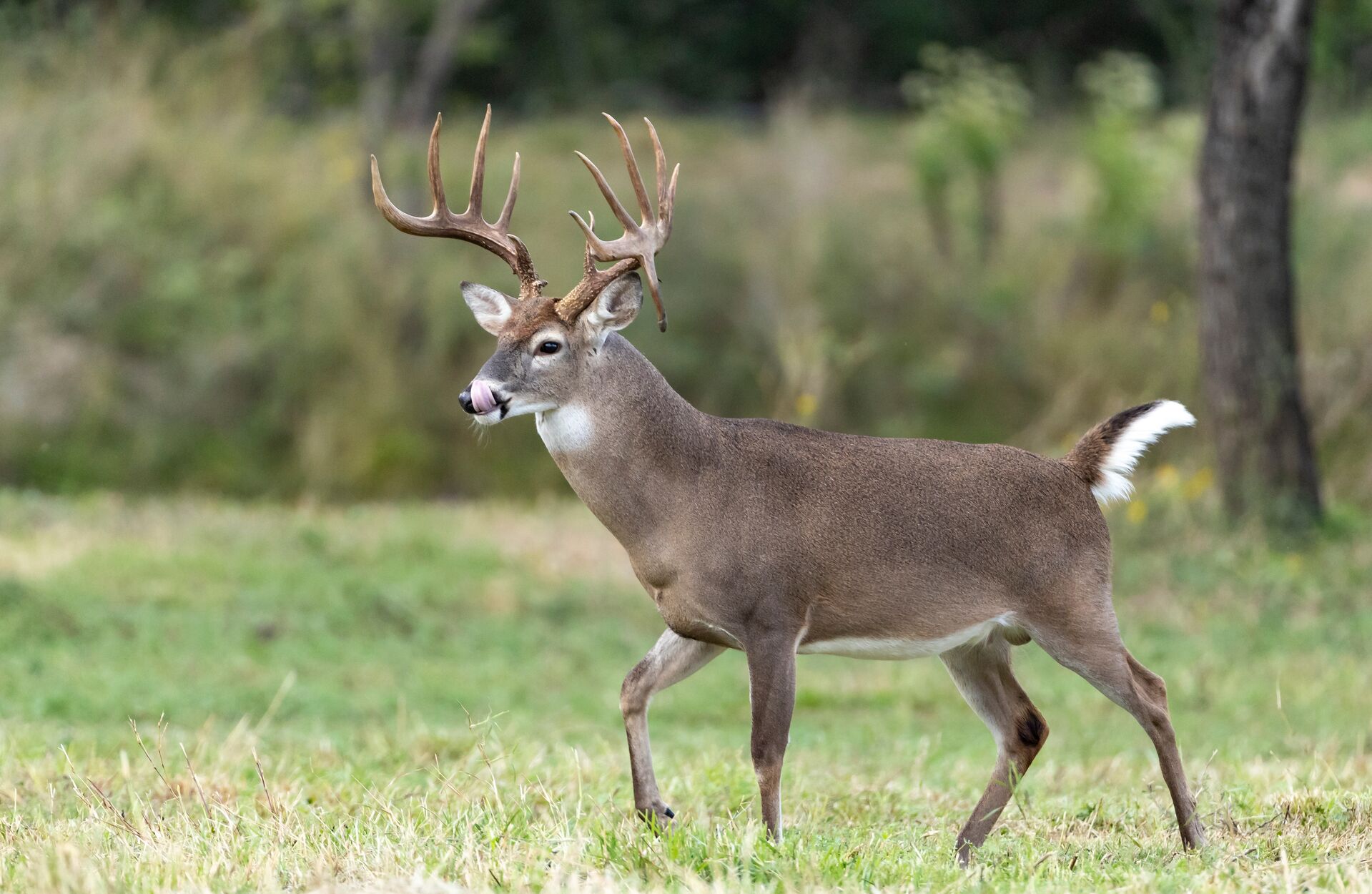
The Importance of Knowing Deer Anatomy
Being a good hunter means that every shot taken is purposeful and humane. Accurate shot placement with a deep understanding of a deer's vital organs and bone structure significantly boosts your chances of a successful harvest.
It comes in especially handy when tracking wounded deer because understanding where you shot the deer can help you find a blood trail.
Major Anatomical Features to Know
Understanding the major anatomical features of a deer helps you make effective shots. The major features include the heart, lungs, liver, spine, brain, bones, and muscles.
Heart and Lungs
These vital organs are:
- Primary targets for quick kills
- Located just behind the front shoulder
- Essential targets for minimizing tracking after the shot
Liver
Things to remember about liver shots:
- The secondary target located behind the lungs
- Hits here may require more tracking but can still be lethal
Spine and Brain
These shots are often ill-advised for non-experts:
- Small, risky targets
- Can result in an instant kill if hit accurately
Bones and Muscles
Overall anatomy that is important to remember:
- Knowledge of bone structure helps avoid shot deflections
- Understanding muscles aids in predicting deer movement after a hit
Knowing where to place your shot (and where to avoid hitting a deer) helps you become a better, more ethical hunter.
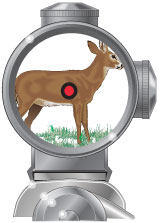
Where (and Where Not) to Aim
Some shots are more effective than others for a successful and ethical kill. Depending on the situation, the best shots are to the heart and lungs, quartering-away, and broadside shots.
Shot Placement by Angle | ||
| Shot Angle | Aim Point | Recommended? |
| Broadside | Behind the shoulder, one-third up from the belly | ✅ Best choice |
| Quartering Away | Through the body toward the off-shoulder | ✅ Good choice |
| Quartering To | Front of the near shoulder into the chest | ⚠️ Experienced hunters only |
| Head-On | Base of the neck into the chest | ❌ Avoid (small margin for error) |
| Straight Away | Base of the spine/tailhead | ❌ Avoid |
How to Identify Your Shot in the Field
Knowing where a deer's vital organs sit is only half the equation. The other half is applying that knowledge in real time, when the deer is moving and the shot window is short. Here's how to turn anatomical knowledge into a clean, ethical shot from setup to recovery.
- Find the deer's near front leg and picture a vertical line running up from just behind the shoulder.
- Along that line, aim about one-third of the way up from the bottom of the chest. This spot lines up with the heart and lungs on most whitetail and mule deer.
- On a broadside deer, aim for both lungs. They're the largest vital target and give you the widest margin for error.
- On a deer quartering away, aim for the off-shoulder instead. This angle sends the shot through the vitals from the opposite side.
- Wait for a broadside or quartering-away angle before you take the shot. Avoid head-on shots, since the vitals are harder to reach and the chance of a poor hit goes up.
- After the shot, give the deer time to expire before you start tracking. Thirty minutes is a reasonable minimum for a well-placed heart or lung hit, but wait several hours if the shot looked farther back or you're unsure of the hit location.
- Before you follow the blood trail, mark the exact spot where the deer was standing at the shot with flagging tape. That marker gives you a fixed reference point if the trail gets thin or you need to circle back.
Following these steps won't guarantee a perfect shot every time, but it puts the odds in your favor and keeps recovery efforts on track when they don't go as planned.
Note: Shot placement is only the first part of the outcome. What happens after the shot matters just as much, which is where the different shot placements below come into play.
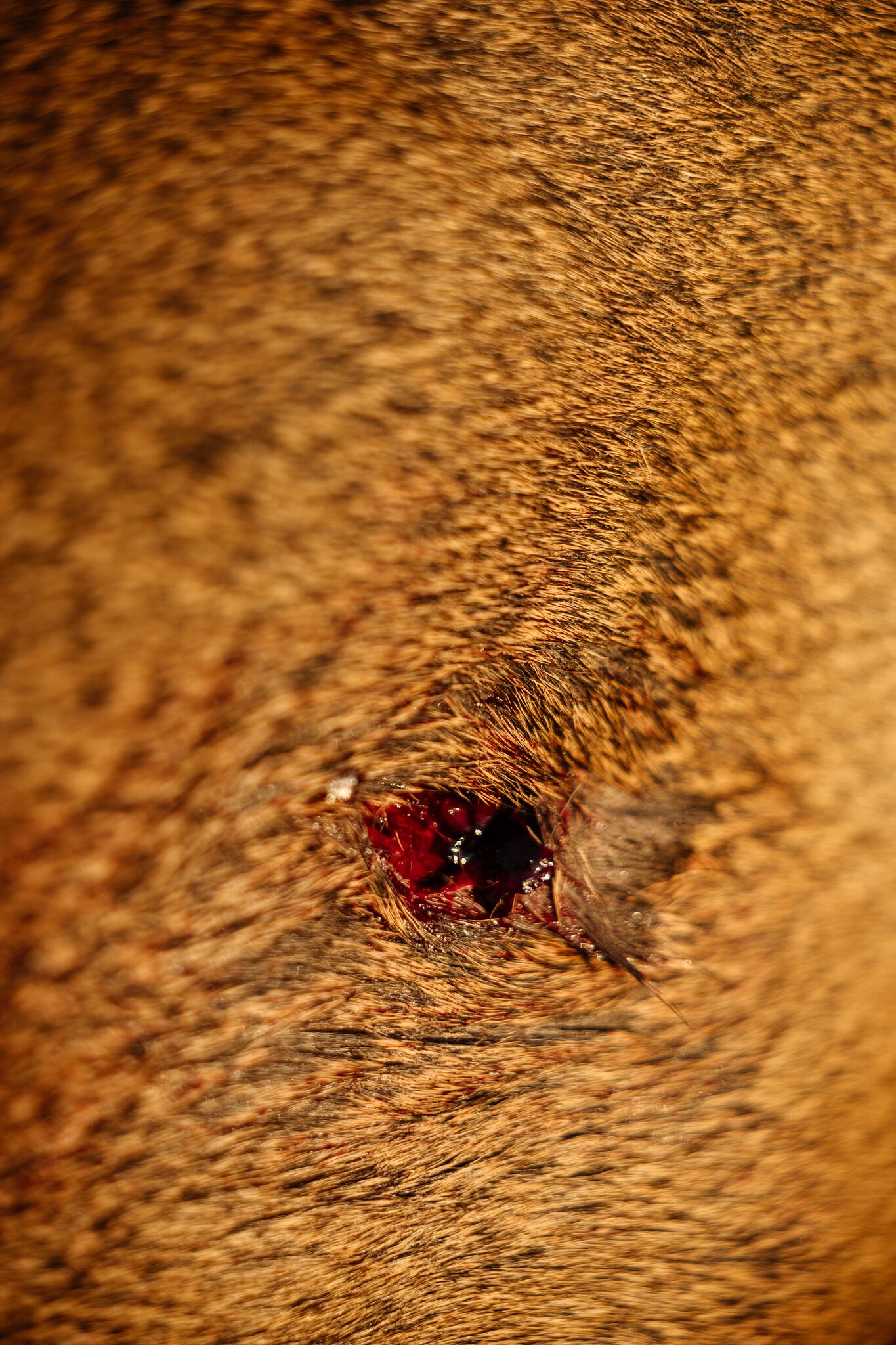
The Effects of Different Shot Placements
Along with using the right caliber for hunting deer, understanding the effects of different shot placements is part of ethical hunting. Each shot placement has different outcomes, and learning what the outcomes are helps both new and experienced hunters.
Heart Shot
A heart shot is highly effective and typically results in a quick kill.
If you hit the heart, the deer will usually collapse within a short distance, so you won't need to track it far. This shot ensures a quick and humane end.
Lung Shot
While not as immediately lethal as a heart shot, a lung shot is still highly effective.
A deer hit in the lungs may run a short distance before collapsing, requiring some tracking. However, the damage to the lungs ensures that the deer will not go far, making this a reliable shot for hunters.
Liver Shot
A liver shot often results in a slower kill compared to a heart or lung shot. Because of this, tracking becomes more critical.
The deer may cover a greater distance before succumbing, so you might be in for an extended search. You'll know you hit the liver if you see darker blood with no bubbles. Sometimes, the liver and lungs are both hit with a single shot.
Gut Shot
A gut shot is generally considered undesirable due to the prolonged suffering it can cause the deer.
While fatal, a gut shot requires extensive tracking and often results in a drawn-out and challenging recovery. Hunters should avoid this shot and aim to prevent unnecessary suffering by targeting more vital areas.
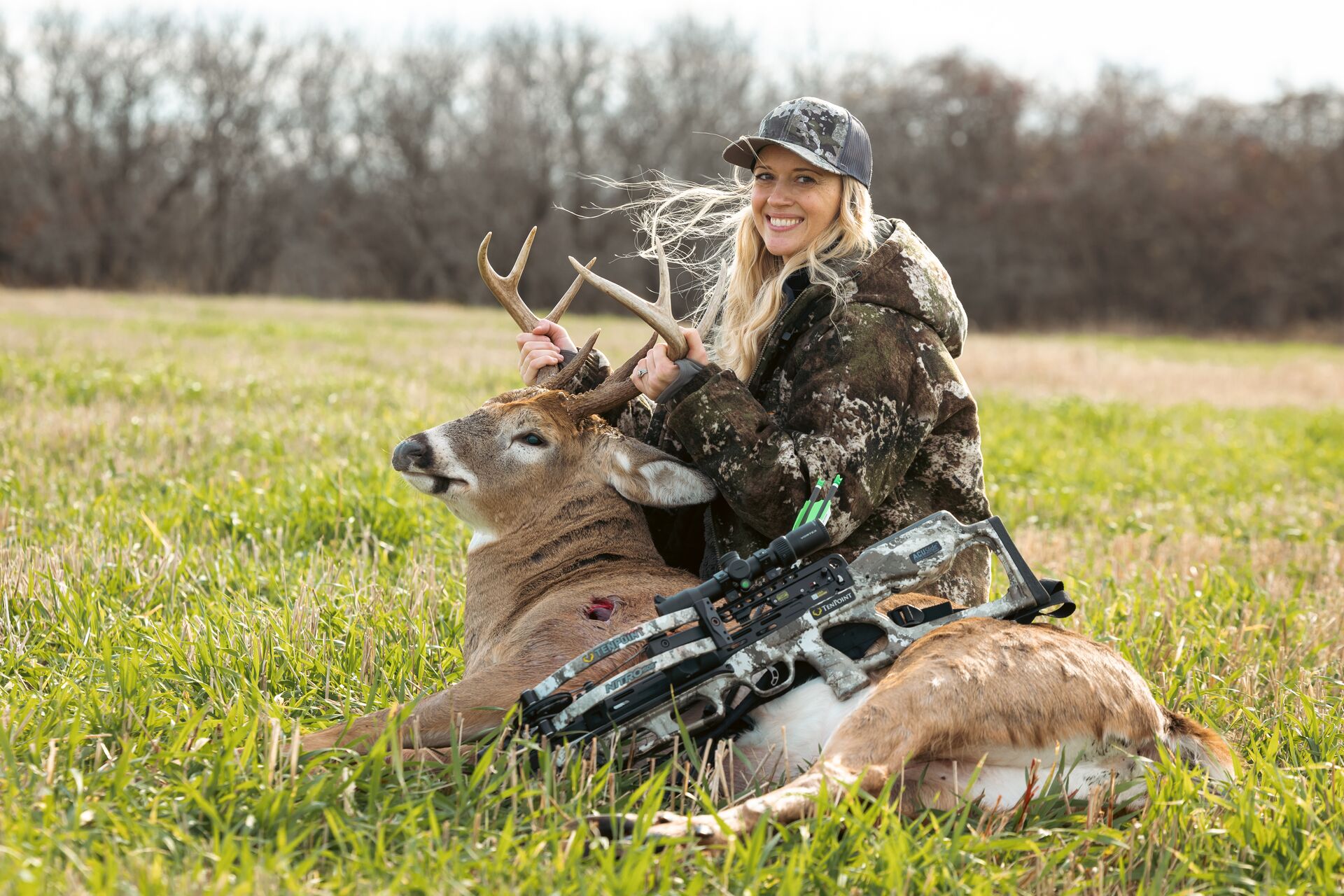
What Are the Signs of a Well-Placed Shot?
Reading the deer's reaction and the blood trail immediately after the shot tells you what kind of hit you made, before you ever leave your stand or blind. These signs help you gauge whether you made a solid vital hit or whether you need to back out and wait.
- Bright red, bubbly or frothy blood at the hit site or along the first part of the trail, which points to a lung hit.
- The deer hunches up, kicks its hind legs, or drops momentarily at the shot before it runs.
- The deer runs less than 100 yards before it slows, stumbles, or goes down.
- You hear a sharp "whack" on impact rather than a dull thud, which often signals a solid hit rather than a muscle graze.
- The deer's tail clamps down tight against its body instead of flagging up as it runs off.
None of these signs are a guarantee on their own, but seeing several of them together is a strong indicator of a clean, ethical hit and a short track job ahead.
What to Do After a Marginal Hit
Unfortunately, not every shot goes as planned.
A hunter's response in the first few minutes after a questionable hit matters as much as the shot itself. Rushing in too soon can push an already-wounded deer farther than it would have traveled on its own, so the right move depends on the type of hit.
Here's what to do based on how a deer has been shot:
- Liver hit: Blood is often dark red with no bubbles. Back out quietly and wait four to six hours before tracking, since the deer typically needs that time to bed down and expire.
- Gut hit: Blood may be thin, greenish-brown, or mixed with stomach contents, and the deer often hunches and walks off slowly rather than bounding away. Wait six to eight hours, or overnight if the shot happened late in the day, before starting the trail.
- Muscle hit: The trail may be thin and inconsistent, and the deer often keeps running at a normal pace. Wait 30 minutes to an hour, then track carefully since blood may be sparse.
- Unclear hit or no visible blood: Back out immediately and wait several hours before returning. Track slowly and look for hair, bone fragments, or disturbed ground in addition to blood, since a poor hit may not leave a heavy trail.
Patience after a marginal hit is part of ethical hunting. Giving the deer time to expire, rather than pushing it prematurely, gives you the best chance of a successful recovery.
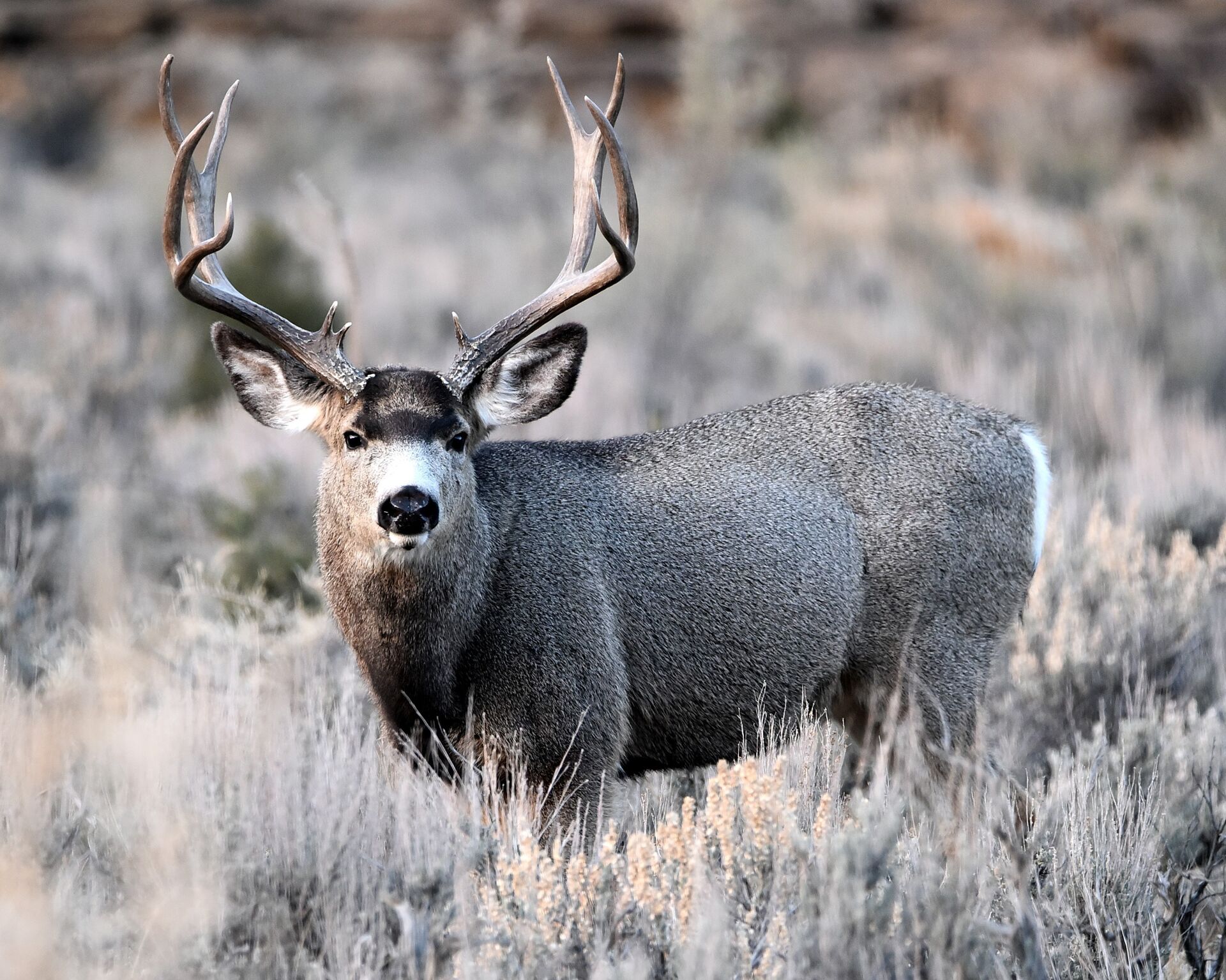
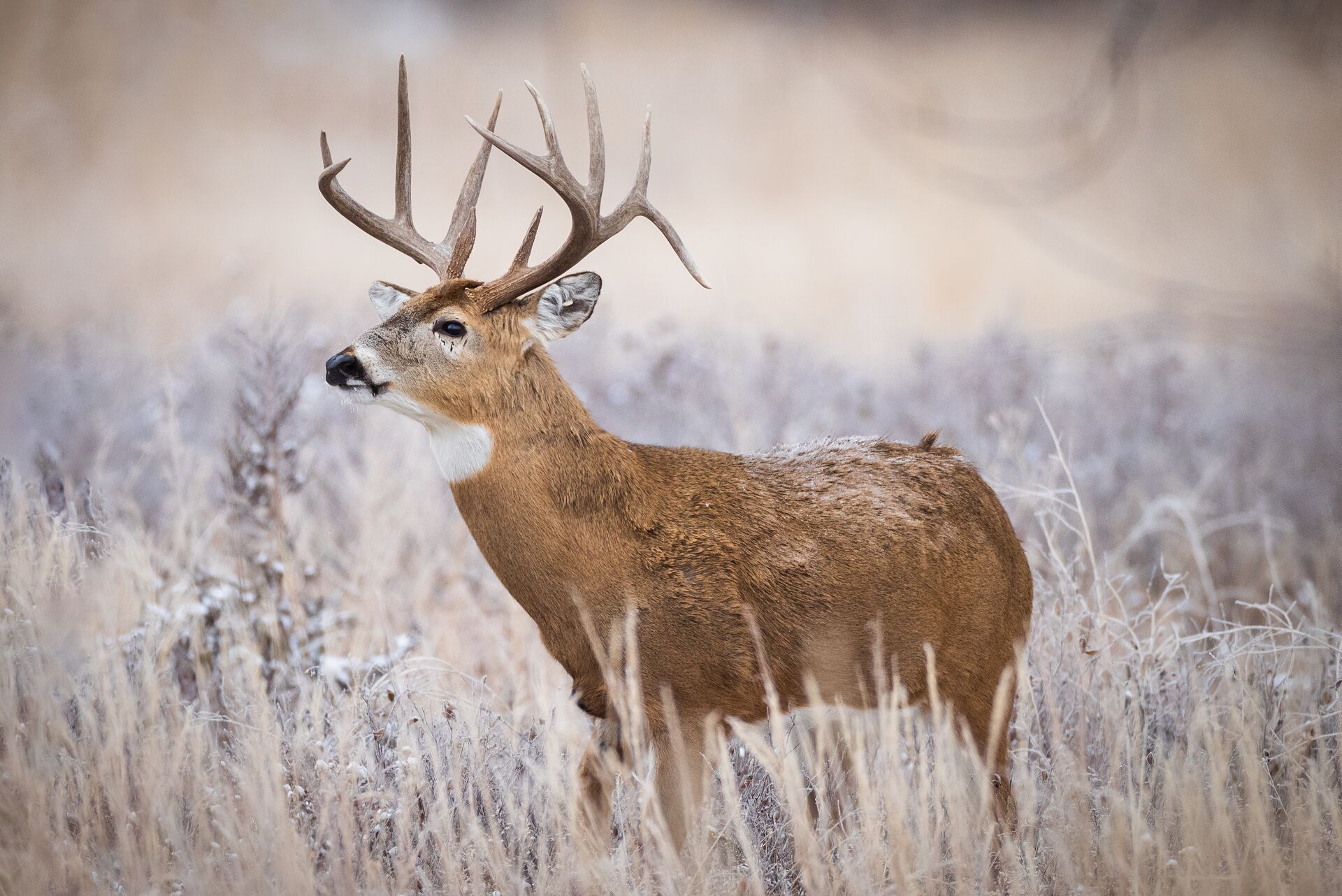
Anatomy Variations by Deer Species
Different deer species, such as whitetail and mule deer, have slight anatomical variations that can impact shot placement. Understanding these differences helps hunters make more informed decisions.
Whitetail vs. Mule Deer
Whitetail deer are generally smaller with a leaner build, while mule deer tend to be larger and more robust. These differences in size and muscle mass can affect how deep a shot penetrates and its impact on the animal.
Hunters must adjust their shot placement accordingly, aiming for vital organs while considering the species-specific anatomy.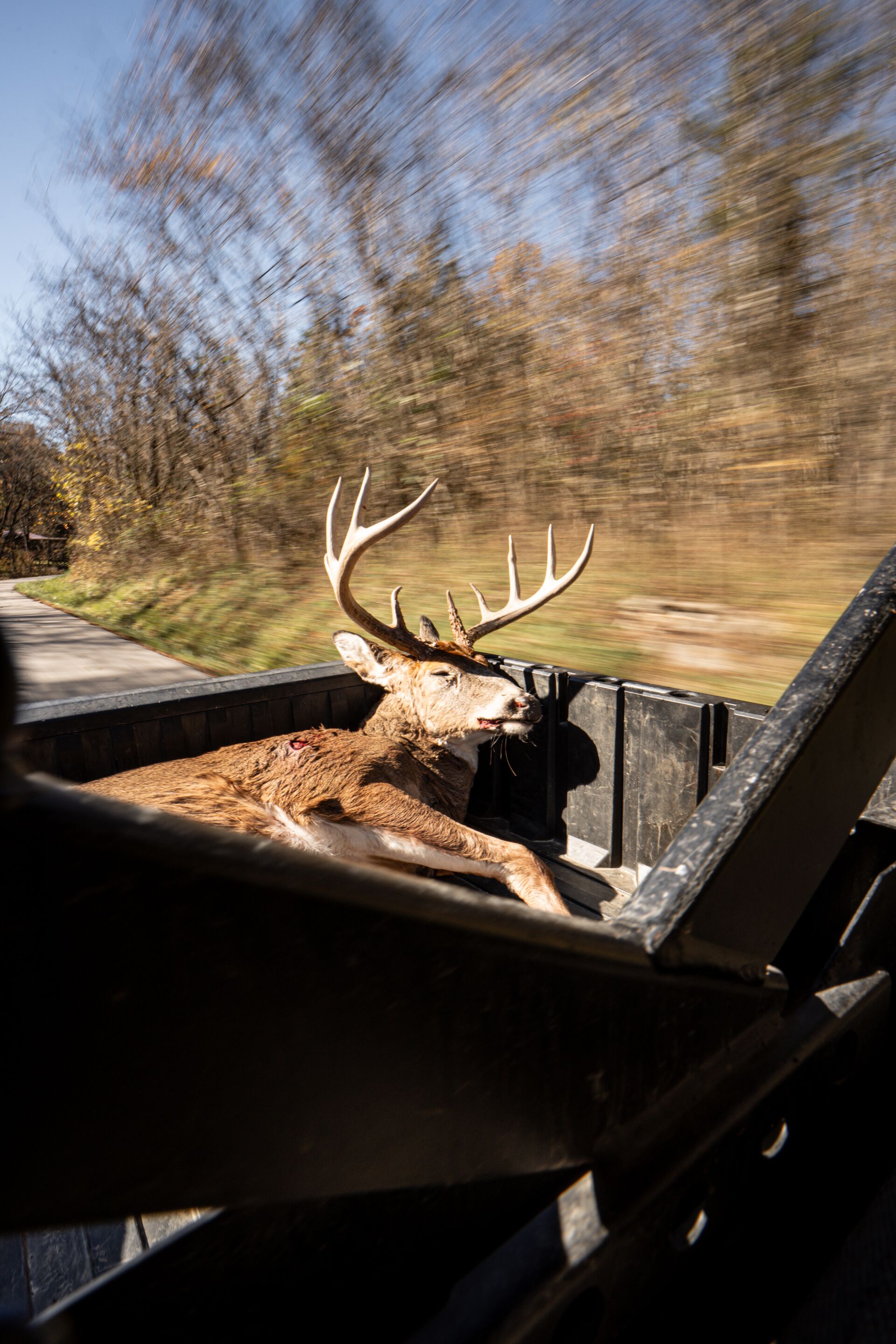
Seasonal Changes
Deer anatomy also changes with the seasons.
In the fall, deer build up fat reserves and increase muscle mass, making certain shots difficult. During the rut, for example, bucks may have thicker necks and shoulders, requiring hunters to adjust their aim to account for the added bulk.
Practice and Preparation Helps Improve Your Shot
Proper preparation is vital to successful and ethical hunting. By studying anatomy, practicing shot placement, and observing live deer, hunters can improve their skills and increase their chances of a successful hunt.
Study Anatomy Diagrams
Studying deer anatomy through diagrams and models is the easiest way to know where to aim. Visual aids can help you internalize the location of vital organs and bones, making it easy to visualize shot placement on the animal.
Practice on 3D Targets
Using 3D deer targets for practice allows hunters to simulate real-life hunting scenarios.
For example, I like to aim for the bottom of the heart to anticipate real-life string jumping.
Observe Live Deer
Watching deer in the wild helps you understand their behavior and movement. By observing how deer move and react in their natural environment, hunters can better anticipate their actions and make more accurate shots.
Safety and Ethics
Safety and ethics are at the core of responsible hunting. Every hunter must ensure their actions in the field are safe and respectful to the wildlife they pursue.
Proper Identification
Correctly identifying a deer's vital areas under field conditions is how you make ethical shots. Identifying where the vitals are, no matter the deer's position, requires understanding deer anatomy.
Respect for Wildlife
Respect for the animals we hunt is crucial.
Always aim for a quick, humane kill and avoid shots that cause unnecessary suffering. Good hunters take pride in making clean, effective shots, demonstrating their respect for the wildlife they pursue.
Learn More About Best Hunting Practices with Hunter-Ed
Understanding deer anatomy is a responsibility that every ethical hunter has — knowing where to aim means hunters can take successful, humane shots that respect wildlife and contribute to the sport's reputation.
For those looking to deepen their knowledge, an interactive hunter safety course through Hunter-Ed is accepted in all 50 states and is a fun way to learn about firearms safety and shot placement. Our online courses also meet state requirements for hunter education before purchasing your license!
So, before heading out for deer season, choose the course for your state, take the course, and get your hunter education card. The valuable knowledge you'll learn helps keep you (and your hunting buddies) safe every season!

Content most recently reviewed and updated September 11, 2026.
Frequently Asked Questions (FAQs)
Q: Where is the best place to shoot a deer?
A: The best place to shoot a deer is behind the front shoulder, aiming for the heart and lungs. This double-lung target gives you the largest vital area and the widest margin for error. A well-placed hit here typically results in a quick, humane kill and a short tracking distance.
Q: How far behind the shoulder do you aim on a deer?
A: Aim just behind the deer's front leg, roughly one-third of the way up from the bottom of the chest. This spot places the shot through the heart and lung area on most whitetail and mule deer. Adjust slightly based on the deer's angle, since a quartering deer shifts where the vitals sit relative to the shoulder.
Q: Should you shoot a deer in the head?
A: Head shots are generally discouraged because the vital target area is small and constantly moving. A slight miss can wound the deer without killing it, leading to unnecessary suffering and a difficult recovery. Most hunter education programs recommend aiming for the heart and lungs instead of the head.
Q: What happens if you hit a deer too far back?
A: A shot too far back typically hits the deer's liver, gut, or hindquarters rather than the heart and lungs. These hits are often fatal but take much longer, sometimes several hours, for the deer to expire. Hunters should back out quietly and wait before tracking, since pushing the deer too soon can cause it to run farther and complicate recovery.
Q: Why does a deer run after being shot in the vitals?
A: A deer's initial reaction to a shot is driven by adrenaline and instinct, not immediate awareness of the injury. Even a well-placed heart or lung shot allows enough oxygen to the brain for the deer to run a short distance before it collapses. This is why most vital hits still involve some tracking, even when the shot placement was ideal.
Q: Can you eat a deer after a gut shot?
A: Yes, a deer can still be eaten after a gut shot, but the meat around the entry area is often contaminated and should be trimmed away. Careful field dressing and quick cooling help limit the spread of bacteria from the digestive tract to the surrounding meat. Hunters should inspect the carcass closely and discard any meat that shows signs of contamination or spoilage.


Did you know? Hunters who complete the Hunter-Ed course get 30 days of the HuntWise app — free!
What better way to put your hunting learning to good use than with the best hunting app for mapping, marking, planning, and understanding weather, wind, and animal behavior? It's a combination made for success!
To take advantage of this offer, log in to your Hunter-Ed account.