How Much Does an Alaska Hunting License Cost
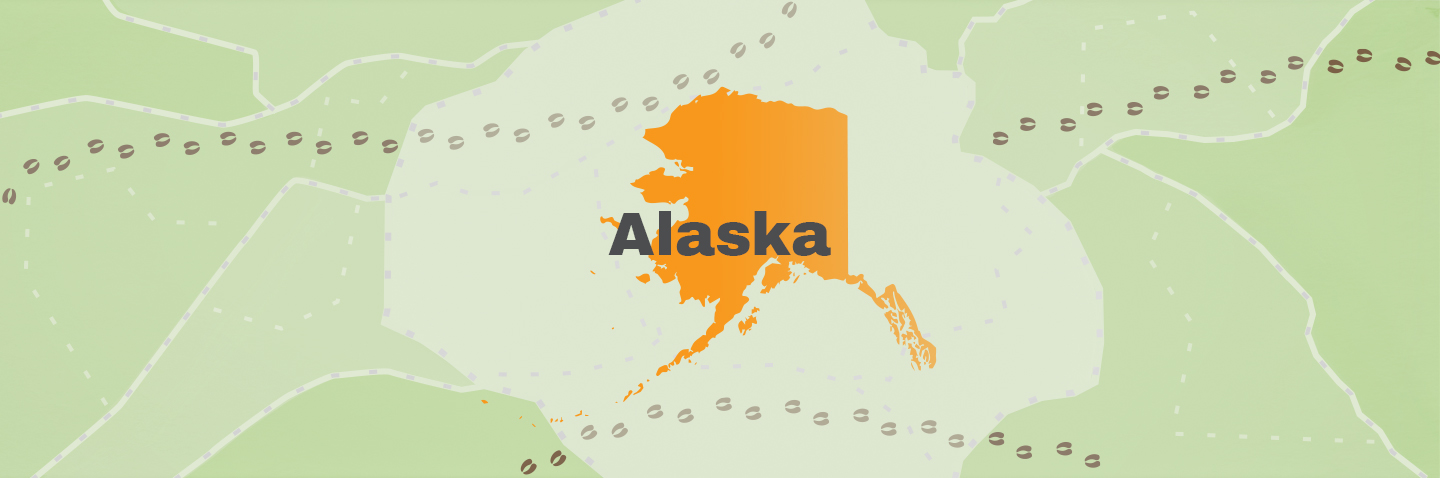
A hunting license in Alaska costs $45 a year for residents and $160 a year for non-residents, according to the Alaska Department of Fish and Game (ADF&G). Non-resident aliens pay $630 for the same annual license.
Note: Every Alaska hunting license expires December 31, regardless of when you bought it, so renewal is a yearly cost no matter your residency.
Alaska's base license doesn't cover big game on its own. Species like moose, brown bear, and Dall sheep each require a separate locking tag, and non-residents pursuing several species also need a registered guide, which adds far more to a trip's real cost than the license price suggests.
Between locking tags that can run into four figures and hunter education rules that work differently than almost anywhere else in the country, Alaska's licensing system takes some explaining. Here's what to know about hunting license costs in Alaska.
How Much Does an Alaska Hunting License Cost?
Alaska prices its base license affordably, but non-residents choose from several license classes depending on what they plan to hunt.
Common Alaska Hunting License Fees | ||
| License Type | Resident | Non-Resident |
| Annual Hunting License | $45.00 | $160.00 |
| Annual Hunting License (Small Game Only) | Not available | $60.00 |
| Annual Hunting and Trapping License | Not available | $405.00 |
| Non-Resident Alien Annual Hunting License | Not available | $630.00 |
| Annual Trapping License | $25.00 | Not available |
| Low Income Annual Sport Fishing, Hunting, and Trapping License | $5.00 | Not available |
Non-residents pursuing hunting and trapping together pay considerably more than the standard hunting-only license, since Alaska doesn't offer a combined resident equivalent outside its low income and full-combo license tiers.
Required Stamps and Permits
A base Alaska license doesn't include big game. Hunters purchase locking tags for species like moose, brown bear, and Dall sheep separately. Prices differ sharply by residency.
Alaska Hunting Stamps and Locking Tags | ||
| Item | Resident | Non-Resident |
| State Waterfowl Stamp | $10.00 | $10.00 |
| Brown/Grizzly Bear Locking-Tag | $25.00 | $1,000.00 |
| Moose Locking-Tag | Not required | $800.00 |
| Caribou Locking-Tag | Not required | $650.00 |
| Dall Sheep Locking-Tag | Not required | $850.00 |
| Muskox Bull Locking-Tag | $500.00 | $2,200.00 |
Non-resident tags for species like muskox and brown bear can cost more than the license itself, so factoring tag prices into a trip budget matters more in Alaska than in most other states.
Youth and Discounted Licenses
Alaska keeps its discount programs narrow but meaningful for the hunters who qualify.
- Resident hunters 60 and older: receive a free permanent identification card in place of the annual license, though tags and permits are still required.
- Resident low income hunters: qualify for a combined $5 annual license covering sport fishing, hunting, and trapping.
- Non-resident military stationed in Alaska: pay resident rates, $45 for an annual hunting license, instead of the standard non-resident fee.
What Is an Alaska Hunting License?
An Alaska hunting license is the base document ADF&G requires before you can hunt most species in the state.
However, it doesn't cover big game by itself: species like moose, brown bear, and Dall sheep each require a separate locking tag, and some hunts are limited to a drawing permit rather than an over-the-counter purchase.
Your Hunter Education Certificate, when it applies to you, is a separate document entirely. It proves you completed an ADF&G-approved safety course, and it never expires once earned. Your license, by contrast, is only good through December 31 of the year you bought it, so it renews every year regardless of your certification status.
Who Needs an Alaska Hunting License?
Alaska requires a hunting license for residents 18 and older and most non-residents who hunt in the state, with age exceptions that don't apply anywhere else in this series. Residents 17 and younger don't need a license at all, though hunter education or direct adult supervision still applies on certain federal lands.
For the full fee schedule and residency definitions, ADF&G's license and tag prices page lays out every option in detail.
What Are the Requirements to Get a Hunting License in Alaska?
Before buying a license, most Alaska hunters can skip the state's hunter education requirement entirely, since Alaska doesn't mandate it for every hunter the way most other states do.
Anyone born on or after January 1, 1986 needs certification only if hunting on certain federal lands or pursuing an archery-only, crossbow, or muzzleloader hunt, not as a blanket statewide rule.
The hunter safety course covers:
- Firearm and archery safety
- Wildlife identification and conservation
- Alaska-specific hunting laws and ethics
Alaska is one of the few states where even the online course ends with an in-person requirement. Hunters complete the Hunter-Ed Alaska course online, then register separately for a required Field Day, typically 4 to 5 hours, before earning their certification.

How to Get an Alaska Hunting License
Getting licensed in Alaska depends heavily on whether hunter education applies to you, since certification isn't a blanket requirement the way it is in most other states.
- Determine whether hunter education applies to you based on your birth year, hunting location, and weapon choice.
- Complete the required Field Day if hunter education applies, since Alaska's online course doesn't finish without it.
- Gather a government-issued photo ID, your Social Security number, and proof of residency if applying for resident rates.
- Choose your license type: resident, non-resident, or non-resident alien.
- Add any locking tags, drawing permits, or stamps required for the species you plan to hunt.
- Carry your digital or printed license, plus your Hunter Education Certificate if required, any time you hunt.
Purchase your hunting license directly through ADF&G's online store, by mail, or through an authorized vendor statewide.
Why It's Important to Have a Hunting License
Buying an Alaska hunting license does more than keep you legal in the field. Here are a few reasons why it's crucial to have a valid hunting license:
- Legal Compliance: Hunting without a valid license in Alaska is a misdemeanor punishable by a fine of up to $1,000 and up to six months in jail, and falsely claiming residency to get resident rates can bring fines up to $25,000.
- Wildlife Conservation Funding: License, tag, and stamp revenue funds ADF&G's research and management of moose, bear, caribou, and other species statewide.
- Population Management: Alaska's species-specific locking-tag system gives ADF&G the harvest data it needs to set sustainable seasons across widely different game management units.
- Ethical Hunting: A license ties every hunt to a defined season, bag limit, and reporting requirement, keeping the sport fair and accountable.
- Public Land Access: License and tag revenue helps fund access to Alaska's public hunting grounds, from state game refuges to federal lands.
Costs and requirements vary widely by species and game management unit, so check Alaska's current hunting regulations before you finalize your plans.
Note: hunting license costs and requirements vary widely by state, so confirm Alaska's specific rules even if you've hunted elsewhere.

Ready to Hunt in Alaska? Get Your Hunter Safety Certification and Hunting License
An Alaska hunting license is affordable at $45 for residents, but the real cost climbs fast once locking tags, guide requirements, and non-resident alien fees enter the picture. Whether you're budgeting for a $2,200 muskox tag or the standard $160 non-resident license, knowing the full fee breakdown ahead of time means no surprises at checkout.
Complete your hunter education course if it applies to you, decide which license and tags fit your plans, and you'll be ready for opening day.
Frequently Asked Questions (FAQs)
Q: How much does a hunting license cost in Alaska?
A: A resident annual hunting license in Alaska costs $45, while a non-resident annual license costs $160, and a non-resident alien pays $630. Big game hunters also need a separate locking tag, which can range from about $650 for caribou to $2,200 for a muskox bull.
Q: Do I need hunter education to hunt in Alaska?
A: Alaska doesn't require hunter education for most hunters, unlike nearly every other state in this series. Certification only applies to hunters born on or after January 1, 1986 who plan to hunt on certain federal lands or pursue an archery-only, crossbow, or muzzleloader hunt.
Q: How much do big game tags cost in Alaska?
A: Alaska's big game locking tags vary widely by species and residency, with non-resident moose tags running $800 and non-resident brown or grizzly bear tags running $1,000. Resident hunters pay far less for species that require a resident tag, such as $25 for a brown or grizzly bear tag in some locations.
Q: Can Alaska residents hunt without a license?
A: Alaska residents 17 and younger can hunt without a license, since the state only requires one starting at age 18. Younger hunters may still need hunter education or direct adult supervision if hunting on federal land where certification applies.
Q: Do non-residents need a guide to hunt in Alaska?
A: Non-residents hunting brown or grizzly bear, Dall sheep, or mountain goat in Alaska must hunt with a registered guide. This requirement adds significantly to the total cost of an Alaska hunt beyond the license and tag fees alone.
Q: How often does an Alaska hunting license need to be renewed?
A: An Alaska hunting license expires every December 31 regardless of purchase date, so it must be renewed annually. The Hunter Education Certificate, by contrast, is a one-time credential that never expires once earned.