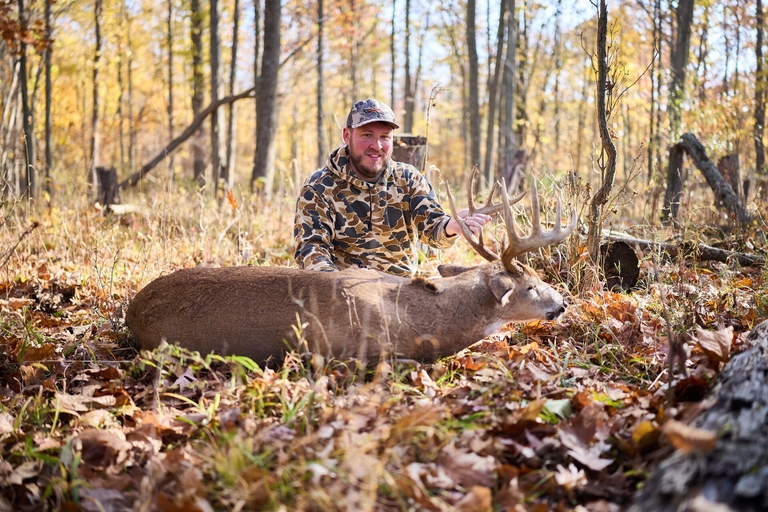
Youth Hunting License: Age Requirements, Costs, Rules by State
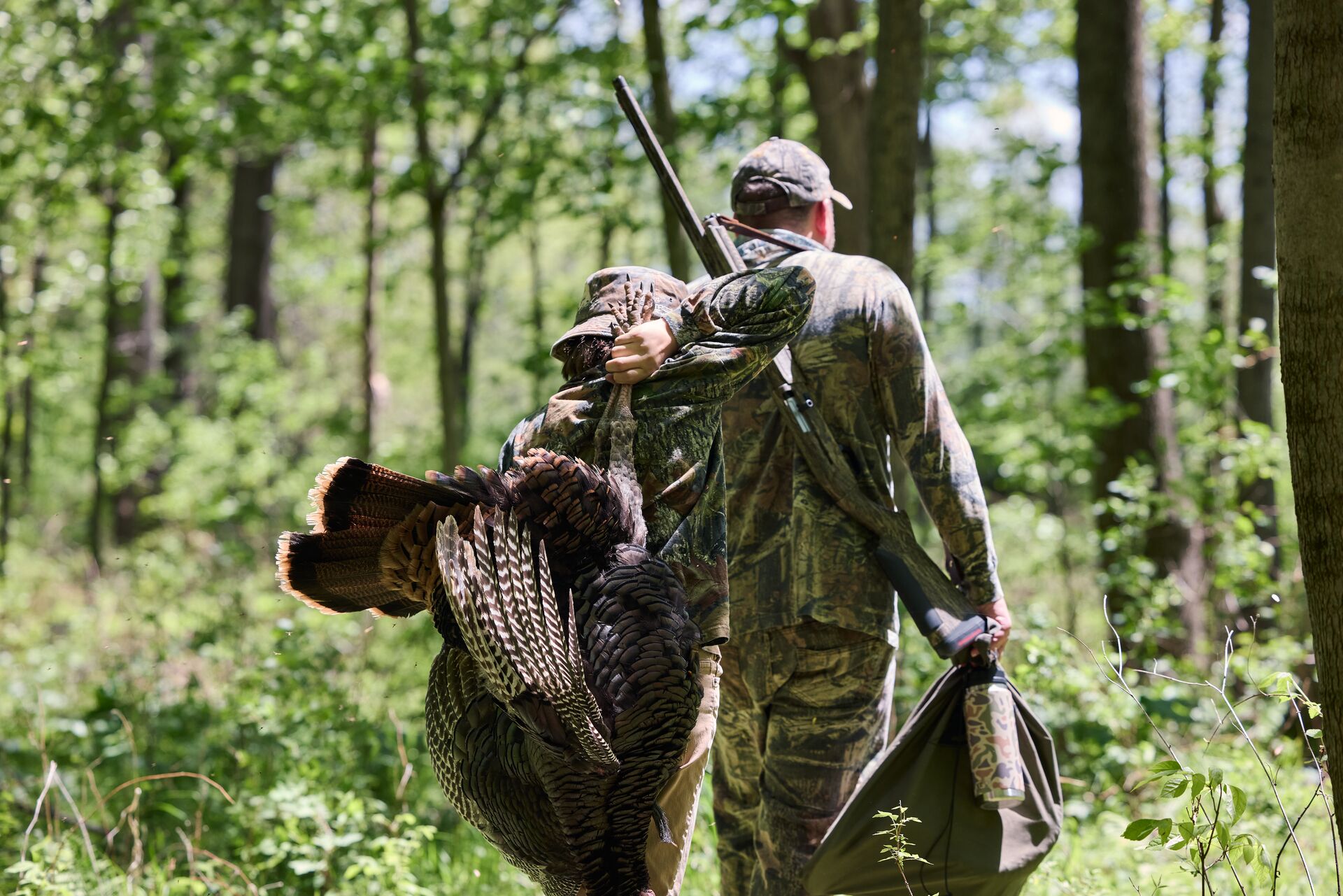
Youth hunting licenses are available in every U.S. state, and many states offer them free or at a much lower cost than adult licenses. The exact age requirements vary by state and species, but many states allow youth hunters to begin around ages 8-12 when they hunt with a licensed adult supervisor.
In some states, young hunters below the standard licensing age may still be able to hunt through a mentored hunting program. These programs pair a first-time youth hunter with an experienced adult, allowing them to learn how to hunt before completing hunter education.
States such as Georgia, Texas, and Florida offer free hunting licenses for youth under 16, making youth hunting one of the most affordable ways to introduce a child to the field. Still, parents and guardians should always confirm age rules, license requirements, hunter education rules, and the requirements for a youth hunting license and tags before the hunter's first season.
How Do Hunting Tags Work? Youth Hunting License Age Requirements and Costs
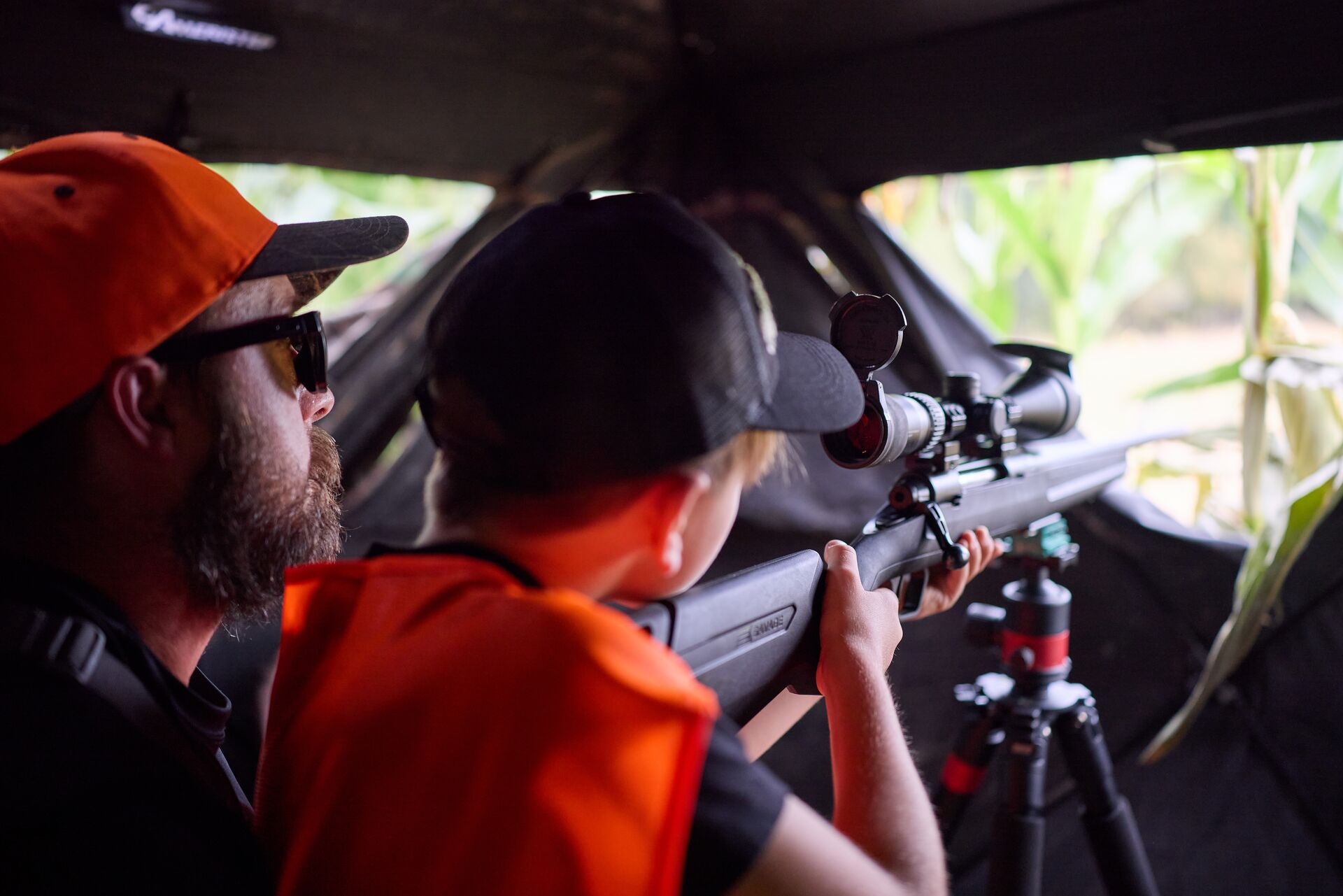
Youth hunting license rules vary from state to state. The minimum age for unsupervised or lightly supervised hunting is around ages 8-12 in most states. Some others allow younger children to hunt under full adult supervision.
Most youth license structures fall into one of three categories:
- Free youth licenses
- A flat low-cost youth fee
- A discounted percentage of the adult license price.
The youth license is designed to reduce the cost barrier for families introducing a child to hunting.
One other caveat is that a basic youth hunting license may not cover every hunt. Deer, turkey, waterfowl, and some big game species may require tags, stamps, permits, or lottery applications in addition to the base youth license.
Parents should make sure their kids have met any hunter education requirements. Then confirm your child's age eligibility, supervision rules, and any species-specific documents needed before hunting.

Youth Hunting License Fees by State (Top 10)
The table below shows a sample of youth license fees across several states. These examples illustrate the range parents can expect.
10 States: Youth Hunting License Fees | |||
| State | Youth Fee | Age Range | Adult Supervision Required? |
| Texas | Free | Under 17 | Yes |
| Georgia | Free | Under 16 | Yes |
| Florida | Free | Under 16 | Yes |
| Alabama | Free (no license required) | Under 16 | Yes |
| New Jersey | Free | 10–15 | Yes (ages 10–13). No (14–15, hunts independently). |
| Arizona | $5 (combo hunt/fish) | 10–17 | No (with license). Required for big game if under 14. |
| Ohio | $8 | Under 18 | No (with license) |
| Wisconsin | $7 | 12–17 | No (with license) |
| Pennsylvania | $6.97 | Under 16 | Yes |
| Illinois | $6.50 | Under 18 | No (with license) |
While the table above doesn't cover every state, it's a good example of the types of fees and requirements you'll see when planning for your young hunter to get into the field. Confirm the rules in the state where you plan to hunt.
How to Get a Youth Hunting License
Getting a youth hunting license follows a similar process in most states. The biggest differences are usually age rules, youth hunter education requirements, and whether a mentored hunting option is available.
- Check your state's minimum hunting age for the species your child plans to hunt.
- Enroll the youth hunter in a hunter education course through Hunter-Ed if your state requires it.
- Buy the youth hunting license through your state wildlife agency website.
- Confirm whether a mentored hunting program is available if the youth hunter is below the standard licensing age.
- Review mentor requirements, since most states require the adult mentor to carry a valid hunting license.
- Add any species-specific permits if the youth hunter plans to pursue deer, turkey, or other regulated game.
Parents should also check whether the child needs proof of hunter education, a printed license, a digital license, or parent/guardian authorization at the time of purchase. Getting those details right ahead of time can prevent delays at a retailer, check station, or in the field.
Mentored Hunting Programs: How They Work
Mentored hunting programs help young first-time hunters get supervised field experience.
These programs are often designed for kids below the normal licensing age or who haven't completed hunter education yet.
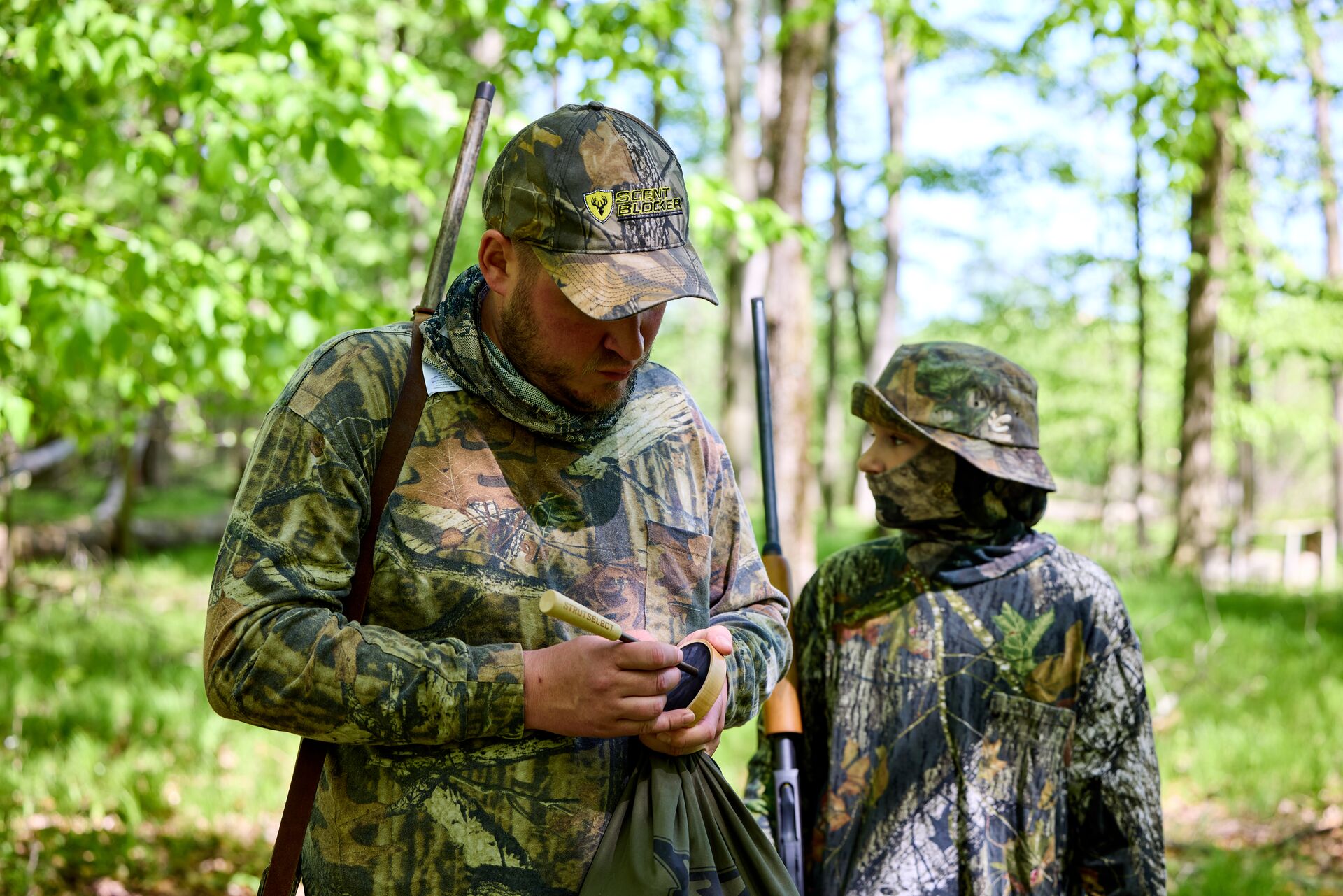
The way it works is that a licensed adult mentor supervises the youth hunter directly. In some states, the adult must stay within arm's reach. In others, the rule may require direct sight and voice contact at all times.
Program names change from state to state. Some programs are called the Apprentice Hunter License, Mentored Hunting Program, or Hunter Mentor Program. Details vary, but the purpose is always to let a new hunter learn under close adult supervision.
The mentor needs a valid, current hunting license and has to meet a minimum age requirement, often 18 or 21. Some states also limit how many days or seasons a youth hunter can use the mentored pathway before completing hunter education.
Mentored hunting is a fun way to teach kids about hunting, but it doesn't remove the need to follow season dates, bag limits, tagging rules, or weapon restrictions. It also doesn't guarantee that a youth hunter can hunt every species. Parents should confirm the state's mentor rules before the hunt and make sure the adult and youth both understand their responsibilities.
What Youth Hunters Need Besides a License
Having a youth hunting license isn't always enough. Depending on the species, location, and state, they'll also need tags, stamps, permits, and proof of hunter education.
Use this checklist alongside the license itself:
- Species-specific tags for deer, turkey, or other big game, which may come with some youth licenses or be sold separately.
- A Federal Duck Stamp for waterfowl hunting when required for hunters age 16 and older, meaning many younger youth hunters are exempt.
- State waterfowl, habitat, or conservation stamps where required.
- A Wildlife Management Area access permit if the public land or WMA requires one.
- Proof of hunter education completion or apprentice/mentor program paperwork, since some retailers, officers, or check stations may ask to see it.
Double-checking on all of those before heading out is the best way to cover all your bases. Families can easily get confused about a child's hunting license and tags. A youth hunter may have a valid license but still need their own deer tag, turkey permit, waterfowl stamp, or public-land access permit before the hunt is legal.
Young hunters have a lot to learn about hunting. Those wondering how do hunting tags work must think of the tag as the reporting document tied to a specific animal or species. Depending on the state, it may come with the license or need to be purchased and applied for separately.
Get Your Youth Hunter Certified and Ready for the Field
A youth hunting license and tags can often remove the biggest barrier to introducing kids to hunting for many families: the cost. The key is making sure the young hunter has the right education, supervision, license, and species-specific documents before the season opens.
Hunter education is a common thread across many state youth requirements. Some youth hunters need to complete the full course before buying a license, while others can hunt temporarily through a mentored hunting program before certification becomes mandatory.
For parents and guardians, the key takeaway is to confirm your state's youth requirements and enroll the young hunter in a Hunter-Ed course. Once education is complete, you'll be able to buy the proper youth hunting license, add any needed tags or permits, and help your child hunt safely and legally.

Frequently Asked Questions (FAQs)
Q: What age can a child get a hunting license?
A: There is no single minimum age nationwide. Youth hunting license ages vary by state and by species but usually start between ages 8 and 12. Check your state wildlife agency for the minimum age that applies to the specific game your child wants to hunt.
Q: Is a youth hunting license free?
A: Sometimes a youth hunting license is free, but not everywhere. Some states offer free youth licenses or license exemptions, while others charge a reduced youth fee. The cost and what's included depend on the state and species.
Q: Does a child need hunter education before hunting?
A: Not always. Some states require hunter education before a youth can hunt, while others allow children to hunt under a mentor or apprentice arrangement before completing the course. Parents should check both the state's hunter education requirement and any exceptions for youth hunters.
Q: What is a mentored hunting program?
A: A mentored hunting program allows a new or young hunter to gain hunting experience while directly supervised by a qualified adult. The mentor may need to hold a hunting license, have completed hunter education, meet a minimum age, or stay within a specified distance of the youth. Requirements vary considerably by state.
Q: Can a youth hunter buy their own license, or does a parent need to purchase it?
A: The process varies by state. Some states allow a youth license to be purchased directly through the state's licensing system, while others require a parent or guardian to sign or authorize the purchase. Check your state's licensing instructions before purchasing.
Q: Do youth hunters need a separate tag or stamp for deer or waterfowl?
A: Sometimes. A youth license may include certain species-specific privileges, but deer tags, turkey permits, waterfowl stamps, HIP registration, or other permits can still be required.
Q: What happens if a youth hunter aged out of youth pricing but hasn't finished hunter education yet?
A: A hunter who ages out of a youth license generally can't continue using the youth license simply because they haven't completed hunter education. However, some states offer apprentice, mentored, or other alternatives for hunters who haven't completed the course. The rules are state-specific, including the age at which the youth designation ends and whether an alternative license is available. Check your state's rules before the hunter's youth eligibility expires.