What Is an Elk Draw (and How Do They Work)?
For many hunters, applying for an elk tag is the first big step toward planning a successful elk hunt. But in most states, elk tags are limited, especially in high-demand units. Instead, states use an elk draw to manage access to hunting opportunities.
If you're new to hunting or exploring elk for the first time, the elk drawing system can feel confusing. Luckily, elk draws follow predictable rules.
Let's take a quick look at the basics of draw systems, how states award elk tags, and some practical elk tips for what to do when you finally pull a tag.
What Does "Draw" Mean in Hunting?
A draw is the system states use to distribute tags when more hunters want to pursue a species than the environment can support. Instead of allowing unlimited hunts, wildlife agencies accept applications and award tags to selected hunters.
This process keeps pressure manageable and gives everyone a shot at a hunt.
What Is an Elk Draw?
An elk draw is a structured way for states to distribute a limited number of elk permits.
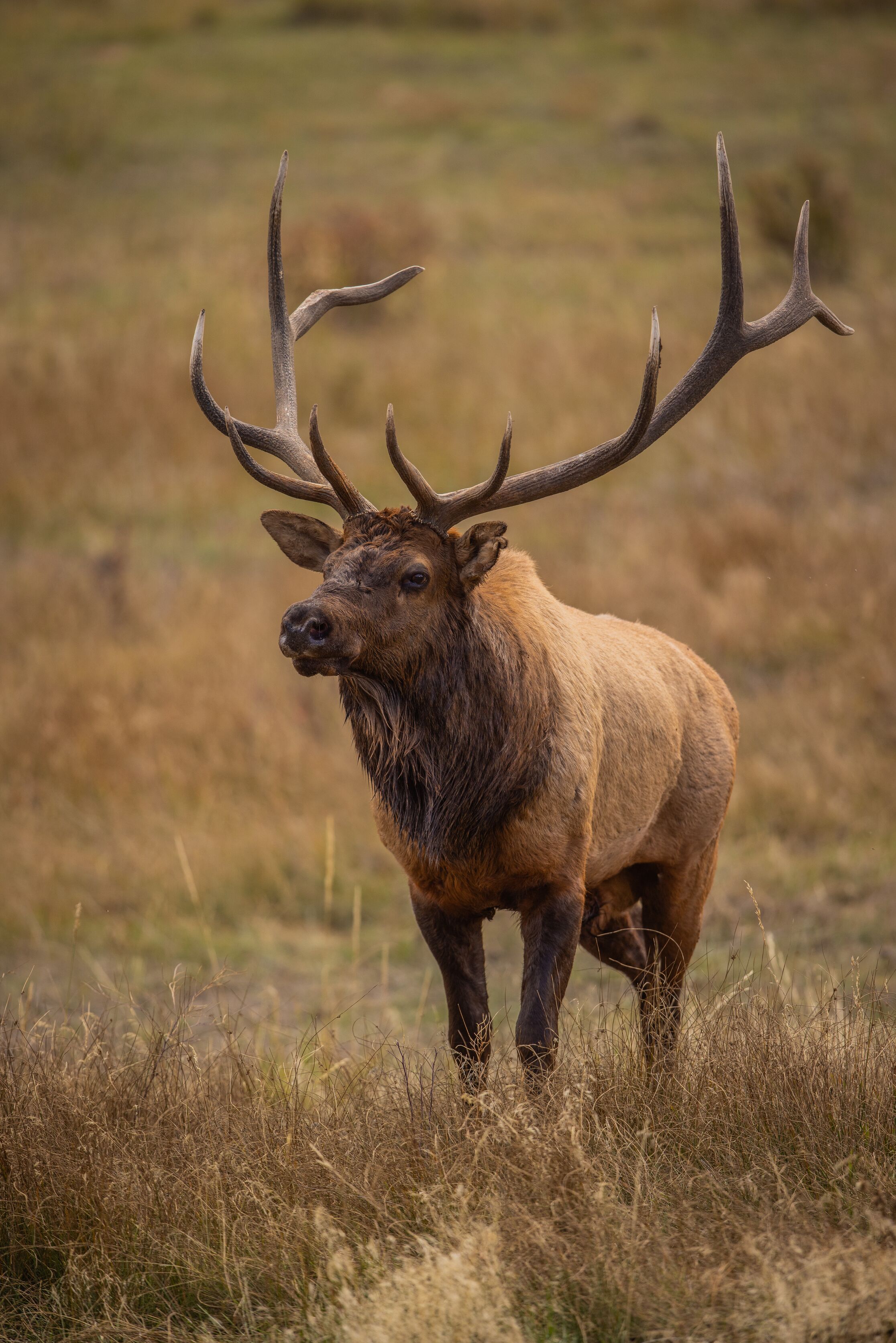
Because elk are in high demand and populations vary from state to state, agencies regulate how many hunters can hunt each season. Most agencies use an elk hunting lottery system, often with added weighting or points.
Elk drawing helps prevent overcrowding, protect herd health, and ensure hunters have a safe, ethical experience. Wildlife agencies manage all aspects of the process (from the application window to the final announcement of draw results), so hunters know exactly what to expect each season.
Understanding the Elk Hunting Lottery
Some states use an actual elk hunting lottery, where every eligible applicant has the same chance. Other states reward hunters who miss a draw one year with preference points for the following year.
Even with different systems, the core idea stays the same: keep hunting opportunities at levels the elk population can support.
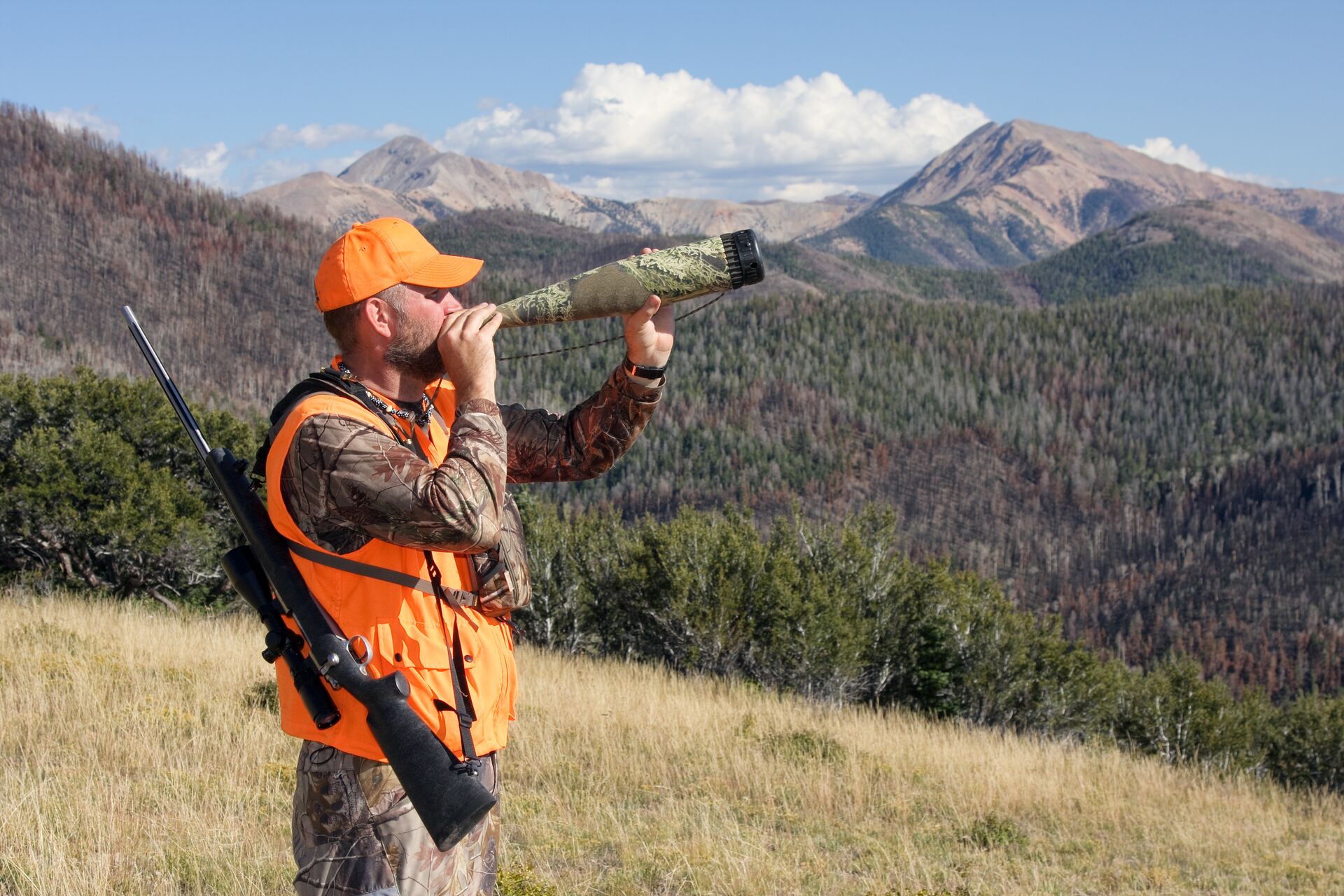

Why Elk Draws Exist
Elk draws are essential conservation tools. Elk populations require careful management, as these animals reproduce slowly, depend on specific habitats, and face pressure from predators, hunters, and environmental conditions. Draw systems allow agencies to balance the number of available tags with herd health by tracking bull and cow counts.
Draws also improve the overall hunting experience. With controlled access, hunters enjoy less crowded units, natural animal behavior, and better opportunities.
How Elk Draws Work
Although each state has its own approach, most elk draws follow similar steps.
You must apply within a specific window, usually between January and April. Missing the deadline usually means waiting until the following year, but sometimes it's worth checking for surplus tags in case any are available.
Once applications close, the state sorts the entries into its system. Pure lotteries will select hunters at random, while preference-point systems give returning applicants a better chance over time. Some states use hybrid models that combine both approaches.
Finding Results of an Elk Drawing
After the draw, hunters can check their results online.
- If you draw a tag, you can begin purchasing licenses, studying regulations, and planning for the season.
- If you were unsuccessful, you may be able to earn preference points or credits toward future draws, depending on your state's rules.
What State Is the Easiest To Draw an Elk Tag?
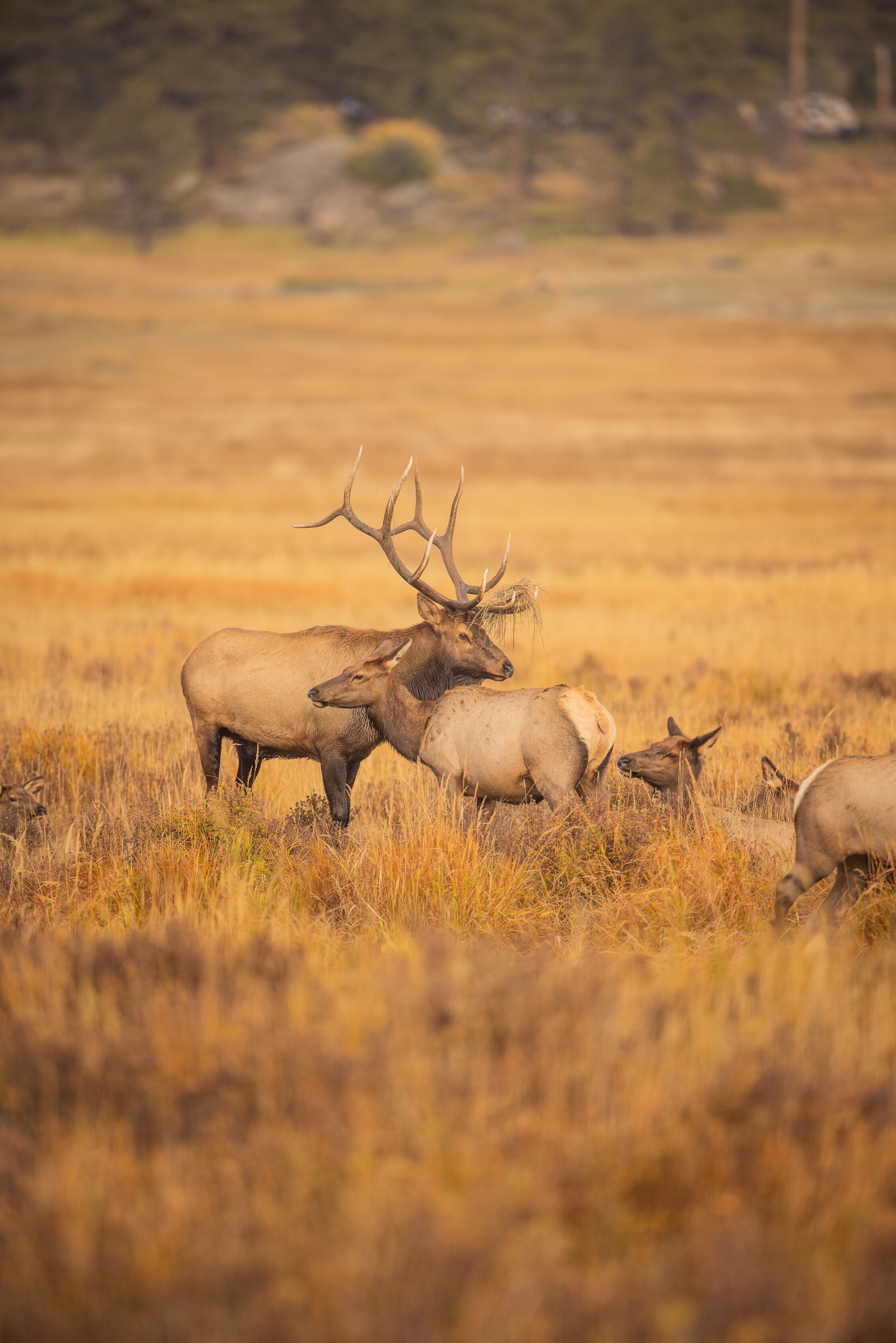
However, states with larger elk populations and generous tag quotas tend to offer better odds overall. For example, Colorado provides more elk opportunities than most other Western states.
Choosing a cow elk tag or a general-season unit often increases your chances as well, since these permit types face less competition than limited-entry bull tags.
When Do Most Elk Draws Take Place?
Most elk draws occur early in the year, and states typically open applications in late winter or early spring. Some states, such as Arizona, hold their elk draws early. Others, including Montana, accept applications later.
Because draw timelines and regulations can change year to year, hunters should always review the most current season information. Checking each state's website or regulations booklet helps ensure you don't miss an important deadline.
What Should Hunters Do When They Draw an Elk Tag?
Drawing an elk tag is exciting, especially if it's a rare limited-entry elk permit.
Here are a few helpful steps to guide your planning.
- Review your unit and regulations: Fully understand boundaries, season dates, gear restrictions, and reporting rules.
- Scout the area early: Use online mapping tools or preseason visits to learn habitat features, access points, and travel routes.
- Prepare your gear: Have everything 100% ready, including your optics, boots, layers, and your firearm or bow.
- Condition physically: Most elk hunts require hiking steep terrain, navigating thick cover, and spending long days on your feet.
- Practice shooting: Work at realistic distances and angles to build confidence with your ammo.
- Plan logistics: Arrange lodging, camping gear, food, and transportation for harvested meat.
- Tagging and reporting: Know how to properly notch/tag the animal, and carry the paperwork and state app.
- Verify your hunter education certification: Ensure your certification is accepted in the state where you'll hunt.
These steps can help you refine your skills and feel more prepared once you're in the field.
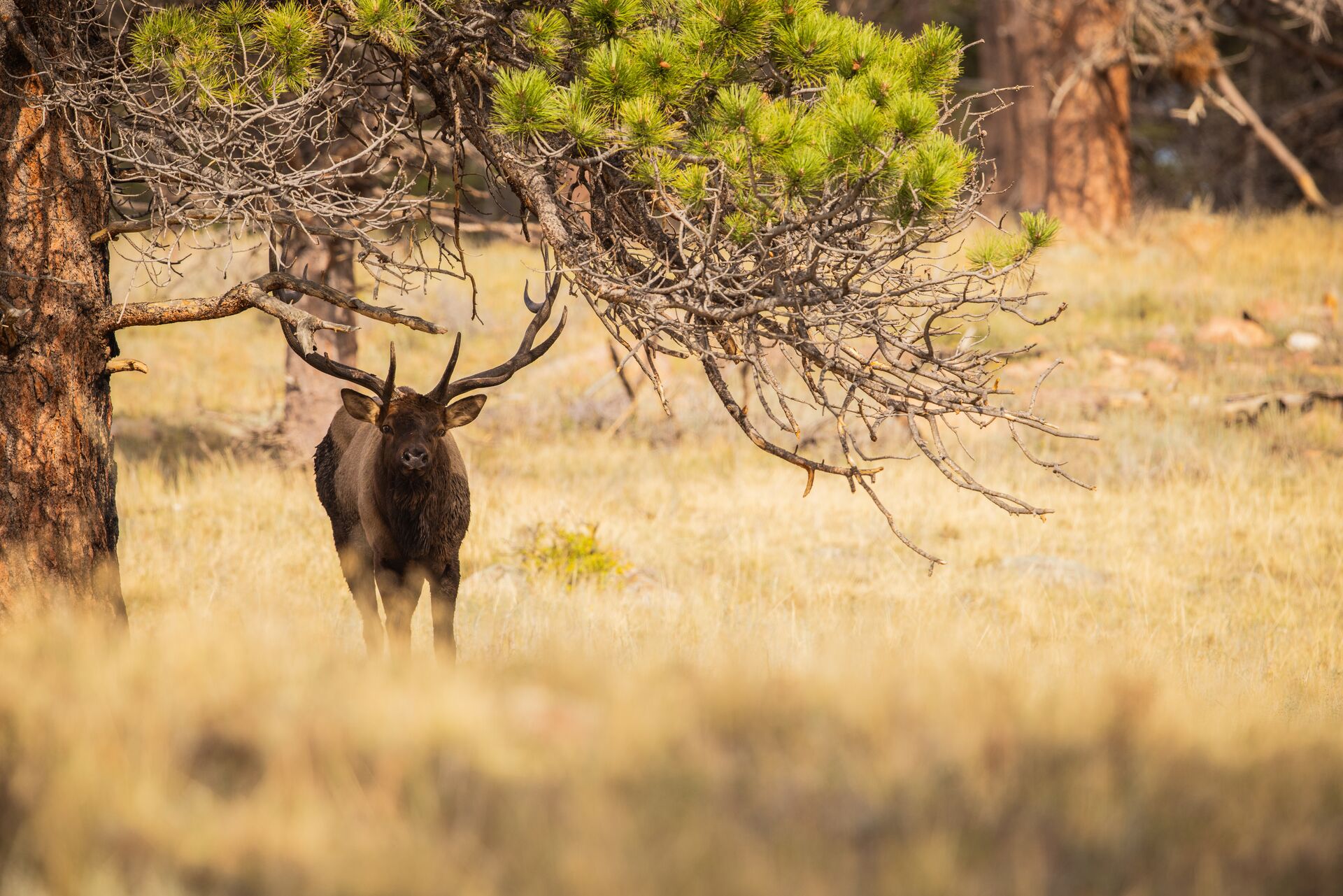
Complete a Hunter Education Course Before the Elk Draw
Understanding how an elk draw works and the popularity of elk hunting are the main hurdles to getting an elk tag. Draw systems protect elk herds, reduce overcrowding, and ensure fair access for hunters nationwide. Once you know when to apply, what affects your odds, and how to prepare when you draw a tag, you'll be better equipped to hunt.
To make sure you're ready to hunt when you draw an elk tag, take care of the state's hunter education requirements early. A certified hunter education course through Hunter-Ed can help you prepare for a trip with the skills and safety habits every elk hunter needs. With the proper preparation and knowledge of the draw system, your next elk hunt might be the hunt of a lifetime.
Completing the state's hunter education requirements now means you won't need to scramble to get it done later when you win that tag! Let Hunter-Ed help you get ready for a successful (and safe) elk hunt.

Frequently Asked Questions (FAQs)
We have answers to common questions about elk draws!
Q: What does “draw” mean in hunting?
A: In hunting, a “draw” is a lottery-style system where hunters apply for limited tags or licenses, and successful applicants are randomly or point-weighted selected to receive a tag.
Q: What state is the easiest to draw an elk tag?
A: Colorado is widely considered the easiest state to draw an elk tag because it offers over-the-counter (OTC) elk licenses that don’t require drawing.
Q: How hard is it to get an elk tag in Colorado?
A: Getting an elk tag in Colorado ranges from very easy to very hard. OTC archery and some rifle tags are easy to get, while high-quality, limited units can take many years of preference points to draw.
Q: How much does an average elk hunt cost?
A: An average DIY elk hunt typically costs $1,500–$3,000, while guided hunts often run $6,000–$12,000+, depending on location, gear, and services.