Hunting Gear for Beginners: What to Pack in Your Pack
When you're first learning about hunting, it can be a little daunting to get up to speed on gear. However, knowing what to bring can make or break your hunt.
Understanding hunting gear for beginners is all about keeping things simple and light while prioritizing comfort, safety, and preparedness. From licenses and clothing to field dressing tools and safety kits, being organized and well equipped gives you a slight edge—and sometimes, that's all you need.
Here's a complete overview of what new hunters need, what to skip, how to pack smart, and how to make a beginner hunting checklist for any situation.
What Is a Hunting Pack List?
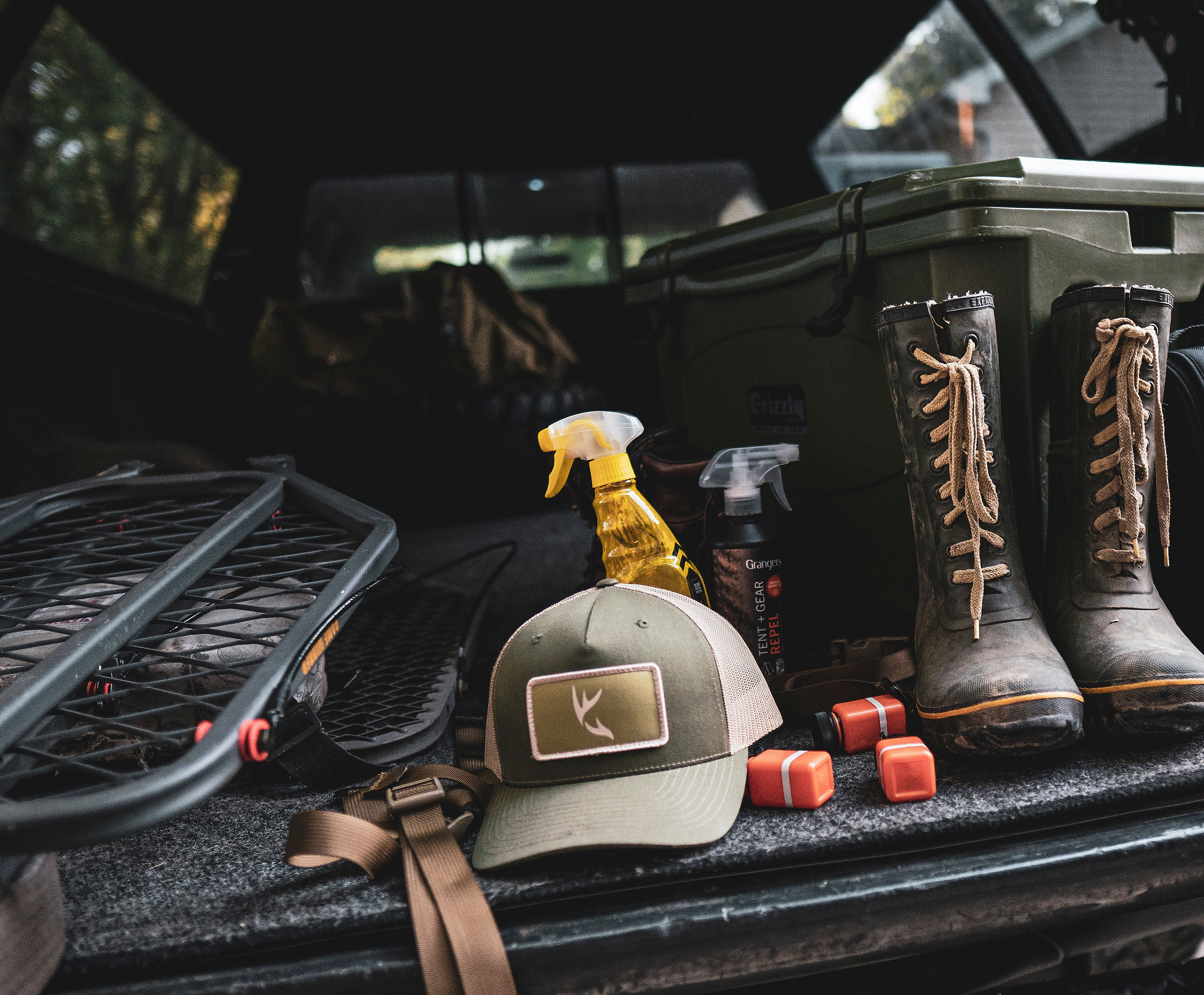
A hunting pack list is your personal checklist for every trip. It's a written or digital reminder of the essentials so you can stay organized and be ready for anything.
Your list should cover safety, survival, and hunting tools, while accounting for the type of game you're hunting and your hunting terrain.
A good hunting gear checklist prevents frustration and forgotten essentials. You can tailor it to each hunt, whether you're chasing whitetails in the woods or ducks in a marsh.
A Beginner Hunting Checklist
Your beginner hunting checklist should always include certain essential items.
- Hunting license, permits, and identification
- Weapon and ammunition or arrows
- Safety equipment, such as a headlamp, compass, and first aid kit
- Field dressing tools, such as gloves, knives, and game bags
- Food, water, and weather-appropriate clothing
Customize your list based on the game, climate, and how long you'll be outdoors. Over time, you'll learn which items are worth carrying and which can stay at home.
What Should I Take on a Hunting Trip?
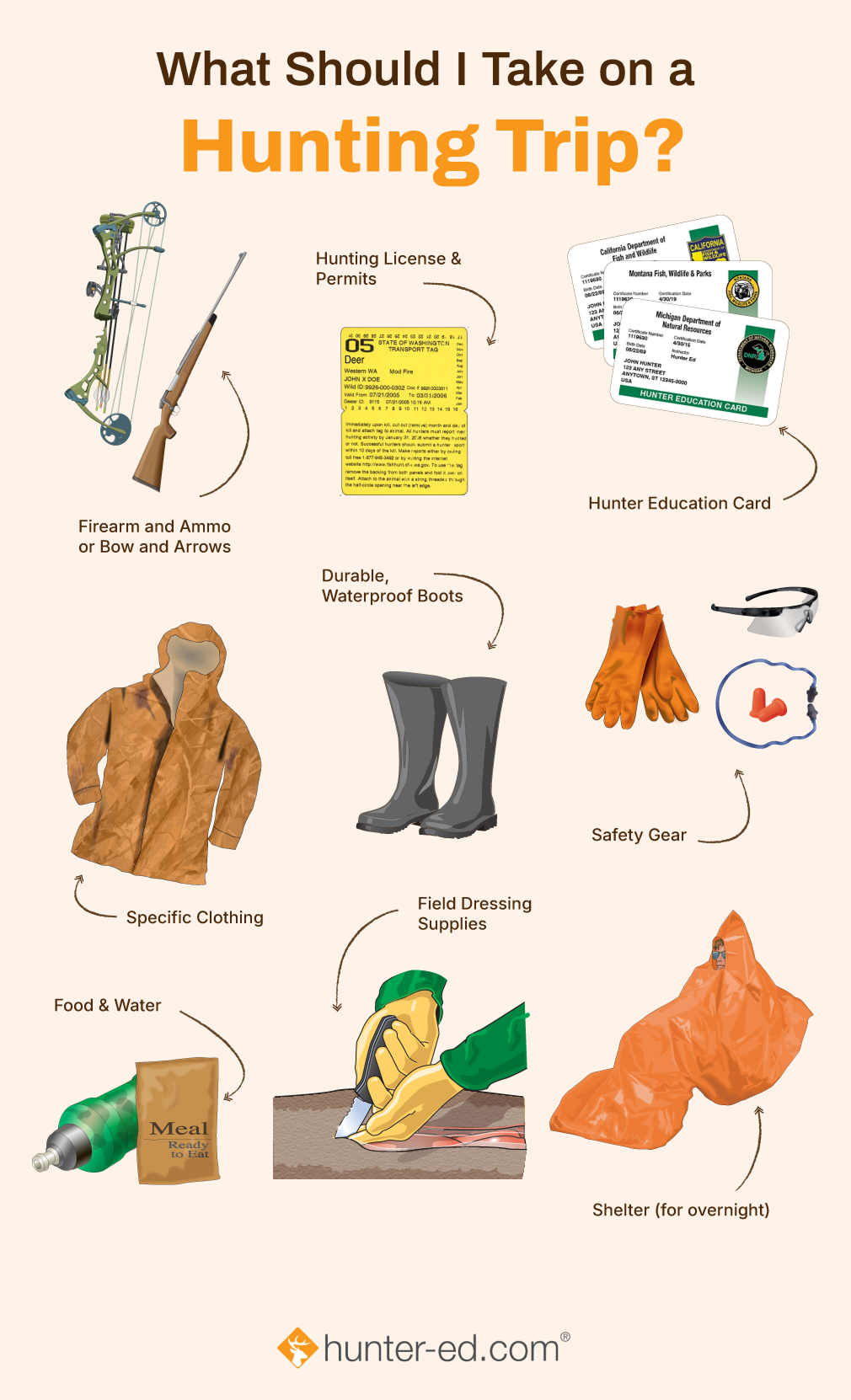
Every trip is different, but the fundamentals stay the same. Start figuring out what to pack for a hunting trip by making a hunting gear checklist that prioritizes safety and practicality.
A Hunting Gear Checklist for a Short Hunting Trip
When working through your hunting gear checklist, make sure your weapon is sighted correctly and stowed safely, and always carry the correct documents for your hunt.
Use blaze orange when required by law, and layer up if it's cold. Waterproof boots with ankle support make long hikes in cold weather a lot easier.
Pack a headlamp, a compass or a GPS device, a whistle, some high-protein snacks, and a hydration system.
Include knives, gloves, game bags for processing your harvest, and a tarp or tent if you plan to stay overnight.
Consider the weight of the items you're packing. Remember: until you are carrying a pack, you won't appreciate how heavy it is. Packing smart prevents you from carrying excess weight and helps you find items quickly when you need them.
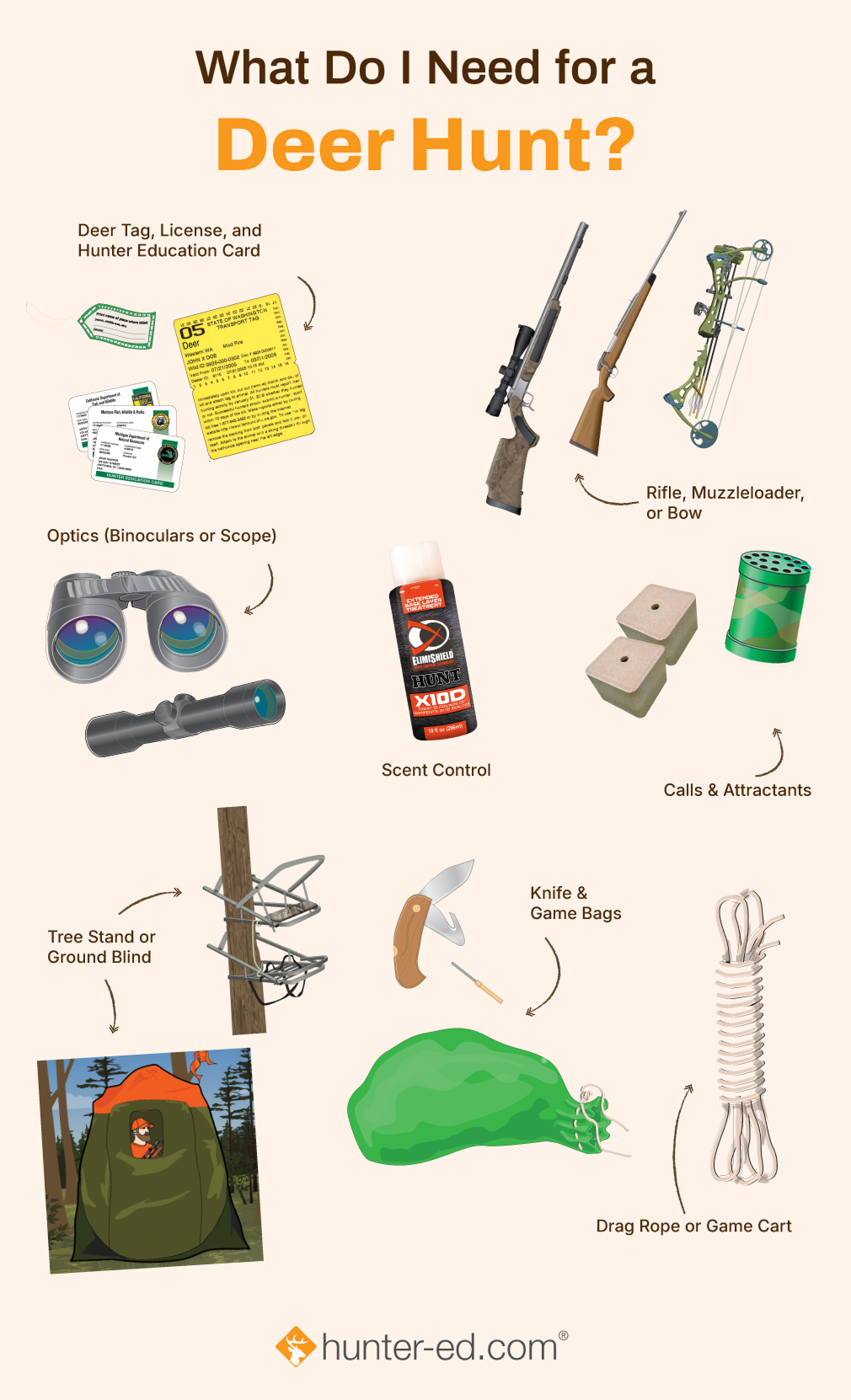
What Do I Need for a Deer Hunt?
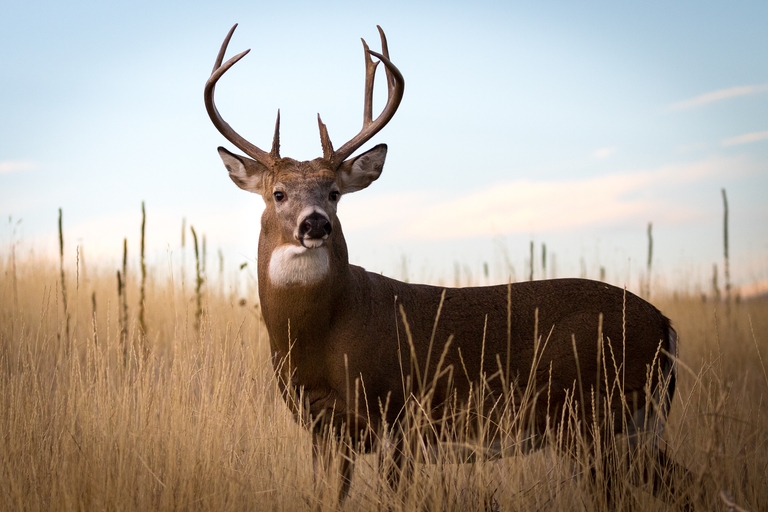
When planning a deer hunt, your setup will differ slightly from your preparations for other game. Deer hunters rely on stealth, scent control, and good optics.
A Whitetail Deer Hunting Checklist
Here's a whitetail deer hunting checklist to get started.
- Deer Tag or License: proof of your hunting rights
- Weapon of Choice: a rifle, muzzleloader, or bow, depending on the season
- Optics: binoculars or a scope for identifying game at a distance
- Scent Control: sprays, scent-free soap, or cover scents to stay undetected
- Calls and Attractants: grunt tubes, rattling antlers, or doe-in-heat scents
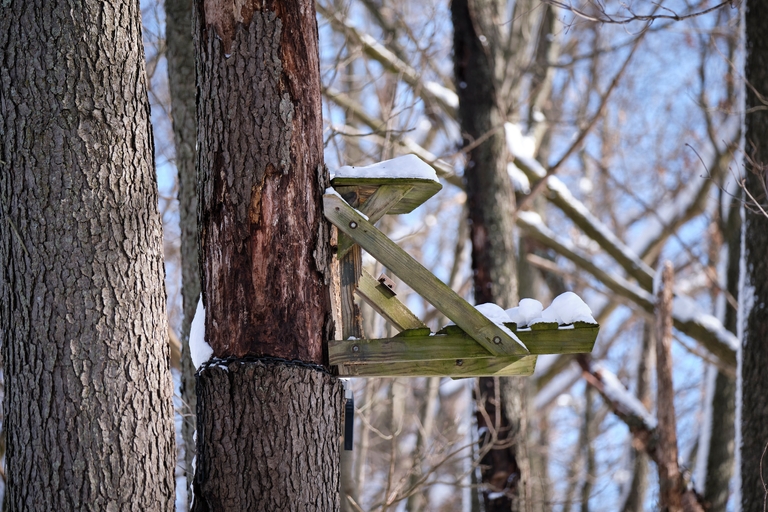
- Tree Stand or Ground Blind: helps with concealment and improves line of sight
- Field Dressing Kit: a knife, gloves, and game bags
- Game Cart or Drag Rope: for transporting your harvest back to camp
These essentials will prepare most beginners for a good day's hunt.
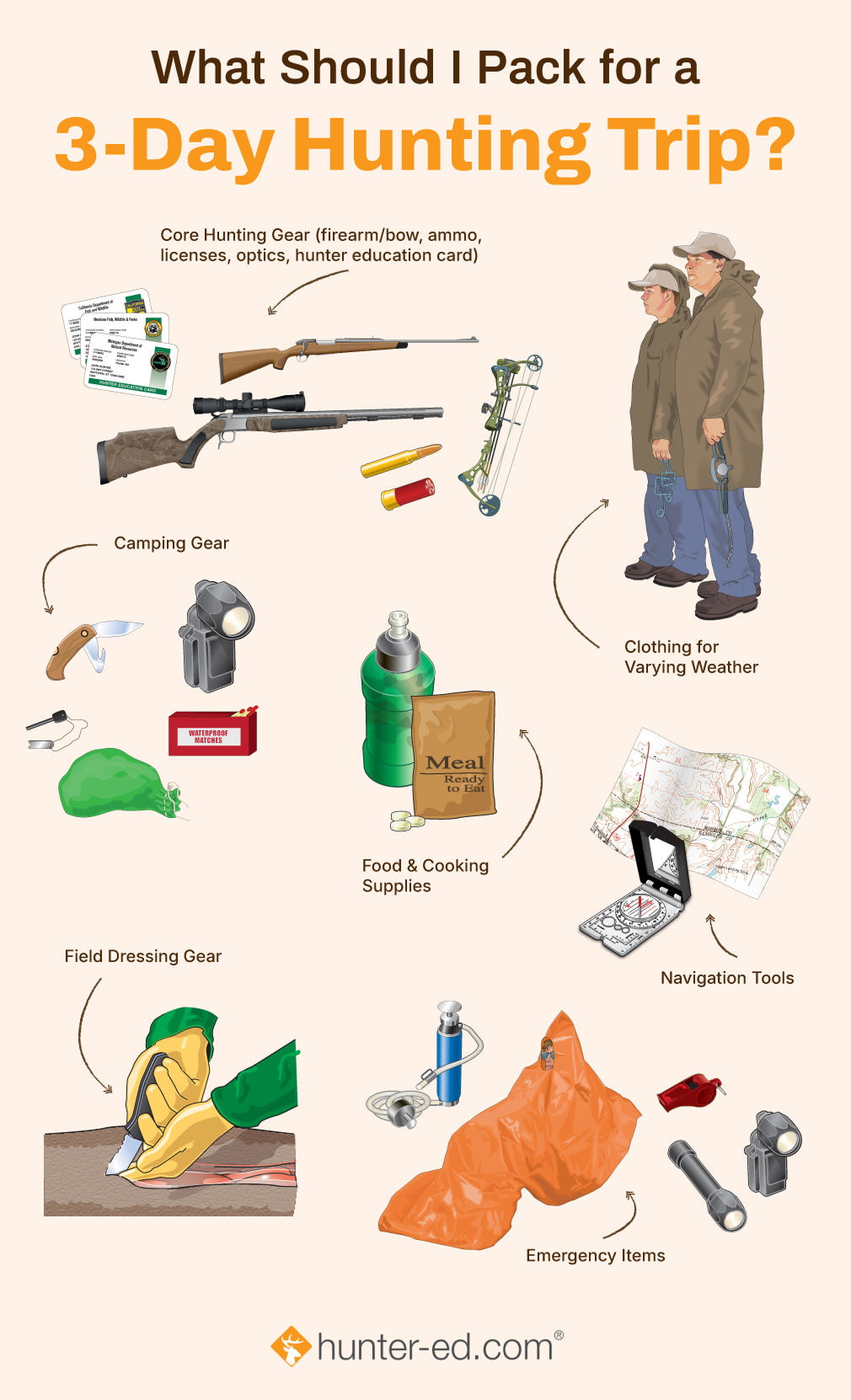
What Should I Pack for a 3-Day Hunting Trip?
Daypack lists of hunting gear for beginners are one thing, but what if you're staying in the backcountry for a few days? For extended hunts, you'll need extra food, clothing, and shelter to stay comfortable and safe.
What to Pack for an Extended Hunting Trip
Choosing what to pack for a multi-day hunting trip depends on the weather, terrain, and hunting style.
In addition to a weapon, ammunition, licenses, and optics, a list for most three-day trips will need to include:
- Clothing: base layers, insulating mid-layers, waterproof outerwear, extra socks, and underwear
- Camping Gear: a tent, a sleeping bag, and a lightweight stove
- Food and Cooking Supplies: meals, utensils, and water purification tools for the duration of the trip
- Navigation Tools: a map, compass, or GPS device (and spare batteries)
- Field Gear: game bags, rope, knives, and a small cooler
- Emergency Items: fire starters, a flashlight, and a first aid kit
If you're staying overnight in the backcountry, get in hunting shape and keep your load manageable. Remember to pack light and stay mobile.
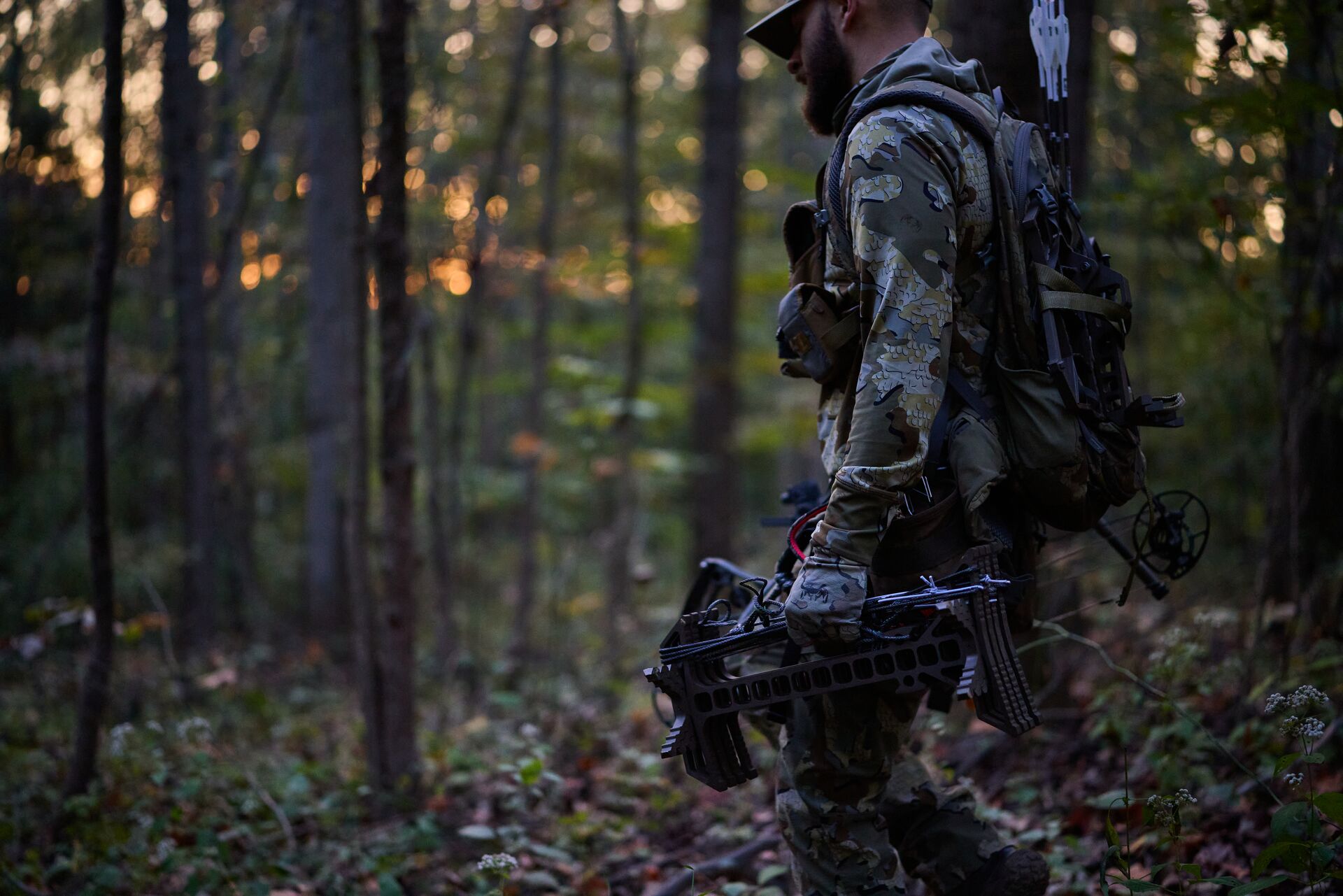
What Do You Need to Hunt in the Woods?
Hunting in the woods (vs. a marsh or the edge of a field, for example) requires gear that helps you stay safe, quiet, and aware of your surroundings. Every item you carry should serve a purpose.
A Hunting Essentials List for a Hunt in the Woods
Your hunting essentials list for wooded terrain should include a first-aid kit, a water purification system, and a whistle. Preparedness and safety matter, so have a way to check current safety certifications and regulations.
As with any hunt, always carry the proper legal documents, such as your license and permits. Know whether to wear camouflage or blaze orange, as required.
Hunting in the woods usually means hunting in thick cover, so carry an attractant and a scent blocker (if legal). You might also find it hard to see and easy to get turned around.
Carry communication tools such as a cell phone, radio, or emergency beacon, and navigation tools such as a compass, GPS, or a topographic map (like HuntWise).
What About Bowhunting Gear for Beginners?
Bowhunting beginners should carry a durable bow case, broadheads, extra strings, string wax, and a release aid. Additionally, range finders and scent-blocking sprays are important when you are looking to get up close and personal with a smart, mature buck.
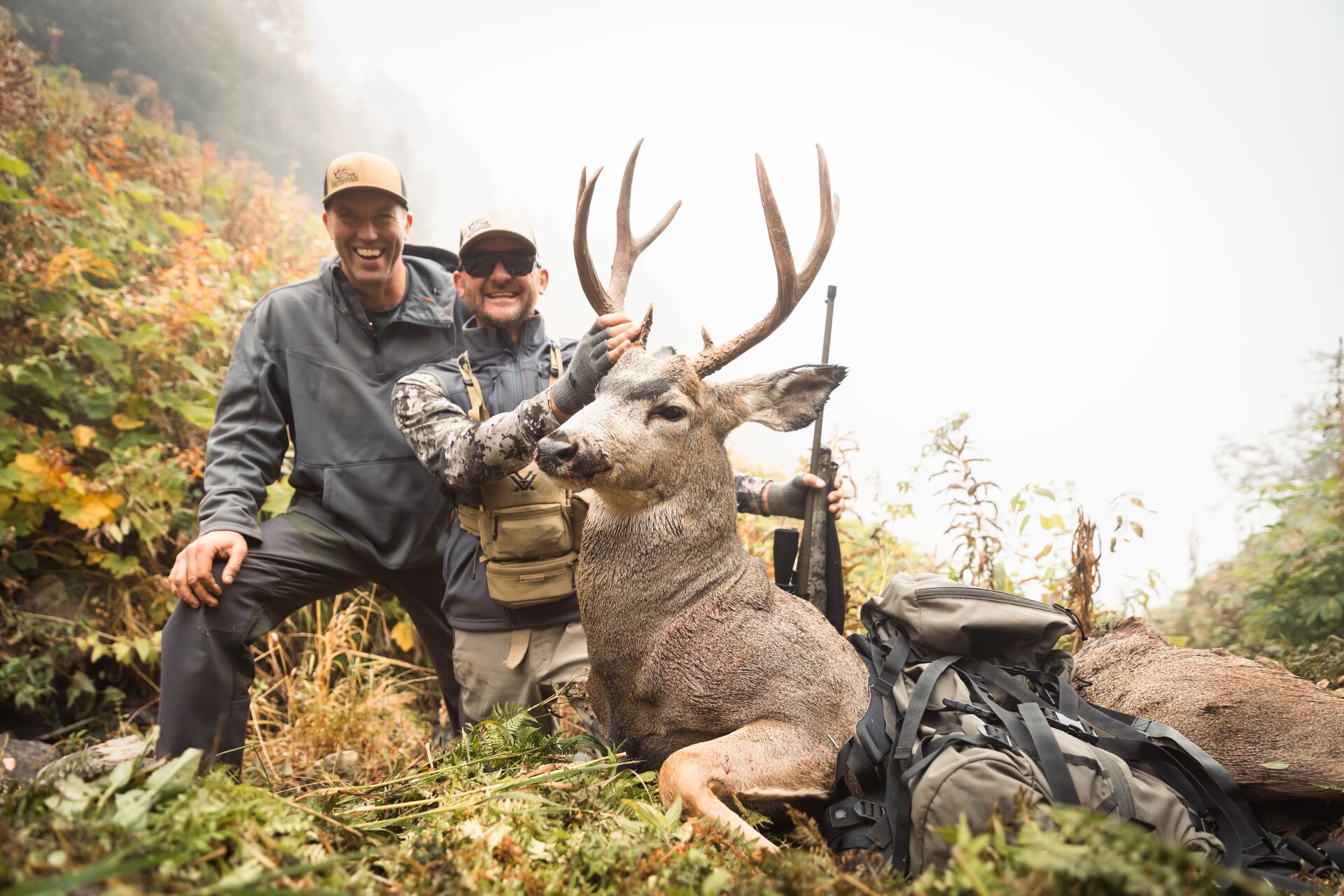
Learn About Safe Hunts and Gear with Hunter Safety Education
For new and seasoned hunters, preparation provides a sense of safety and confidence. Making a list of hunting gear for beginners helps you stay organized, safe, and ready for the unexpected.
If you're planning a multi-day trip, focus on safety first, then customize your pack as your experience grows. Keeping a personalized hunting essentials list is the easiest way to build good packing habits.
With Hunter-Ed's online hunter safety courses, new hunters can learn to make a solid list that factors in safety, preparation, and responsible hunting. Plus, as you learn and complete the course and final exam, you're working toward your state's requirements for hunter education.
Pack well and stay safe this season!
Take the Hunter-Ed hunting education course for your state.
Frequently Asked Questions (FAQs)
We have answers to your questions about hunting gear for beginners.
Q: What should I take on a hunting trip?
A: When packing for a hunting trip, bring your hunting license and tags, appropriate weapon and ammunition, weather-appropriate clothing, navigation tools, food and water, first-aid supplies, and basic survival gear.
Q: What do I need for a deer hunt?
A: The items you'll need for a deer hunt include a valid deer tag, legal firearm or bow, scent control, binoculars, proper clothing, knives for field care, and safety gear like blaze orange (where required).
Q: What should I pack for a 3-day hunting trip?
A: For a 3-day hunting trip, pack extra layers, rain gear, shelter or sleeping setup, 3 days of food and water, your weapon and ammo, game bags, headlamp, first-aid kit, navigation tools, and backup batteries.
Q: What do you need to hunt in the woods?
A: To hunt in the woods, bring navigation tools, weather-appropriate clothing, legal hunting equipment, safety gear, water, and a way to communicate in case of emergency.
Q: What is a hunting pack list?
A: A hunting pack list is a checklist of essential gear hunters bring (including licenses, weapons, clothing, safety items, and survival supplies) to stay prepared and legal in the field.
Bring the right gear and stay safe this season!
Take the Hunter-Ed hunting education course for your state.