How to Prepare for a Hunting Trip
Whether you're taking a long trip across the country for your dream buck or loading up for a nearby turkey opener, good preparation makes for a smooth hunting trip. There's a lot to consider, but new hunters needn't worry: knowing what to bring, how to plan, and what to expect isn't as daunting as it sounds.
This guide will help you prepare for your first hunts by providing an overview of legal preparation, gear, scouting, and safety. If you're looking for a real guide to hunting gear for beginners, you'll find great advice here, along with some important lessons I've learned on the road.
Start With Legal Requirements
First, check your state's regulations. All states require documentation and have different hunting season rules. Begin your hunting journey by taking a certified hunter education course and buying the correct hunting license. Then, apply for the tags for your target species.
When I went after a Missouri buck this season, I made sure to have my out-of-state license and buck tag ready. I also double-checked bag limits and public land rules for the conservation area nearby. Though I was hunting on private land, it's always important to know local regulations, even for short trips across the state line.
Plan Your Hunt
I like to begin by scouting spots and marking them on my hunting app. I cross-reference access points, terrain, and public land boundaries.
I also check the weather forecast regularly in the week leading up to the hunt. This practice helped last year in Georgia when a cold front stalled and changed the birds' roosting habits. By planning and bringing a heavier layer, I was able to save my trip.
Consider scent control when planning your hunt, especially if you'll be pursuing deer in pressured areas. I always wash my clothing in unscented detergent, bag it up tight, and avoid wearing my hunting gear in the truck.
Prepare Your Gear
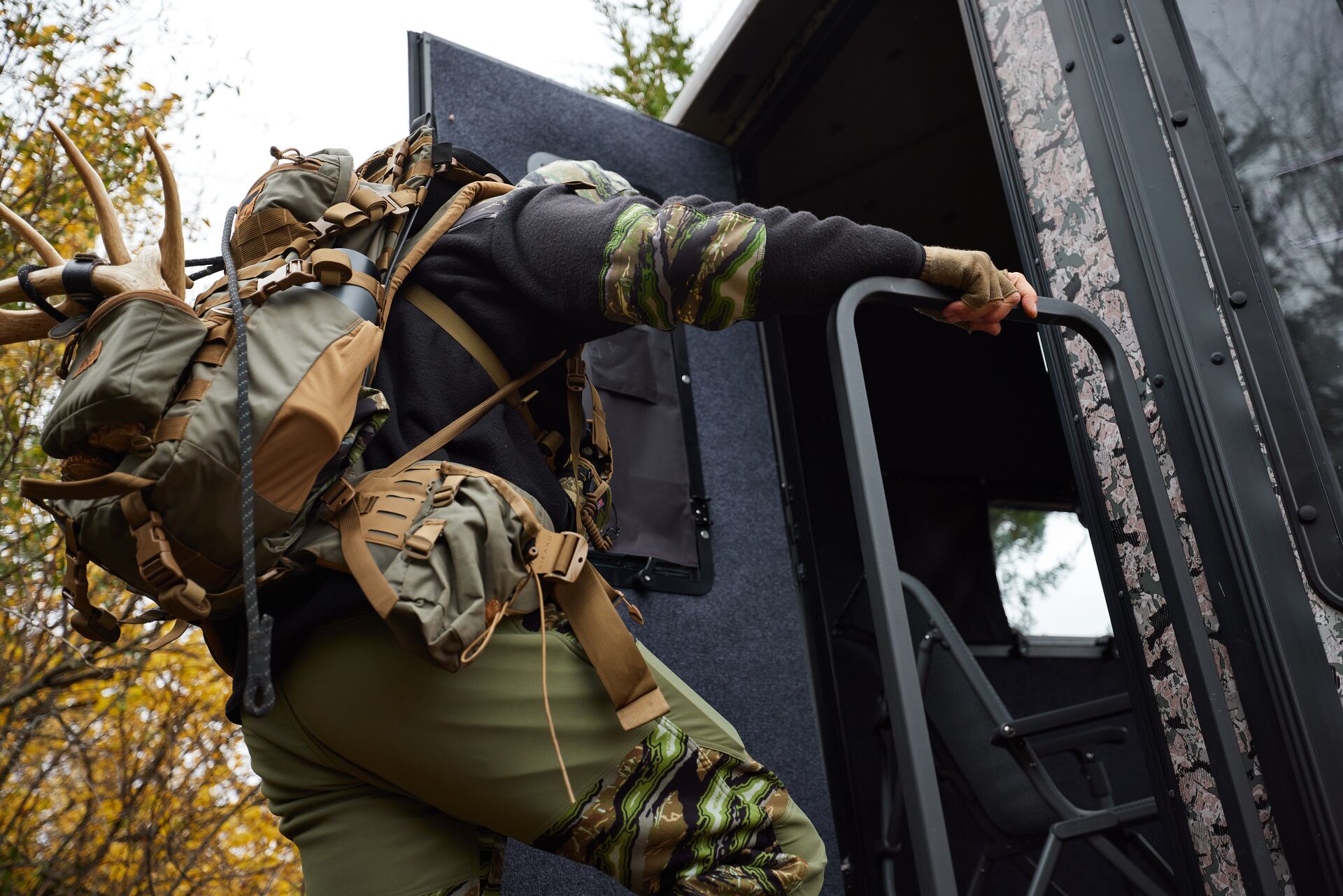
Everyone's personal loadout is a little different, but when it comes to hunting gear for beginners, safety must be a top priority.
Weapons & Ammunition
Clothing
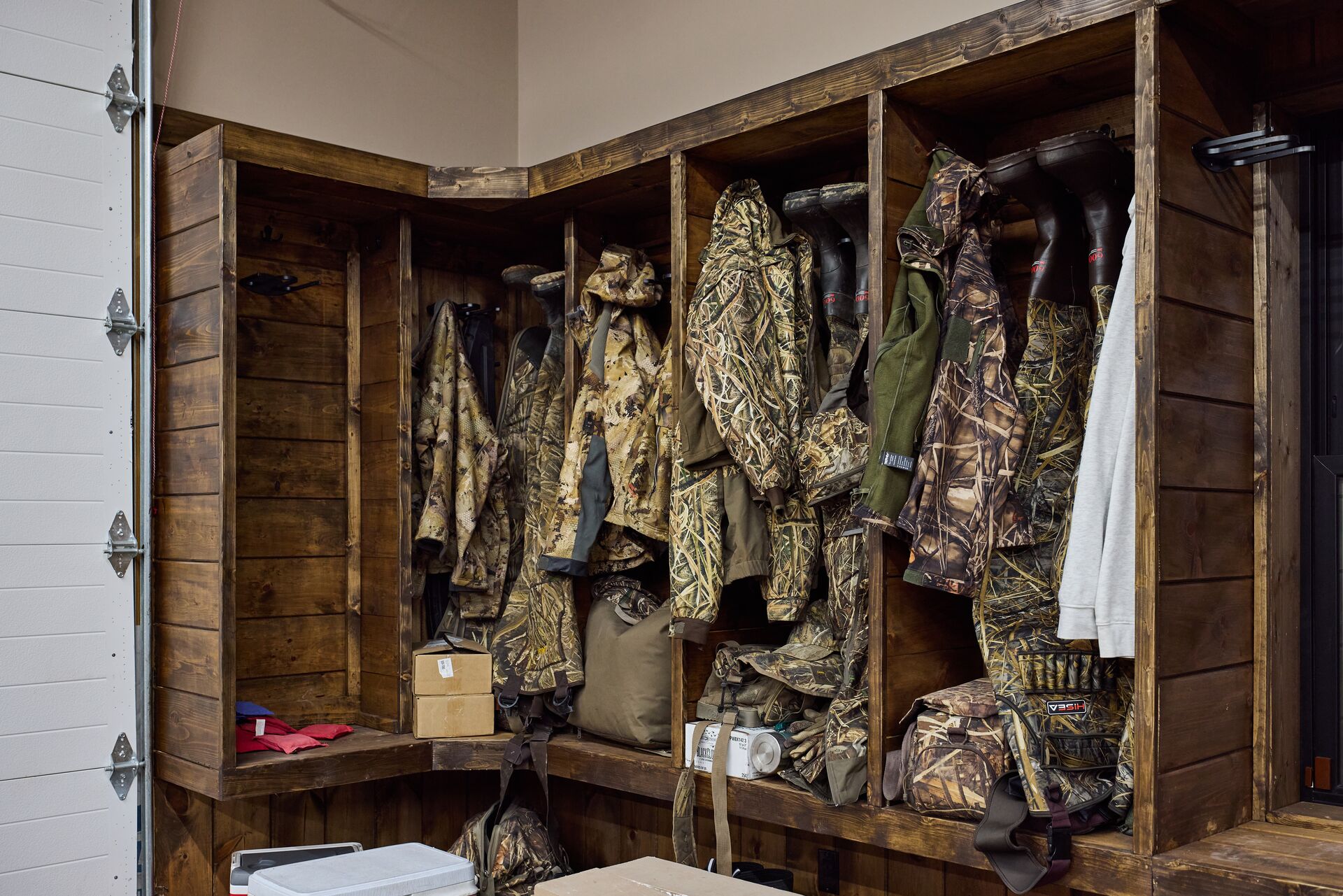
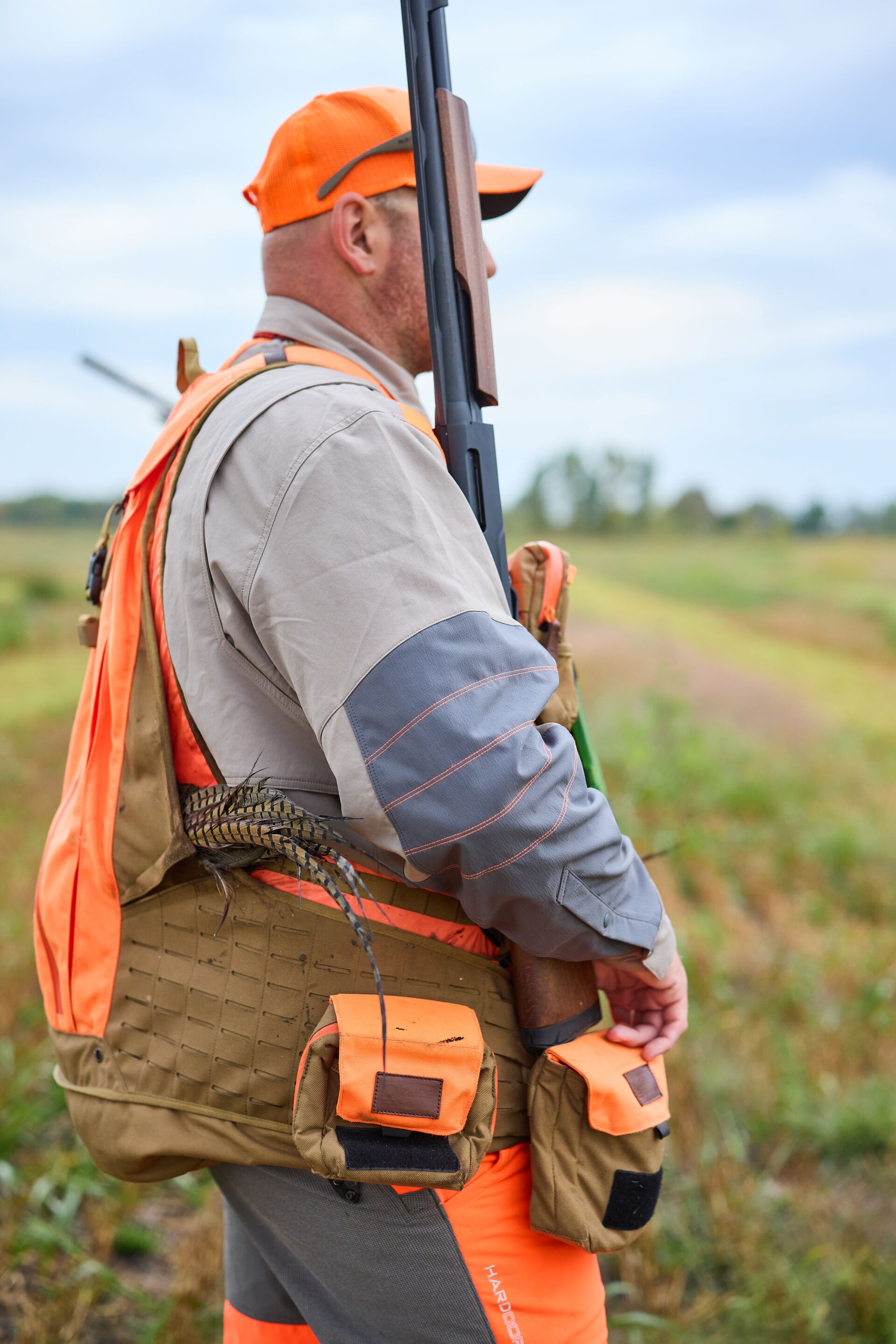
Think in layers: wool or synthetic base layers work best, regardless of your location. Morning in the South might mean frost and fog, but by midday, the temperature may rise to 60°. Always pack blaze orange during firearm season, and wash everything in scent-free detergent.
Safety Gear
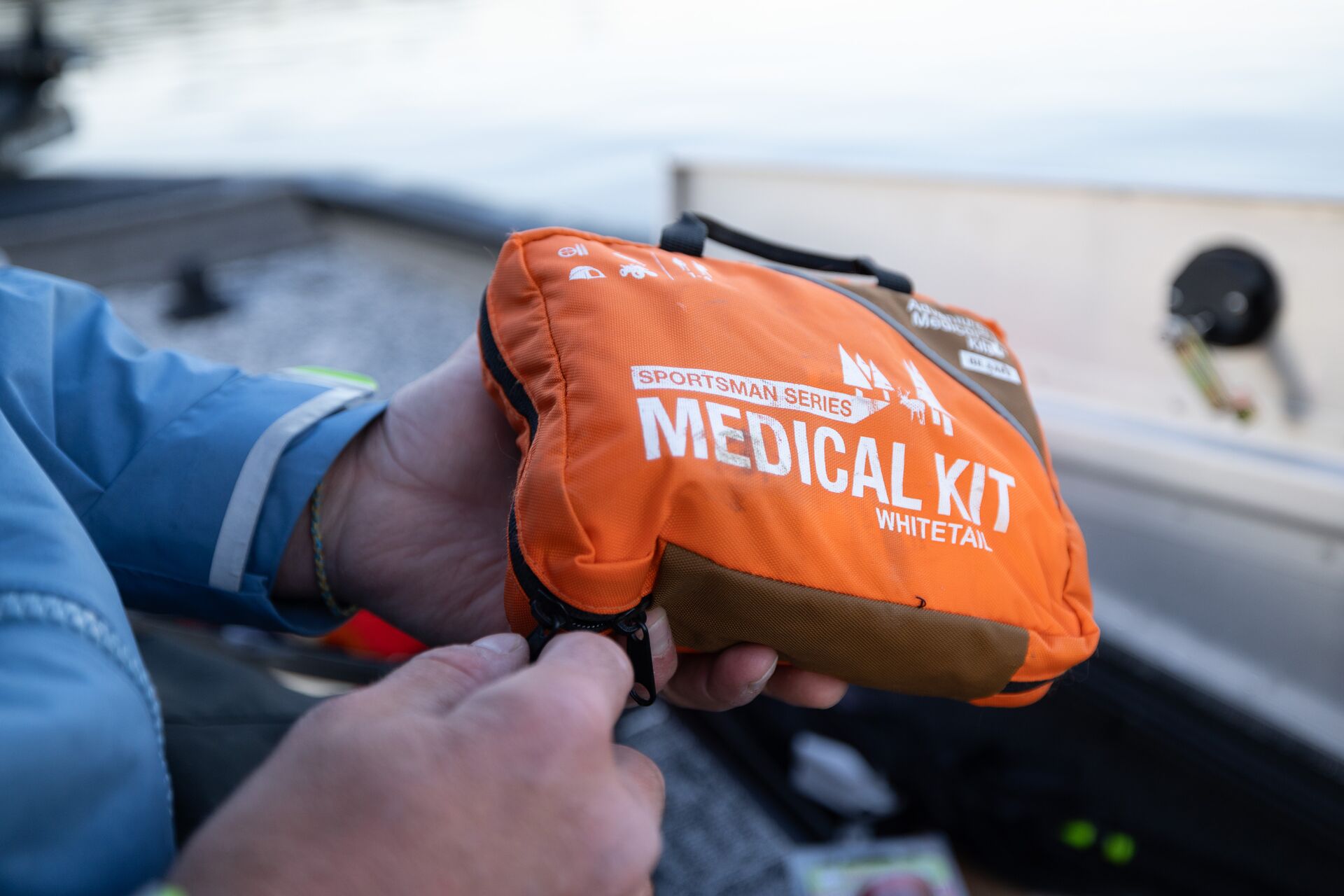
Safety gear is non-negotiable. I carry a first-aid kit, backup headlamp, extra batteries, and both GPS and printed maps. Small tools like these can make a big difference, especially on longer trips.
Backpack Essentials
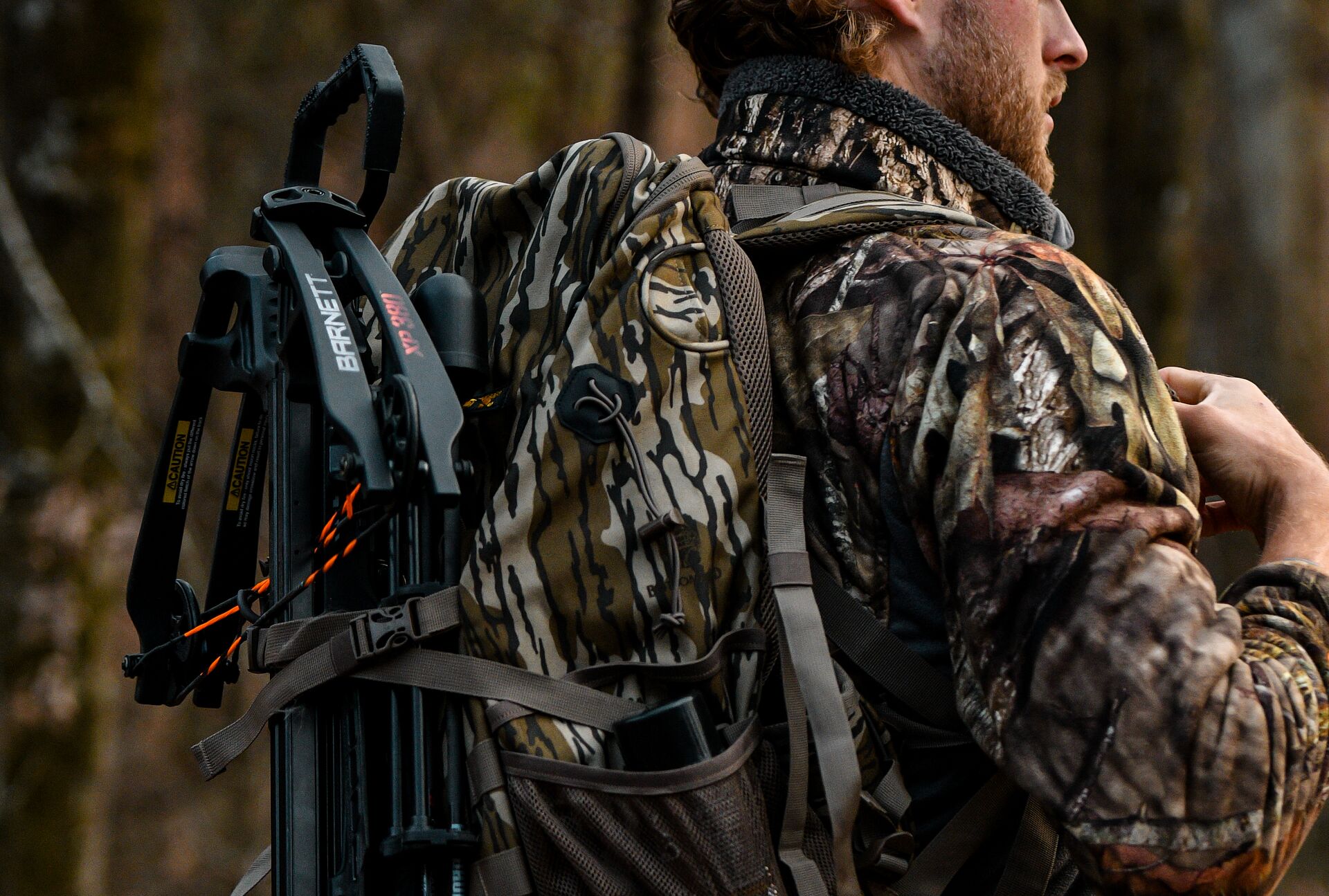
Your pack should be light enough to carry while still stocked with the essentials. To cover the basics, bring a processing kit, light, knife, phone, water, and navigation tools.

What to Pack for a Hunting Trip
Keep it light but stocked. If you're wondering what to pack for a hunting trip, here's the core of my basic loadout:
- Water bottle or hydration pack
- High-calorie snacks (such as jerky, protein bars, or trail mix)
- Hunting knife and small game bags
- Map and compass
- Headlamp
- Lightweight rain gear
- Mosquito repellent and sunscreen
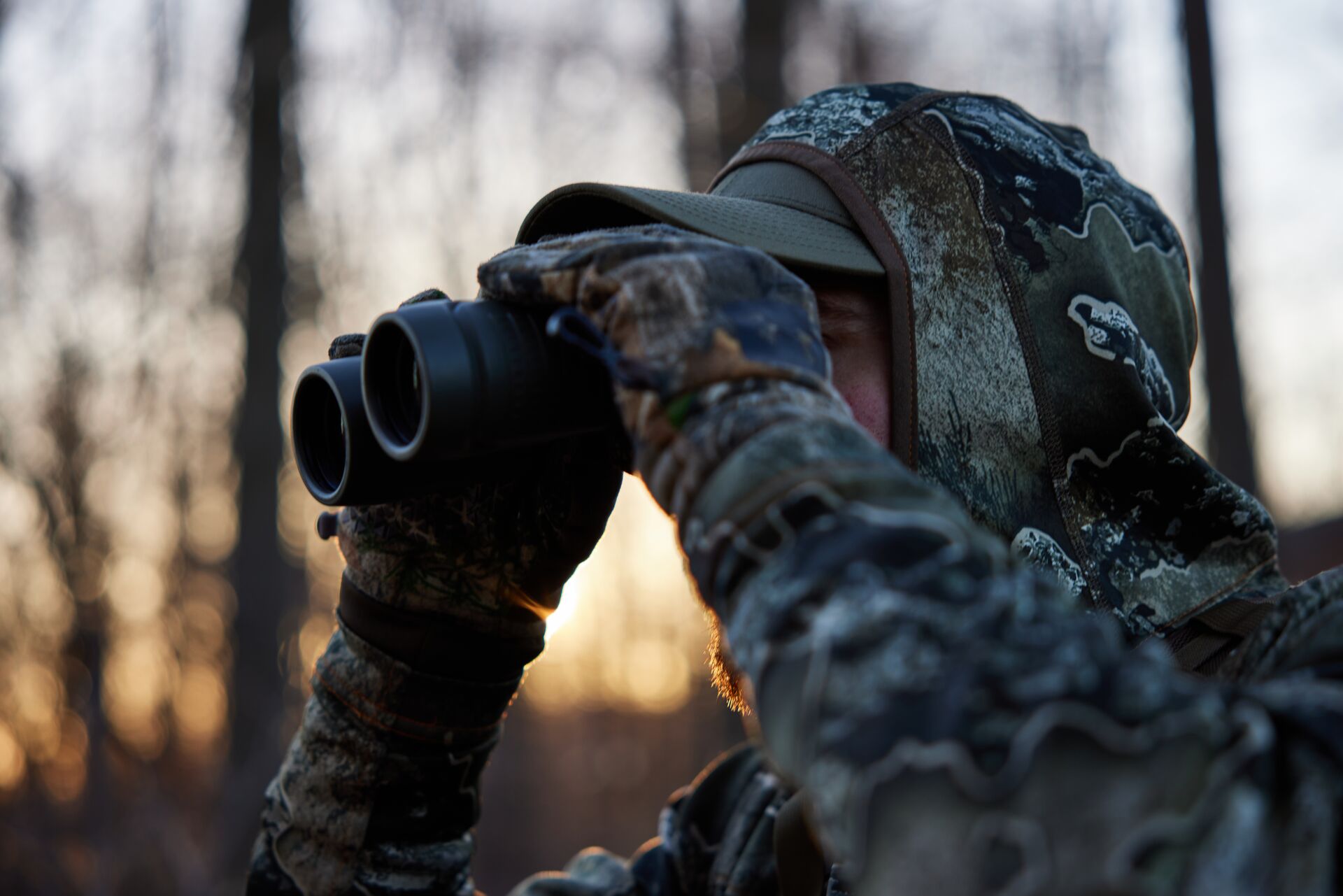
- Binoculars
- Phone and GPS device
- Extra gloves and socks
I kept my pack light when prepping for a trip to Georgia last fall. But for Missouri, I added a seat pad, dragging rope, sandwiches, and flagging tape since I knew I'd be farther from the truck, in unfamiliar territory.
Hunting Gear for Beginners
Hunting doesn't require thousands of dollars. You can hunt successfully with second-hand gear and basic setups. Focus on weight, comfort, safety, and simplicity.
For firearms, start with something reliable. I mainly use a .270 or 12-gauge, and I practice with them often. You can blend into your environment with low-cost clothing (I usually hunt in $20 brown pants).
Know your gear before you hunt: try it on, shoot it often, get it wet, carry it up hills, and make sure it fits your terrain and hunting style. You'll upgrade—or downgrade—as you hunt, but experience and knowledge will beat fancy gear every time.
Hunting Trip Checklist
If you're someone who forgets ammo, socks, or batteries (guilty), a hunting trip checklist can save your hunt. Here are a few of the overlooked items I double-check:
- Weapon and ammunition
- Hunting license and tags
- First-aid kit and butane lighter
- Headlamp or flashlight
- Compass or GPS
- Flagging tape
- Layered clothing & blaze orange gear
- Wool socks or garments for warmth when wet
- Backpack
- Water and food
- Knife
- Game bags and a cooler
- Sunscreen, bug spray, and mosquito repellent
- Binoculars
A simple list has saved me more than once. On my Missouri trip, I only remembered my processing kit when I was going through the list. To ensure information is current and handy, I keep a packing list on my phone and review it throughout the week.
Hunting Safety Checklist
Your hunting safety checklist covers best practices. Aside from blaze orange and gun handling, think about visibility, communication, and readiness. I always tell someone where I'll be, how long I plan to hunt, and when I'll check in.
Use a headlamp when walking in, keep your GPS battery charged, and make sure your first-aid kit is with you. A few extra minutes spent checking gear can prevent safety issues in the woods.
How Much Does the Average Hunting Trip Cost?
Hunting can be as budget-friendly as you want it to be.
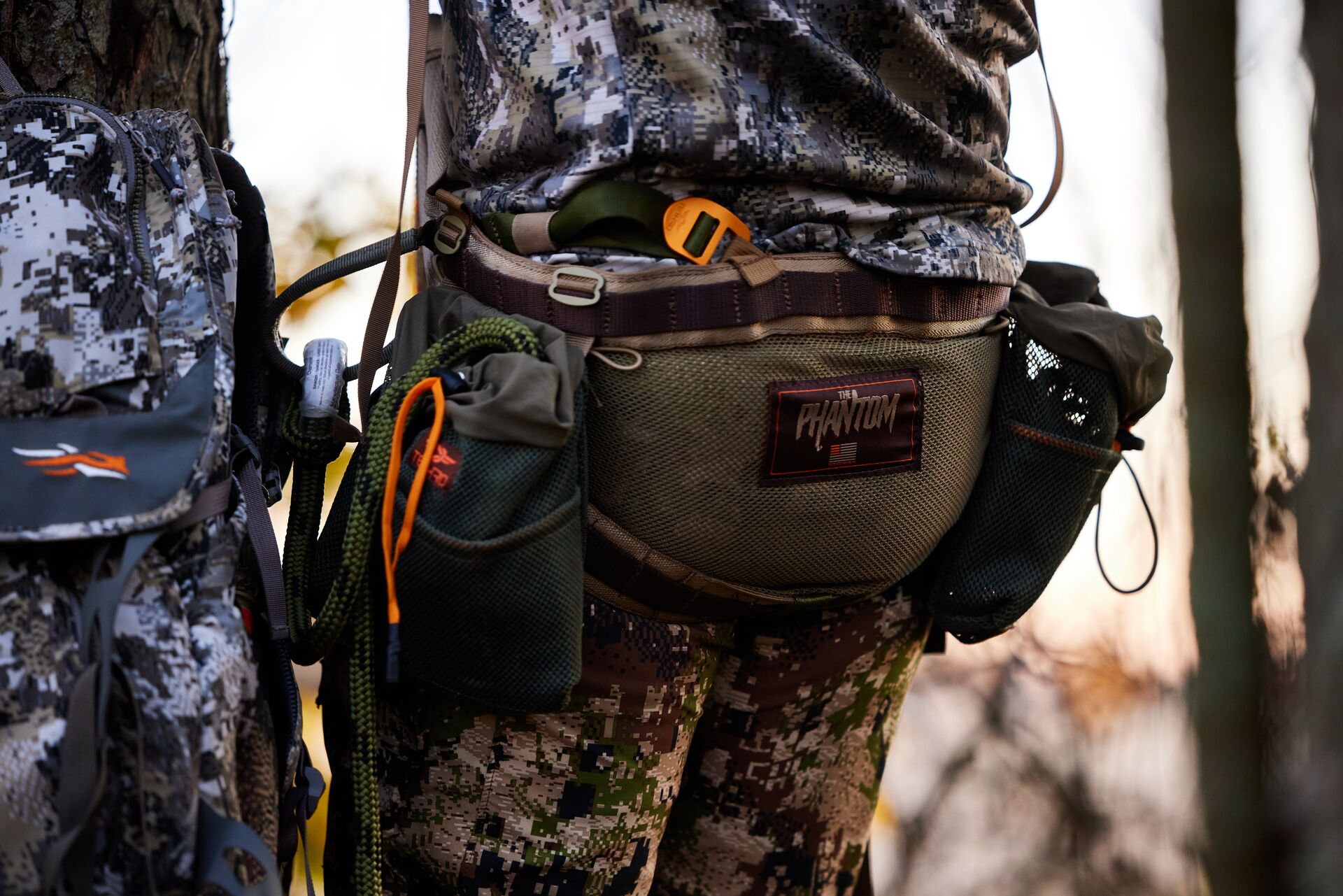
For local, do-it-yourself hunts, you might spend $150–$1,500 if you already own basic gear (if you're buying gear for the first time, add another $300–$1,000). Licenses and tags are $25–$300, depending on the species and state.
Travel, food, and lodging are the big variables. For weekend trips to Georgia, I stay with friends or cook in camp to save cash. For longer out-of-state hunts—like my trip to Missouri this year—I budget around $500 for fuel, food, and extras.
Guided hunts raise the cost dramatically. Day hunts can start at $300–$1,000, while multi-day big-game packages are $2,000–$7,000. Premium hunts for elk, sheep, or moose can easily top $10,000 with travel and gratuities.
What Colors Should You Avoid Wearing While Deer Hunting?
Clothing is about staying safe and blending in. Avoid wearing white, which can resemble a whitetail. Wearing black creates a high-contrast silhouette, so avoid this color, especially in open terrain.
Deer see colors differently from humans. They detect blue more easily, especially if your clothing uses UV-bright dyes. Blue can be dangerous in turkey season, and it's best to avoid wearing it altogether.
While camo is helpful, mainly stick to earth tones or patterns suited to your hunting area. High-contrast camo designed for other environments can backfire.
Blaze orange remains the top safety choice during firearm seasons. It's highly visible to other hunters but essentially invisible to deer. Pair that with muted outerwear, and you're both safe and concealed.
Get Ready for a Safe, Successful Hunting Trip with Hunter-Ed
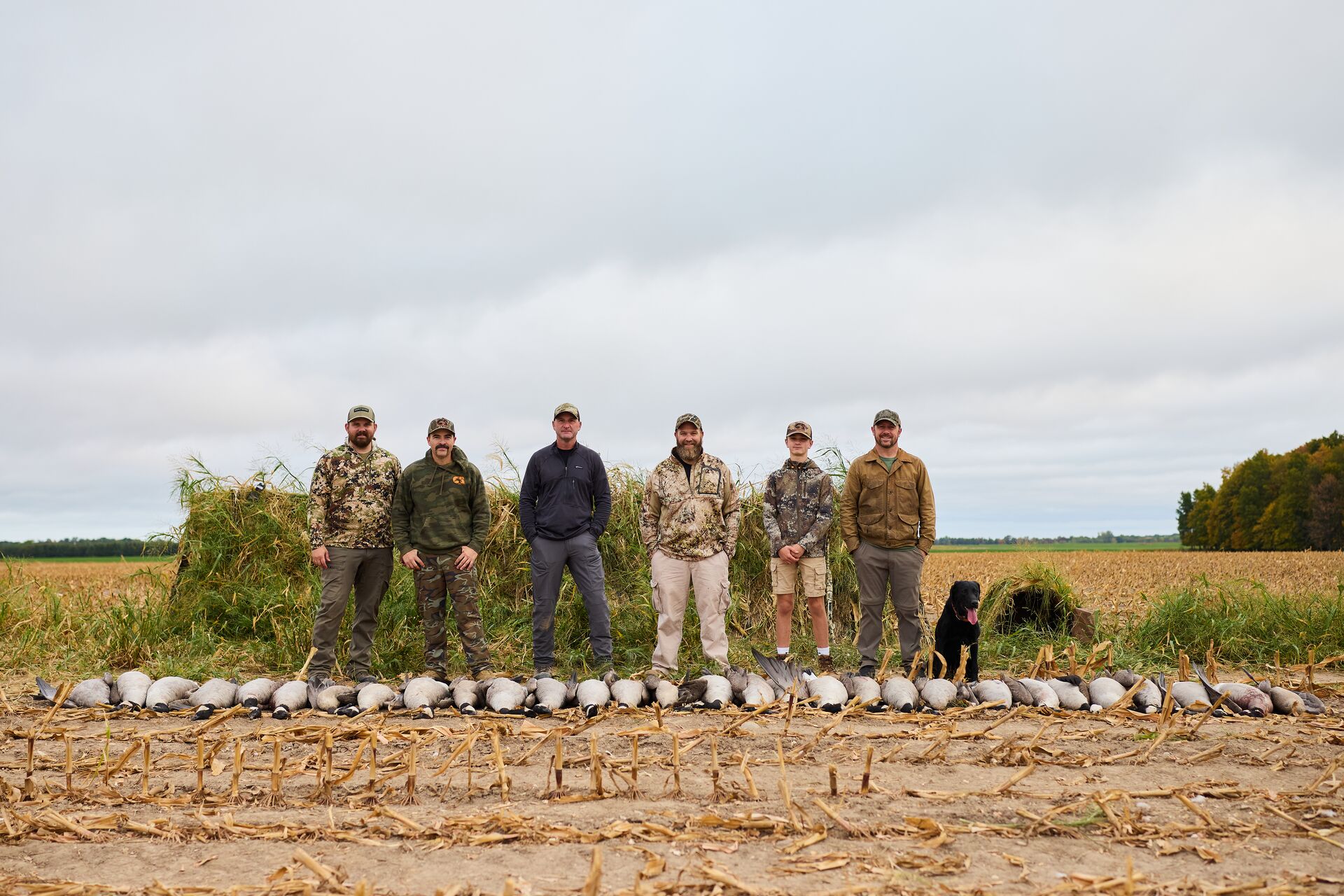
Getting ready for a hunt doesn't have to be overwhelming. I've hunted everything from out-of-state deer camps to quick turkey or upland trips, and every trip improves with preparation. Pack wisely, check your gear, and know your regulations.
The most important thing on your list is making safety second nature. A Hunter-Ed safety course will walk you through firearm rules, ethics, survival tips, and everything else you need to hunt with confidence. Plus, our state-specific courses help you meet your state's requirements for hunter education.

Frequently Asked Questions (FAQs)
We have answers to your questions about how to prepare for a hunting trip!
Q: What do I need for a hunting trip?
A: When packing for a hunting trip, at a minimum, you need a valid hunting license and required tags, your firearm or bow (plus ammo/arrows), blaze orange clothing (where required by law), weather-appropriate clothing and sturdy boots, basic safety gear (first aid kit, knife, flashlight, GPS/compass), and food, water, and any permits for the area. Optional but helpful items include binoculars, a rangefinder, calls, scent control, game bags, and a cooler for transport.
Q: How much does the average hunting trip cost?
A: The cost of a hunting trip varies a lot depending on location and style. A local DIY trip can run $100–$500 (including license, fuel, and basic gear). An out-of-state trip can cost $500–$2,000 (including travel, nonresident license, and lodging). A guided hunt becomes more expensive and can cost $2,000–$10,000+ (for guide fees, lodging, and sometimes meals).
Q: What colors should you not wear while deer hunting?
A: Colors to avoid wearing when hunting deer include white (except when snow camo is appropriate), bright colors like red, blue, or yellow (unless blaze orange is legally required), and solid dark blocks that create a strong silhouette. Stick with camouflage or earth tones that match the terrain, and always wear blaze orange where required for safety.