How to Hunt: A Guide for Beginners
Hunting can feel overwhelming at first. There's so much to learn about gear, regulations, and safety practices. But thousands of beginners start every year, and it's never too late to learn how to hunt.
For many, the biggest challenge is simply knowing where to begin. Should you take a class, buy equipment, or find a mentor first? Understanding what to focus on early will be the difference between frustration and a smooth start.
This beginner-friendly guide breaks down the essentials. You'll learn how to get licensed, practice safely, and develop the skills that lead to fun hunts. By the end, you'll have a clear roadmap to begin hunting responsibly and enjoy your first season.
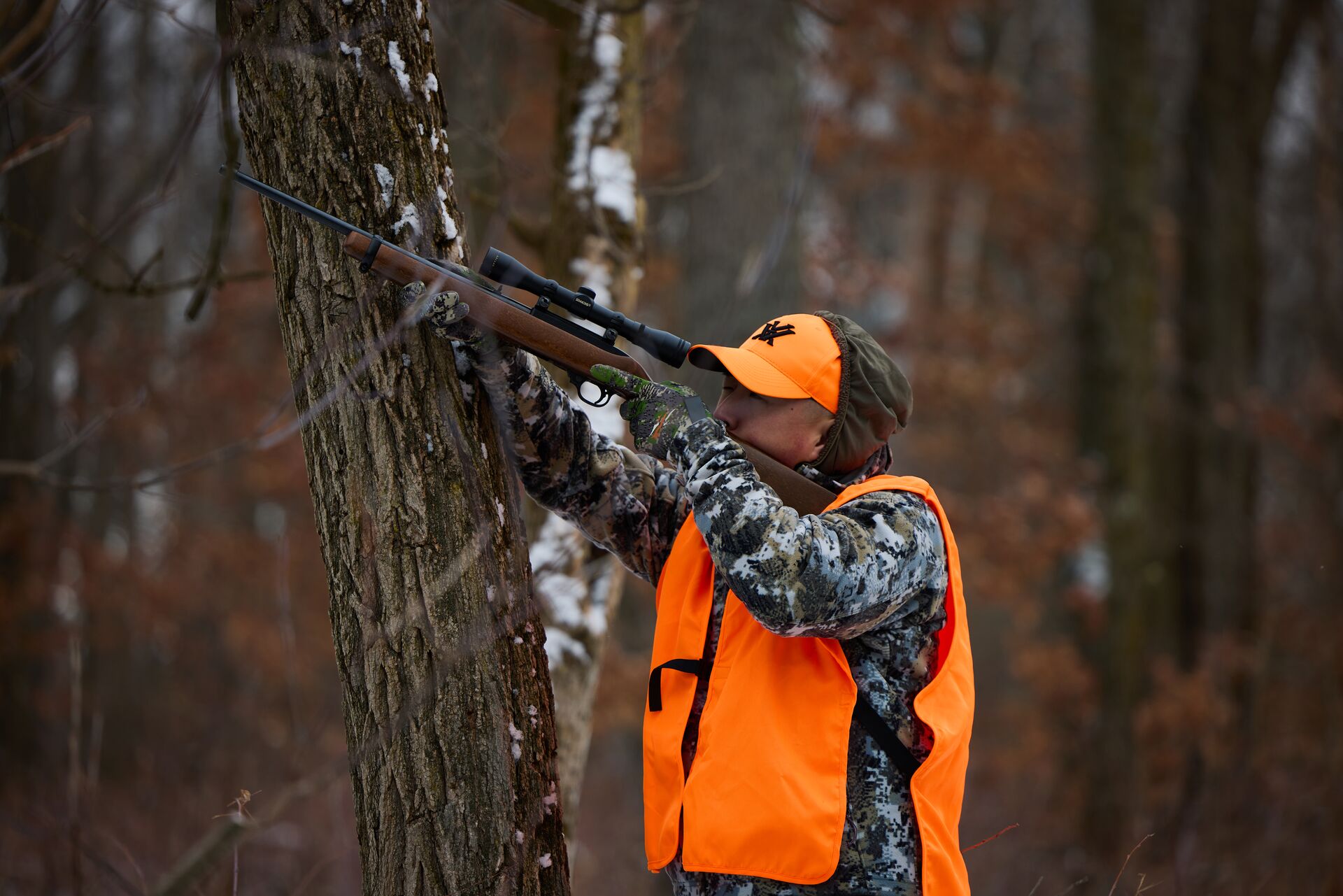
How Do I Start Hunting?
Every new hunter begins with the same foundation: safety, education, and practice. The steps below will guide you through the process.
Take a Hunter Education Course
A hunter education course teaches firearm safety, ethics, and wildlife conservation, including the role responsible hunters play in managing healthy animal populations. Most states require completion of an approved safety course before you can purchase a license.
Get Licensed and Learn Regulations
Understanding local rules, especially licensing, is an essential first step toward becoming a responsible hunter. Take time to learn about your area's hunting seasons, bag limits, and weapon restrictions.
How to Get a Hunting License
Most states require completion of a hunter education course (like the ones we offer here at Hunter-Ed) before buying a license. Then, to find out how to get a hunting license, follow the instructions that apply in your state.
For example, in California, you'll need to complete an online course plus an in-person field day to meet the hunter education requirements before getting your license.
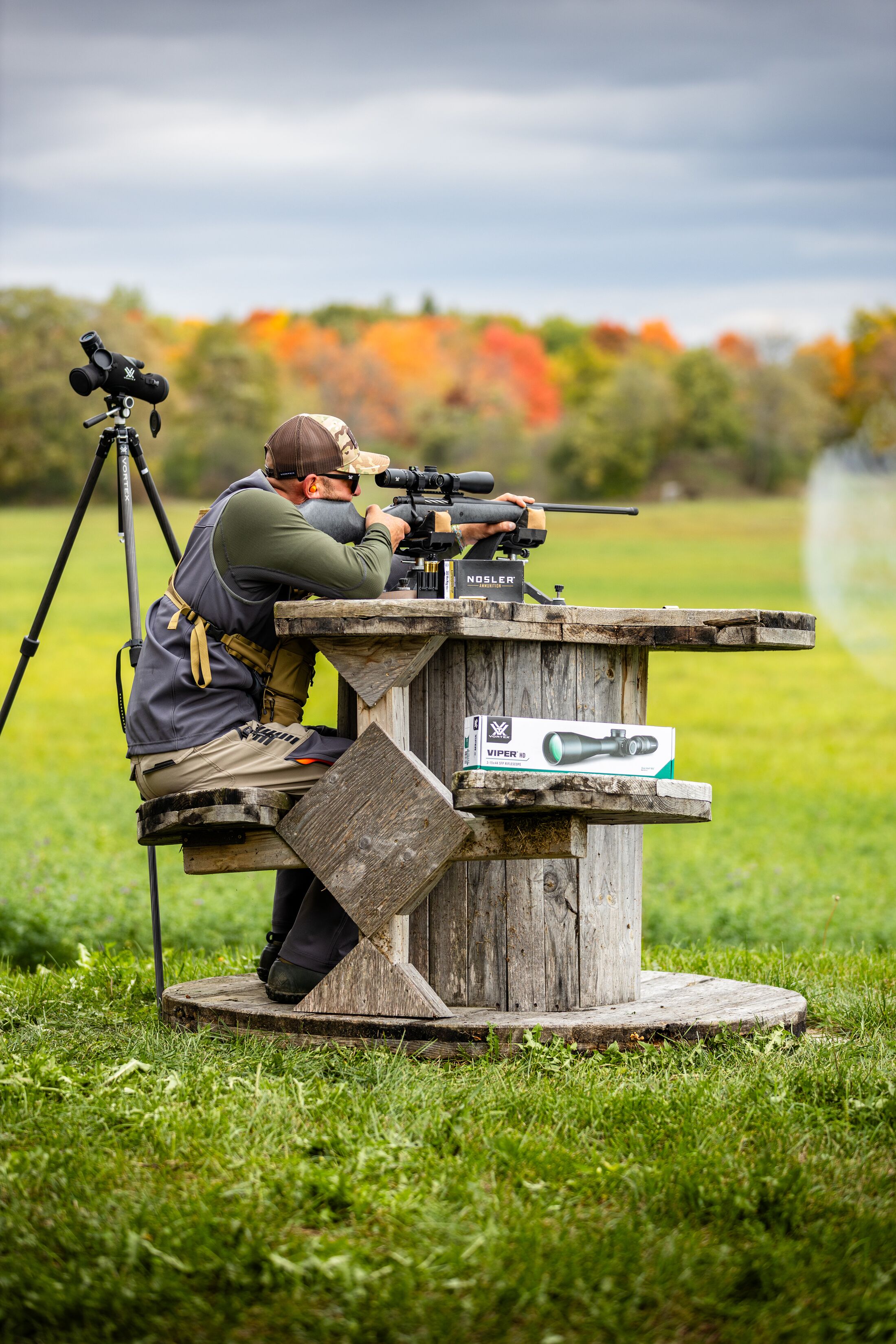
Practice Firearm Safety
Every hunter, whether new or experienced, must prioritize firearm safety. Always treat every firearm as if it's loaded, keep your muzzle pointed in a safe direction, and know your target and what lies beyond it.
Make time to practice regularly at a shooting range. Responsible firearm handling is one thing that separates good hunters from unethical ones.
Practice Bow Safety
If you plan to hunt with a bow, follow the same attention to safety and equipment care. Inspect your bow and arrows for damage before each outing, and replace worn strings or cracked shafts immediately.
Practice year-round to stay proficient, focusing on accuracy and consistency. Many hunters use archery targets that simulate game animals to refine their shooting form and range estimation.
Develop Your Skills
Once you've covered the essentials, it's time to build your abilities. Spend time at the range perfecting your marksmanship, and learn to read animal signs such as tracks, droppings, and feeding patterns.
Choose the Game You Want to Pursue
Starting small is often best.
Learning how to hunt small game such as rabbits or squirrels helps new hunters gain experience with movement, stealth, and quick decision-making. Once you're comfortable, you can move on to larger species such as deer, turkey, or waterfowl.
What Are the 4 C's of Hunting?
Safe and responsible hunters follow the 4 C's of hunting: Careful, Courteous, Considerate, and Capable. These values guide your actions in the field and shape the hunting community's reputation.
- Careful – Follow safety rules and always be aware of your surroundings.
- Courteous – Show respect for landowners, other hunters, and non-hunters.
- Considerate – Share hunting areas fairly and minimize your impact.
- Capable – Be comfortable with the equipment you use and hunt within your limits.
These principles form the foundation of ethical hunting and ongoing success.
What Is the 7-Day Rule for Deer Hunting?
In some states, the seven-day rule means that once you harvest a deer, you must wait seven days before taking another. The rule helps prevent overharvesting and promotes balanced herd management.
Regulations like this vary by region, so always check your state's wildlife agency for details before the season begins. Staying informed is part of being a responsible hunter.
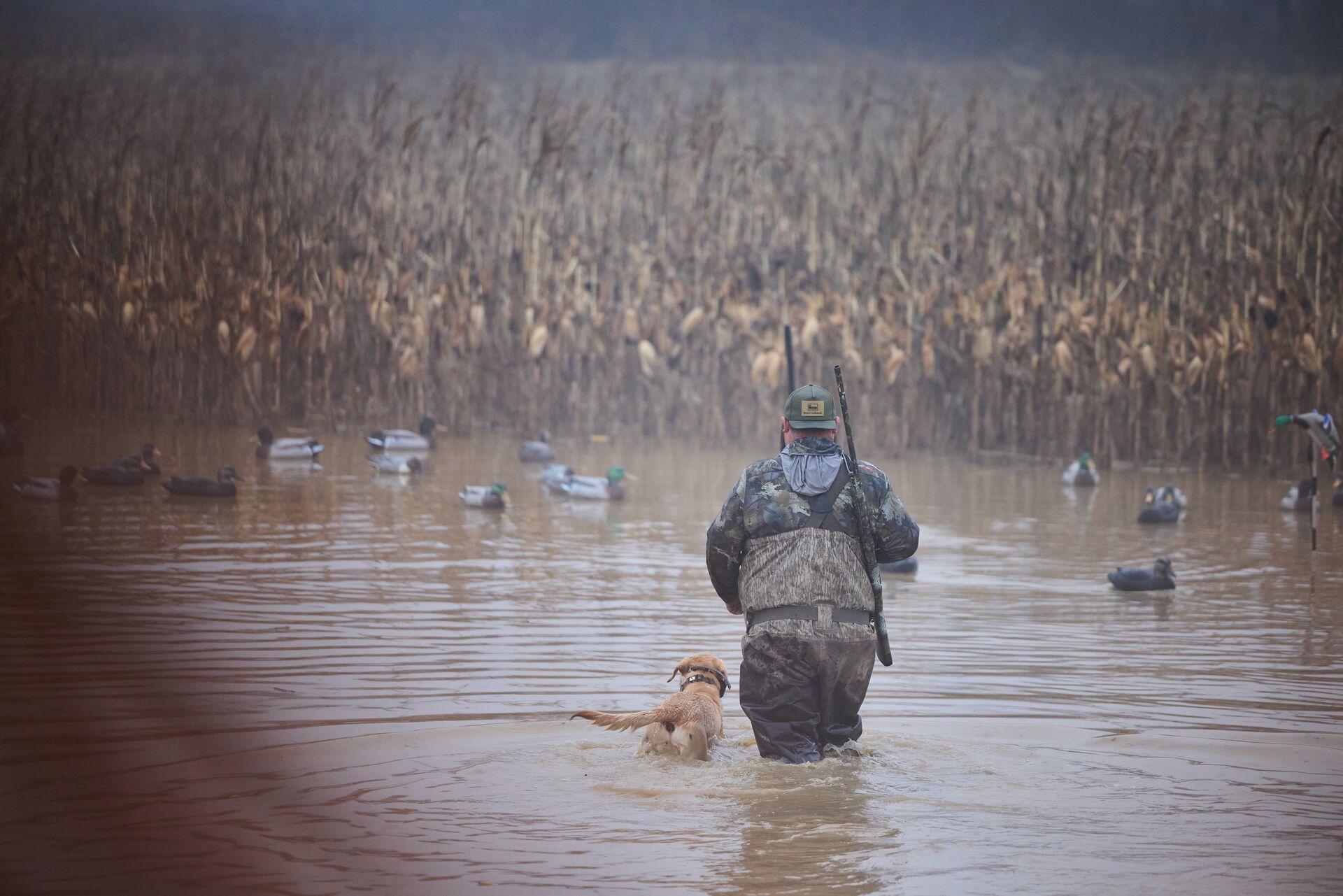
Is Hunting Luck or Skill?
Luck may determine when a deer or duck crosses your path, but skill determines whether you're ready for that moment.
Experienced hunters rely on scouting, patience, and understanding animal behavior. They practice marksmanship and study weather, wind, and scent control to influence success. Research about scent control highlights how skill often outweighs chance in the field.
Tips for New Hunters
Here are a few simple tips for new hunters that help turn experience into consistency.
- Scout before the season starts to locate trails, bedding areas, and feeding sites.
- Practice shooting from realistic hunting positions.
- Check the wind direction and use natural cover to stay concealed.
- Be patient—most hunts require quiet, steady focus.
Luck can help, but skills are what you'll need to see the job through.
The best beginner hunting tips align with this general guidance: Know the hunting basics before you go.
Again, practice regularly with your firearm or bow, then learn animal behavior and scouting techniques.
Focus on patience, movement, and wind direction to stay undetected. Make sure you know field dressing techniques before harvesting a deer.
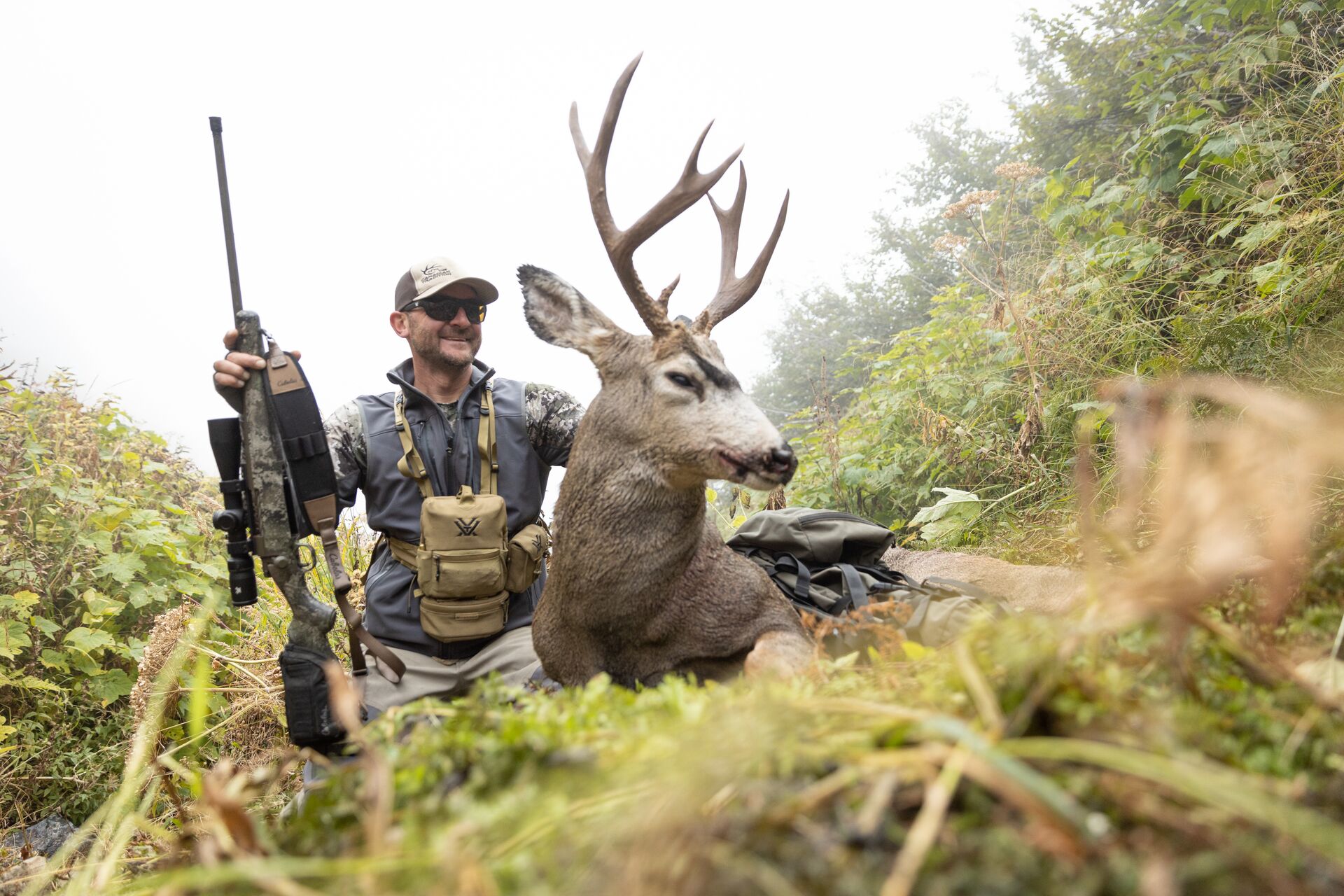
Learn More About How to Hunt with a Hunter Safety Course
Every hunter starts somewhere, and learning never stops. Hunting teaches patience, awareness, and respect for nature as an ongoing process.
Learning how to hunt responsibly starts with education, safety, and preparation. Before you head out for your first hunt, take a hunter education course, understand your local laws, and spend time practicing before the season begins.
Every hunt is an opportunity to learn something new. Be patient, respectful, and learn to love the process itself. Hunter-Ed offers online resources and safety courses to help you gain the skills needed to hunt for years to come.
As you plan ahead for your first hunt, take the Hunter-Ed course for your state so you're safety certified and can get your hunting license.
You'll also gain access to Hunter Perks, our exclusive free resources for students! We want to support you as you build your skills and hunt for many years to come. Hunter Perks delivers ongoing support through videos, articles, gear discounts, discounts on additional hunter courses, and more!

Frequently Asked Questions (FAQs)
We have answers to your questions about how to hunt!
Q: How do I start hunting?
A: Begin by taking a hunter education course, getting the proper licenses, learning local hunting laws, and practicing with your firearm or bow. Start with an experienced mentor if possible.
Q: What are the 4 C's of hunting?
A: The 4 C’s are Careful, Courteous, Considerate, and Capable. These are guidelines for safe, respectful, and responsible hunting behavior.
Q: What is the 7-day rule for deer hunting?
A: The “7-day rule” usually refers to regulations that limit hunters from using bait or other attractants within seven days before hunting in an area. Always check your state’s specific rules.
Q: Is hunting luck or skill?
A: Many hunters will say it's both. Luck can help you encounter game, but consistent success comes from skill, patience, knowledge of wildlife, and good preparation.
Take the Hunter-Ed course for your state so you're safety certified and can get your hunting license in time for hunting season!