How to Find Deer Bedding Areas (and Why)
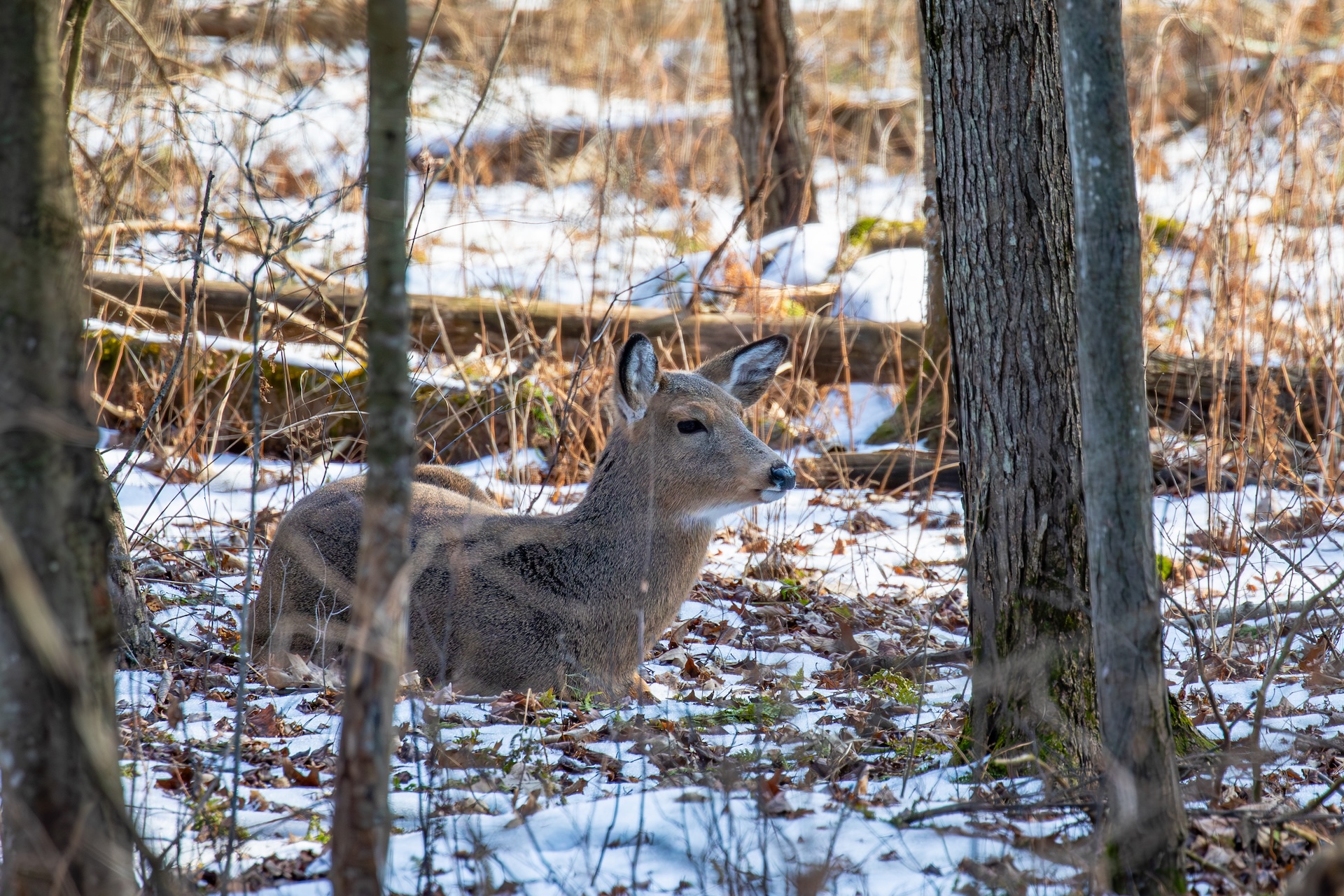
To understand deer behavior and how they move, you'll first need to understand deer bedding areas. The trick is knowing how to find where a deer beds.
Beds are where whitetails spend much of their time during daylight hours. Knowing how to find bedding not only helps you predict deer travel but also allows you to plan smarter hunts.
Let's look at where deer bed, how to identify bedding areas on maps, what signs to look for when scouting, and how to set up between beds and food sources to kill bigger bucks.
Where Do Deer Bed?
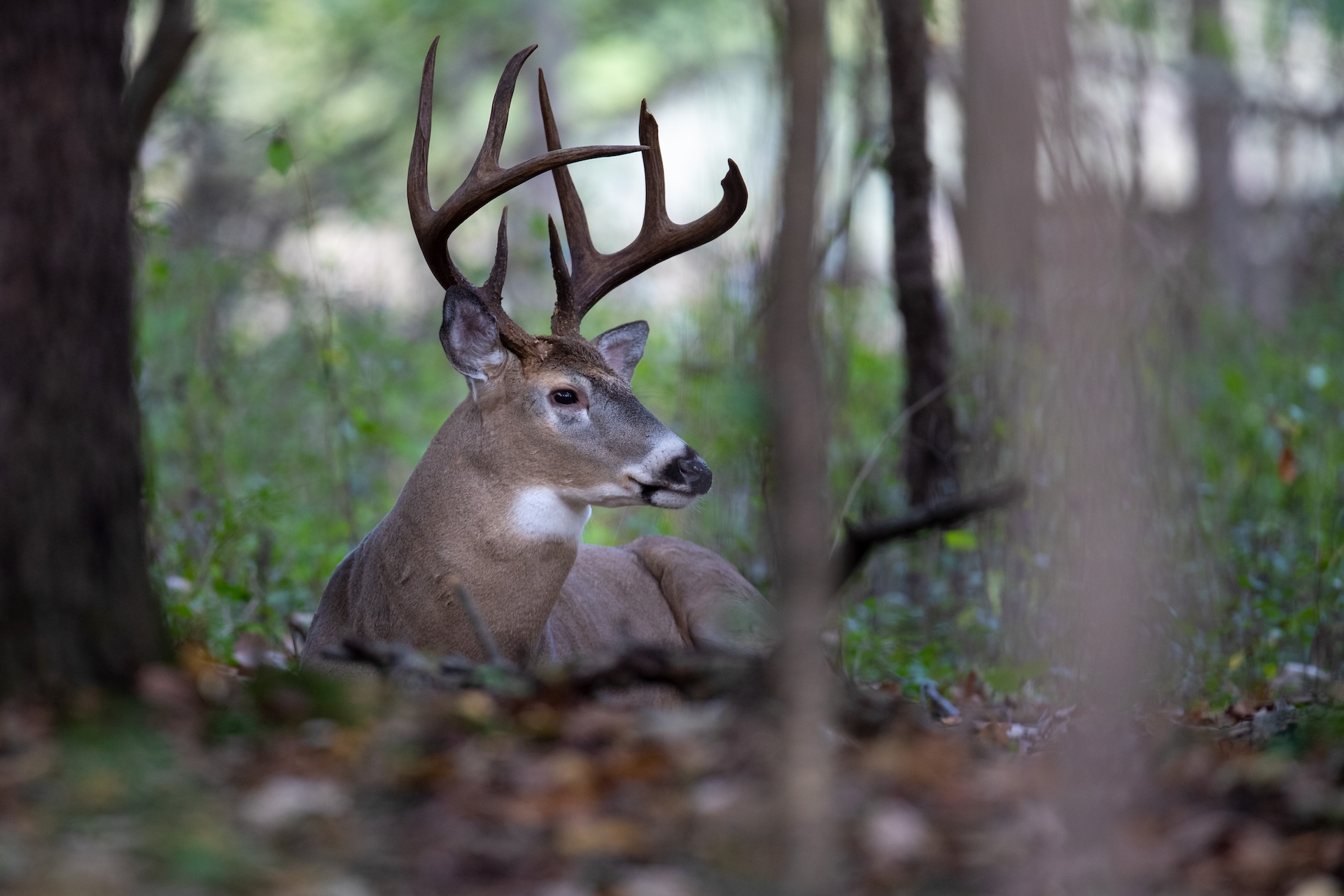
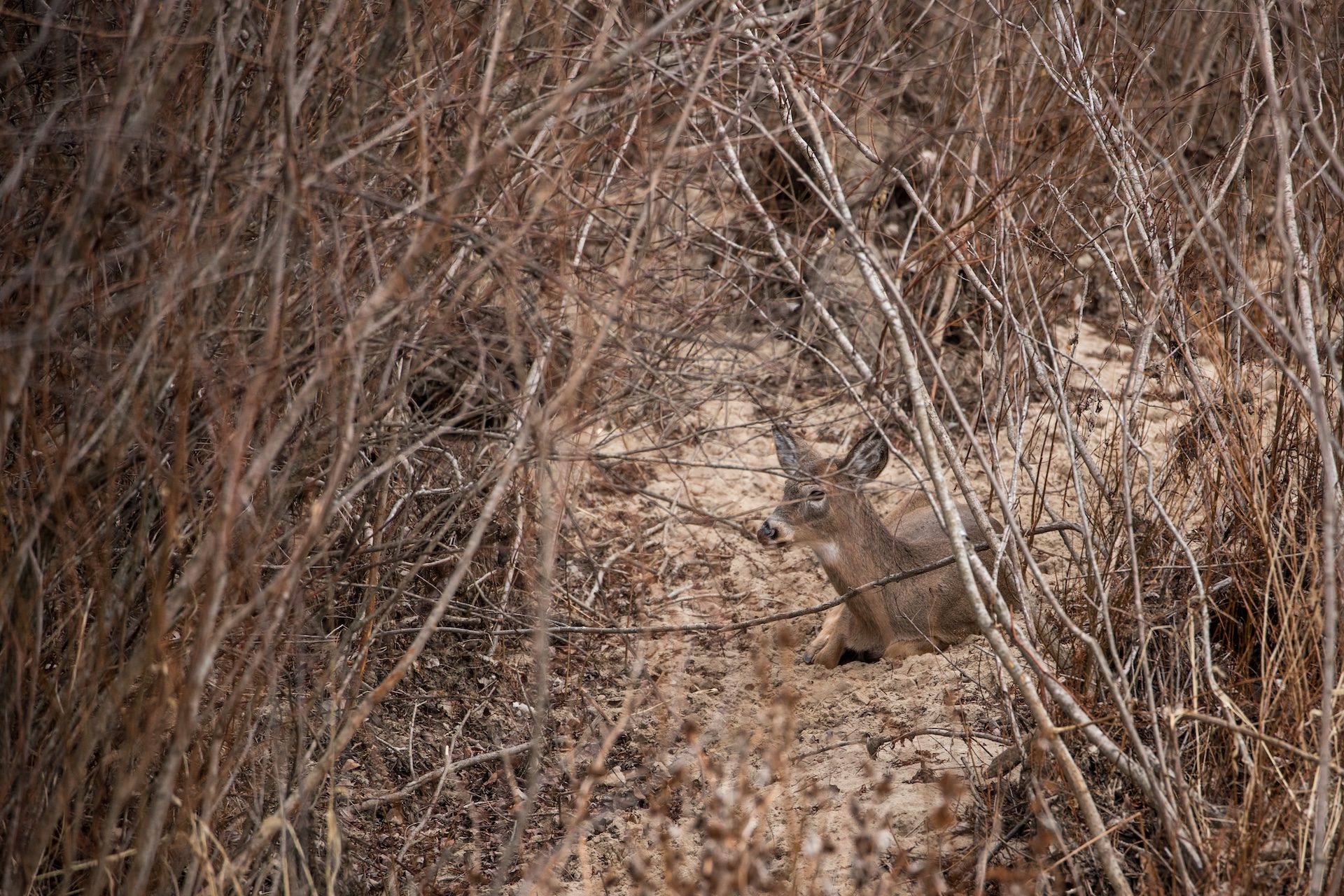
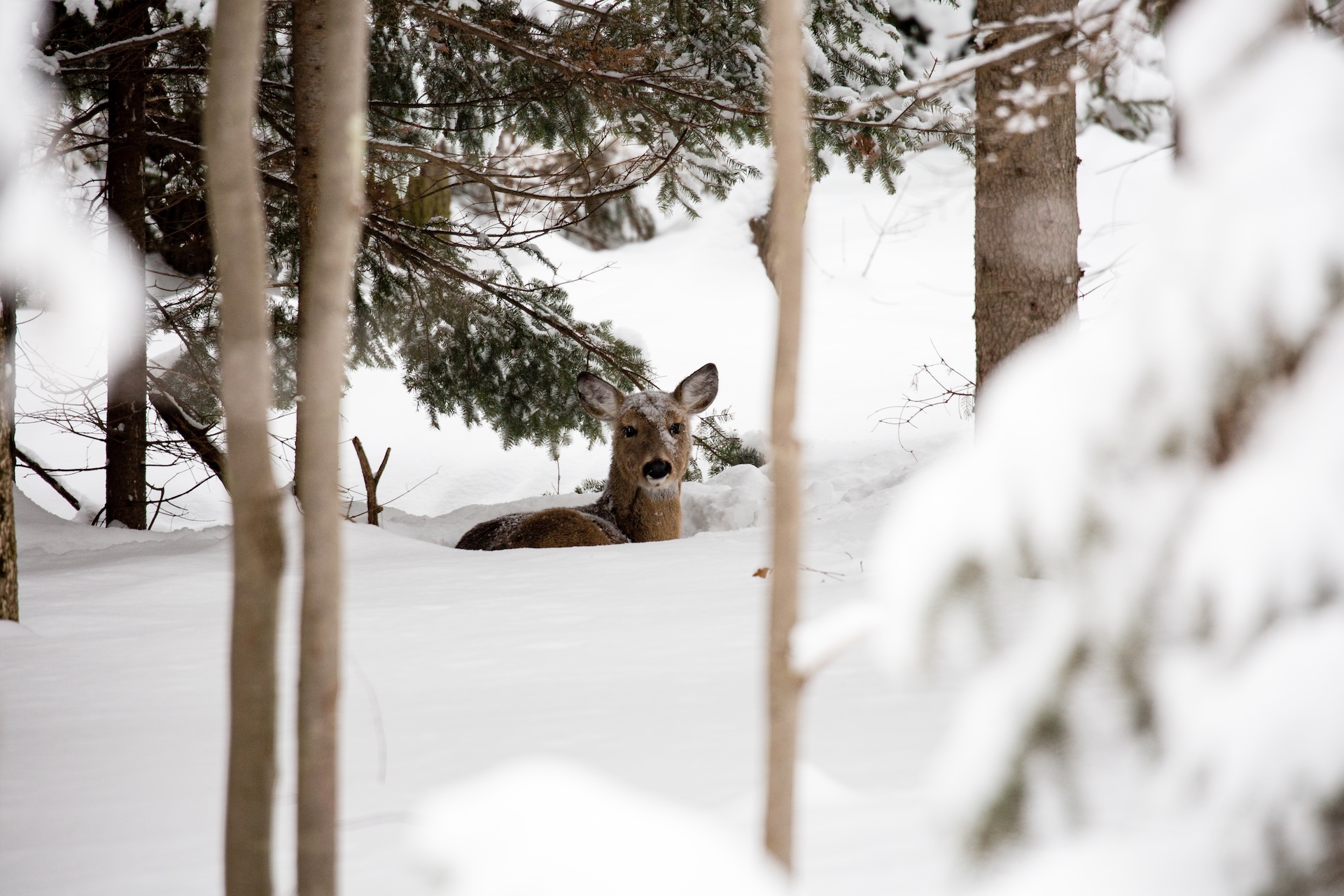
Deer typically bed in locations that give them security and an advantage over predators. They seek out cover such as thick brush, tall grass, pine thickets, and the edges of wooded areas. You'll usually find beds on elevated terrain where deer can see approaching danger and use the wind to their benefit.
Bedding sites are typically located near food and water, but not directly over these resources. When I'm preseason scouting in my area of the southeast US, I tend to find them in tall grass near food sources, particularly where pines meet blowdowns and cutdowns. That general principle holds almost anywhere.
Learn to Spot Where Buck Bedding is vs. Doe Bedding Areas
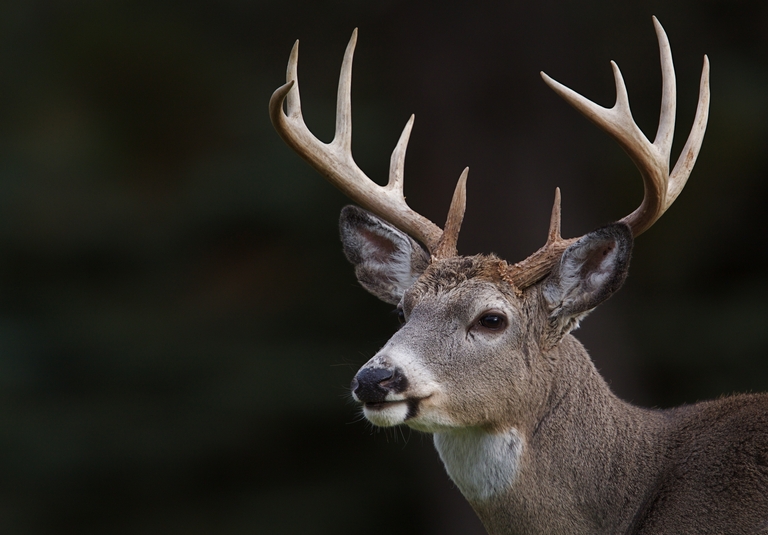
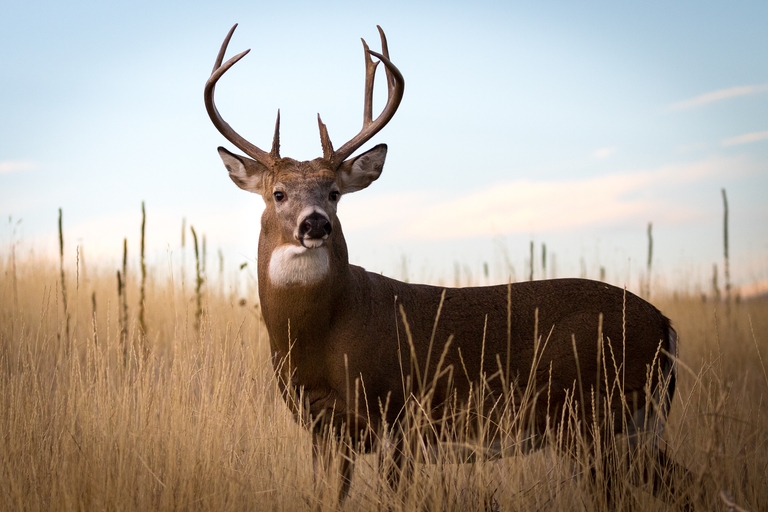
You'll often notice differences between doe bedding and buck bedding. Does tend to bed in groups, leaving several worn-down spots close together, while bucks usually bed alone in more secluded, harder-to-reach areas near a point.
How Do I Find Deer Bedding Areas on a Map?
Maps are one of the most powerful tools for identifying bedding before you step into the woods.
Using a hunting app with mapping layers like HuntWise, use aerial images to look for thick cover, such as swamp edges, overgrown clear-cuts, or dense areas of briars and thickets. The transition zones between dense cover and open fields often hold bedding activity.
Use Pictures of Deer Bedding Areas
Topo maps reveal the routes deer take. Deer prefer ridgelines, points, and benches where they can bed with a view. Focus on leeward slopes, which give shelter from prevailing winds.
Study pictures of deer bedding areas in guidebooks or online to compare what you see on maps with real-world examples. This practice helps you visualize how deer use terrain features to their advantage.
What are the Signs of a Bedding Area?
When you're scouting on the ground, look for physical evidence that deer use a site repeatedly.
The following signs often indicate bedding activity:
- Oval-shaped depressions in grass, leaves, or dirt that match the size of a deer's body.
- Concentrated droppings and tracks near the beds, showing frequent use.
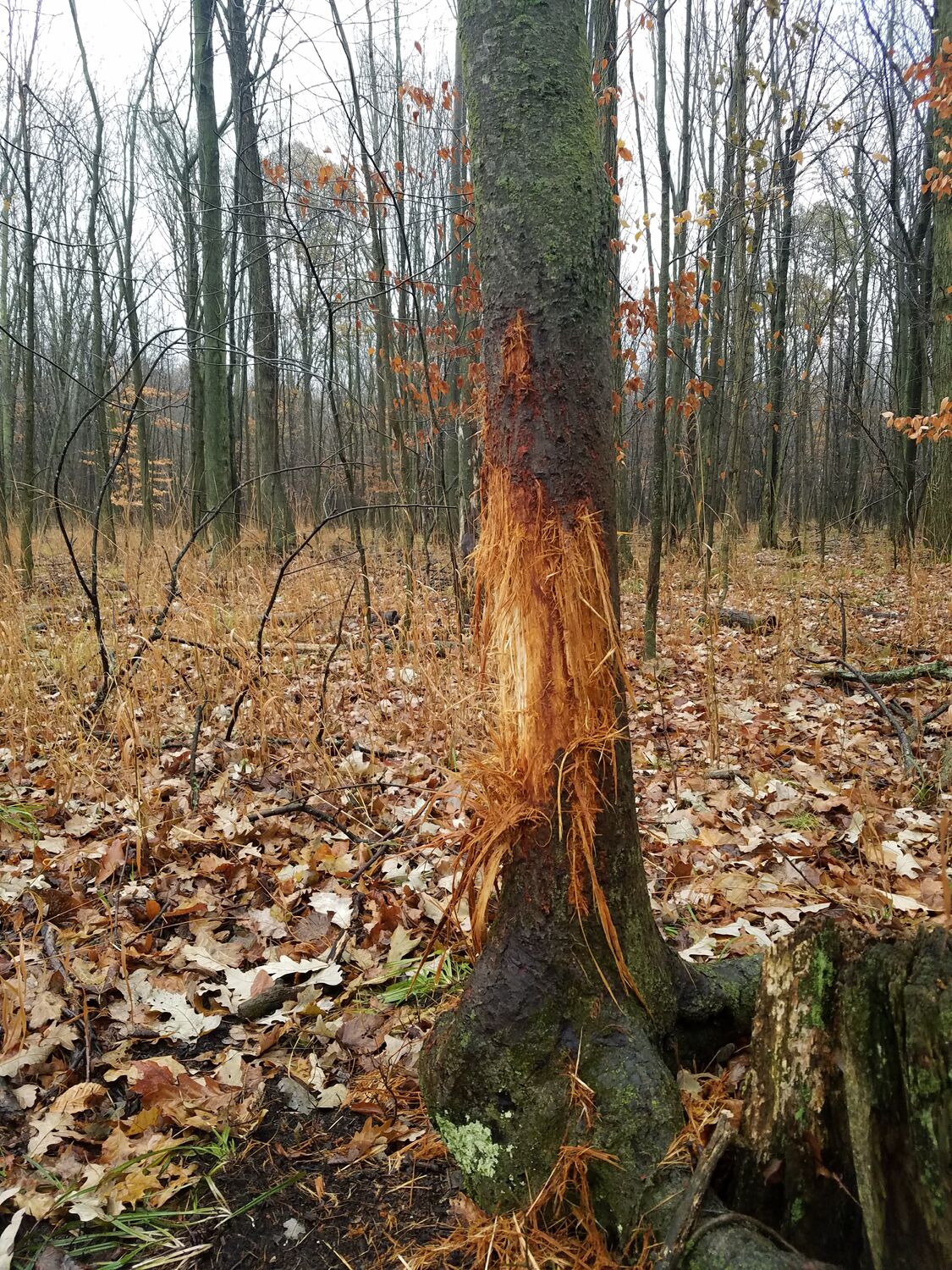
- Rubs and broken branches where bucks have shed velvet or marked territory.
- Matted vegetation or worn-down ground from deer lying in the same spot.
- Clusters of beds together that usually signal doe bedding.
- Single, isolated beds that often point to buck bedding.
By piecing these clues together, you can have confidence that a location is an actual bedding area for deer and should factor into your hunting plans.
Why is it Important for Hunters to Find Bedding Areas?
Deer bedding areas form the center of a deer's daily routine. Most whitetails bed during the day and travel to feed in the evenings, returning by morning. By identifying where bedding occurs, you can begin to predict the routes deer take to and from food sources.
This knowledge allows for strategic stand placement. By setting up near travel corridors or staging areas between food and bedding, hunters increase their odds of catching deer during daylight movement. Mature bucks, in particular, are tied to secure bedding spots and may not travel far from them during legal shooting hours.
How to Plan a Hunt with Bedding Areas in Mind
One of the biggest mistakes hunters make is walking directly into bedding cover. Instead, you'll want to focus on hunting the trails that connect bedding areas to food and water sources.
If you find a bed, back out the way you came, without touching anything. Look for trees dropping or other food at least 150 yards away. Set up along that corridor and take advantage of predictable deer movement without spooking animals from their beds.
How to Hunt Bedding Areas
Timing matters when considering how to hunt bedding areas. During morning hunts, positioning closer to the bedding area makes sense, as deer are returning from nighttime feeding. In the evenings, stands along outbound trails toward food sources are more productive.
Watch your wind and remember that you need to approach from downwind if you want to foot a buck's supernatural nose. Plan a strategy that involves rotating stands and limiting pressure around bedding zones to keep deer comfortable in their core areas.
Learn More Hunting and Safety Tips with Hunter Education
Finding and understanding deer bedding areas is really one of the first things you need to become skilled at if you want to pursue mature bucks. Bedding near food is the primary driver of deer behavior, and once you learn to identify where and why deer bed, you'll gain insight into their movement patterns and daily routines.
Studying maps, looking for sign in the field, and planning stand locations helps you hunt more effectively and responsibly. Pairing these skills with a Hunter-Ed safety course ensures you're ready to go after mature bucks successfully. Plus, most states require hunters to take a hunter safety course before getting into the field.
Make sure you're ready before the season starts (or ends)!
Plan a safe and legal hunt by taking the Hunter-Ed course for your state.
Frequently Asked Questions (FAQs)
We have answers to your questions about deer bedding areas and hunting!