How Much Does a Kansas Hunting License Cost?
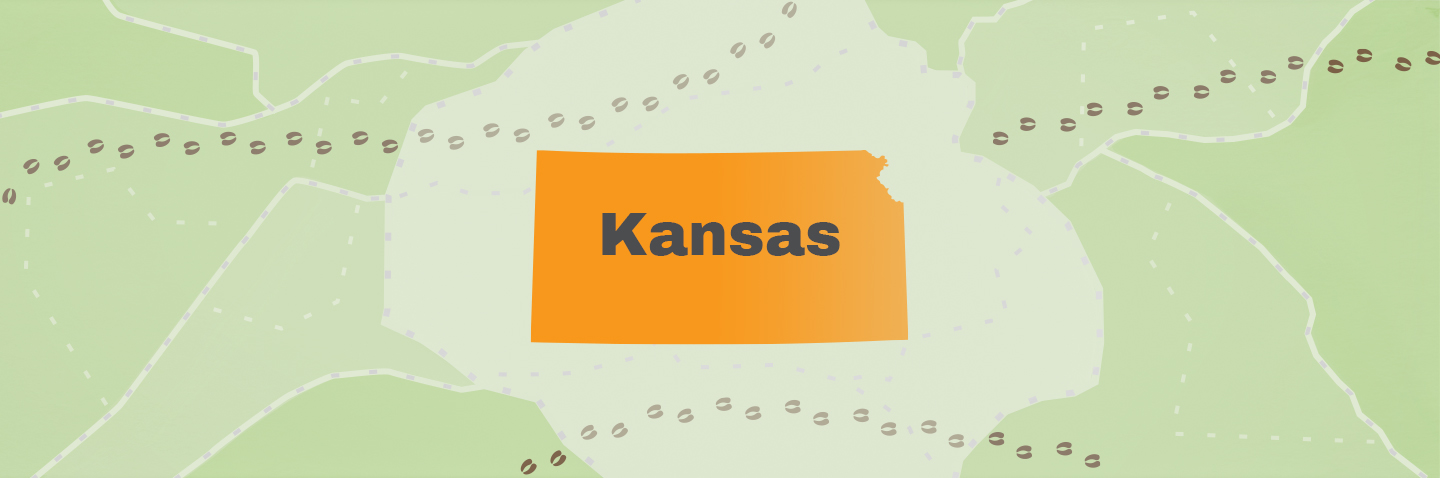
A Kansas hunting license costs $27.50 a year for residents and $127.50 a year for non-residents, according to the Kansas Department of Wildlife and Parks (KDWP). That base license covers most small game and furbearers, but deer, turkey, elk, and antelope all require separate permits purchased on top of it, and several of those run through a limited draw rather than an over-the-counter sale.
Kansas runs its license on a 365-day cycle from the date of purchase rather than a fixed calendar year, which is different from how most neighboring states handle renewal. That means your personal renewal date depends entirely on when you bought your last license, not on the calendar.
Once you add a deer permit, a turkey tag, or a waterfowl stamp, the total cost of a Kansas season can climb well past the base license price, especially for non-residents chasing whitetail. Here's how the costs for a Kansas hunting license break down.
How Much Does a Kansas Hunting License Cost?
Kansas keeps its base license simple and affordable, but hunters have a few paths to choose from depending on age, residency, and whether they want to try hunting before committing to a full license.
Common Kansas Hunting License Fees | ||
| License Type | Resident | Non-Resident |
| Annual Hunting License | $27.50 | $127.50 |
| 5-Year Hunting License | $100.00 | Not available |
| Senior Resident License (ages 65–74) | $15.00 | Not available |
| Apprentice License (up to 2 purchases) | $27.50 | $127.50 |
| Youth License (ages 15 and younger) | Not required | $42.50 |
Kansas residents under 16 need no hunting license at all, and residents 75 and older are permanently exempt as well.
The Apprentice License costs the same as a standard license but lets first-time hunters try the sport under adult supervision before completing hunter education, and it can only be purchased twice per hunter.
Required Stamps and Permits
A Kansas hunting license alone doesn't cover deer, turkey, elk, or antelope. You'll need to add the right permit for whatever you're hunting, and several of the non-resident options only come through a spring draw.
Kansas Hunting Permits and Stamps | |
| Item | Cost |
| Resident Deer Permit (archery or muzzleloader, over-the-counter) | $40.00 |
| Resident Deer Permit (firearm, limited draw) | $50.00 |
| Non-Resident White-tailed Deer Permit (limited draw, includes application fee) | $477.50 |
| Non-Resident Antlerless-Only Deer Permit (over-the-counter) | $50.00 |
| Resident Turkey Permit (most units, over-the-counter) | $25.00 |
| Non-Resident Turkey Permit (limited draw) | $85.00 |
| Kansas Waterfowl Stamp | $8.00 |
| Federal Duck Stamp | $29.00 |
Elk and antelope permits also exist for Kansas hunts, but both are limited-draw and largely restricted to residents. Most hunters won't budget for them the way they would a deer or turkey tag.
The Harvest Information Program (HIP) permit required for migratory bird hunting is free, though a small agent fee applies at checkout on every purchase above.
Youth and Discounted Licenses
Kansas offers a few ways to bring down costs for younger and older hunters.
- Senior Resident License (ages 65–74): Priced at $15 a year, a steep discount from the standard $27.50 resident license.
- Youth Multi-Year Hunting License (ages 16–20): A single $40 purchase that stays valid through December 31 of the year the holder turns 21, instead of buying a new license every season.
- Free licenses for qualifying residents: KDWP waives the license fee entirely for disabled veterans, active Kansas National Guard members, and enrolled tribal members who apply directly through the agency.
These options can meaningfully lower the cost of getting a young hunter started or keeping a longtime resident hunter in the field.
What Is a Kansas Hunting License?
A Kansas hunting license is the legal document issued by KDWP that allows you to take wildlife in the state. It comes in several forms, including:
- The standard resident or non-resident annual license
- A discounted Senior Resident license for ages 65 to 74
- A Resident or Non-Resident Apprentice license that lets new hunters try the sport before completing hunter education
Remember: The license is separate from your hunter education certification.
The certification proves you completed an approved safety course, and once earned, it's valid for life. The license itself, by contrast, runs on a 365-day cycle from the purchase date and must be bought again each year to keep hunting.
Who Needs a Kansas Hunting License?
Kansas residents age 16 through 74, and non-residents of any age, need a hunting license to legally take wildlife in the state. A few exemptions apply beyond age, including residents hunting on their own land (or land owned by an immediate family member) and residents leasing agricultural land they farm themselves.
For the full breakdown of license types and current fees, KDWP's hunting license fee schedule lays out every option in detail.
What Are the Requirements to Get a License?
Before buying a license, most Kansas hunters need to clear the state's hunter education requirement. Anyone born on or after July 1, 1957, must complete an approved hunter education course before hunting in Kansas on land other than their own, unless they're using one of the state's apprentice license options instead.
The course covers:
- Firearm and archery safety
- Wildlife identification and conservation
- Kansas-specific hunting laws and ethics
Kansas splits its field day requirement by age and format.
- Hunters 18 and older can complete a free English-language course online through KDWP's NRA partnership with no field day
- Residents 16 and older can do the same in Spanish through Hunter-Ed.
- Younger hunters, or anyone who prefers a classroom setting, complete a Traditional in-person course or a Hybrid course that pairs the online material with a short in-person field day.
The Hunter-Ed Kansas course is one KDWP-approved option for hunters 16 and older who want the fully online, no-field-day path.

How to Get a Kansas Hunting License
Getting licensed in Kansas is flexible thanks to the apprentice license option, which lets new hunters try the sport before committing to hunter education.
- Complete an approved hunter education course if you were born on or after July 1, 1957, unless you're using an apprentice license.
- Choose your license type: standard resident or non-resident, Senior Resident, or an Apprentice license.
- Purchase your license online through GoOutdoorsKansas.gov, by phone, at a KDWP office, or through a licensed vendor.
- Add species-specific permits, such as a deer, turkey, elk, or antelope permit, several of which run through a limited draw.
- Add any required stamps, such as the Kansas Waterfowl Stamp or Federal Duck Stamp, if you're hunting migratory birds.
- Carry your license, hunter education certification if required, and any permits any time you're in the field.
You can purchase your hunting license directly through KDWP, including online, phone, and in-person methods at licensed vendors and KDWP offices statewide.
Why It's Important to Have a Hunting License
Buying a Kansas hunting license does more than keep you legal in the field.
- Legal Compliance: Hunting without a valid license or permit is a citable violation under Kansas law and can lead to fines that cost more than getting licensed correctly from the start.
- Wildlife Conservation Funding: License and permit revenue funds KDWP's work managing deer, turkey, elk, and waterfowl populations statewide.
- Population Management: Kansas's draw system for non-resident deer and limited turkey units gives KDWP the harvest data needed to keep herds balanced across management units.
- Ethical Hunting: A license ties every hunt to a defined season and unit, keeping the sport fair and sustainable for everyone afield.
- Public Land Access: License revenue helps support the Walk-In Hunting Area program, which opens over a million acres of private land to public hunting each year.
Costs and rules vary by unit and species, so it's worth checking current season dates and bag limits before you finalize your plans. And because hunting license costs and requirements vary widely by state, it's worth confirming Kansas's specific rules even if you've hunted elsewhere.

Ready to Hunt in Kansas? Get Your Hunter Safety Certification and Hunting License
A Kansas hunting license is one of the more affordable base licenses in the country, but the real cost depends on what you're hunting, since deer and turkey both require separate permits and non-resident deer tags run through a competitive spring draw. Whether you're getting a young hunter started with the $40 multi-year license or applying for a non-resident deer permit, knowing the full fee breakdown ahead of time means no surprises at checkout.
Complete your hunter education course if it applies to you, then purchase the license fits your plans, and you'll be ready for opening day.
Frequently Asked Questions (FAQs)
Q: Is the Kansas hunting license fee a one-time payment?
A: No, a Kansas hunting license expires 365 days after purchase and must be bought again to keep hunting, regardless of the calendar date. The hunter education course, on the other hand, is a one-time requirement, and certification never expires once earned.
Q: Are there discounts for Kansas hunting licenses?
A: Yes, Kansas offers a $15 Senior Resident license for ages 65 to 74, a $40 Youth Multi-Year Hunting License that covers ages 16 through 20 in a single purchase, and free licenses for qualifying disabled veterans, National Guard members, and enrolled tribal members. Documentation requirements vary by program, so check KDWP's licensing page before assuming you qualify.
Q: How much does a non-resident hunting license cost in Kansas?
A: A non-resident annual Kansas hunting license costs $127.50 for hunters 16 and older, while non-residents 15 and younger pay $42.50. Both prices are separate from any species-specific permits, such as the deer or turkey permit.
Q: Does a Kansas hunting license expire on a fixed date?
A: No, a Kansas hunting license runs on a rolling 365-day cycle from the date you buy it rather than a fixed calendar year. That means two hunters who buy licenses on different dates will have different renewal dates, unlike states that expire every license on the same day.
Q: How much does a Kansas deer permit cost?
A: In Kansas, a resident archery or muzzleloader deer permit costs $40 over the counter, while a resident firearm permit costs $50 through a limited draw. Non-resident white-tailed deer permits cost $477.50 including the application fee and are only available through a competitive spring draw.
Q: How much does the Kansas hunter education course cost?
A: Kansas's hunter education course is free for residents, either through KDWP's English-language NRA-partnered course for ages 18 and up or Hunter-Ed's Spanish-language course for residents 16 and older. Hunters who prefer an in-person format can also take the free Traditional or Hybrid course, which includes a short field day.