Coyote vs Wolf: How to Know Before You Shoot
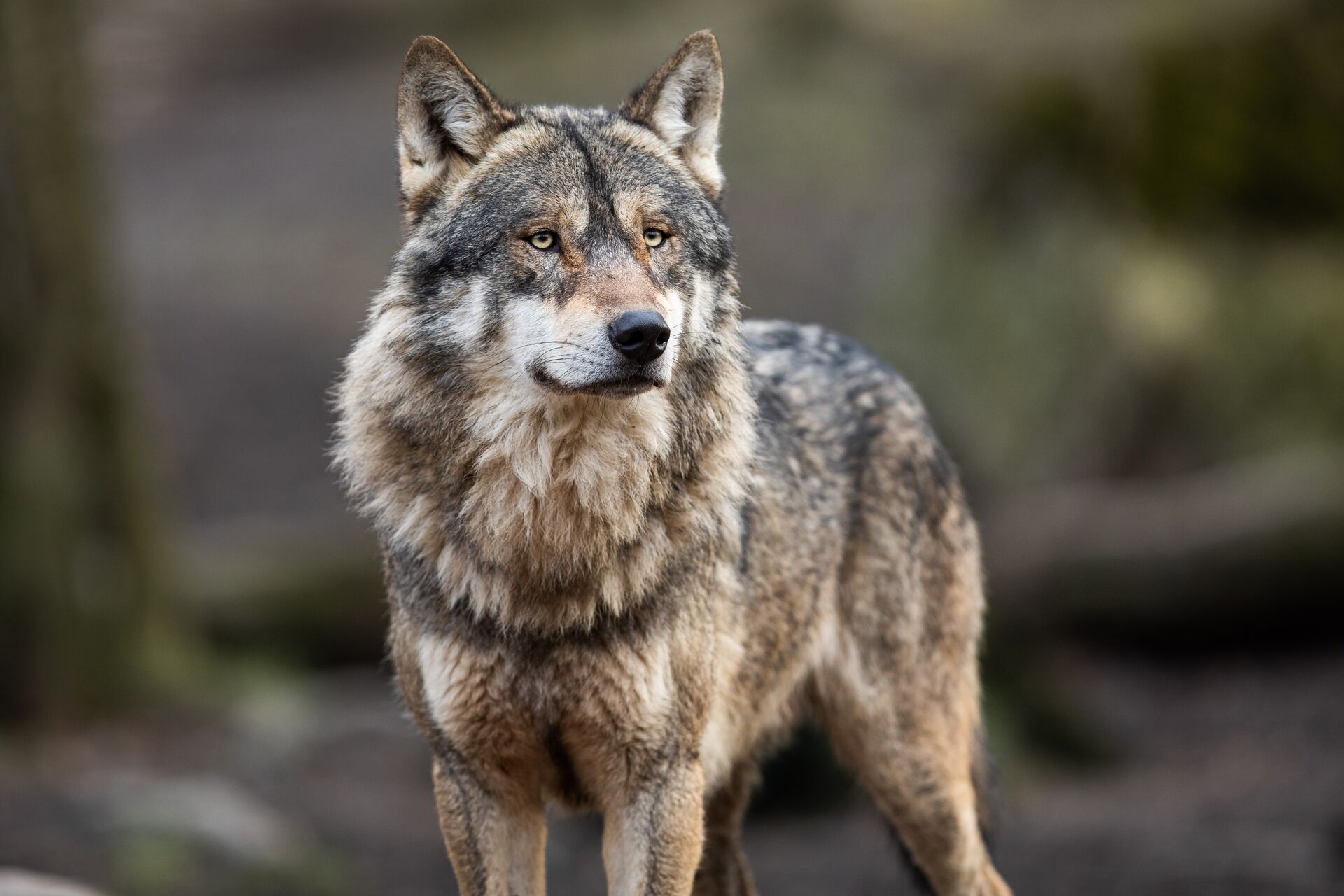
Identifying any game in challenging conditions is one of the hardest things to do while hunting. This is especially true of canines in the wild.
Distinguishing a coyote vs wolf can be tricky, and mistaking one for the other can have legal, moral, and safety implications—especially since wolves are protected by law in many areas.
Today, we'll help you navigate the main differences between coyotes and wolves and what gear to bring on your hunt so you're well-prepared.
Updated March 10, 2026
What Are the Key Physical Traits of Coyotes and Wolves?
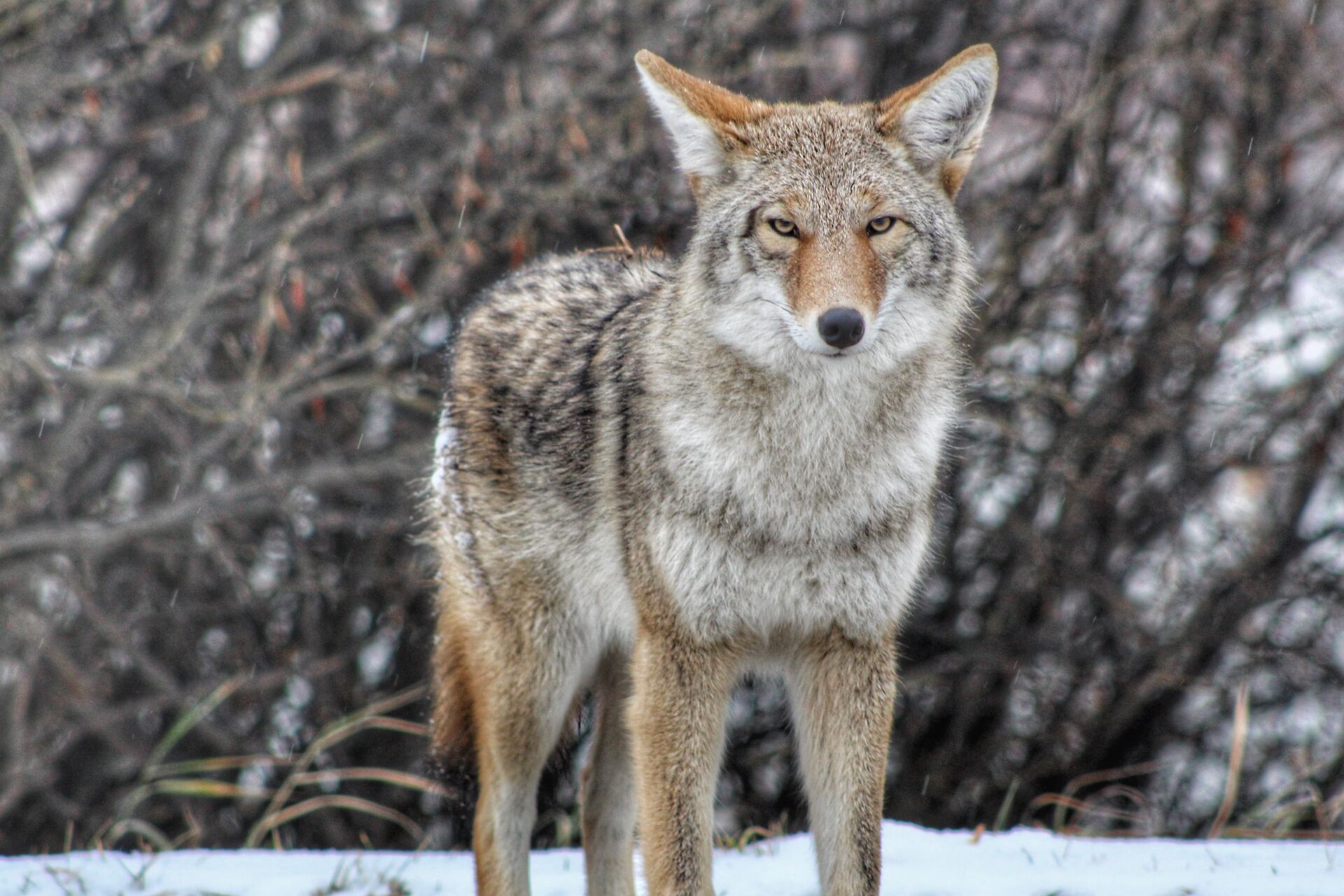
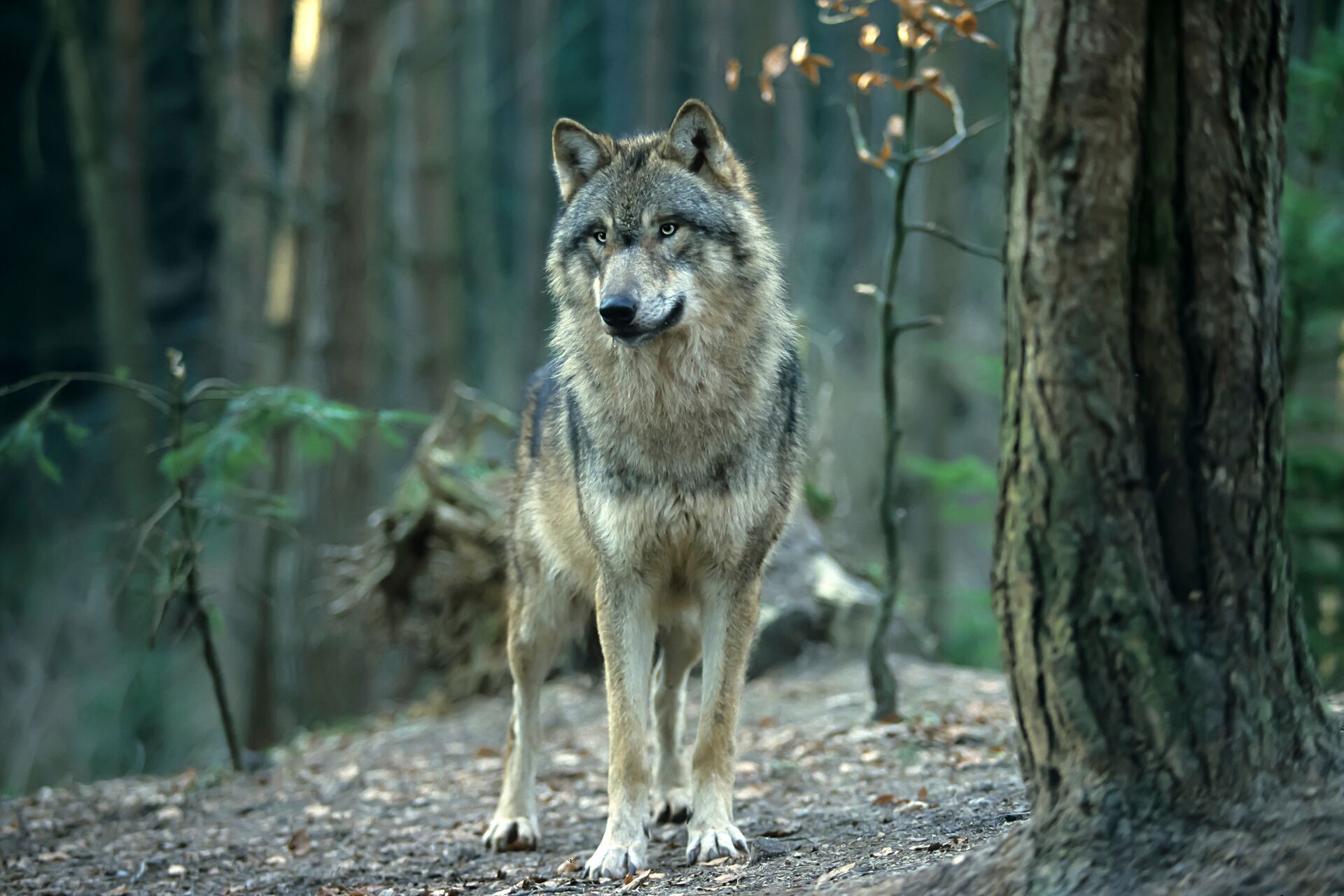
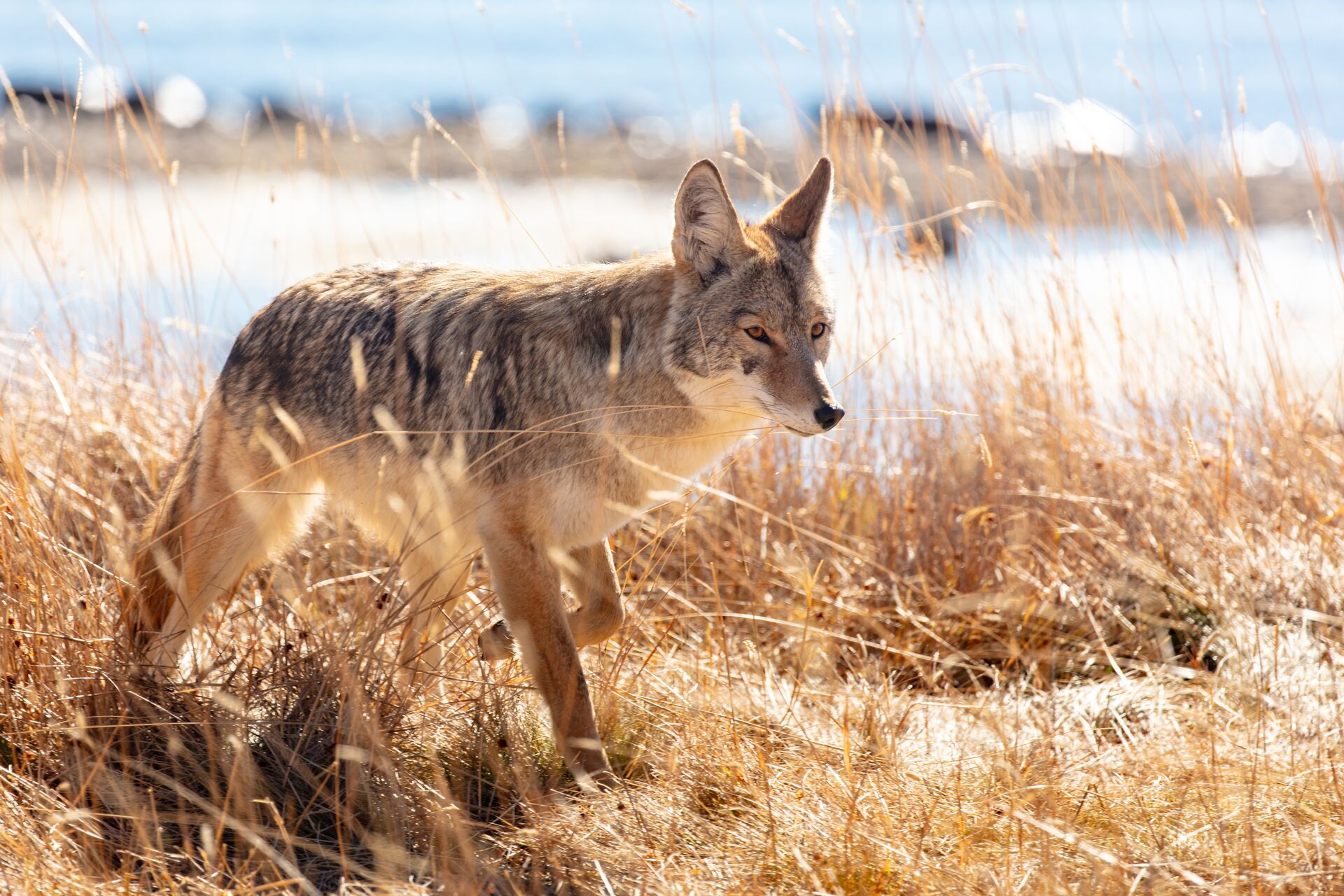
The first step toward knowing the difference between these two species is learning how to identify them visually. Knowing the differences in coyote size vs wolf and a few other features can help.
Physical characteristics that help spot differences between coyotes and wolves include:
- Size: Are coyotes smaller than wolves? Yes, wolves are significantly larger than coyotes. Adult wolves are between 70 and 150 pounds, while coyotes are 20–50 pounds.
- Facial Features: Wolves have broader snouts (muzzles) and larger nose pads than coyotes, giving their faces a fierce appearance. Coyotes have comparatively elongated facial features with prominent ears that stand out.
- Chest and Build: A wolf's broad chest contrasts with a coyote's narrow, tapered body. This difference is particularly noticeable when observing them side by side.
- Tails: Coyotes have longer tails that hang down, while a wolf's tail is shorter and bushier.
True to their reputations, wolves will appear powerful, and coyotes appear wiry.
Spotting the Coat and Fur Differences
The differences in fur between wolves and coyotes reflect their environmental adaptations. Fur is another key feature of knowing the difference between coyote and wolf.
Here are two key insights into these differences:
- Fur Density: Wolves have thick fur that provides insulation in colder climates. It's very thick around their necks and shoulders. Coyotes, in comparison, have thin fur better suited for milder conditions.
- Color Variations: Wolves have gray, black, and white coats, depending on their subspecies and region. However, coyotes have more consistent coloring, with tan or grayish-brown fur that has a salt-and-pepper pattern.
Be sure to know the differences in your region. Depending on where you hunt, these animals can have different colored fur.
Behavioral Traits to Distinguish Coyotes from Wolves
Aside from physical characteristics, behaviors offer vital clues.
Coyotes are agile, with an unmistakable walk that looks a bit like prancing. In contrast, wolves possess a purposeful stride, reflecting their size and power.
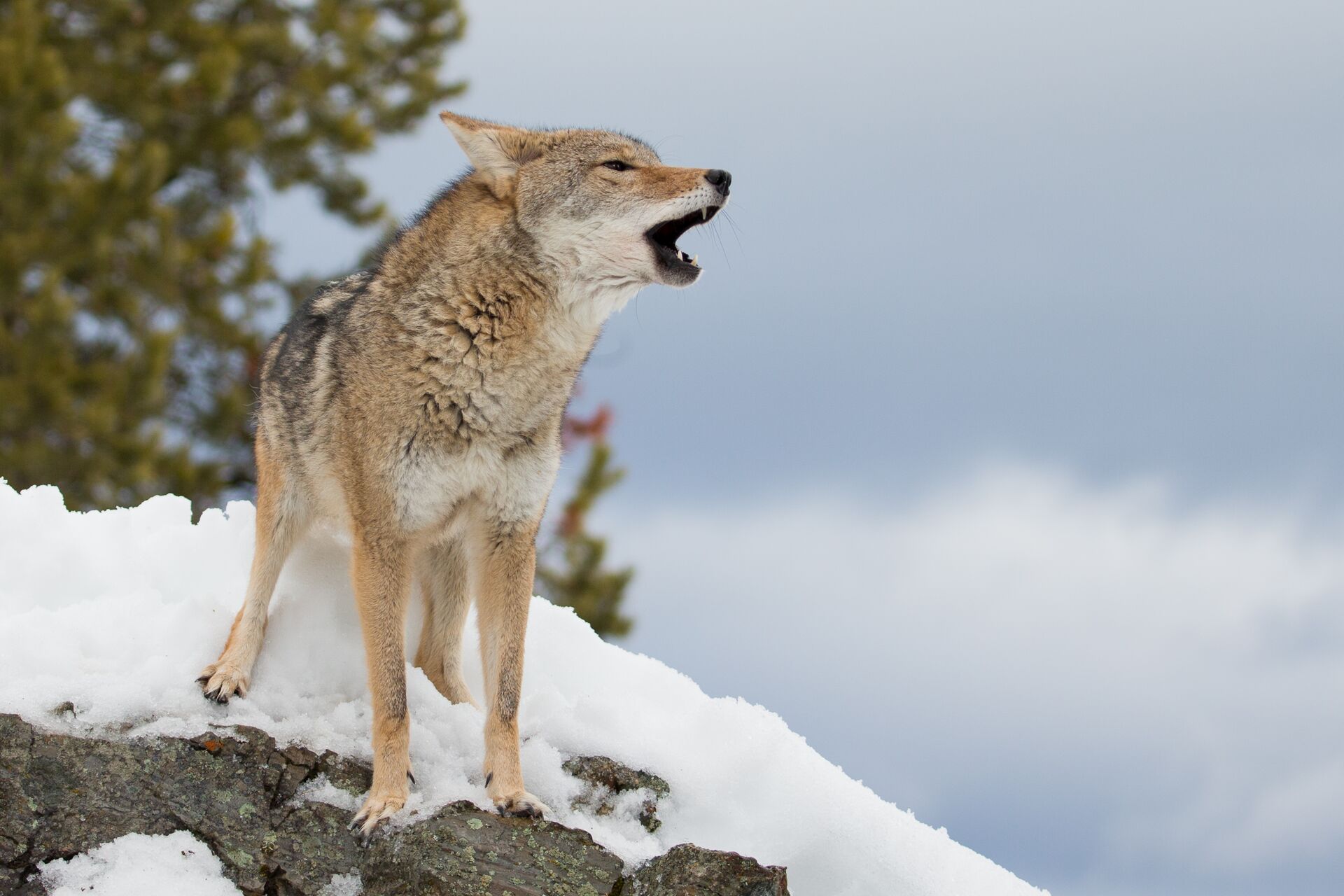
How do they sound? Wolves are known for their deep, resonant howls that carry over long distances. Coyotes will instead make high-pitched yips, barks, and short howls.
Knowing the differences by sight and ear can confirm the species absent from the other indicators mentioned.
Pack vs No Packs
You've probably heard the term "wolf pack." It comes from typical wolf behavior where they hunt in packs (i.e., several wolves together), especially when targeting large prey, like elk or deer.
In contrast, coyotes do not exhibit this type of pack behavior. You're more likely to find them hunting alone or in pairs, going after smaller prey like rodents and rabbits. They also scavenge after other predators leave a kill behind.
Habitat and Range Overlap
Would you ever actually run into a coyote and a wolf in the same terrain? It's possible!
However, habitat and range differences between coyotes and wolves are another clue in understanding the differences between a coyote vs wolf.
Wolves typically inhabit remote wilderness areas, preferring forests, tundras, and mountain ranges far from human activity. However, a coyote's adaptability is its largest strength. They can thrive in various environments, even cities. This adaptability makes coyotes more common where wolves won't go.
In regions where wolf populations are recovering or expanding, their territories sometimes overlap with a coyote's. This happens near the Rocky Mountains, Great Lakes region, and parts of the Pacific Northwest.
You'll have to be extra cautious and knowledgeable about local wildlife regulations there to ensure proper identification. While wolf and coyote areas sometimes overlap, each has preferred environments that can help you spot one from the other.

Tracks and Scat: Clues from the Ground
If visual identification is difficult, looking at tracks and scat can provide additional evidence to differentiate coyotes from wolves.
What's the difference between coyote tracks vs wolf tracks?
Wolf tracks are significantly larger, measuring 4–5 inches long, compared to the compact 2-inch coyote tracks. Additionally, wolf tracks will be in a longer stride due to their size.
Knowing coyote vs. wolf scat is also helpful. Wolf scat is larger, with visible remains of fur and bones, and a strong odor due to their diet. Coyote scat is generally smaller, with a less pungent smell.

Local clubs and meetups let you talk with other hunters in your area to find out what makes up the bulk of the predator diets in your area and how that can impact scat sizes and smells.
Legal and Ethical Considerations
Wolves are federally protected animals. Hunting or trapping coyotes without proper permits can result in heavy fines and legal penalties.
However, coyotes are nuisance animals in most states, which means fewer restrictions in most cases.
Remember: Laws vary from state to state. It's your responsibility and no one else's, so remember—it's up to you to be informed to stay compliant.
Mistaking a wolf for a coyote will have legal repercussions and significant impacts on conservation efforts for wolves. Whether hunting coyotes in the spring or throughout the year, studying the differences ensures you're hunting legally and ethically.
Using Technology to Assist with Identification for Coyote vs Wolf
I find that tools like optics and trail cameras give me an edge when trying to outsmart predators. They are smart, so you need every edge you can get.
Optics: Enhancing Observation
High-quality binoculars or spotting scopes let you observe from a safe distance.
- Binoculars: These are ideal for scanning large areas and pinpointing details like ear shape or gait.
- Spotting Scopes: Provide enhanced magnification and make confirming features like snout shape or tail length easier.
- Advanced Features: Night vision and infrared-mounted scopes are particularly helpful during low-light conditions when coyotes and wolves are most active.
Spotting predators isn't easy, but technology narrows the gap.
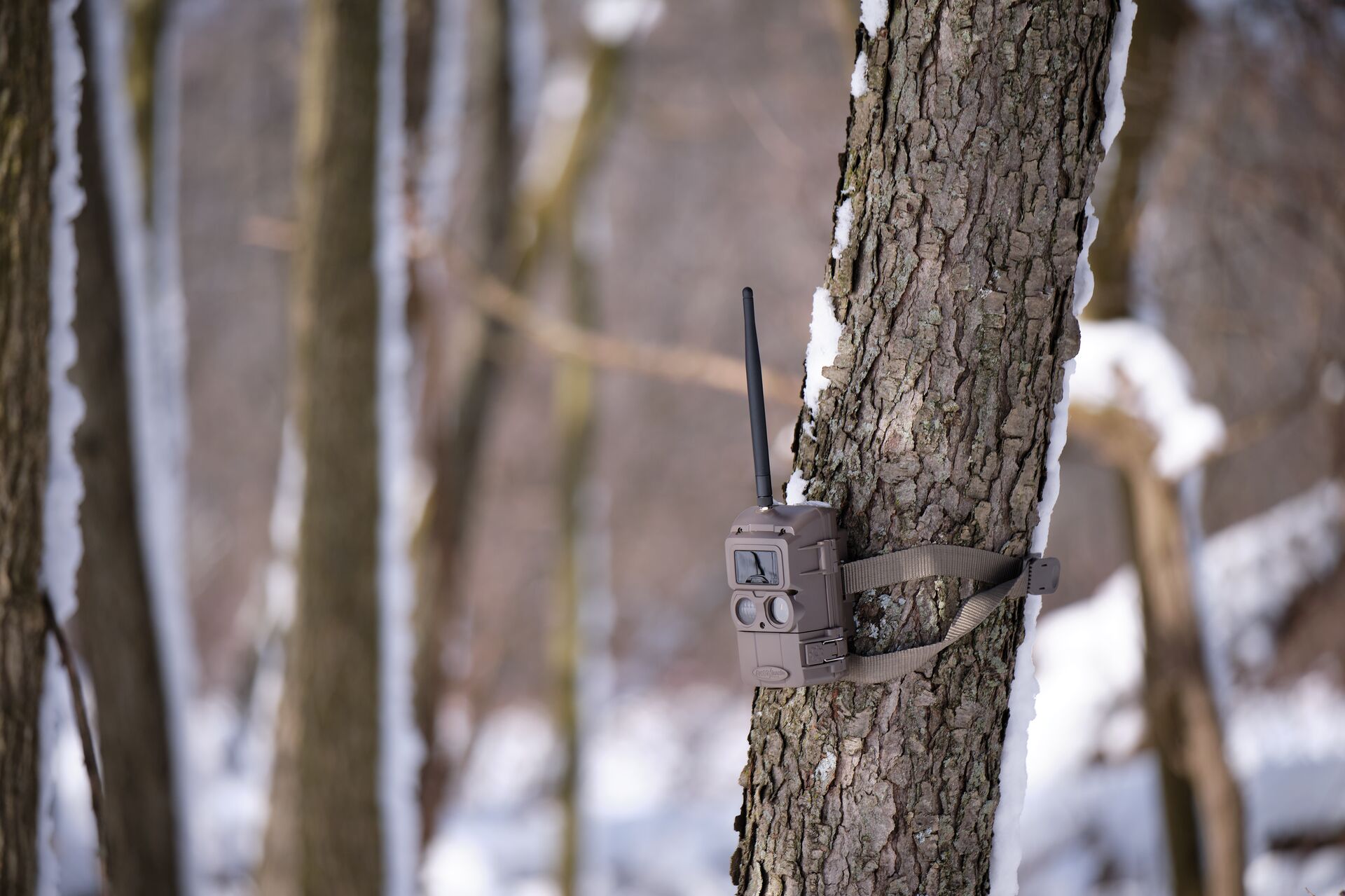
Trail Cameras: Documenting Local Wildlife
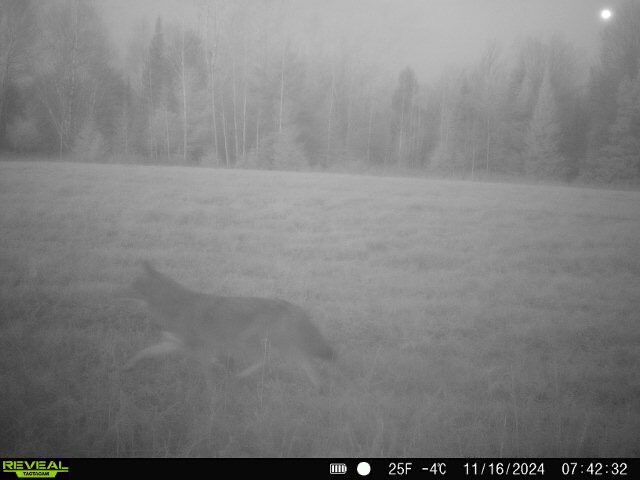
For pre-scouting, setting up cameras makes it easier to know which animals are in what area. Since coyotes and wolves exhibit different movement patterns and social behaviors, trail camera footage helps you make a proper species ID before the hunt.
Patterning with cameras is important if you want to be where the predators are.
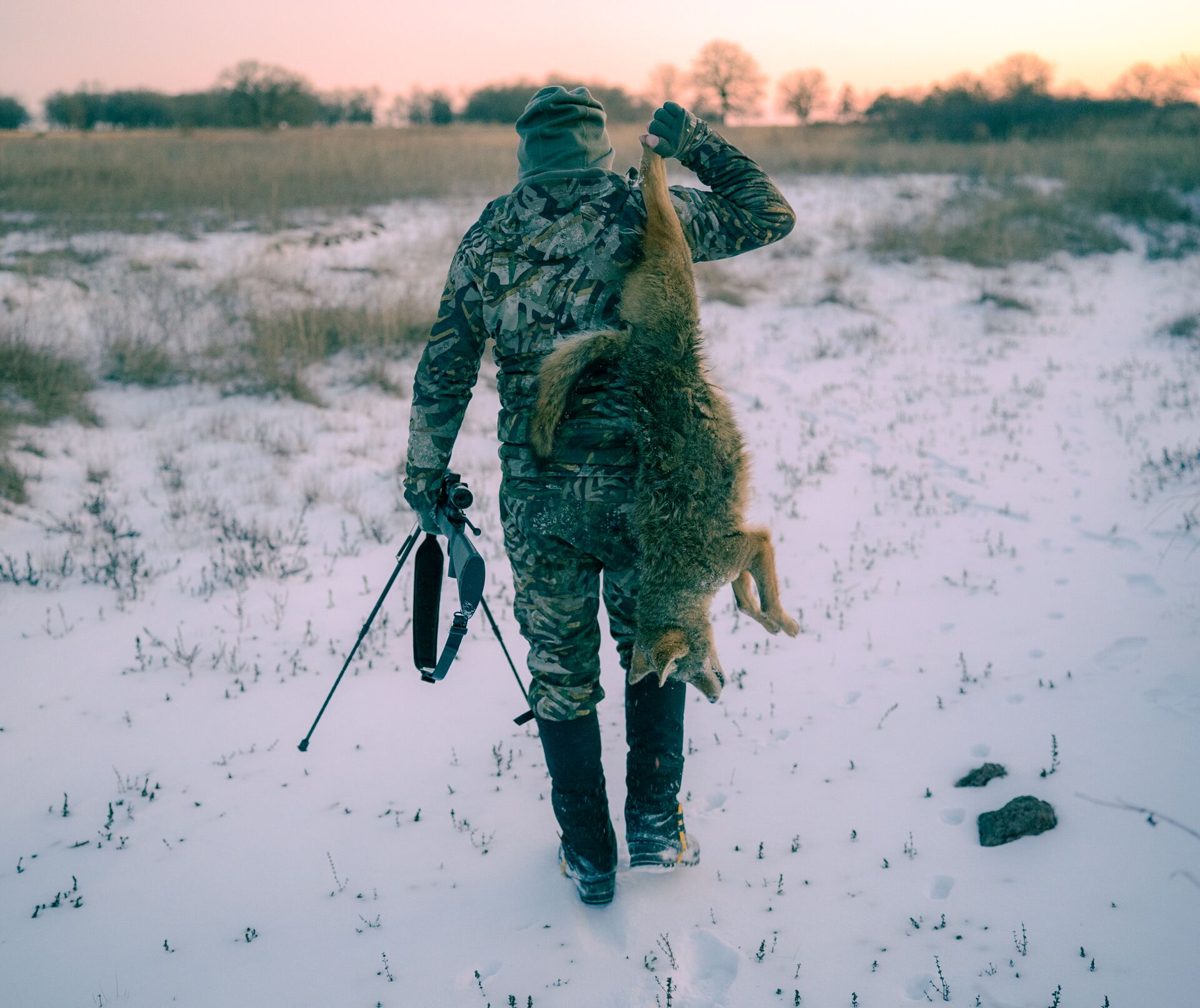
Take the Hunter Safety Course for Your State Before a Coyote Hunt
Knowing the distinction between coyotes and wolves is how you stay legally compliant and practice ethical hunting. Misidentifying your target can lead to serious consequences, including fines and punishments for harming a protected species.
You'll also need to know how to stay safe when on the prowl for a coyote or wolf. So, to round out your hunting knowledge, take a hunter education course!
Hunter-Ed courses provide the foundation you'll need to navigate wildlife identification scenarios confidently and safely. As you think about your next hunt, make sure you have the safety certification required by your state. Many states require it before getting a hunting license!

Content most recently reviewed and updated March 10, 2026.
Frequently Asked Questions (FAQs)
We have answers to your questions about identifying a coyote vs wolf!