How to Get Your Oregon Hunting License
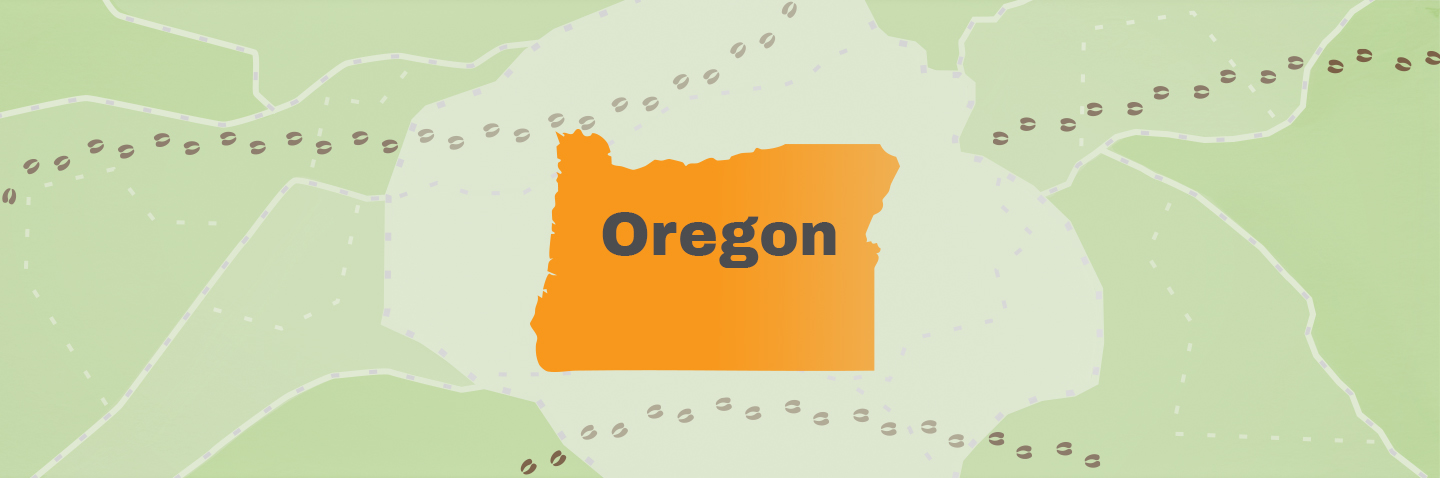
Oregon requires every hunter under the age of 18 to complete a hunter safety education course before hunting in the state, while adults are encouraged but not required to take it. Once you're certified, you'll need a hunting license, which costs $39 for residents and $193 for non-residents in 2026, plus any species-specific tags for the game you're after.
You can purchase a license online through the Oregon Department of Fish and Wildlife (ODFW) or through an approved license agent, and licenses run on a calendar year, expiring every December 31. Hunter-Ed is a delegated provider for Oregon's hunter safety course, and the certificate itself never expires once you've earned it.
Today, we walk through how to get your Oregon hunting license and Hunter Education Certificate, step by step.

What Is a Hunting License in Oregon?
A hunting license is the base document ODFW requires before you can legally pursue any game species in the state. It's separate from your tags, which you purchase individually for deer, elk, bear, turkey, and other species once you hold a valid license.
Your Hunter Education Certificate is a different document entirely. It proves you completed an ODFW-approved safety course, and it's good for life, while your hunting license has to be renewed every year by December 31.
Who Needs a Hunting License in Oregon?
Oregon requires a hunting license for all residents and non-residents age 12 or older who hunt in the state, and hunter education adds an extra layer for hunters under 18. Age determines which path applies to you.
Hunter education runs on a separate track from the license itself. Anyone younger than 18 must complete an approved hunter education course and Field Day before buying a standard license, unless they qualify for one of Oregon's supervised alternatives instead:
- Under 9: Not formally excluded from hunter education, but ODFW notes younger students may struggle with the coursework and the physical demands of the Field Day's firearm-handling drills.
- Age 9 through 13: Can hunt small game through the Mentored Youth Program under a licensed adult's direct supervision, without a license or hunter education certificate of your own.
- Age 12 through 17: Hunters should complete hunter education and the Field Day, then purchase the reduced-fee Youth License ($10) to hunt independently on your own tag.
- Age 18 and older: No hunter education requirement applies, though many adults take the course anyway since some other states require it through reciprocity before they'll issue a non-resident license.
How to Get Your Oregon Hunting License (Step-by-Step)
Getting licensed in Oregon comes down to a few specific steps, though the order shifts slightly depending on your age. Here's the full process from start to finish.
- Complete an approved hunter education course if you're younger than 18, then attend and pass the required Field Day.
- Choose your license type: standard resident or non-resident, Youth License, or a reduced-fee option for seniors, veterans, or hunters with disabilities.
- Purchase your license through the ODFW website, by mail, or through an approved license agent.
- Add any species tags you need, such as deer, elk, or turkey, before the applicable sale deadline.
- Carry your license, tags, and Hunter Education Certificate any time you hunt.
Most big game tags must be purchased no later than the day before your hunt begins, so buying early beats scrambling at the last minute. Once your license and tags are in hand, you're ready for the field.
The sections below cover the hunter education course and license purchase in more detail.

Step 1: Complete an Approved Hunter Education Course
Oregon's hunter education path splits by provider rather than by age. Adults can finish entirely online, while younger hunters need an in-person Field Day too.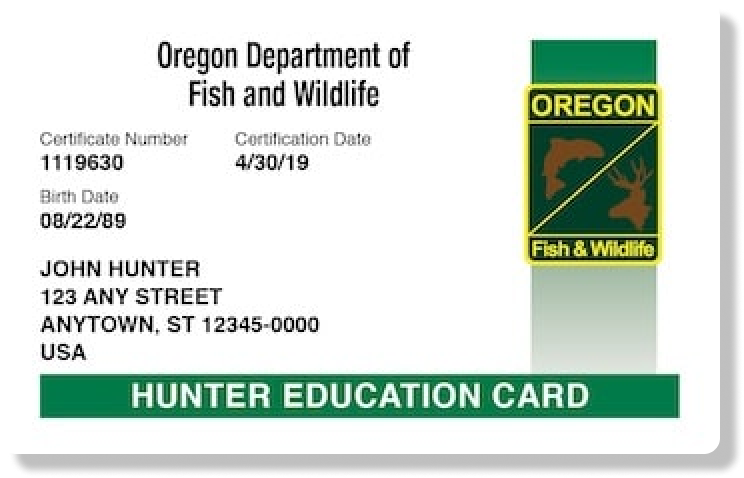
- Online course only (age 18 and older): Complete the Hunter-Ed Oregon course ($34.95) and pass the final exam to print your certificate immediately, no Field Day required.
- Online course plus Field Day (younger than 18): Complete the same Hunter-Ed course online, then register separately for the required in-person Field Day, typically 4 to 6 hours, to receive your certificate.
- In-Person Conventional Course (youth-tailored): Attend a full classroom course taught by ODFW-certified volunteer instructors, running 14 to 16 hours across multiple sessions, with the Field Day exam built into the course itself.
Passing the online course doesn't guarantee a Field Day seat, so hunters younger than 18 should register for both well ahead of the season they're planning to hunt.
Step 2: Buy Your Hunting License
Once you have your Hunter Education Certificate, if it applies to you, you can buy your license through the ODFW website, by mail, or at an approved license agent.
You'll need a government-issued photo ID or your existing hunter/angler ID number, proof of hunter education if required, and payment.
Step 3: Add Species Tags and Go Hunting
A standard Oregon hunting license doesn't cover deer, elk, bear, or turkey. Those species each require their own tag, purchased separately and, for most big game species, subject to a sale deadline the day before your hunt begins.
Once your license and any needed tags are in hand, you're ready to hunt.
Oregon Hunting License Requirements by Age
Here's a high-level overview of the requirements for hunting licenses in Oregon by age.
Oregon Hunting License Requirements (by Age) | ||
| Age | Requirement | Supervision/Hunter Education |
| Under 9 | No license required | Not formally excluded from hunter education, but the course and Field Day are demanding at this age |
| 9 through 13 | No license required under the Mentored Youth Program | Must hunt small game under a licensed adult's direct supervision |
| 12 through 17 | Youth License ($10) | Hunter education plus a required Field Day to hunt independently |
| 18 through 69 | Resident ($39) or Non-Resident ($193) | Hunter education not required. If taken, no Field Day needed at this age. |
| 70 and older | Senior Hunting License ($25) | Requires 5 years of Oregon residency. Pioneer Combination available at 65 with 50 years of residency. |
Privileges and stamps: Waterfowl hunters age 16 and older need the federal Duck Stamp. Hunters ages 14 and older also need Oregon's own Waterfowl Stamp ($15) plus proof of Harvest Information Program (HIP) registration.
Upland bird hunters need the Resident Upland Bird Stamp ($11), and anyone parking at an ODFW wildlife area needs a separate Wildlife Area Parking Permit.
Season dates and bag limits vary by species and unit, so check before you plan a hunt.
Hunter Safety Course: Format and Cost
Oregon stands out for offering a fully free online course option through one of its approved providers, even though adults aren't required to take it at all. The chart below offers a quick overview of those formats.
Oregon Hunter Safety Course Formats Comparison | ||||
| Format | Provider | Cost | Time | Exam |
Online (18+) | Hunter-Ed | $34.95 + $10.00 Oregon Department of Fish and Wildlife fee (hunters 18+) | A few hours, self-paced | Final exam only (certificate prints immediately upon passing) |
Online plus Field Day (younger than 18) | Hunter-Ed | $34.95 | Self-paced online, plus a 4- to 6-hour Field Day | Final exam, then a required Field Day |
In-Person Conventional (youth-tailored) | ODFW volunteer instructors | $10 registration fee | 14 to 16 hours across multiple sessions | Exam and Field Day included in course |
Whichever format you choose, the certification you walk away never needs to be renewed. It never expires. Only your Oregon hunting license resets, and that happens every year on December 31.
What to Bring When Buying Your License
Make sure you have the right documentation handy to purchase your Oregon hunting license. You'll need:
- Proof of your Hunter Education Certificate, if you're required to hold one
- A government-issued ID or your existing hunter/angler ID number
- Payment (card online or in person, or check by mail)
- Proper outdoor clothing if you're heading straight to a Field Day session afterward
Oregon Hunting Laws and Penalties
Hunting without a valid license or the correct tag in Oregon is typically charged as a Class A misdemeanor, carrying fines, potential jail time, and suspension of your hunting privileges. More serious violations, such as taking wildlife with intent to sell it or exceeding bag limits by three times or more, can escalate to a Class C felony.
Additionally, hunters younger than 18 must wear hunter orange visible from all directions when hunting big game mammals or upland game birds, excluding turkey, with a firearm.
A third wildlife law conviction within 10 years also triggers mandatory forfeiture of firearms, vehicles, and other equipment used in the offense, and failing to report a harvest as required adds a $25 surcharge to your next license purchase.
What About Reciprocity?
Oregon accepts hunter education certificates from any U.S. state, Canadian province, or country that meets International Hunter Education Association (IHEA-USA) standards. States and provinces with their own mandatory hunter education requirements return the favor and accept an Oregon Hunter Education Certificate, so your card travels with you if you hunt elsewhere.
What Out-of-State Visitors Need to Know
Non-resident hunters pay $193 for an annual license, with species tags priced separately and often well above resident rates, such as $500 for a non-resident deer tag or $660 for elk. Hunters younger than 18 must still meet Oregon's hunter education requirement regardless of home state, and anyone hunting migratory waterfowl needs a Harvest Information Program (HIP) number along with the required stamps.
Start Your Oregon Hunter Safety Course Today
The Hunter-Ed Oregon course is approved by ODFW, self-paced, and available on any device. Adults can complete it with no Field Day required, while hunters younger than 18 also need to attend and pass the in-person Field Day. Complete the course and get your lifetime Oregon hunter education certificate.

Approved by Oregon Department of Fish and Wildlife (ODFW) | Last verified August 12, 2026
Frequently Asked Questions (FAQs)
Q: How much does a hunting license cost in Oregon?
A: A resident hunting license in Oregon costs $39, while a non-resident license costs $193, both valid through December 31 of the year purchased. Species tags, such as deer or elk, are priced separately and cost significantly more for non-residents than for residents.
Q: Do adults need hunter education to hunt in Oregon?
A: Adults age 18 and older are not required to complete hunter education to hunt in Oregon, since the state's mandate only applies to hunters younger than 18. Many adults take the course anyway, since some other states require proof of hunter education through reciprocity before issuing a non-resident license.
Q: Is a Field Day required for the online hunter safety course in Oregon?
A: Yes, hunters younger than 18 who complete an online hunter safety course in Oregon must also attend and pass an in-person Field Day to finish their certification. The Field Day runs four to six hours and includes live-fire exercises, blood trailing, and tree stand safety demonstrations, with ODFW supplying all equipment.
Q: Can a 10-year-old hunt in Oregon?
A: A 10-year-old can hunt in Oregon through the state's Mentored Youth Program, which covers hunters ages 9 through 13 and allows them to pursue small game under a licensed adult's direct supervision. Mentored youth don't need their own license or hunter education certificate while hunting under this program.
Q: Does Oregon's hunter education certificate work in other states?
A: Yes, an Oregon Hunter Education Certificate is accepted in any U.S. state, Canadian province, or country with a mandatory hunter education requirement that meets IHEA-USA standards. This reciprocity means Oregon-certified hunters generally don't need to take another state's hunter safety course before hunting elsewhere.
Q: What's the penalty for hunting without a license in Oregon?
A: Hunting without a valid license or tag in Oregon is typically charged as a Class A misdemeanor, which can carry fines, jail time, and suspension of hunting privileges. Repeat or aggravated offenses, like exceeding bag limits by three times or more, can escalate to a Class C felony with mandatory equipment forfeiture on a third conviction within 10 years.