How to Get Your Connecticut Hunting License
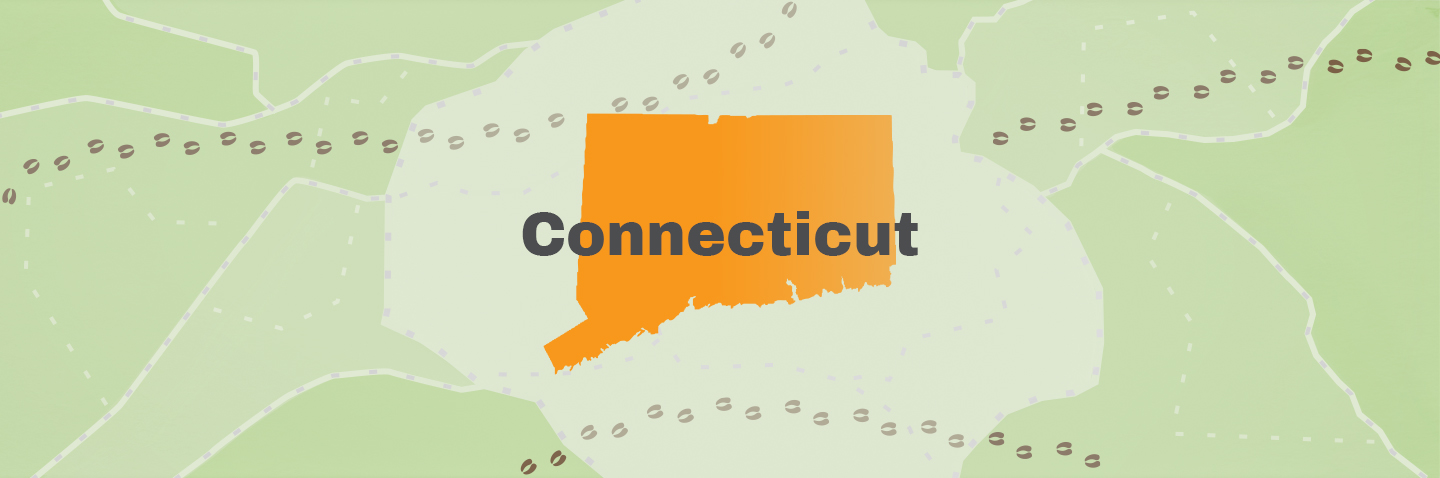
A Connecticut hunting license is required for hunters age 12 and older to legally take wildlife in the state. Residents pay $19 for an annual firearms hunting license, while non-residents pay $91. First-time hunters, or anyone who hasn't held a Connecticut resident license in the same discipline within the last five years, must complete a CE/FS course before purchasing a license, though the course itself isn't required to purchase a license.
Licenses are sold through DEEP's Online Outdoor Licensing System, at town clerk offices, and at outdoor retailers statewide. A Connecticut hunting license runs on the calendar year, expiring every December 31.
This guide walks you through how to get your Connecticut hunting license and Hunter Education Certificate, step by step.
What Is a Hunting License in Connecticut?
A Connecticut hunting license is the legal document that allows you to take wildlife in the state. It's issued by the Connecticut Department of Energy and Environmental Protection (CT DEEP) and comes in a few main forms: a resident or non-resident firearms hunting license, a junior firearms license for ages 12 to 15, and a Small Game and Deer Archery Permit for bowhunters.
The license itself is separate from your Hunter Education Certificate. Connecticut's hunter education requirement works a little differently than most states: instead of a birth-year cutoff, it's based on whether you've held a Connecticut resident license in that discipline within the last five years.
- If you have, you're exempt from retaking the course.
- If you haven't, or you're a first-time hunter, you'll need to complete the Conservation Education/Firearms Safety (CE/FS) course before your license will be issued.
Who Needs a Hunting License in Connecticut?
Connecticut law requires a hunting license for anyone age 12 or older who hunts wildlife in the state. No one under 12 may hunt at all, with a narrow exception for trapping, which has no minimum age.
Hunter education in Connecticut isn't tied to age or birth year. You need the CE/FS course only if you're a first-time hunter or haven't held a Connecticut resident license in that discipline within the last five years. Because of that structure, most returning hunters skip it entirely, while newcomers and lapsed hunters need to complete it before their first purchase.
- Under 12: cannot hunt in Connecticut under any circumstance.
- Age 12 through 15: must hold a junior license and be personally accompanied by a licensed adult hunter 18 or older; no adult may supervise more than two minors at once.
- Age 16 and older, first-time or lapsed hunters: must complete the CE/FS course (or an equivalent from another state) before a license will be issued.
- Age 16 and older, previously licensed within 5 years: exempt from retaking hunter education.
Whichever category applies to you, keep proof of your license and, if required, your certification on hand while hunting.
How to Get Your Connecticut Hunting License (Step-by-Step)
Getting licensed in Connecticut depends heavily on whether you're new to the sport or a returning hunter. Here's the full process from start to finish.
- Review the free Connecticut hunter education study guide if you're a first-time hunter, then complete the state's approved online course and mandatory field day.
- Purchase your license through DEEP's Online Outdoor Licensing System, at a town clerk office, or at an authorized retailer.
- Select your license type: resident firearms ($19), non-resident firearms ($91), junior firearms ($11), or the Small Game and Deer Archery Permit ($41 resident) if you plan to bowhunt.
- Add any required permits for your target species, such as a firearms deer permit or the Resident Game Bird Conservation Stamp for turkey.
- Carry your digital or printed license, plus your certification if required, any time you hunt.
Once you've completed these steps, you're fully licensed and ready for the field. The sections below cover hunter education and license purchase in more detail.

Step 1: Complete the CE/FS Course, If It Applies to You
Connecticut doesn't offer a fully online certification path. Every route to certification includes a mandatory in-person field day.
- Online course plus Field Day: Complete an approved online provider's course, then attend a state-run Field Day, roughly 8 hours, that includes classroom instruction and field exercises.
- Traditional classroom course: A fully in-person option through CT DEEP, spanning two full days of instruction, which can be split into more than two sessions.
- Exemption: If you've held a Connecticut resident license in the same discipline within the last five years, you can skip this step entirely.
Note that hunter education must have included a field day even if completed years ago; apprentice or mentored licenses from other states don't satisfy Connecticut's requirement.
Step 2: Purchase Your License
Once you have your certification, if it applies to you, you can buy your license through DEEP's Online Outdoor Licensing System, at a town clerk office, or at select DEEP offices and outdoor retailers.
You'll need a government-issued photo ID, proof of hunter education if required, and payment.
Step 3: Apply for Big Game and Go Hunting
A standard Connecticut firearms license doesn't automatically cover every activity. Taking deer with a firearm requires a separate deer permit, taking turkey requires the Resident Game Bird Conservation Stamp, and bowhunting requires the Small Game and Deer Archery Permit plus proof of the separate bowhunter education course.
Once your license and any needed permits are in hand, you're ready to hunt. Before you head out, review general hunting safety practices to make sure you're field-ready.
Connecticut Hunting License Requirements by Age
Let's take a look at the requirements for hunting licenses in Connecticut by age.
Connecticut Hunting License Requirements (by Age) | ||
| Age | Requirement | Supervision/Hunter Education |
| Under 12 | Not permitted to hunt | Not applicable |
| 12–15 | Junior firearms license required ($11) | Must be accompanied by a licensed adult 18 or older; max 2 minors per adult |
| 16 and older, first-time or lapsed 5+ years | Standard resident ($19) or non-resident ($91) license required | Must complete the CE/FS course before a license is issued |
| 16 and older, licensed within the last 5 years | Standard resident or non-resident license required | Exempt from retaking hunter education |
Bowhunters: The Small Game and Deer Archery Permit ($41 resident, $135 non-resident) requires separate proof of bowhunter education, regardless of firearms hunter education status.
Season dates and bag limits vary by species and zone, so check before you plan a hunt.
Hunter Safety Course: Format and Cost
Connecticut's hunter education always includes a hands-on field day, whether you study online first or attend a fully in-person class. The chart below offers a quick overview of those formats.
Connecticut Hunter Safety Course Formats Comparison | ||||
| Format | Provider | Cost | Time | Exam |
Online + Field Day | State-approved online provider plus CT DEEP | Varies | Online course + roughly 8-hour Field Day | Field skills evaluation and exam at the Field Day |
Traditional Classroom | CT DEEP instructors | Free | Two full days, may be split into more sessions | Written exam and field exercises included |
Once certified, that certification stays valid as long as you keep a Connecticut resident license current in that discipline. Letting your license lapse for more than five years means completing the course again.
What to Bring When Buying Your License
Make sure you have the right documentation handy to purchase your Connecticut hunting license. You'll need:
- Government-issued photo ID
- Hunter Education Certificate, if you're a first-time or lapsed hunter
- Payment (credit or debit card online, or check or card in person)
- Your Conservation ID number, if you have one from a previous purchase
Connecticut Hunting Laws and Penalties
Hunting without a required license in Connecticut carries a fine of $87 under the state's general penalty statute for licensing violations, unless a more specific penalty applies to the particular violation.
Make sure you review Connecticut's hunting laws and regulations for the full requirements.
What About Reciprocity?
Connecticut accepts hunter education certifications from other U.S. states and Canadian provinces as equivalent to its own CE/FS course, provided the certification covers the same discipline (firearms or bowhunting). Other states with mandatory requirements generally accept a Connecticut Hunter Education Certificate in return.
The hunting license itself, however, is not transferable. Hunters visiting from out of state still need to purchase a Connecticut non-resident license, and non-residents must carry proof of an equivalent hunter education certification from their home state, since Connecticut doesn't automatically transfer out-of-state credentials.
Out-of-State Visitors
Non-residents can hunt in Connecticut with a non-resident firearms license ($91) or the non-resident Small Game and Deer Archery Permit ($135). A 3-day out-of-state bird hunting license ($35) is also available for shorter visits focused on migratory and resident game birds.
Start Your Connecticut Hunter Safety Course Today
Review the free Connecticut study guide to prepare, then complete your state-approved online course and Field Day to earn your Connecticut Hunter Education Certificate.

Approved by Connecticut Department of Energy and Environmental Protection (CT DEEP) | Last verified August 7, 2026
Frequently Asked Questions (FAQs)
Q: Do I need a hunting license in Connecticut?
A: Yes, if you're 12 or older. No one under 12 may hunt in the state under any circumstance.
Q: How old do you have to be to get a Connecticut hunting license?
A: The minimum age is 12. Hunters age 12 through 15 need a junior license and must be accompanied by a licensed adult 18 or older.
Q: How much does a Connecticut hunting license cost?
A: A resident firearms license costs $19 in Connecticut. A non-resident firearms license costs $91. A junior license costs $11. Prices reflect CT DEEP's current published fee schedule.
Q: Does a Connecticut hunting license expire?
A: Yes. Connecticut hunting licenses run on the calendar year and expire every December 31, regardless of your purchase date.
Q: Can I take Connecticut's hunter education course entirely online?
A: No. Every path to your hunter safety certification in Connecticut includes a mandatory in-person Field Day; there's no fully online option.
Q: Do I need hunter education in Connecticut?
A: Only if you're a first-time hunter or haven't held a Connecticut resident hunting license in that discipline within the last five years. Returning hunters within that window are exempt.
Q: What if I'm visiting Connecticut to hunt?
A: Non-resident hunters in Connecticut need a non-resident firearms license ($91) or a 3-day out-of-state bird hunting license ($35) for shorter trips. Proof of equivalent hunter education from your home state is required.
Q: What's the penalty for hunting without a license in Connecticut?
A: Hunting without a license in Connecticut carries a fine of $87 under the state's general licensing violation statute, unless a more specific penalty applies.